All posts by Indesign Media

The Good Life House

MRTN Architects

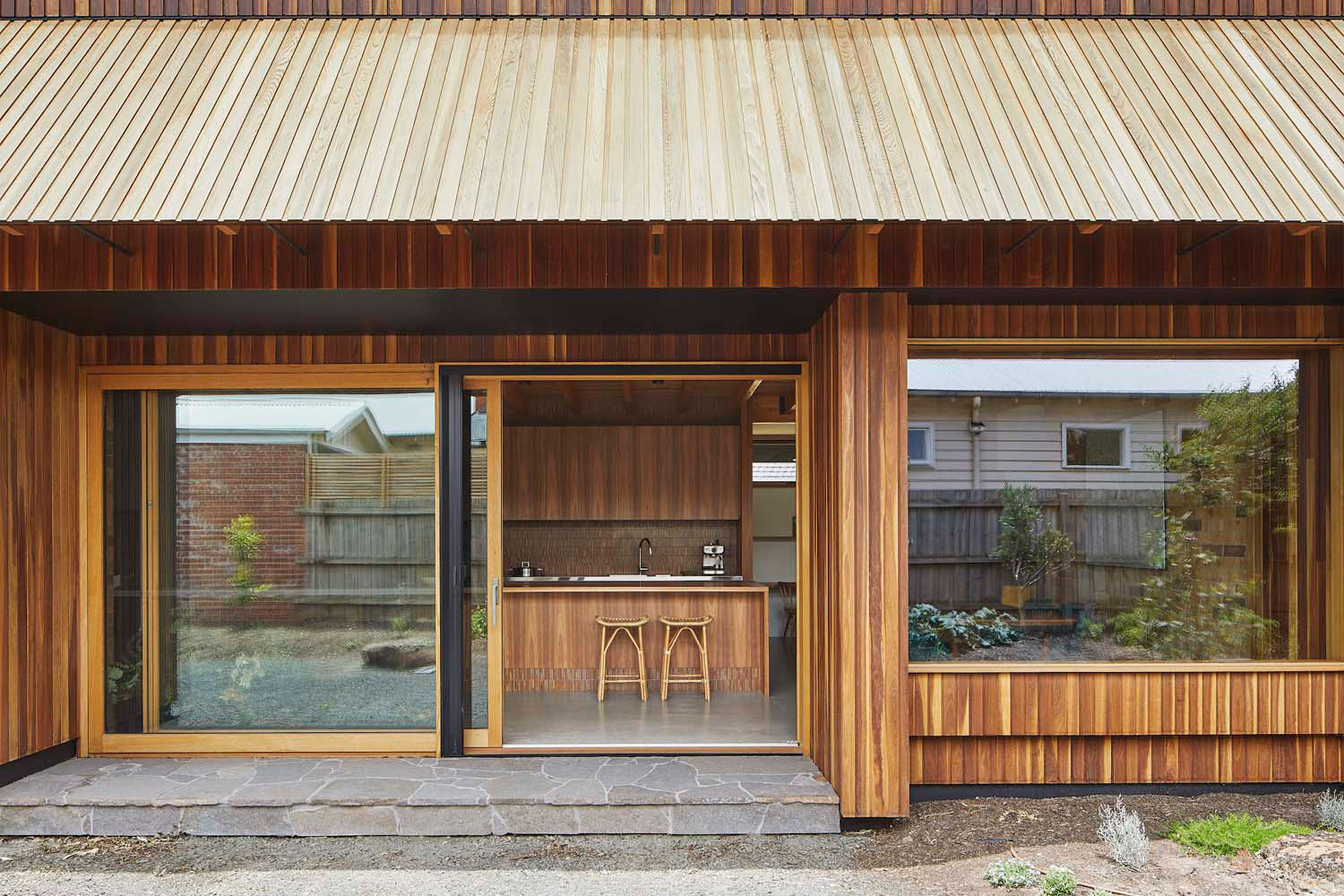
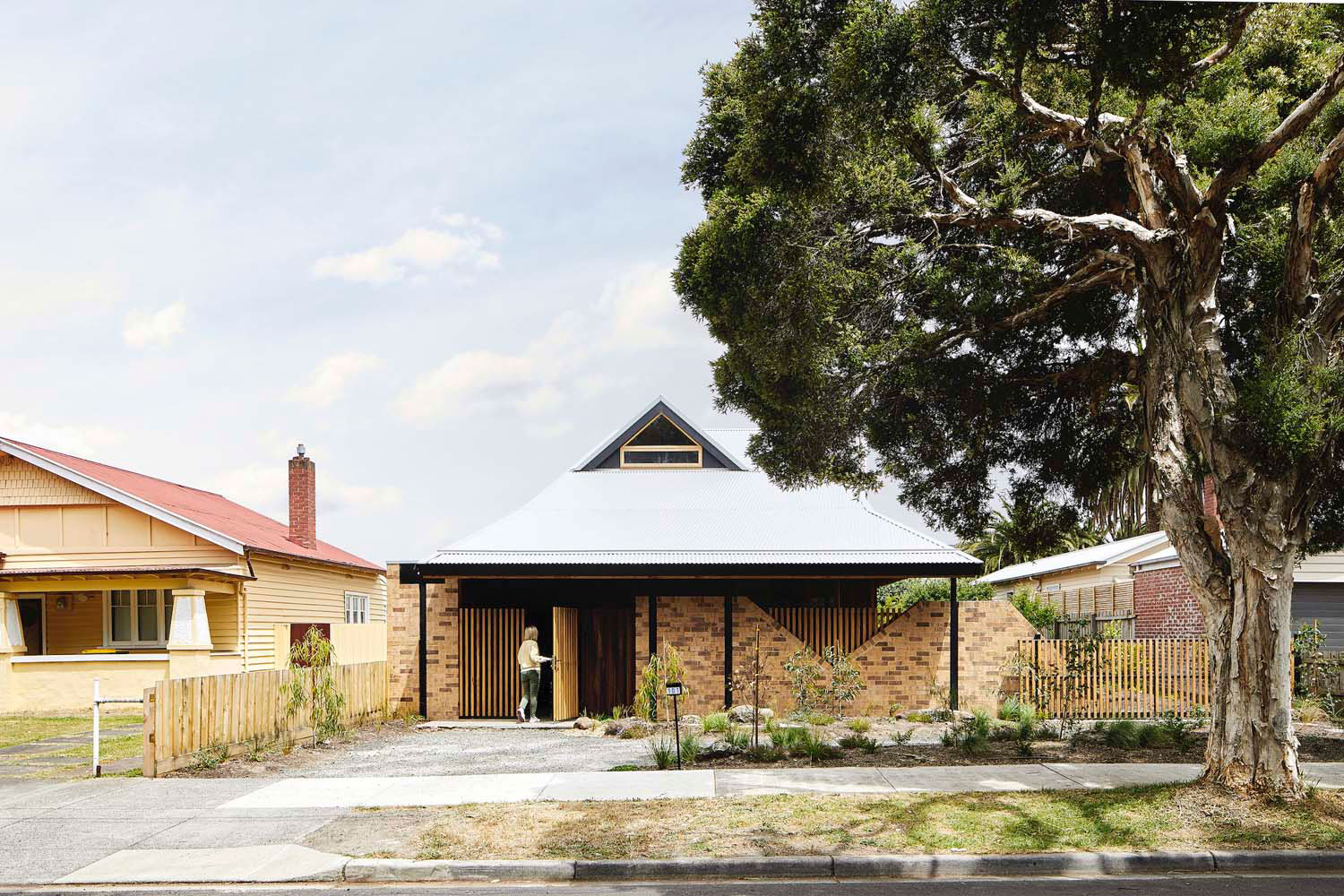
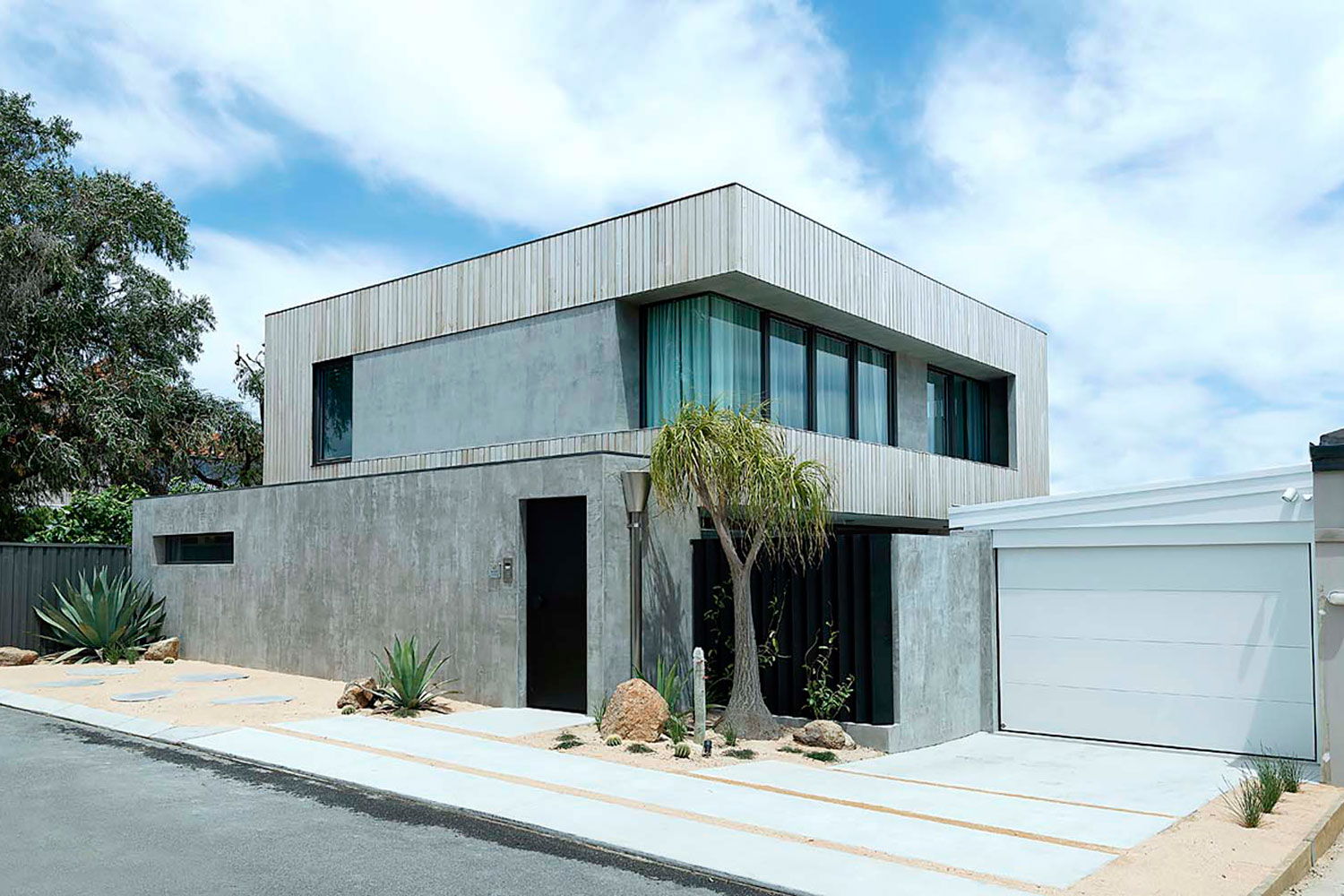
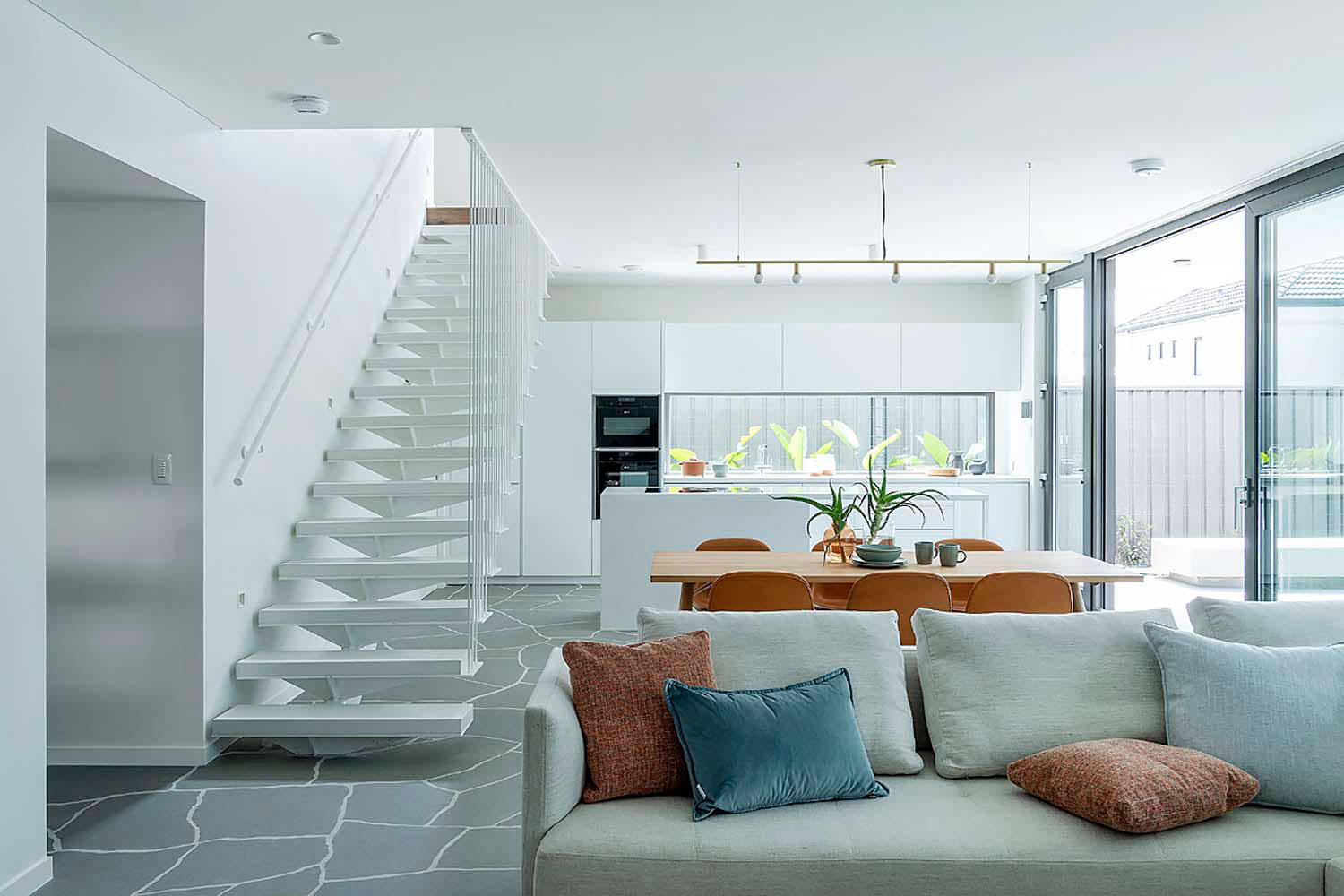
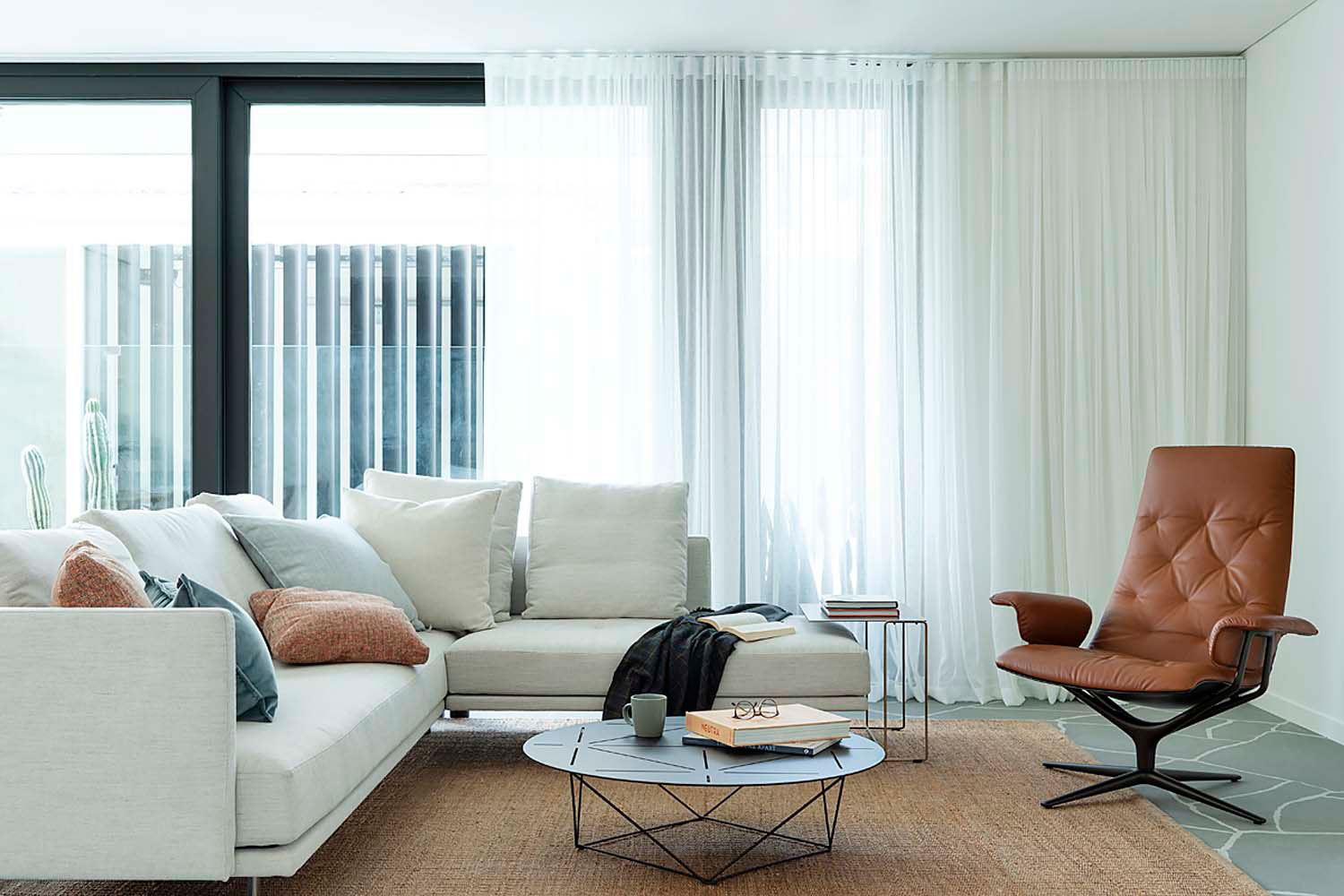
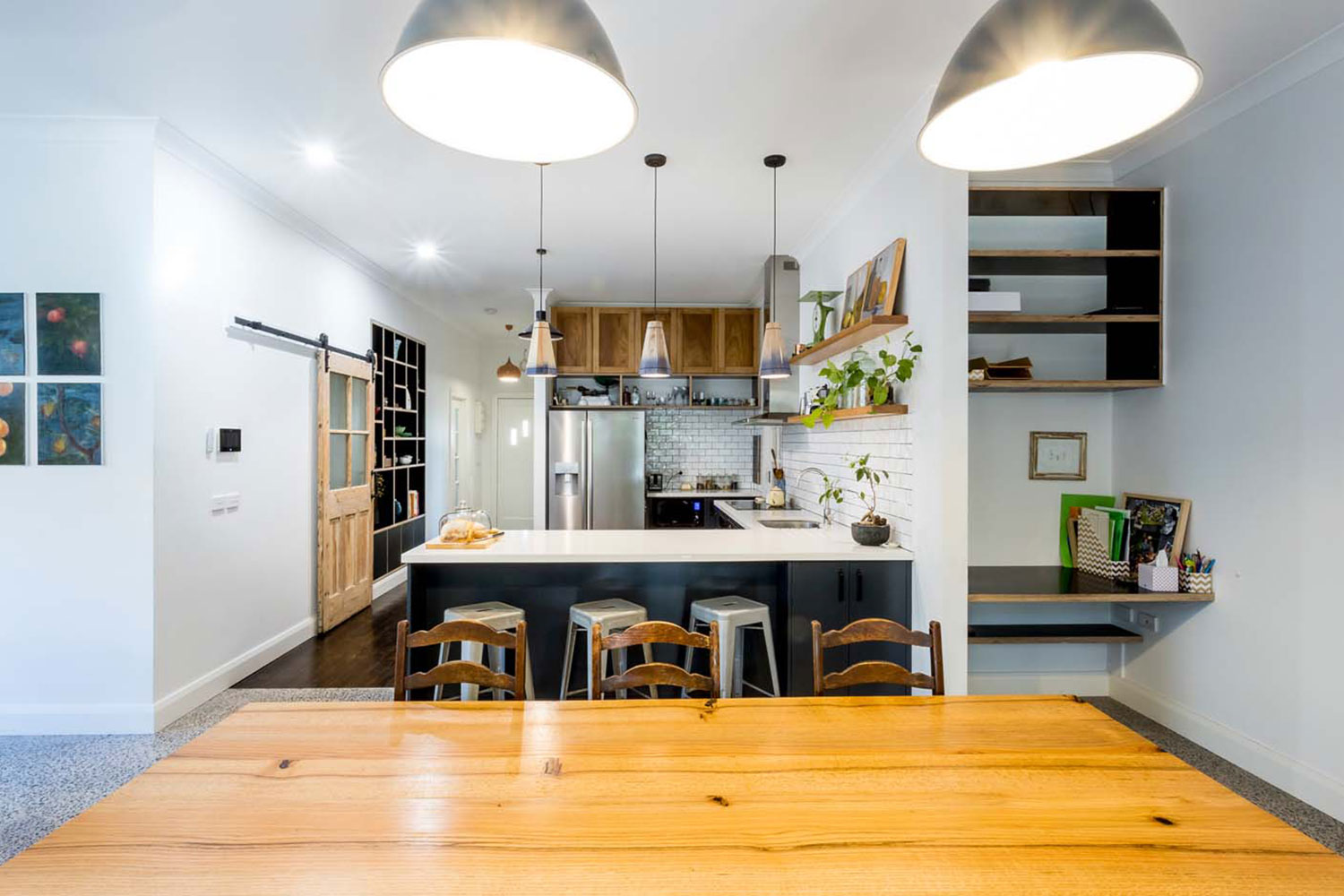
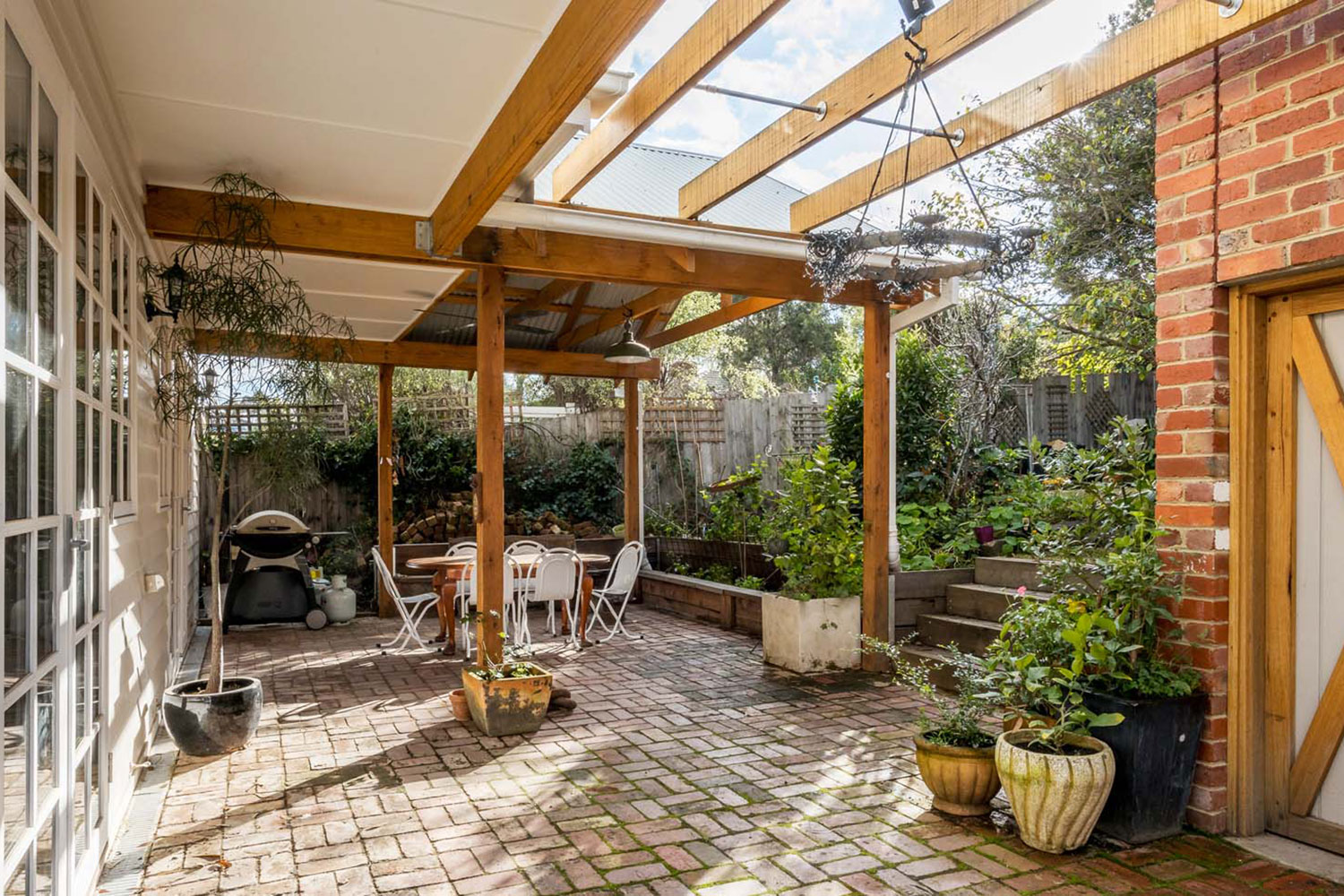
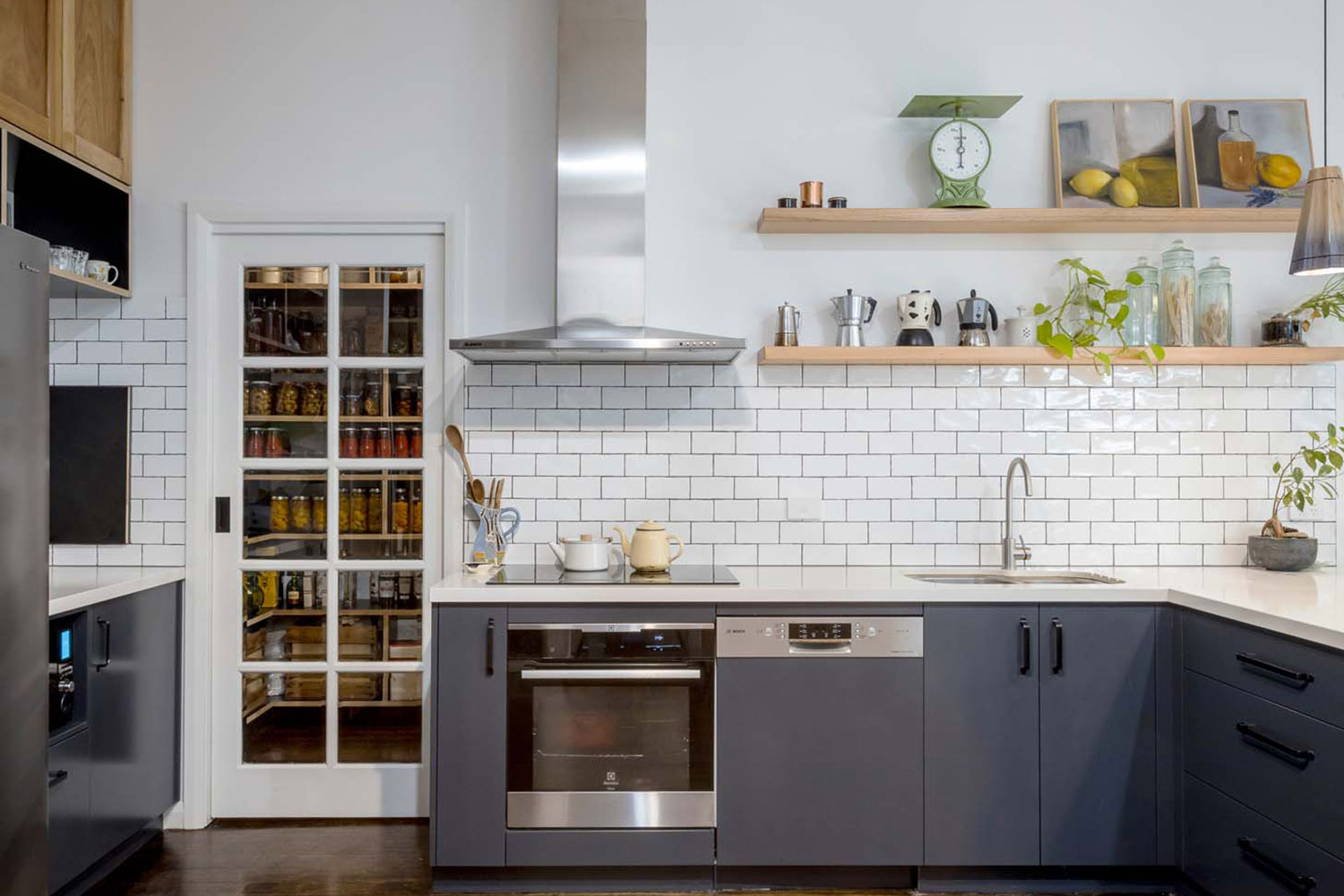
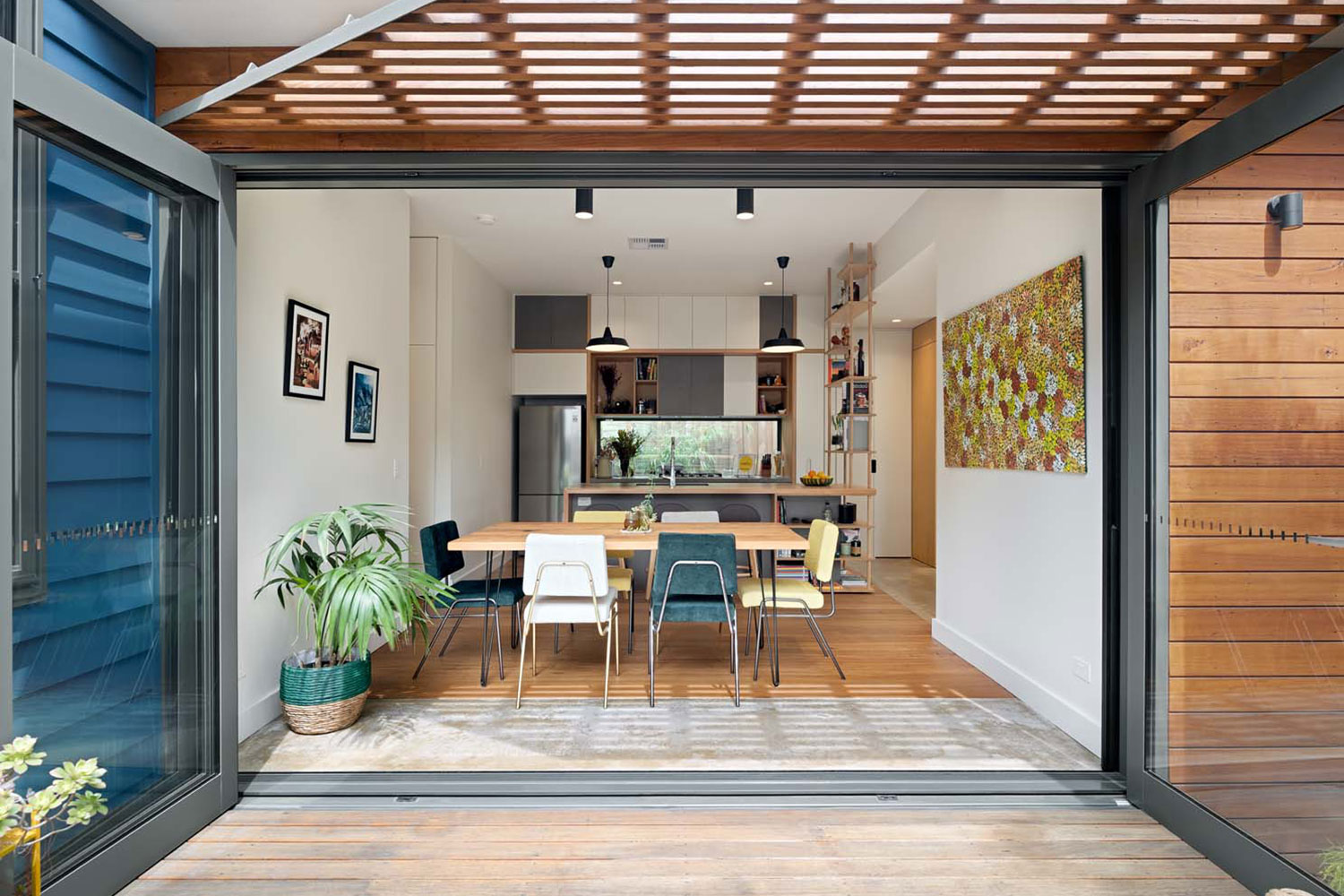
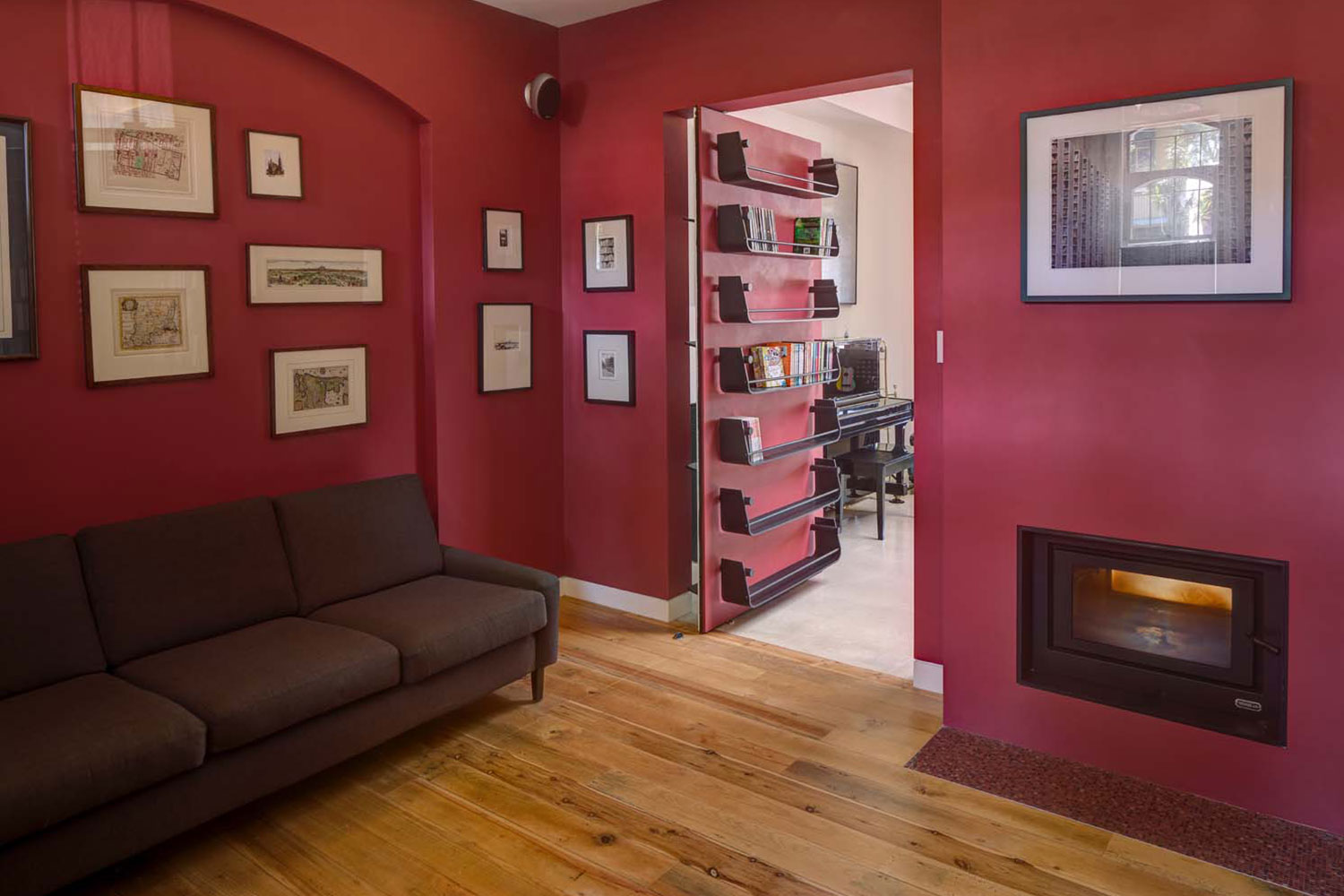
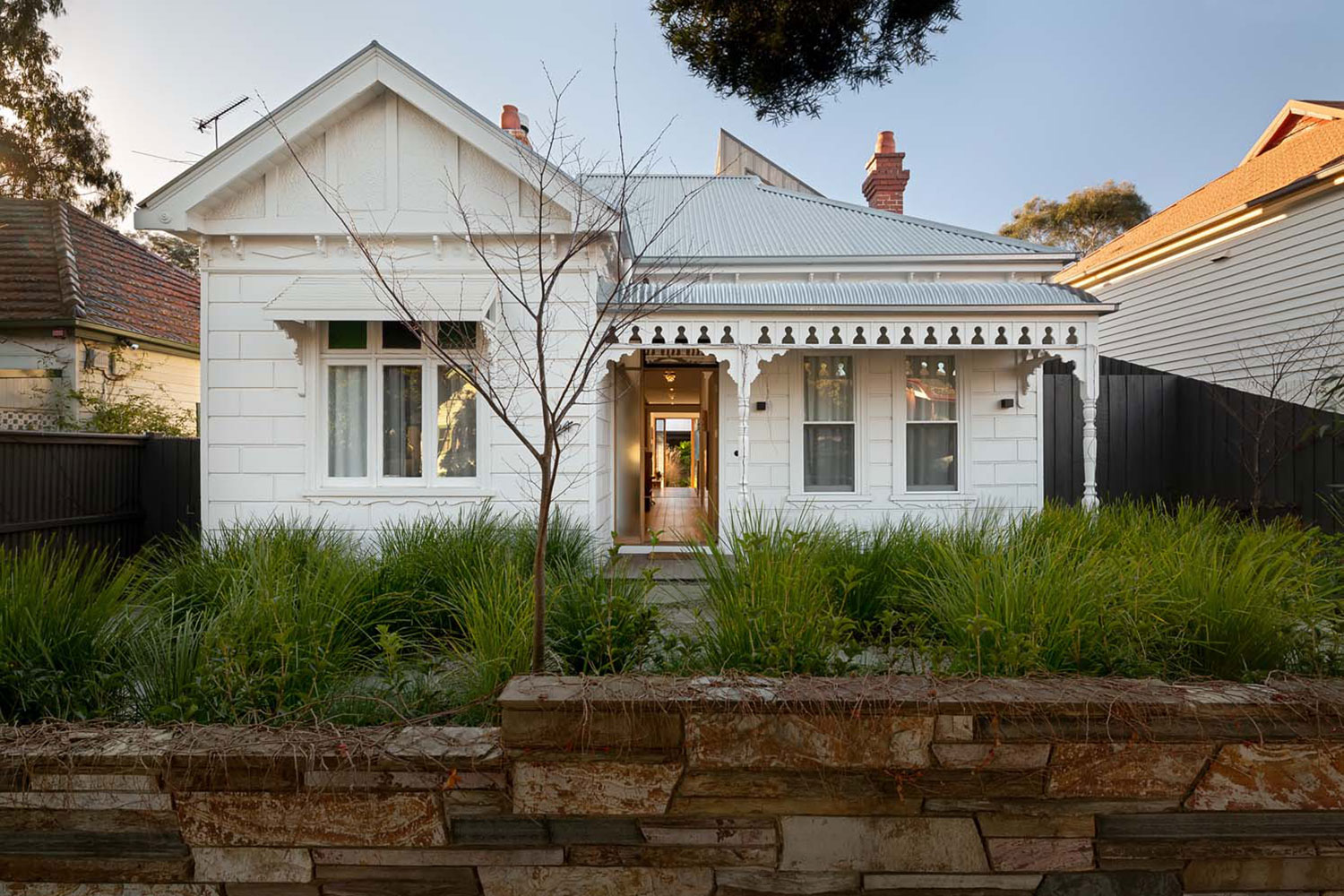
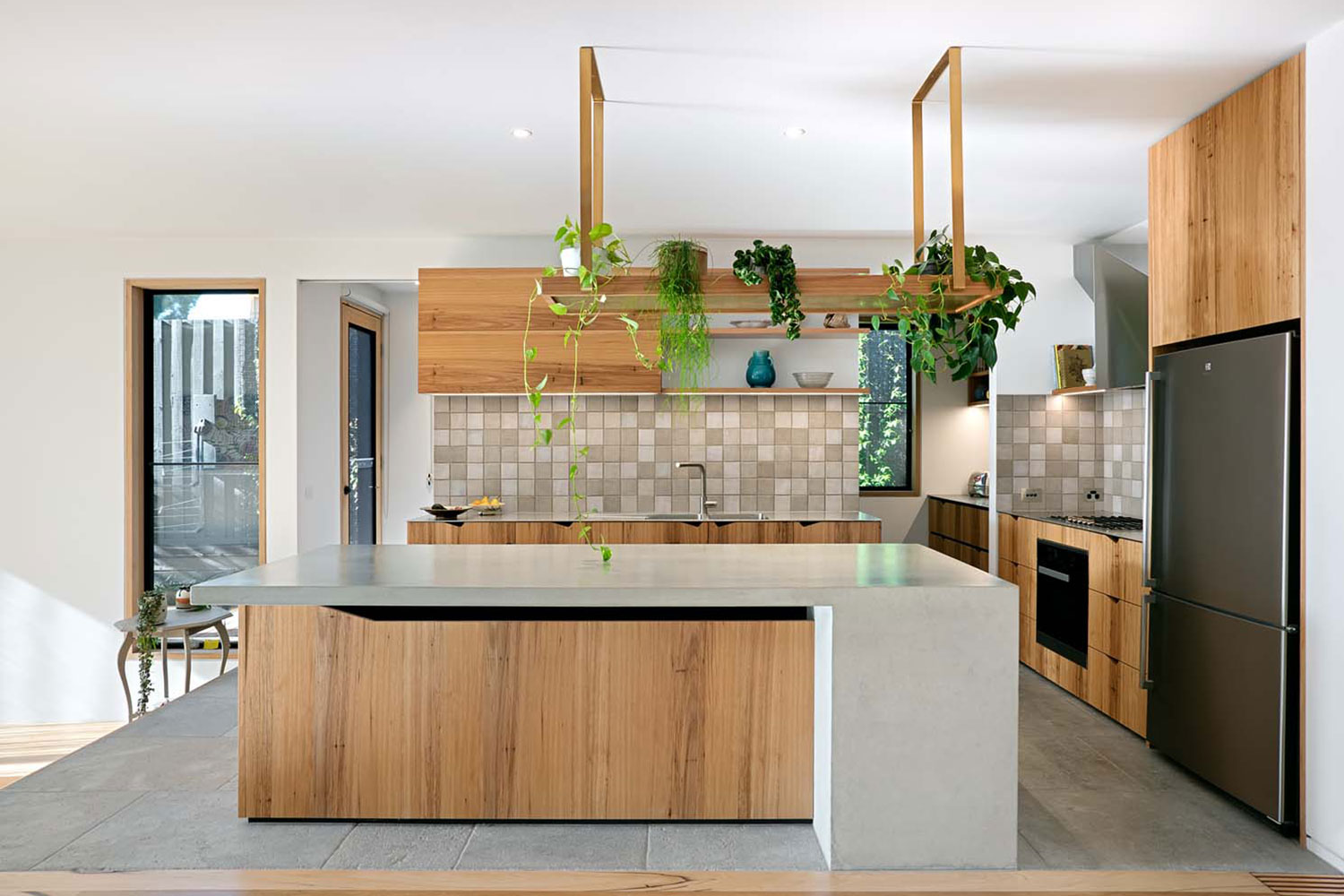
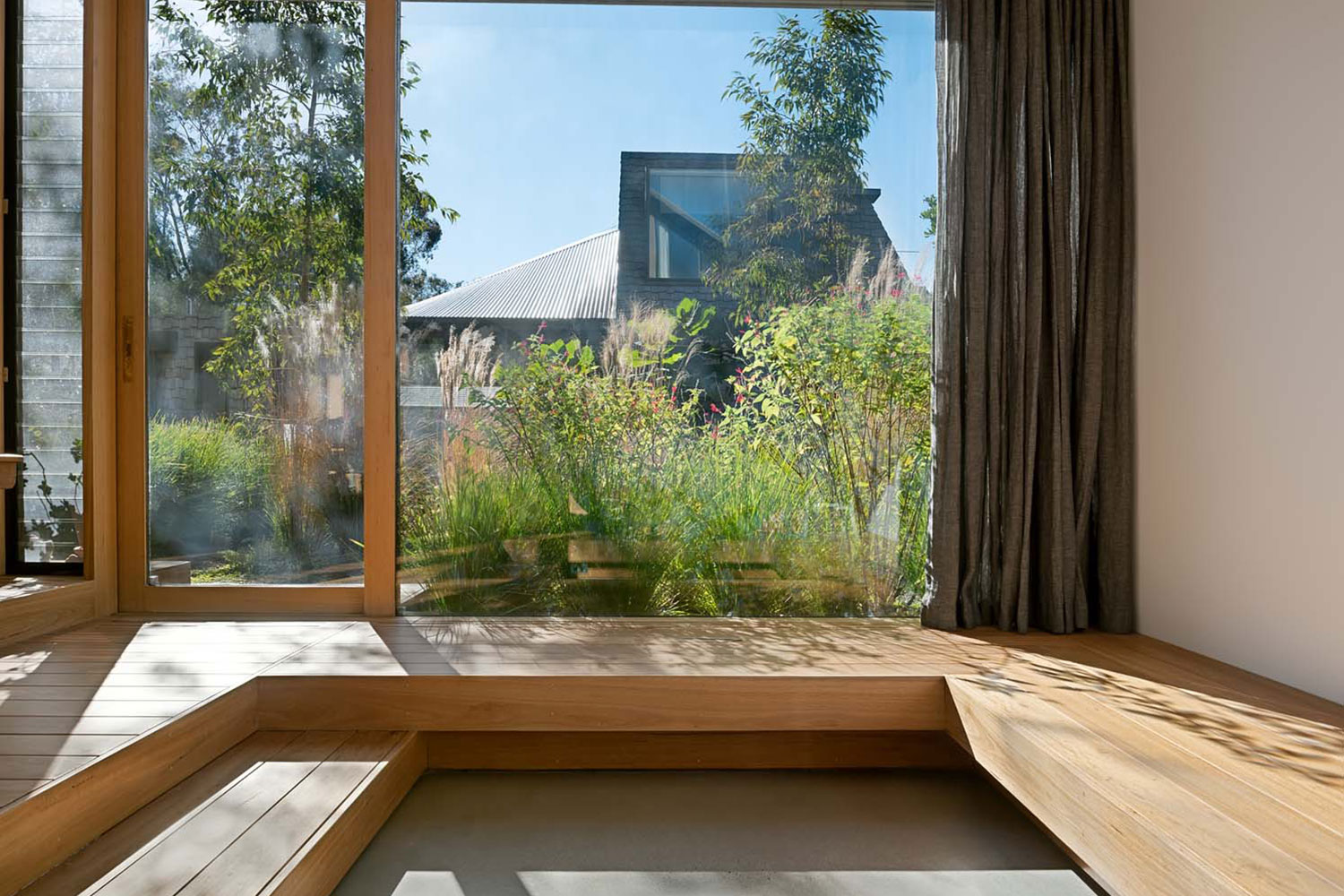
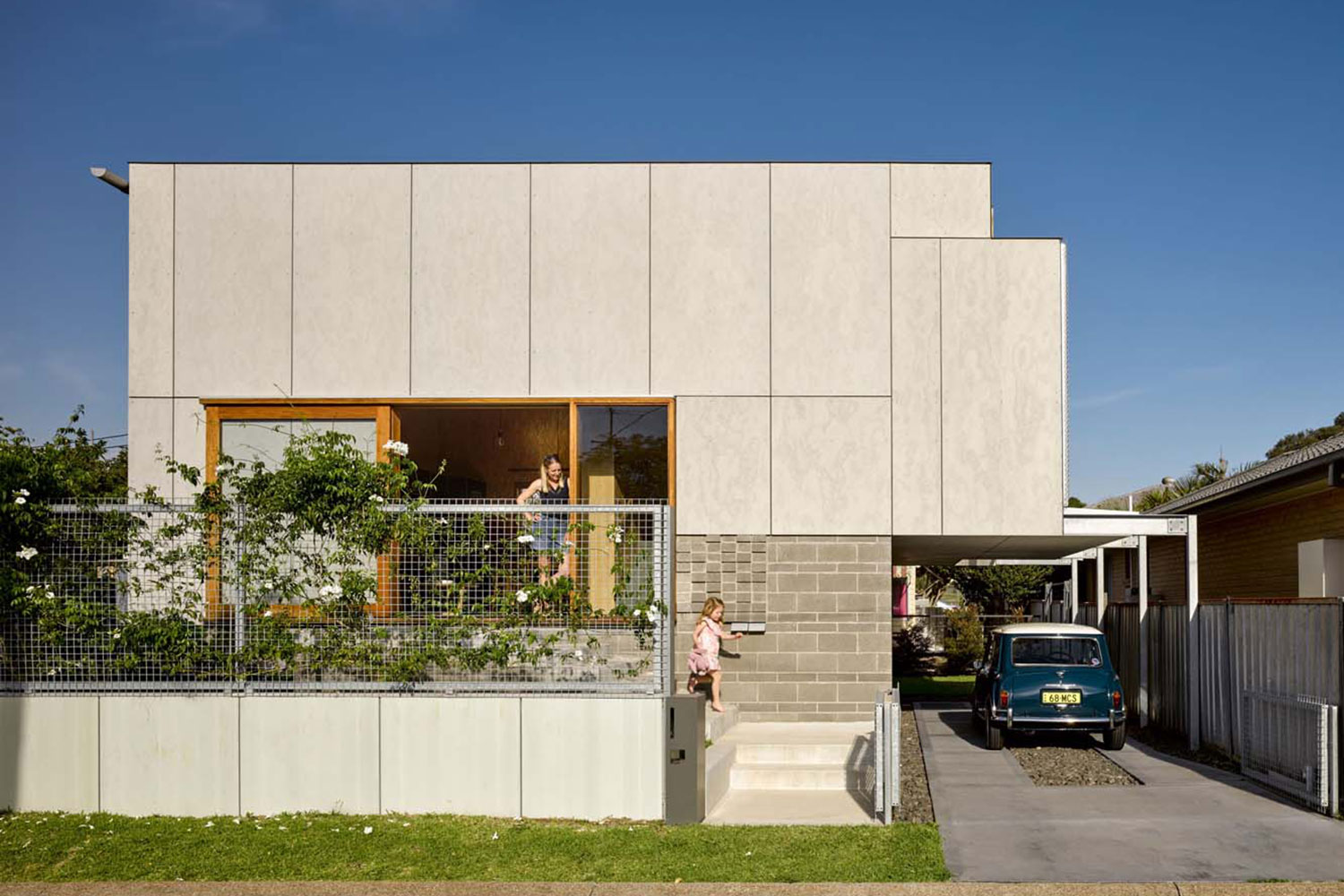
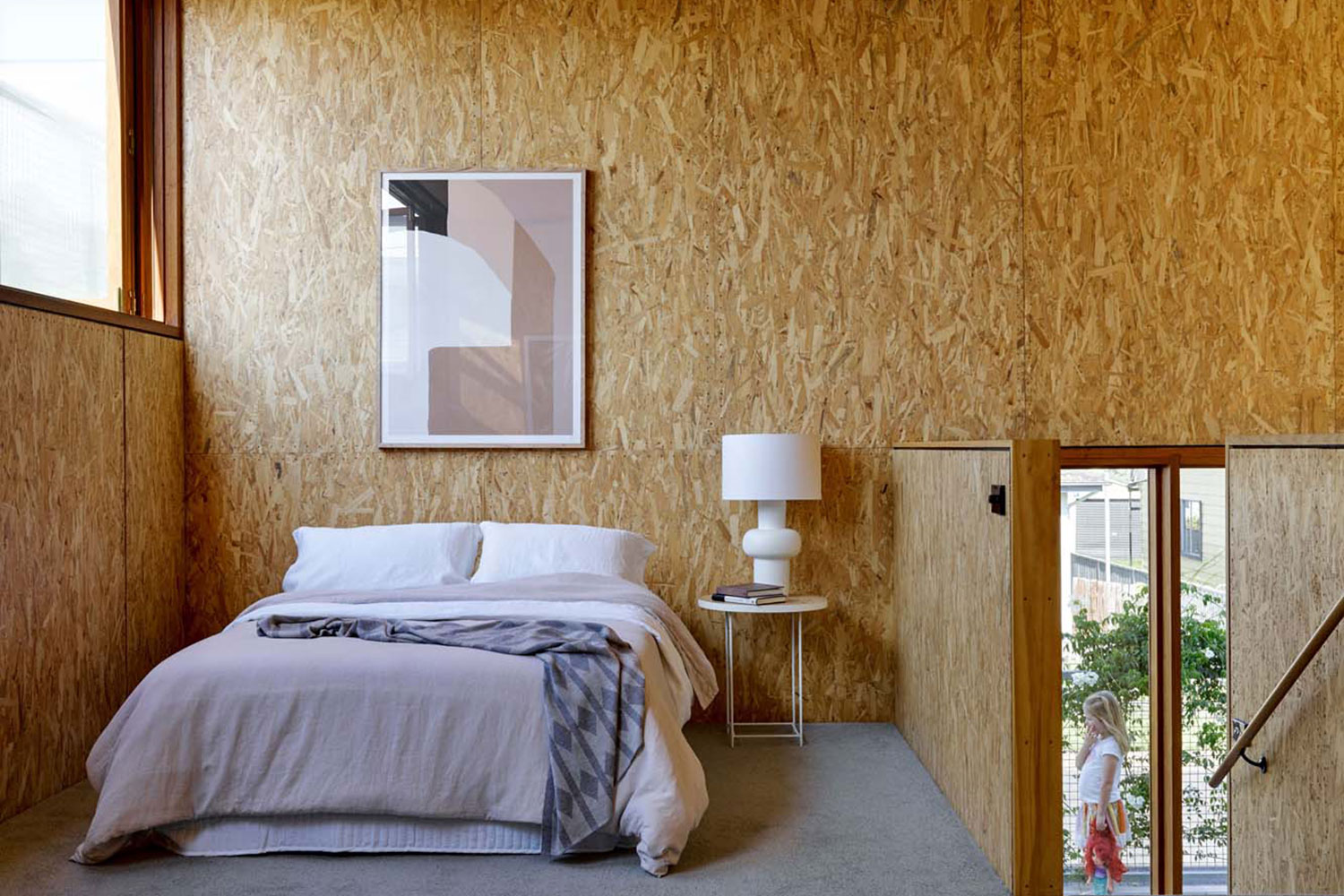
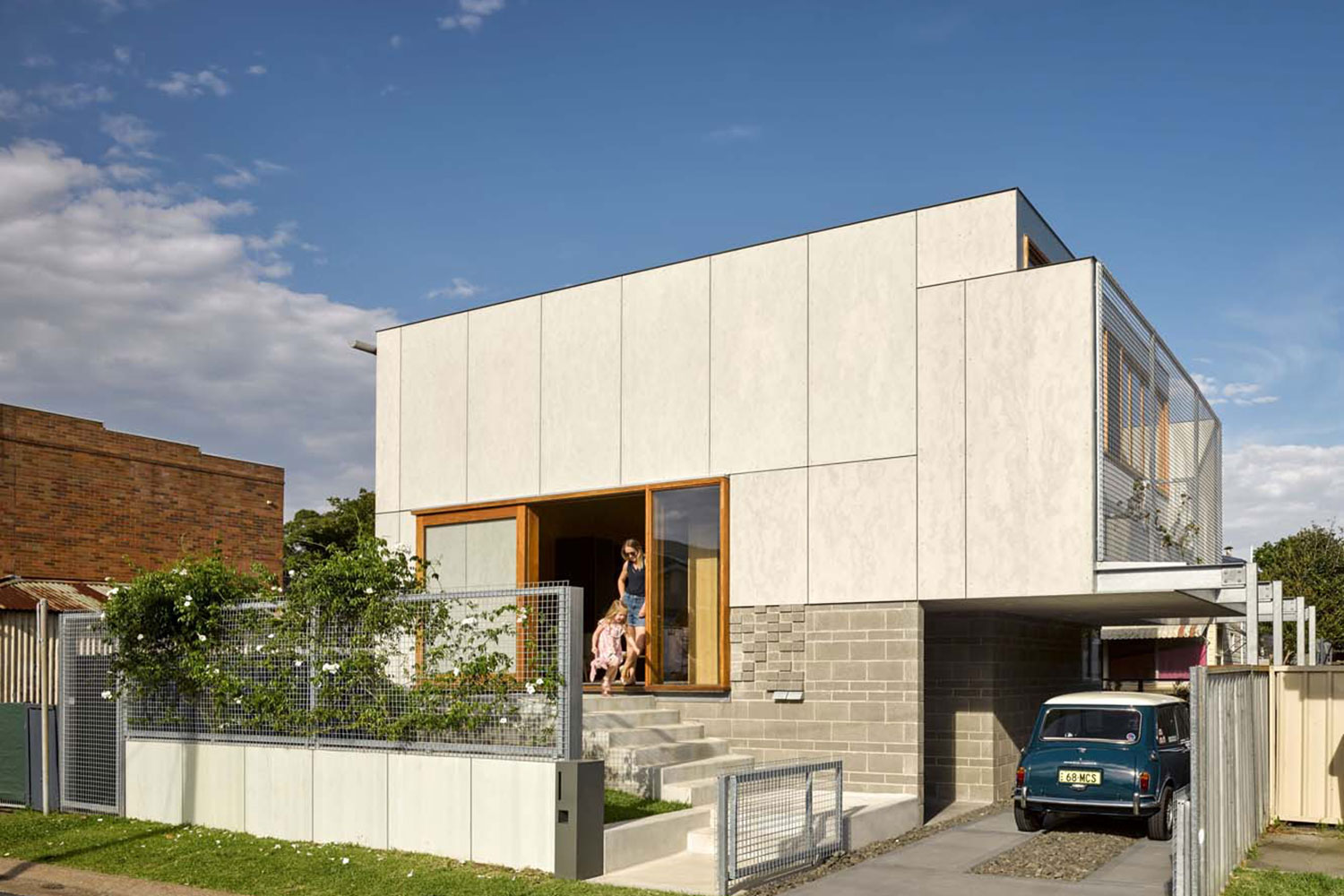
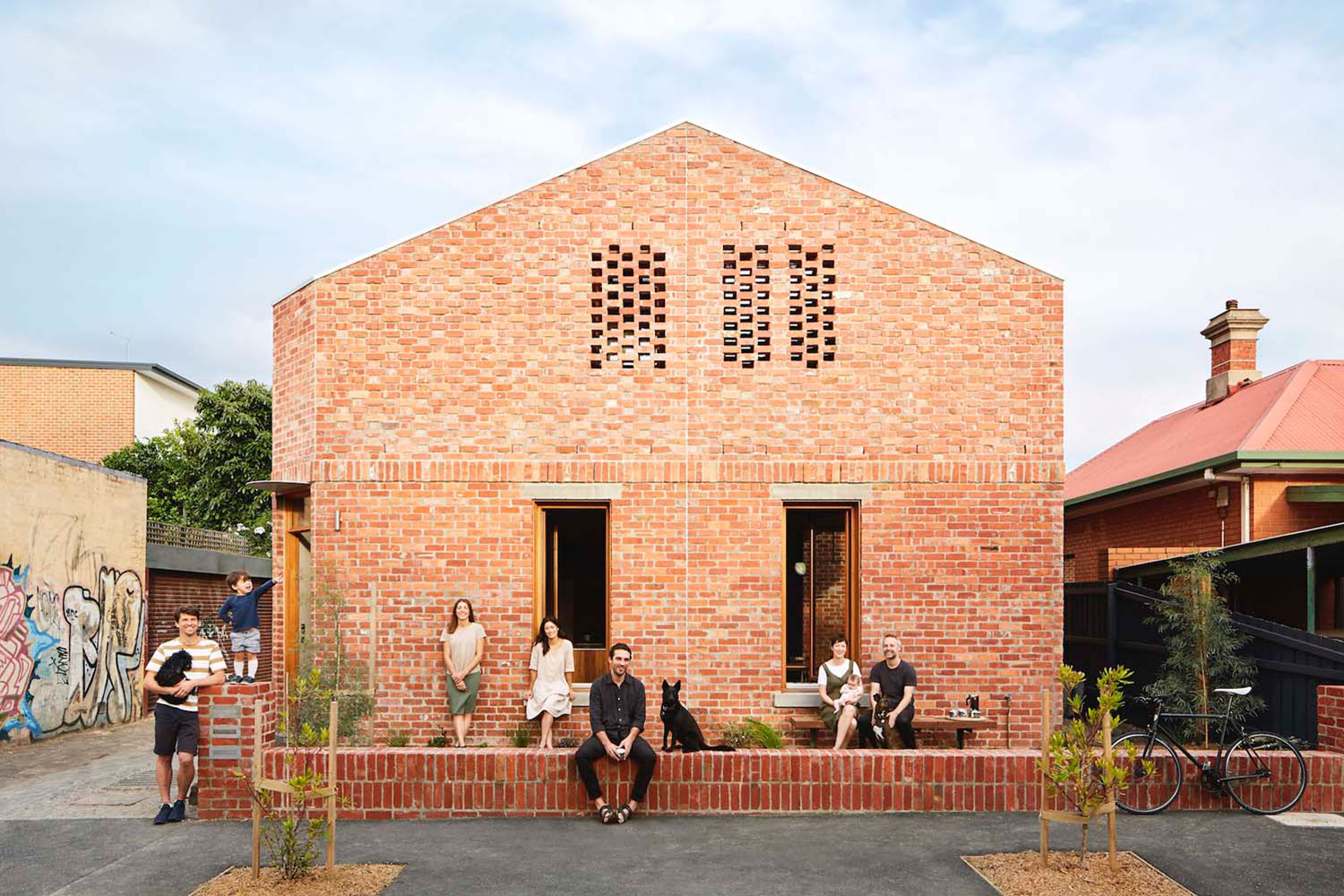
Good Life House is a suburban home located in Fairfield for a family of five. The home needed to provide beyond the traditional kitchen, living and dining living spaces and allow a range of social and alone activities to occur. It also needed to be a space of learning and exploring and playing.

Photography: Dave Kulesza

Phoenix House

Field Office Architecture

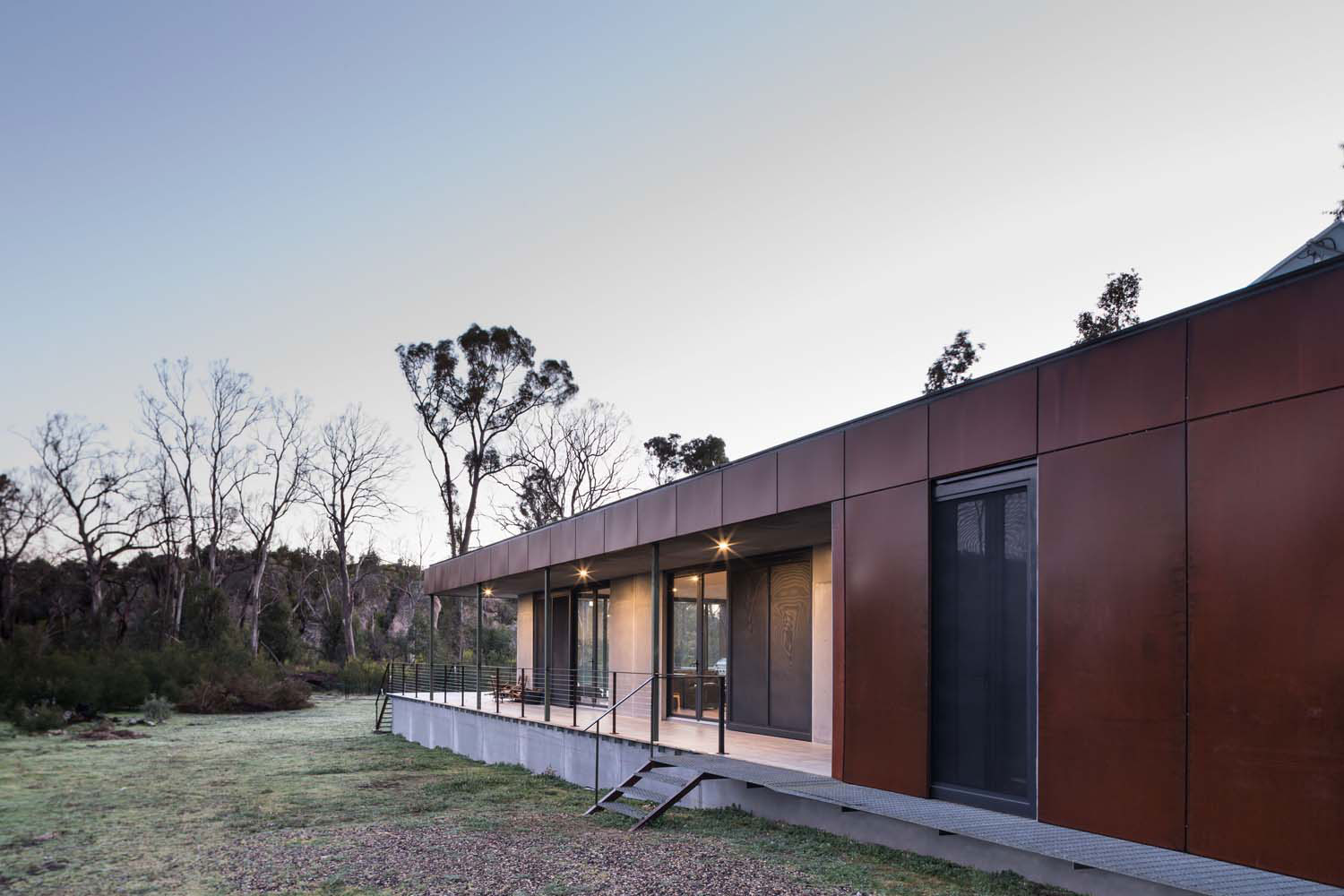
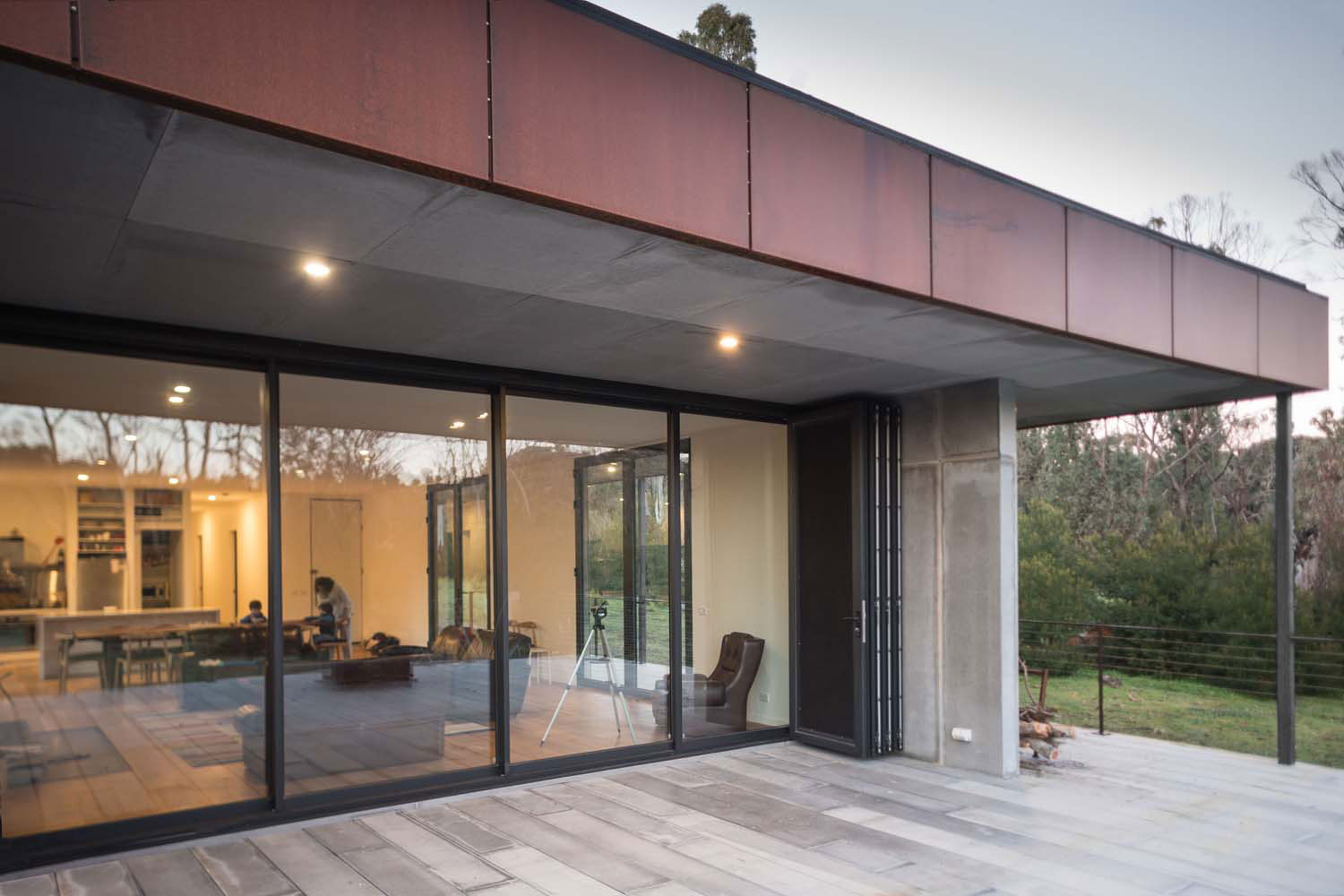
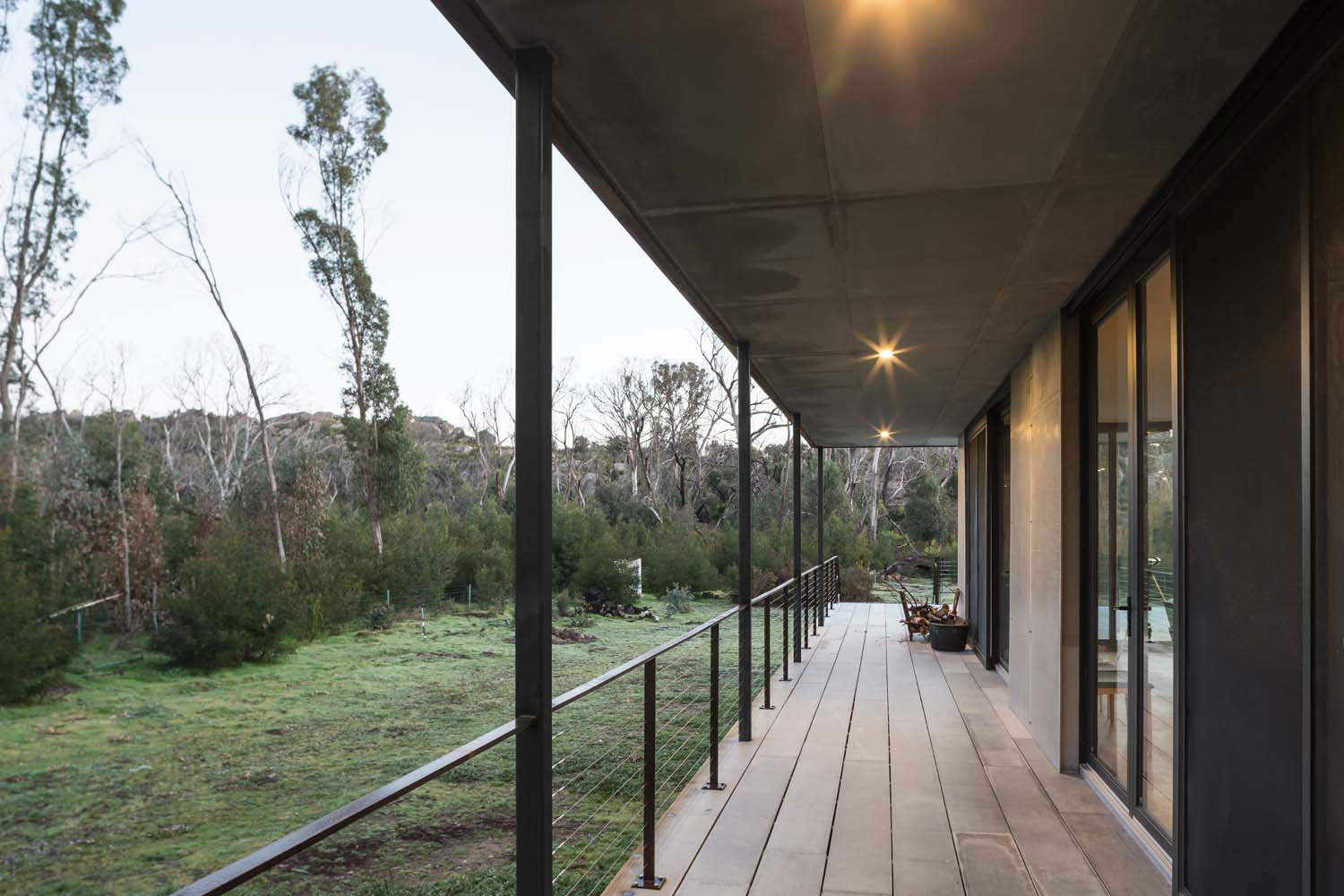
Built to the highest bushfire resistance requirements, this off-grid house in the Grampians, Victoria, is a modern replacement for a loved family weekend retreat lost to fire six years ago.

• Designed for fire resilience in a BAL-FZ zone
• Off-grid holiday home for a large extended family
• Simple, passive solar design

The house has no air conditioning; instead, the narrow footprint allows easy cross ventilation in summer months, aided by well-placed ceiling fans. A fireplace in the living room is the home’s only heating.

Photography: Dan Farrar

PASSIVE-FZ HOUSE

Ingrid Donald Architect with Blue Eco Homes

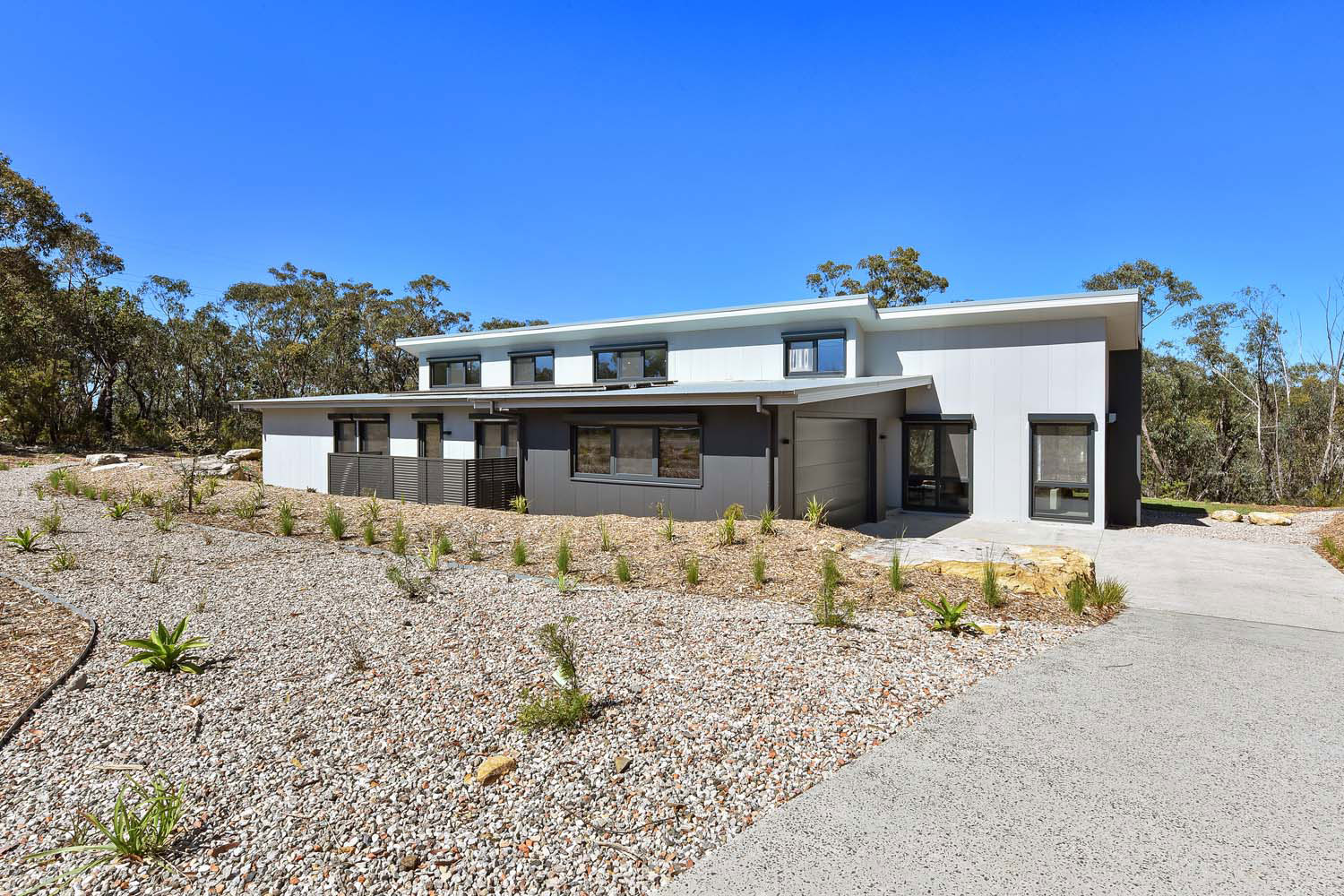
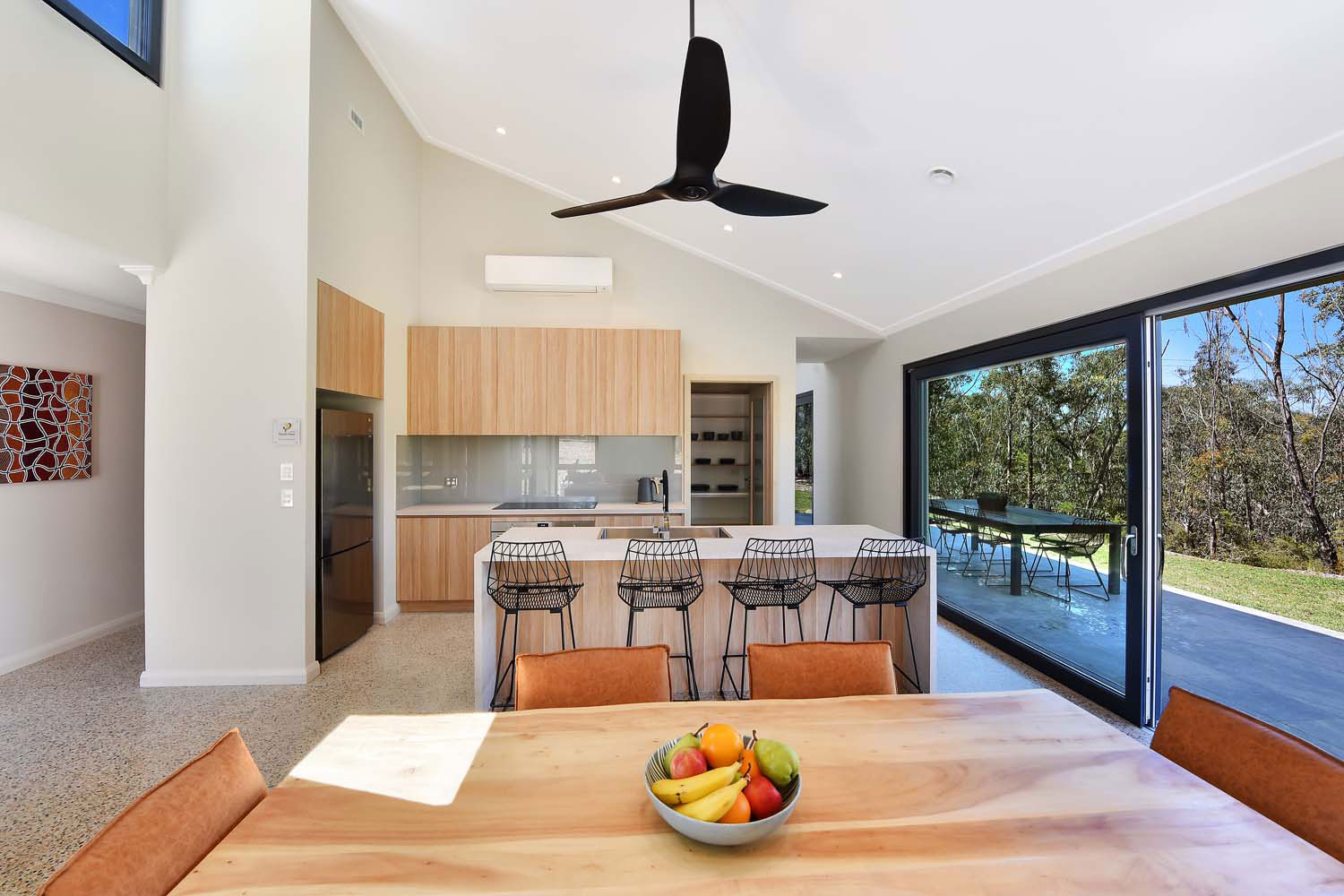
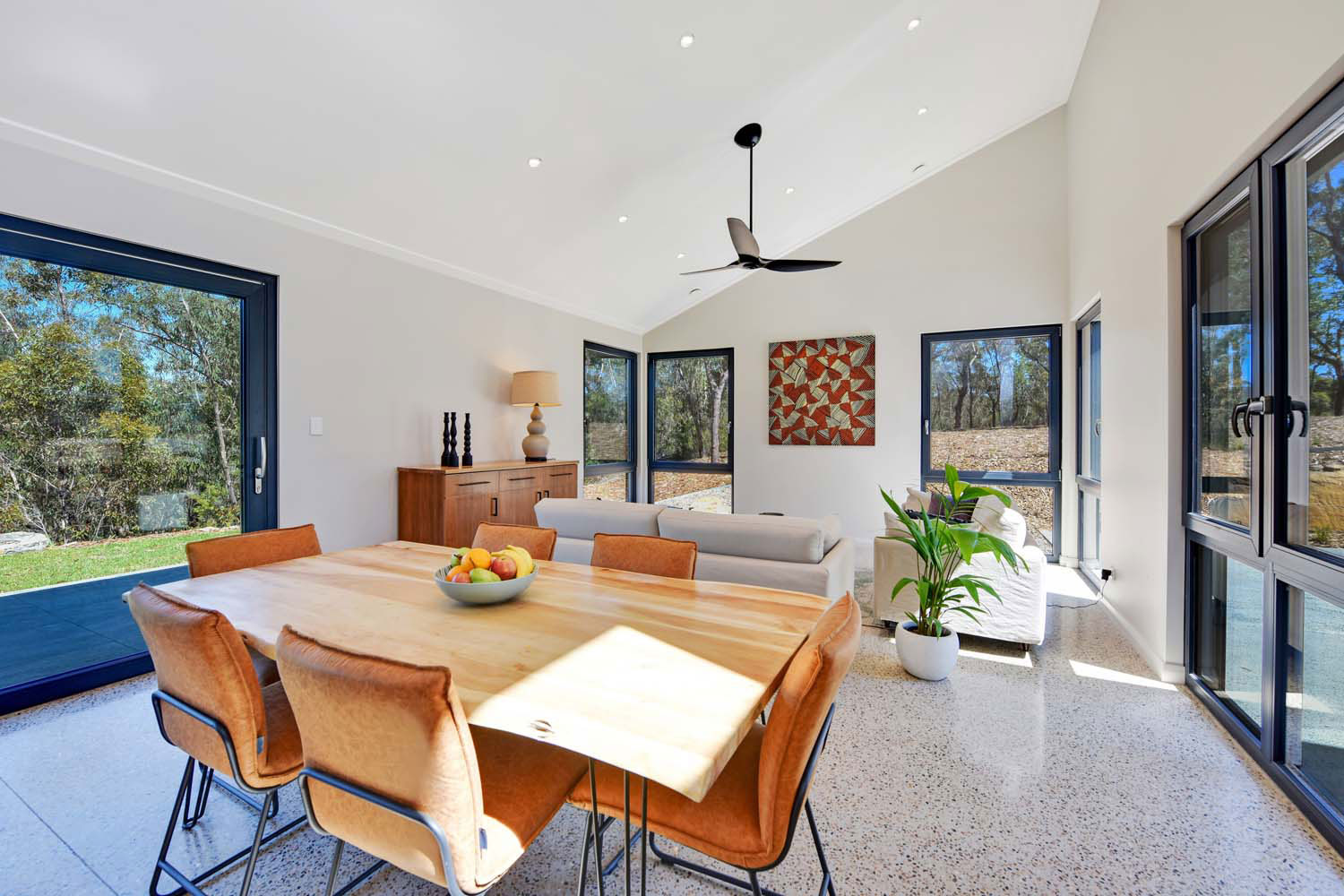
PASSIVE-FZ HOUSE is a certified passive home located on a large bush property in the Blue Mountains. Nestled among World Heritage-listed wilderness, the design aims to strike a delicate balance between the environment and the elements, maintaining connection to the landscape while providing protection from the region’s cold winters and hot summers. The PASSIVE-FZ HOUSE project is the first certified passive house in Australia to also meet the highest Bushfire Attack Level – Flame Zone; a crucial requirement in an area ravaged by bushfires in 2019. Optimal thermal comfort was achieved through extreme air tightness, high performance continuous insulation, highly efficient glazing, no thermal bridges, and a Mechanical Heat Recovery Ventilation system.
The PASSIVE-FZ HOUSE design enhances livability for occupants with a strong focus on indoor environment quality, providing extensive views to the pristine bush surroundings. The strategic placement of windows and building orientation also maximises the use of natural daylight, eliminating the need for electric lighting during the day. These innovative techniques set new benchmarks in sustainable design and pave the way for similar developments in the Blue Mountains region.

Photography: Open2View

Olinda House

BENT Architecture

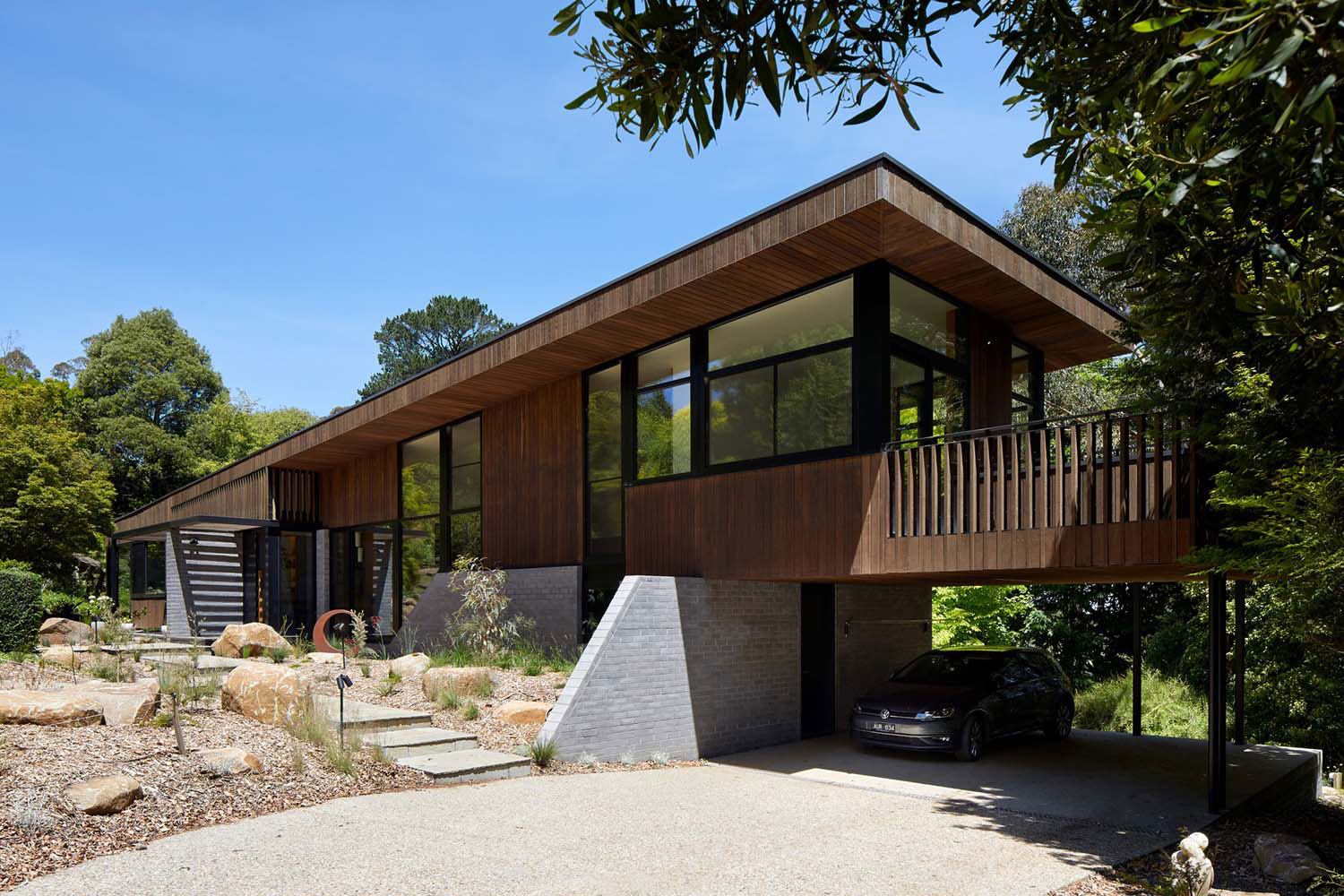
The Olinda House is a new home surrounded by spectacular natural landscape and designed for sustainable living in the Dandenong Ranges, Melbourne.

The home embraces the sun and utilises passive solar design techniques to ensure year-round comfort and efficiency. Long and narrow, the home stretches from east to west to maximise the opportunity to capture north light. Windows on opposite sides of the home capture cooling breezes keeping the interior naturally warmer in winter and cooler in summer.

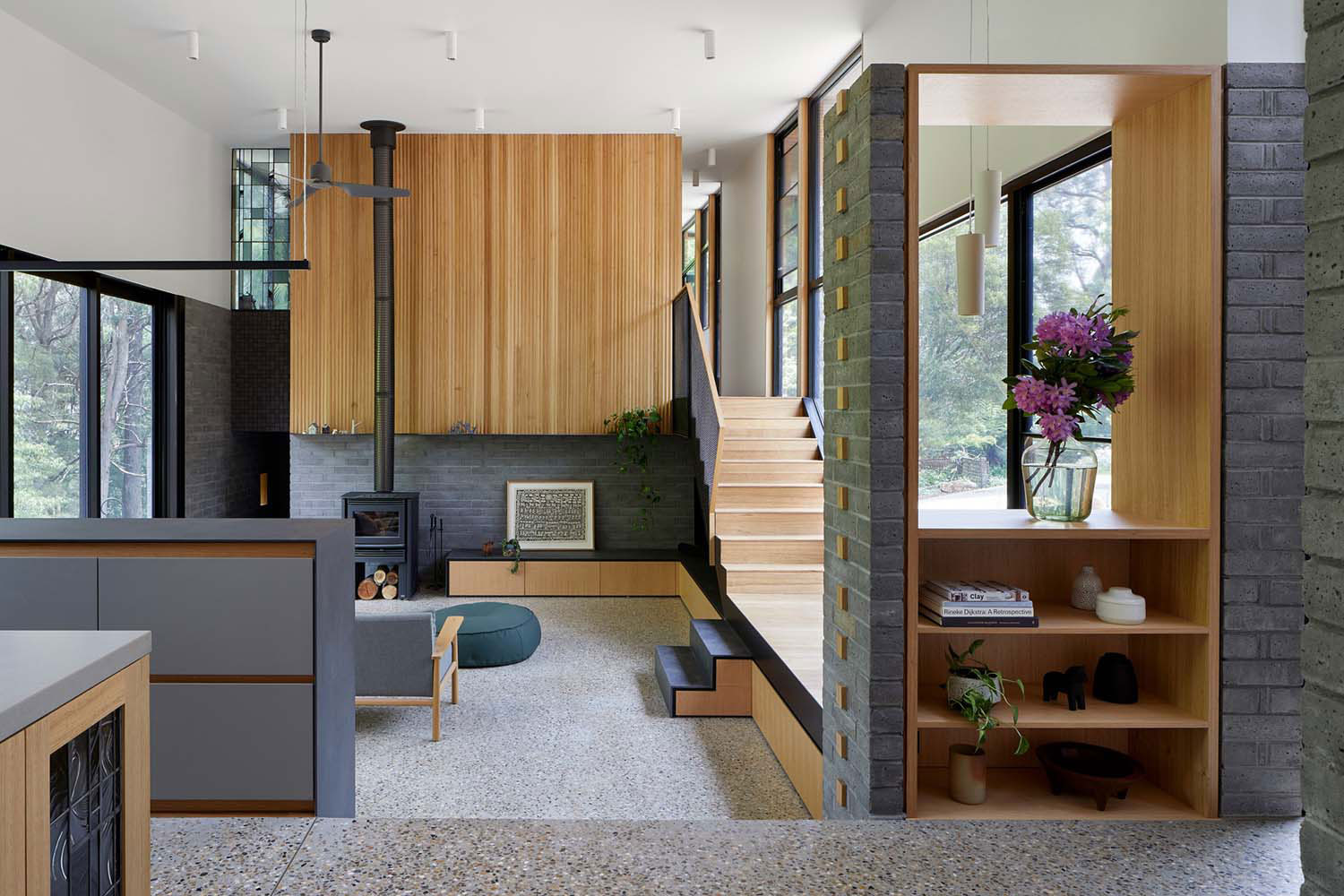
Thermal mass is used extensively throughout the home, with polished concrete floors and an innovative type of blockwork, Timbercrete which is a lightweight, sustainable building block fabricated with waste timber content. In addition to the Timbercrete, locally-sourced, sustainably-harvested ironbark is used throughout to minimise the home’s carbon footprint and provide the necessary bushfire protection. Combined with 60 solar panels on the roof, the home is not just comfortable, but low-energy. The owners estimate their yearly power bill will be around $300!

Built broadly on the footprint of a demolished house, the design minimises site disturbance and maintains existing trees on the site. The landscape is an essential element of the home and the design connects the owners to the garden. Windows on both the north and south sides bring the landscape inside and, from the outside make the home partially transparent, merging building and landscape into one.

Olinda House celebrates and enhances the spectacular natural landscape of its site. Whether it’s getting out in the garden, feeling connected to nature (even when inside), or just sitting back and enjoying a slower pace of living, the Olinda House makes it a joy!

Photography: Tatjana Plitt
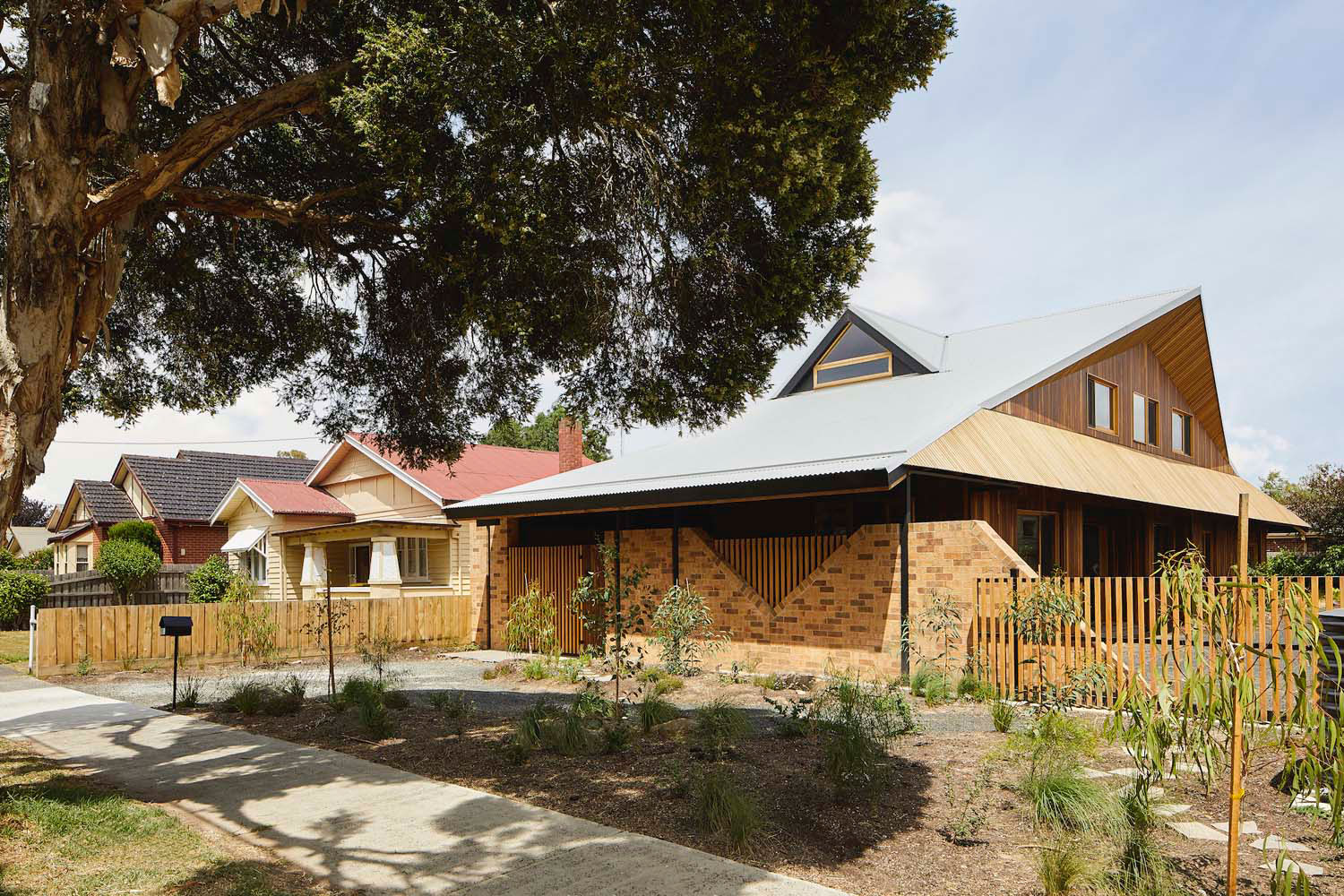
J&J Residence

Hogg & Lamb

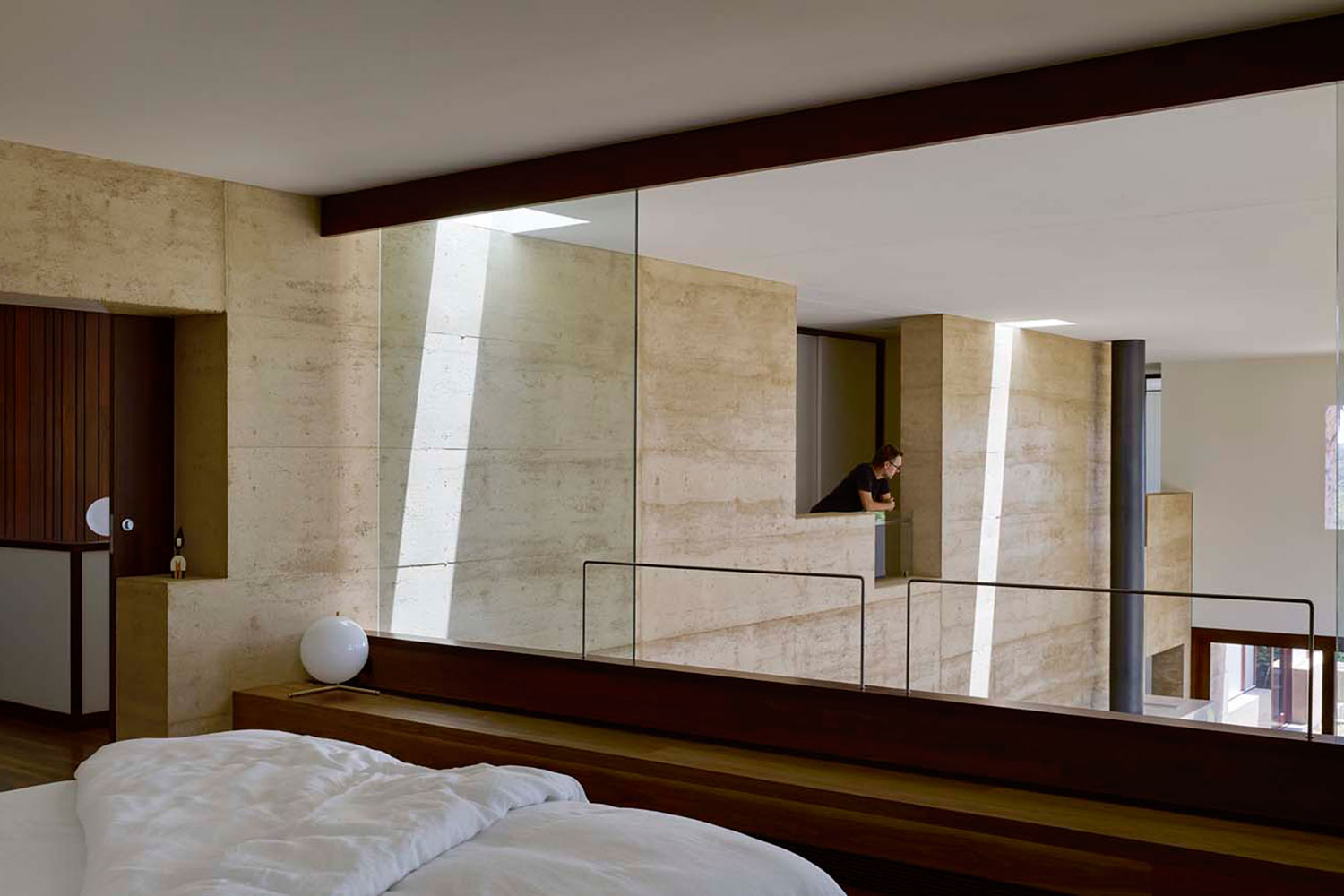
The J&J Residence is a house that is sustainable, energy-efficient and firmly embedded in its place. Rising from the site like a remnant of a previously eroded hilltop, a two-story high, 40m long, 75 tonne rammed earth wall acts as the primary architectural and organising device: – anchoring the building to its place while providing a thermally stable and beautiful interior.
Architecturally, the house is sited to optimise its northern aspect that opens towards a protected eucalypt reserve shared across several adjacent properties and northeastern summer breezes.
Separating the primary northern spaces and the secondary southern sides of the house, the continuous rammed earth wall provides 75 tonnes of “activated thermal mass”.
A series of vertical ducts run through the rammed earth wall, connecting the roof space to an under-floor ventilation system. Heat is drawn into, or out of the mass achieving an air temperature between 18C and 25C for greater than 85% of the year.
Incorporating a suite of sustainability strategies developed by Rob Lord at Seed Engineers, the J&J Residence is a passive design, that significantly reduces the reliance on air conditioning and artificial lighting.
The home utilises natural materials including timbers, stone, rammed earth and low-voc paints.

Photography: Christopher Frederick Jones

Edgars Creek House

Breathe Architecture

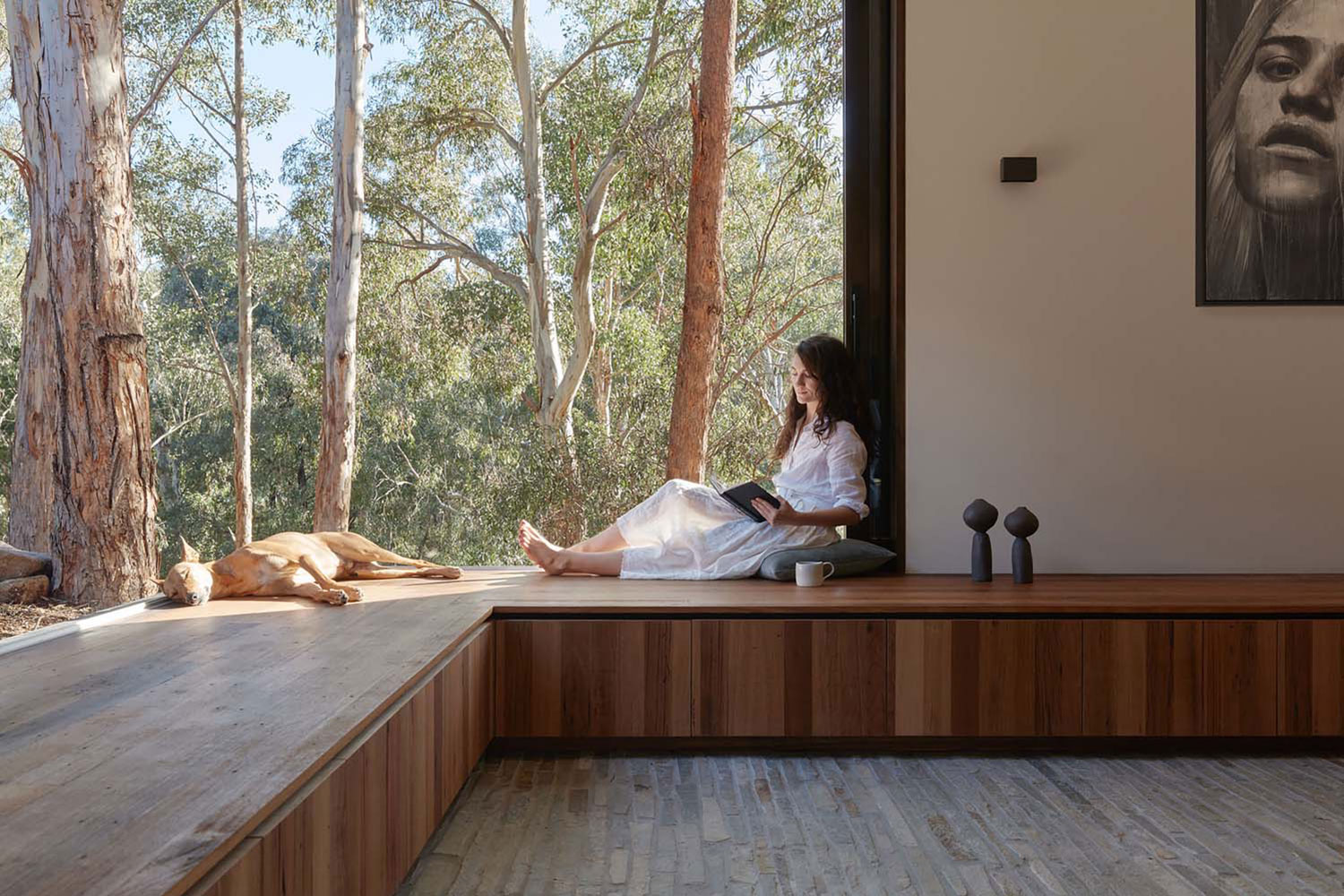
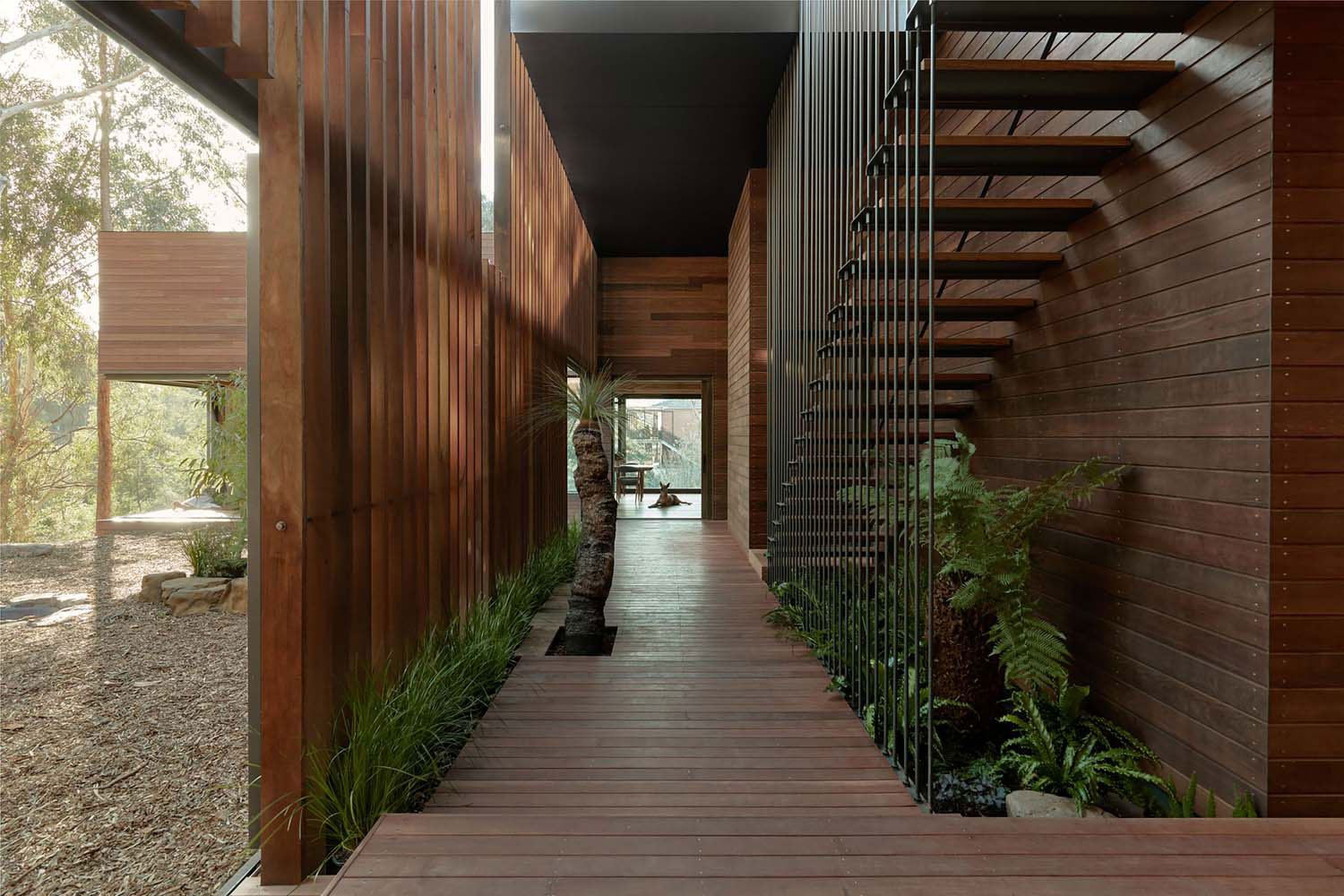
Edgars Creek House is designed to connect to country. It’s about living simply as part of its ecosystem and connecting materially to the ironbark trees and sandstone cliffs it sits between.
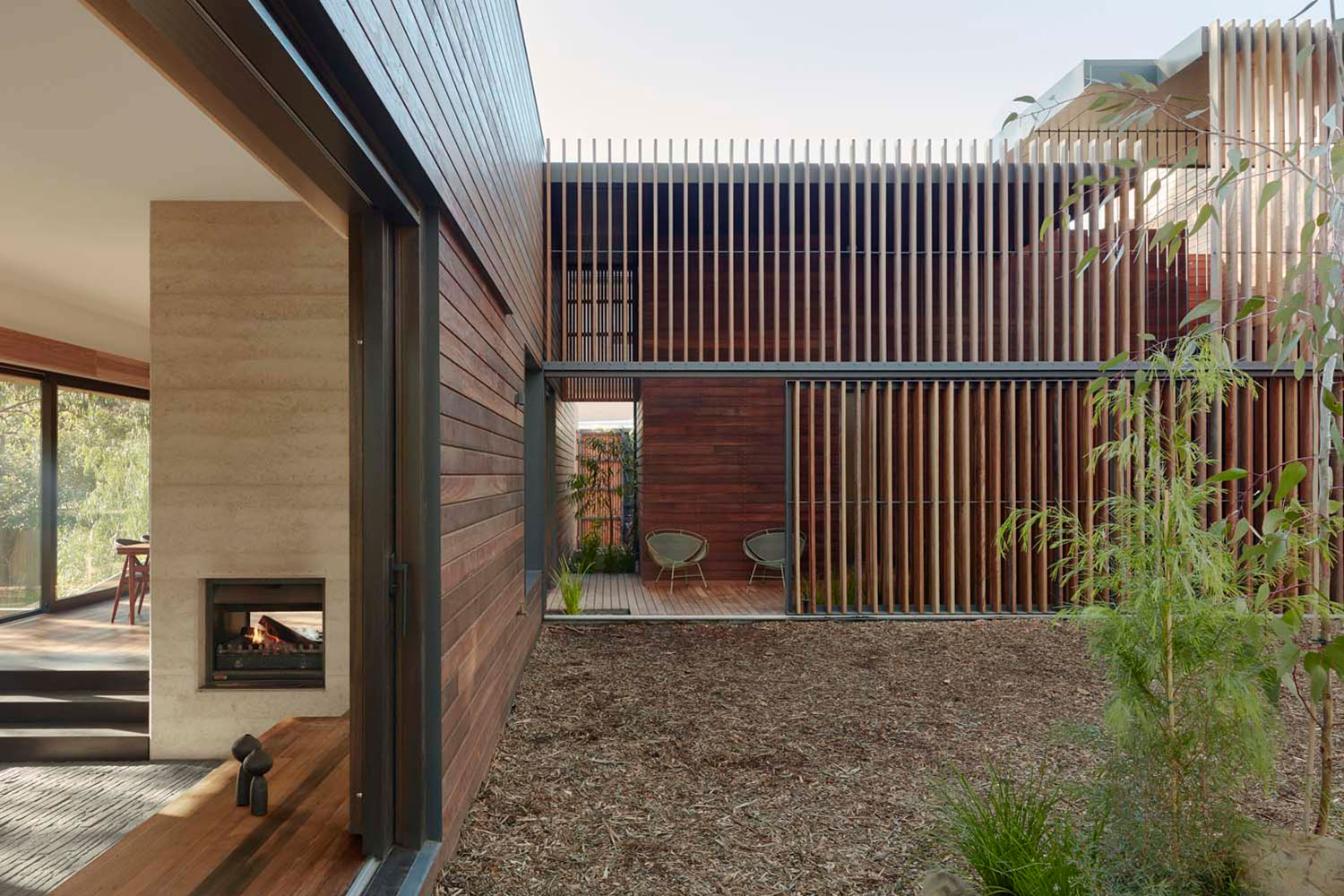
This home is about building less, to give more. Building three small pavilions – one for sleeping, one for living, one for bathing – connecting each of those to its own view, its own context, and connecting them to the natural elements through an open-air brise soleil.
Edgars Creek House is about raw honesty. We thought deeply about the life cycle of the building – from construction to deconstruction. Almost no adhesives were used. Every piece of cladding and decking was screwed and bolted together – with the exception of the shower – to allow it to be unscrewed, unbolted and reused at the end of the building’s life.

Photography: Tom Ross

Abbetthaus

Leanhaus

This home in Scarborough presents a new vision of sustainable housing: one that balances affordability and efficiency, and is delight to inhabit all year round. Abbetthaus is the second certified Passive House in WA, and the first to demonstrate that PH- certification can be achieved on a modest budget.
The brief called for the home to be simple, affordable and robust. Taking cues from the site and orientation – and inspired by the desert Modernist style – the design features generous living spaces that open to the outdoors. The plan provides future flexibility, to accommodate a growing family or house-share scenario as needs change.
In contrast to typical Perth housing (built with double-brick skins), this house was constructed using renewable and recyclable timber. With high levels of insulation, air-tight construction and high performance windows, it is comfortable and healthy – without any additional cooling or heating – all year round.

Photography: Jody D’Arcy

Willow Street Residence

Adapt Architecture

The Willow Street residence, perched on the hillside of the Merri Creek precinct surrounded by mature vegetation and bushland. For a suburban block within an inner-city location, the property provided a rare opportunity to nestle within and celebrate a setting with rural feel.
Essential sustainable and energy efficient design objectives were to utilize passive solar and energy efficient design principles to improve the thermal performance of the building fabric, increase daylight and air flow and utilize the established vegetation as well as new structures to passively shade the north facing rear yard.
The home celebrates the original Californian Bungalow detailing and form, while effortlessly integrating industrial and modern tones, textures and simple forms. The result, a welcoming, warm home, surrounded by the earthy and urban tones of timber, recycled red bricks and rusted steel, embracing its natural surrounds, and providing purpose to all spaces.

Photography: Mark Farrelly Photography

Warehouse Greenhouse

Breathe Architecture

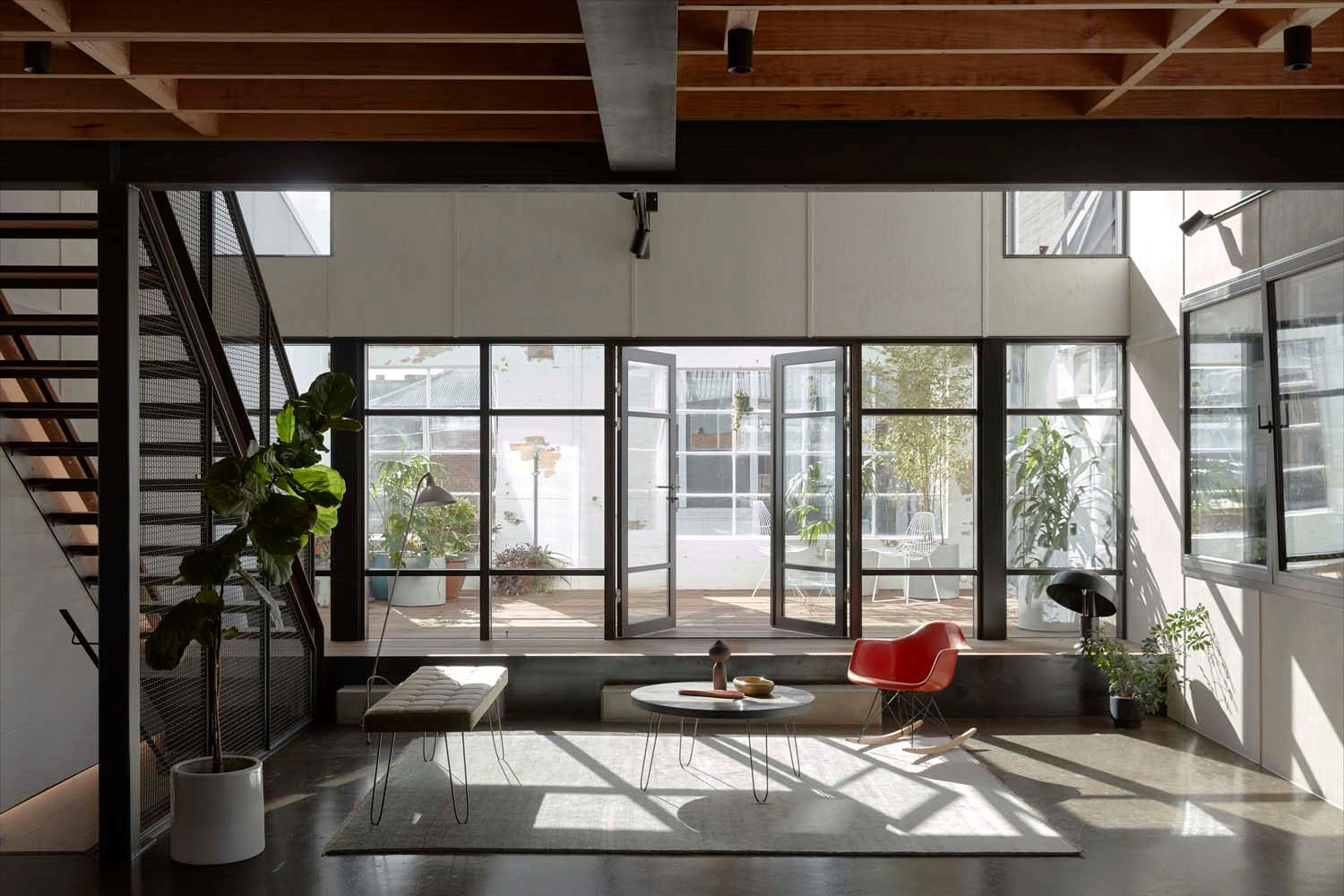
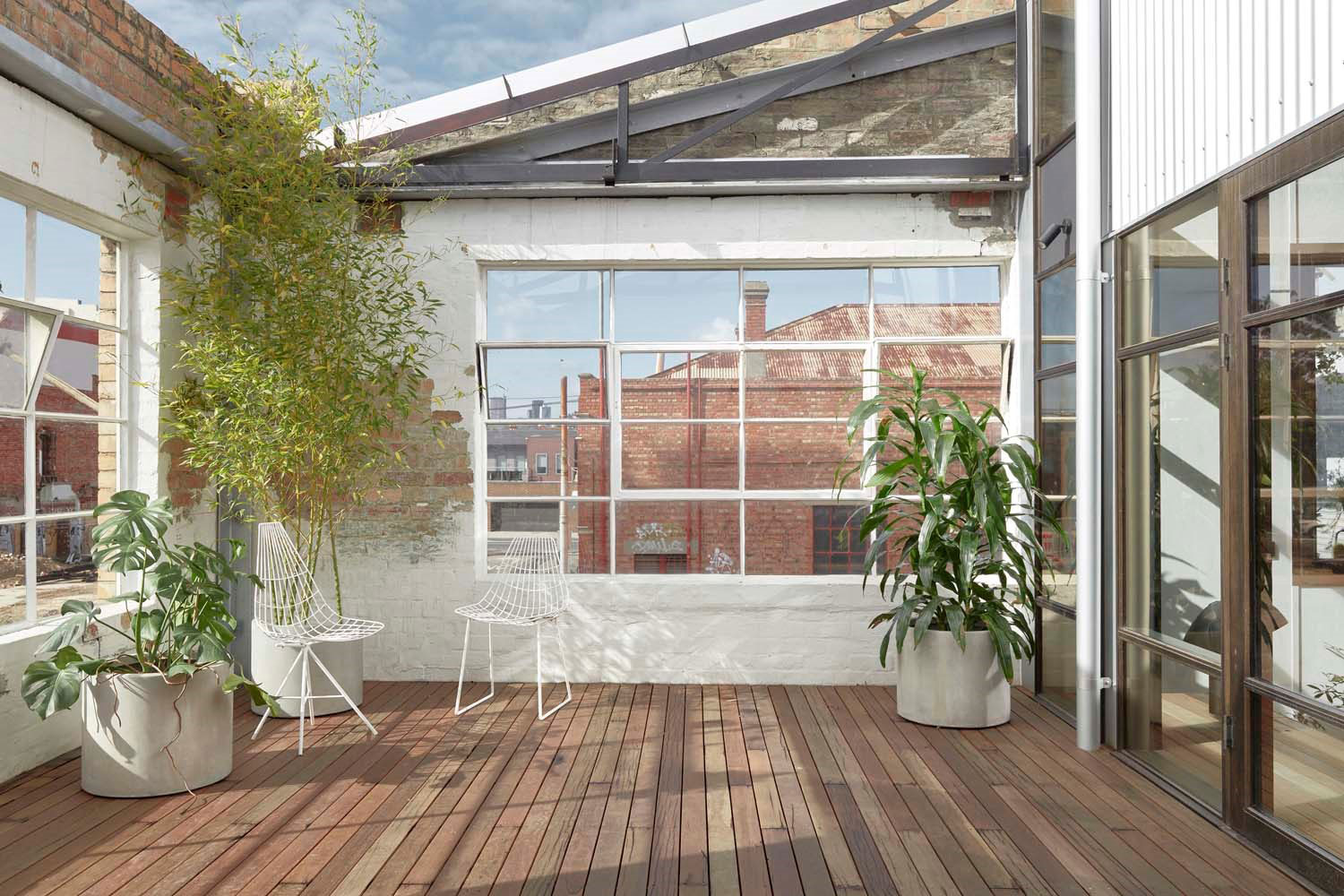
Warehouse Greenhouse is about the past and the future. It is a story of industrialisation and human occupation, and an attempt to reconcile these with the natural environment. This project is about doing more with less, it’s about giving more than it takes and signals the possibility of a simple, elegant path to a sustainable future.
The home is built to Passivhaus standards, is extremely air-tight with only 1.2 air changes per hour, and uses passive solar design to maximise sun penetration in winter and shade the interiors in summer. It has a highly thermally efficient envelope, is cross-ventilated and harnesses the existing buildings thermal mass.
It has high performance, double glazed tilt-and-turn windows, which were installed inside the existing glazed openings – essentially adding a third layer of glazing with a large cavity (making this a triple glazed dwelling). Incredibly, there is no active heating or cooling in this residence, instead, it solely relies on the tight thermal envelope and the HRV system.
Materiality took precedence over form and ethics came before aesthetics. Remnants of the existing building are preserved and expressed revealing its imperfections and years of layered wear. Prioritising the longevity of the existing warehouse, the project is a simple, contextual extension built using as many reused, repurposed materials as possible.

Photography: Tom Ross

The Snug

Green Sheep Collective

The Snug successfully converted a run-down, dark, poorly insulated and ‘inward looking’ two bedroom, one bathroom Californian Bungalow into an energy efficient, comfortable and healthy home in inner Melbourne.
The footprint of 99m2 consisted of a series of separate rooms and lean-to structures that were in need of substantial maintenance. A comprehensive site analysis including shadow studies informed the siting and massing for passive solar design. The design process explored multiple layouts for the building to test possibilities and ensure the chosen design was the best response to the brief, the surroundings and the climate.
The solution resulted in a gorgeous small-footprint home that significantly improves the solar orientation, thermal performance, comfort, daylight, ventilation, views and connections to the outdoors, whilst preserving the existing streetscape and built form heritage of the neighbourhood, and not using tonnes of new materials and land in the process.

Photography: Emma Cross Photographer

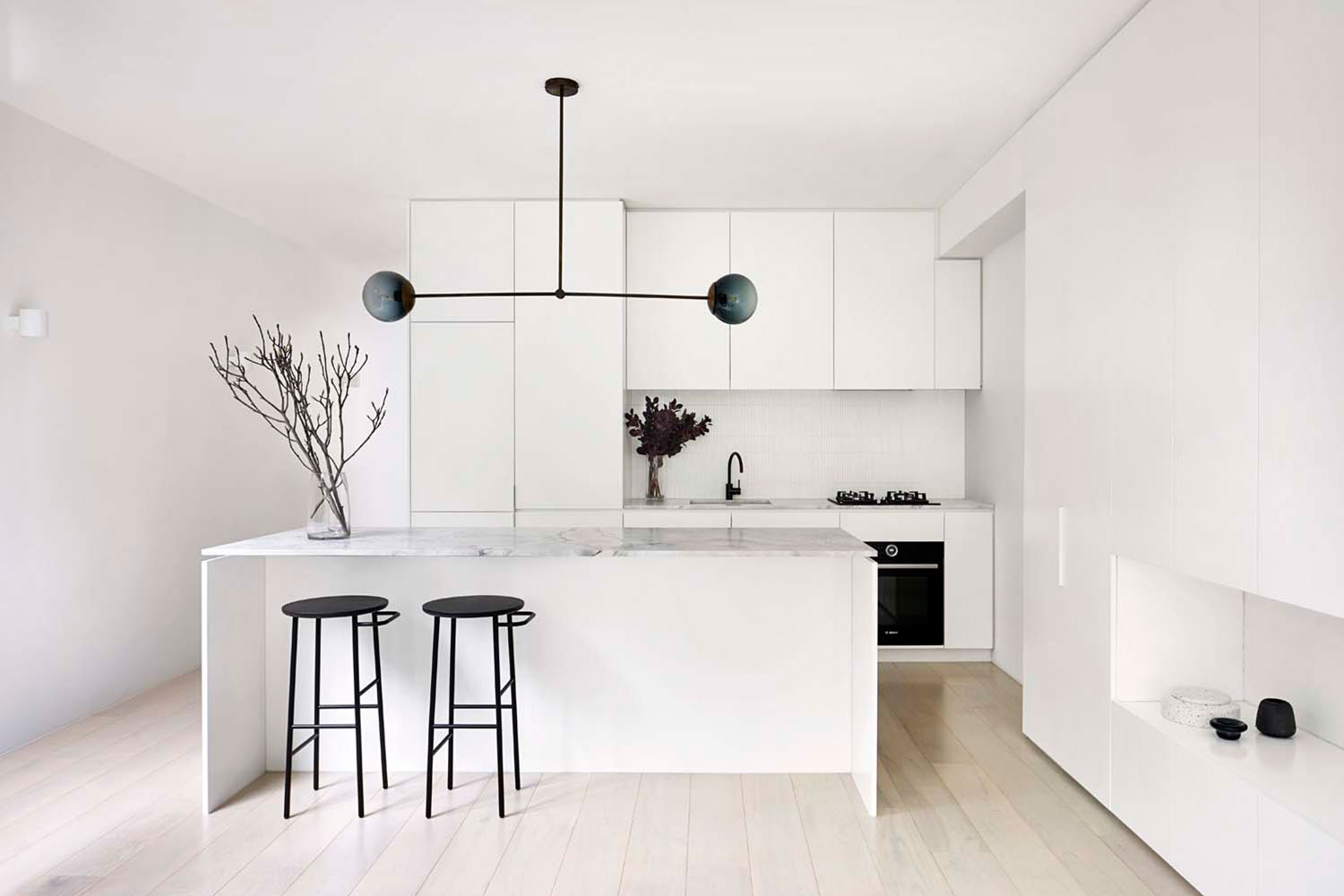
South Yarra Townhouse

Winter Architecture

South Yarra Townhouse is a reset, realignment and reinvigoration of a cumbersome and wasteful 1990s era townhouse. Angled walls drawn on a designer’s whim made valuable floor space unusable and created awkward angles.
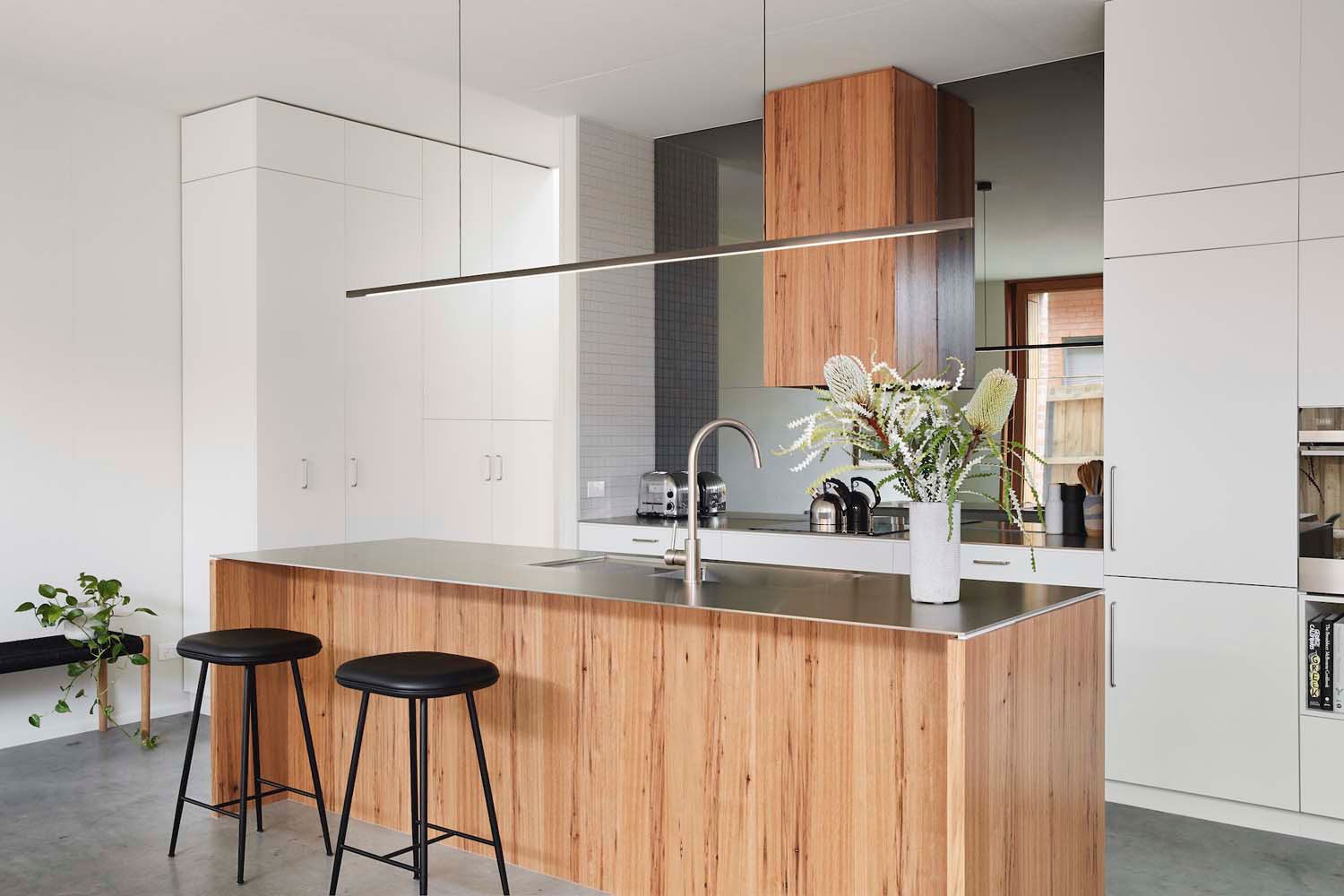
The design of the walls and joinery, and their calm white finish, allow daylight to penetrate deep into the home, reducing the need for artificial sources. Single glazing has been replaced with double glazing to increase the thermal inertia of the building envelope, minimising heat gain in summer and heat loss in winter. Lighting and appliances have been carefully selected for energy efficiency. In short, no effort has been spared to make this a durable, beloved and sustainable home.

Photography: Tatjana Plitt
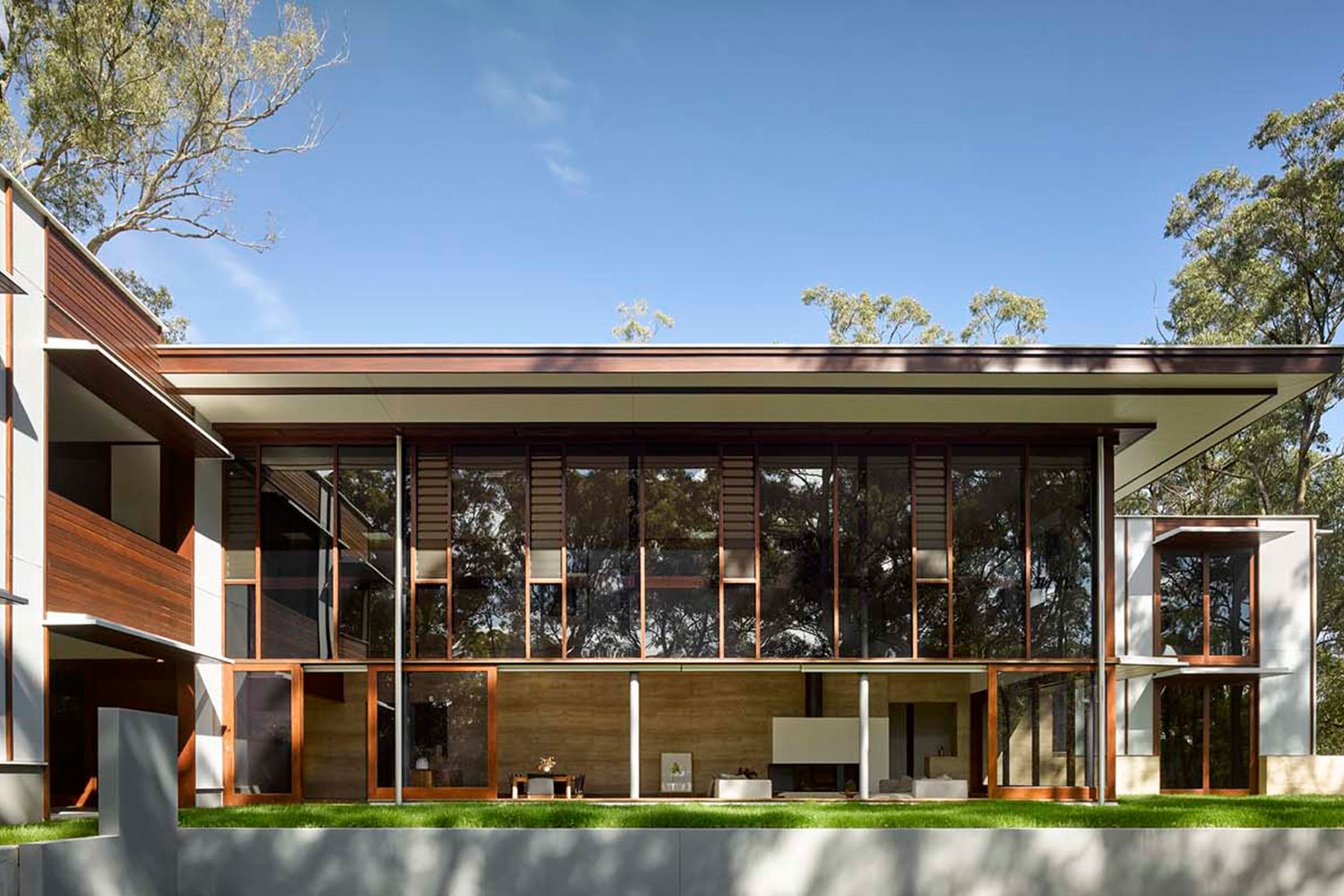
Sky House

Marra + Yeh Architects

Sky House provides a broad view of sustainability, incorporating: creating connections to nature that are underpinned by adaptability and flexibility; through its dynamic response to predicted changes in climate; and by considering future changes to the family’s composition.
As a result, interior spaces can easily be reconfigured to accommodate the family’s evolving needs, while the external skin of the building adjusts to mitigate variations in climate.
Our clients’ request for a beautiful and functional house – one that is serene, robust, sustainable and flexible – is addressed through planning and material selection. The plan creates a central area connected to, but separated from, private areas, allowing individuals to retreat or engage as desired.
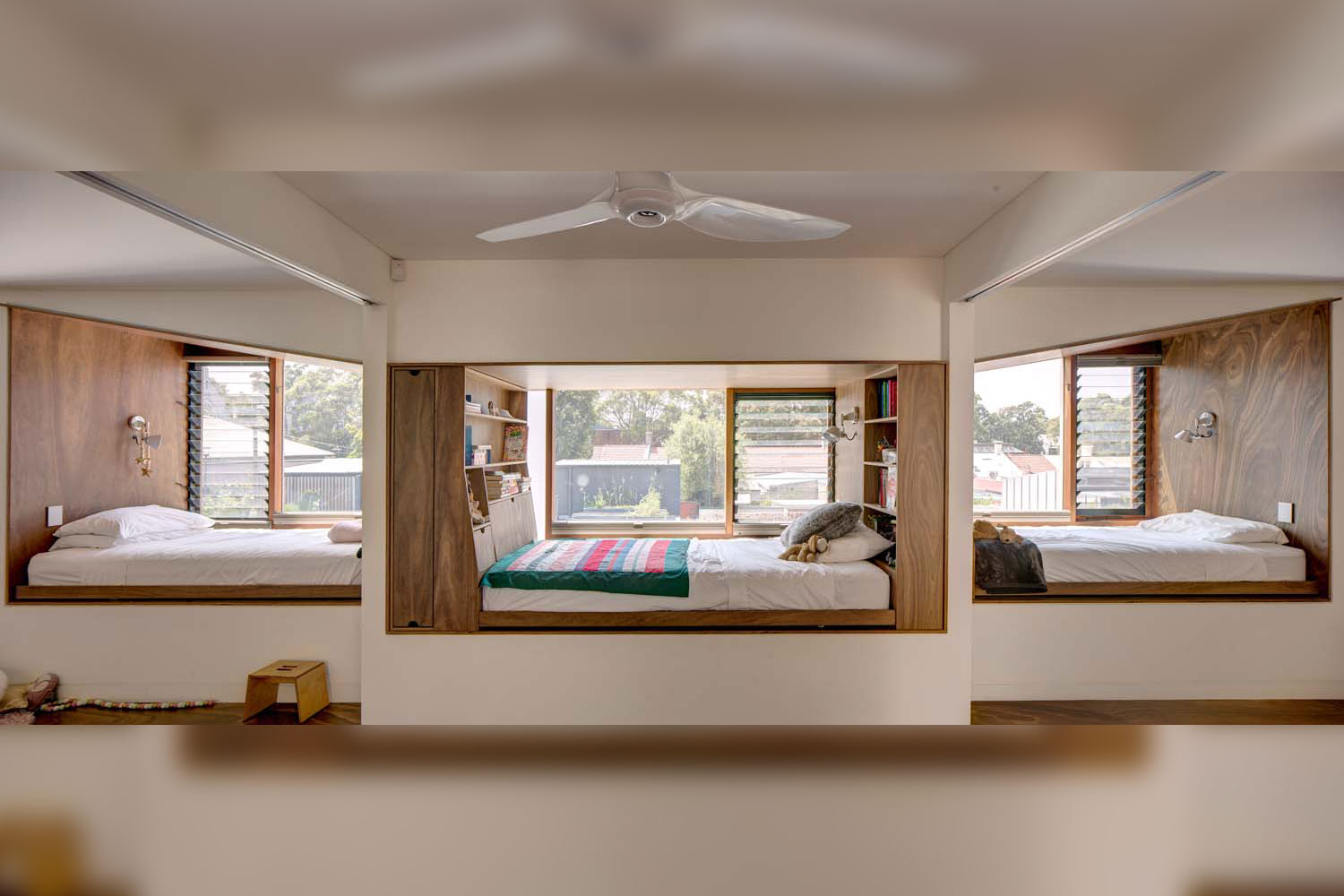
For example: the children enjoyed sharing a bedroom, so they now occupy three spaces connected via large sliding panels, with individual window cubbies for sleeping. This design encourages them to negotiate their desired levels of privacy or community, and be responsible for creating their own specific environments.

Photography: Brett Boardman
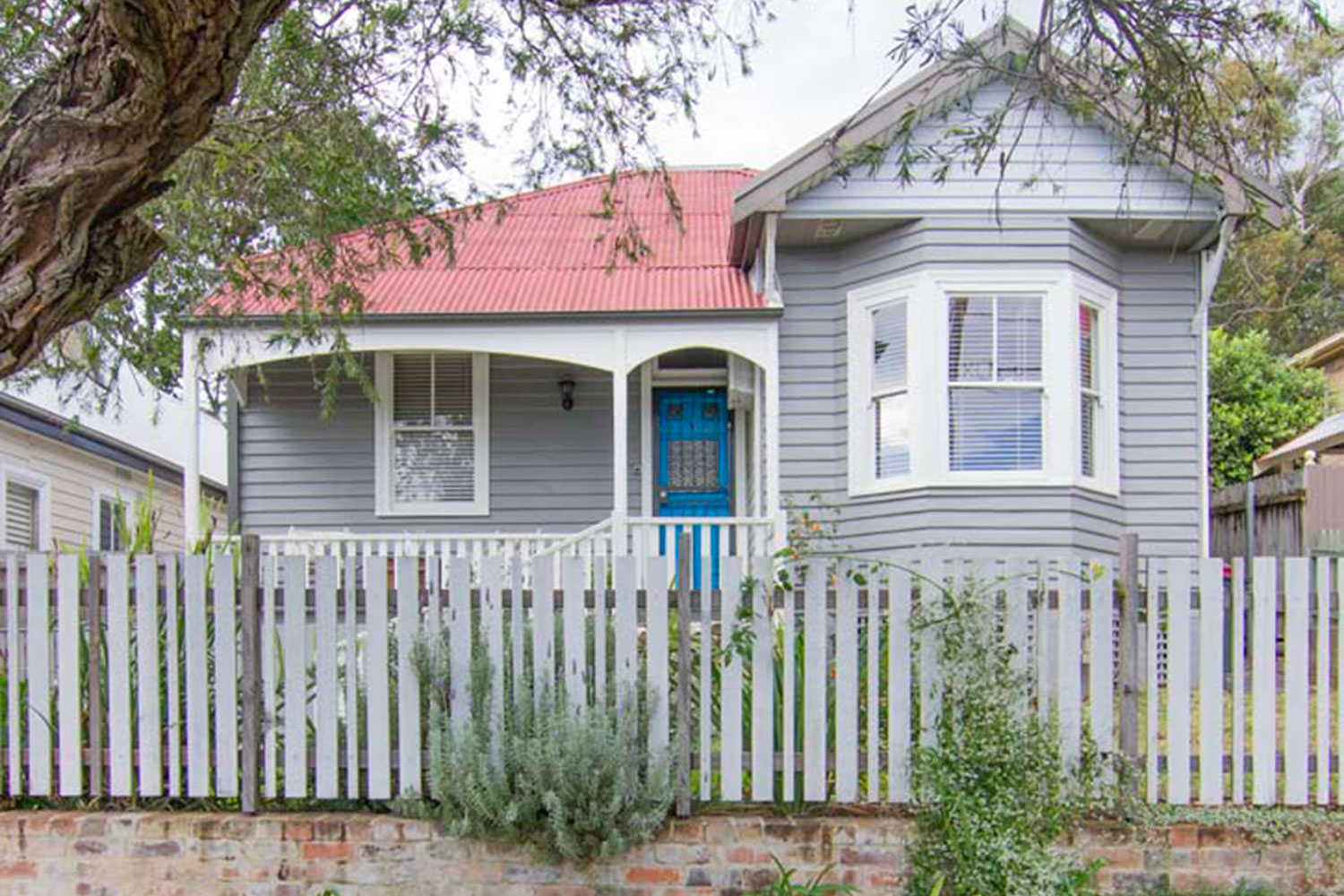
Deck House

SSD Studio

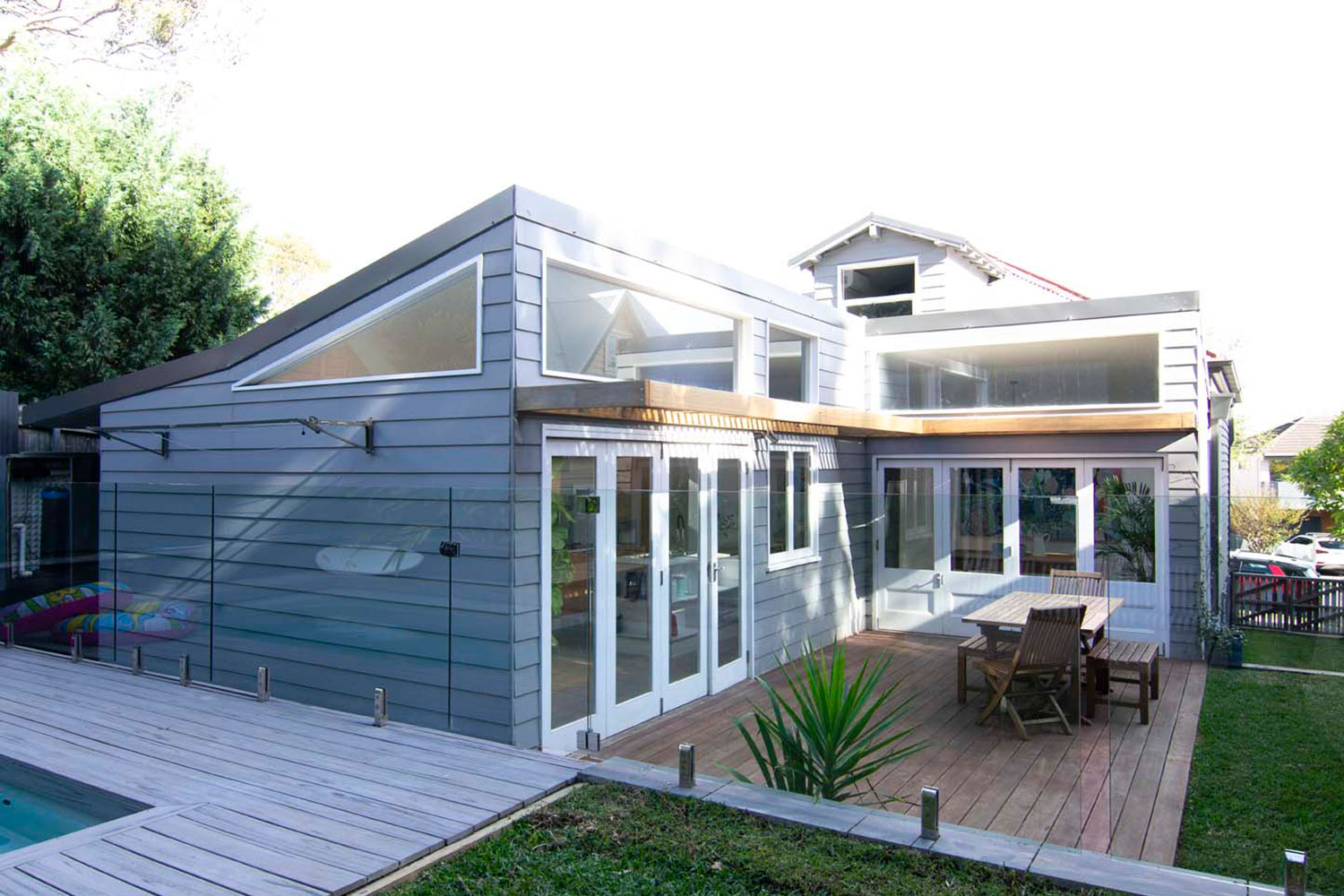
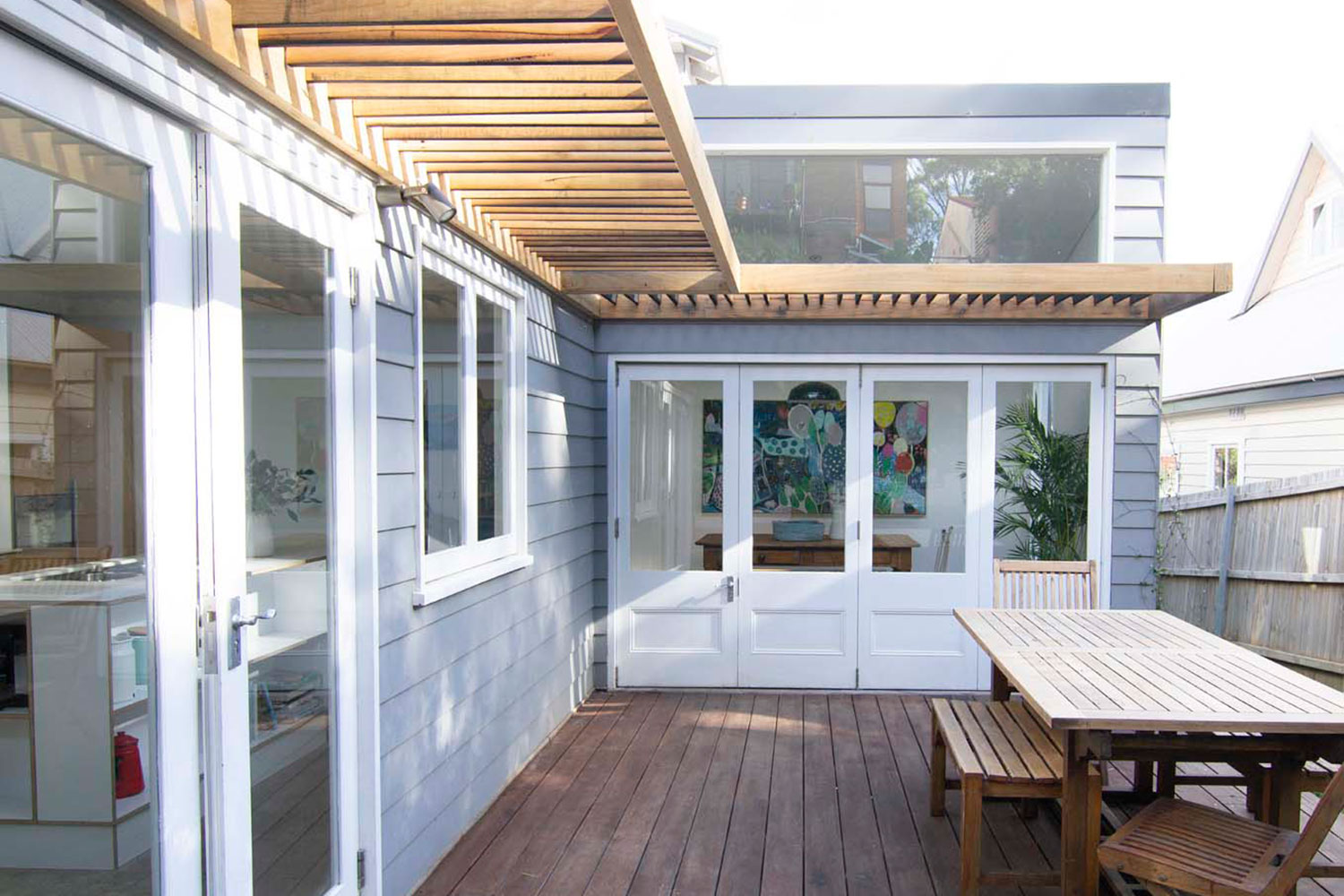
The Deck House is the Alteration and Addition of an early 1900’s Timber Weatherboard Cottage in Suburban Sydney.
The orginal house was full of character yet dilapidated to the rear and did not take advantage of the North facing rear garden.
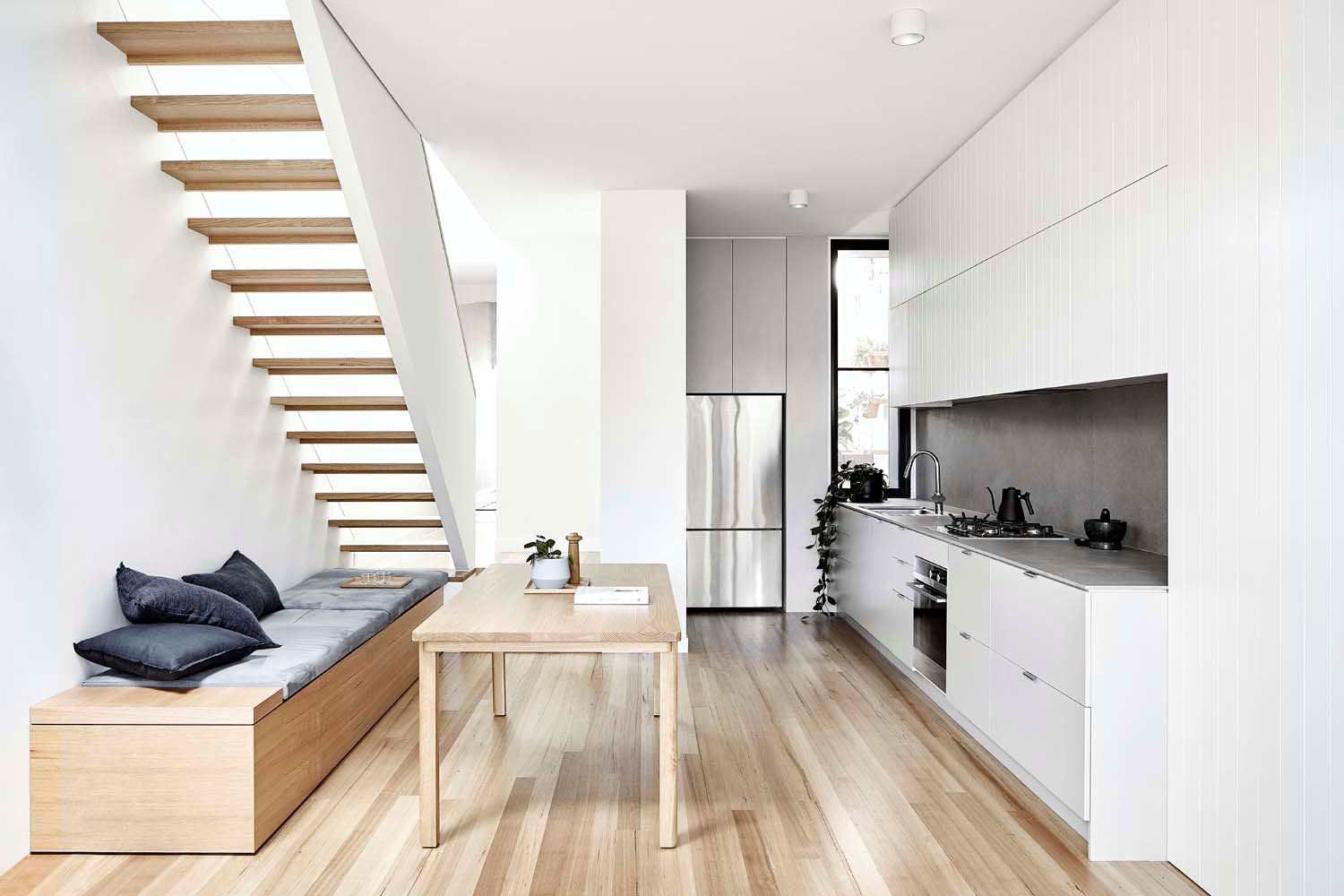
The design removed a rear wing housing a Dining room, Kitchen and
Bathroom and replaced it with an L-Shaped addition with a Dining Room, Kitchen, Bathroom, Laundry and Living Room around a new timber deck to capture the Northern light and provide privacy and screening from the neighbouring commercial buildings at the rear.
The concept was underpinned by a philosophy of modestly, innovation and re-use of materials.


Photography: Sophie Solomon

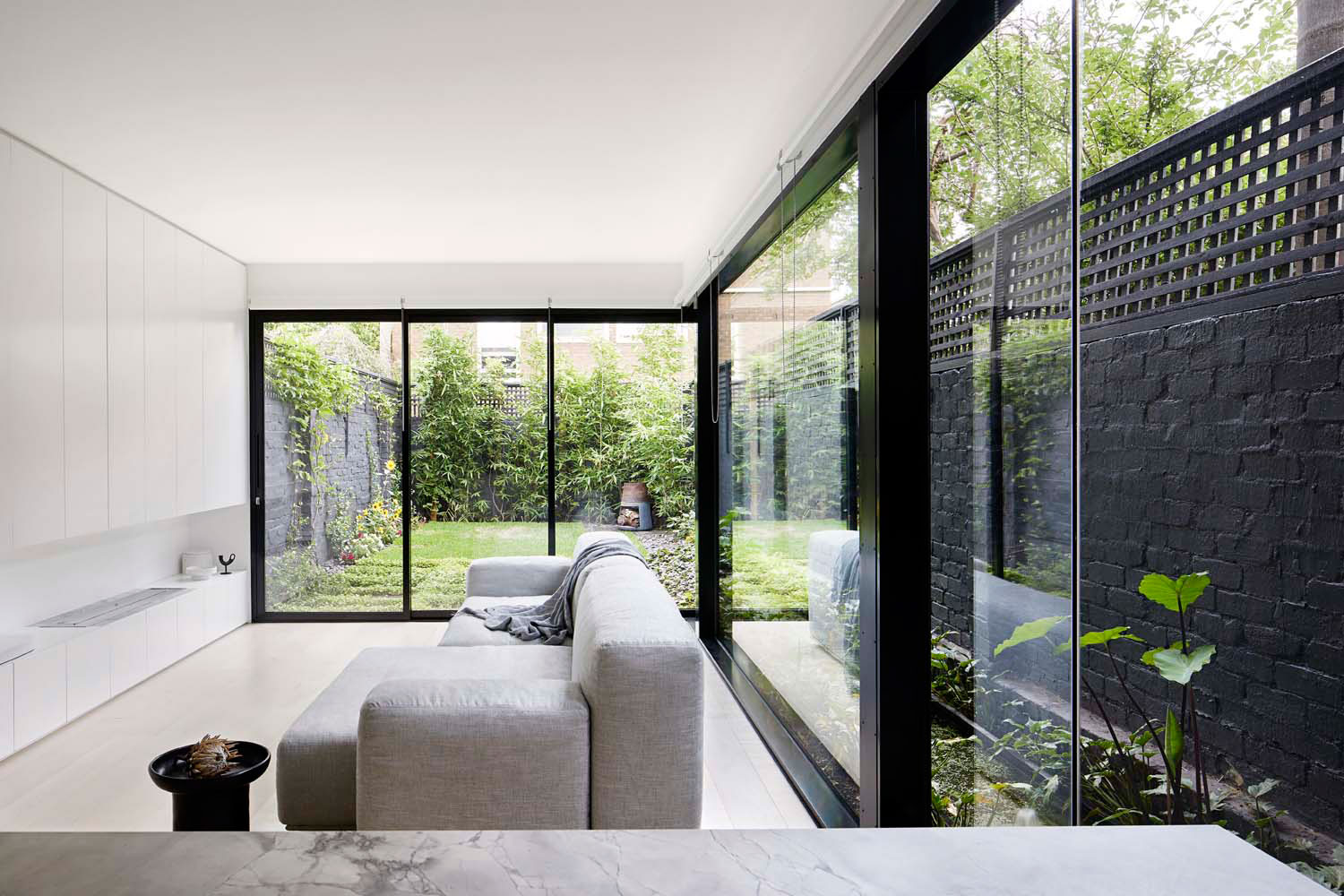
Brunswick East House

Winter Architecture in collaboration with Field Office Architecture

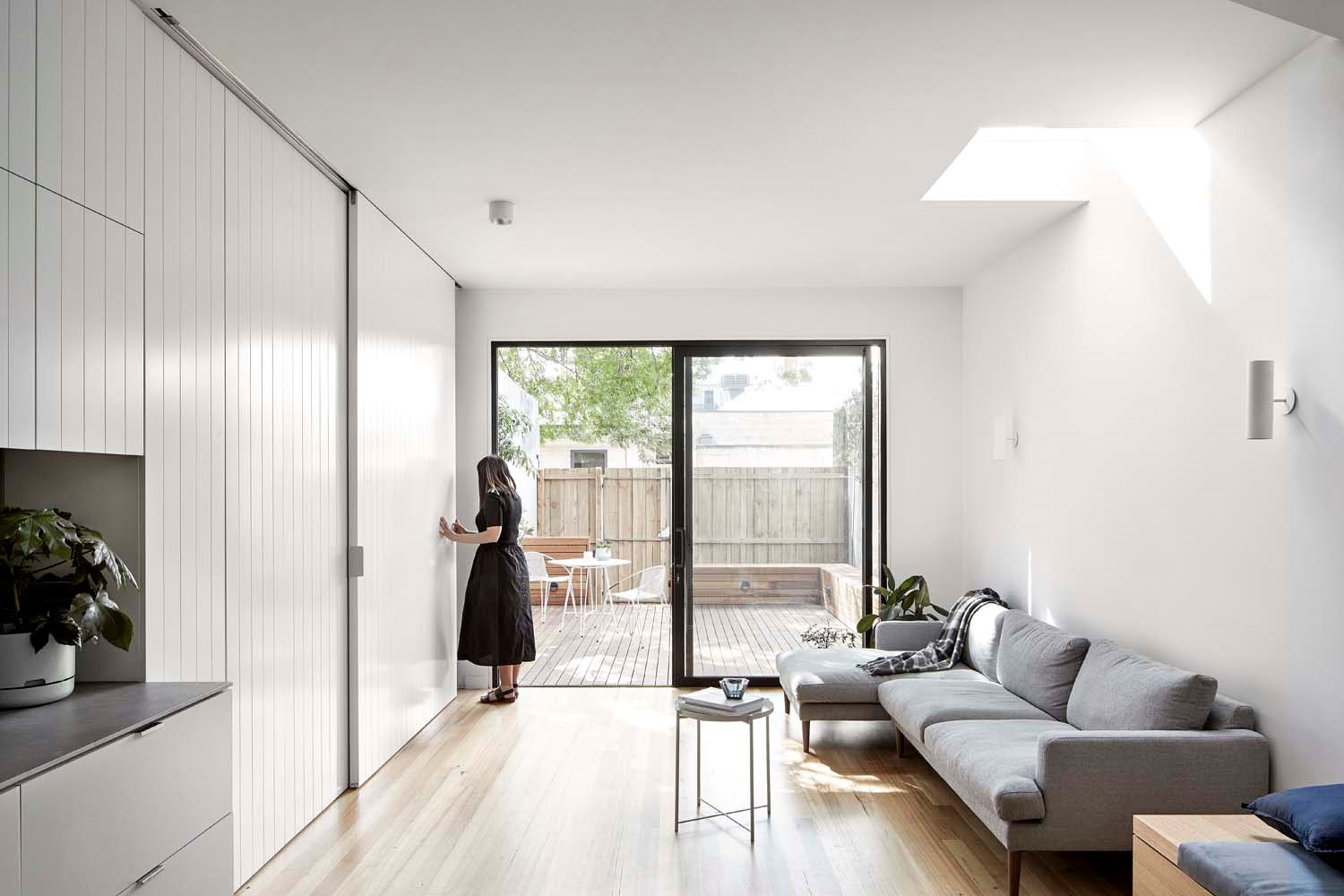
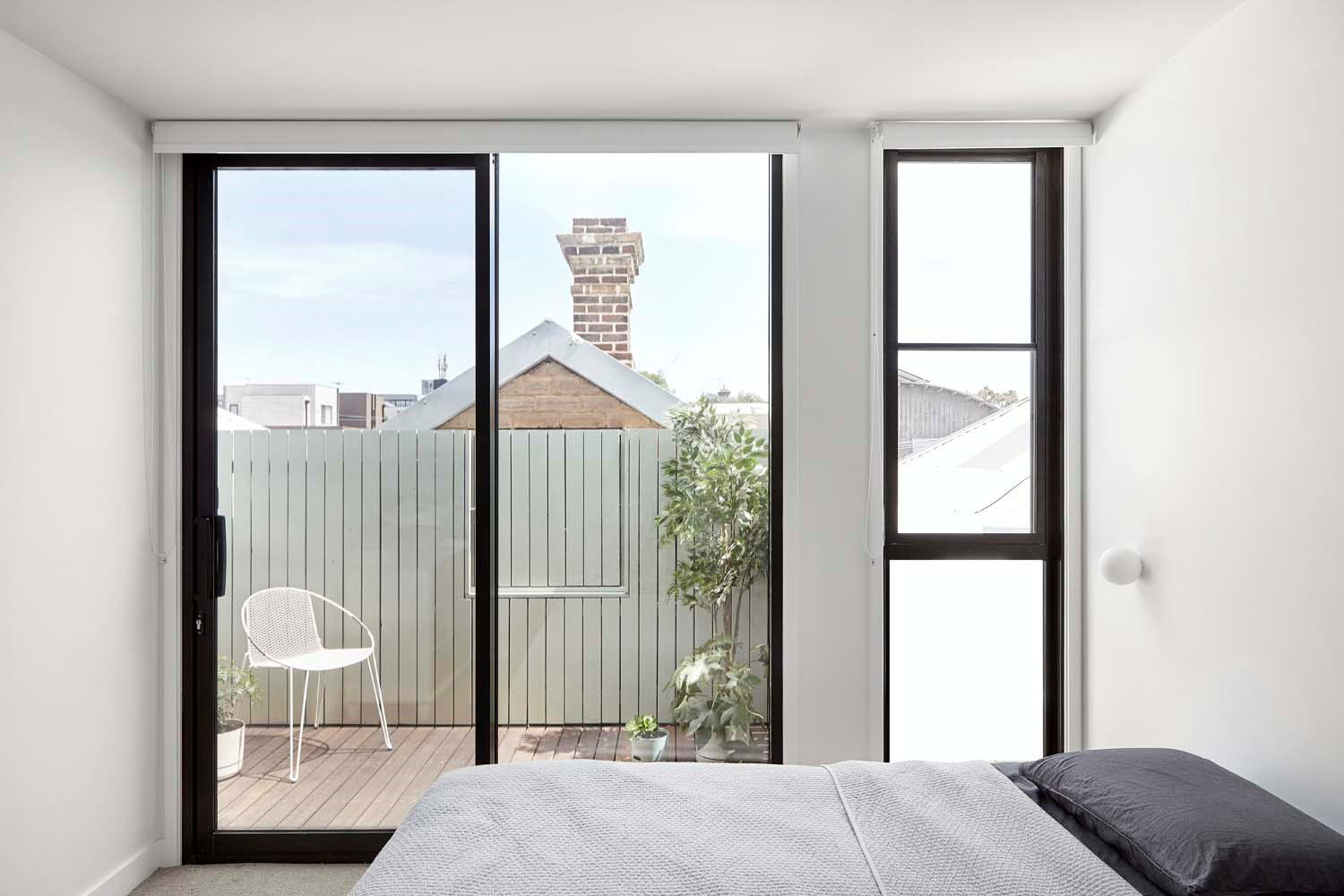
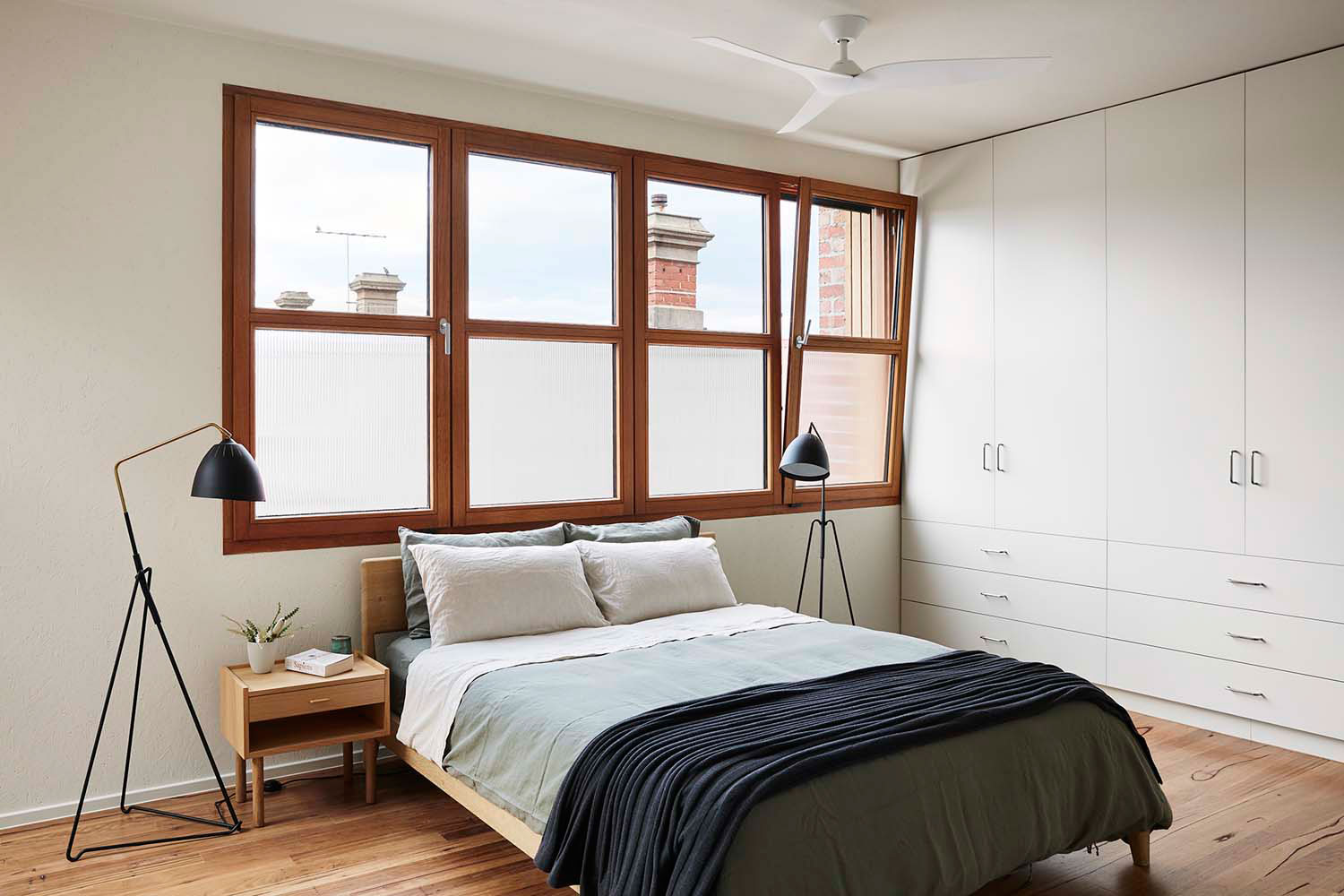
This tiny Victorian miner’s cottage in the inner-Melbourne suburb of Brunswick East has been transformed by much-needed additions and alterations, including a new second-level parents’ retreat and generous new living spaces on the ground floor. Finding a dwelling of this era with no significant changes is extremely rare.
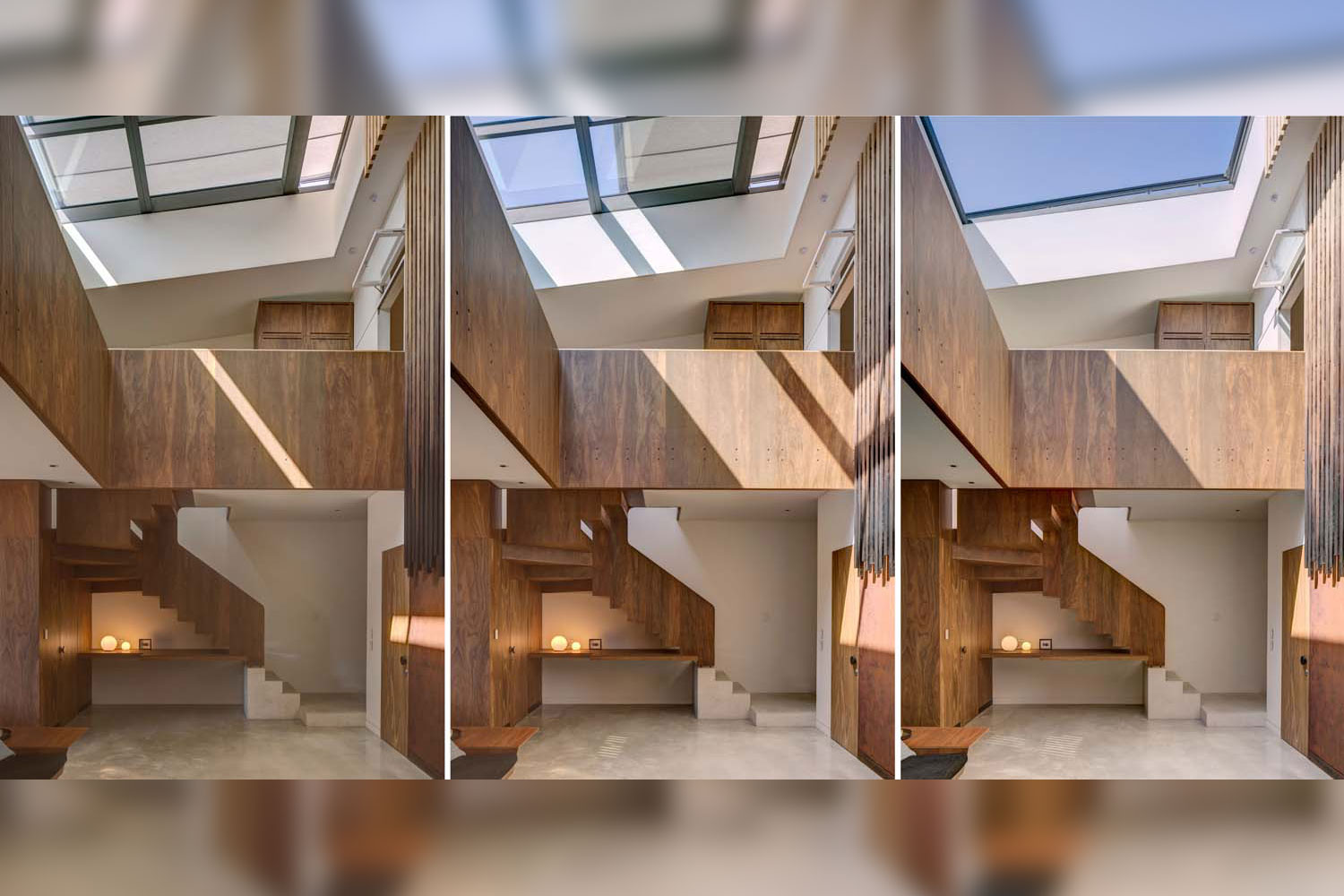
A small courtyard along the north boundary was built to bring in as much natural light as possible to the living spaces. It also allows daylight into the existing bedroom, a new bathroom, and kitchen, and provides great ventilation and thermal comfort for sustainable urban living. A small void to the stairs bathes the seated living area with light from the first-floor glazing at certain times of the day.
The design meets modern expectations of dwelling while celebrating the home’s humble heritage.

Photography: Dave Kulesza Photography

Art House & Studio

Zen Architects

The original residence had been left in a state of disrepair over the last 50 years and without heritage or planning protections was destined for demolition having been sold with a building report recommending as such. Art House began as an exploration in restoration, re-use and recycling through the use of natural, local materials re-imagined by local craftsmanship.
Priority was given to retaining the character of the original Victorian residence. External weatherboards and Victorian detailing remained in-situ, Baltic pine floorboards, skirting boards, architraves, doors and windows were retained and re-used. The walls, floor and ceiling were all heavily insulated and existing windows re-glazed, elevating the residence to exceed current standards.

Photography: Emma Cross

Waratah Secondary House

Anthrosite

Waratah Secondary House is a 60sqm secondary dwelling embracing constraints of budget, floor area and flood controls while acknowledging its urban context and sustainability. The resulting design is spatially economic while rich in amenity.
Due to flood mitigation controls, the primary living level is elevated 1.2m above the natural ground level. The ground floor is expanded as it opens out on either side to a street facing terrace and private sunken deck respectively, creating a seamless transition from indoors to out and enhancing the comfort and quality of the living spaces. To overcome the difficulty of connecting living spaces to the outdoors, hard and soft landscaping including stairs, decks and earth mounding were introduced.
The project is shaped by an ethos of minimising costs whilst maximising efficiency at every opportunity. Using standard concrete blockwork and prefabricated materials, structurally insulated panels (SIPs) and pre-finished fibre cement panels, a simple, box-like form was conceived, expediting construction times and maximising efficiency. Wall and roof SIPs were selected as the primary material for their environmental benefits and superior insulation, while double glazed, operable doors and windows are designed to promote cross ventilation and maintain thermal comfort.

Photography: Christopher Frederick Jones

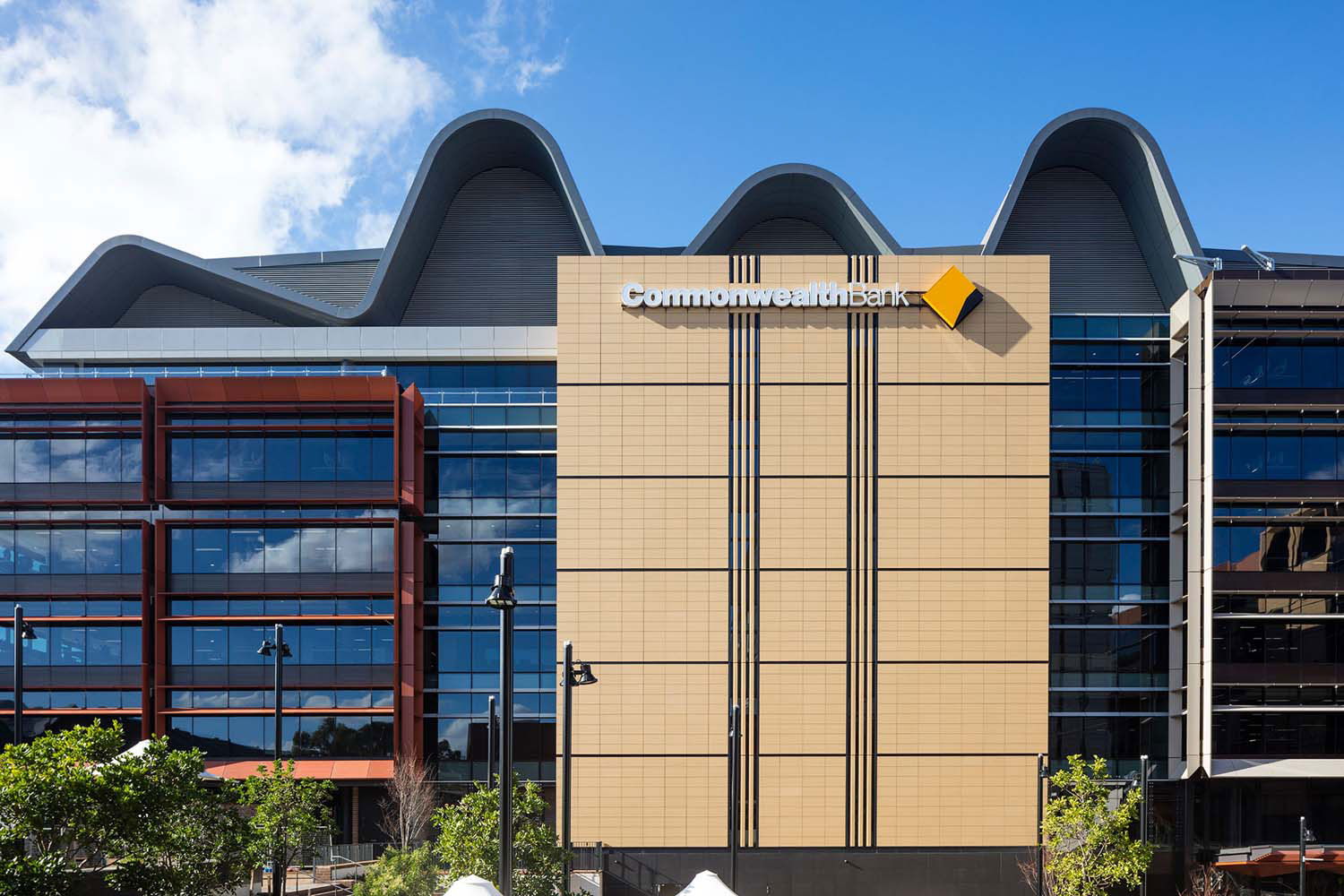
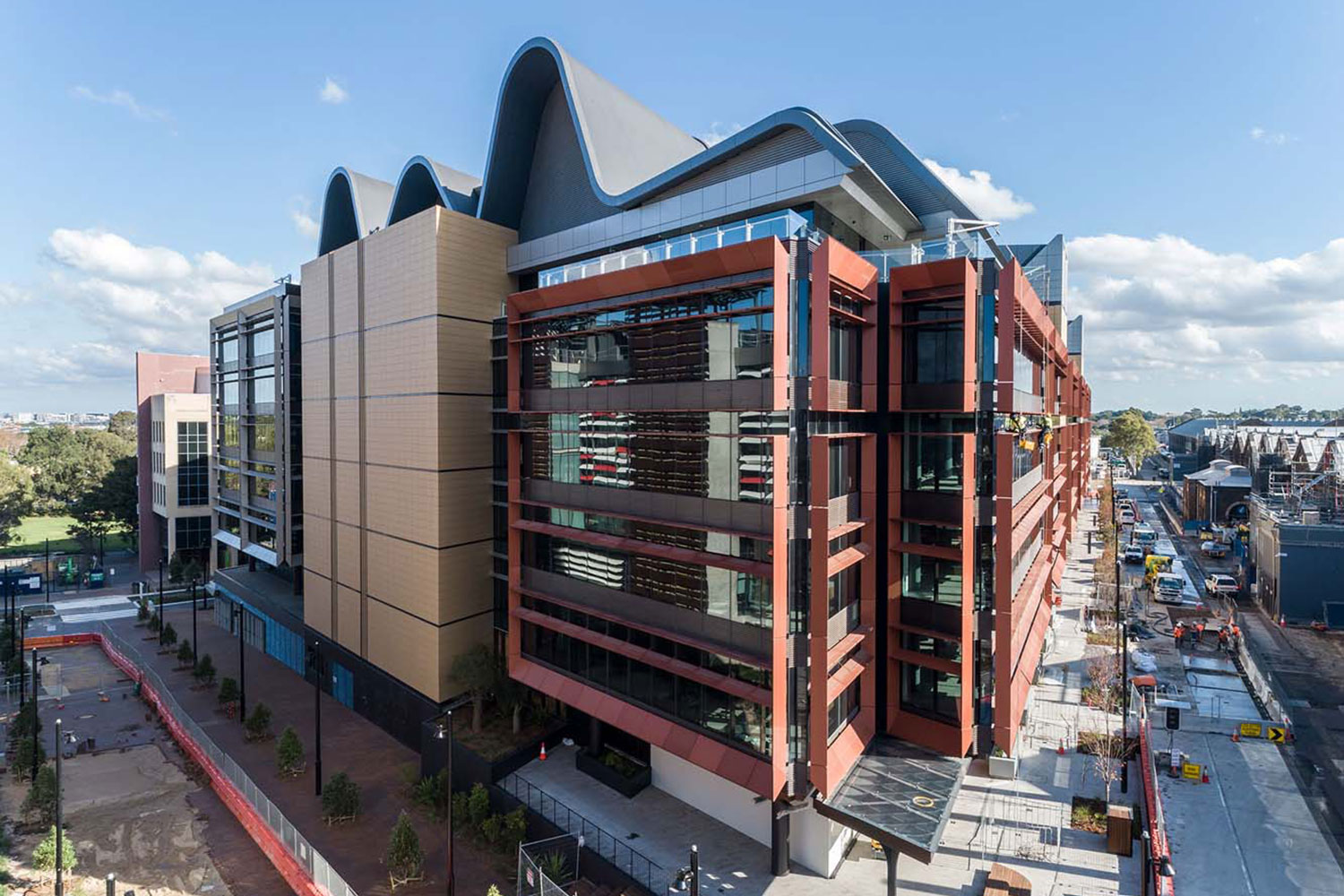
The Foundry

Francis-Jones Morehen Thorp (FJMT) and Sissons with Mirvac

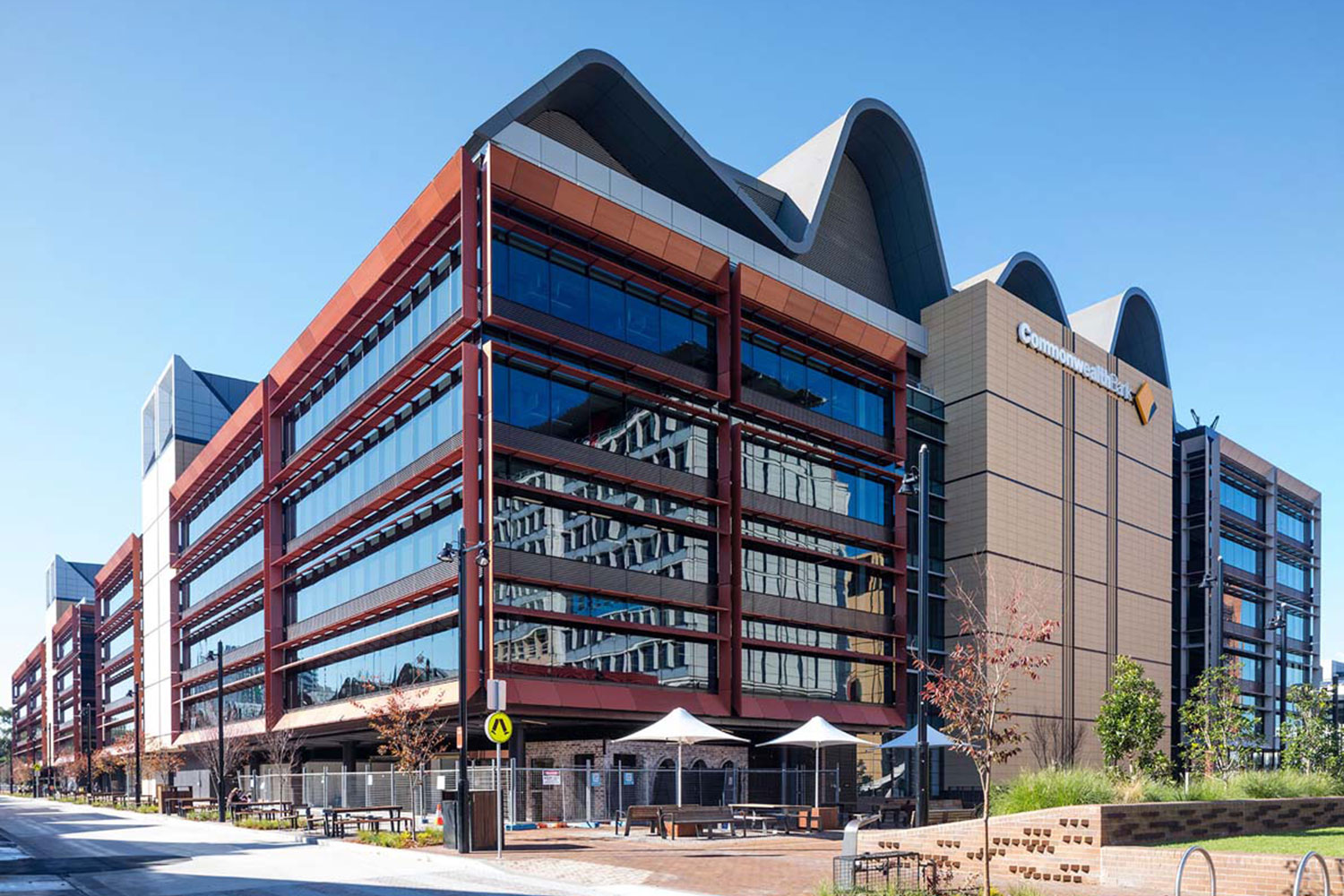
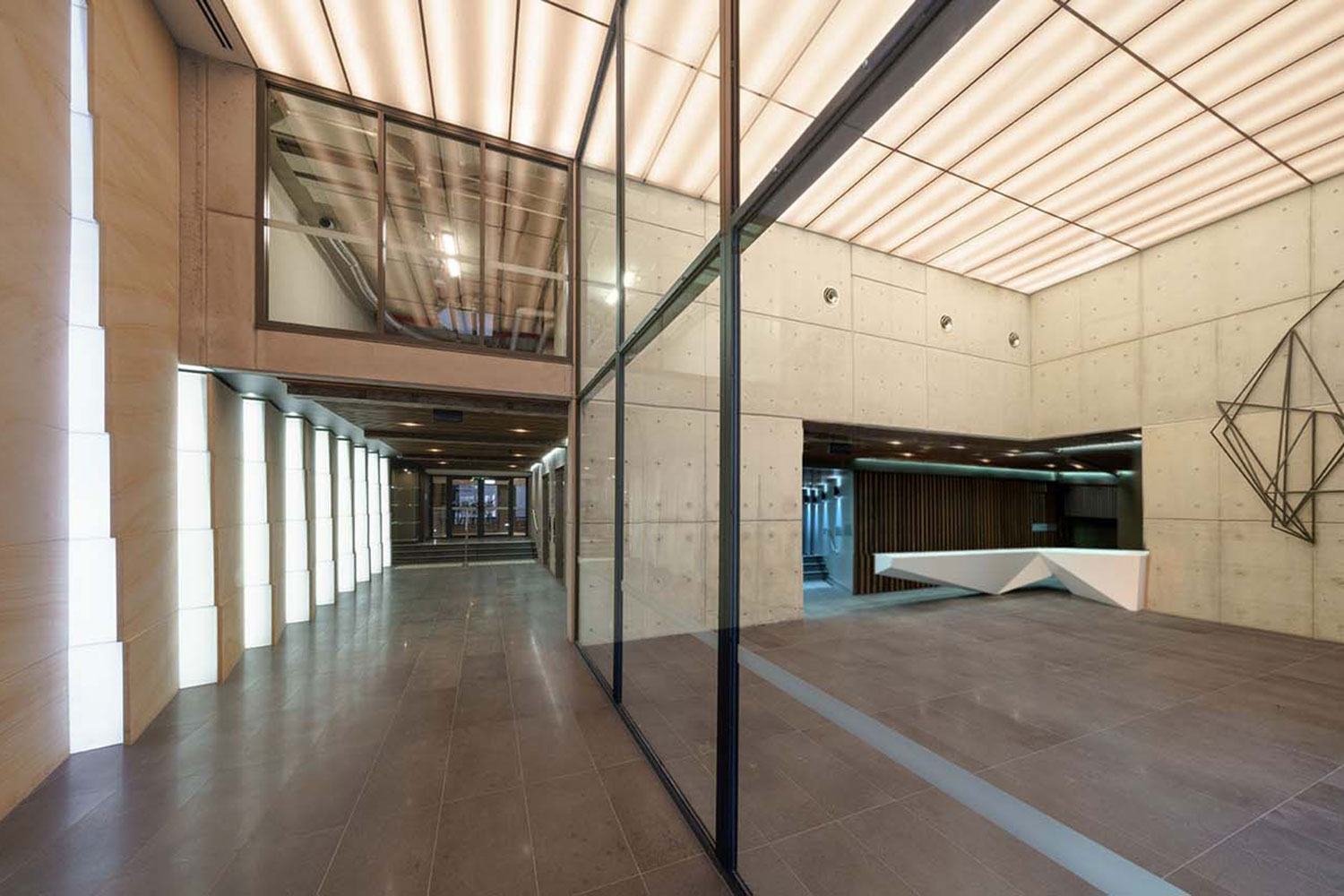
Designed by award-winning architects Francis-Jones Morehen Thorp (FJMT) and Sissons (up to DA), with interiors by Davenport Campbell, the building features exceptional sustainability practices and materials, overcoming design challenges to raise the bar on sustainability in Australia. The working environment is also technology-enabled, while the unique multi-atrium space linked by staircases fosters collaboration, allowing ultimate flexibility for its workforce to future-proof the building.
Mirvac worked closely with FJMT to enable a unique prefabricated design for The Foundry which has led to significant construction and sustainability efficiencies. It is one of Australia’s largest prefabricated commercial buildings and the techniques used will be applied to drive time, construction accuracy and costs efficiencies in other developments.

Photography: Brett Boardman

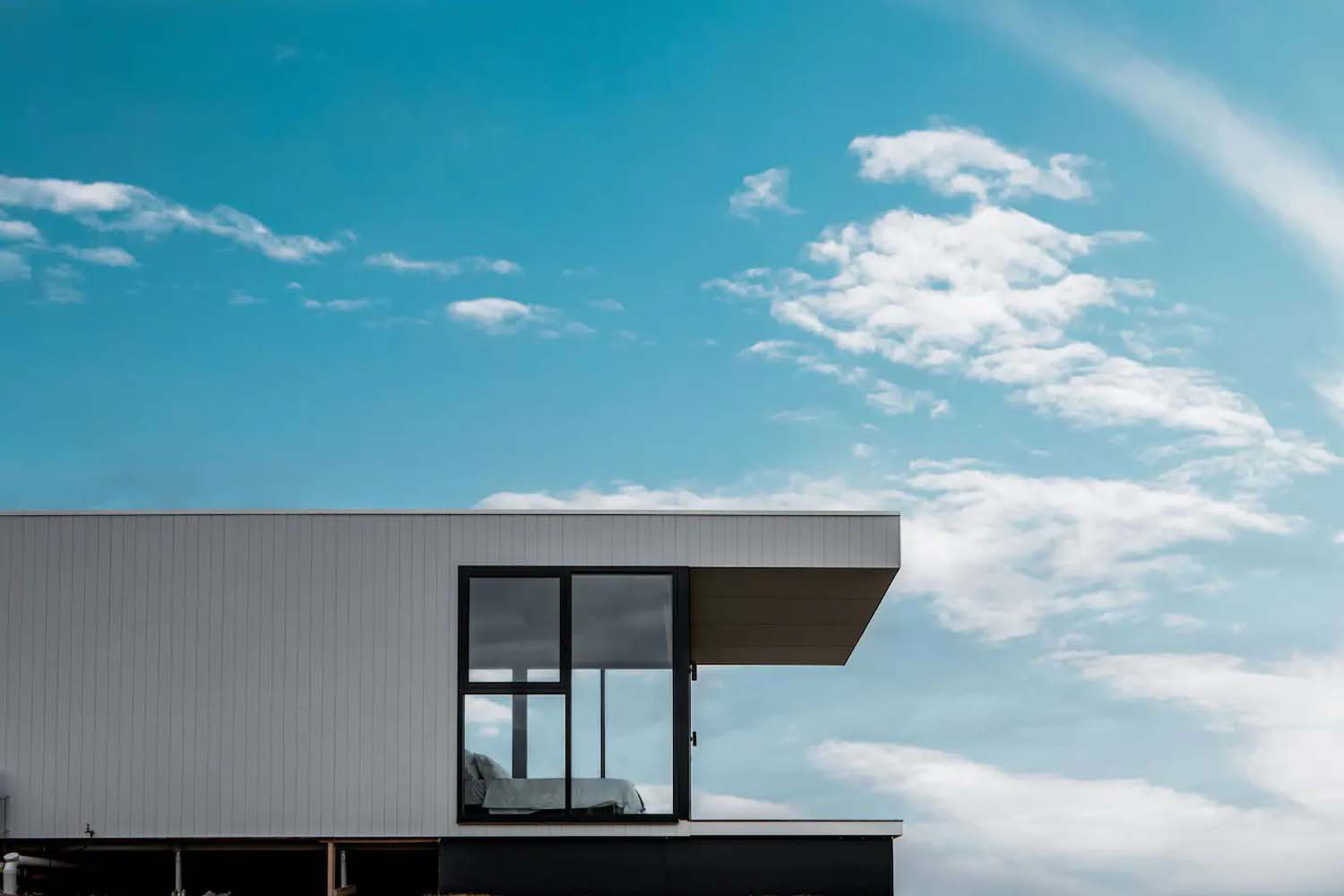
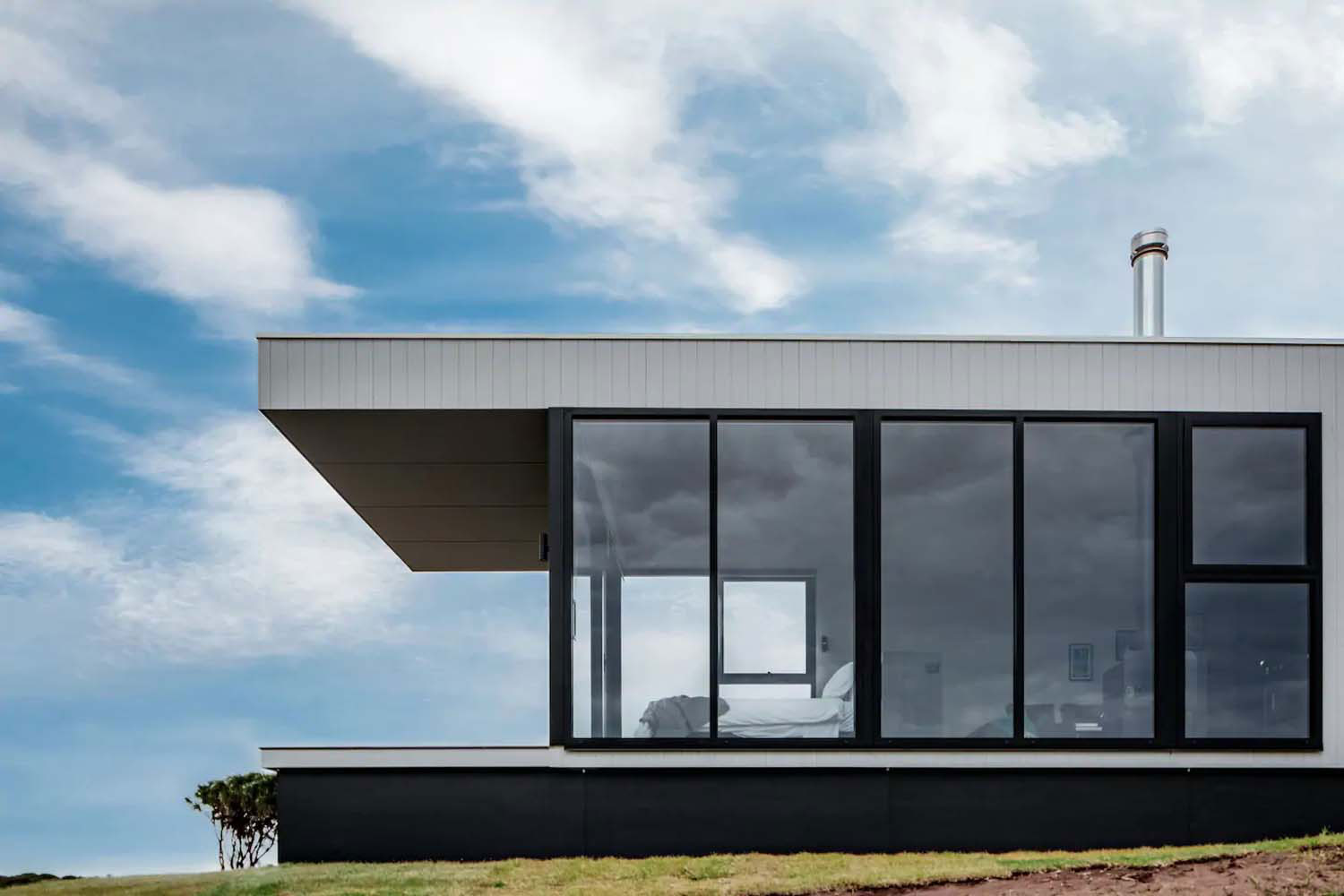
Sky Pods | Cape Otway

Bild Architecture with Prebuilt

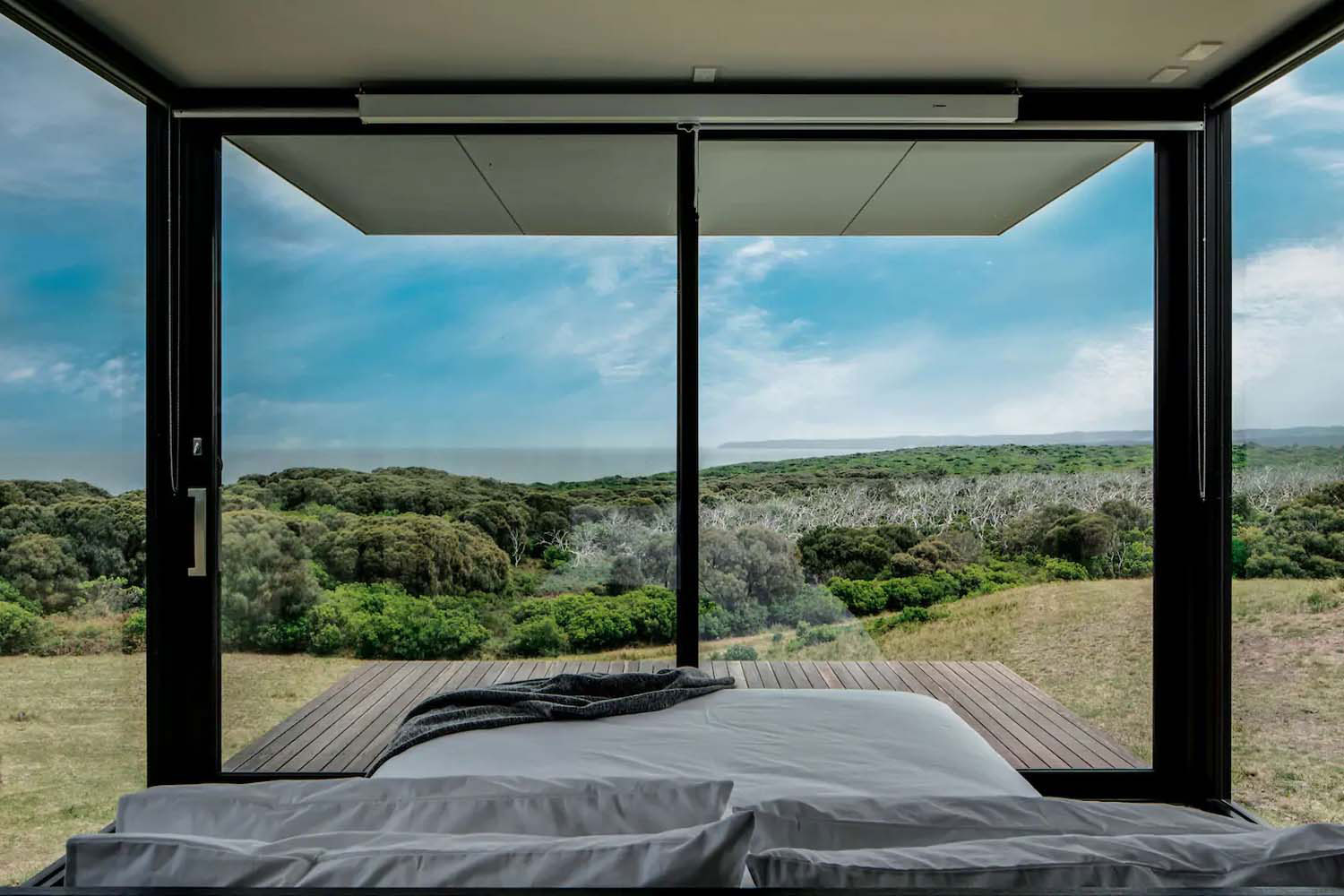
The architecturally designed, self-contained Sky Pods were custom designed to sit on a 200-acre, private wildlife refuge property on the rugged coast of Cape Otway. Floor-to-ceiling windows take in sweeping views of the Southern Ocean as well as the surrounding coastal rain forest. Designed with environmental sustainability at the core, without compromising comfort, the sky pods are solar powered and operate fully off the grid.

Photography: Tofu Studio

Sackville Studios

studio edwards with Sphera Lighting

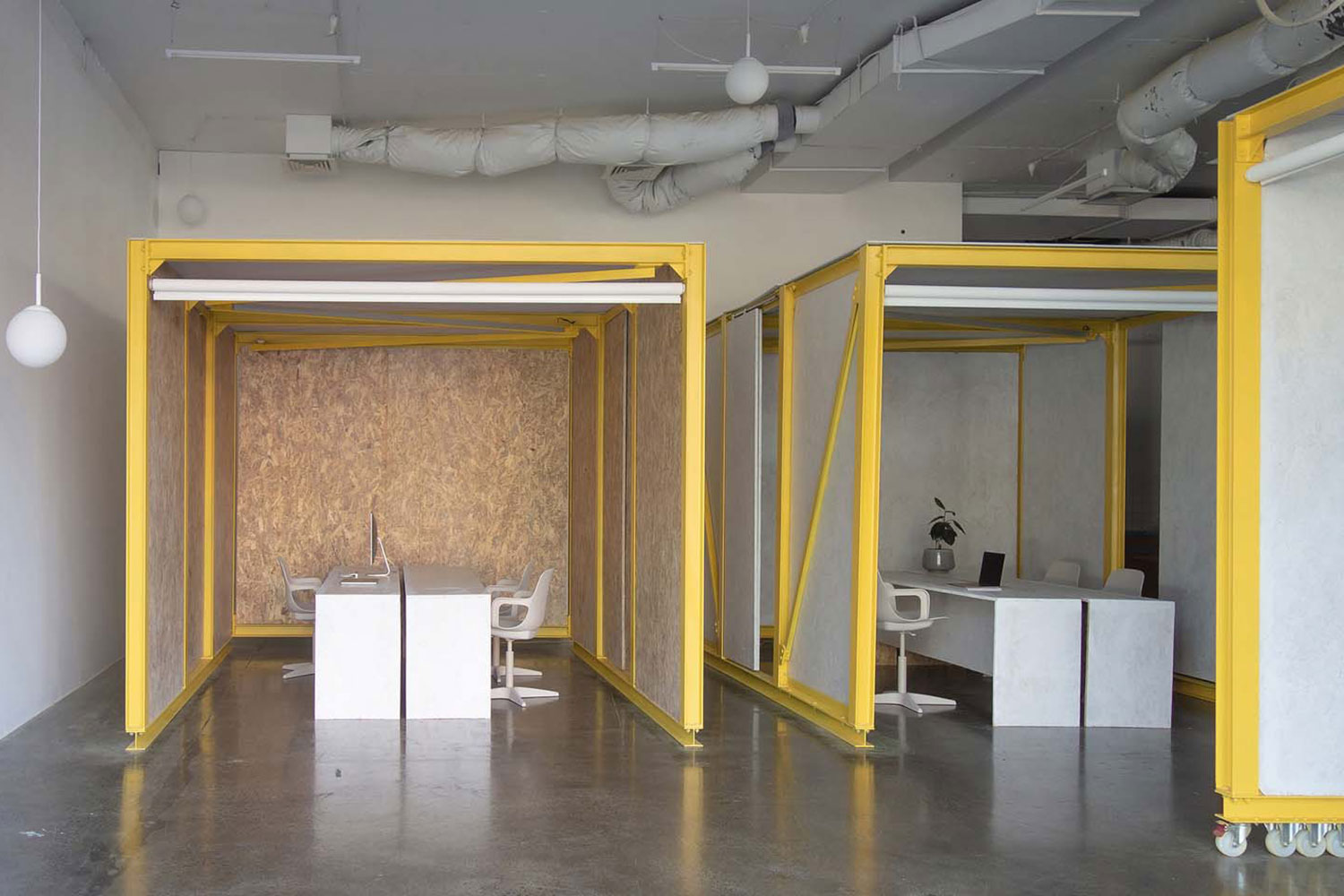
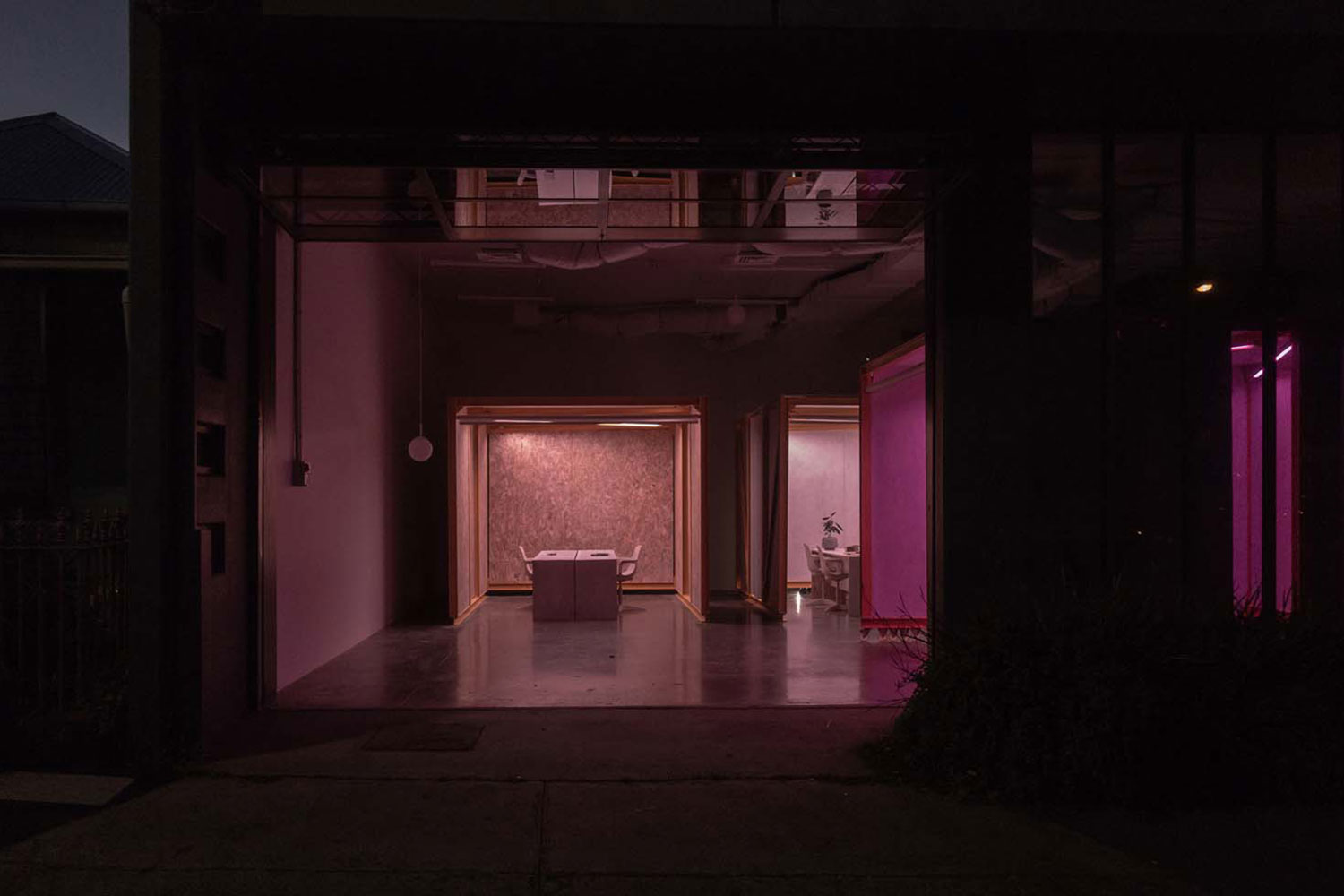
Four steel framed pods inserted into an existing warehouse shell to create a flexible workspace that is both adaptive & can be easily removed post-tenancy.
The spaces between the pods allow for interaction with the large area adjacent to the street for shared meeting space or events within the main warehouse space.
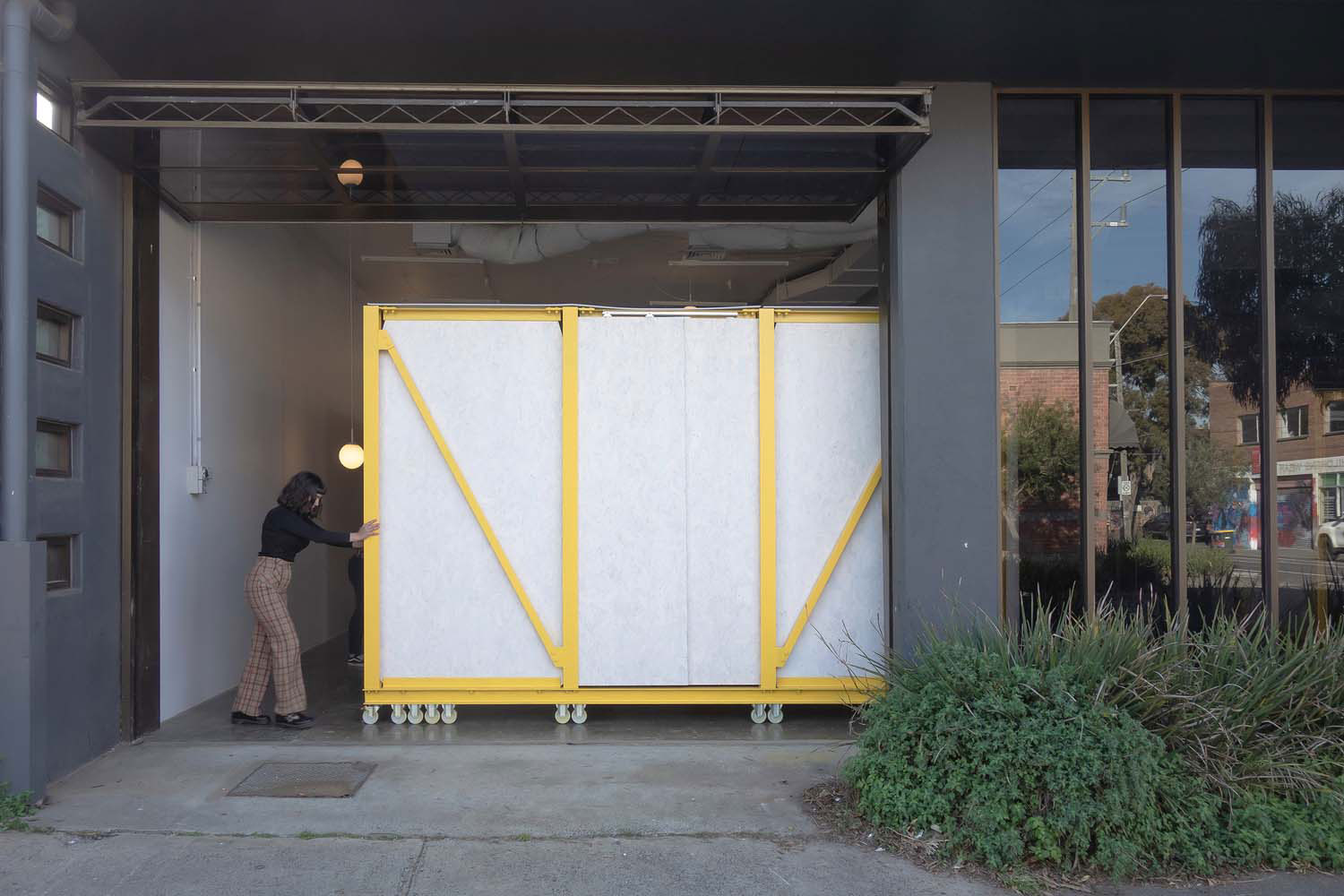
The central pod nearest the street has castors, making it movable. Creating differing spatial configurations within the warehouse.
It can also be wheeled out to engage with the street frontage by opening the large fold-up garage door.
The spacing of the vertical & horizontal steel frame components is based upon a standard timber panel size to minimise cutting & waste.
The interior dimensions are based upon a studio shared work desk for 4 people. Each of the studio pods is open at one end & can be closed for off for privacy via translucent roller.
Internally the pods are lined with white painted OSB panels, a neutral backdrop & an acoustic ceiling above to provide sound insulation.

Photography: Felix Bardot

Jordan Springs Primary School

Modscape with Group GSA

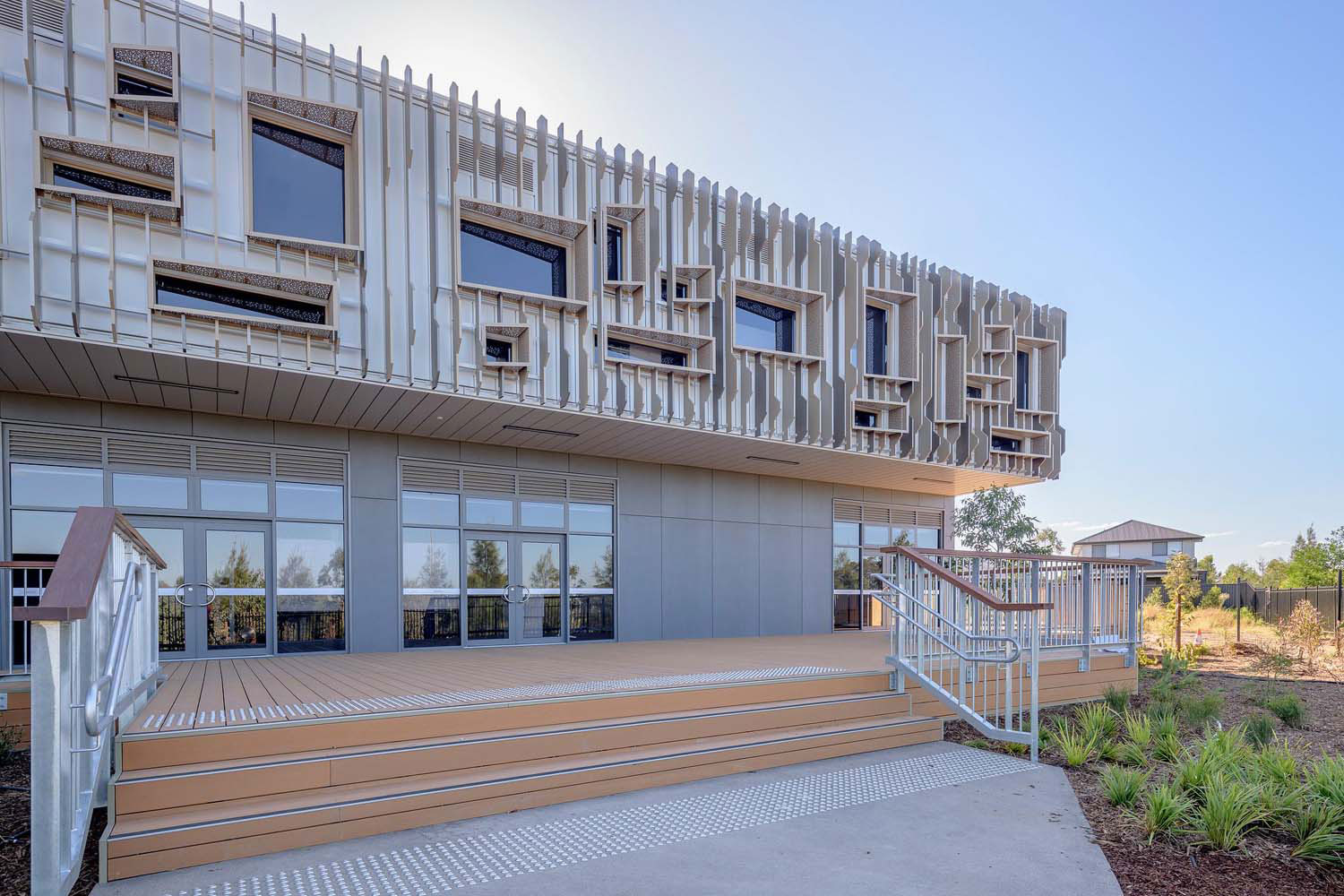
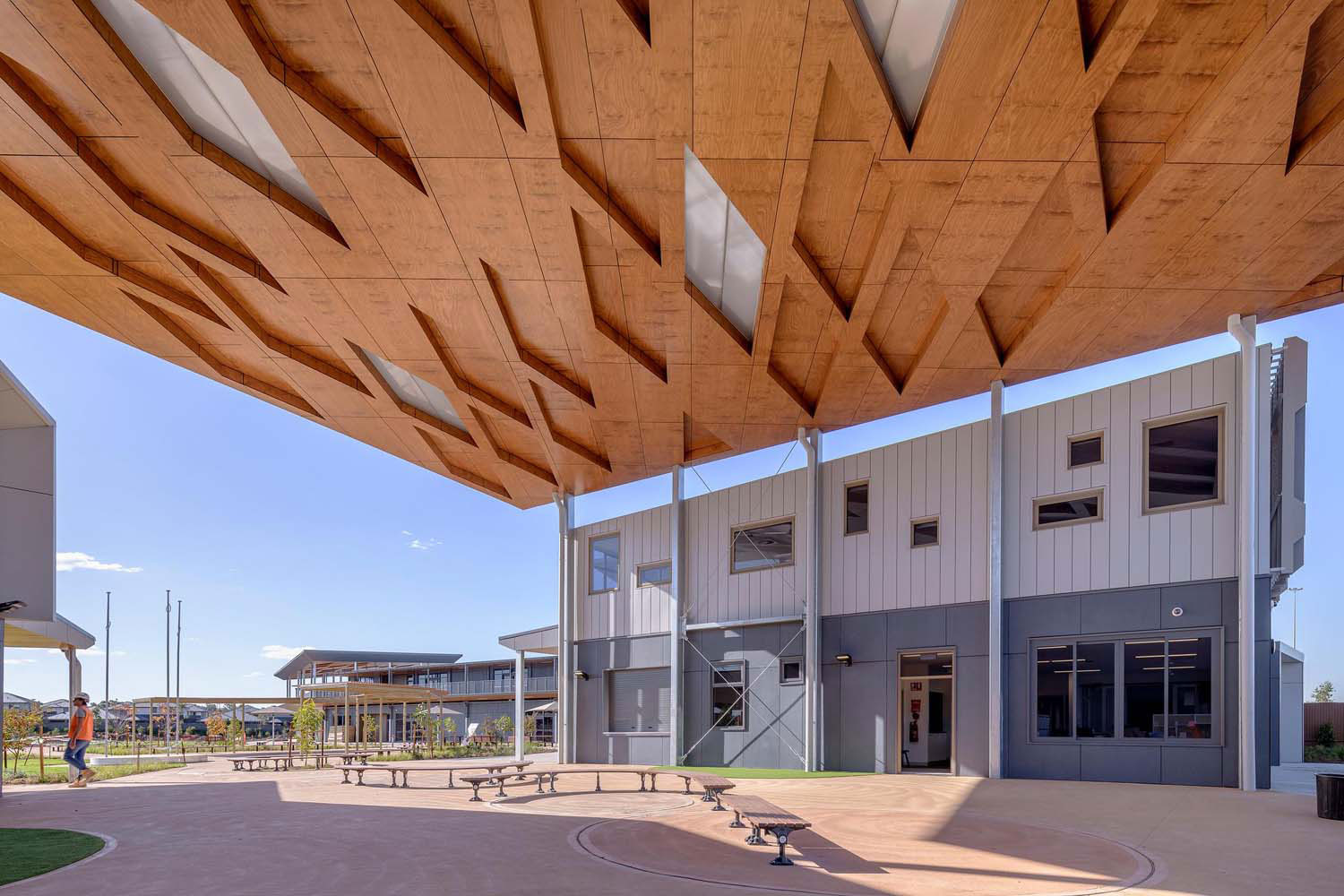
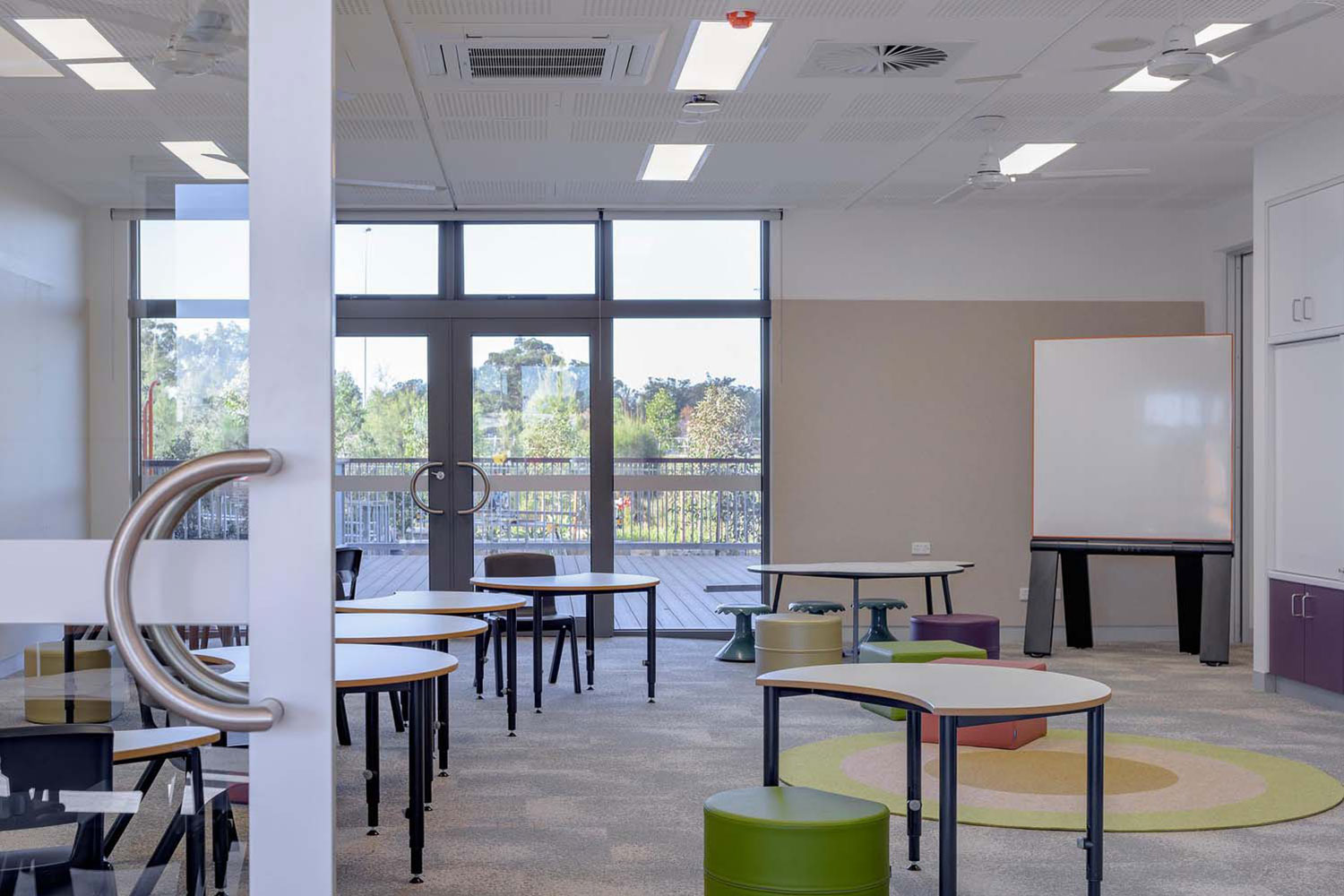
Jordan Springs is a brand-new suburban school that was completed in just over 12 months using off-site modular construction by Modscape.
Comprised of 46 modules, the school includes 27 internal learning spaces, six covered outdoor learning spaces (COLAs), a library, learning auditorium, administration spaces, a school hall and plenty of landscaped areas for students to play in.
Students and visitors to Jordan Springs are greeted by a striking COLA – a canopy dotted with recessed diamonds and flanked by a home base building on each side. Complementing the COLA’s geometric detailing, the buildings either side of it feature decorative sun shading along the top storey, while the bottom level is clad in Cambrit panelling – a product chosen for its hardiness and ability to remain clean looking despite many small hands touching its surface.

Photography: The Guthrie Project

CLT Passivehouse Balgowlah

betti & knut architecture

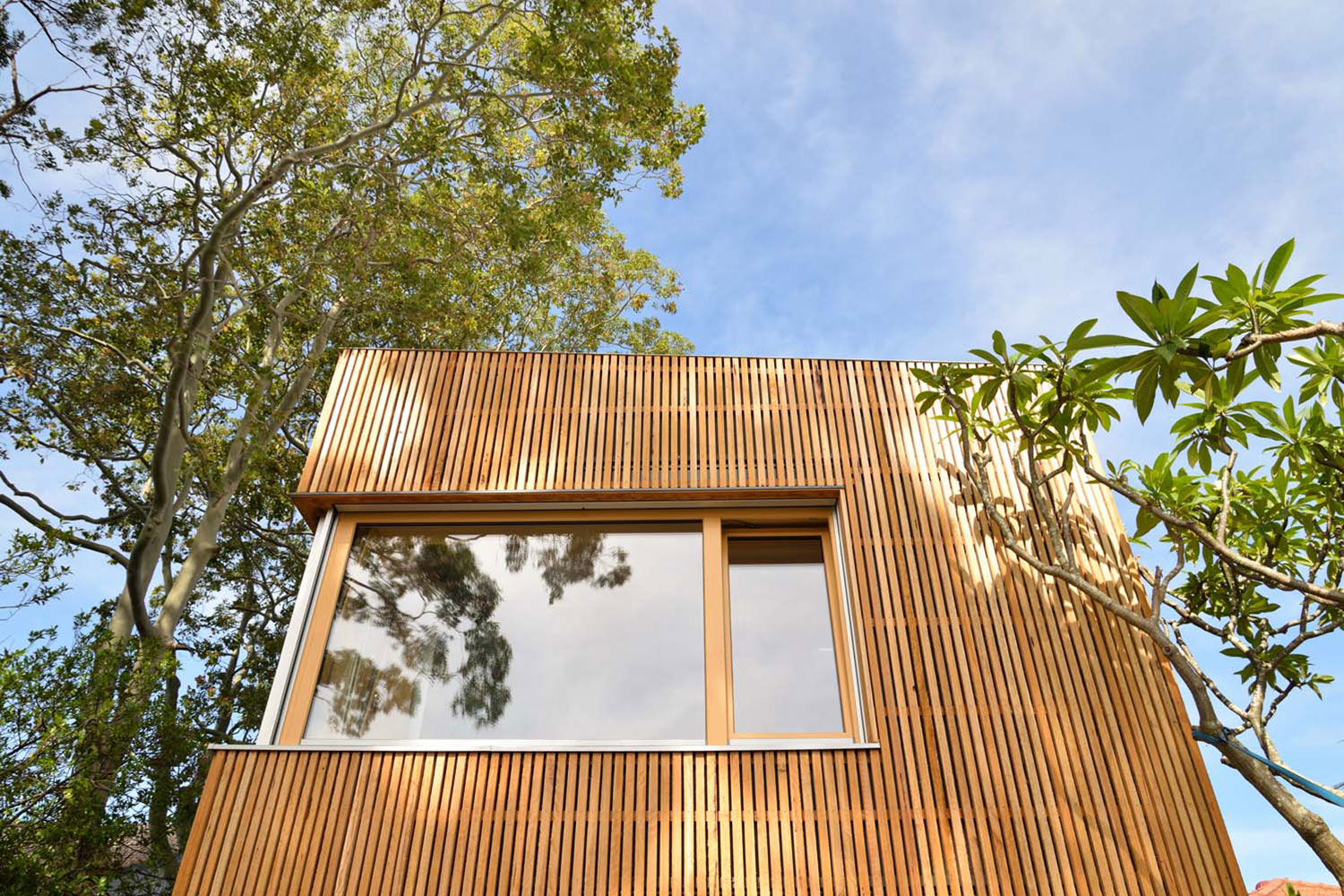
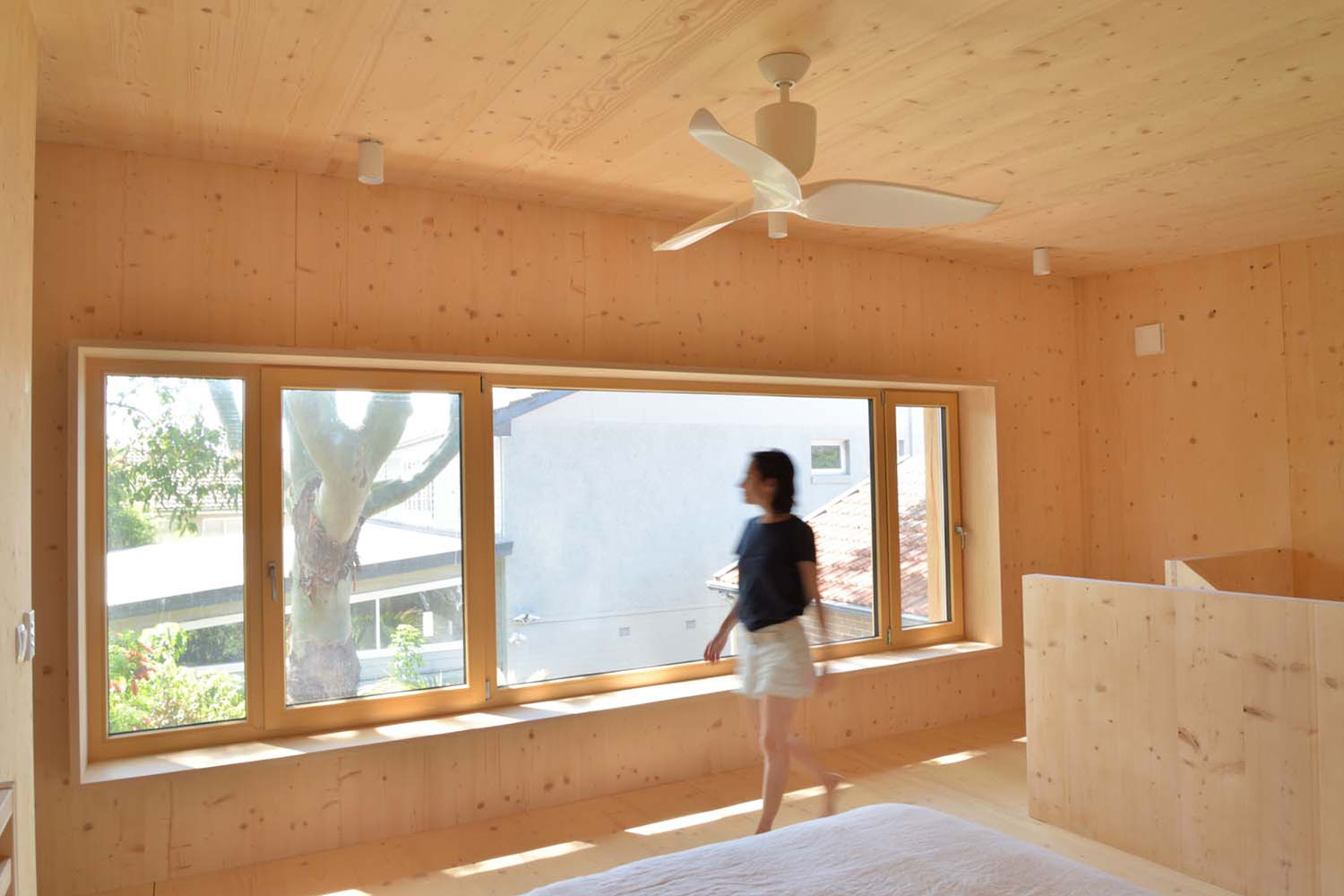
The cross-laminated timber (CLT) structure was prefabricated offsite, including the stair and cut-outs for lighting, power and equipment, and installed in just 15 hours.The efficiency of the CLT installation allowed for the entire building to be waterproof, insulated and airtight within one week.
The interior of the building features exposed timber walls, floors and ceilings that, in combination with the heat recovery ventilation system, ensures a healthy natural indoor environment. The building is designed to the Passivhaus standard and works year round without the need for artificial heating and minimal cooling, which is made possible by the airtightness of the envelope, high level of insulation, triple glazed timber windows and external shading. The official certification to the Passivhaus standard has recently been confirmed and the building is now listed in the international PH database as one of less than 25 PH buildings in Australia, and one of 4 in NSW.
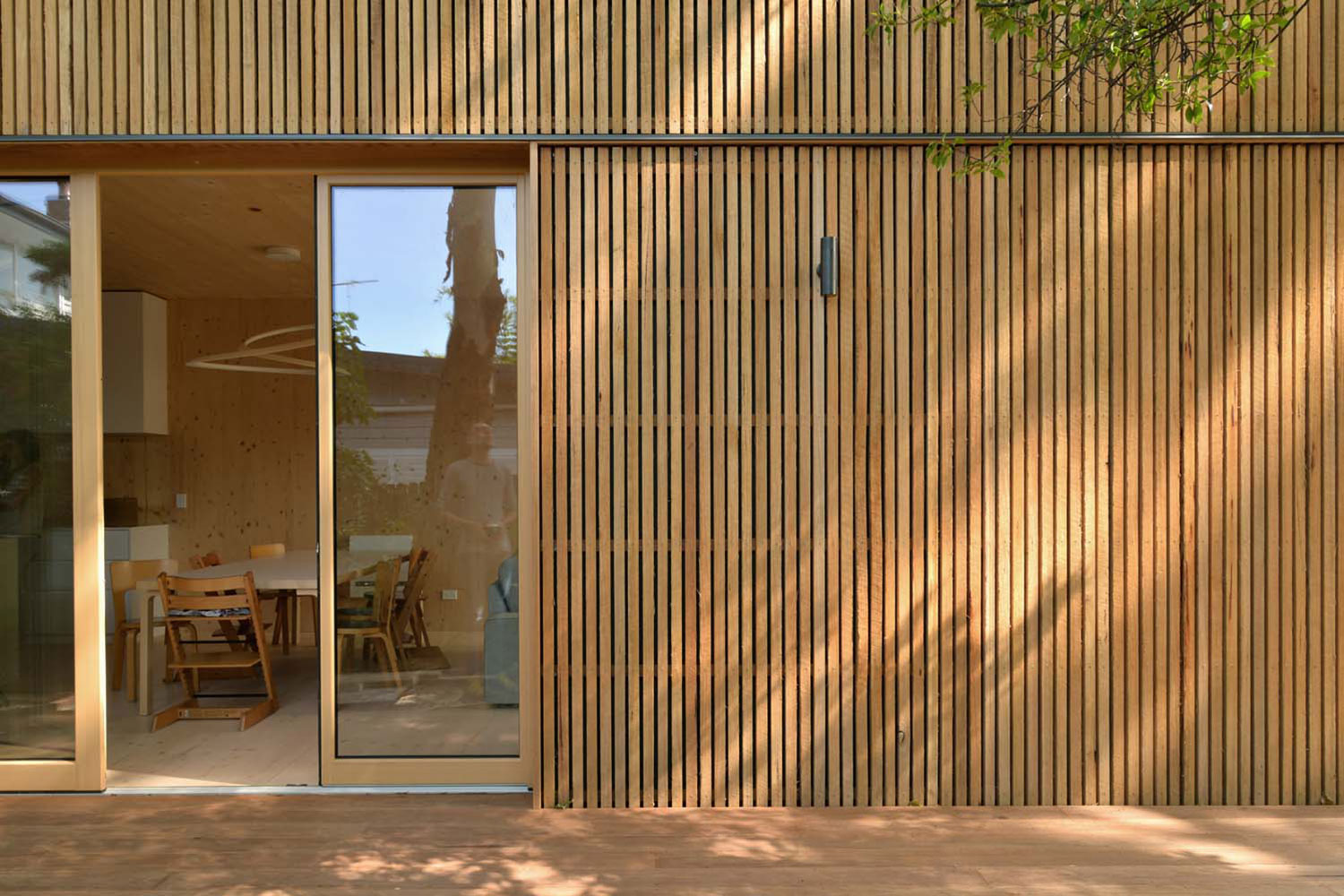
The facade is clad in local untreated Blackbutt timber battens left to naturally grey over time. The rough sawn timber is creating the connection to the trees in the garden and exposed timber walls of the internal spaces.

Photography: Hao Quan Cai

The Davison Collaborative

Archier and HIP V. HYPE

The Davison Collaborative is a case study on sustainable density, transforming one suburban block into three, 150sqm fossil fuel free, 100% electric homes.
Each residence provides for 4.5 kWh of solar panel capacity and 7.5 kWh of battery capacity. The project features Structurally Insulated Panels (SIPs) for enhanced thermal performance, an Energy Recovery Ventilation (ERV) active systems and electric heat pumps for hot water and hydronic heating. Caroma Smart Command technology is installed to monitor water usage and rainwater collection tanks are installed in each residence.
The design enhances the mental and physical health of its occupants with optimised natural light and ventilation and being constructed where possible with natural, low VOC materials. Enhanced thermal insulation and passive design principles ensure the residences are a comfortable temperature all year around. The ERV system serves as an air filtration system, ensuring the indoor environment of each residence is protected from dust, allergens and pollens.
The project achieves an 8+ out of 10 star energy rating and is able to be run on 100% renewable energy.

Photography: Tess Kelly

Mosaic Apartments

Tony Owen Partners

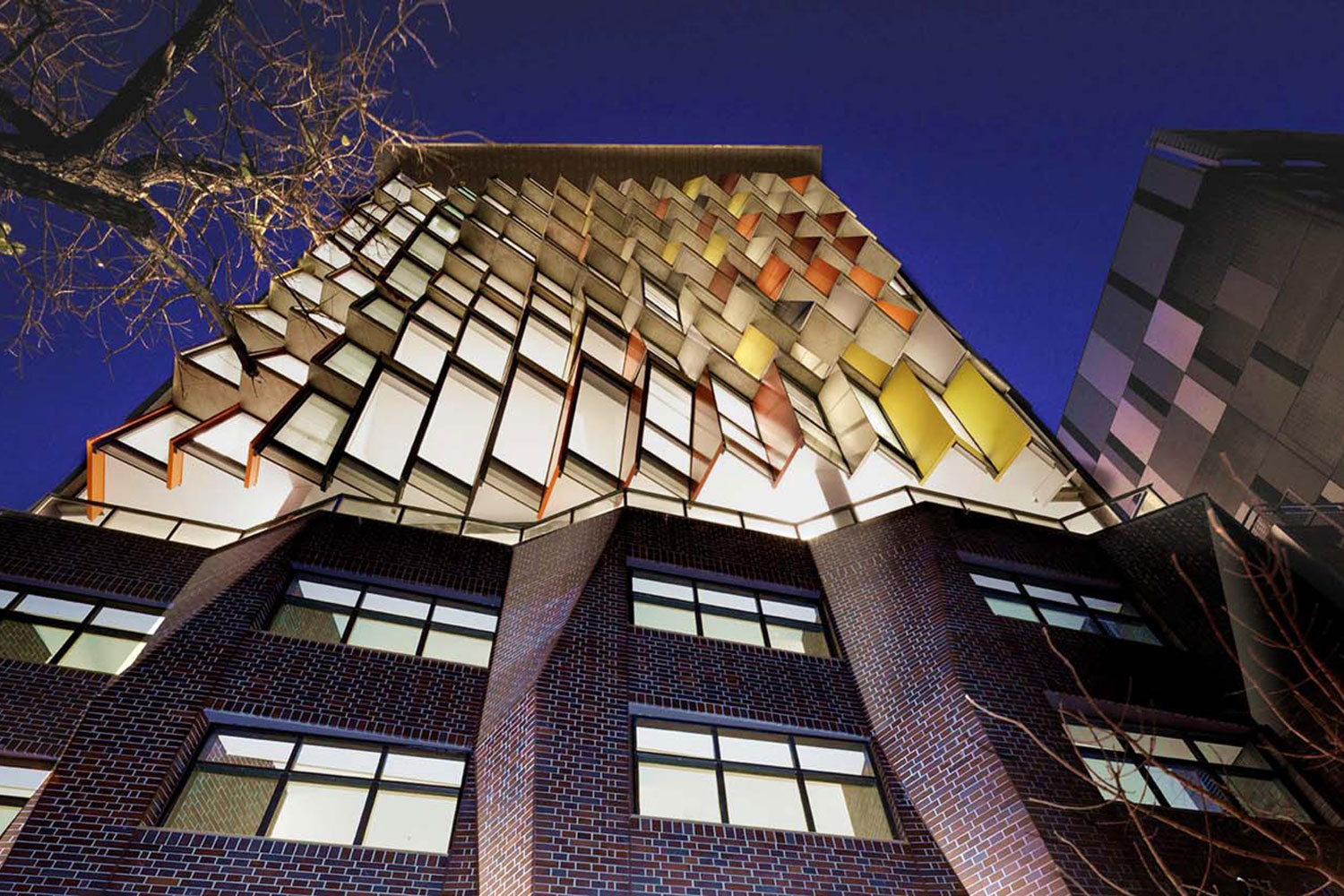
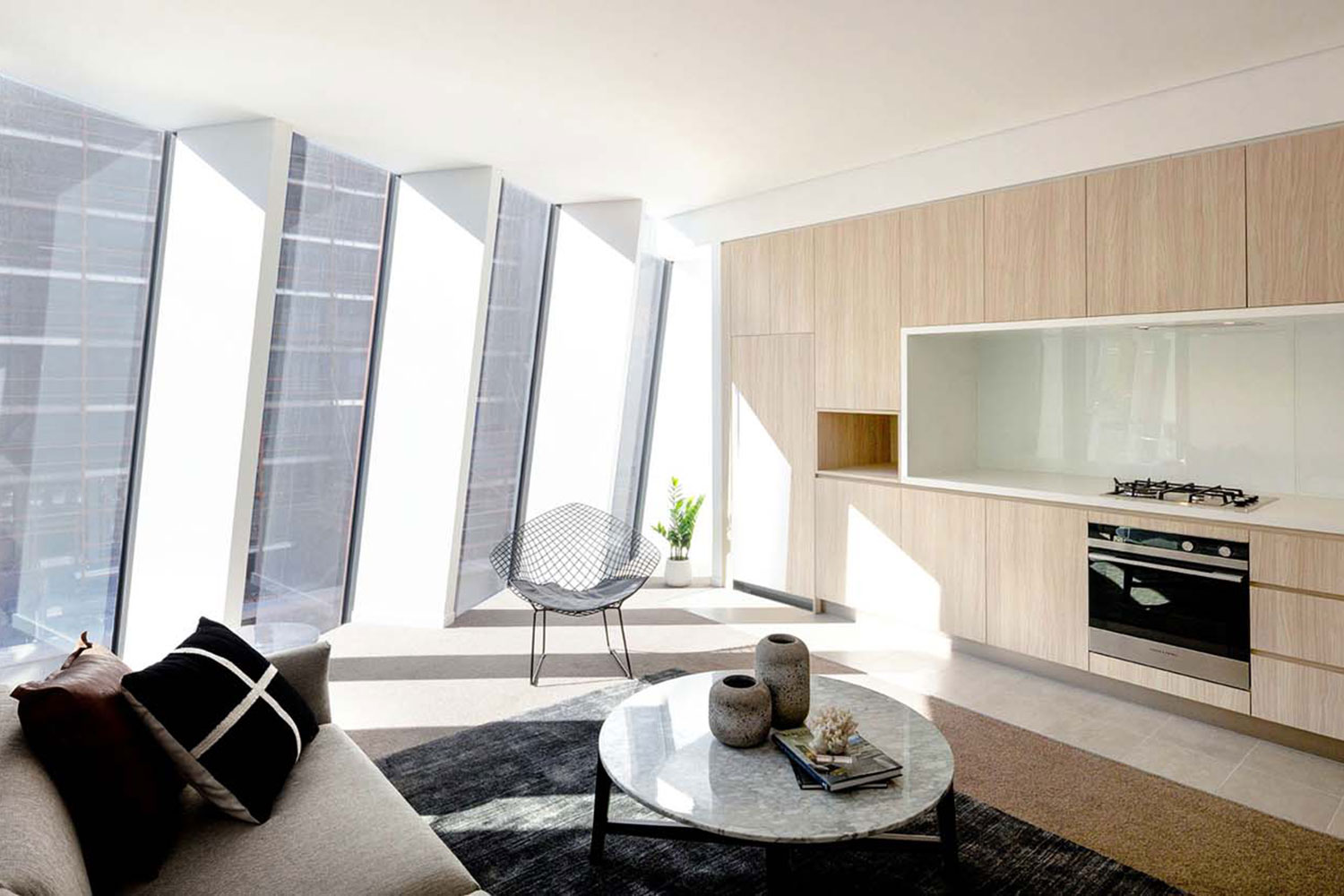
The Mosaic Tower is a 14 Storey mixed use residential/commercial building designed by Tony Owen Partners. It consists of a 4 storey retail/commercial podium with 37 units above. The site is located in Sydney’s Sussex Street. This precinct is the home of historic masonry warehouse buildings. The rule in heritage infill is typically to not attract too much attention. The constrained site is overshadowed by surrounding larger buildings. This presents a challenge for a residential building to access solar amenity. We used parametric modelling to solve this problem. Each portion of the façade receives sun at different times of the day. We conducted studies of the angles and direction of the sun at different times, even reflected light.

Photography: John Gollings

Napier Street for Milieu

Freadman White

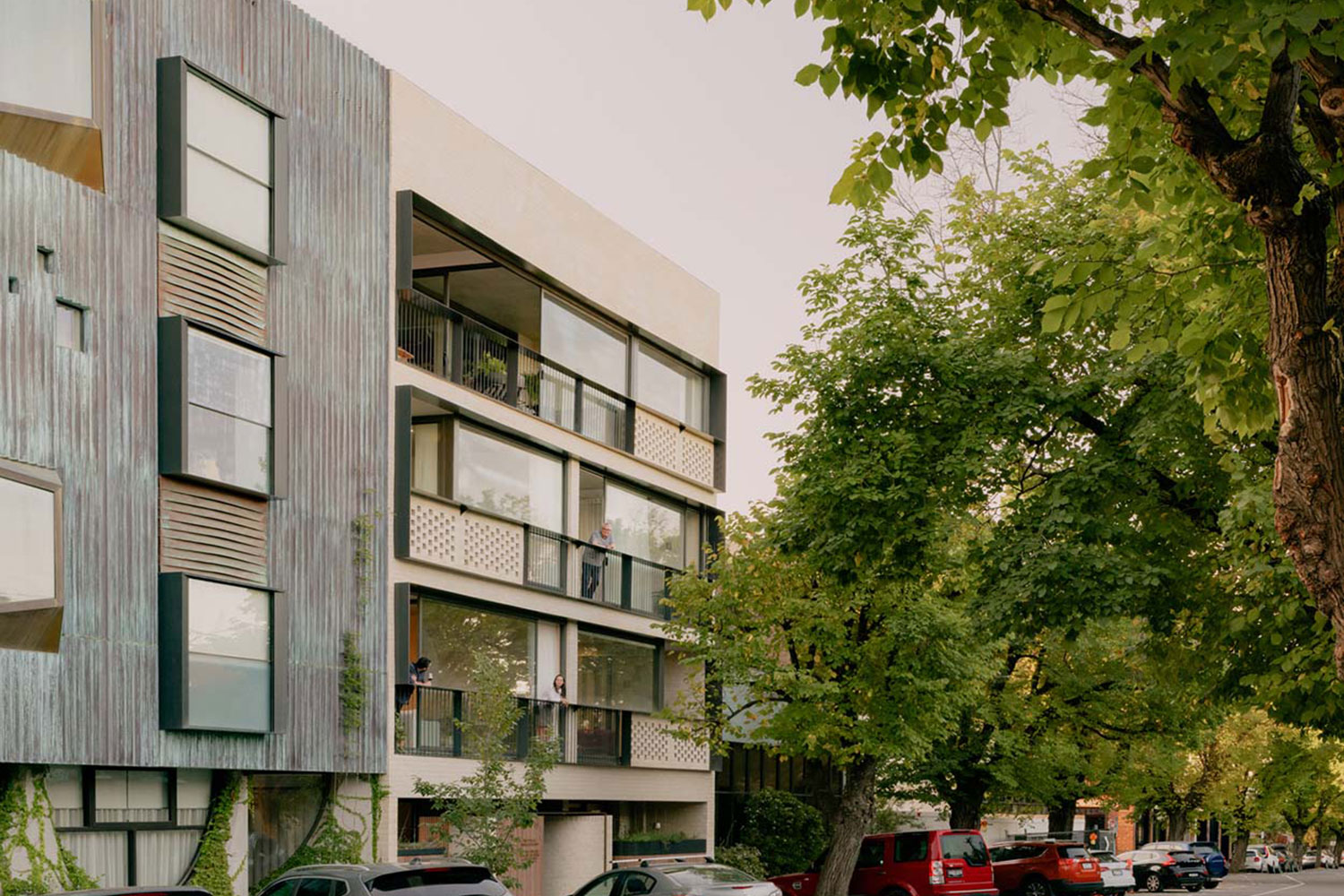
Napier Street is a collection of 14 individual owner-occupied apartments. A stone’s throw away from Fitzroy’s Brunswick Street, it sits adjacent Whitlam Place Apartments.
Existing materials common to the area include brick, concrete, render and timber. Our reinterpretation of this materiality and historic urban fabric has not been a literal prosaic response, rather drawing on a collective memory of forms and materials, layered through subtle shifts of formal play, articulated with soft planting, timber, steel, brick and concrete.

Photography: Gavin Green

Marrick & Co

Mirvac Design and Tonkin Zulaikha Greer

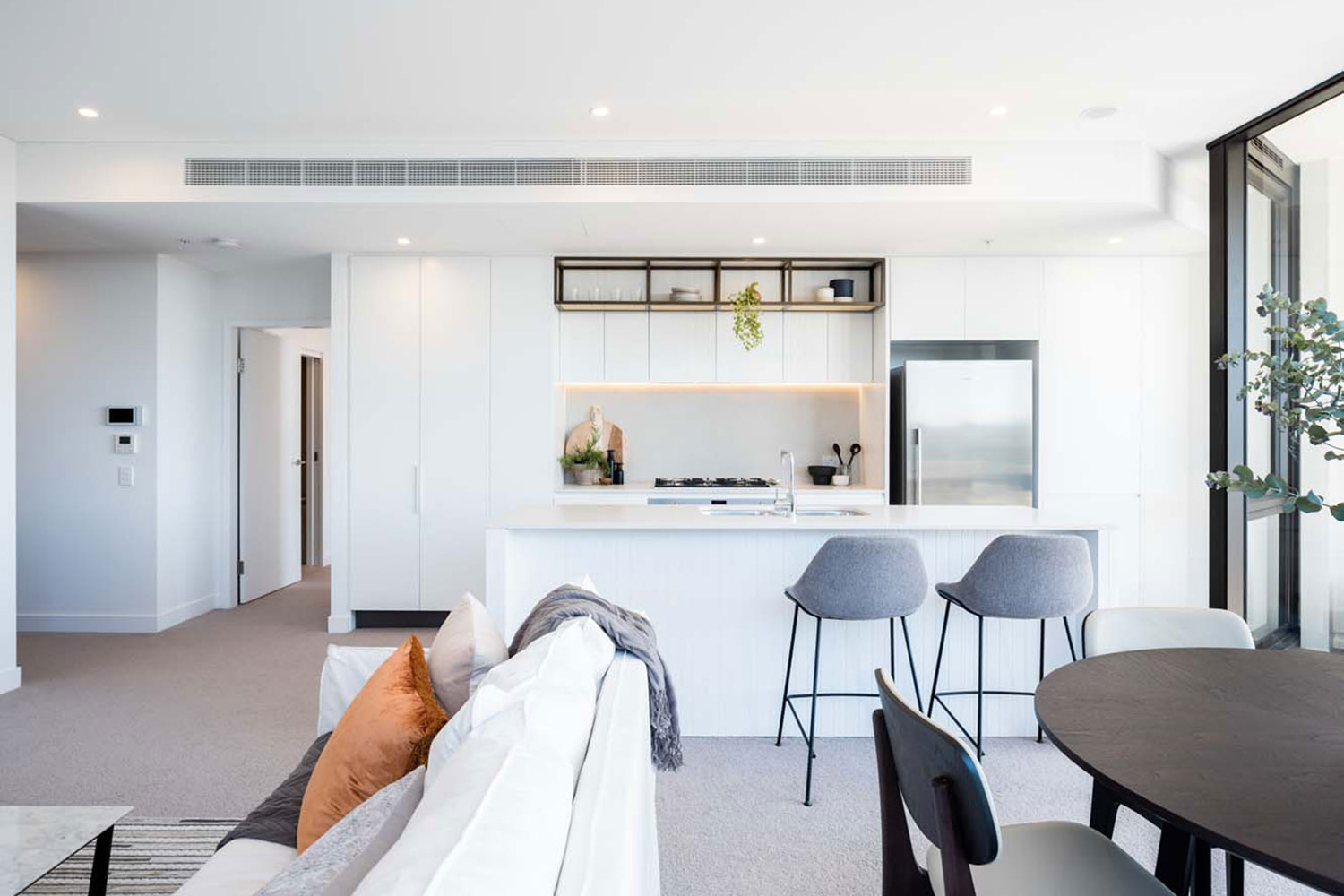
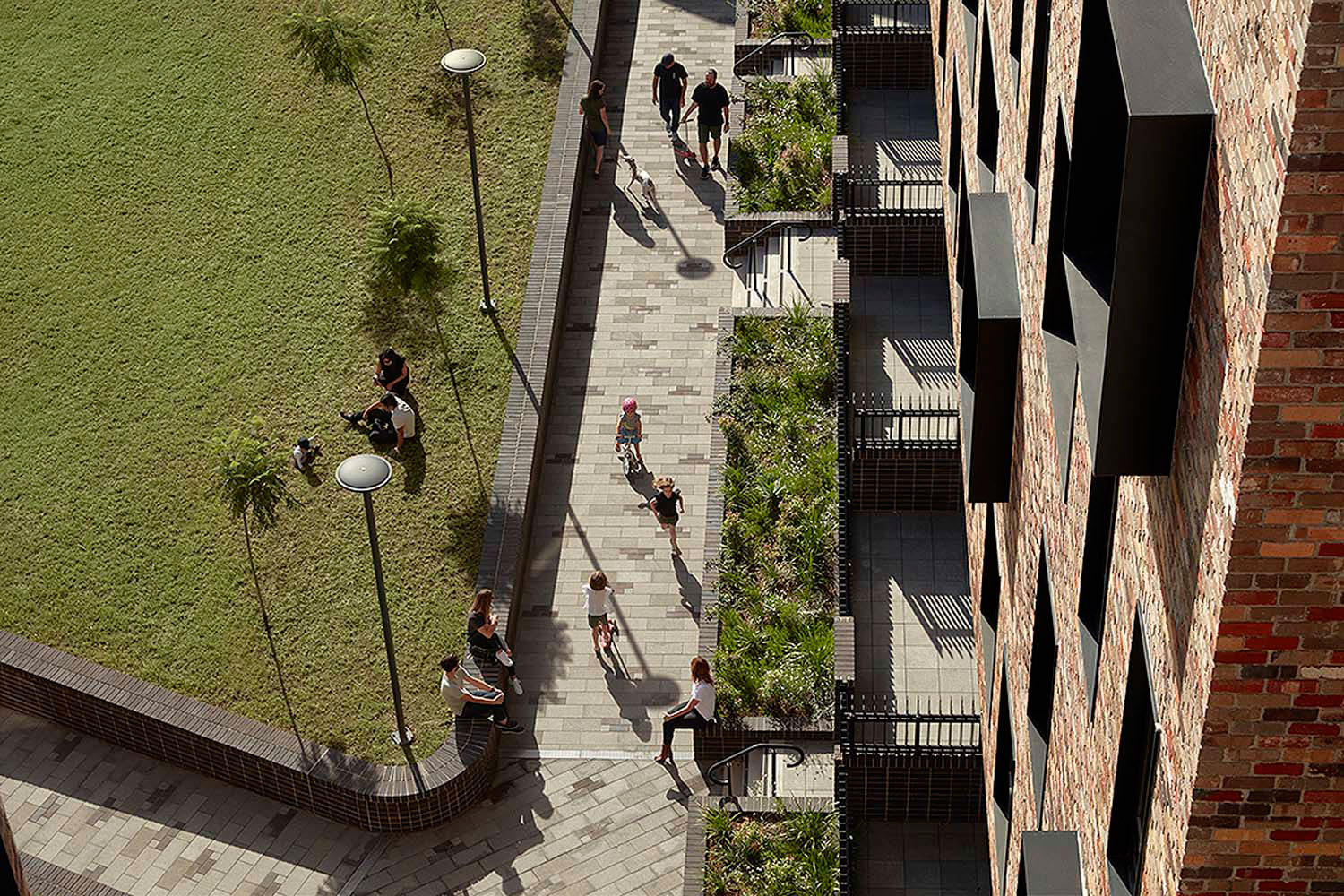
Marrick & Co, Mirvac is guided by One Planet Living principles, urban design brings connections and open spaces, creates safe and equitable access to new amenity, improves habitat, promotes wellbeing, mitigates environmental impact, and supports local economy, culture and community.
Apartment design maximises natural light and ventilation, and balances passive surveillance with privacy.
Green movement networks are optimised with car-share & electric vehicle charging, 200+ bicycle racks, and with transport, food and amenity within a walkable catchment.
Collaborative consumption is encouraged via a resident-managed tool library, reading library, bulky goods store & kitchen garden.
Outdoor spaces provide significant new biodiversity, human comfort, social interaction & stormwater filtration.
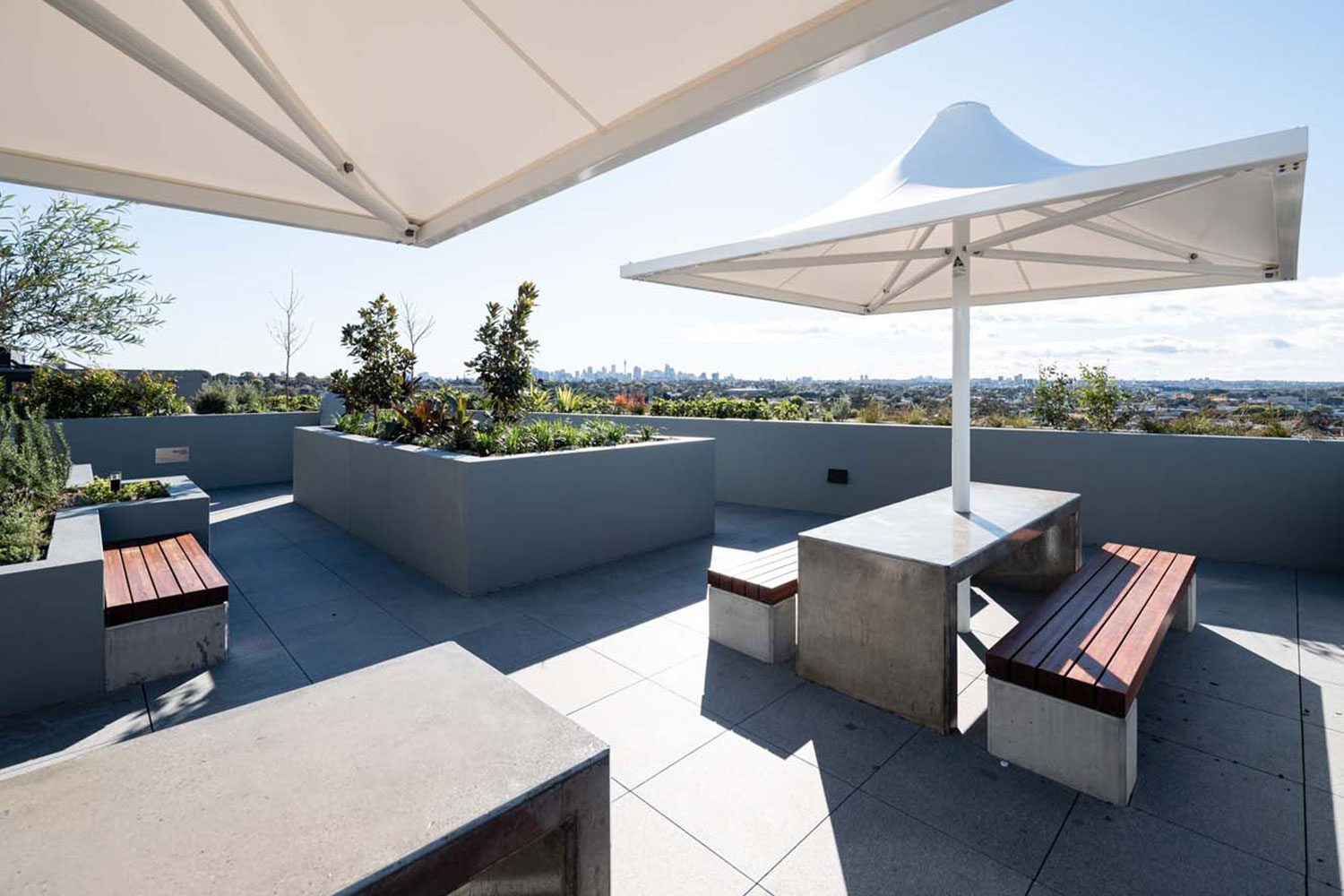
The Residents’ Garden, rooftop kitchen garden, barbecue area & pizza oven allow residents to grow & prepare healthy food.

Photography: Martin Seigner

Gilles Hall, Monash University

Jackson Clements Burrows Architects with AECOM

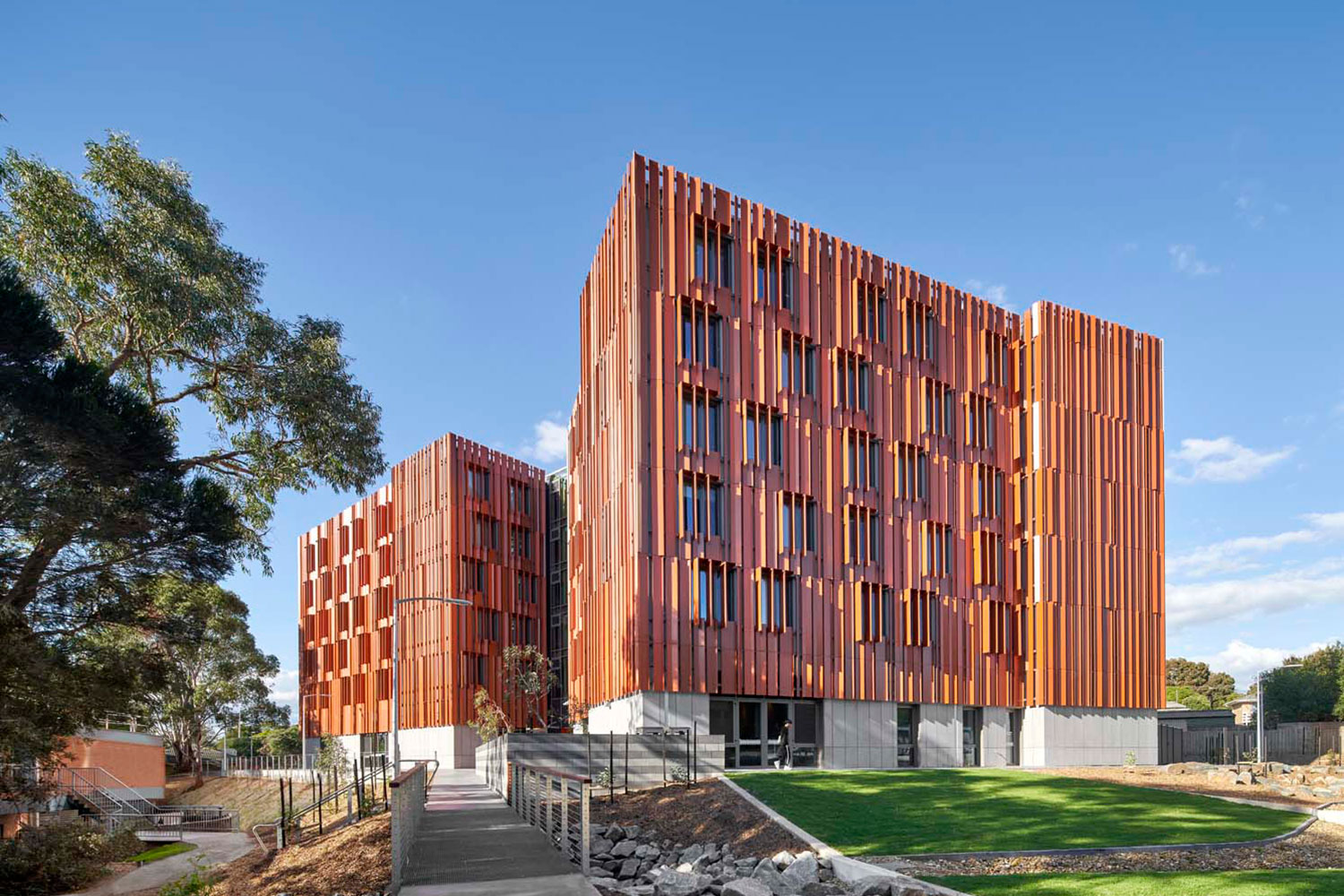
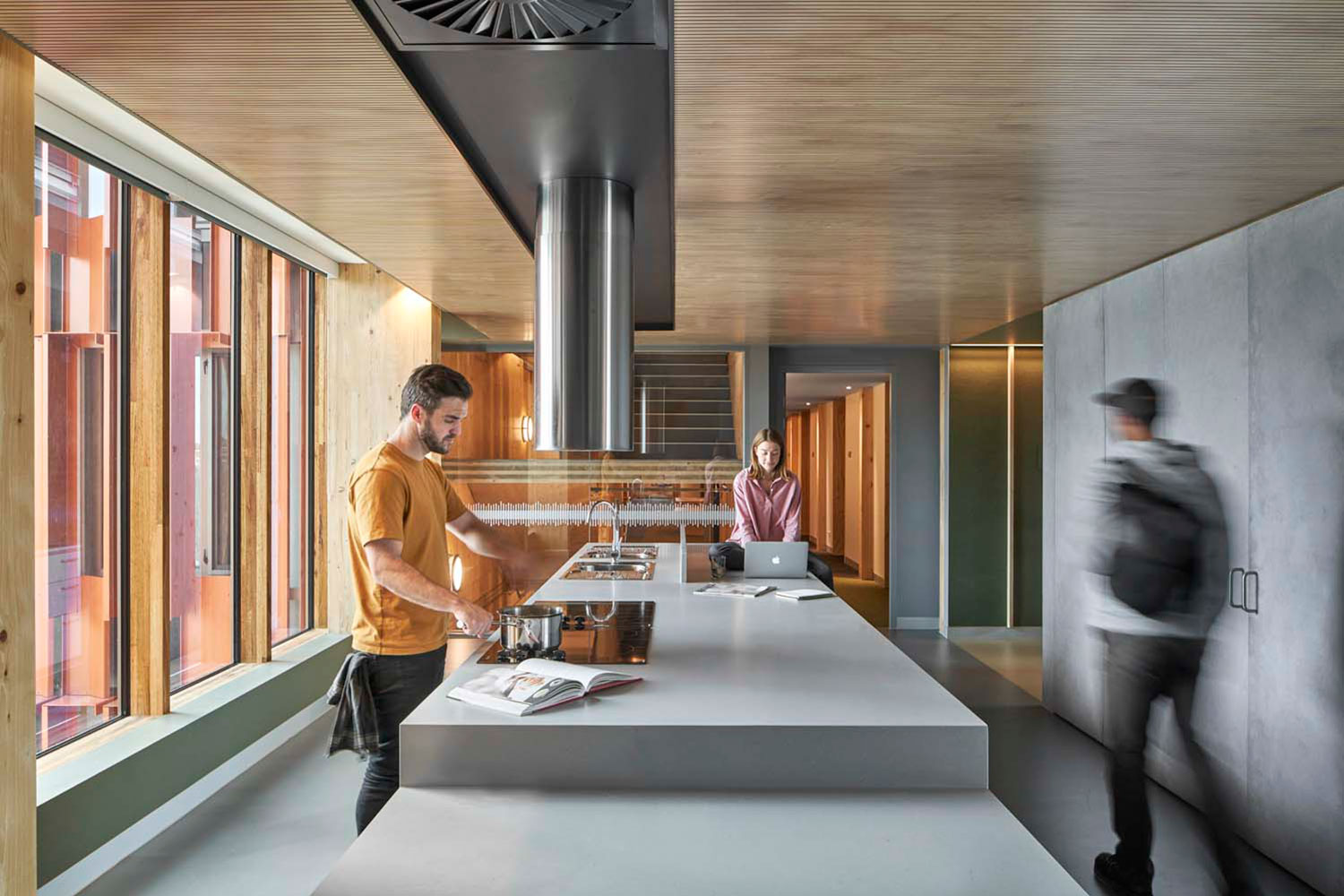
Gillies Hall is a new student accommodation on the Peninsula Campus comprising 150 studio apartments and common areas. The building is a showcase of the University’s commitment to deliver first-class student accommodation and
achieve Net Zero emissions for its operations.
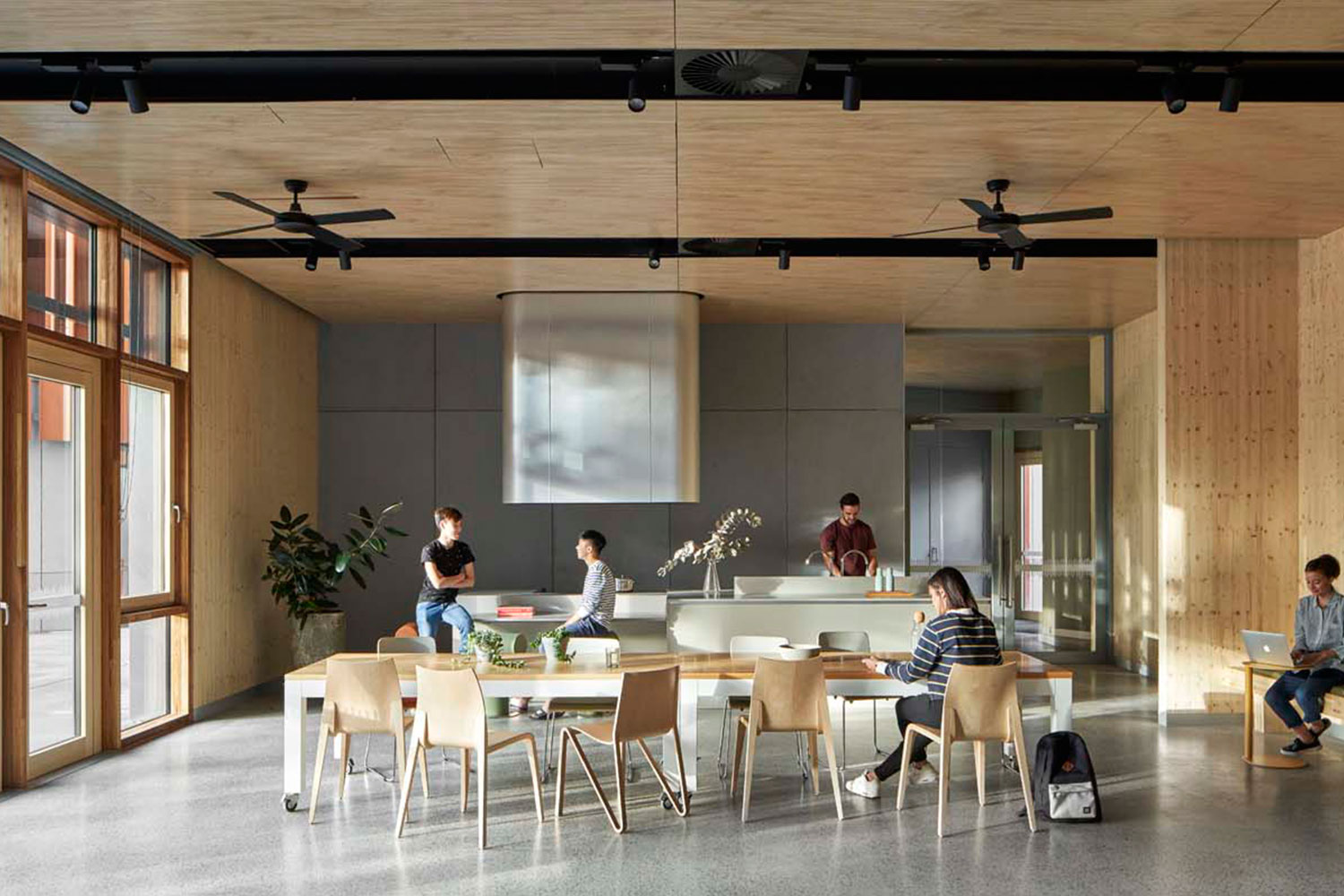
Gillies Hall has been designed and built to redefine comfort and create opportunities for students to meet and learn from others. The six level accommodation provides exceptional single occupancy studios and dedicated collaborative spaces for students to study, engage and relax.
Utilising mass timber structure and Passive House design and certification, the building puts occupant comfort, health and wellbeing as a central focus. The building provides an ideal indoor environment at an energy and carbon footprint dramatically lower than any similar type building in Australia. Gillies Hall is the first major investment following the establishment of a new masterplan strategy for the Peninsula campus and supports a growing student community bringing a new life to the campus.

Photography: Peter Clarke

Arkadia

DKO Architecture + Breathe Architecture with Oculus

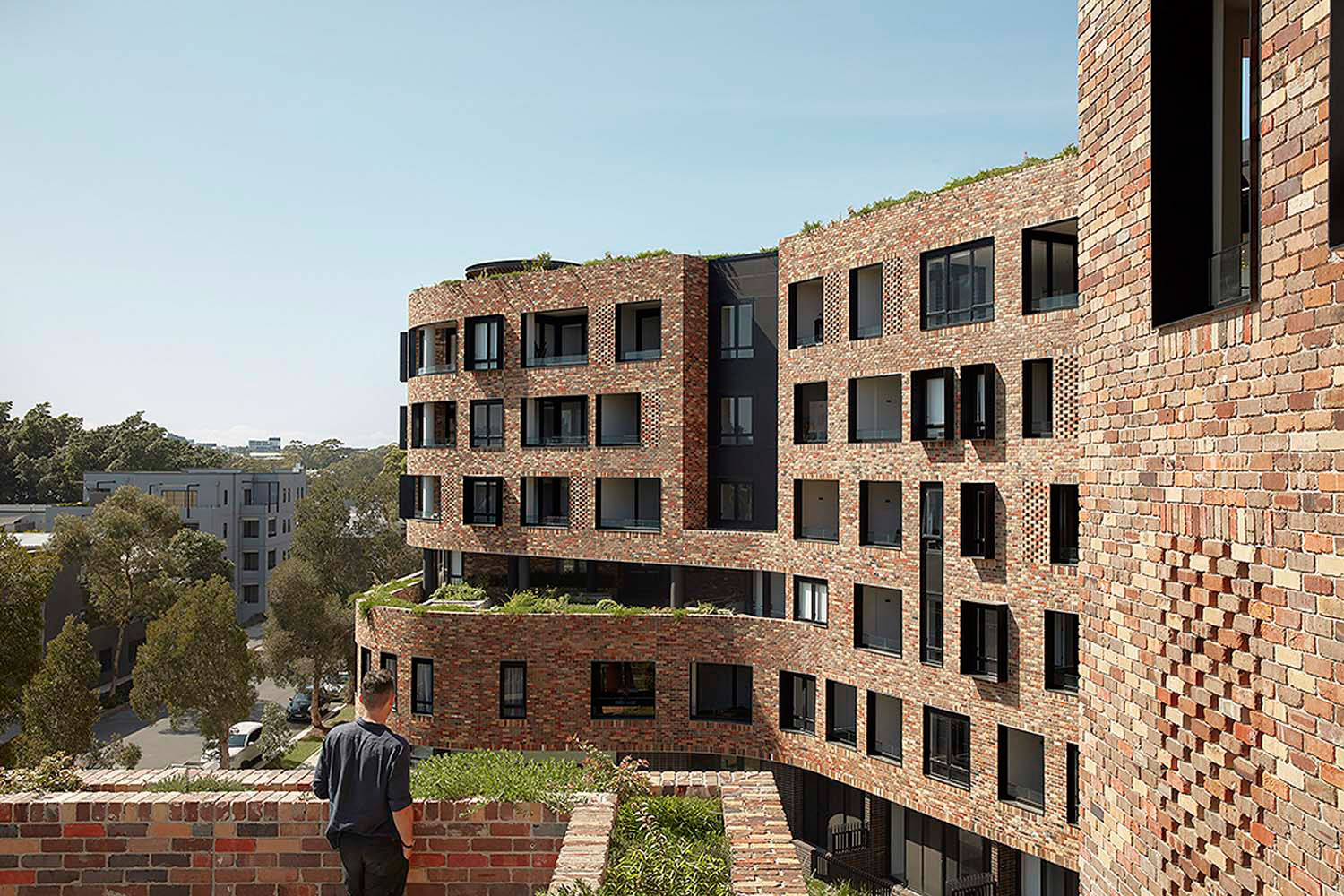
At its heart Arkadia is about ecological sustainability and social sustainability.
The entire building skin is designed not just as a memory of the industrial history of the site but as a beacon to a low carbon future. Externally, Arkadia is made from recycled bricks that have been articulated with deep reveals and solar shading to the north and west with windows that allow cross ventilation while avoiding full summer sun penetration. Arkadia is one of Australia’s largest recycled brick building.
Arkadia is fossil fuel free – there is no gas plumbed into the site. The entire project is 100% electric allowing for an entirely renewable, carbon free energy source to power a highly efficient building.
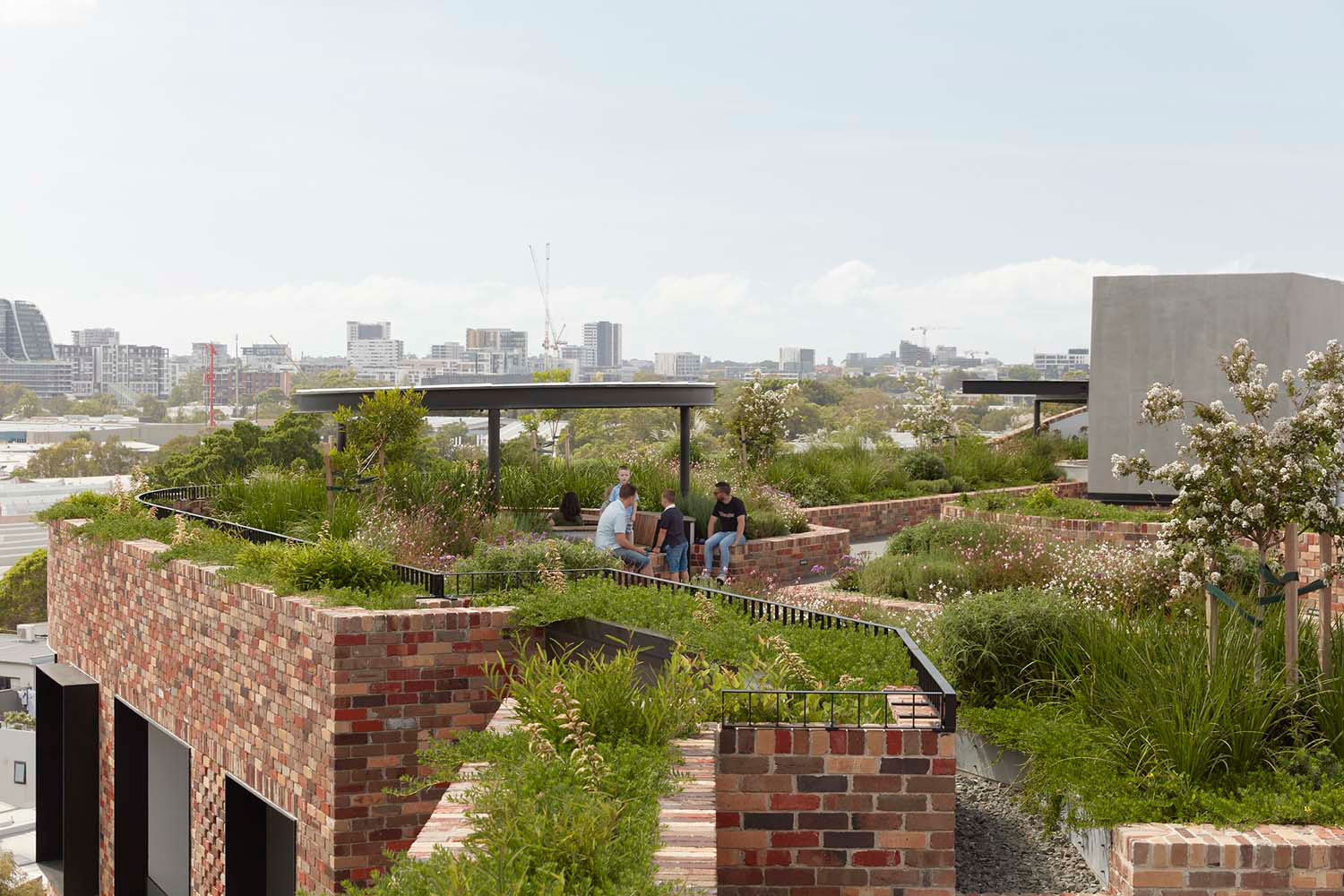
Supporting the thermally efficient envelope are the solar panels installed on Arkadia’s rooftop alongside a rooftop garden that is lush, expansive and biodiverse. The rooftop includes productive gardens beds and a chicken coop to support local, urban agriculture.


Photography: Tom Ross, Sebastian Mrugalski

Arcadia North Gallery

Plus Architecture with Sekisui House

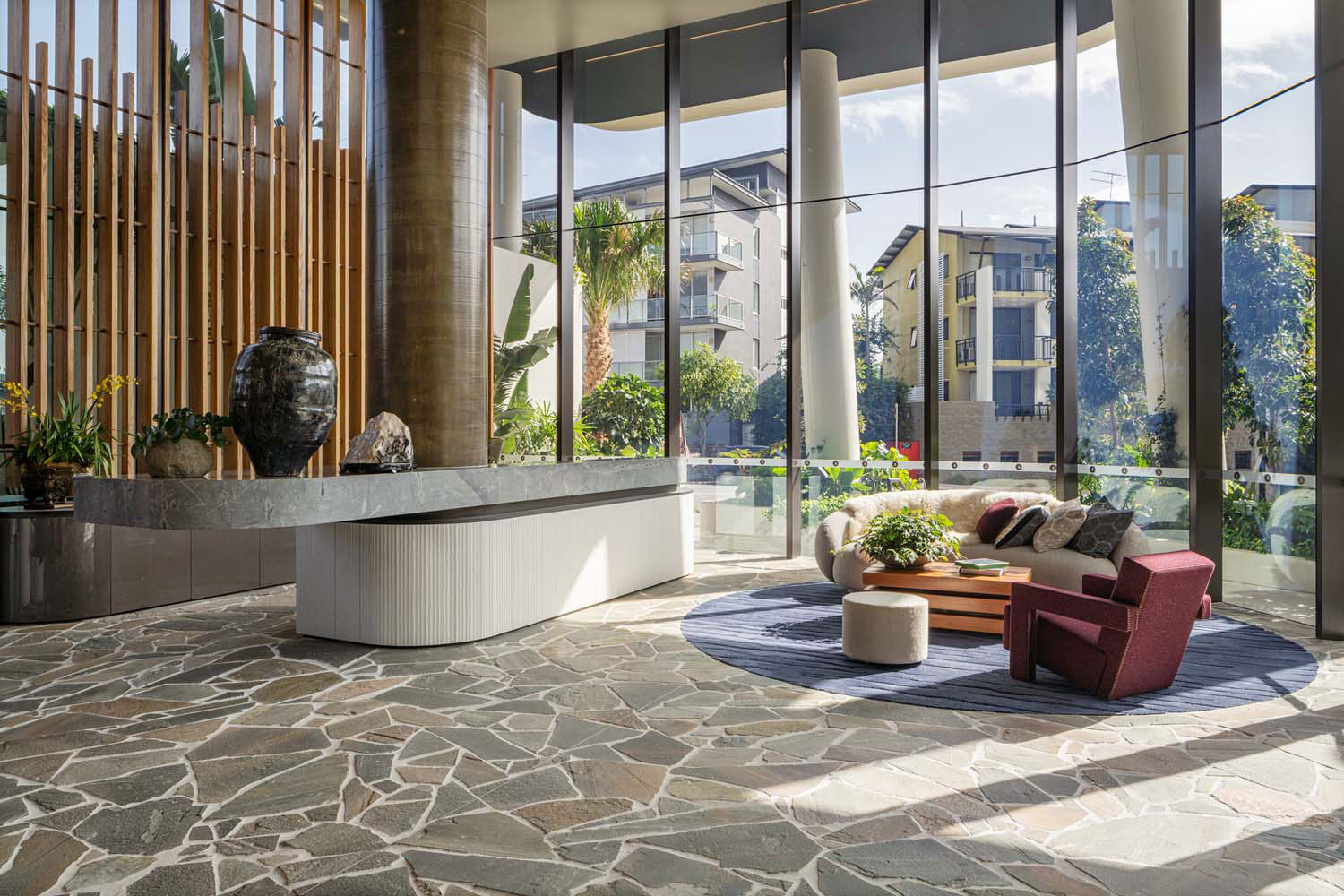
Arcadia North Gallery is the latest residential building within West Village, the multi award-winning 6 Star Green Star precinct in Brisbane’s vibrant West End and epitomises respect, renewal, and refinement as a result of an unprecedented collaboration between developer Sekisui House Australia and internationally acclaimed design leaders, Akira Isogawa, SJB Interiors and Plus Architecture.
Key Japanese philosophies of ‘Satoyama’ and ‘Gohon no ki’ inspired the design, and the high standard set by the parent company in regard to environmental performance pushed the local team to raise the bar in the Brisbane market.
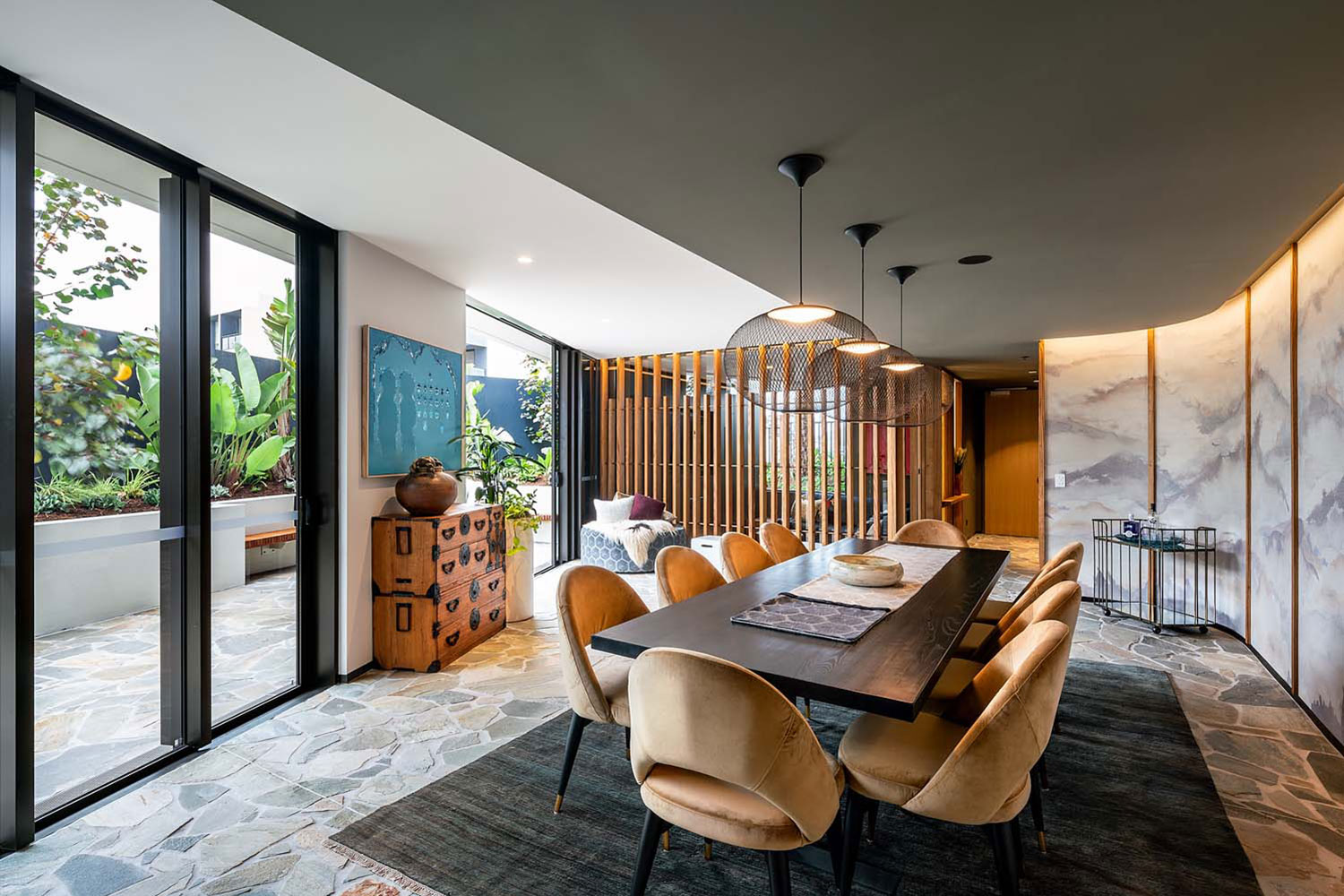
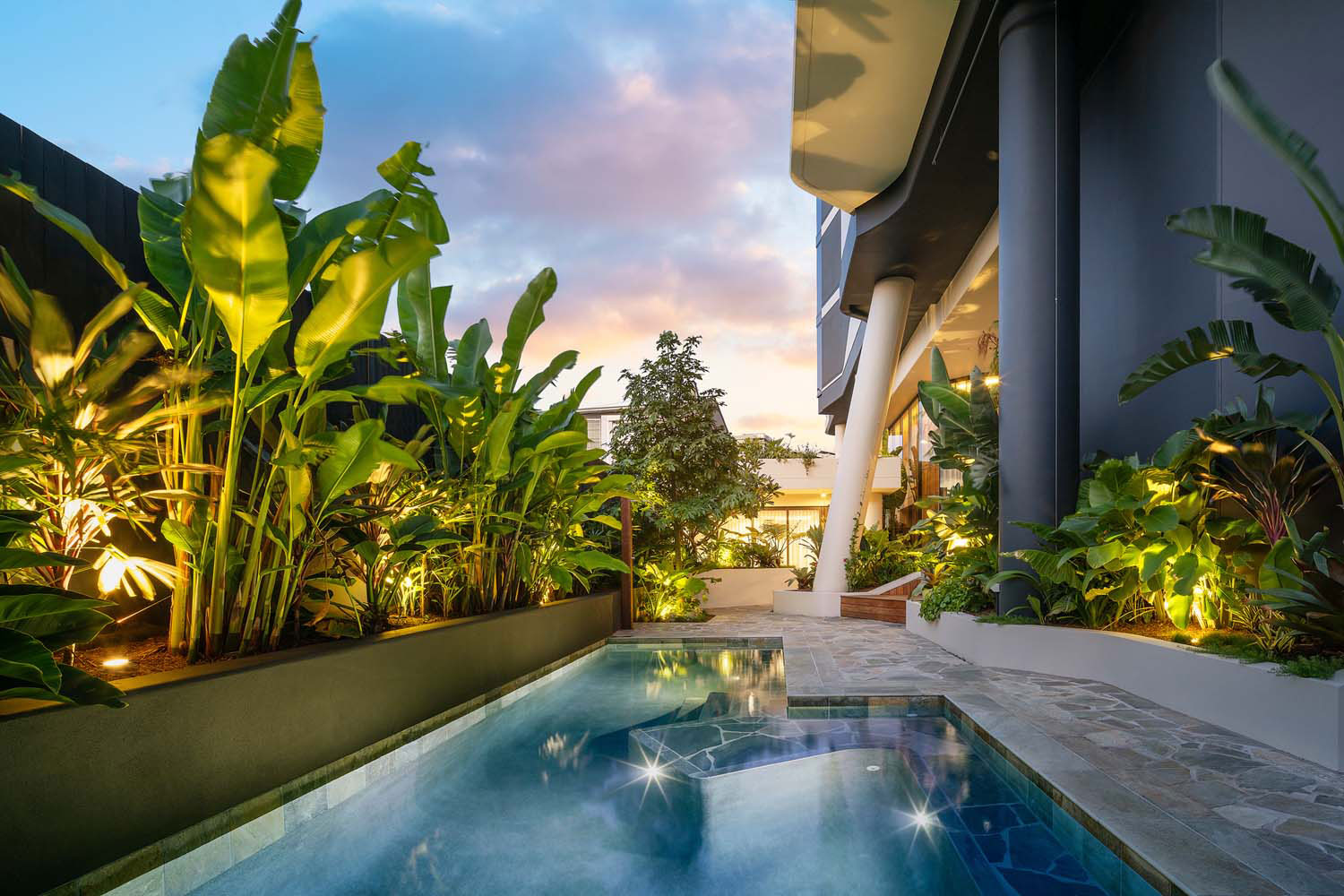
The 15 storey residential building comprises 53 apartments and a suite of exclusive rejuvenation zones including a glass atrium lobby lounge, a reflection pool, a shared podium level Chusizen (Japanese floating garden), a library and garden conservatory, heated vitality pool, cinema room and private dining room with catering kitchen.
The building boasts an average NatHERS rating of 7.7 stars, includes 21 KW of solar PV, rainwater collection, infrastructure to support a 50kl/day greywater treatment plant, and a carbon-neutral embedded energy network.

Photography: Angus Martin

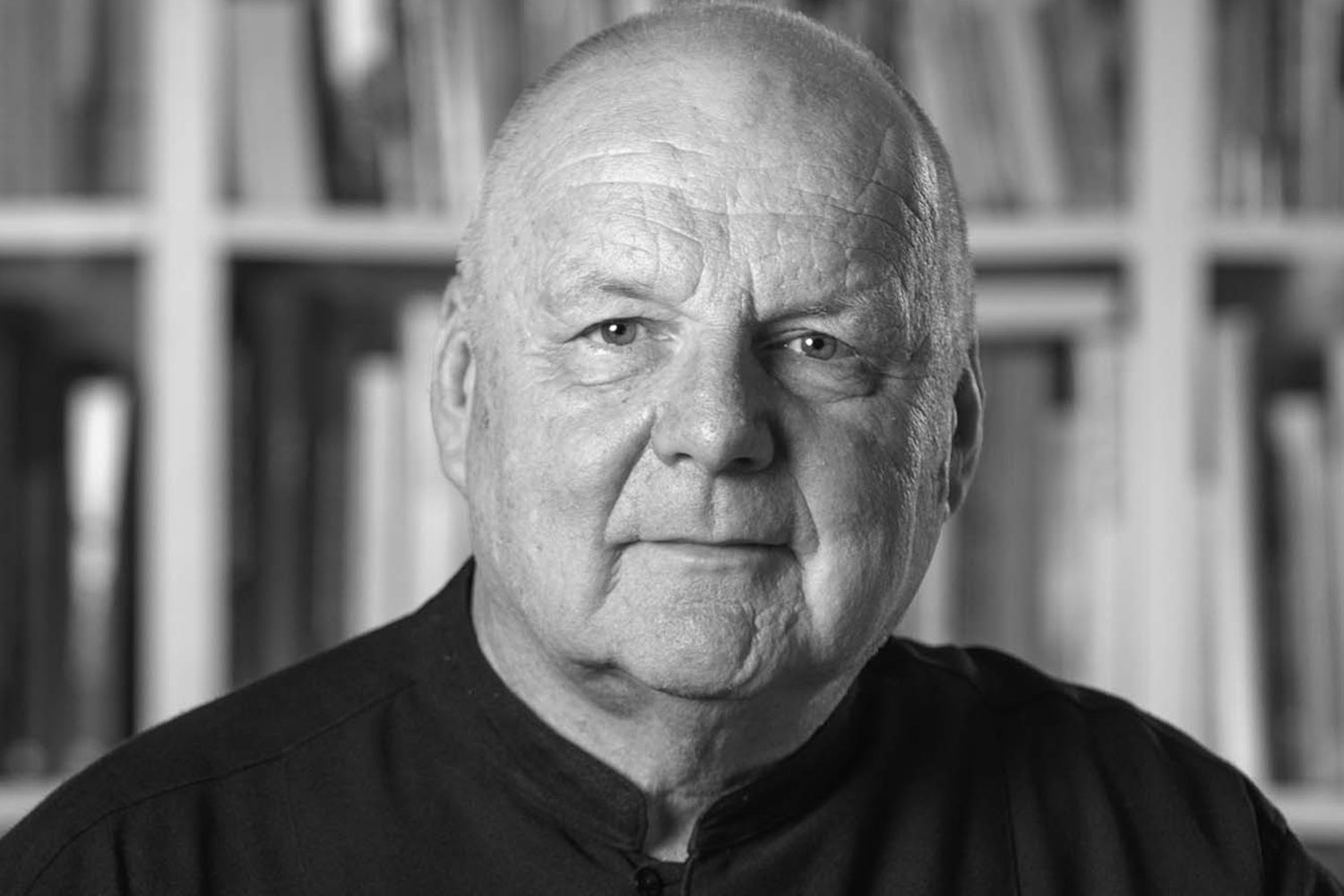
Tone Wheeler

Environa Studio

Tone Wheeler is an architect, author, educator and consultant with an abiding interest in environmental architecture and sustainable design. Tone has been a chartered architect since 1976 and founded the architectural practice Environa Studio in 1986 and has designed individual and multiple housing projects, commercial buildings and urban design schemes, all with a strong emphasis on social and environmental concerns. He has won numerous awards and competitions, has served on government and NGO boards, is a frequent speaker at architectural conferences and seminars, has been on faculty of 3 universities, has a prominent media profile, writing monthly on architecture and appearing on TV and radio.

Professor Sandra Kaji-O’Grady

University of Queensland

Professor Sandra Kaji-O’Grady is an architectural educator, academic leader and researcher with a PhD in Philosophy from Monash University (2001) and professional architectural qualifications and experience. She led the design and delivering of a new progressive design education while Head of School at UTS (2005-2009) and in September 2013 commenced as Head of School and Dean of Architecture at the University of Queensland. She is committed to critical approaches to design learning and to preparing students for a radically volatile professional future.


Share

Share