All posts by Indesign Media

Caspak Packaging

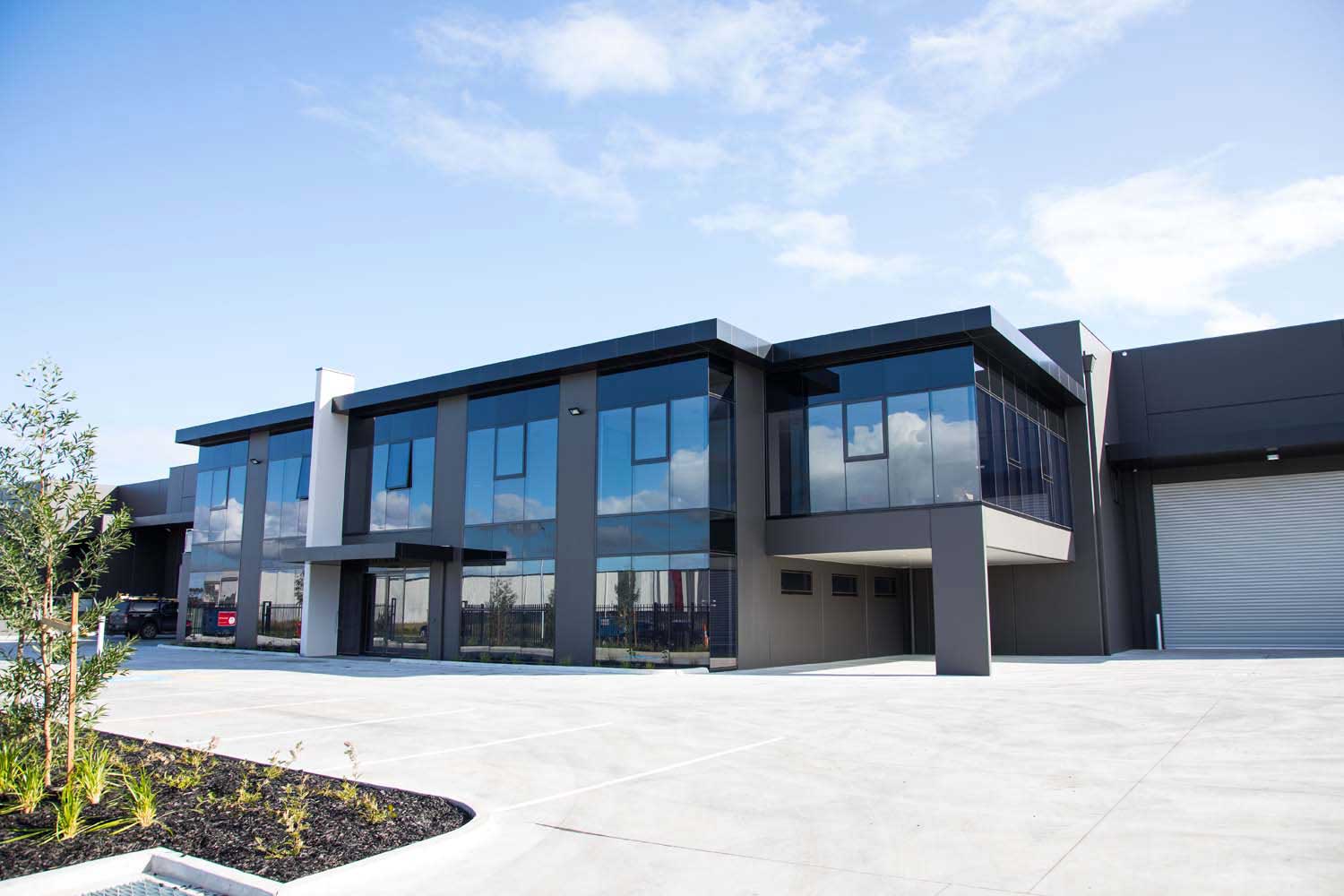
A1 Office with Quality First Designs

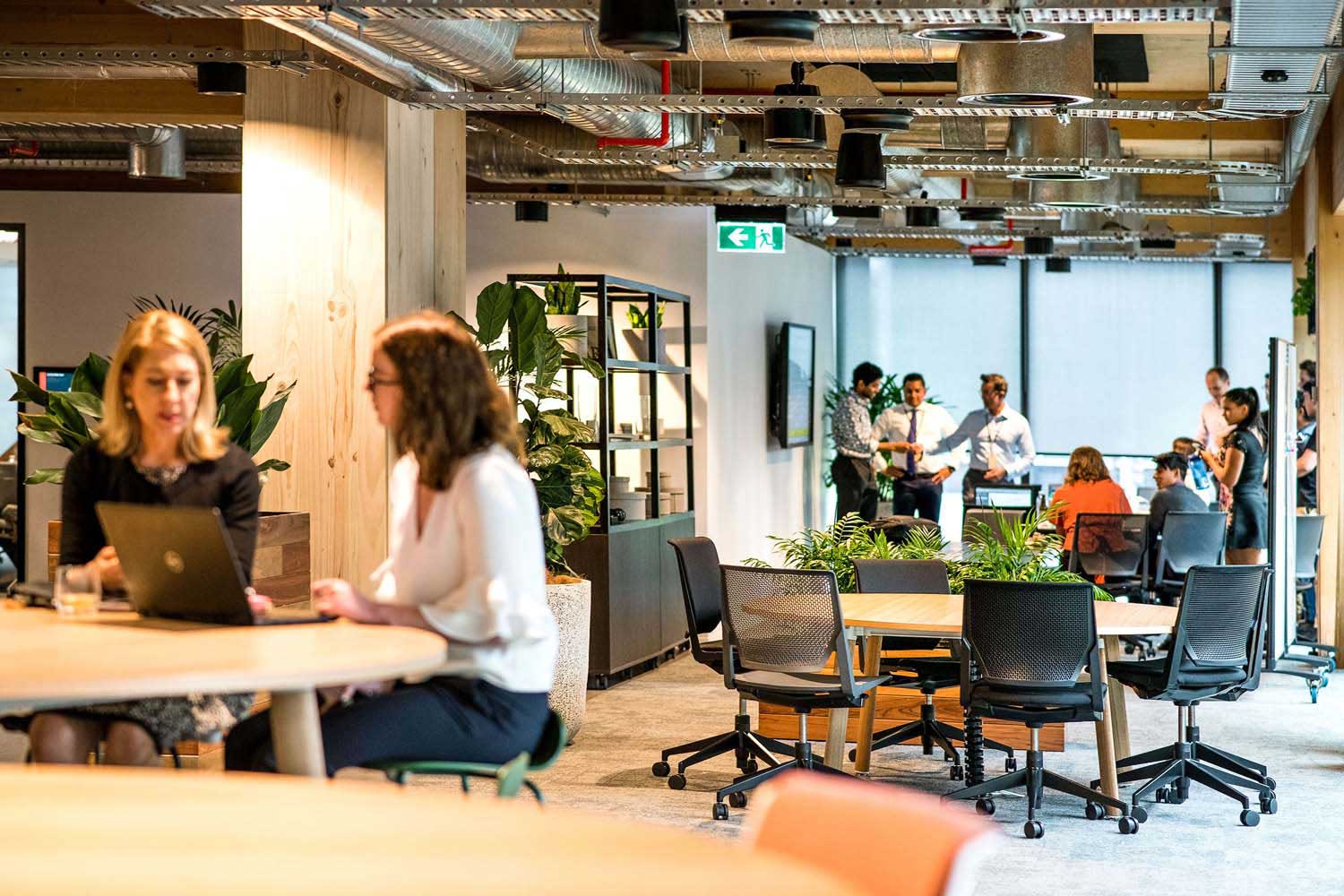
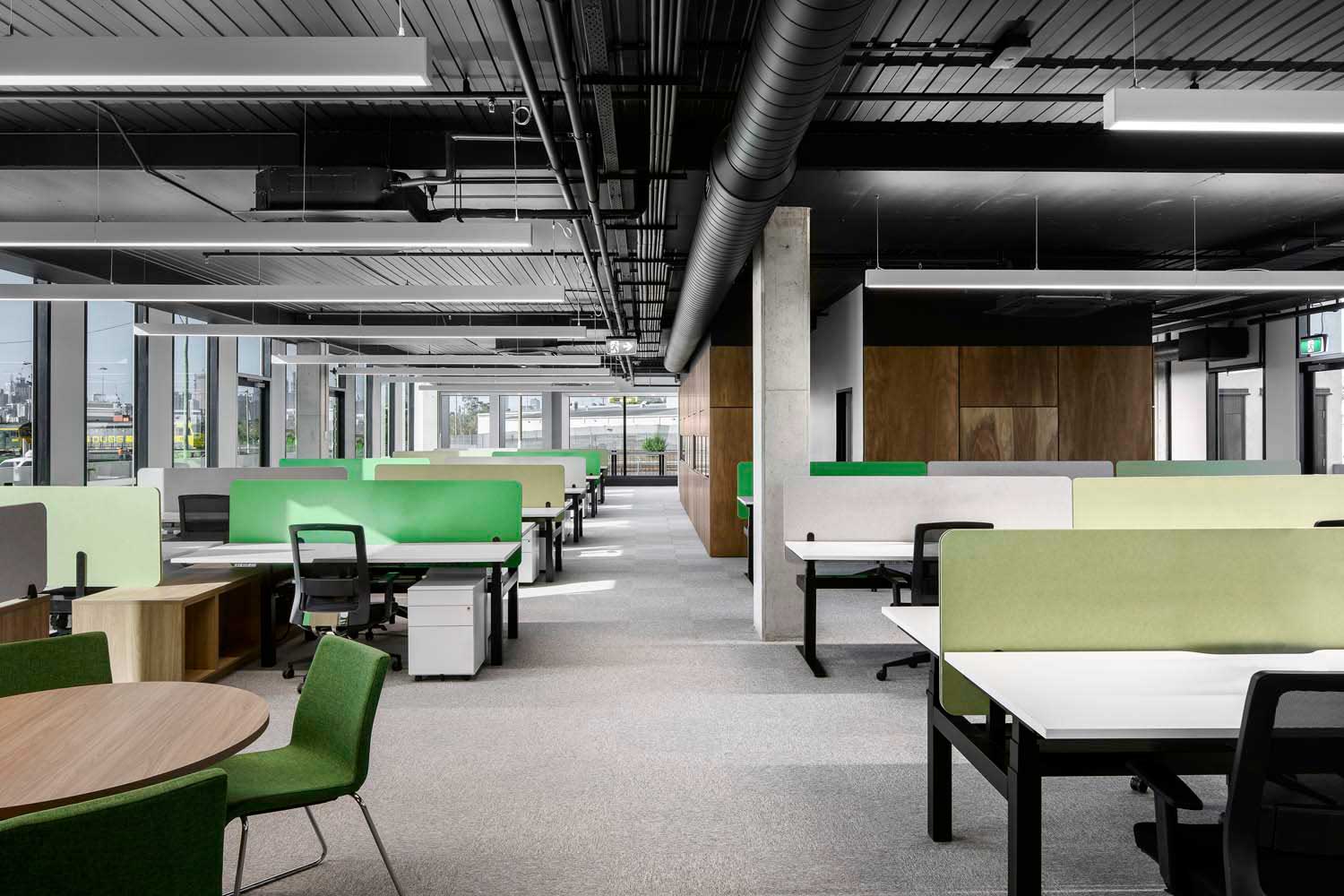
Constructed according to their Sustainable Management Plan (SMP) which ensured an environmentally Sustainable Design (ESD) of the building; A1 Office were responsible for ensuring this ethos flowed into the interior design and appliances.

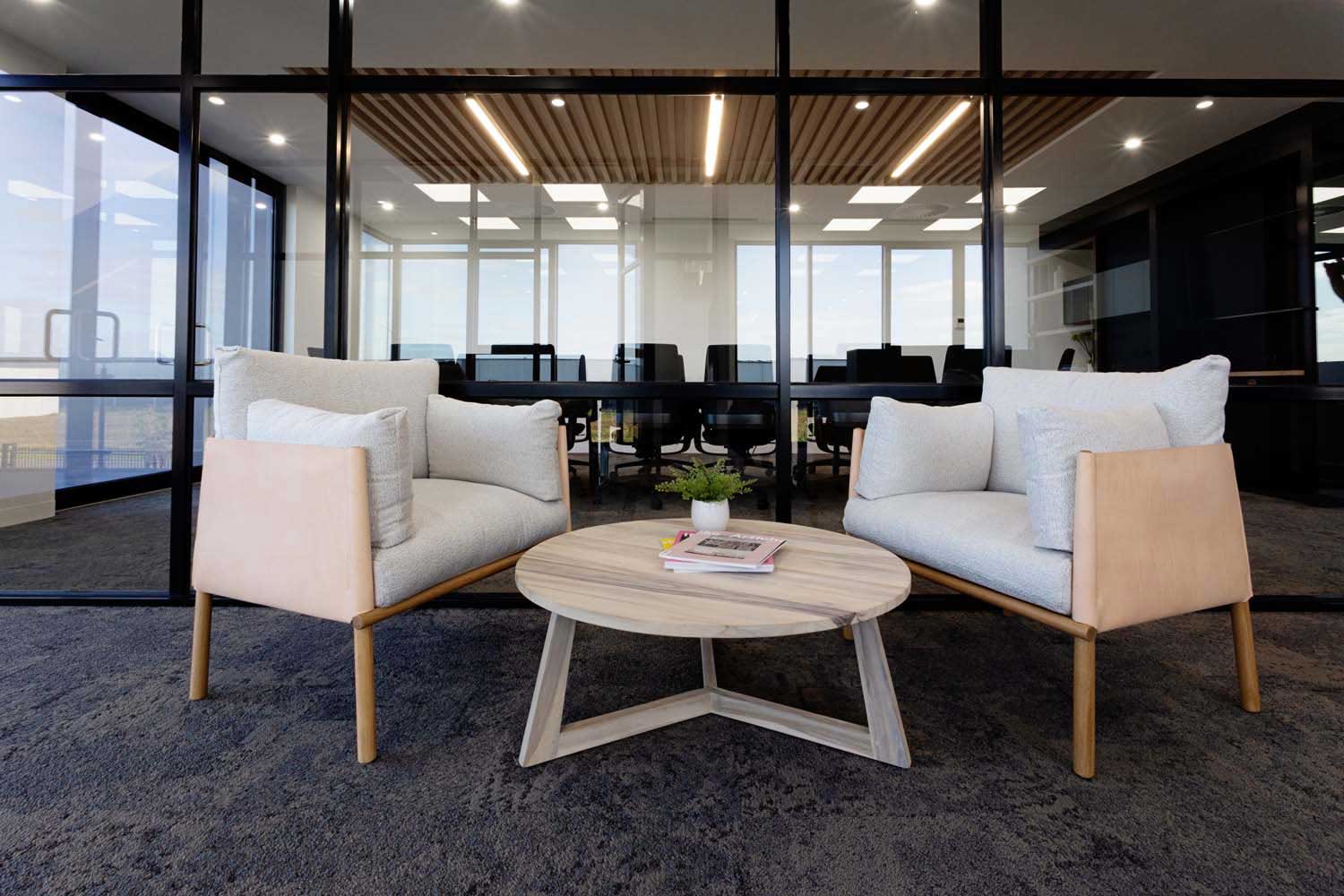
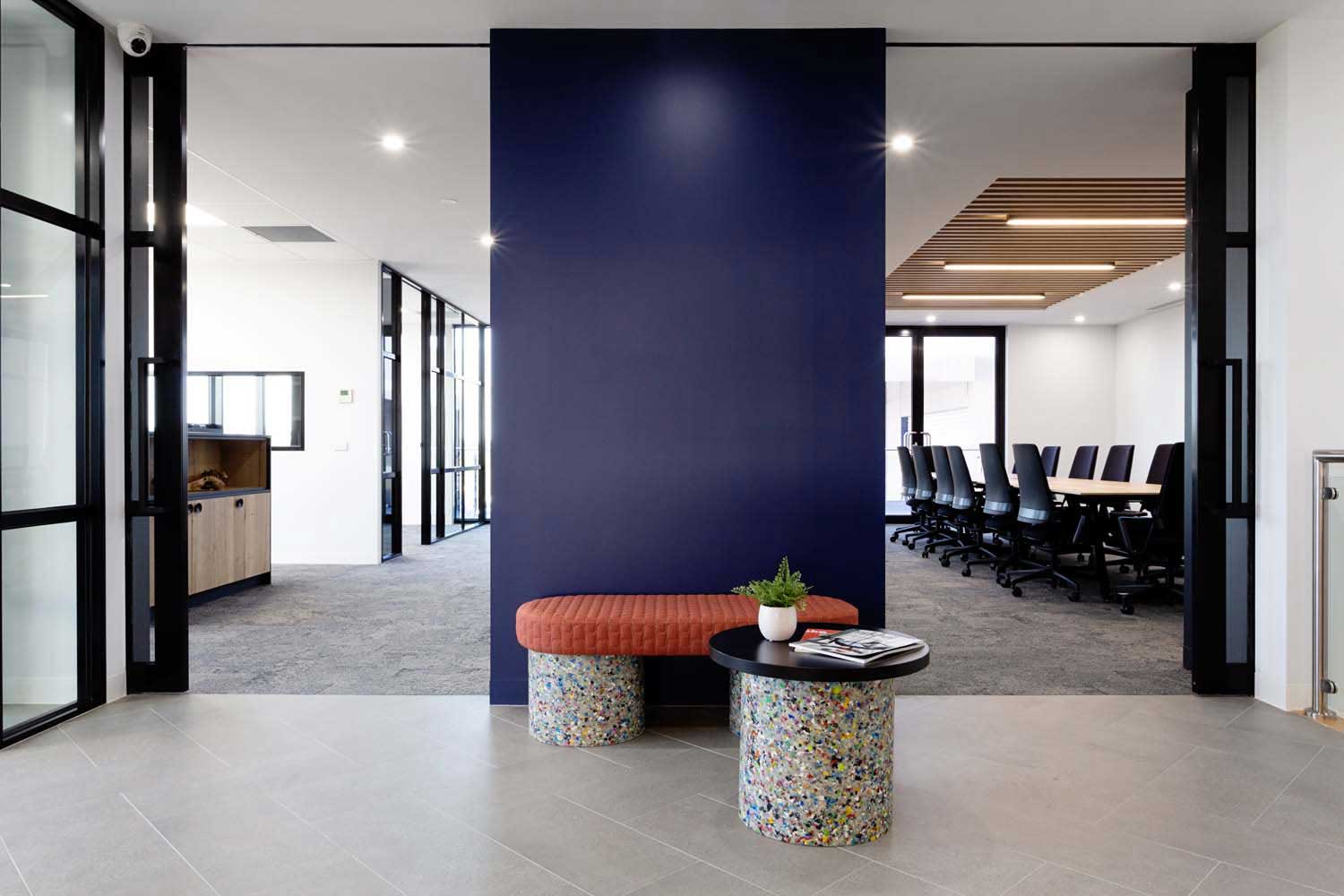
Recycled plastic turned into confetti furniture greets visitors in the foyer; sustainable chairs and tables make for a relaxing breakout area and all furnishings are sustainably sourced.
Given the client’s desire to be self-sufficient in their power consumption, the 335 panel 134kw solar plant on the roof drives the company vehicles, forklifts and extends its power to the energy efficient internal appliances.
Using best practice and being industry leaders in sustainable packaging solutions, it was critical the interiors were innovative and sustainable, and nothing was spared to achieve this green and impressive result.

Photography: Lisa Atkinson
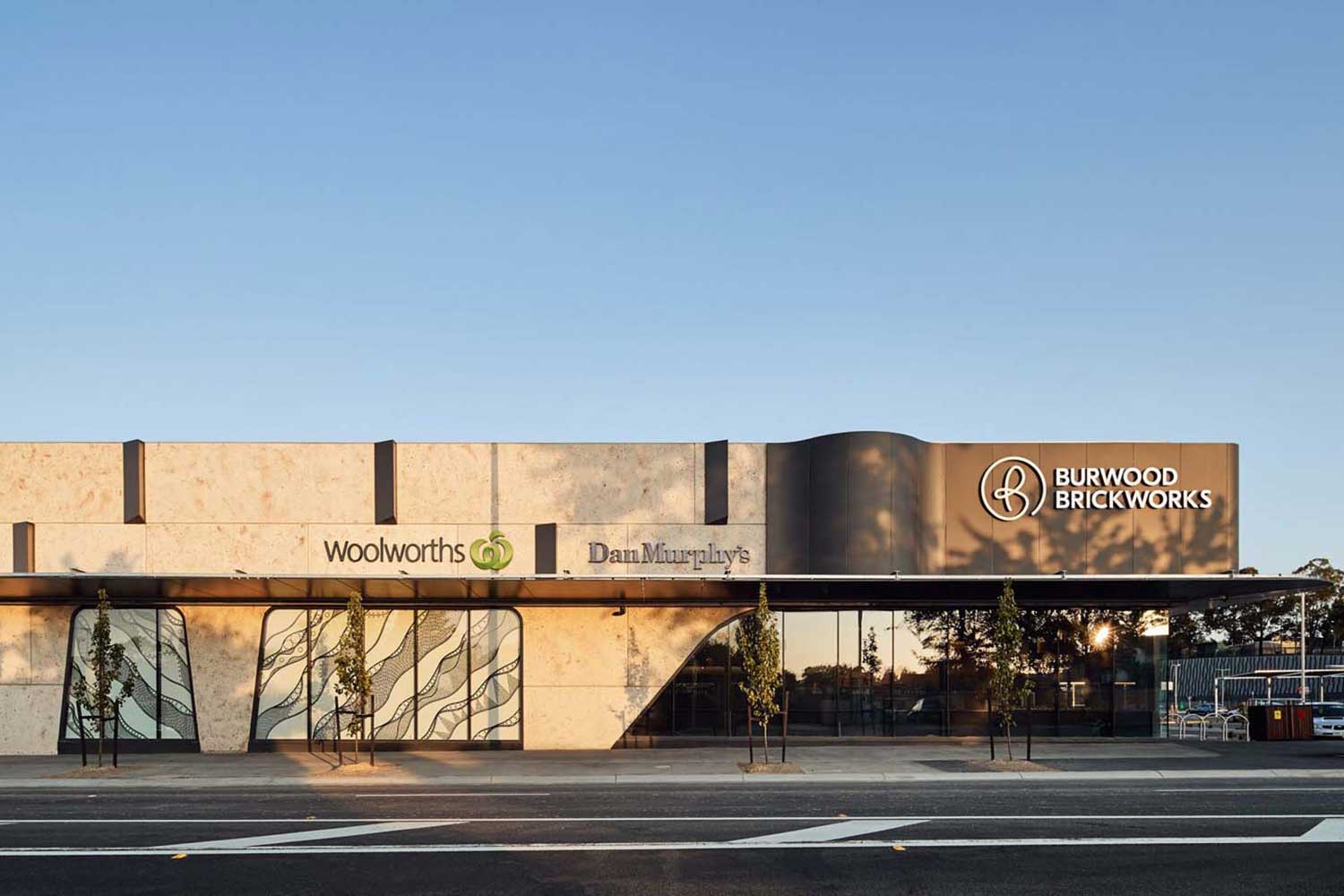
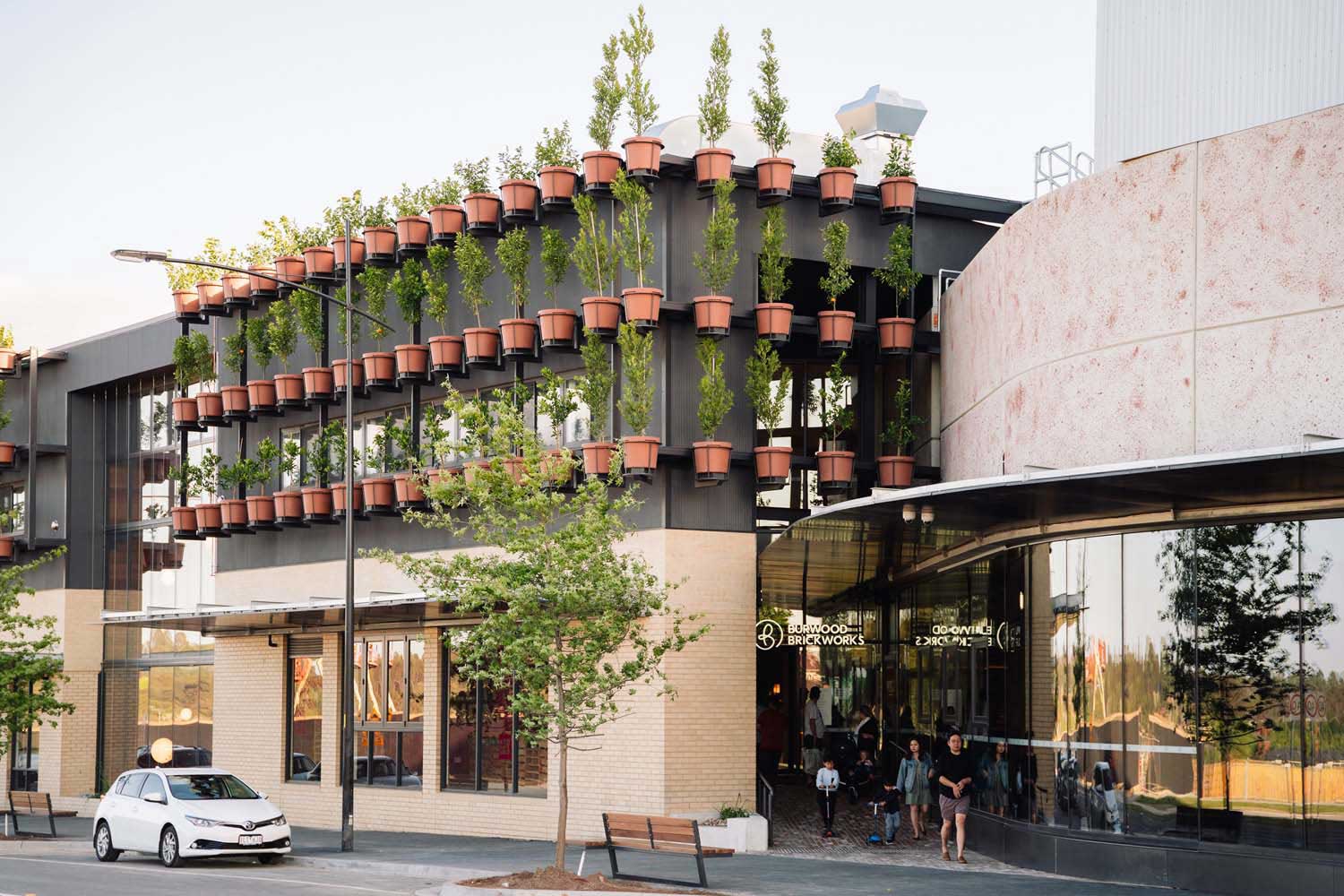
Burwood Brickworks Shopping Centre

NH Architecture with Russell & George and Frasers Property Australia

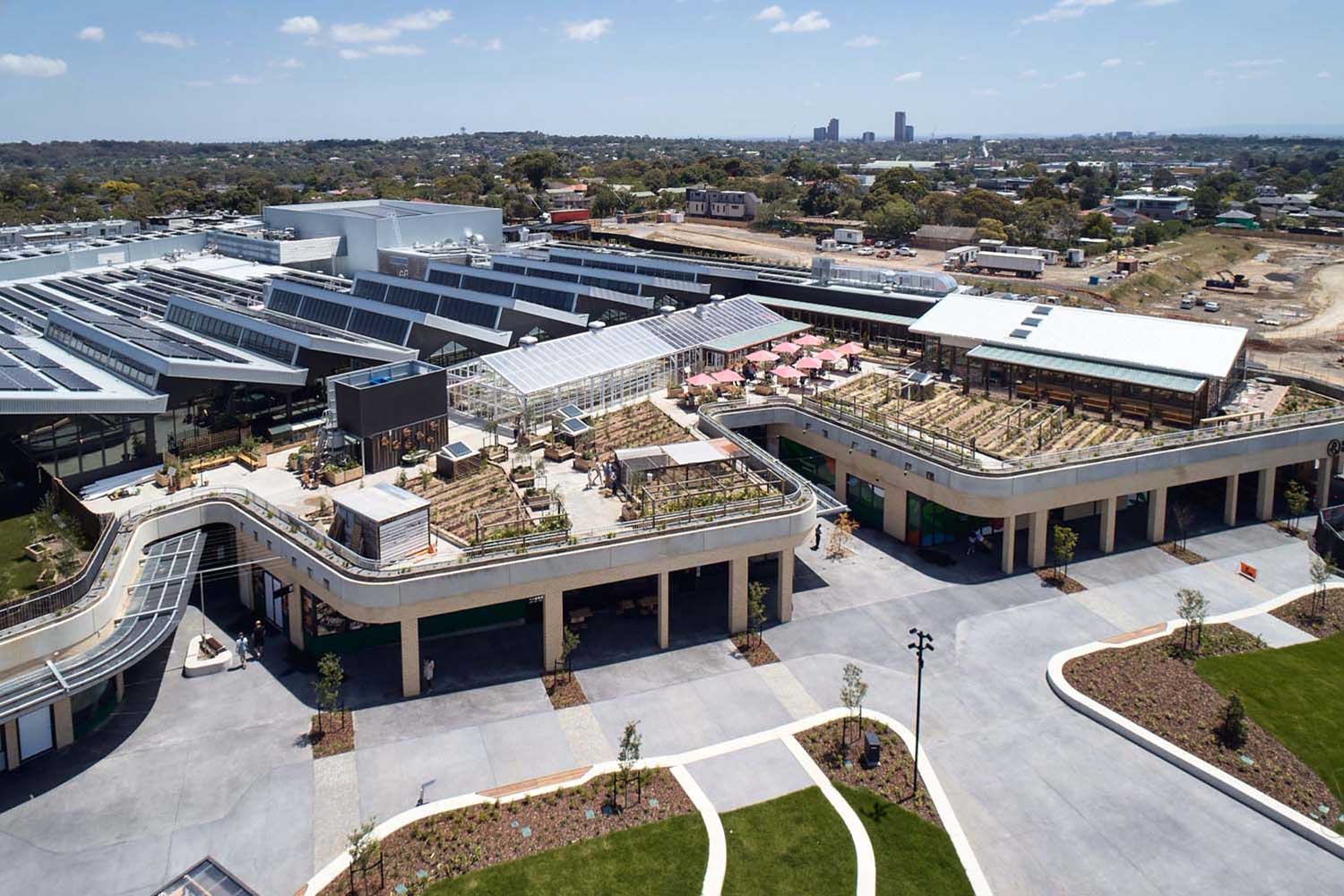
The centre is vying to achieve Living Building Challenge® (LBC®) certification, the most rigorous sustainability standard in the built environment in the world, administered by the International Living Future Institute (ILFI). Globally, just 24 buildings have achieved full LBC® certification, and aside from Burwood Brickworks, no other retail project in the world has aspired to do so.
The result is a building that operates with the simple efficiency and beauty of a flower, as the LBC® demands. It redefines sustainability in retail, a sector synonymous with waste.
However, it delivers on a commercial front. Modelling shows the capital investment in sustainable initiatives will be returned over the lifecycle of the project due to its enhanced asset value, energy and water cost savings, and enhanced performance due to increased customer dwell times and expenditure, compared to a standard retail centre in the same location.
It’s a shopping centre built for the future, and future-proofed for all.


25 King, Brisbane

Aurecon, Lendlease and Bates Smart

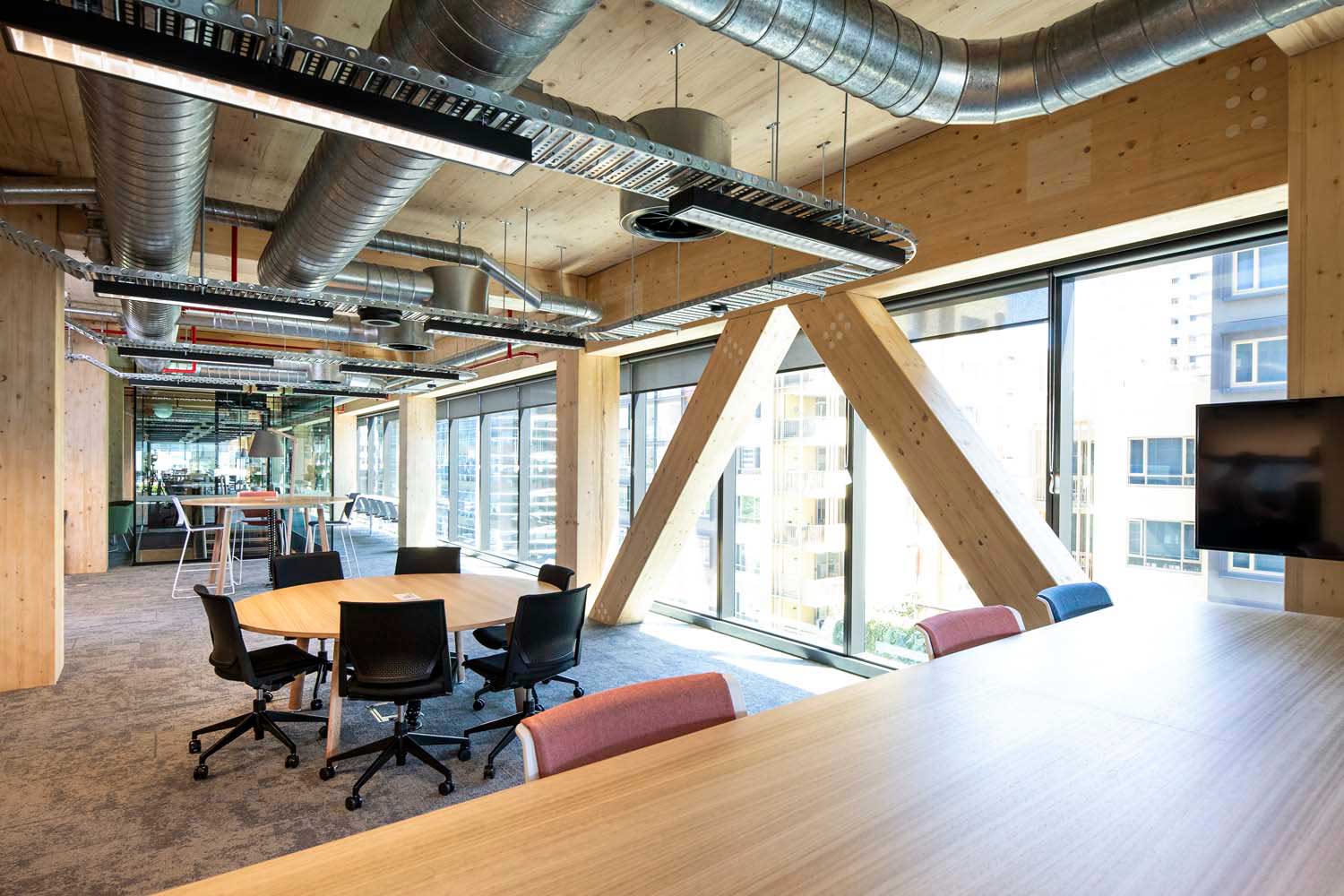
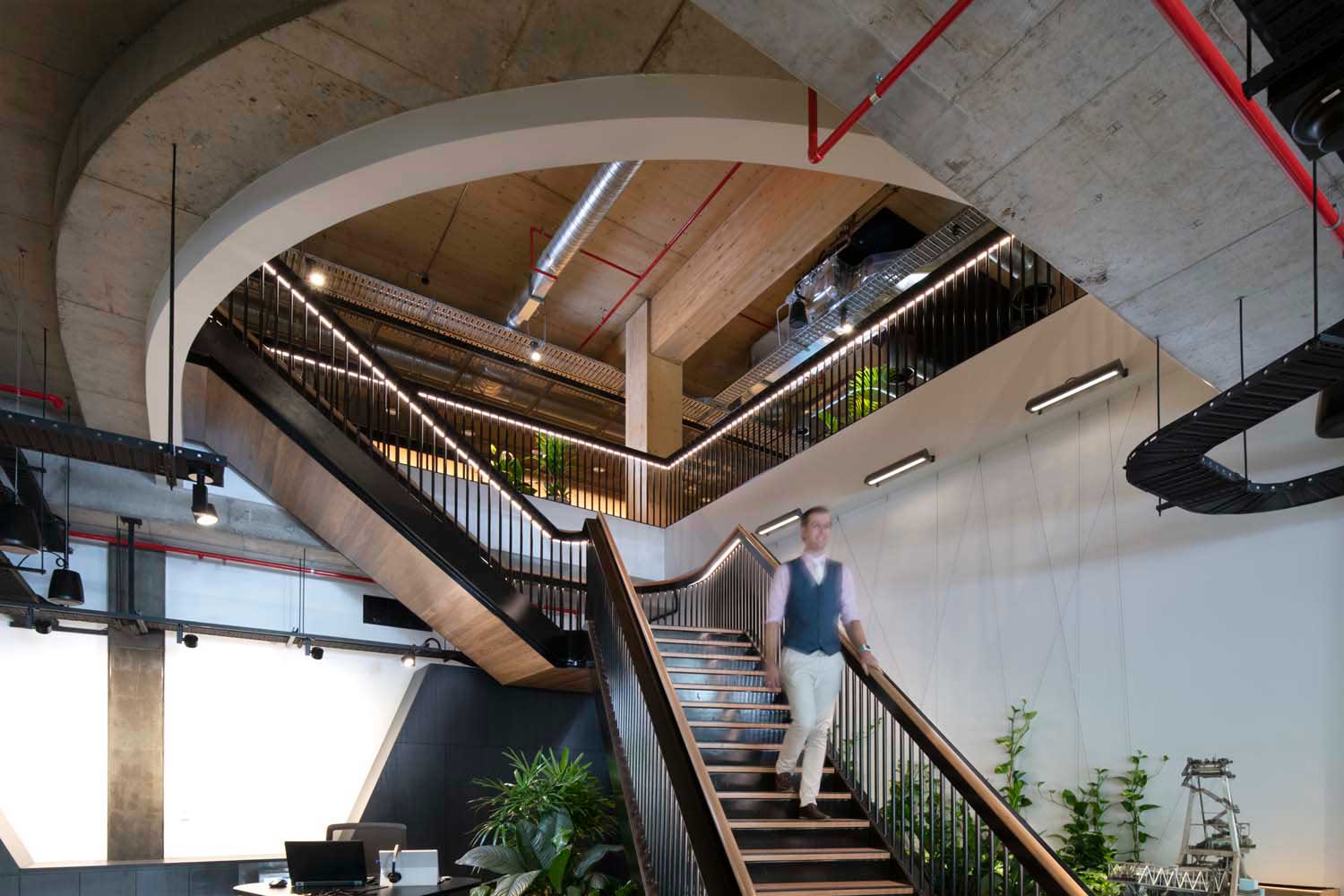
25 King has achieved a 6 Star Green Star Design and As-Built v1.1 rating and is believed to be the world’s first timber building and Queensland’s first building to receive a Platinum WELL Core and Shell Certification. The International Well Building Institute’s WELL Building Standard is the premier standard focused on enhancing people’s health and wellness across seven areas of building performance – air, water, light, nourishment, fitness, comfort and mind.
Comprising renewable cross-laminated timber walls and floors and glue-laminated timber structural beams and columns from floors one to nine, 25 King was designed and engineered with holistic sustainability and wellbeing as a priority. A highly sustainable model, with rooftop solar, rainwater capture and 74 per cent saving of embodied carbon, the building has also achieved a 46 percent reduction in energy and 29 percent reduction in potable water consumption.
Research has shown timber in indoor environments reduces stress and promotes health, satisfying the innate tendency to seek connections with nature. Biophilic design principles were employed throughout the design, expressed in the warmth of exposed timber surfaces, natural light and abundance of living greenery.

Photography: Aurecon and Lendlease

167K

TANDEM design studio with Perri Projects

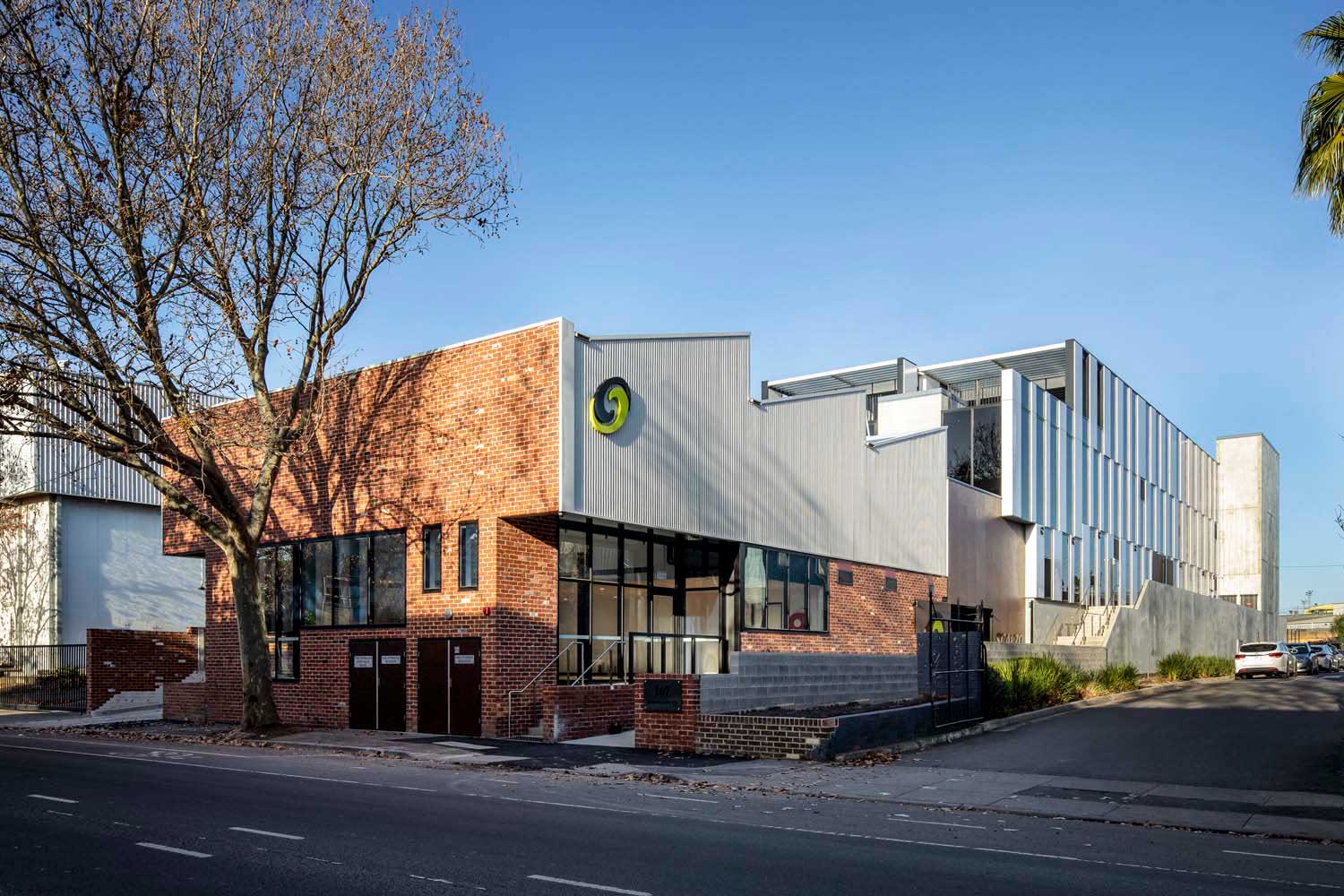
167K is the new headquarters for a family-owned, rapidly growing food business, located just over the road from their previous headquarters, built 30 years ago by the same builder, Qanstruct. It maintains elements of the history of the site while also looking to the future of the area, which will retain its employment and industrial functions but is located close to densifying inner-city residential neighbourhoods. The brick warehouse at the front of the site was retained but now opens itself to the street, reflecting the rapid urban regeneration characteristics of this neighbourhood.
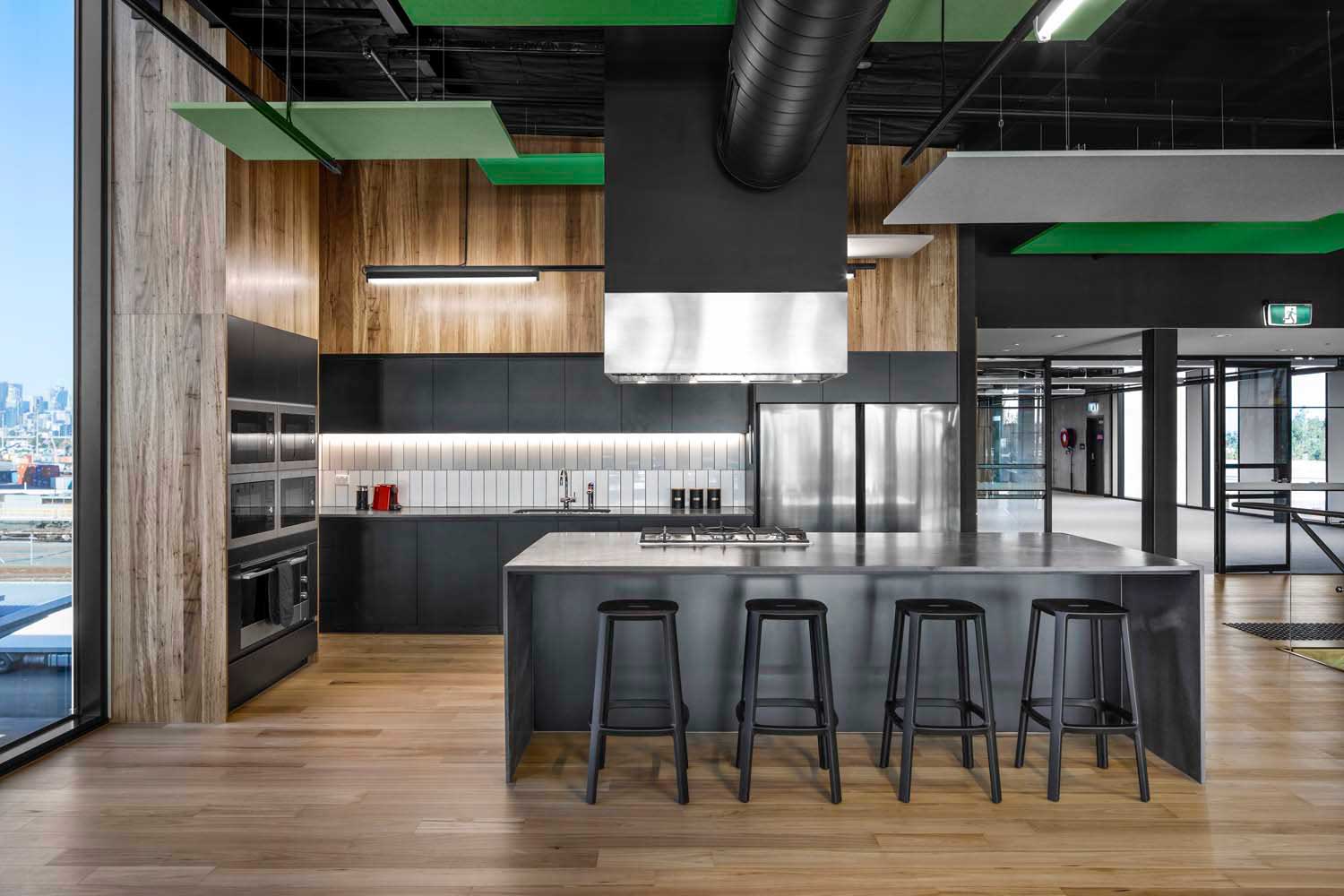
The simply conceived, but dynamically patterned new building behind the warehouse references a stroboscope, an optical mechanism that is animated by movement. This is a clear statement of intent regarding the future of the company, the preserved and renovated brick building on the street references the history of the area. The rear facade references the stacked shipping containers and carriages in the rail yards immediately behind. The rear of the building houses common staff facilities and informal meeting areas, which enjoy spectacular views over the rail yards towards the CBD and docks.

Photography: Dylan James

The Malton

Central Element with PBD Architects

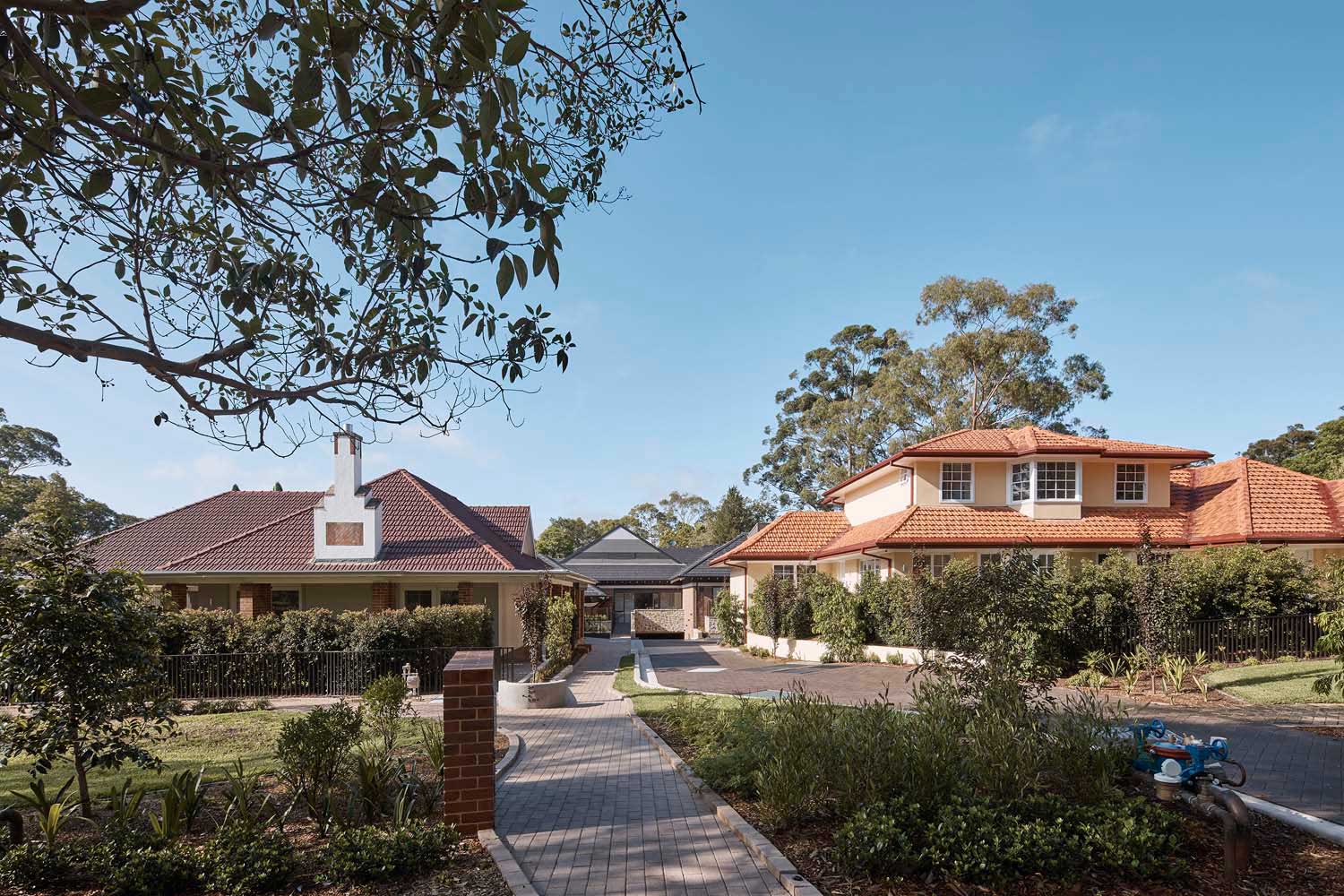
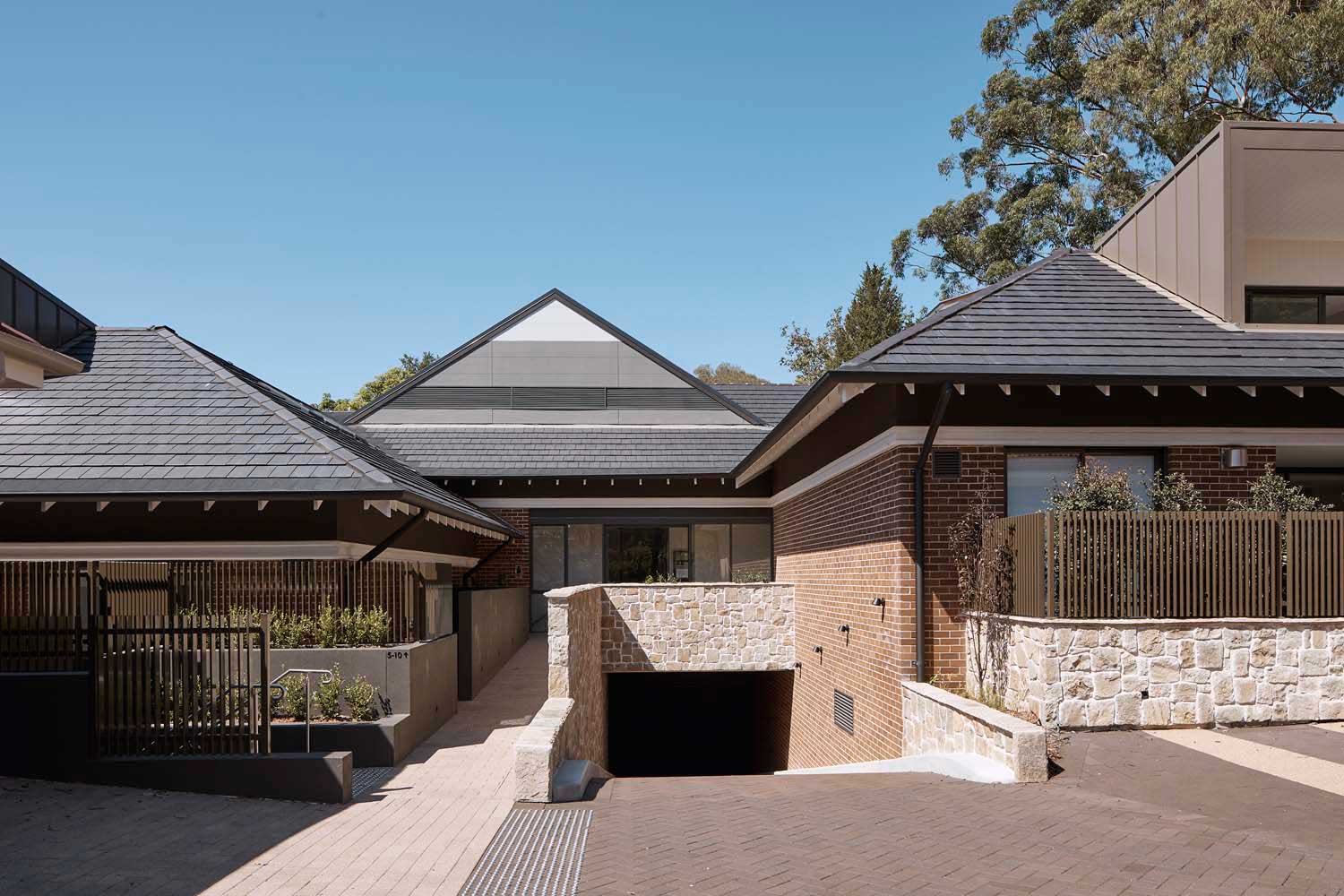
Positioned in one of Beecroft’s most coveted streets, this limited collection of quality heritage, garden homes and unique penthouse style apartments have been elegantly designed for over 55s seniors living with a sense of warmth and character. The Malton’s heritage homes draw on the established façade, and across all residences, the interiors bring together classic design, the latest in appointments, and spacious, light-filled living.
This development has successfully executed adaptive reuse principles by paying homage to the existing streetscape and heritage conservation area. To retain the contributory items on-site, the character façades of the original houses were sensitively restored to accommodate a new complex at the rear consisting of ten luxury residences including four semi-detached homes, four garden apartments and two penthouses with each residence delivering the warmth and character expected of the Beecroft Cheltenham conservation area.
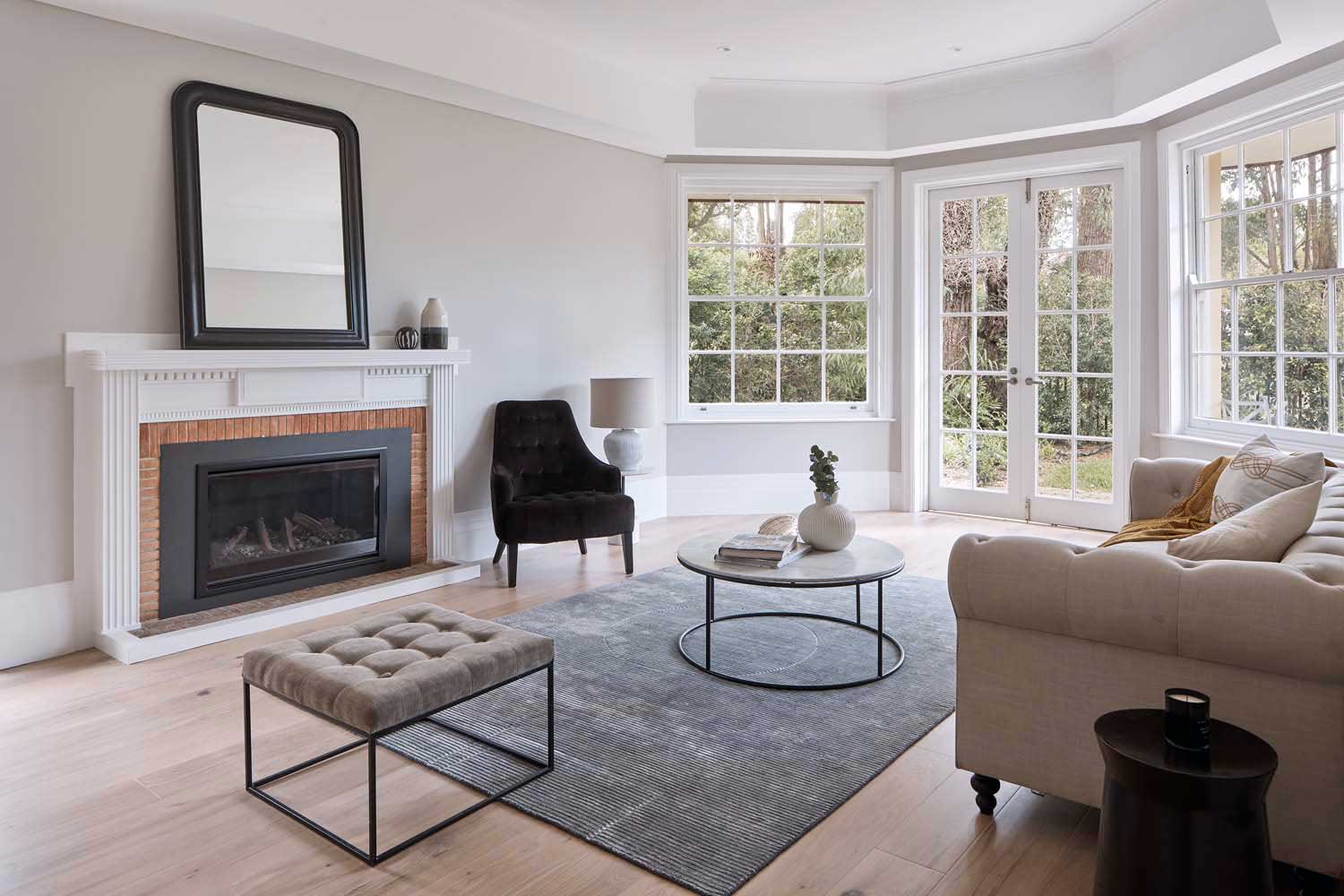
Interiors boast spacious rooms that were carefully designed for easy living creating a unique product in the marketplace.

Photography: Terence Chin

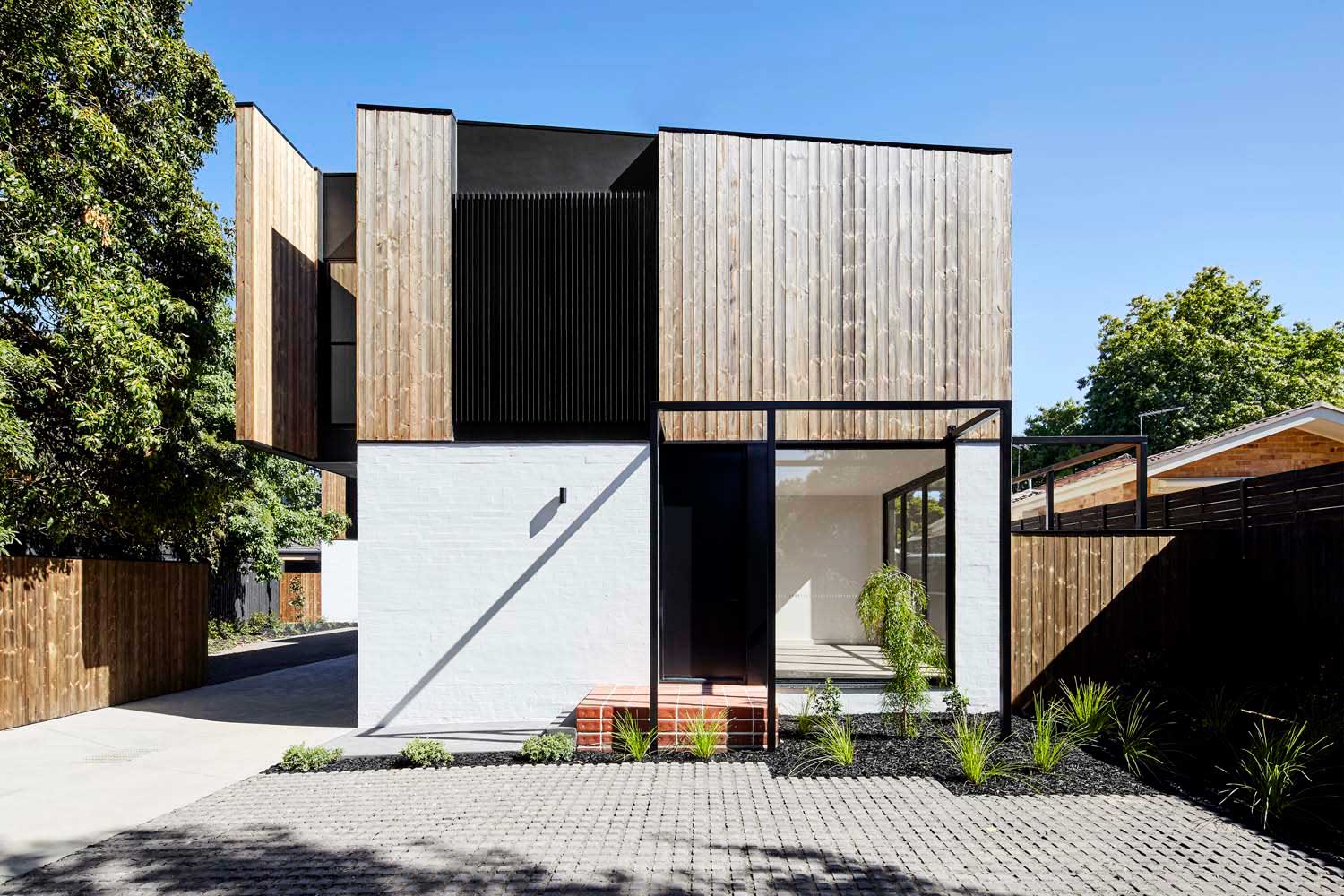
Salisbury Townhouses

NTF Architecture

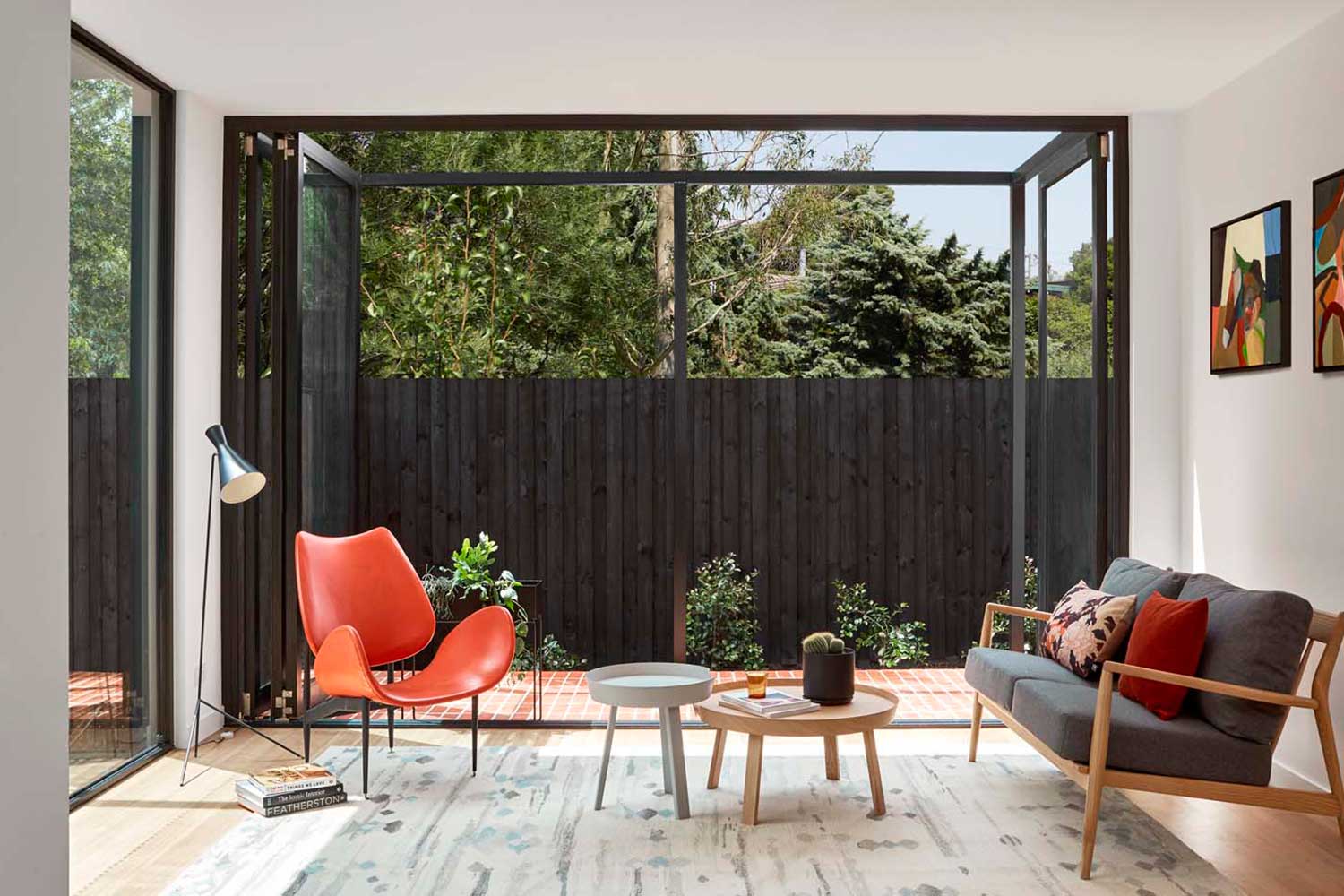
Salisbury Townhouses is an adaptive reuse project that provides design driven low budget housing and an example of the role that architects can play in implementing sustainably driven design in areas where we traditionally have little presence.
Each dwelling was reconfigured on the ground floor to provide for living, dining, and kitchen spaces with a connection to the outdoors. The additional new level provides two bedrooms, two bathrooms and a study space.
At around 100m2 each the townhouses are considerably smaller than most townhouses in their context. The end result is a project that is sustainable and comfortable by today’s standards and provides an alternative model for affordable housing through the reuse of existing outdated housing stock.

Photography: Dave Kulesza

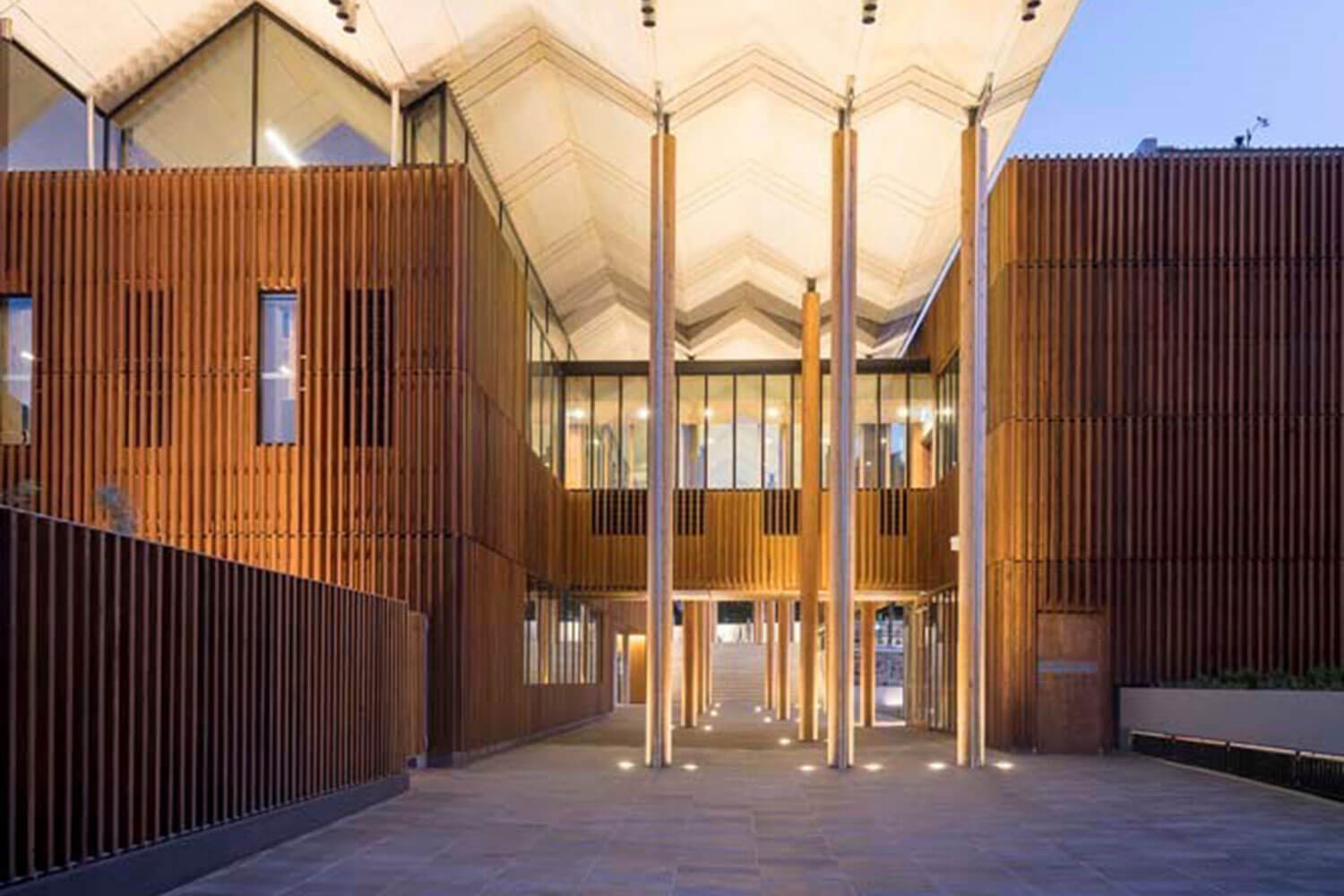
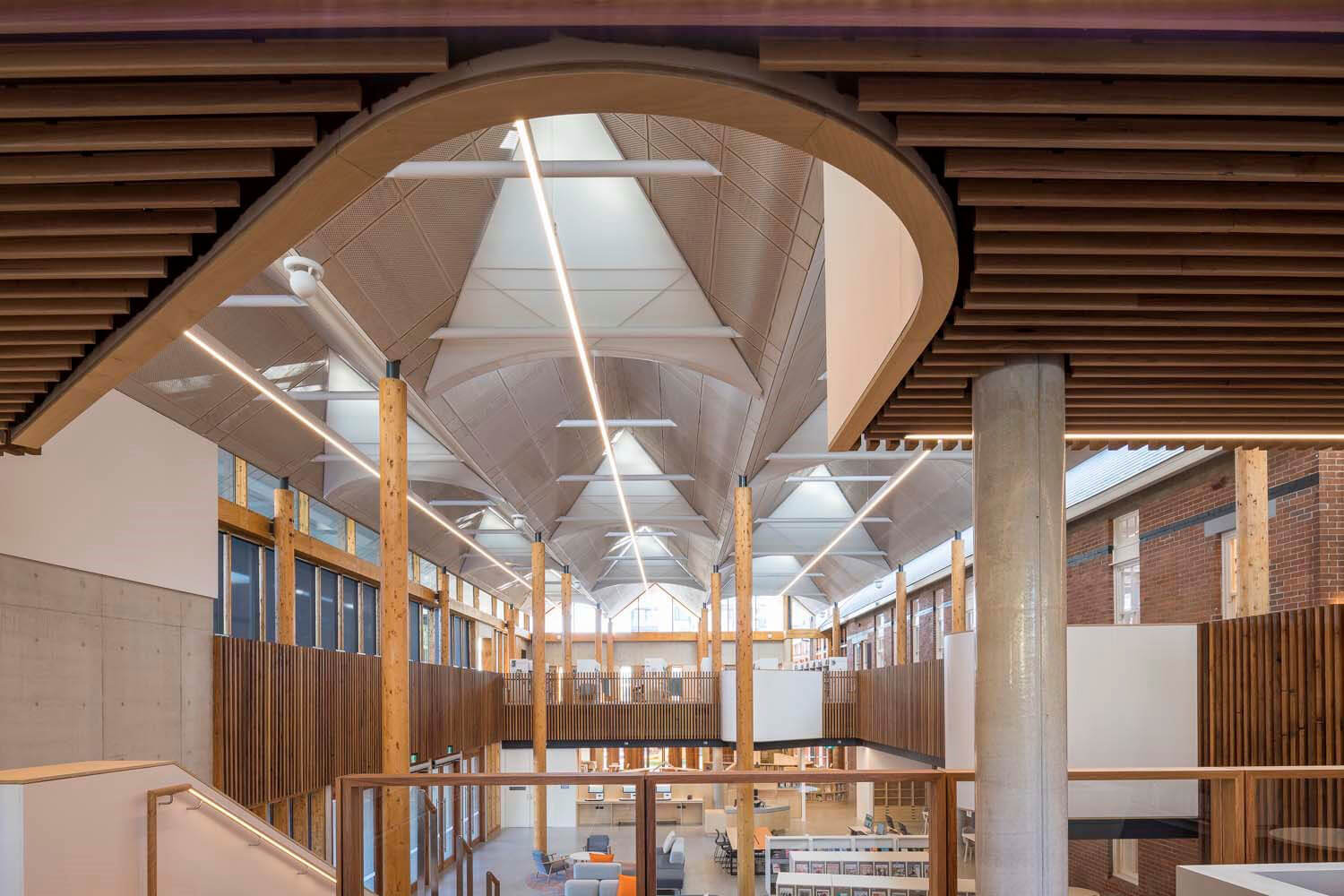
Marrickville Library and Pavilion

Steensen Varming (Engineering & ESD Consultants) & BVN (Architects)


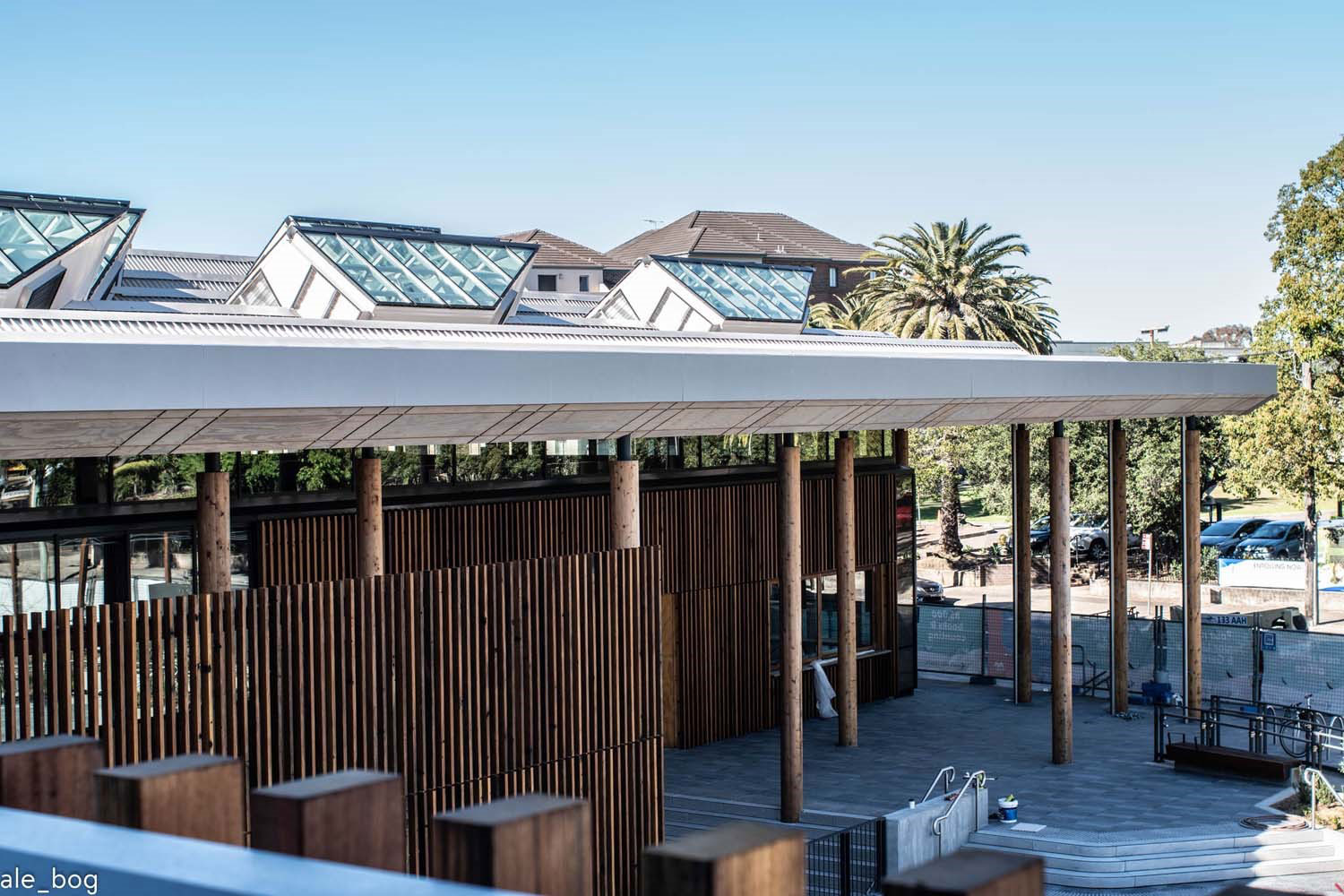
Marrickville Library aims to bring together all the facilities of a contemporary public library, including a broad range of community resources such as meeting rooms, auditorium and workshops which converge around a new public open space providing a new gathering space for the precinct and for the community at large. Situated in the former Marrickville Hospital site, the new Marrickville Library Community Hub consists of a large library and much needed new community and cultural facilities, with open spaces and residential apartments. The building integrates contemporary design and technology with the original, conserved heritage elements of the main hospital building. It is uncompromising with regards to sustainability, with recycled elements wherever possible and clever design features that promote a high indoor environmental quality and reduced energy consumption.

Photography: Philip Noller & Alexandra Bogdanova

Lilydale House at Marrick & Co

Mirvac Design and Tonkin Zulaikha Greer

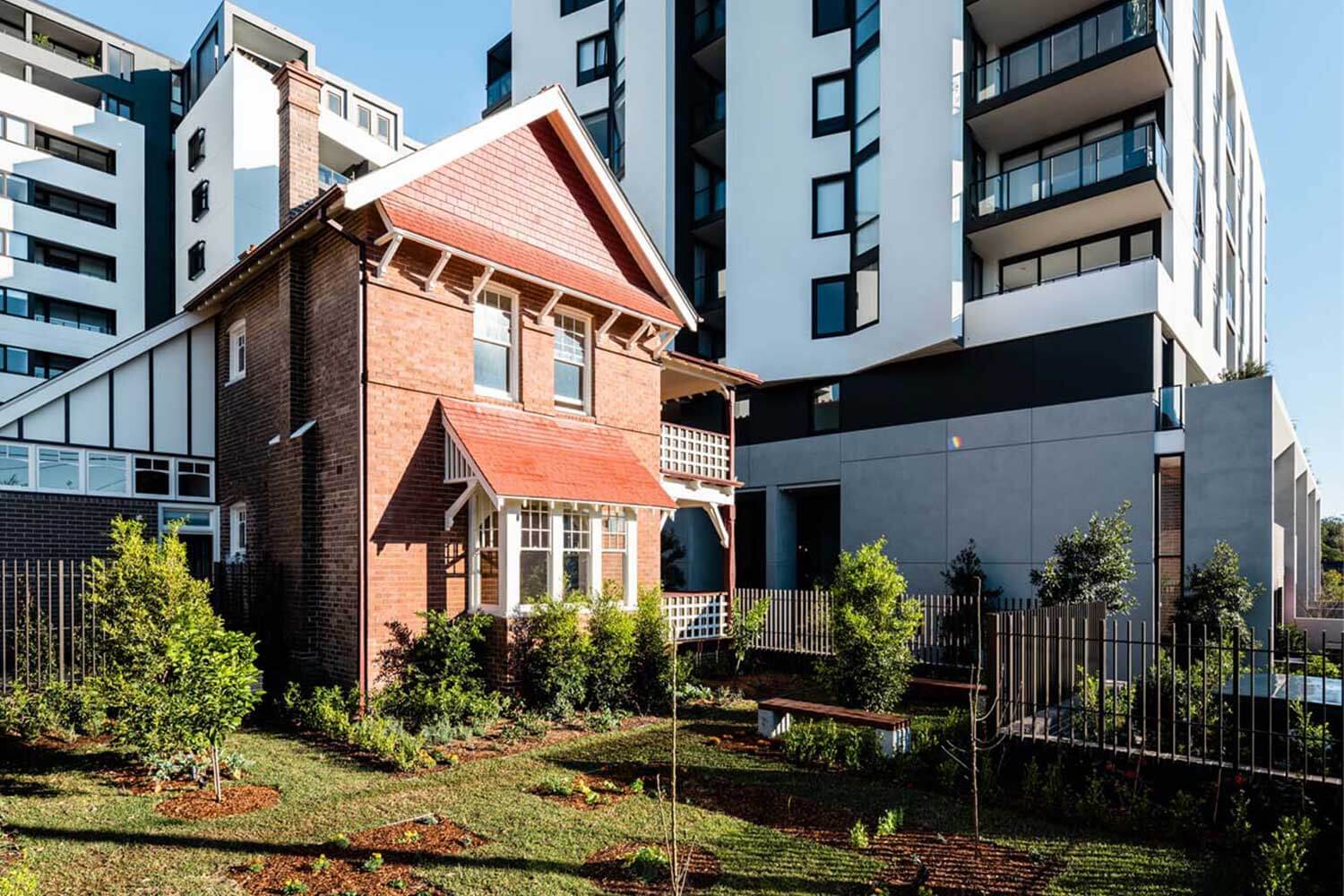
The Nurses’ Quarters was built in 1909 as a residence for the nurses working at the hospital, designed by prominent architect and alderman, Lindsay Thompson. It was converted to a casualty ward and outpatients’ clinic in the 1960s and was used for ancillary hospital services since that time, before being operated as a preschool in 1992. The building has played a continuous role in the community for 100 years.
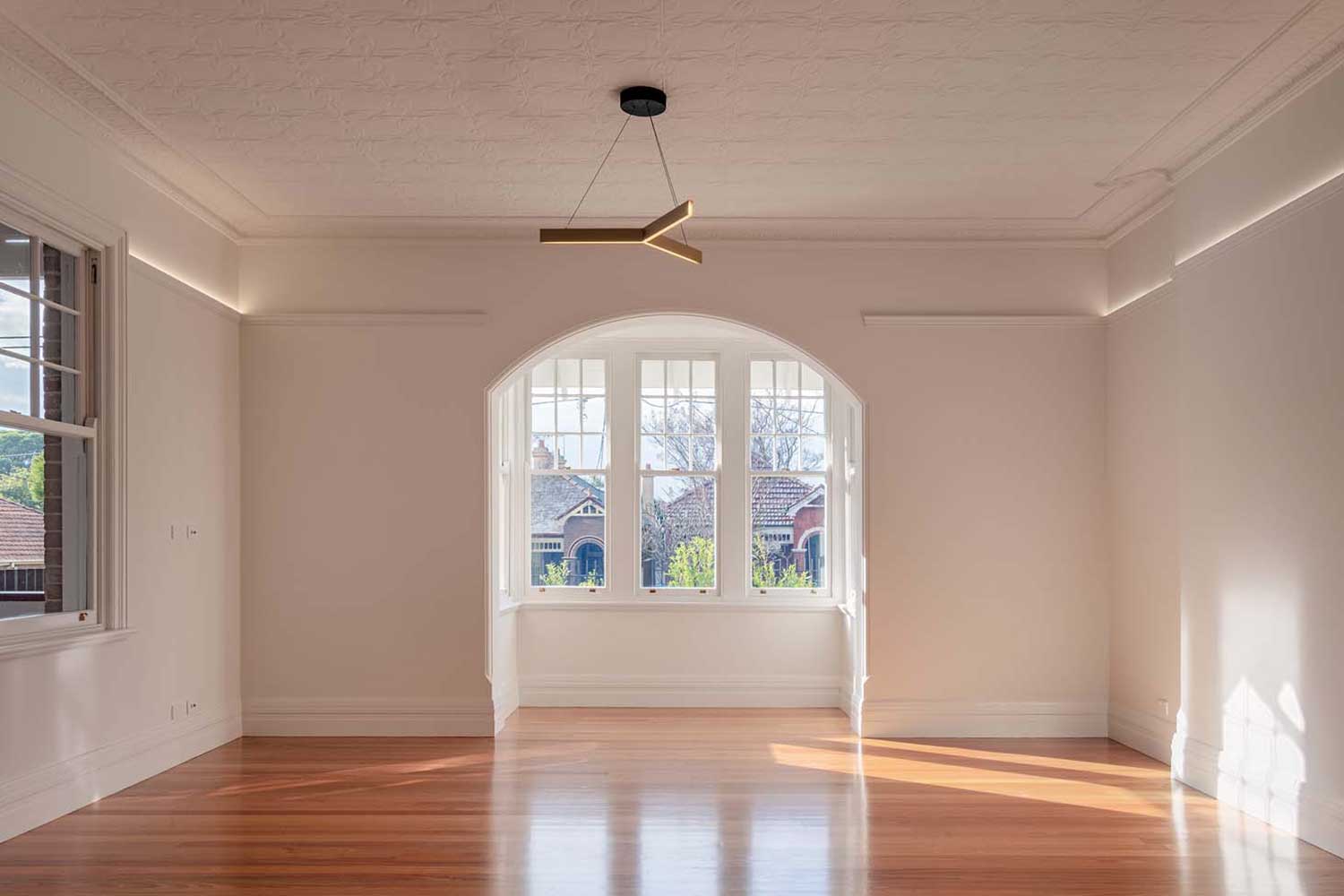
The adaptive reuse of the heritage Nurses’ Quarters as Lilydale House makes a charismatic centrepiece in Mirvac’s urban renewal of the former Marrickville Hospital site.
The site is highly significant for its role in the provision of health care and nursing services to the local community from 1899 to the hospital’s closure in 1991. Located on Marrickville’s main historic strip, the site is an important component of the immediate Marrickville civic precinct which also includes the Town Hall, St Brigid’s Church and the Fire Station.
The prominent two-storey Nurses’ Quarters which, along with the Main Ward Block, comprises the core of the Lilydale Street face brick buildings, presents as the most recognisable public face of the former hospital.

Photography: Martin Seigner

Sandra Furtado

Furtado Sullivan

Sandra Furtado is an inspiring voice on sustainability issues, particularly in those related to the design of our cities and built environment. She participates regularly on industry events as a speaker, raising awareness around the practice of architecture and resilient design. More recently, as part of an Architecture and Design podcast series, she talks about how sustainable architecture can create value through good design and the role of architects in society. Sandra teaches design at Sydney universities, sharing her knowledge and experience with students and raising awareness around sustainable practice.

Natasha Mulcahy

Sekisui House Australia

Natasha is the Sustainability Manager for West Village, the $1 billion urban renewal project in Brisbane’s West End. Natasha’s passion for creating liveable cities has influenced all facets of West Village. In 2017 Natasha achieved a 6 Star Green Star Communities rating for the project, the highest recognition for master-planned precincts in Australia and demonstrating world leadership in sustainability. Natasha is a Green Star Accredited Professional and plays a leading role promoting sustainability both within her organisation and to external stakeholders.

Helen King

Renewal SA

Helen King has over 20 years’ experience working in the environmental industry in South Australia. Her expertise is wide-ranging, and she has spent time as an environmental consultant, a regulator within the EPA and currently is the Director of Environmental Services within Renewal SA (formerly the Land Management Corporation). Helen has extensive knowledge and experience in the field of team leadership, working with regulators, compliance, property due diligence, policy, hydrogeology, site contamination assessment and remediation. Helen’s experience, expertise and success is well respected and she has a presence on environmental committees and regularly provides input into EPA guidelines and legislation changes.

Amanda Visser

The Star Entertainment Group

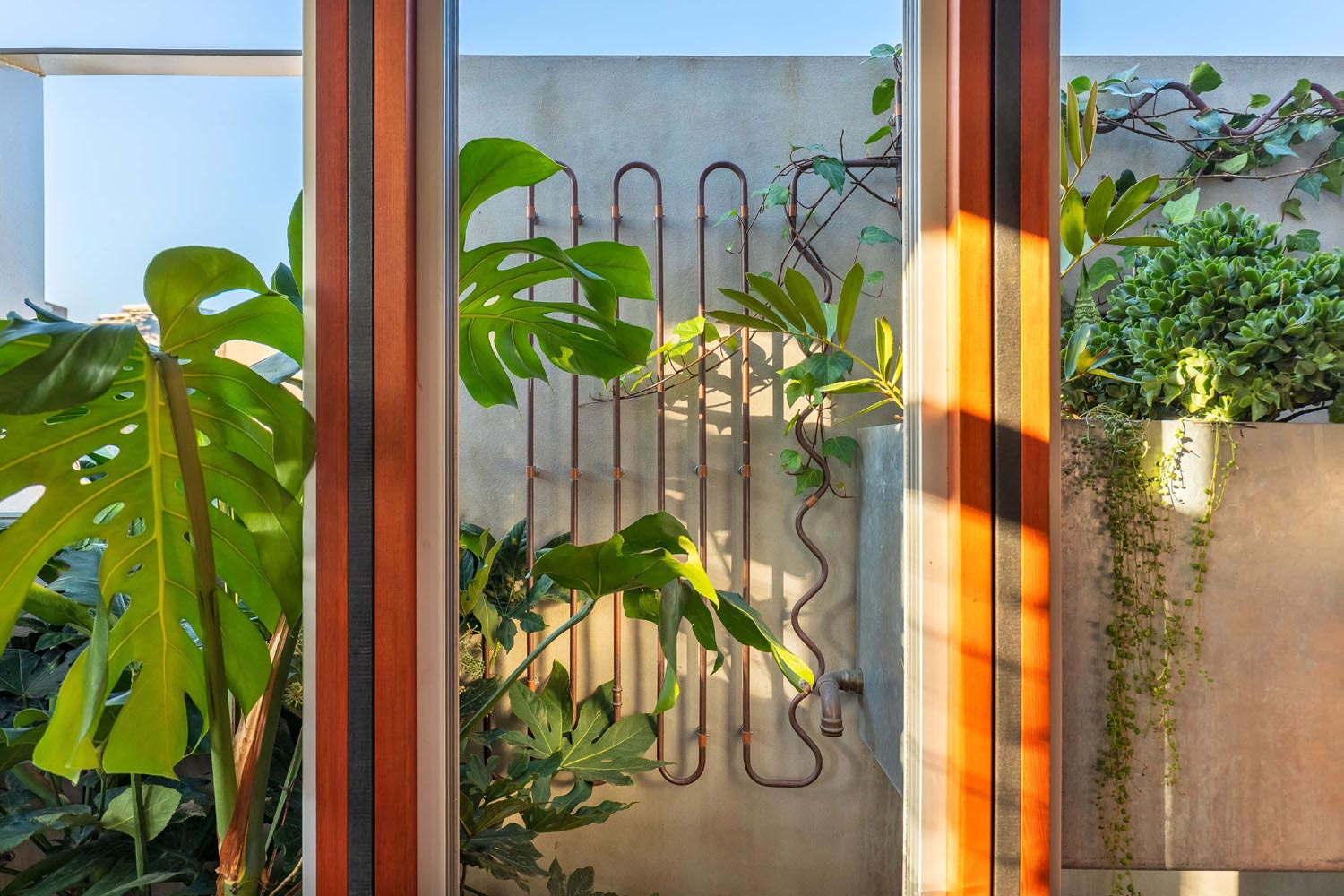
Since joining The Star in 2013, Amanda Visser has introduced a sustainability strategy, and energy efficiency targets. Her leadership on sustainability issues has resulted in The Star being recognised as a global leader of the Dow Jones Sustainability Index in the ‘Casinos and Gaming’ Industry for the 3rd year in a row. Amanda’s contribution to innovation has resulted in The Star’s properties adopting technologies, products and procedures that further sustainable practices and reduce carbon and water use including run-around heating coils and ‘waterless’ woks. She has also introduced Green Star and NABERS benchmarks and delivered certified ratings and run training sessions for project teams on sustainable design.

Seagrass Stimulation Integrated System

COLUMBUS GROUP

Old conveyor belts, while they could be laid inside tailings dam walls to reduce dam wall failures, they can also be kirigami cut (like origami) into artificial reefs that promote seagrass and hence seabed stablisation, and at the same time creating new homes for prawns while generating blue carbon credits from the seagrass growth capture of carbon. The seagrass growth is promoted by solar powered horticultural LEDS together with underwater sensor and camera systems to ensure high performance of all aspects, from the seagrass growth to the prawn breeding, blue carbon capture and general monitoring of the seabed for other environmental threats.

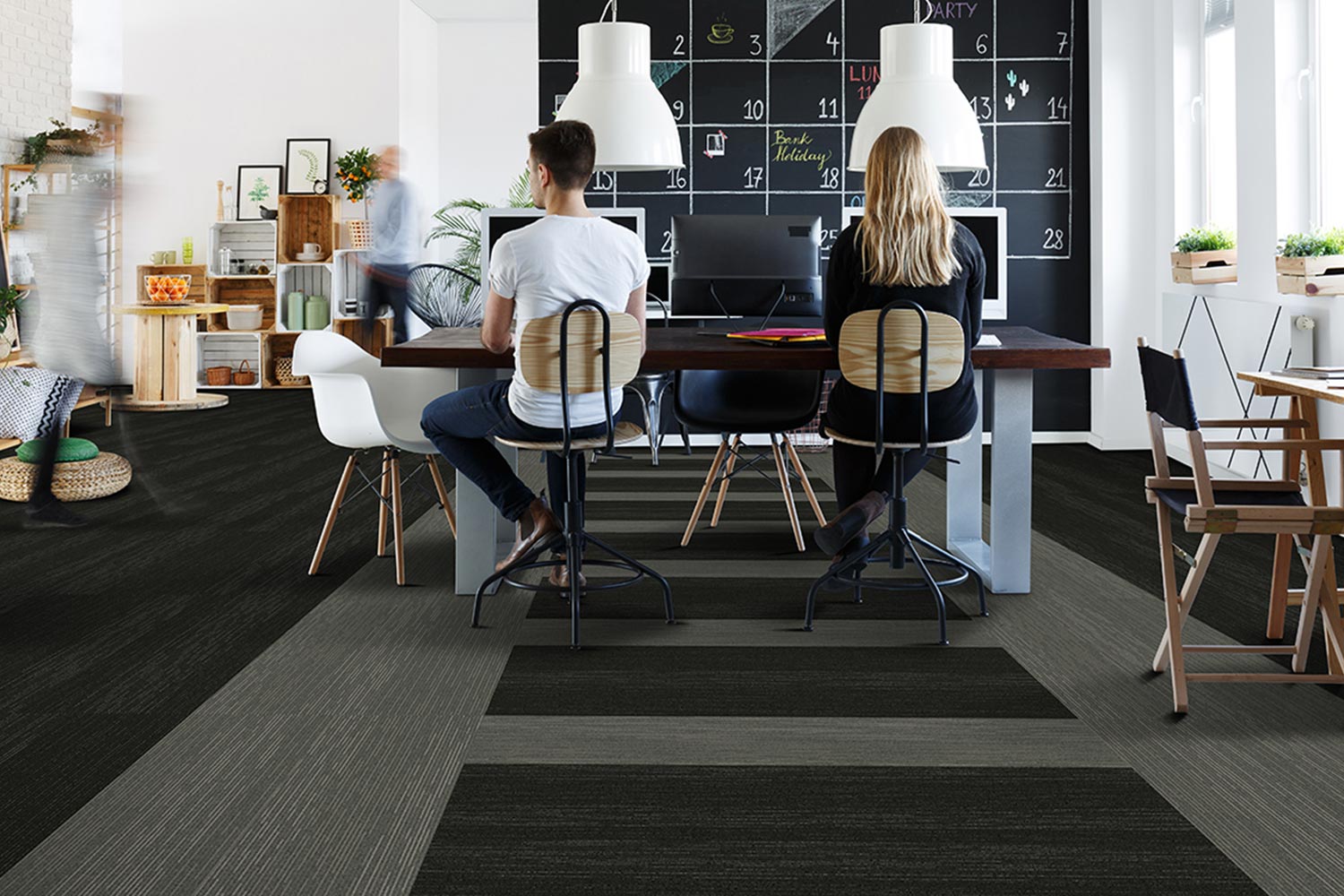
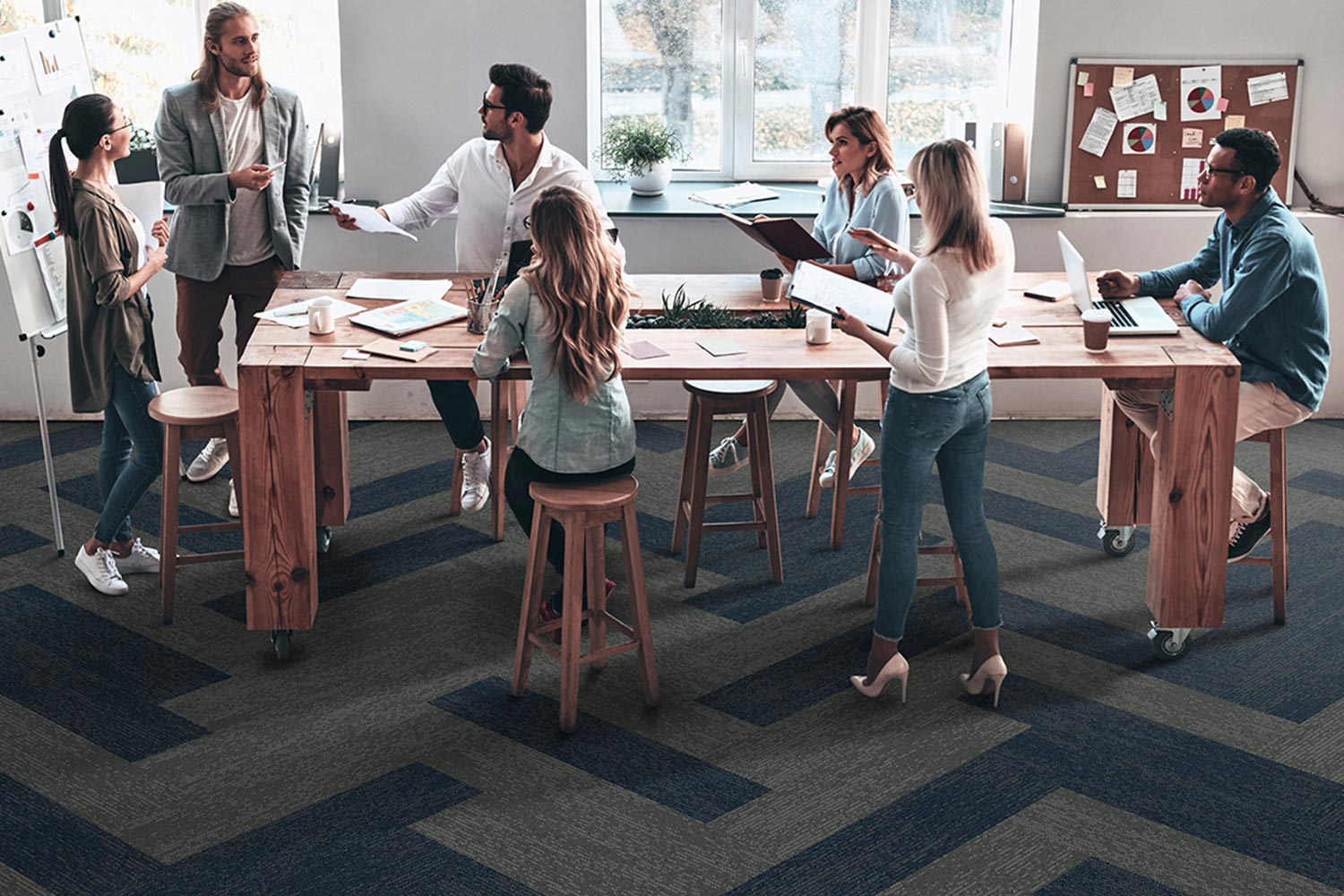
Carpets Inter EcoSoft carpet Tiles

Above Left/Carpets Inter

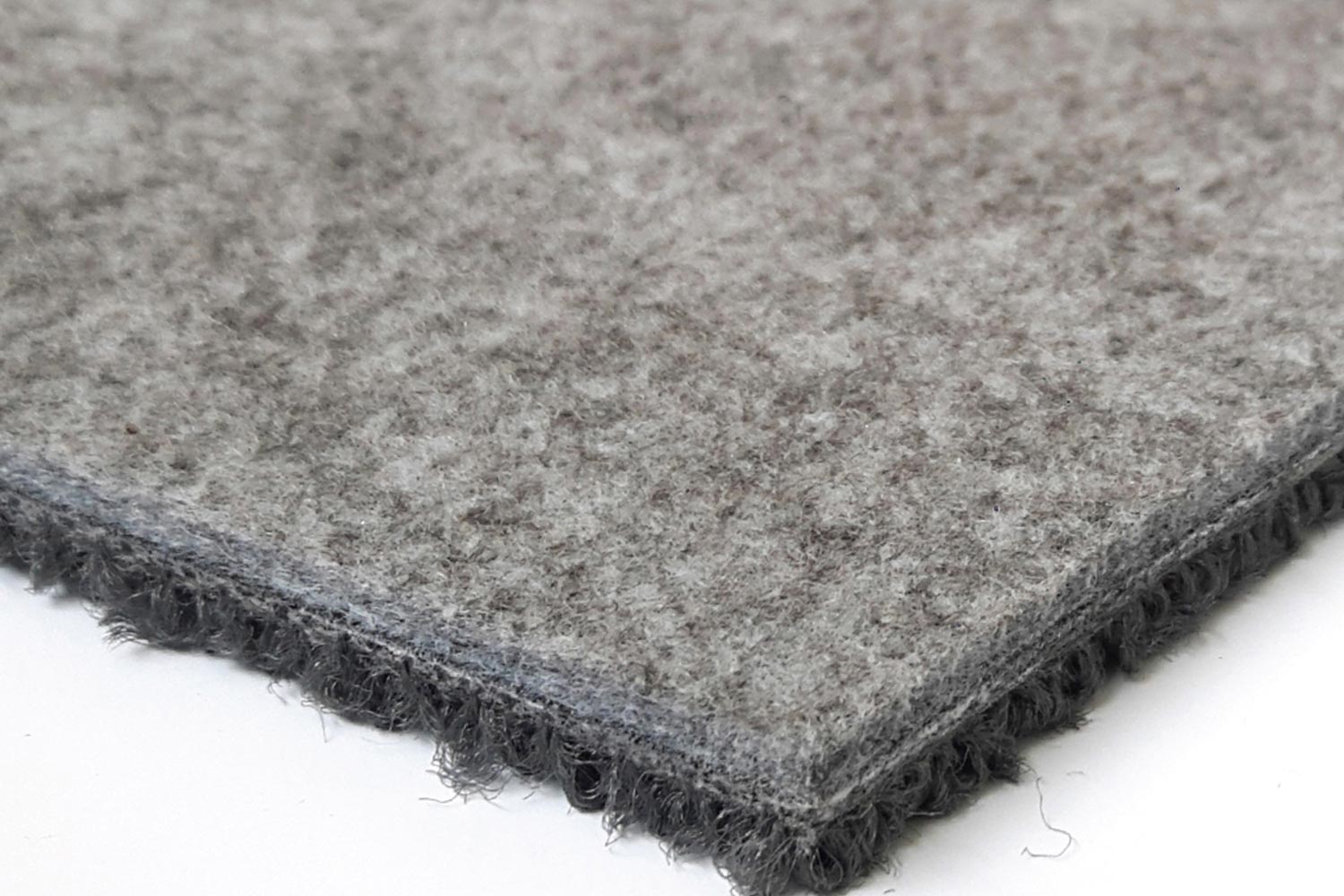
EcoSoft is made exclusively from upcycled plastic bottles. Among the plastic debris responsible for the deaths of millions of marine animals each year, plastic bottles pose a particular threat as nearly a million are bought or sold around the world every minute. EcoSoft is made from 80% post-consumer material reengineered from discarded drinking water bottles plus 5% post-industrial recycled PET.

Welcome to the Jungle

CplusC Architectural Workshop

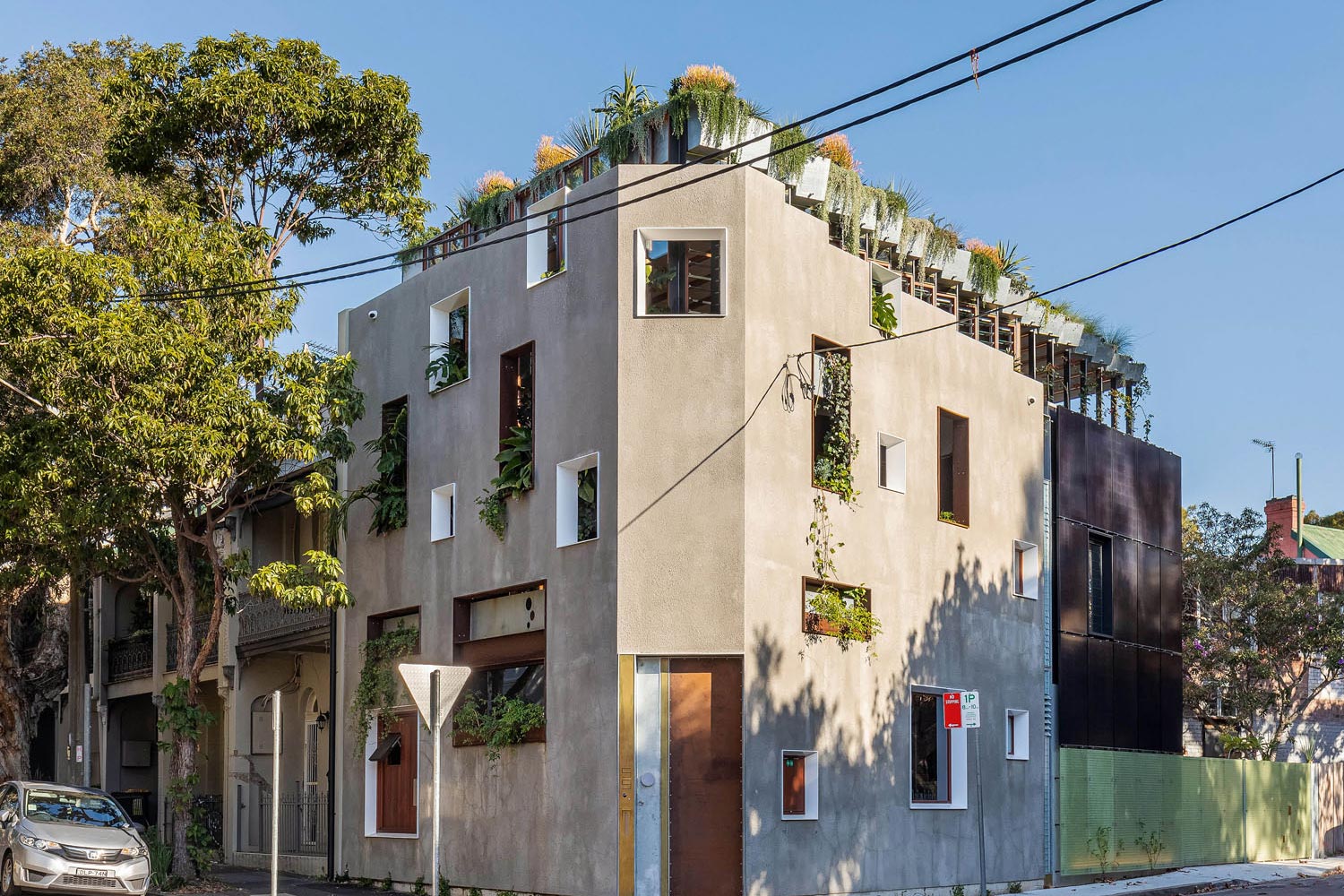
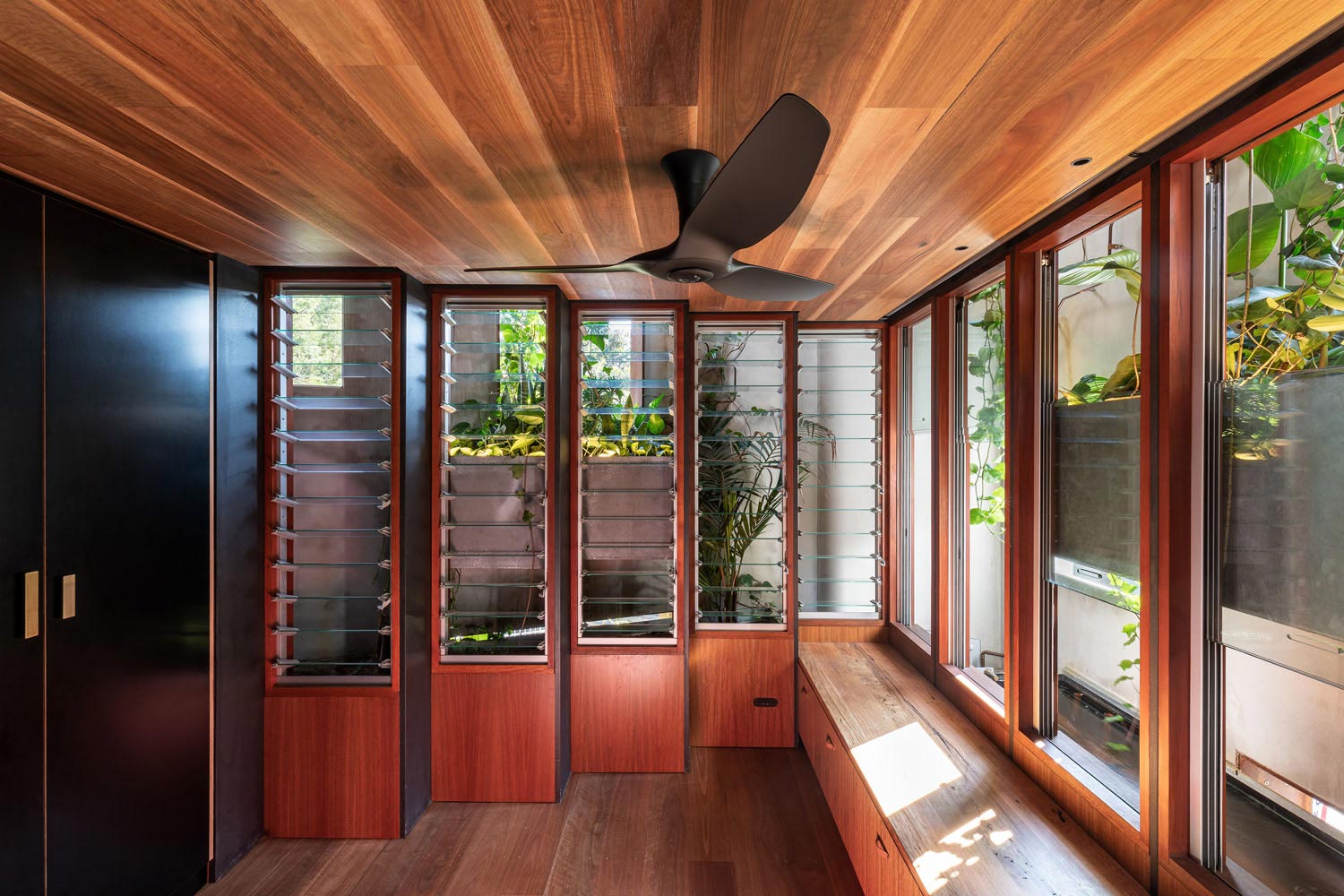
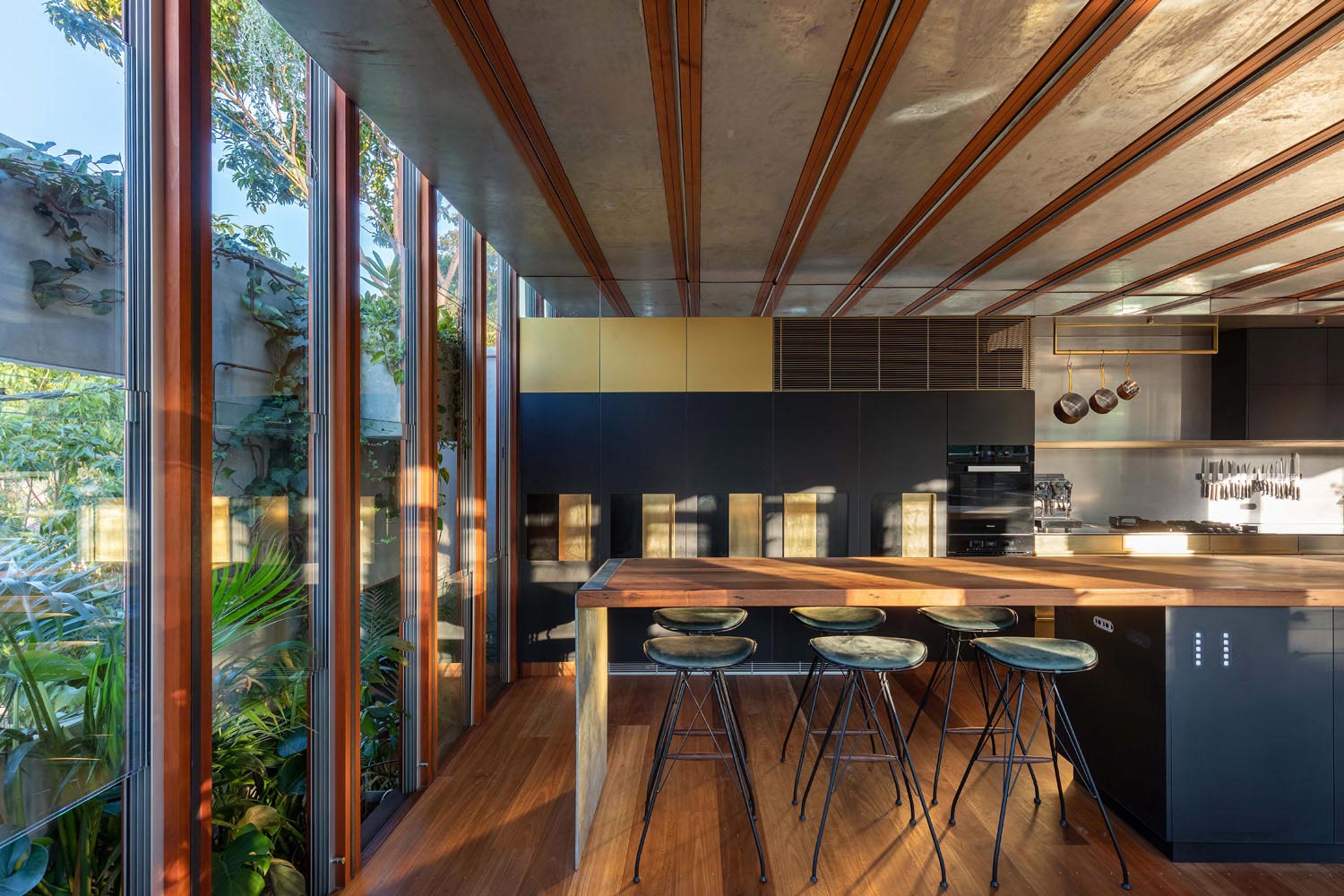
Welcome to the Jungle House is the holistically sustainable home of CplusC Architectural Workshop’s director Clinton Cole, partner Hanne and their three children. The three-storey home is built within a rejuvenated heritage facade of a long-unoccupied two-storey shop-top house sitting on a 98sqm triangular shaped corner site with north, east and west solar access and outlook. Key features include a 1600L aquaponics fishpond, which is linked in a cyclical system to the accessible rooftop of planter beds, providing the native Australian plants and fruit and vegetables nutrient enriched water caused by the edible silver perch (fish) that inhabit the pond.

Owl Woods Passive House

Talina Edwards Architecture

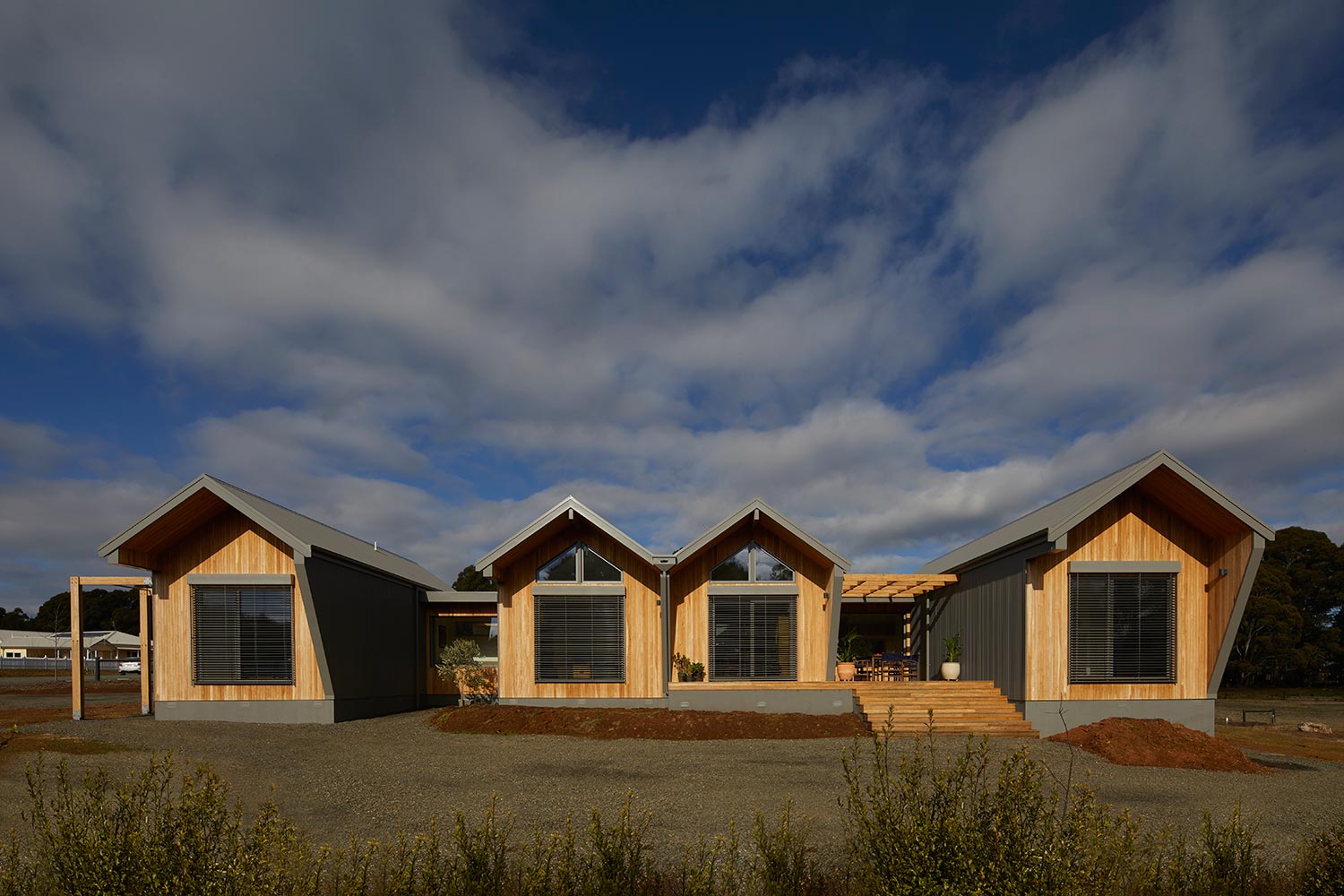
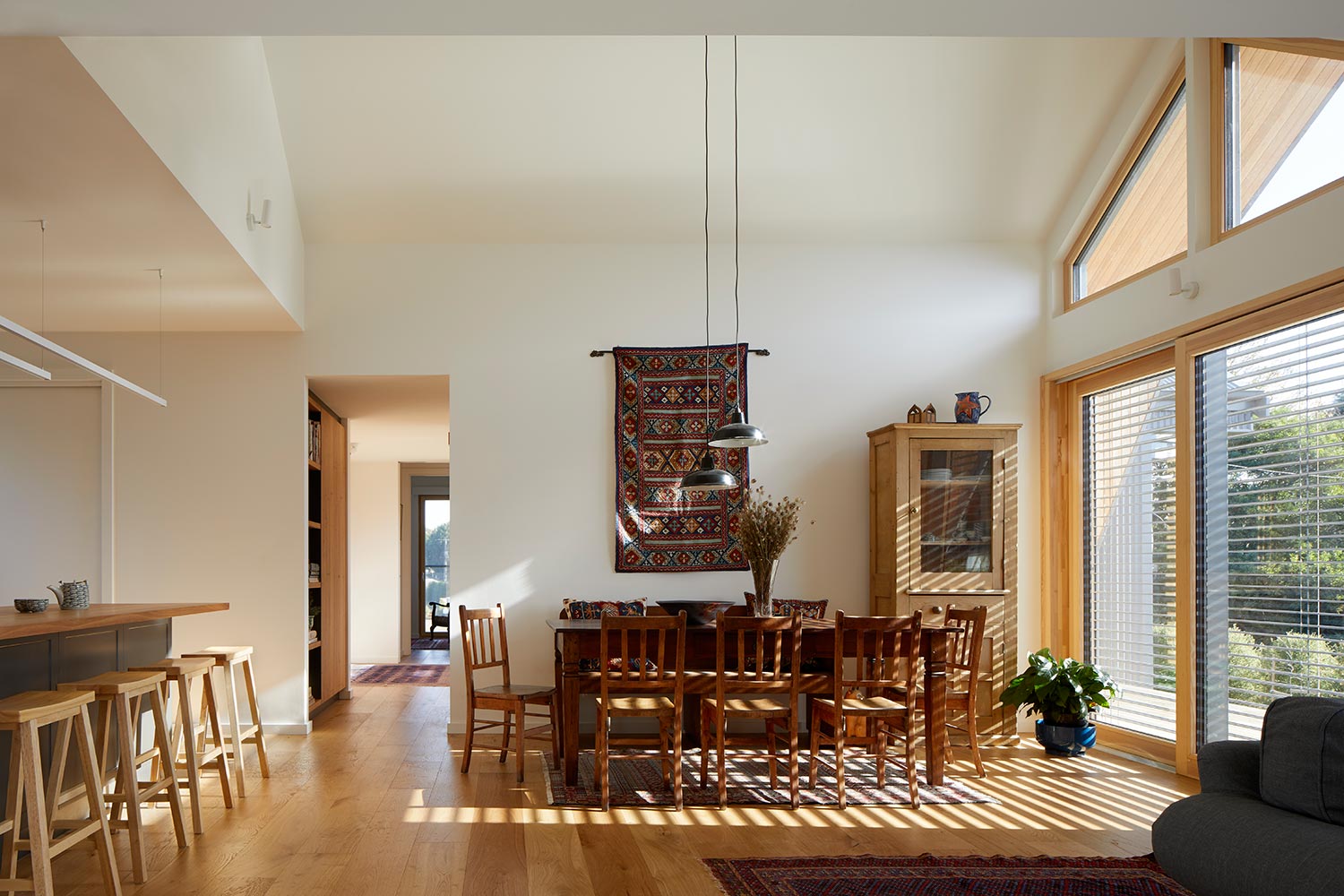
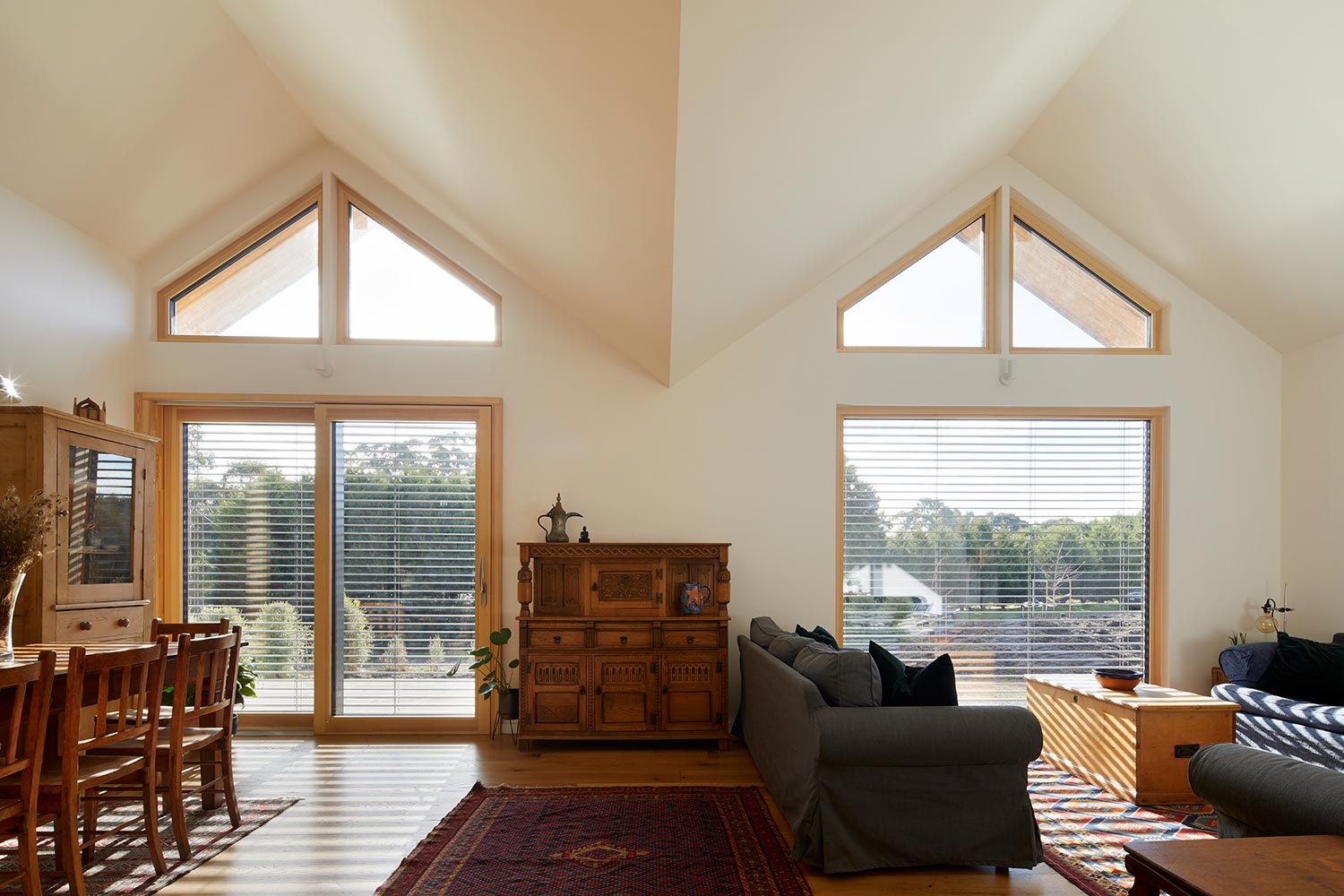
The Owl Woods Passive House is a unique blend of Biophilic Design and Passivhaus Standards of Construction. It is a balance of creative design outcomes, focusing on how the occupants will feel and live in their home, along with the integration of building science to deliver a high-performance and resilient building. The Owl Woods Passive House is located in the lovely regional Victorian town of Trentham. It has an altitude of 700m above sea level and weather that varies between sub-zero temperatures and snow in winter to 40+ degrees Celsius in summer. In this way, the home is climate-responsive, comfortable, sustainable and energy-efficient despite the variable climate.

House 4 at City of Hope Eco Housing

SCHIMMINGER ARCHITECTS

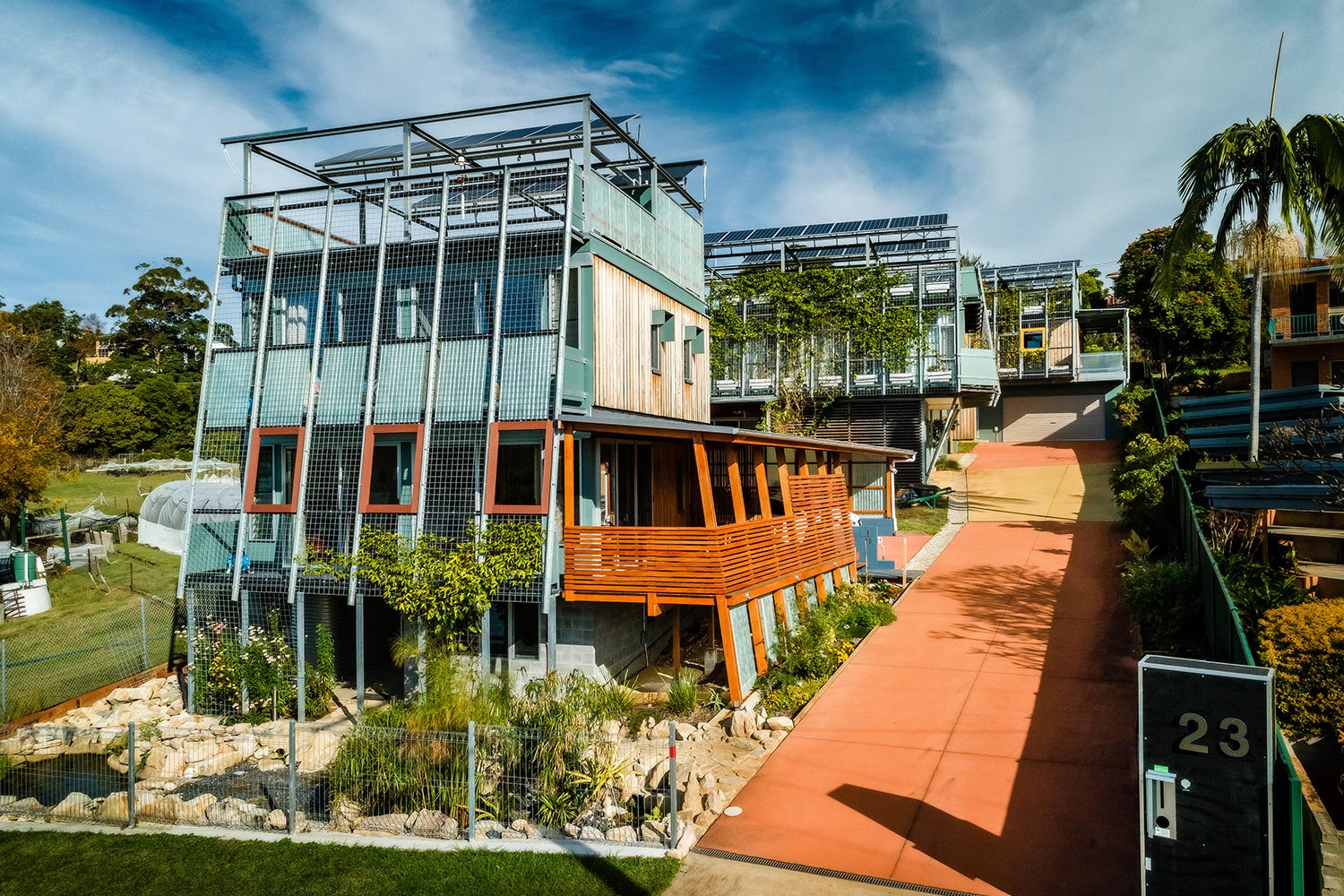
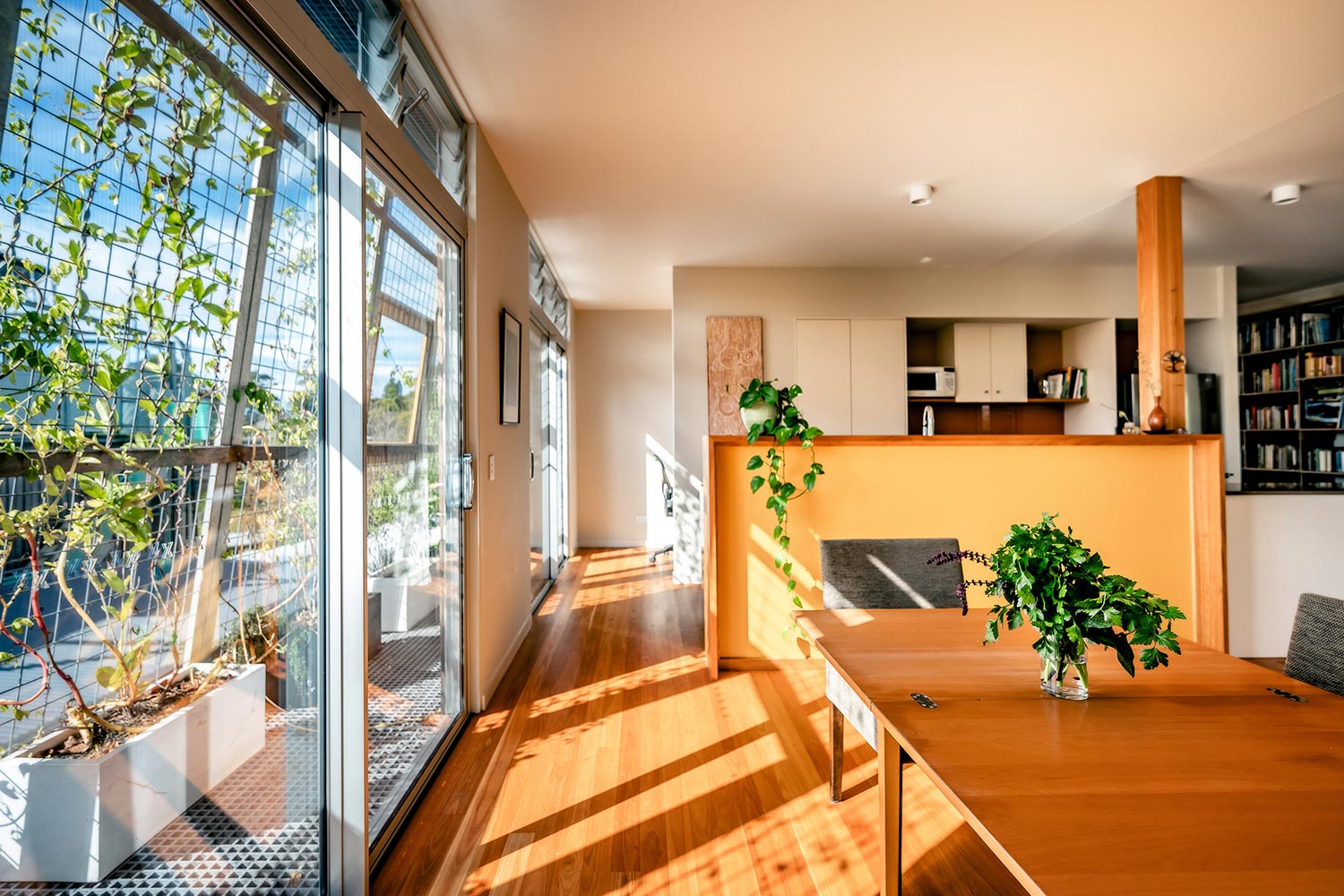
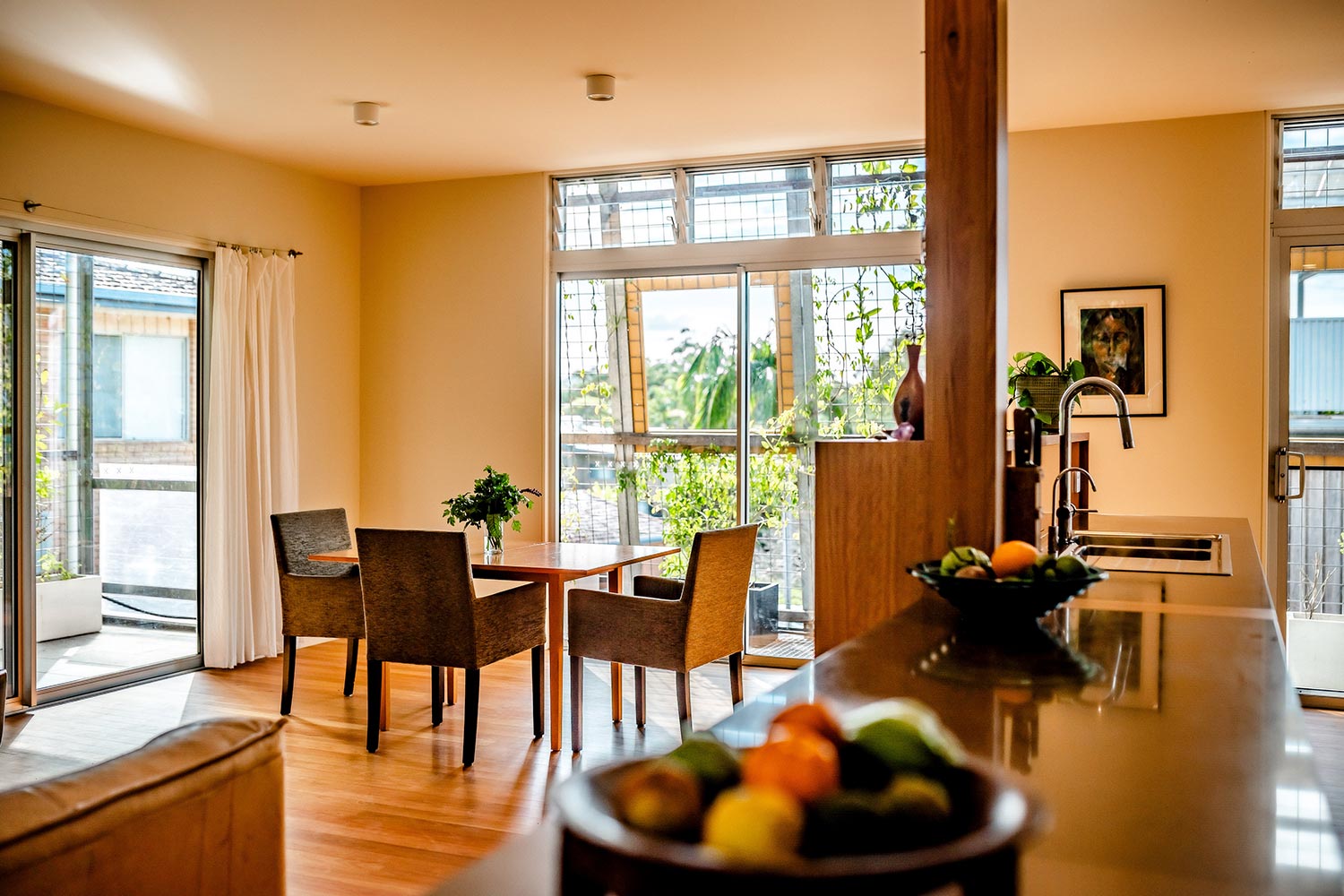
House 4 is one of the four houses comprising the ‘City of Hope’ development in Coffs Harbour, NSW. The project explored and demonstrated the viability of some of the most advanced measures of sustainability possible in the built environment today. The Living Building Challenge and the Urban Design Protocol for Australian Cities provide the guidelines and aspirational framework for the project.

GOODHOUSE13

Goodhouse

The difficult site conditions necessitated a design scheme that utilised a suspended slab in order to maximise passive solar opportunities. This hydronically heated internal thermal mass floor was wrapped within the GOODHOUSE highly sealed and insulated building envelope, delivering stable and affordable thermal comfort. The scheme also utilised some large concrete rainwater tanks which double as site retaining walls.

Fundamental House

Sandbox Studio

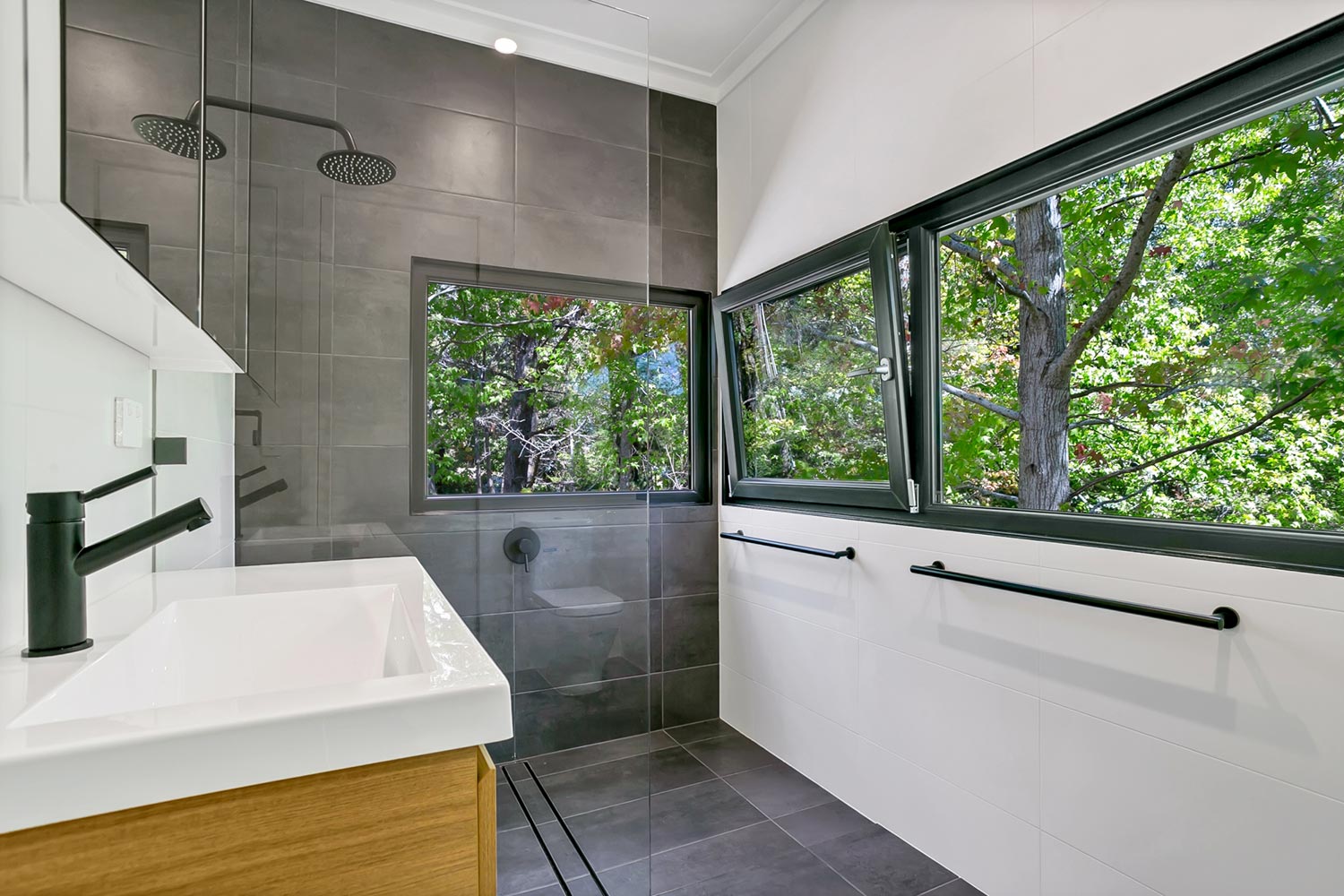
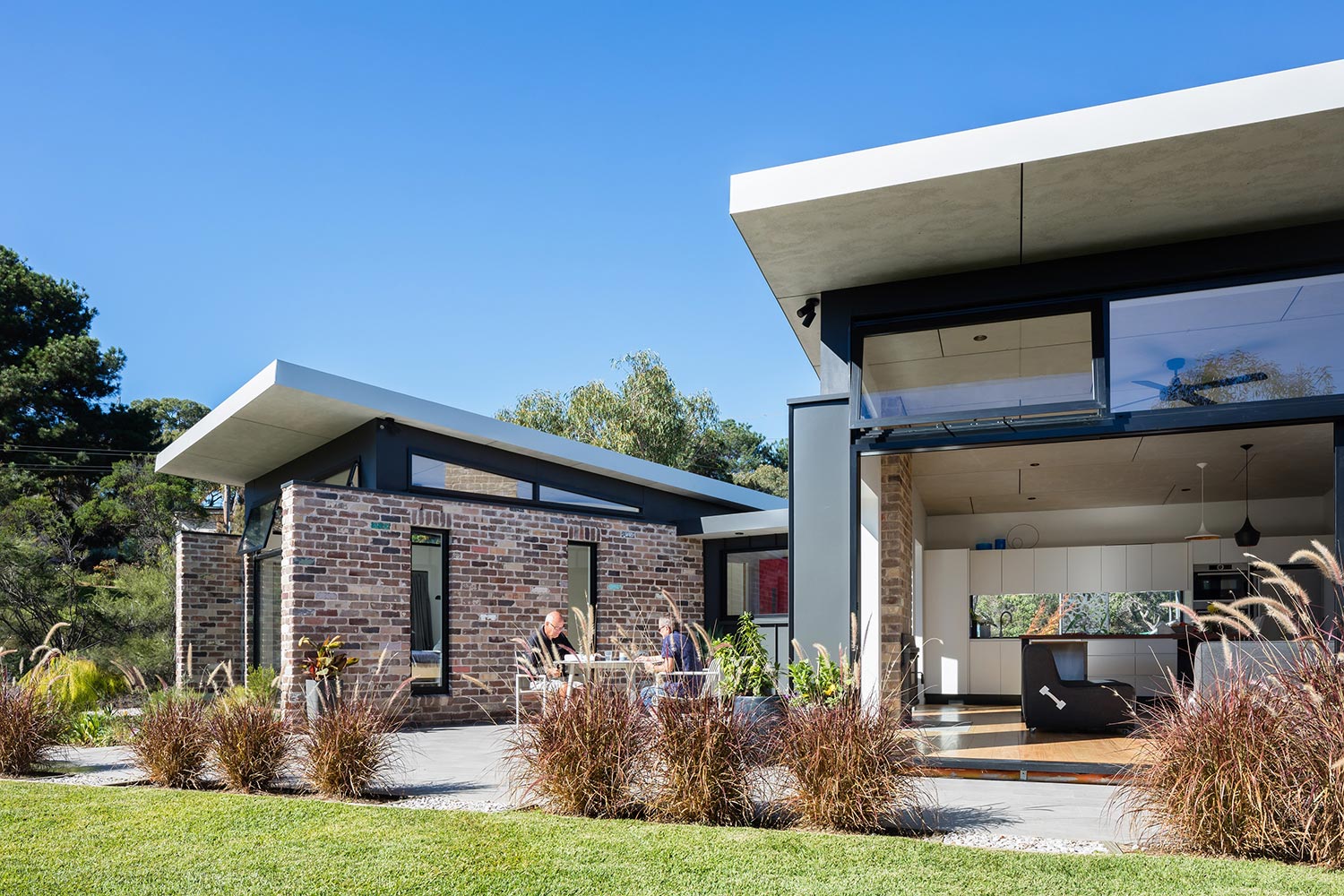
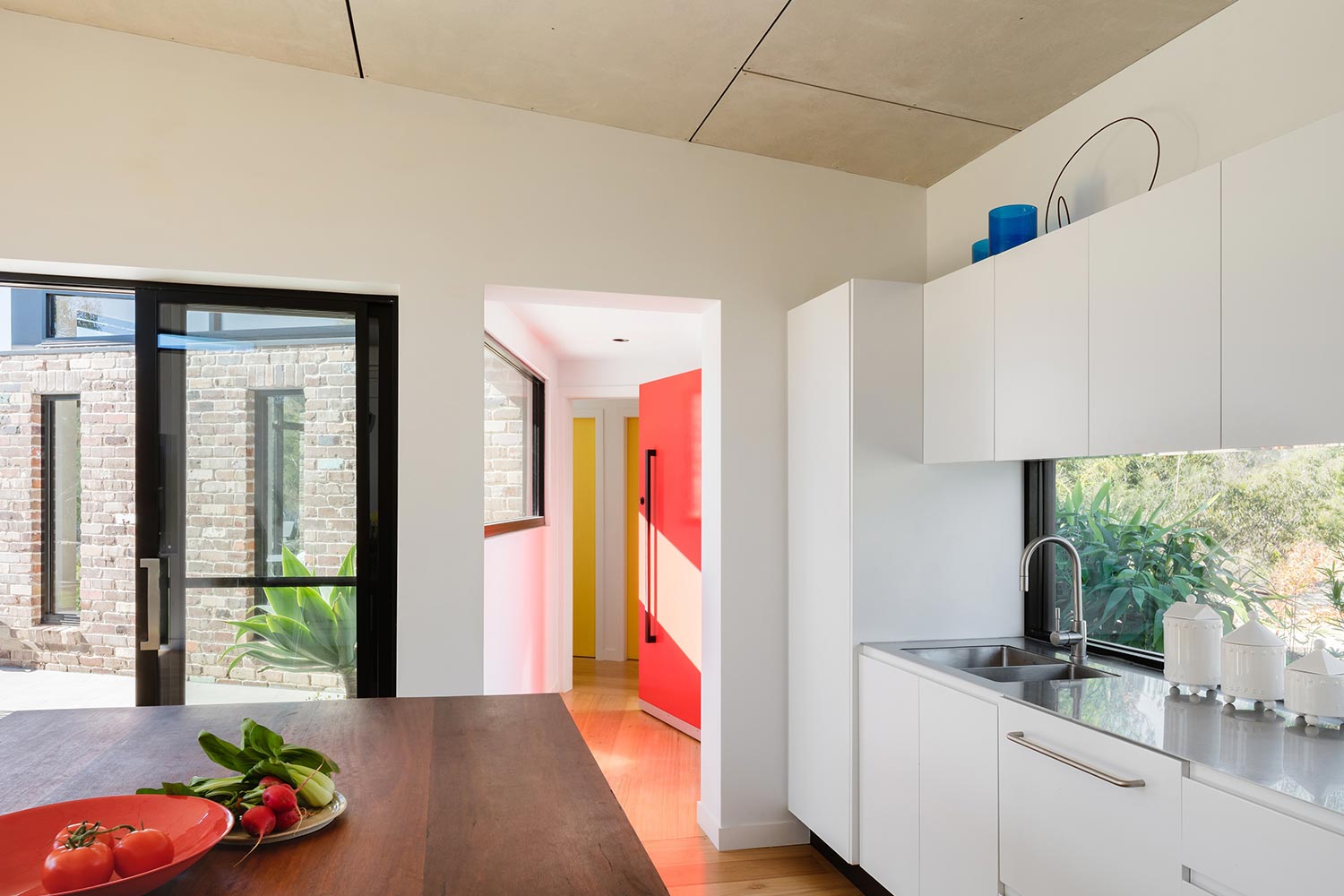
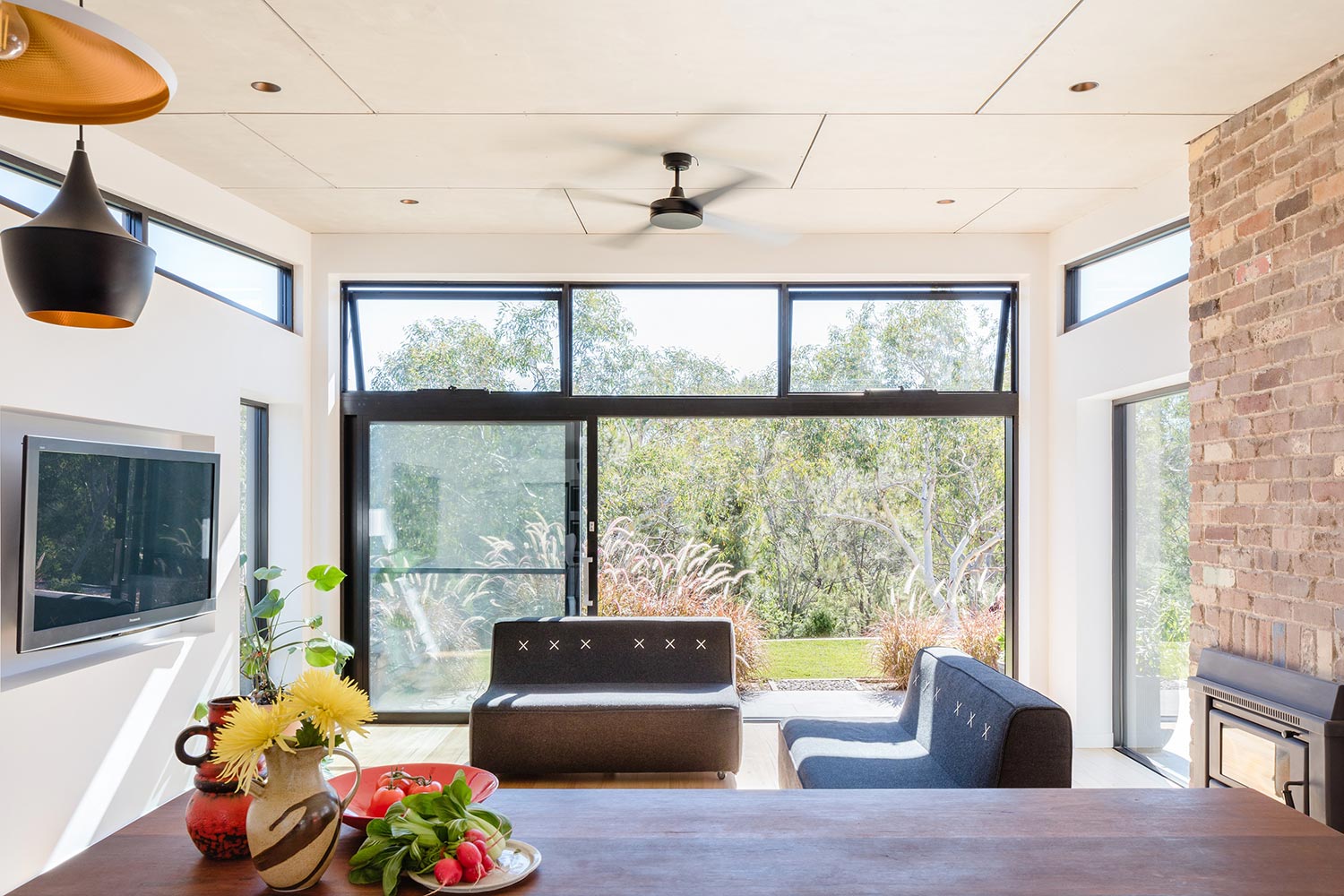
Our submission is a compact ‘forever house’ designed for a couple of retirees. Its environmental design and space-efficient planning make excellent use of the site, allowing them to live near their children and give them room to roam. With Fundamental House, we have reinvented the ‘granny flat’ as a super cool, small, sustainable and separate dwelling, no bigger than a modest apartment. Outside, the space between the two pavilions becomes a courtyard/outdoor room that effectively doubles the living area. We chose the building site for minimal impact and clearing of trees, and used passive design principles throughout.

Ferry Road

Anderson Architecture
The Ferry Road House is representative of how infill development within a heritage conservation area can be comfortable, practical and environmentally sensitive without compromise.
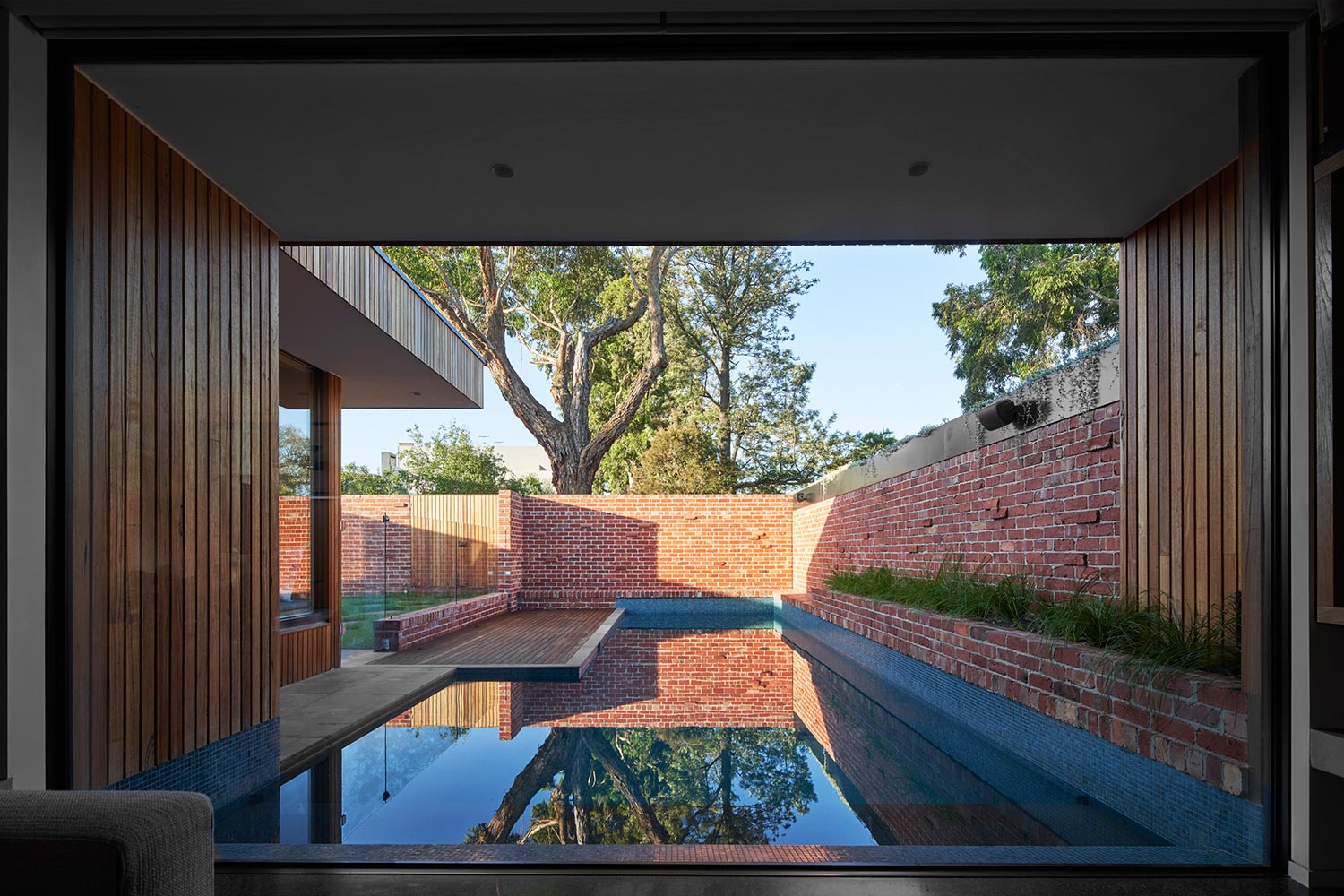
From the project’s conception, the passive, thermal and environmental performance of the home was central to the evolution of its design. The symbiosis of sustainable design and occupant comfort, often explored in the firm’s practice, both informed the configuration of the spaces and defined the unique character of its indoor environment. The thermal mass of the boundary walls and concrete floors, ensure that internal conditions are thermally regulated.

Recycled and recyclable materials, efficient systems and environmentally and socially sustainable companies were employed wherever possible.

Elemental House

Ben Callery Architects

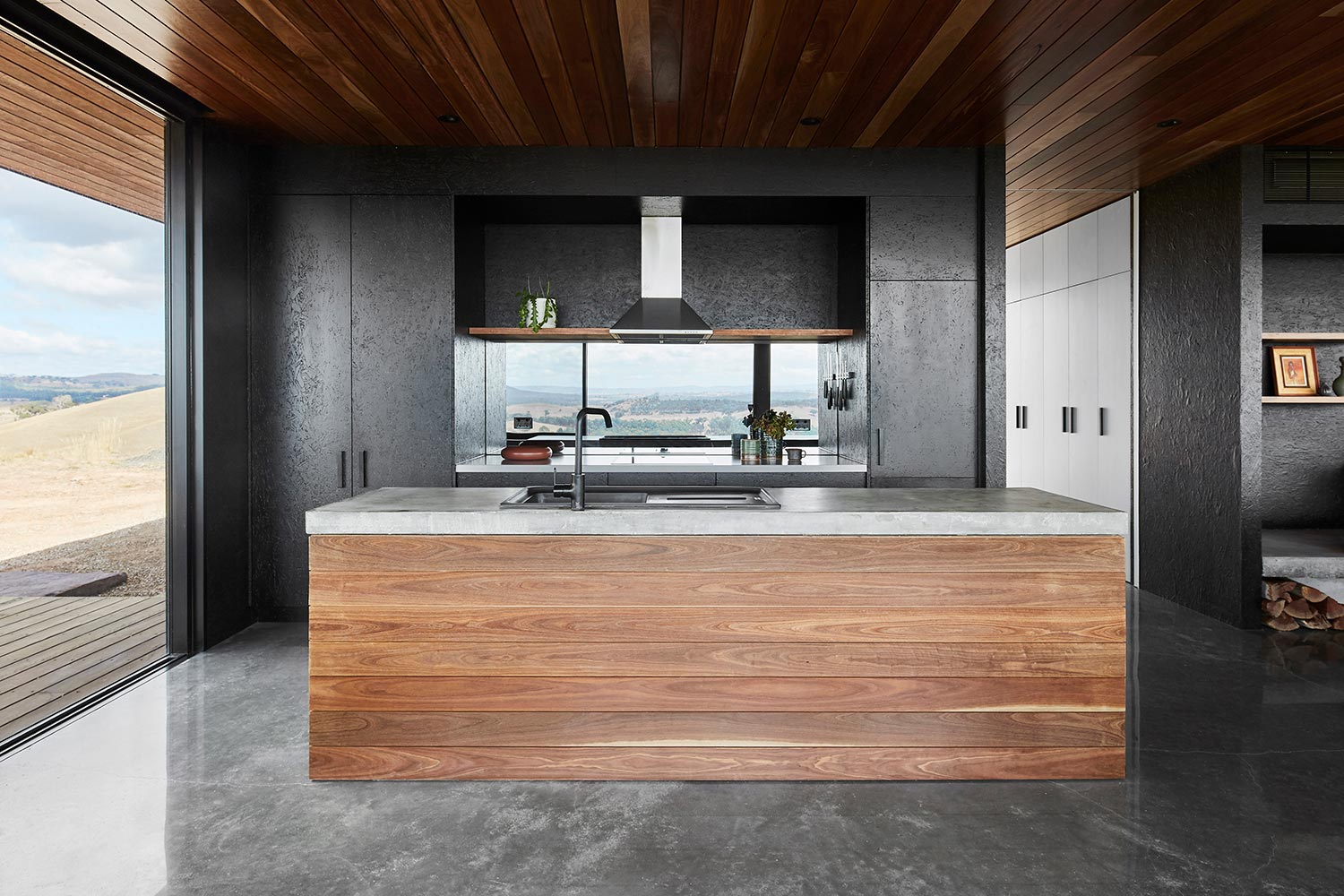
An autonomous sustainable house sitting high on an exposed ridgeline, Elemental house has stunning panoramic views, but it is also subject to the harshest of Australia’s elements – sun, wind and the ever-present threat of bushfire. Elemental house is completely self-sufficient producing its own power and water, working with the elements to provide passive solar gain and natural ventilation and using natural materials to reduce its environmental footprint. High levels of insulation, double glazing and thermal mass help maintain stable internal temperatures. 24 solar panels in a 6kW system with two batteries provide enough power to get you through the most overcast winter day.

Biophilia – Slate House Northcote

Melbourne Design Studios (MDS)

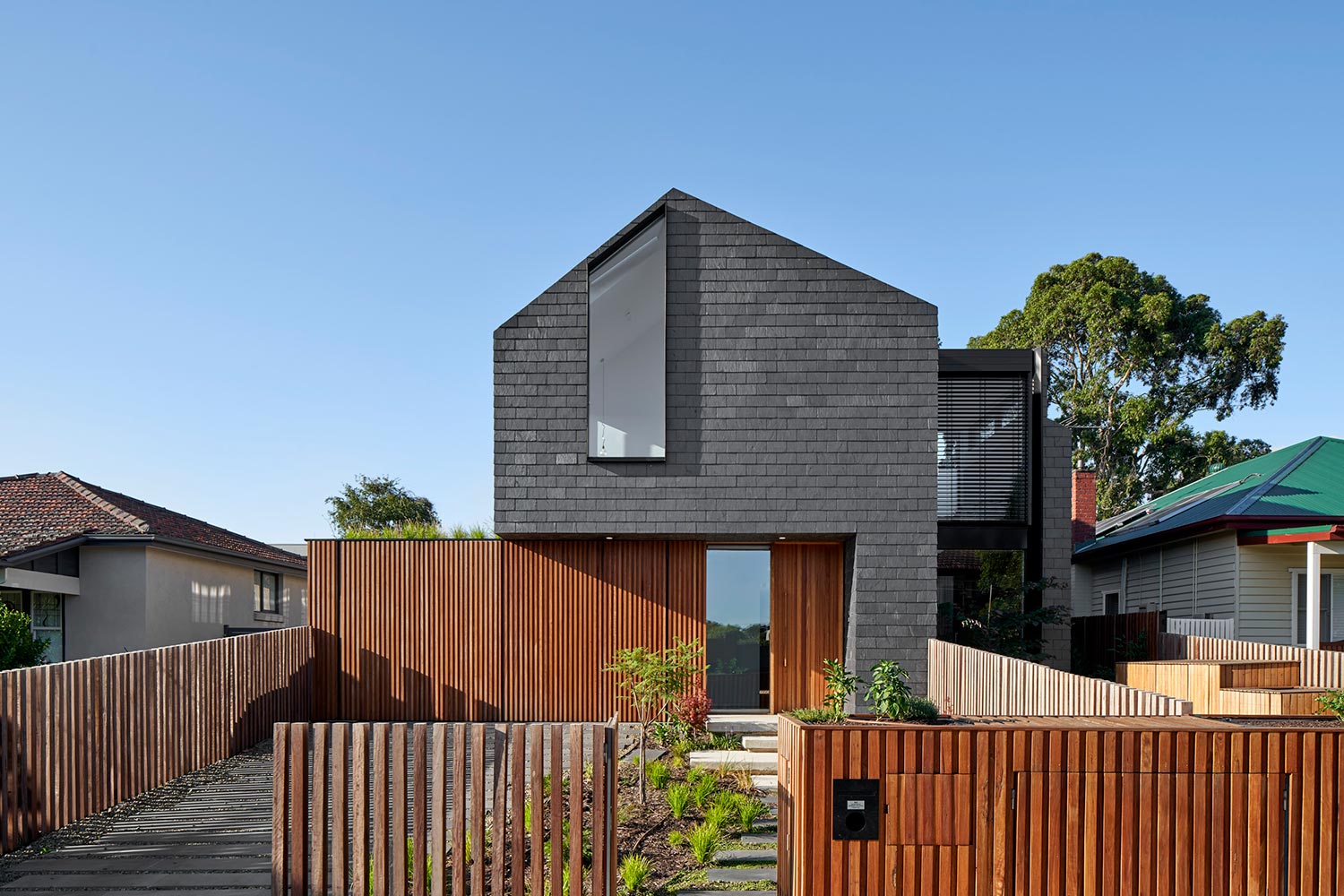
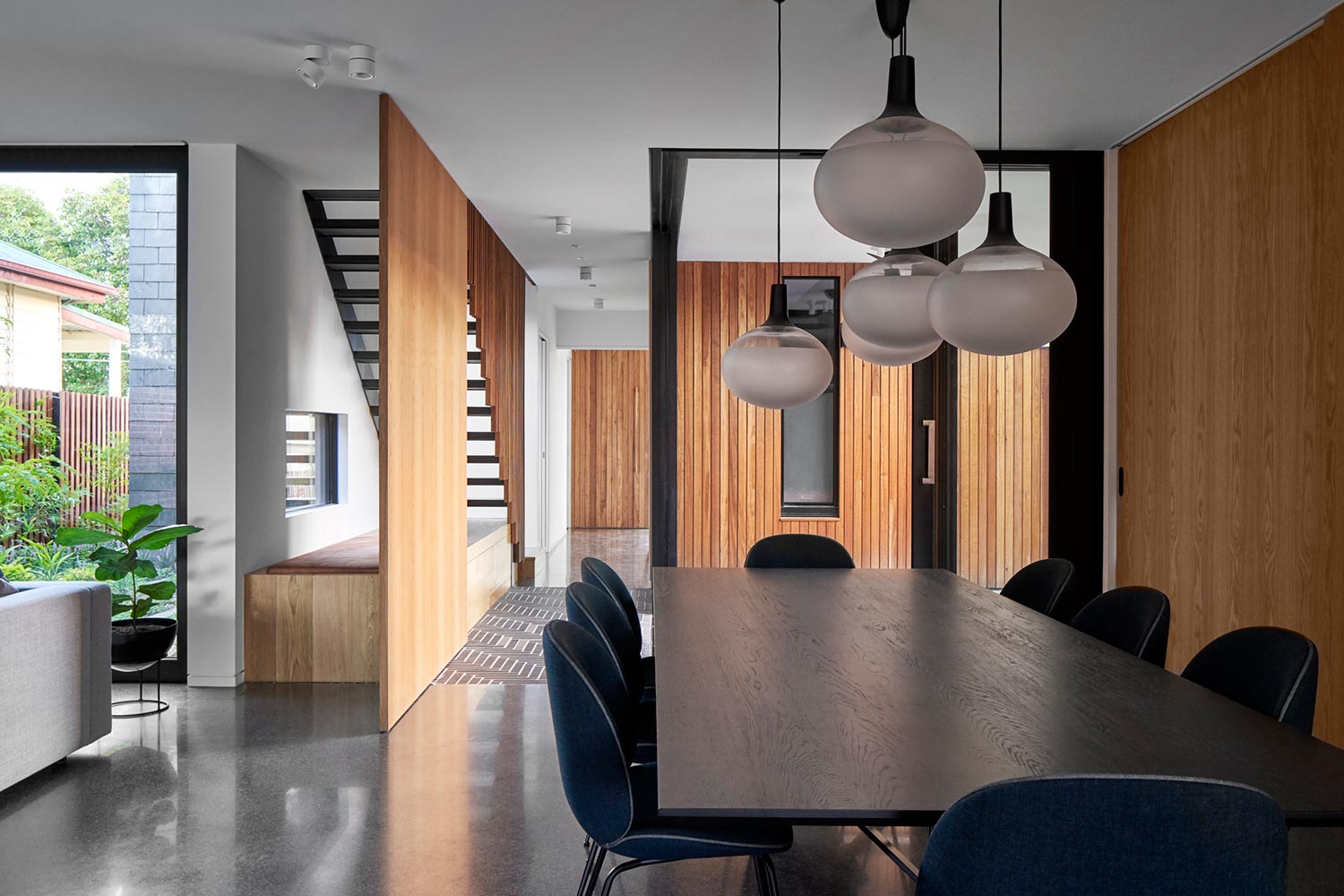
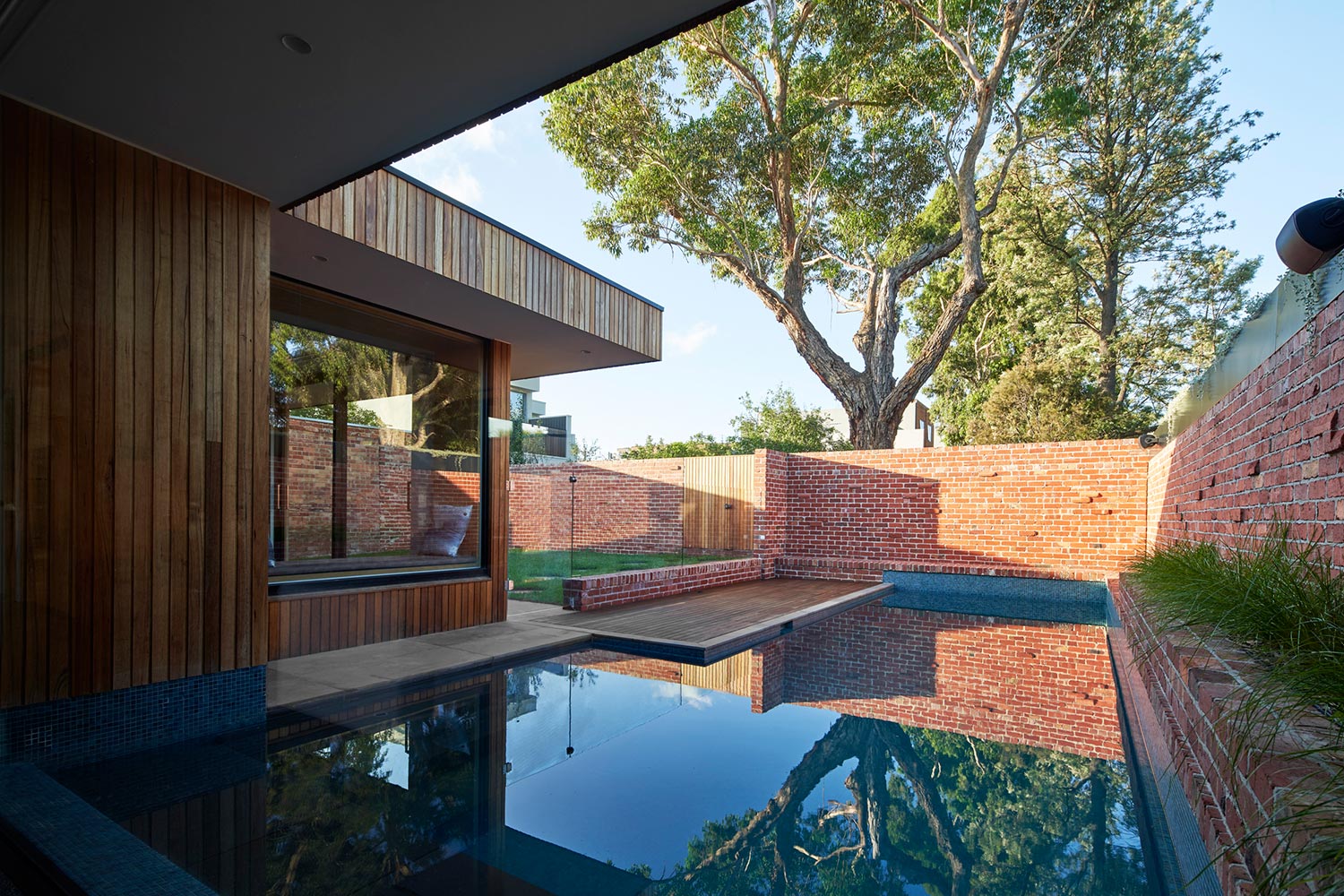
“Biophilia – Slate House Northcote” is a family-home built on the principles of nature, craftsmanship and environmental design. It interacts and engages with nature, the essence of Biophilic design. Below the strong monolithic slate form, a simple ground floor plan interweaves with nature, meandering out and in, carving two courtyards, at once grounding the house in the garden and drawing the garden back into the house. The building invites the adjacent park into the garden, borrowing natural vistas and extending the backyard, whilst embracing its wider contextual surroundings. Urban food production, green roofs and integrated planters create additional intimate connections with nature.

The Tree House

Adapt Architecture

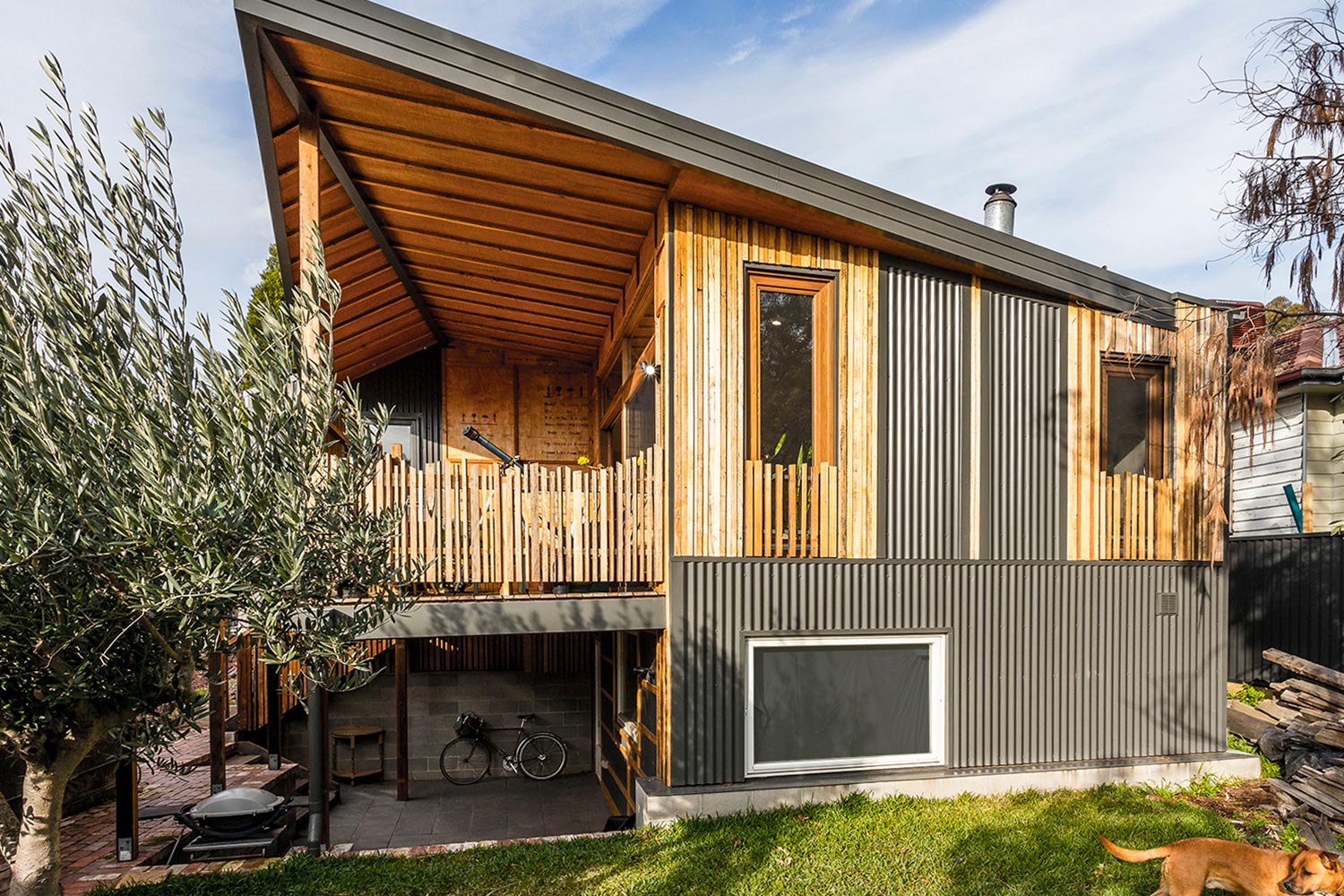
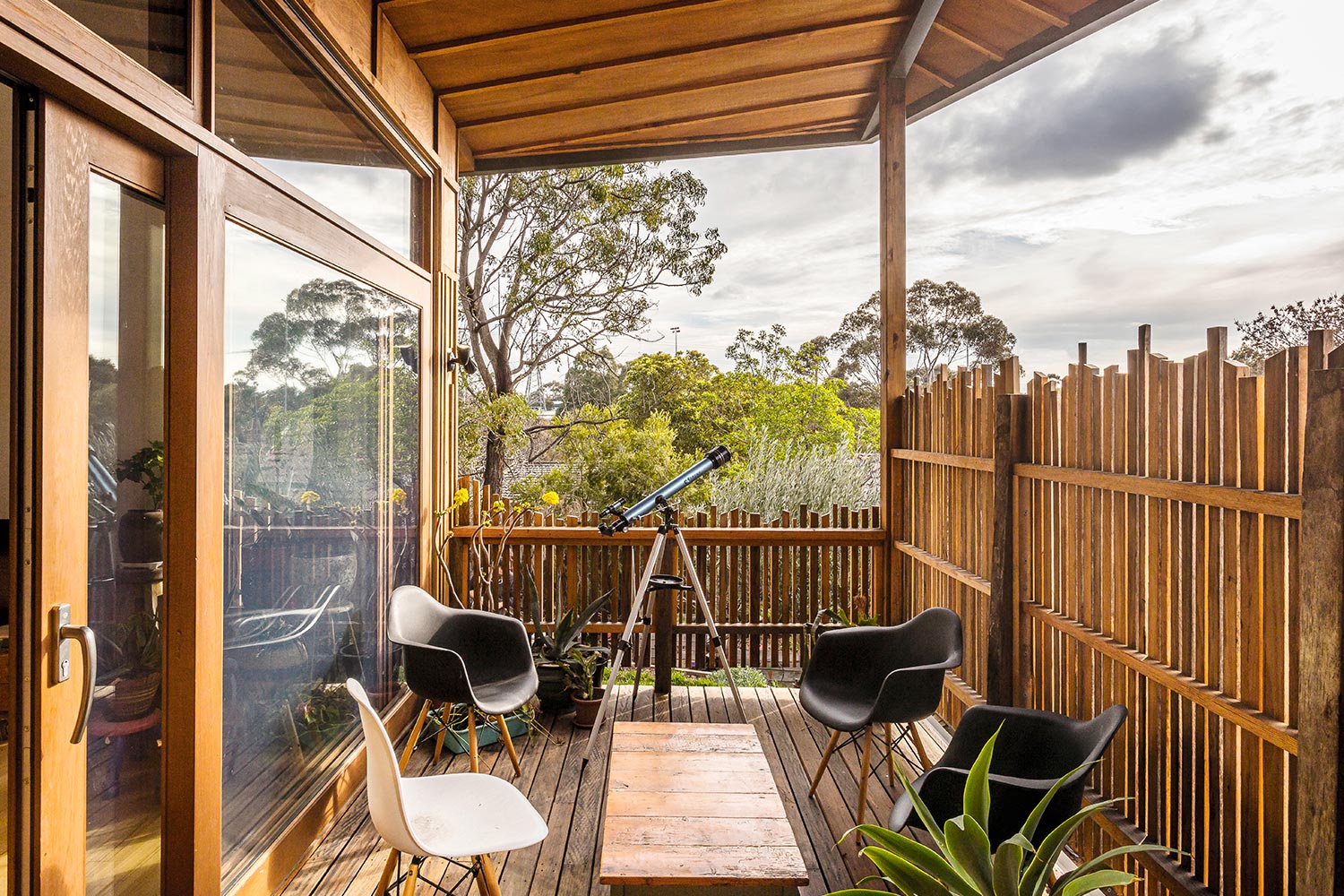
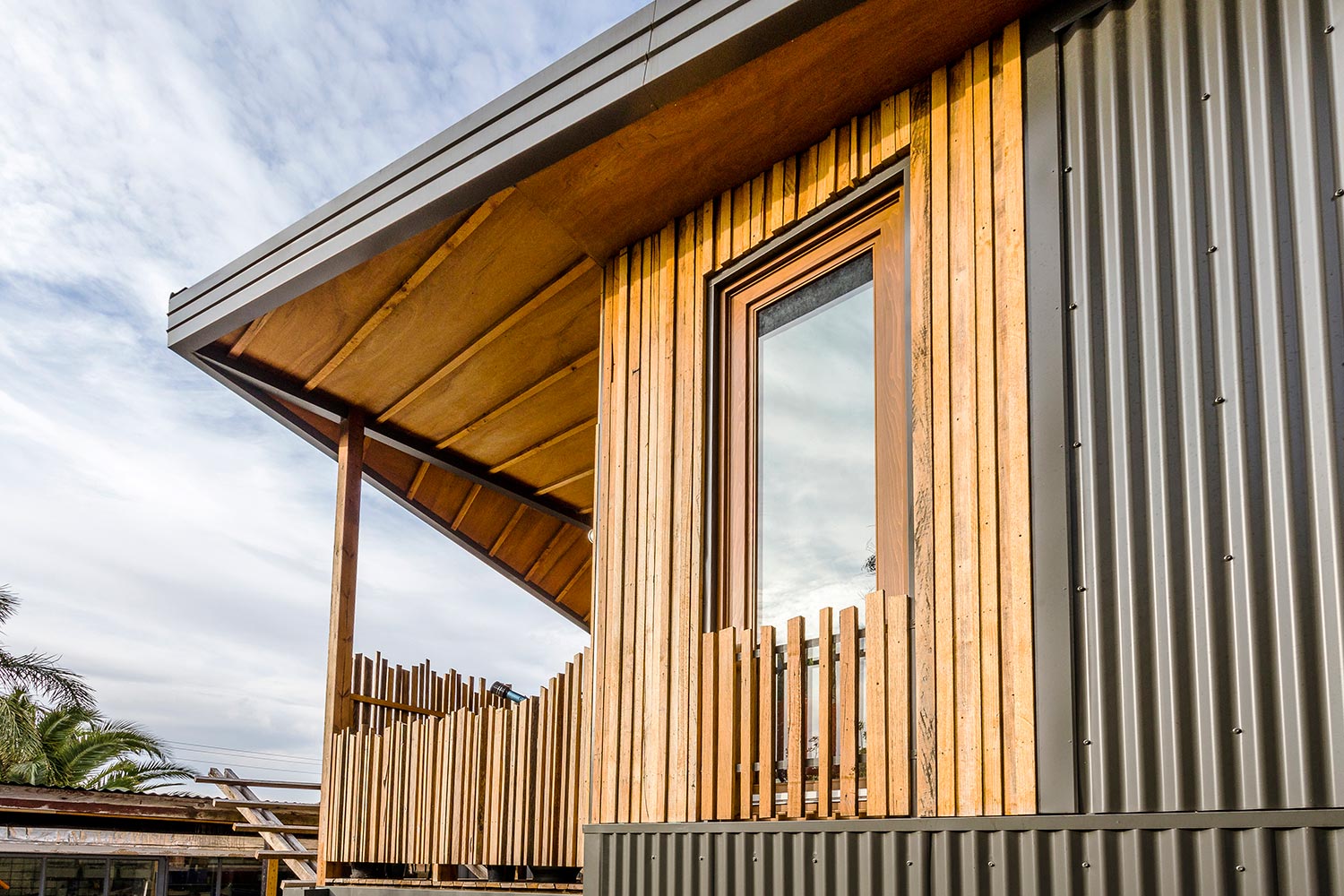
The Tree House is a great example of how creative and sustainable design outcomes can be mutually achieved. The project addresses a growing family’s ever changing spatial requirements, improves thermal performance and energy efficiency, uses recycled materials, creative adaptive reuse and waste management, all within a conservative budget. The free flowing, organic sculptural timber and metal form, provides ever-changing visual interest as you move around the home whilst sitting comfortably within its tree-lined surrounds.

Palmyra II

Turner

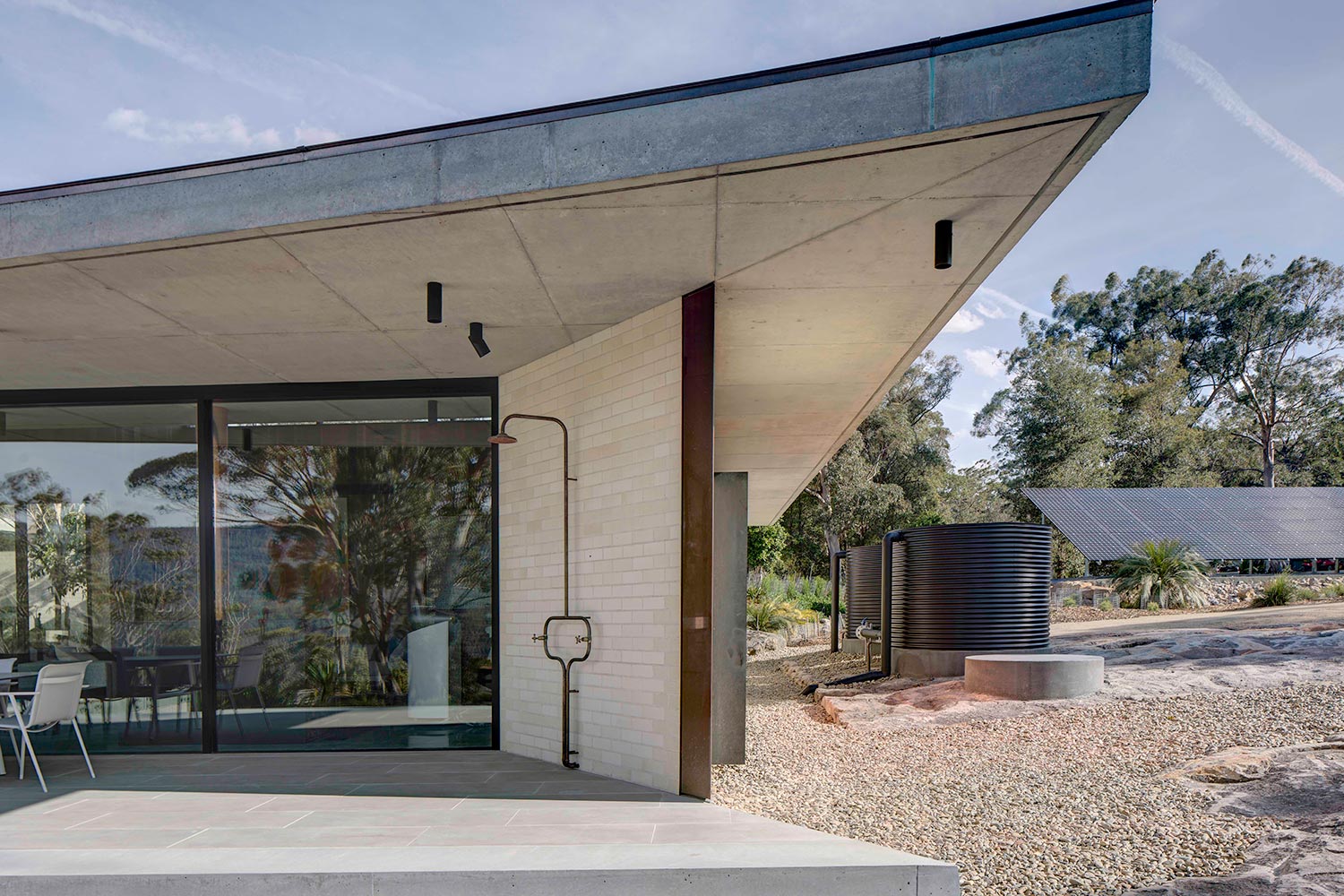
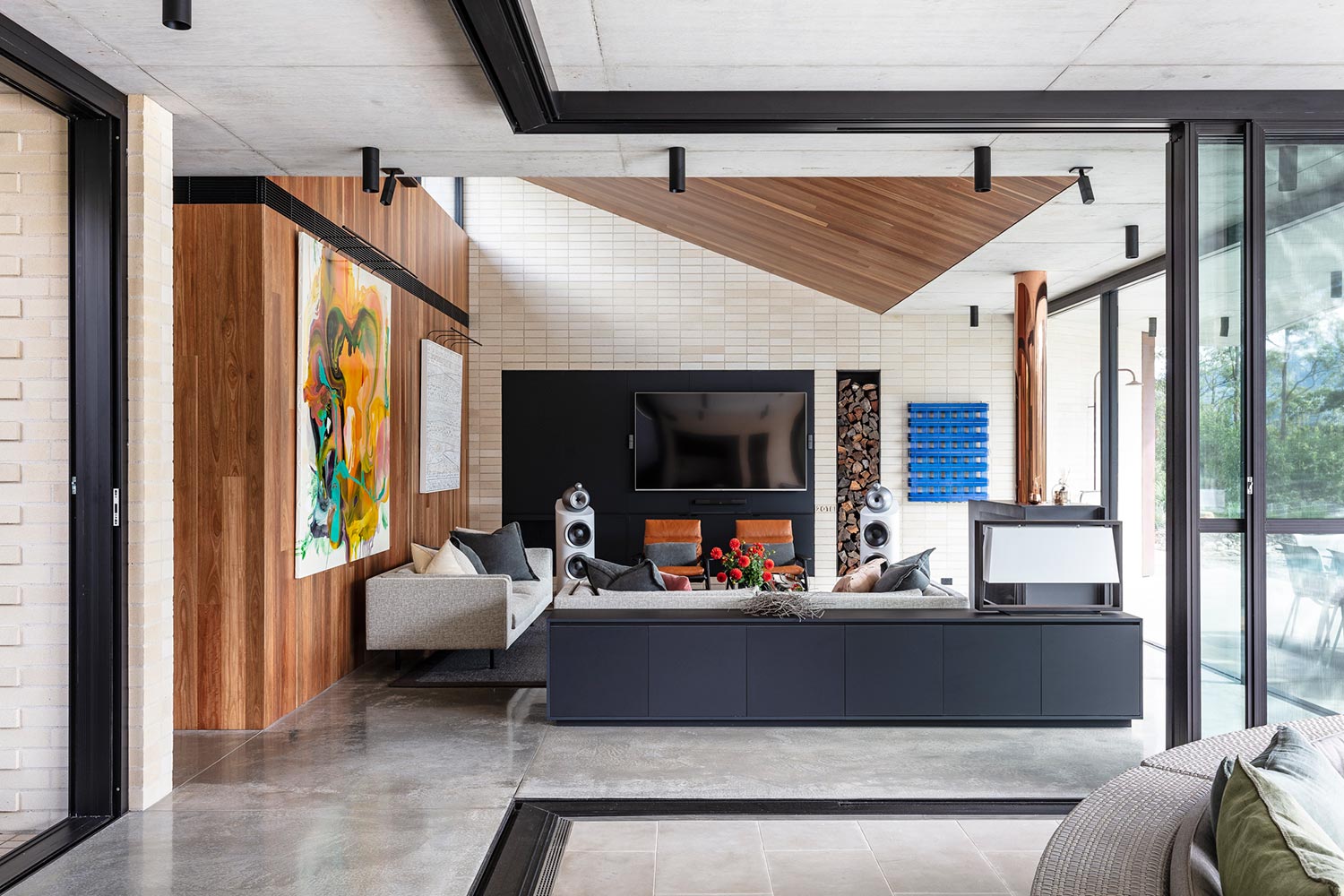
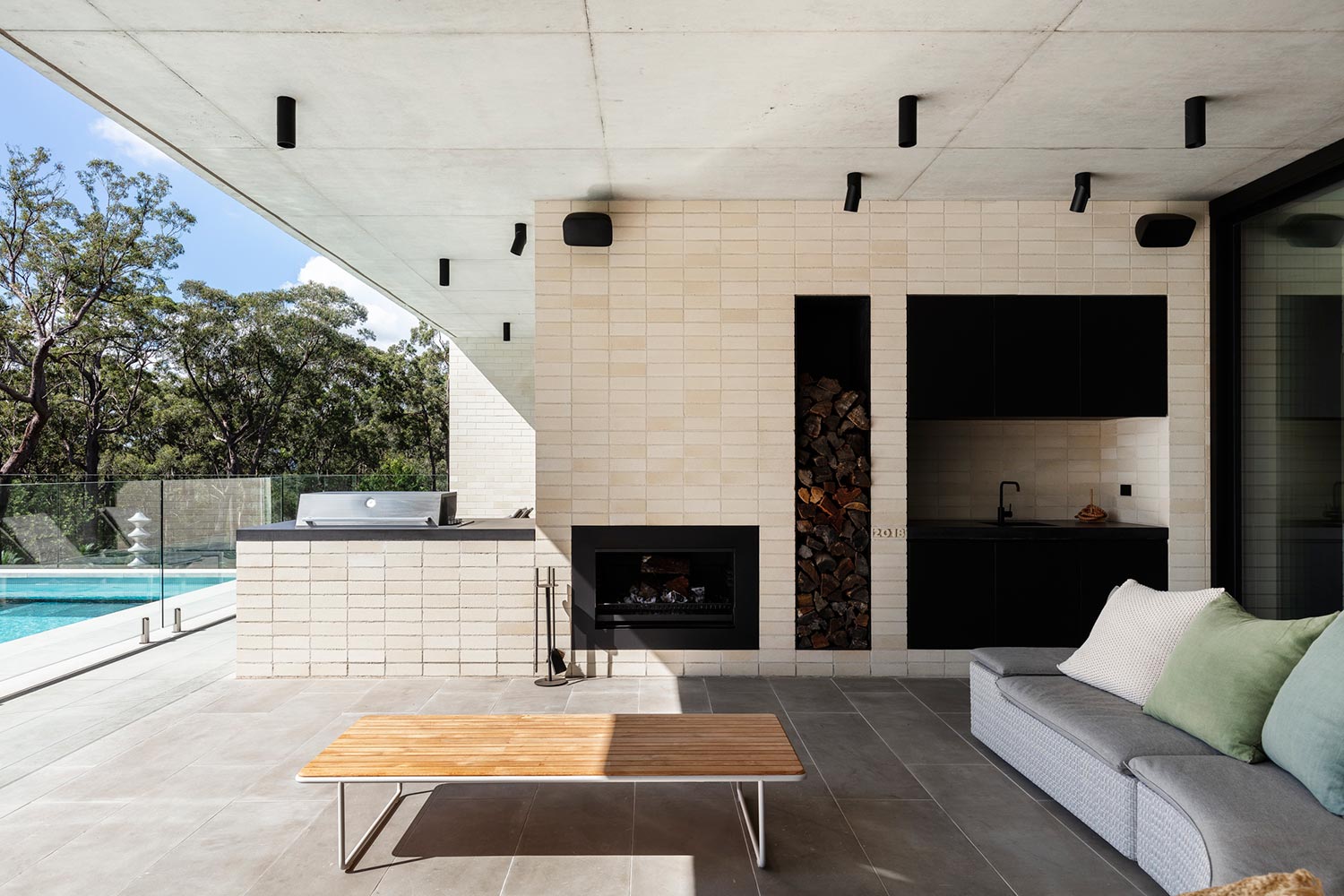
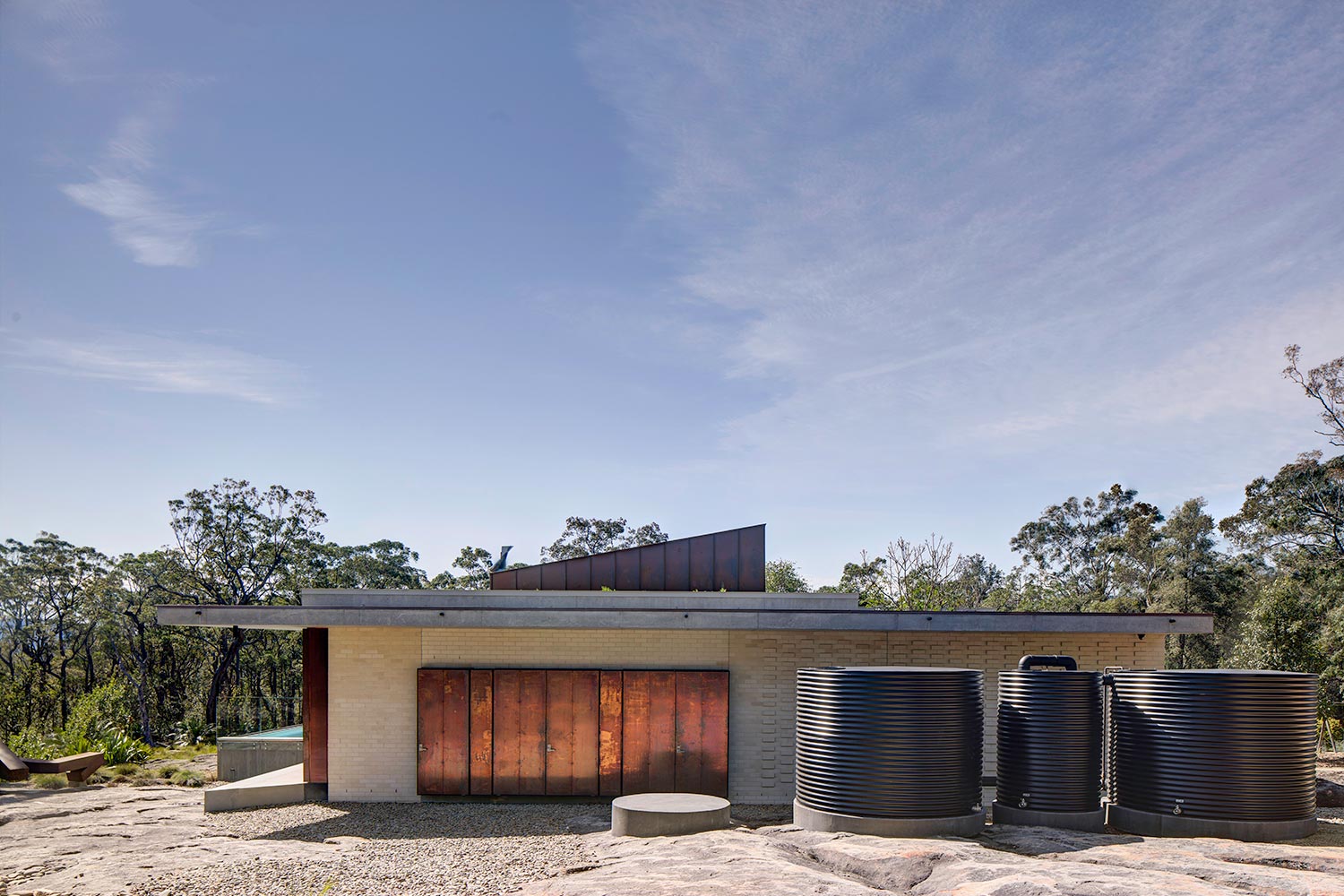
This remote site is surrounded by lush bushland, with sweeping views of Kangaroo Valley. The extension is a carefully crafted, independent volume, with a bridge connection to the original copper-clad house. Cream coloured bricks, with copper highlights, feature throughout to create bespoke details and patterns. The cream coloured bricks emphasise the architectural design concept of refined yet robust pavilion, that emerges from the natural rock shelf. A refined palette of building materials: off-form concrete, face brickwork, copper and timber, are left exposed for their inherent beauty and texture. The external skin forms the internal lining. The planning celebrates the site’s location + lush bushland setting.

Lilyfield House

studio203

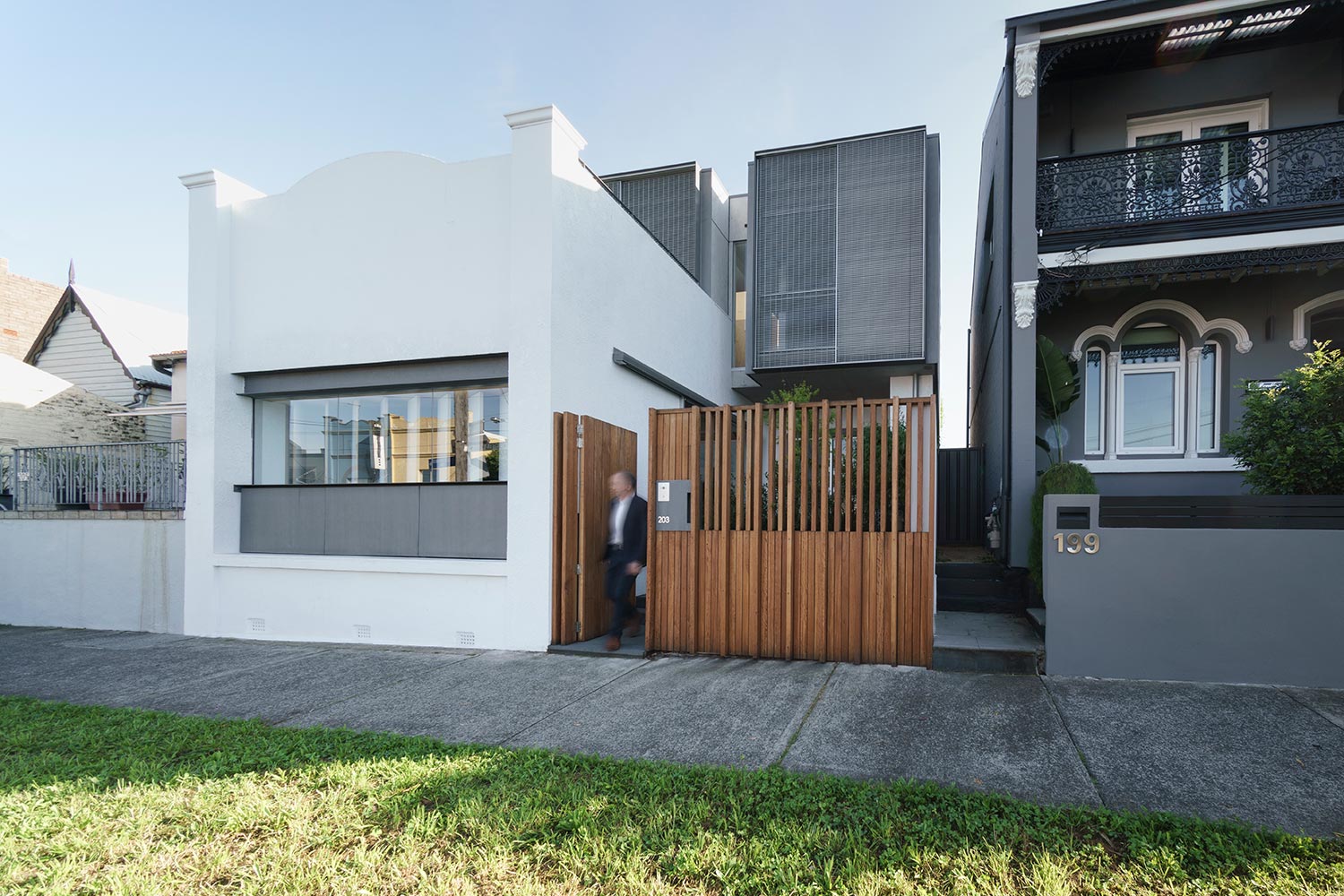
Lilyfield House is positioned at the northern end of Leichhardt’s main street at the elevated junction with Lilyfield Road, a once busy thoroughfare that is now an important link in the cycle network to the city. The existing house and former shop was single-storey, cellular, limited in light and outlook, had rising damp and a poor plan for a growing family. But a double width block, a north-facing rear garden and lane, a large shady tree and ridge line position with potential for views offered the possibility of a brighter and more open house.

Imprint House

Anderson Architecture

The Imprint House embodies small home design principles to transform a once modest, free standing terrace in Alexandria into a contemporary family home. With a site of less than 140m2, the challenge of this project was to provide more space and amenity without increasing the footprint of the building. Space-saving measures adopted to cater to the small site framed the brief for this project and went hand in hand our client’s sustainable ambitions resulting in a light-hearted outcome which celebrates the original character of the house and the urban fabric in which it sits. Principles of passive thermal design were integral to the project, informing layout, window placement and materiality.

Yerrabingin Indigenous Rooftop Farm

Mirvac

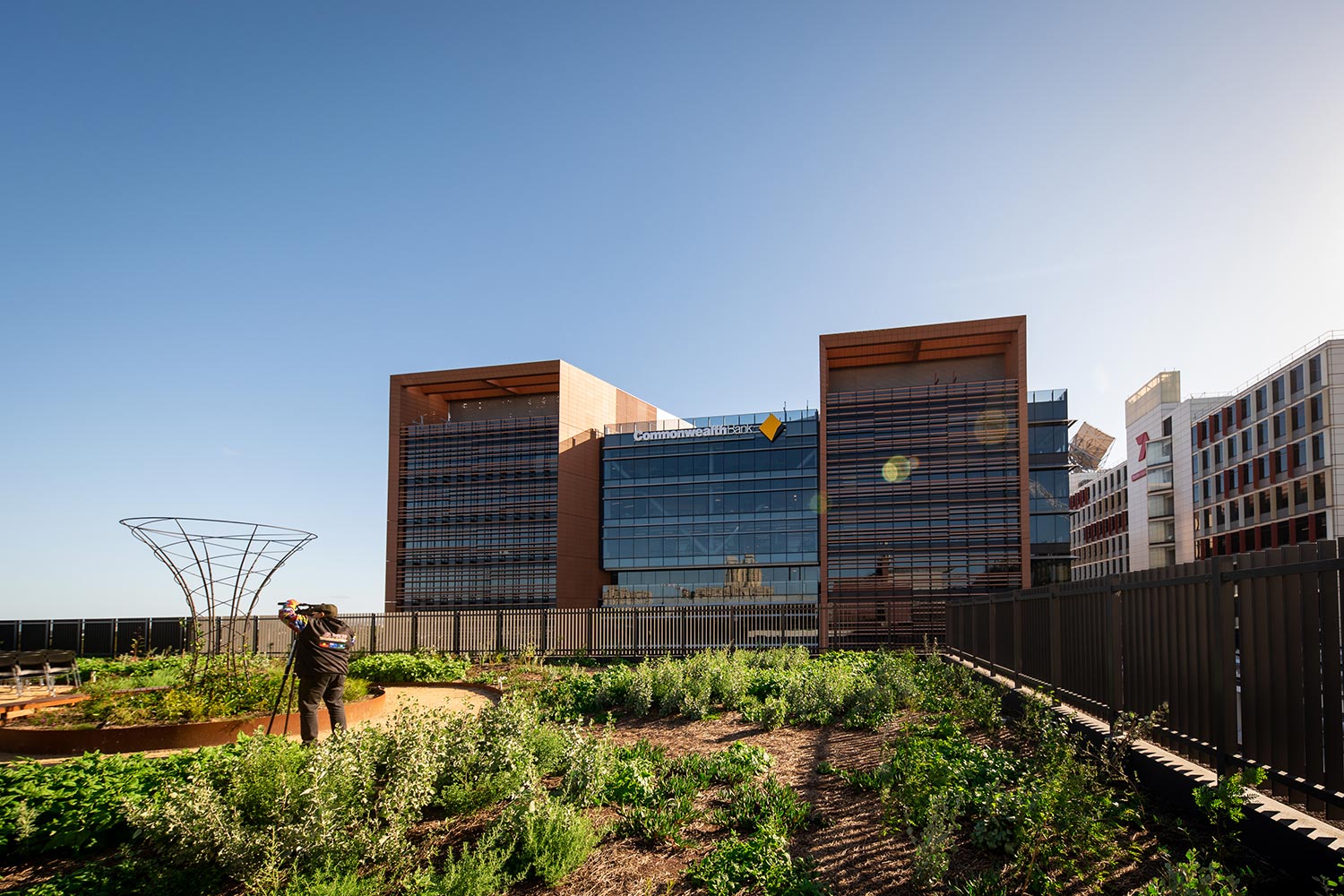
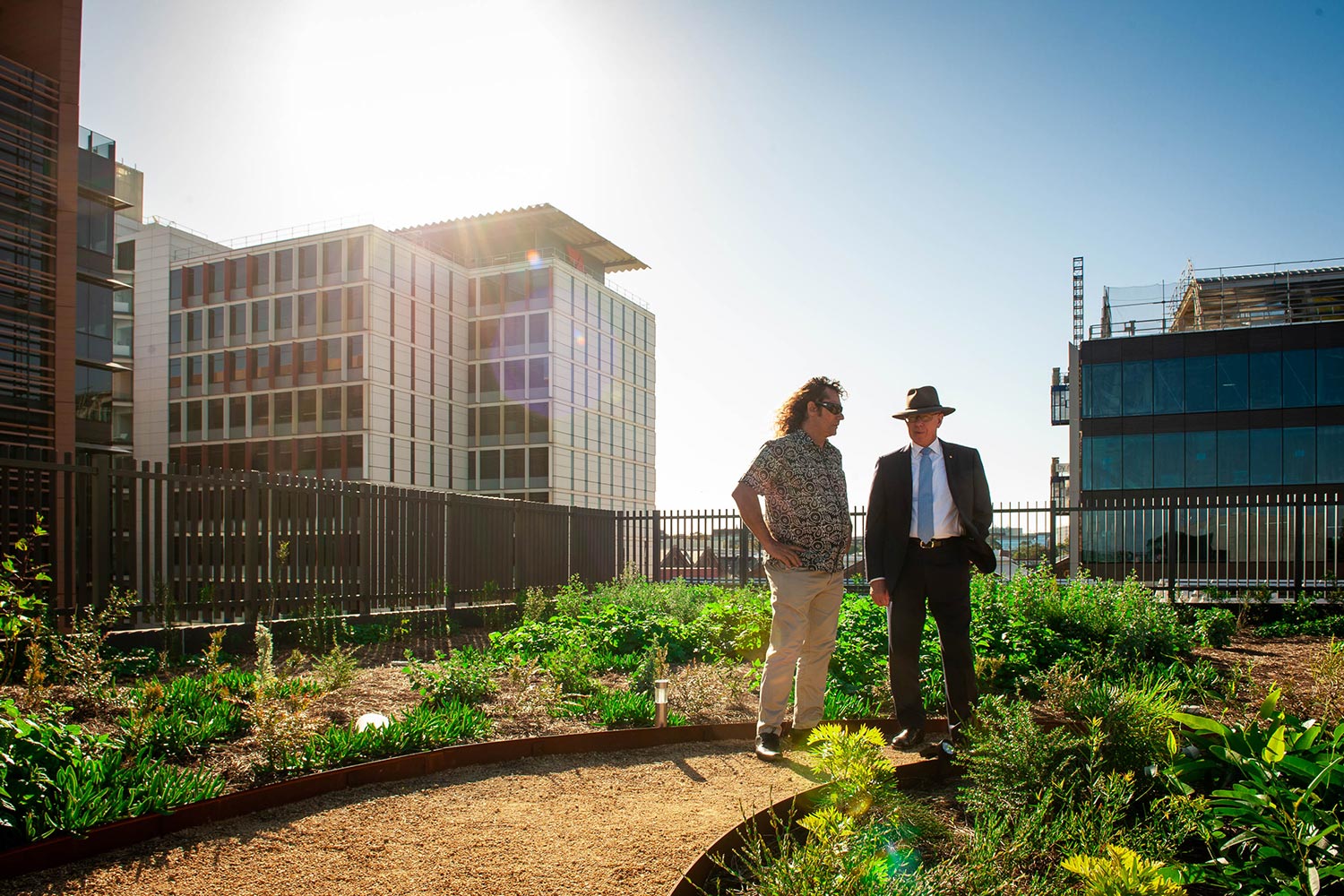
The vision for South Eveleigh was uniquely co-created by Mirvac and the Commonwealth Bank of Australia (CBA), the anchor tenant at the site, alongside a consortium of co-owners including AMP Capital, Sunsuper and Centuria Property Funds. Community is a vital component in creating a world-class destination and Mirvac and its partners have worked to ensure that the precinct becomes a thriving place, where people connect culturally, socially and physically. Celebrating the Indigenous culture of the site was paramount in the community and placemaking strategy. Yerrabingin, which translates to “We walk together”, was founded in 2018 by Clarence Slockee and Christian Hampson.

Emanuel Synagogue

Lippmann Partnership

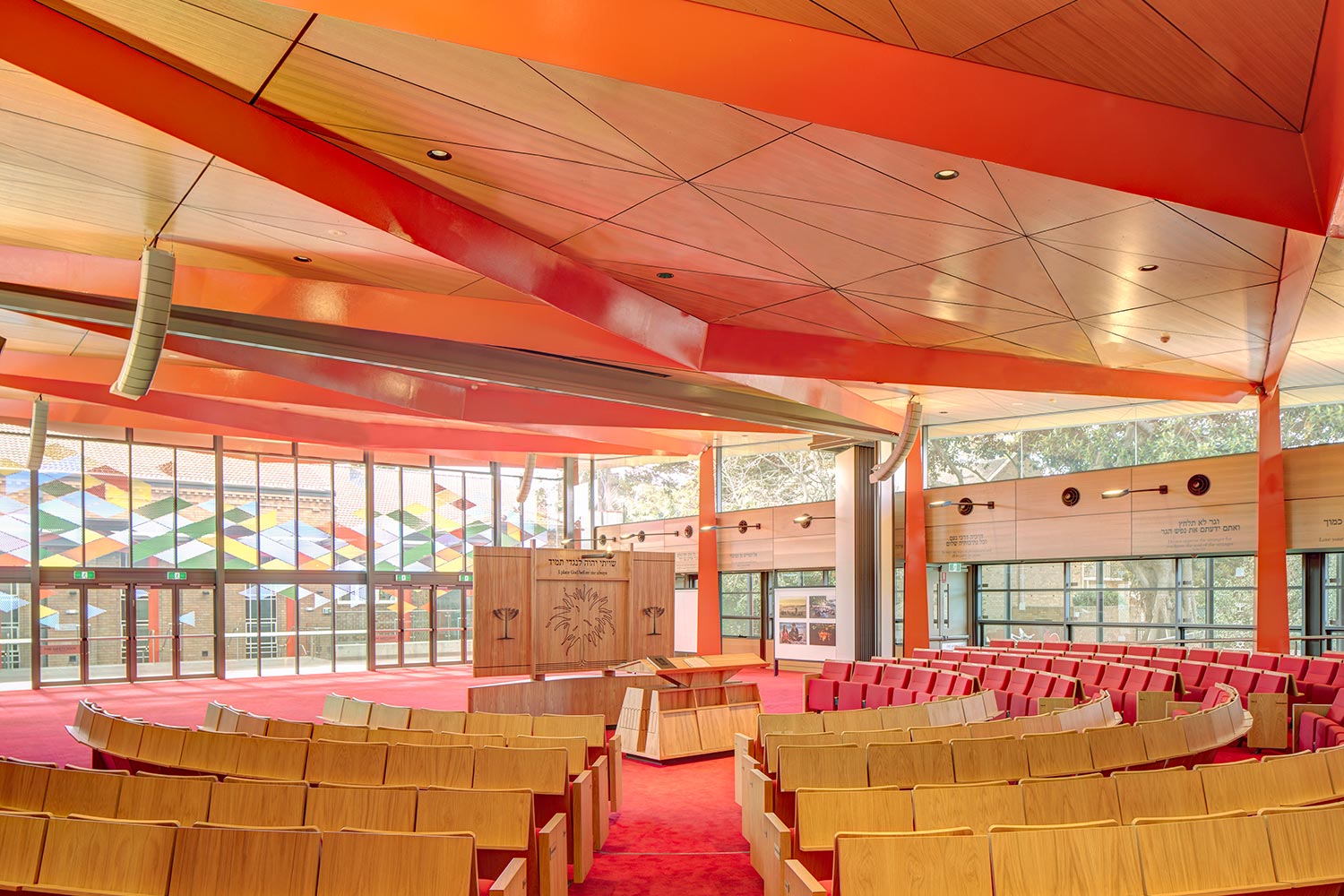
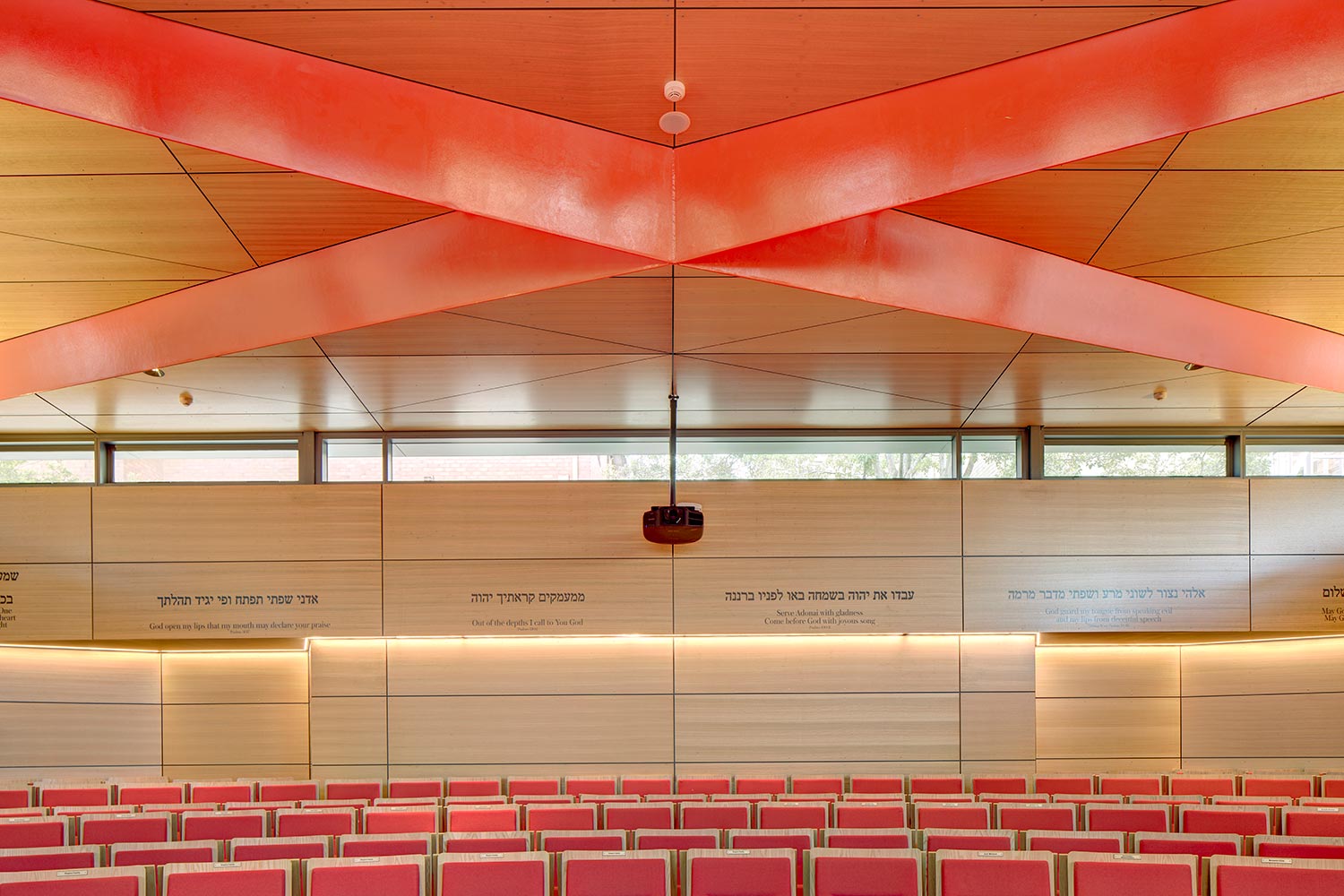
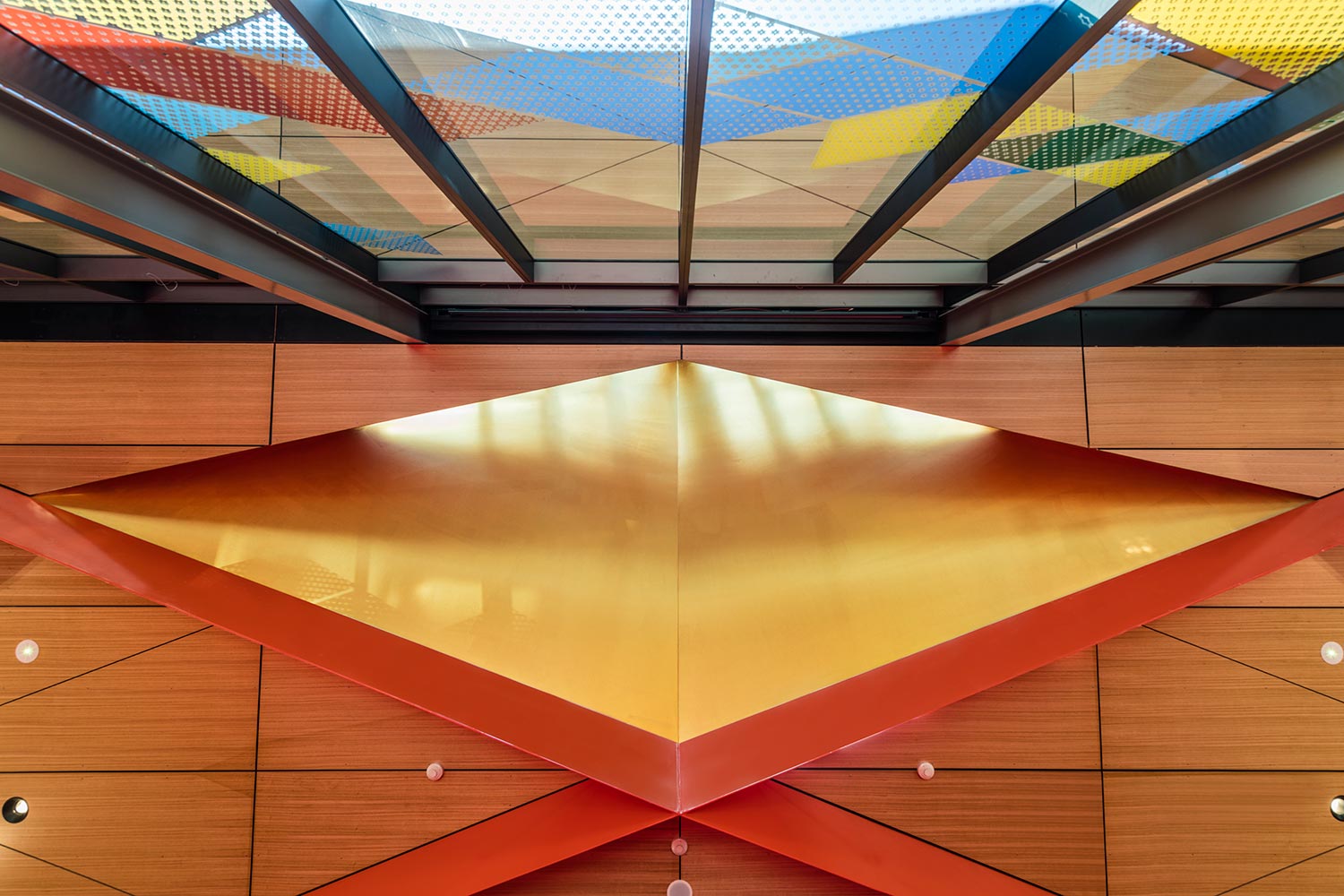
The Emanuel campus includes a heritage listed Synagogue completed by Samuel Lipson in 1941 and a second Sanctuary designed by Aaron Bolot in the 1960’s. The new 700 seat sanctuary and childcare centre was integrated into the site with the existing building in a way which allows the old building to maintain its independence while the new lightweight addition is equally clearly expressed. The new pavilion is a concrete, steel and glass structure that sits next to Samuel Lipson’s modernist Synagogue. The colour of the new structure reflects the existing terracotta brickwork throughout the campus. The extensive use of glass creates a transparency which is inherent to the ethos of this community.

Bendigo Hospital

Exemplar Health

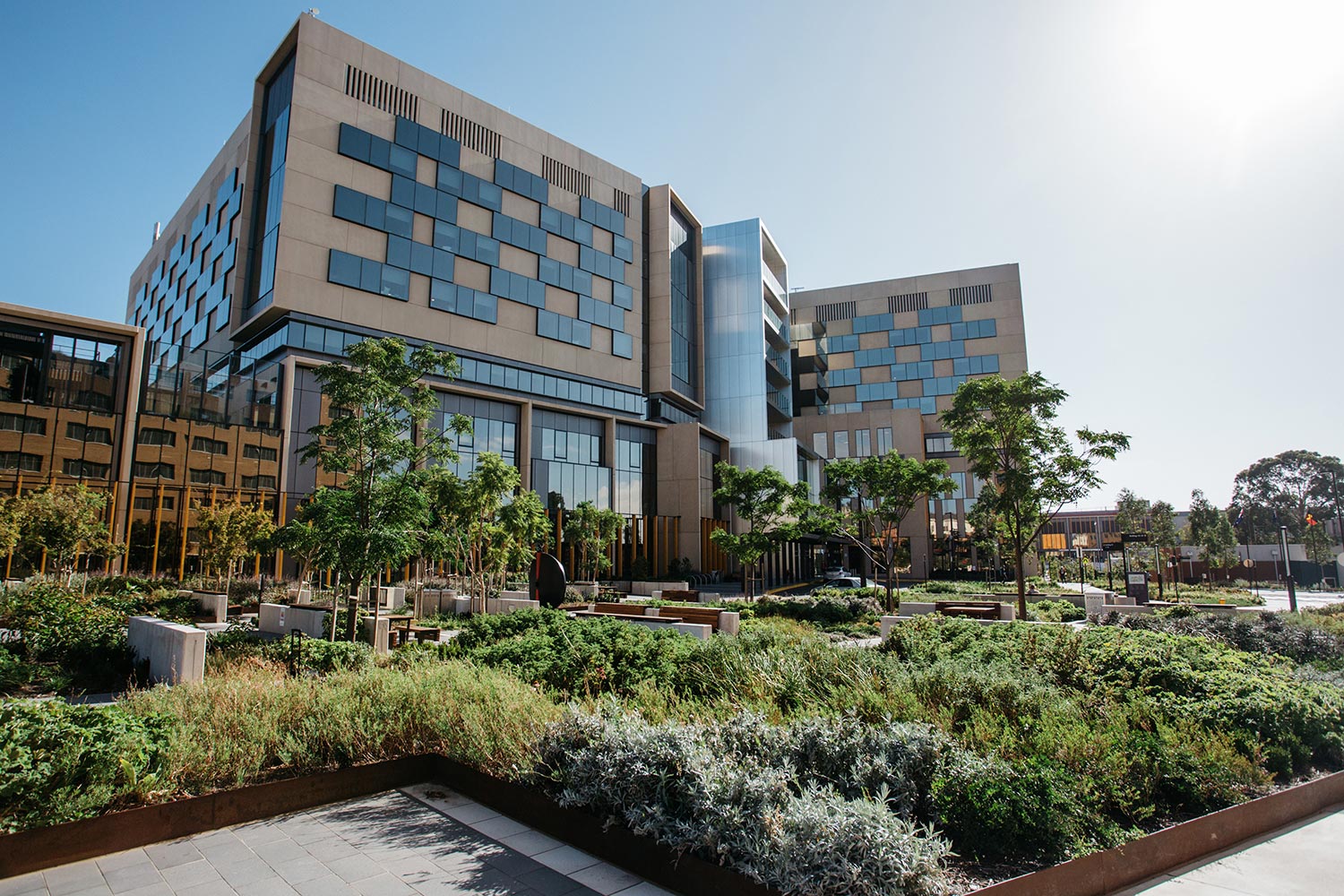
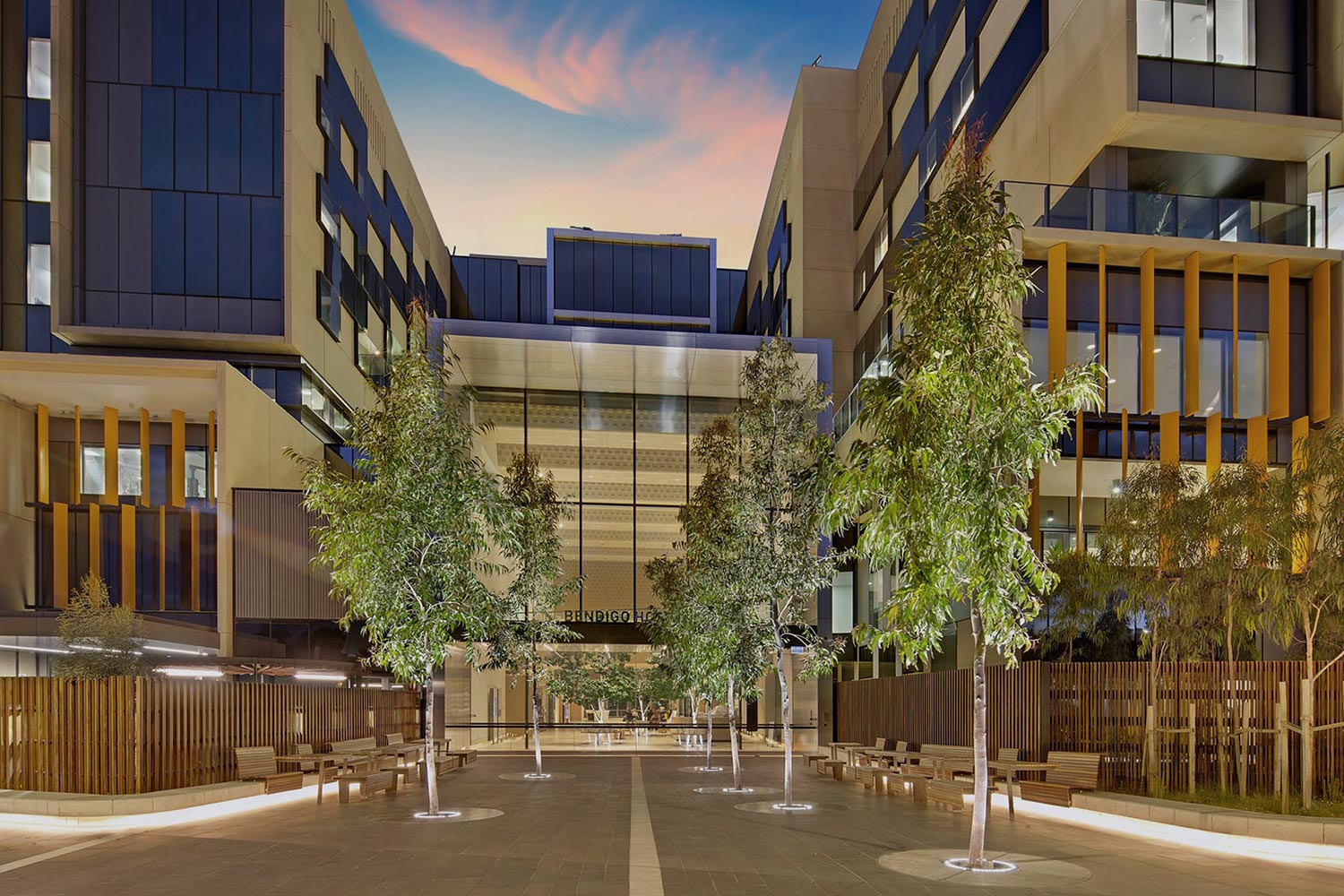
The Bendigo Hospital is a $630 million commitment from the State Government of Victoria to deliver the largest regional hospital in the State. The balanced design response for the new Bendigo Hospital addressed ESD solutions with pragmatic and cost-effective initiatives, resilient infrastructure, significant energy efficiency in operation and ease of on-going maintenance. Environmental sustainability was one of the eight components Exemplar Health used to guide the project to become a world-class facility, with the aim to provide a healthier environment within the building for patients and staff and a healthier physical environment externally to the broader community and region.

South Cres

ARKit

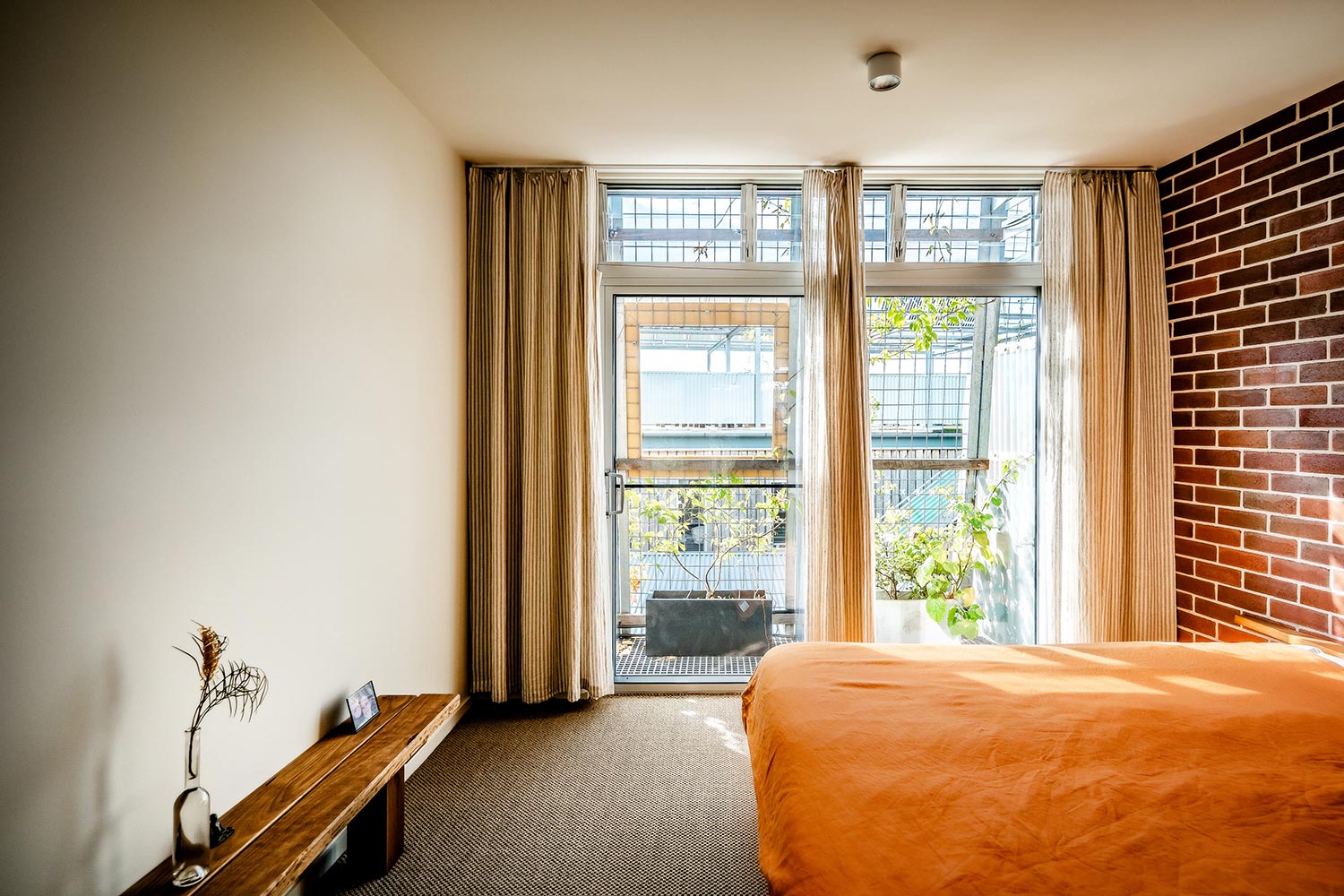
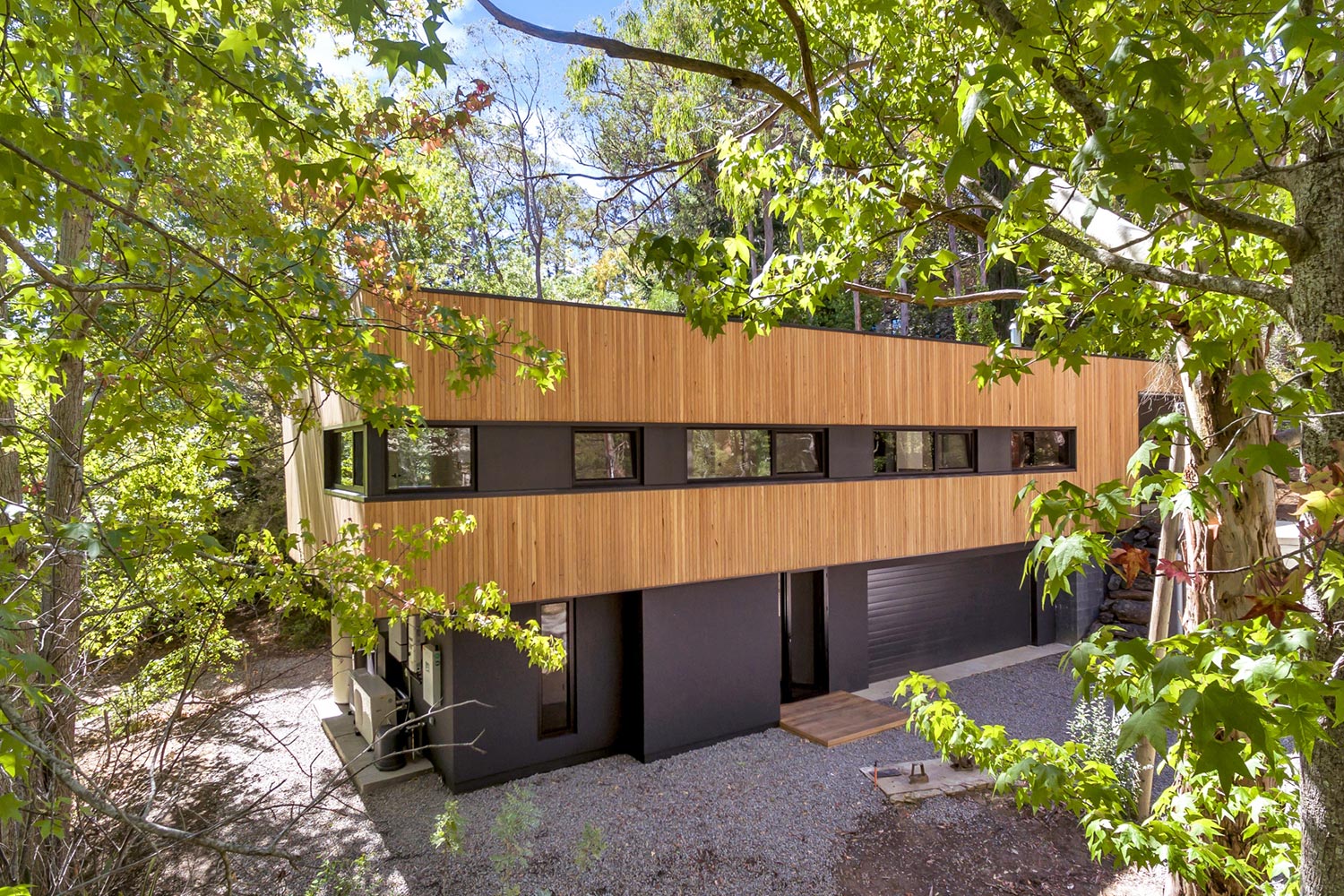
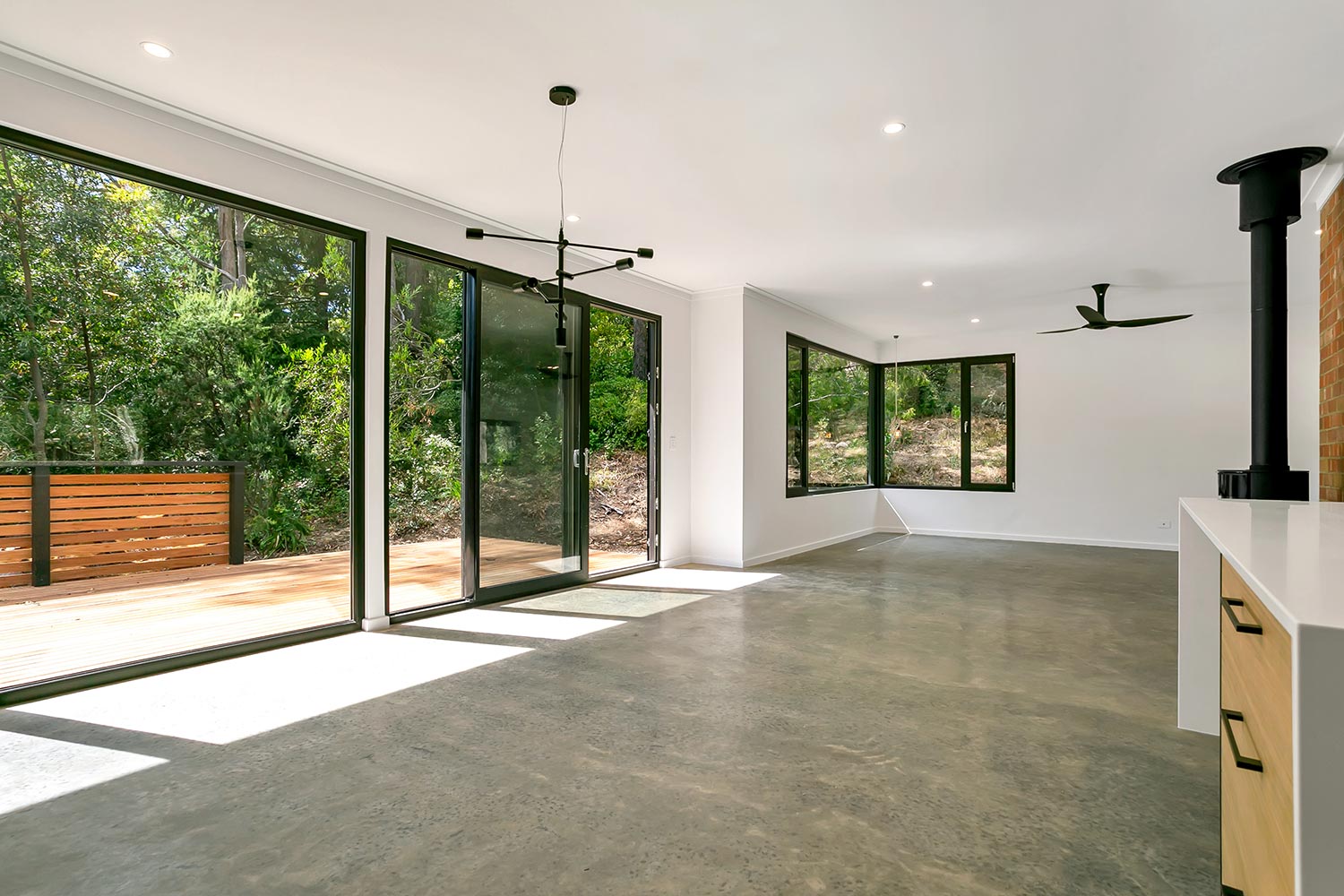
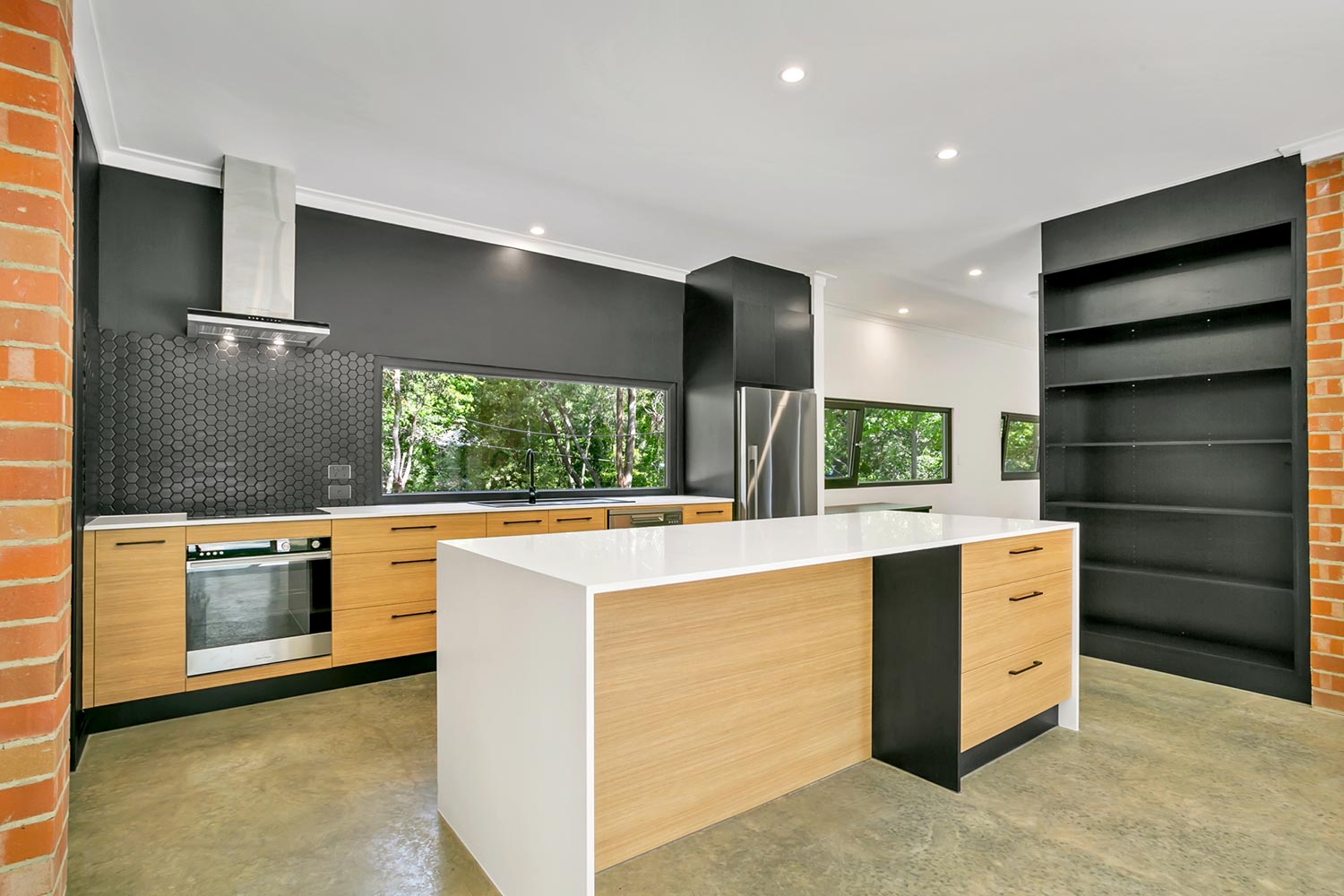
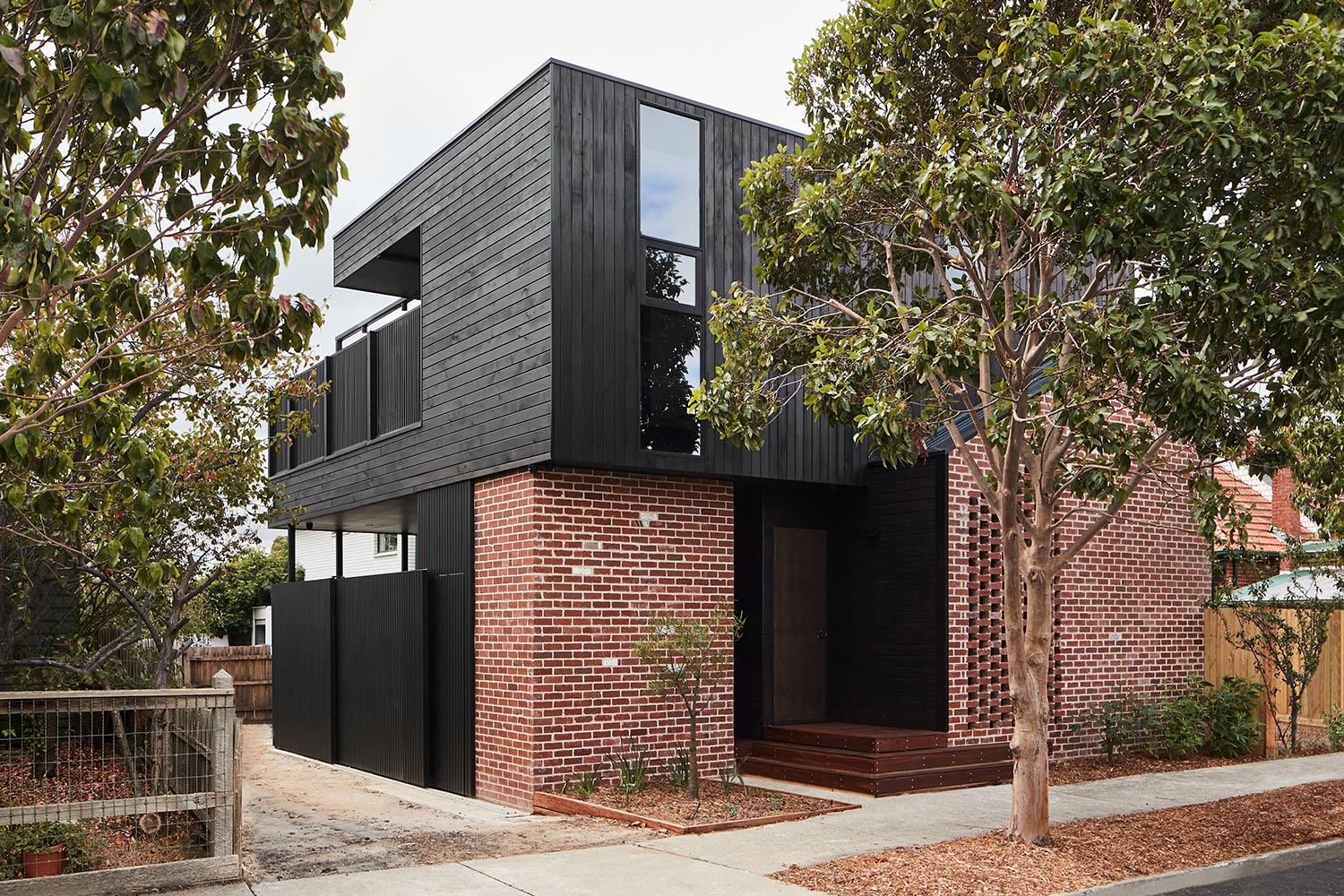
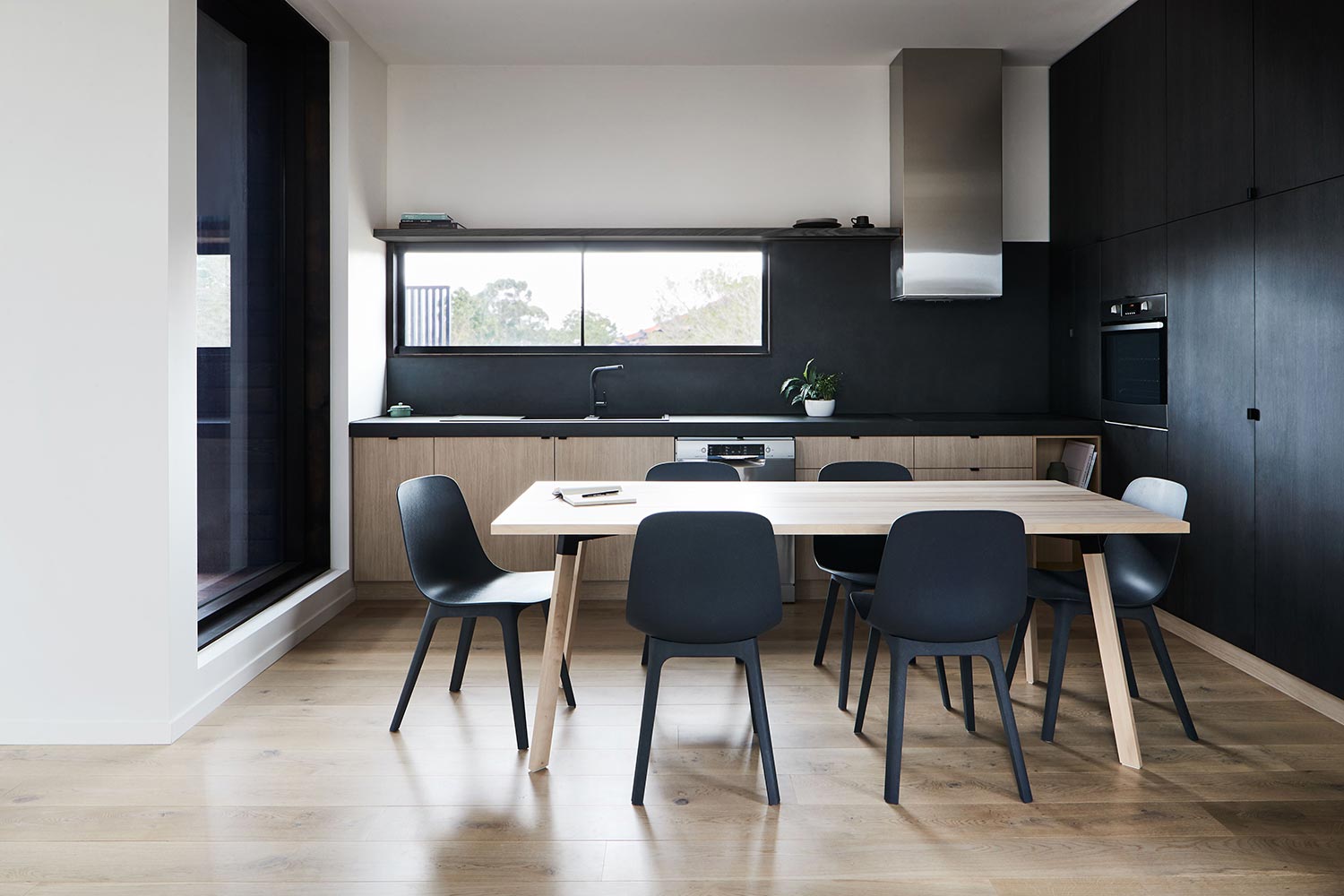
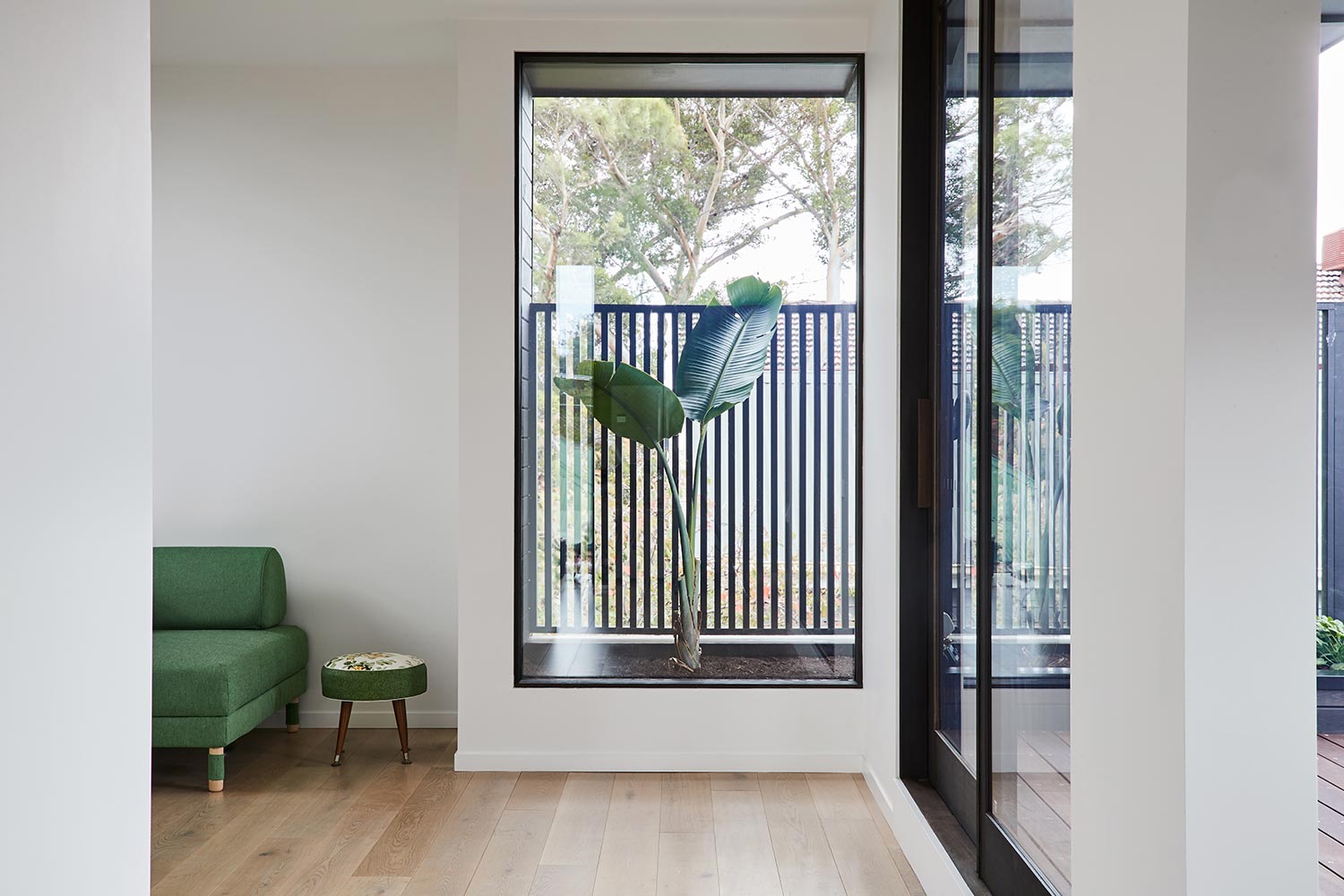
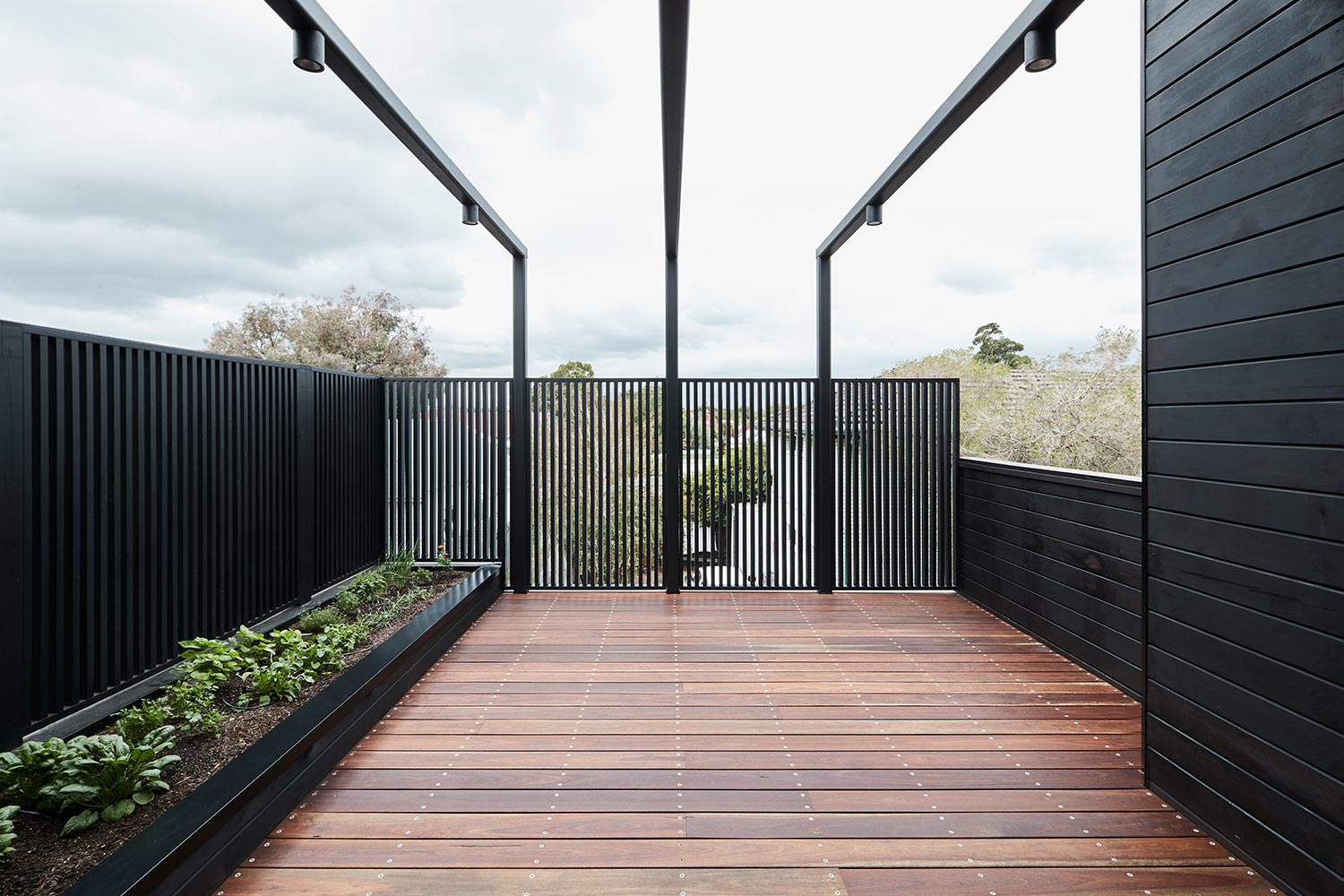
South Cres is a modest, two-storey home, placed on a compact inner suburban site. Sustainable design and building principles guided this modular build, with sustainably sourced materials cladding the exterior in black and brick, contrasting the bright and light-filled interior of the house. With a build area of 176m2, a simple selection of material and clever spatial planning delivers a modest and practical home for the young growing family who now reside there. A bright and airy first floor with a northern interface in the living area offers high levels of daylight to beam through the living, kitchen and dining.


Share

Share