All posts by Indesign Media

Our Lady of the Assumption Catholic Primary School

BVN

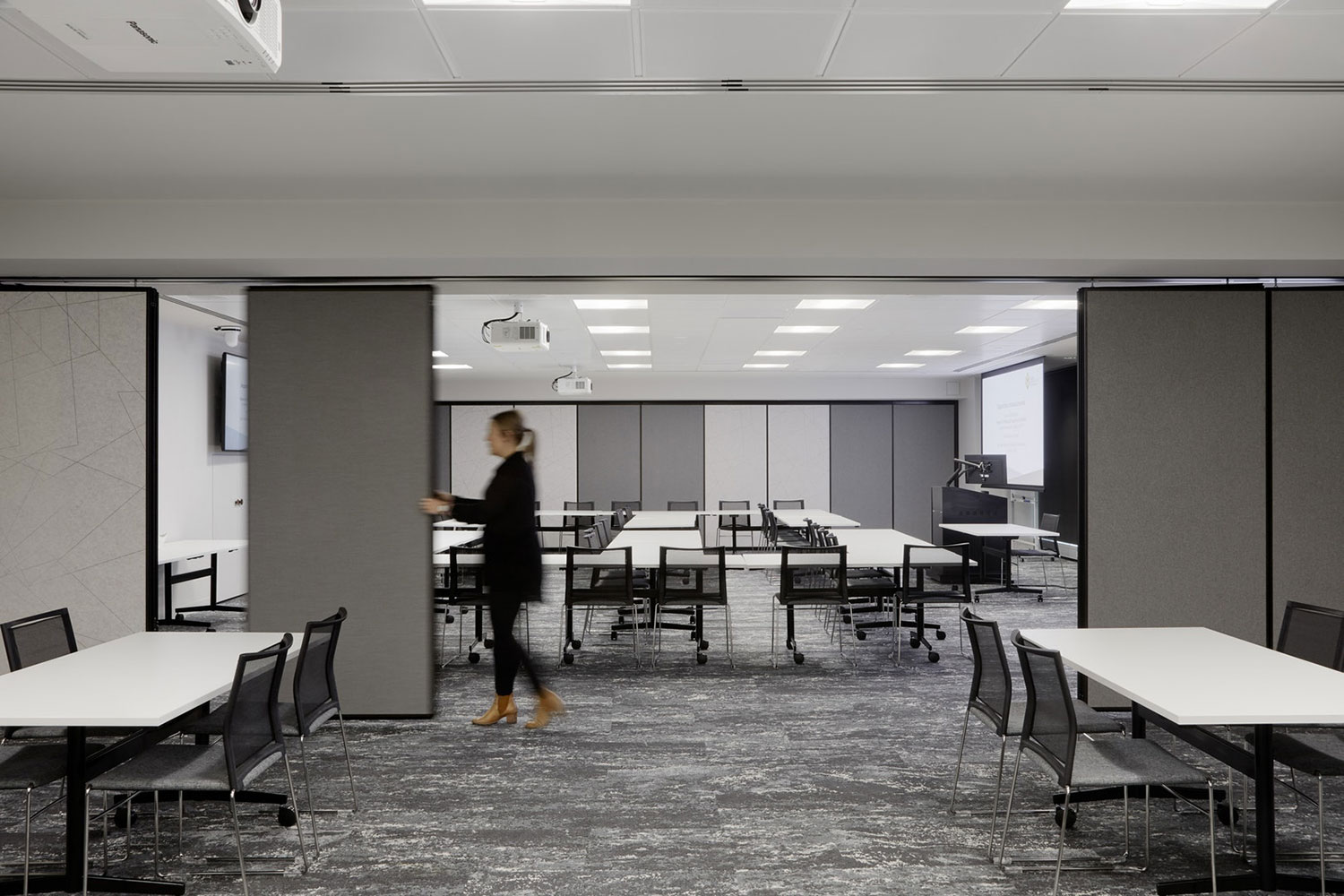
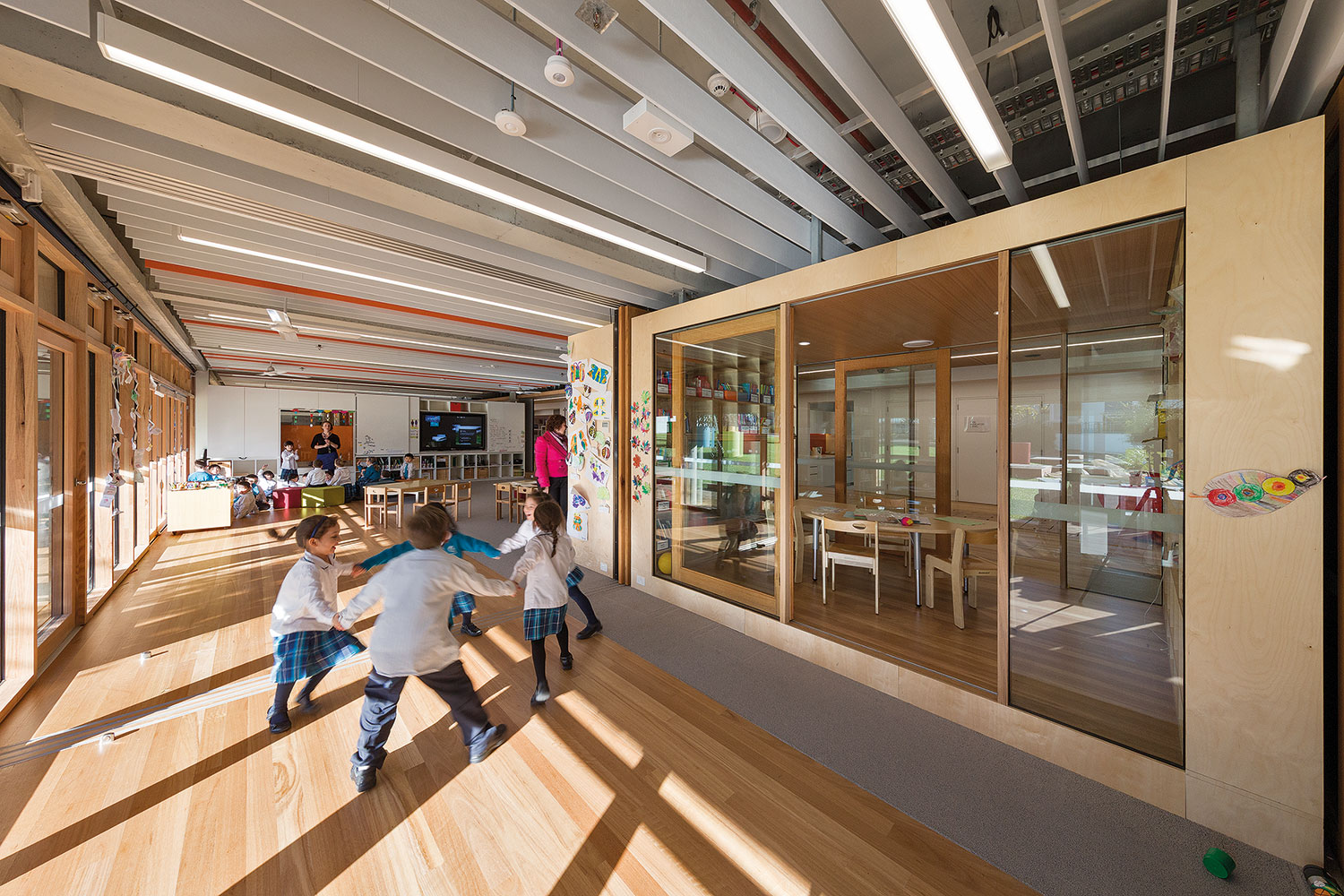
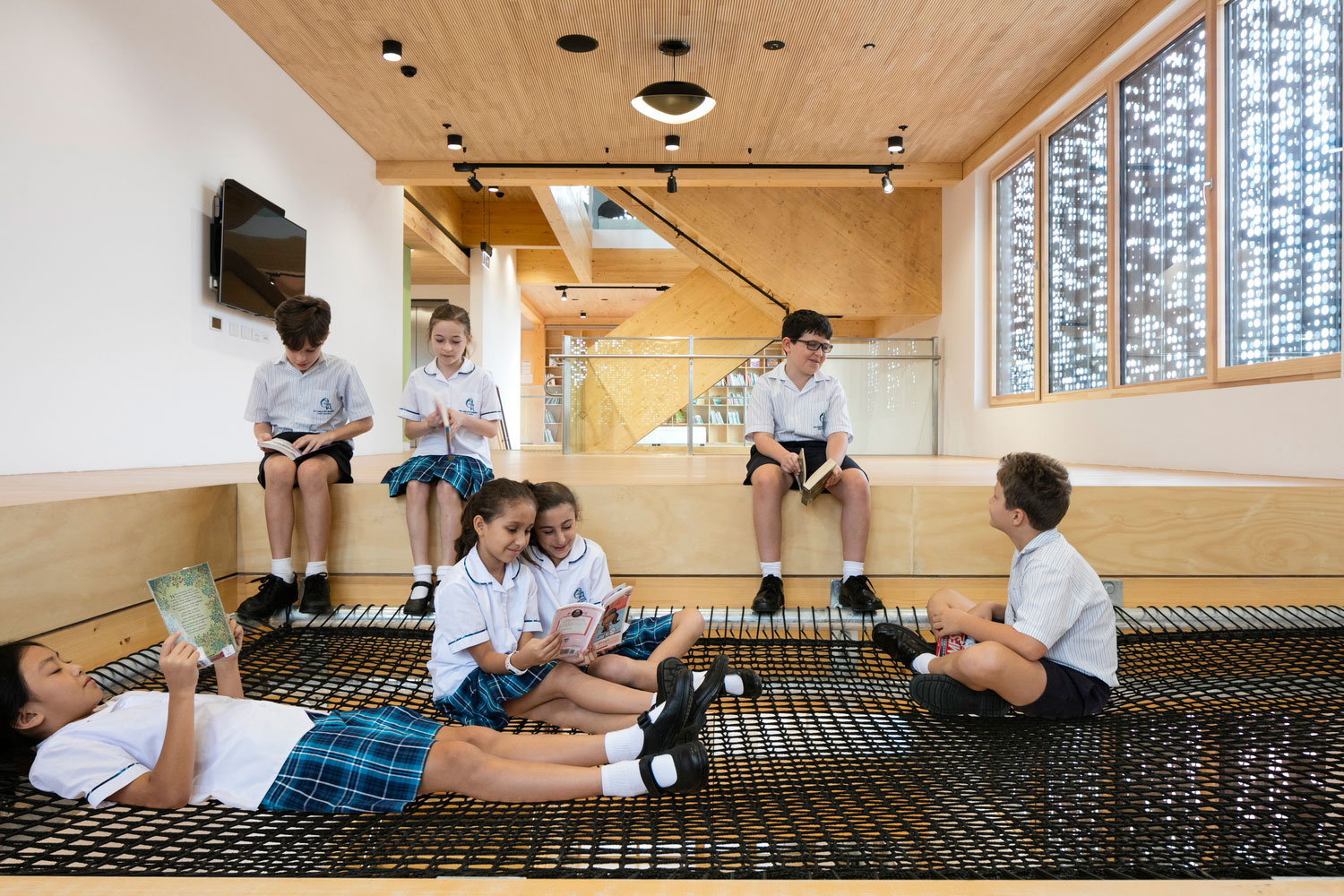
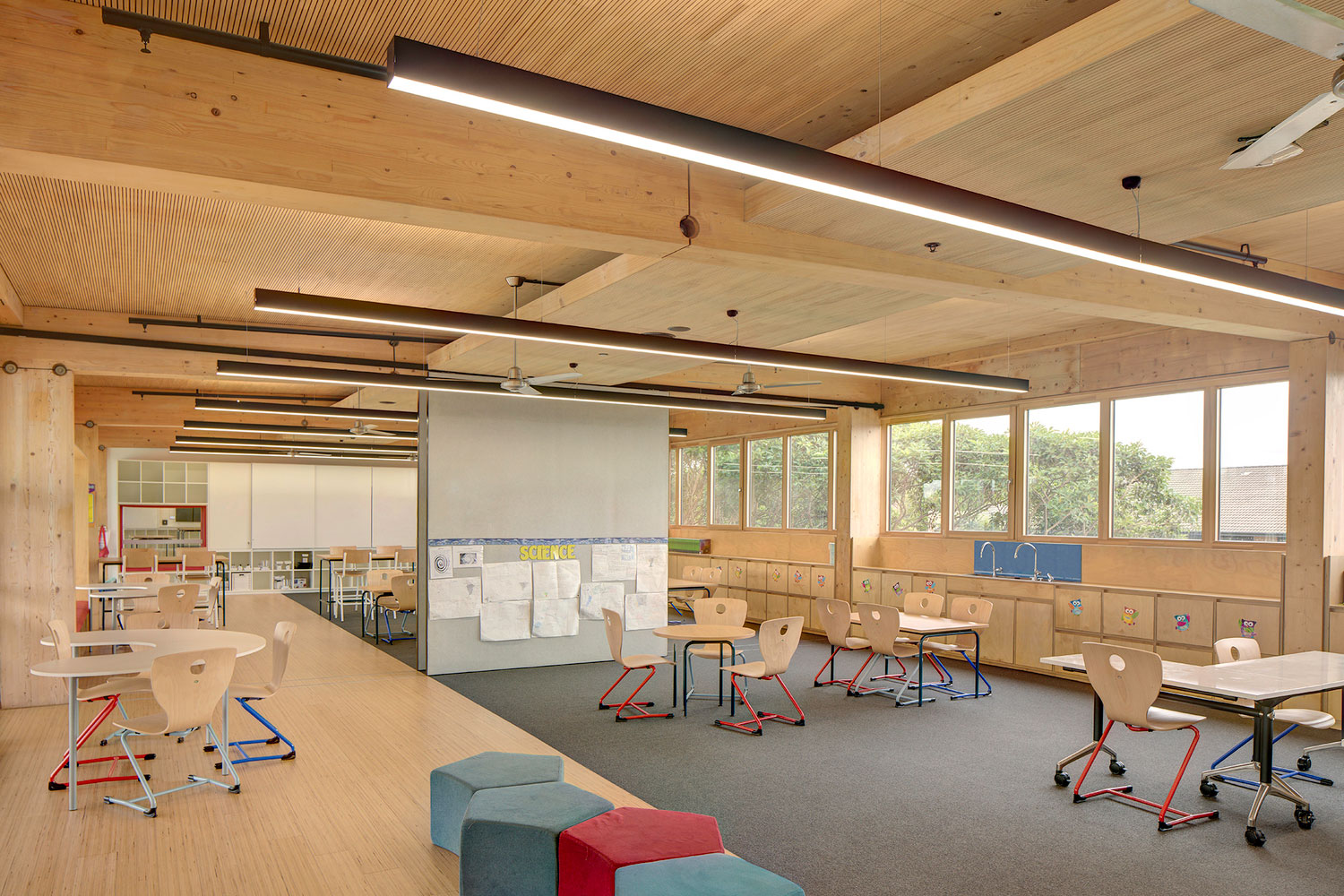
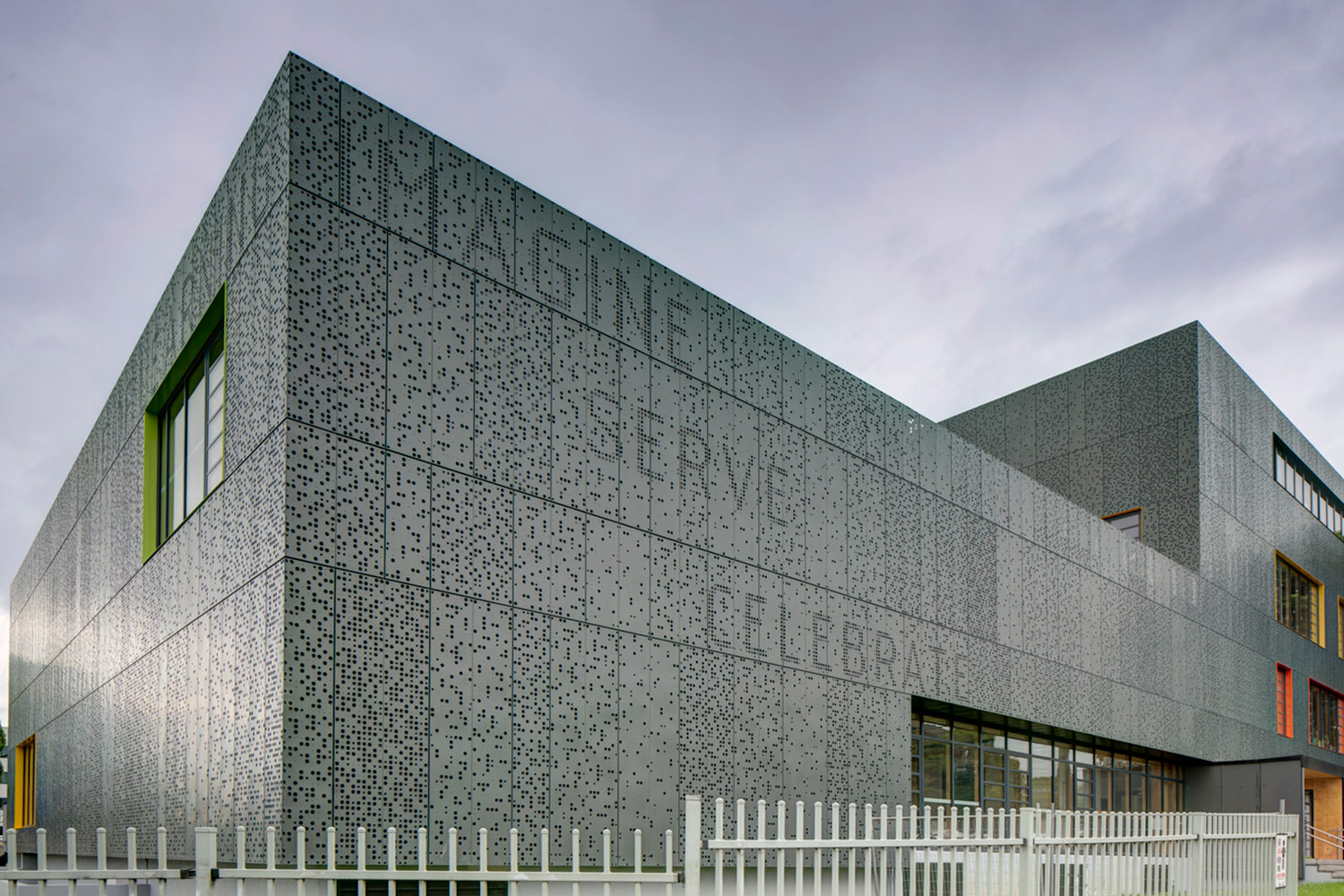
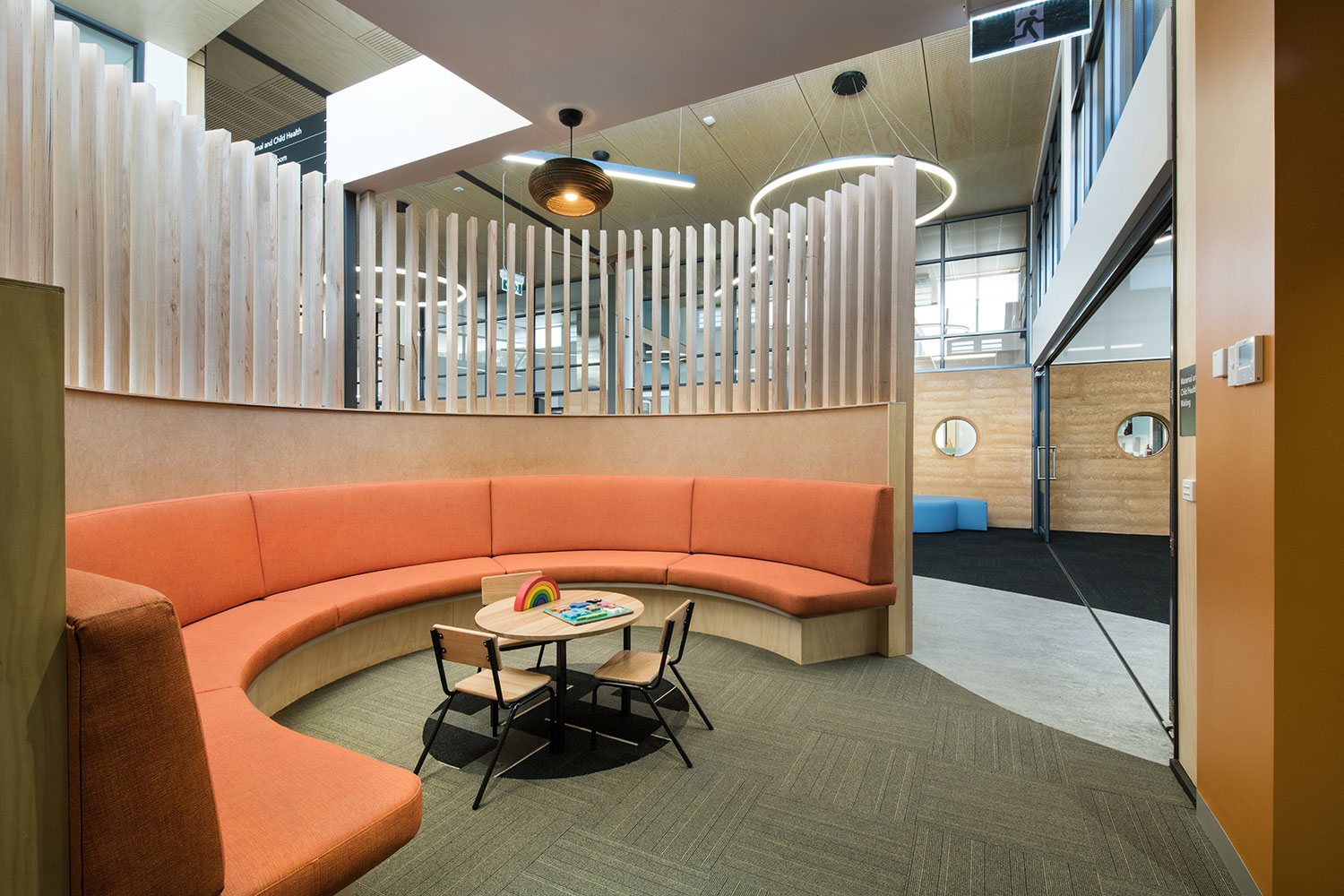
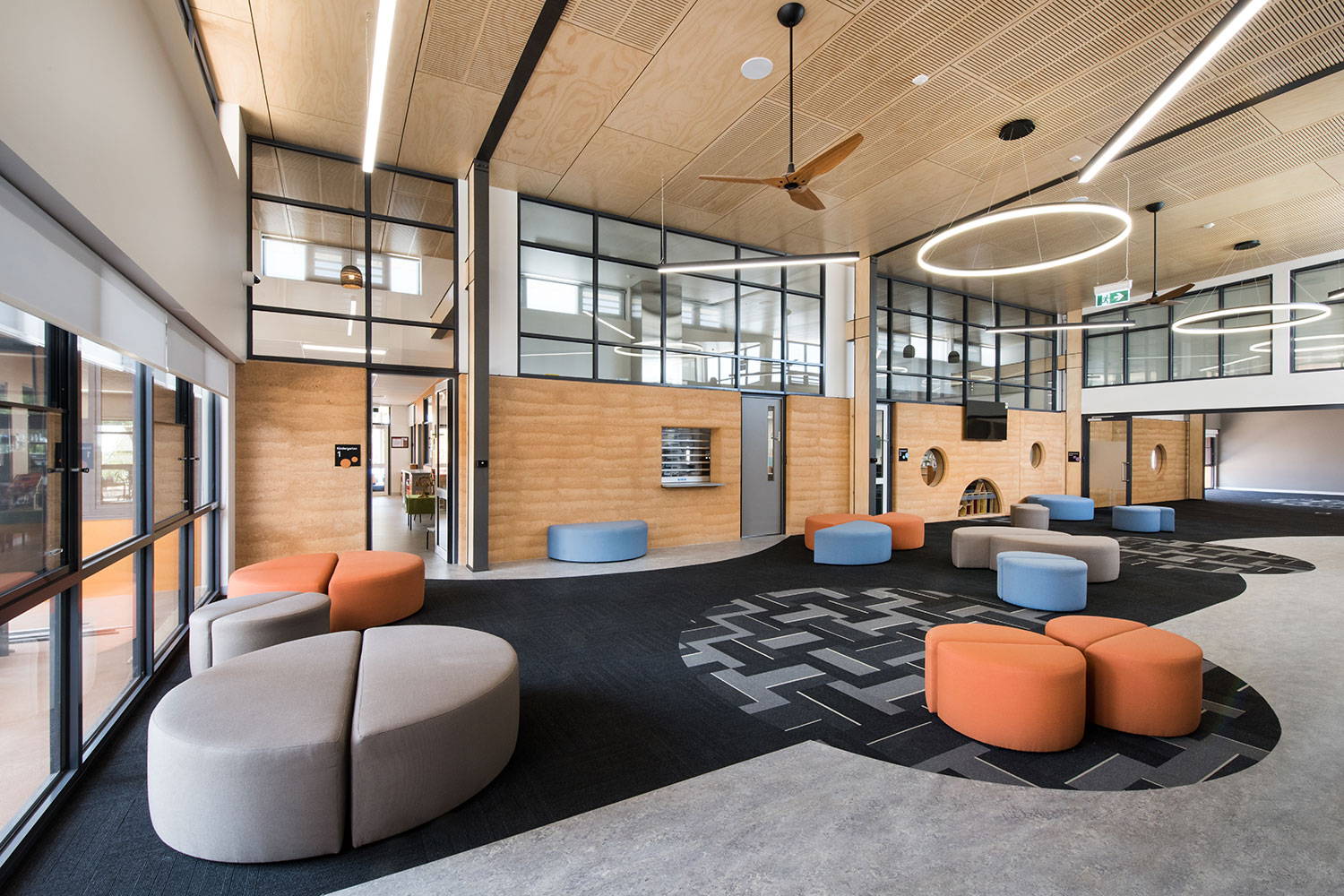
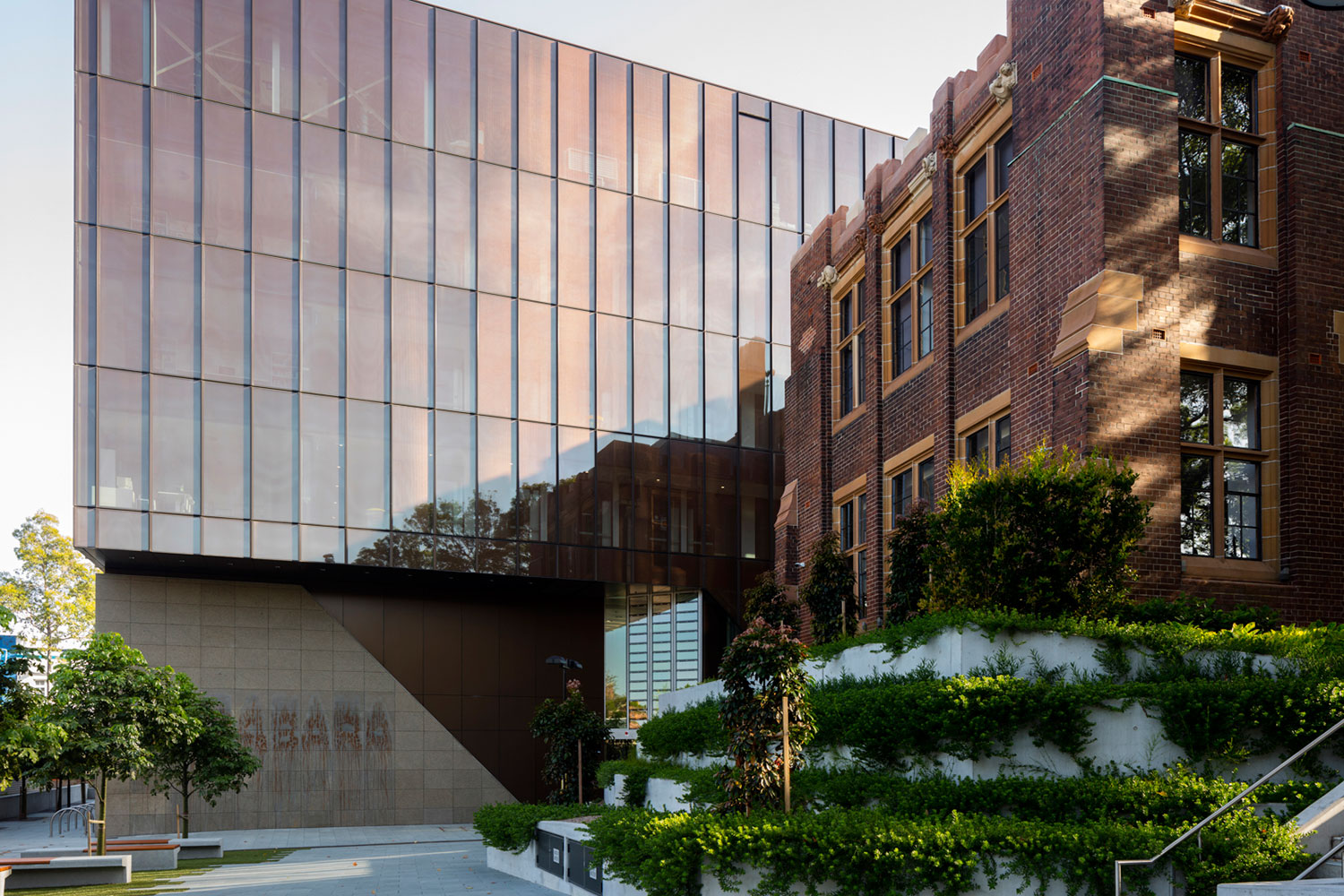
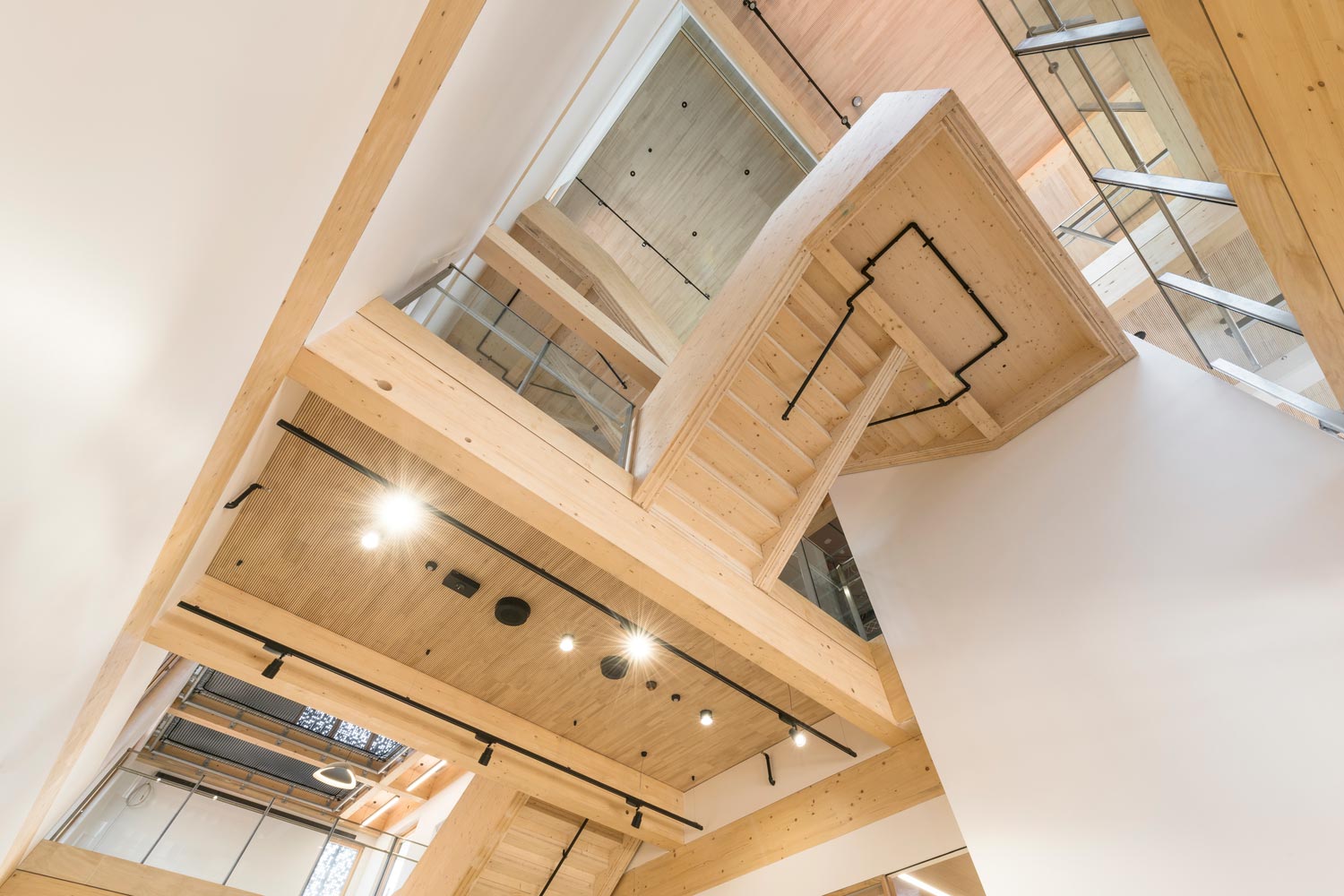
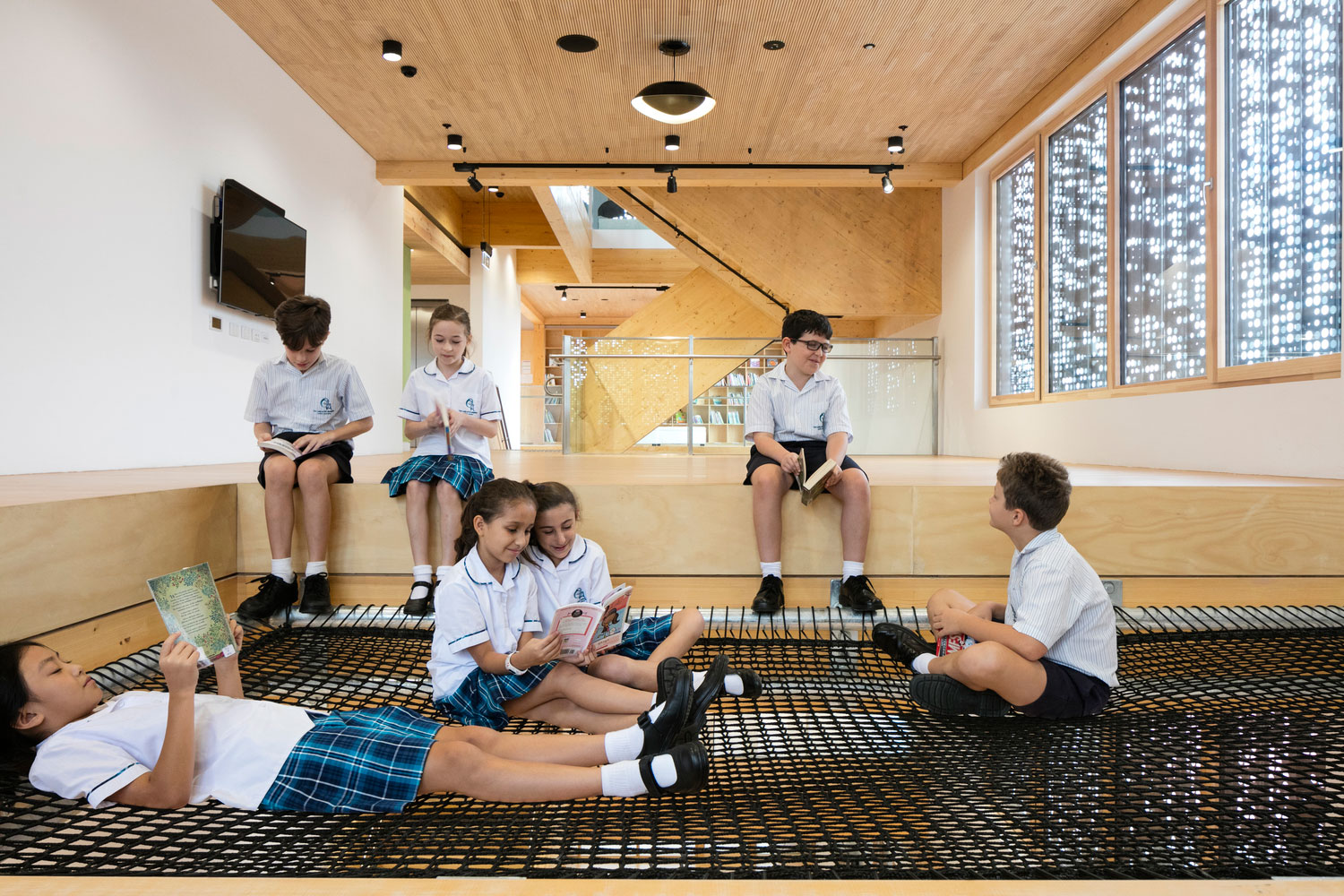
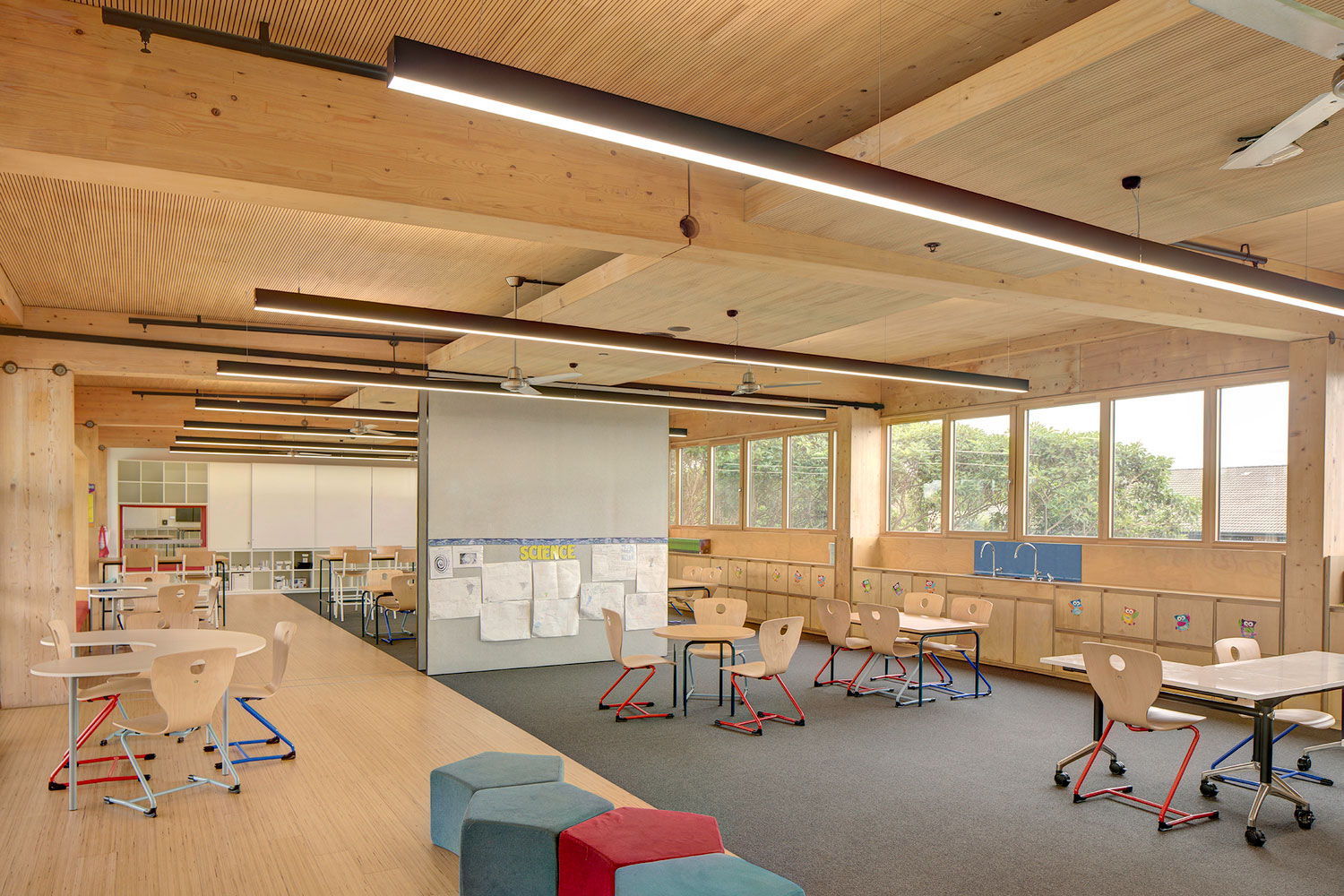
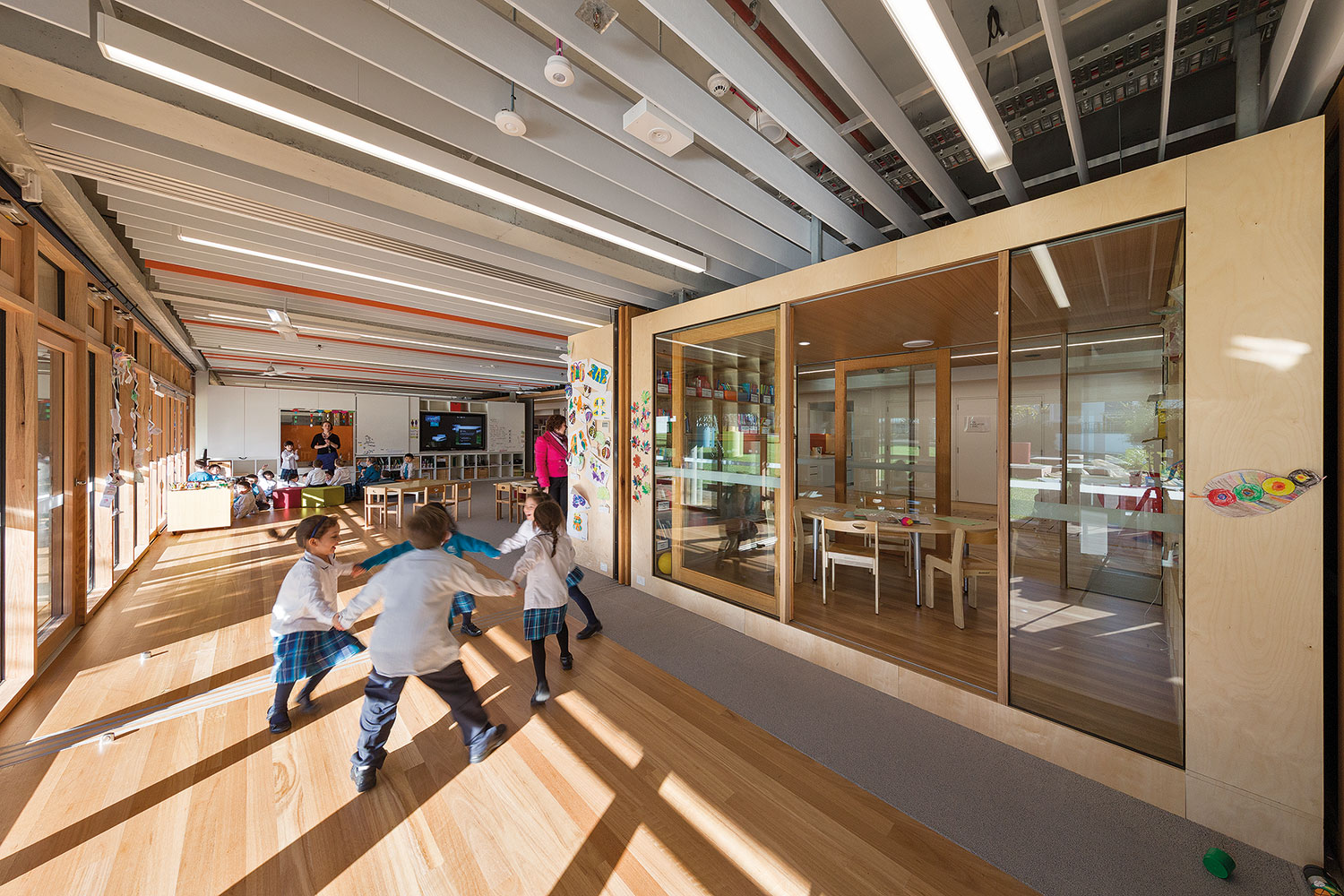
Our Lady of the Assumption Catholic Primary School is a new K-6 school for 420 students in North Strathfield. The design is a realisation of the school’s vision of creating spaces that invite imagination, innovation and support independent learning and student wellbeing. The project reuses a rundown 1970s three storey former Telstra training centre that was a typical institutional example of brutalist concrete architecture of its time. Flexible, open and inviting learning spaces support the school’s vision. To maximise daylight penetration and enable natural ventilation, the external concrete façade of the existing building was replaced by high performance timber framed double glazing.
Mullum Creek House

Habitech Systems

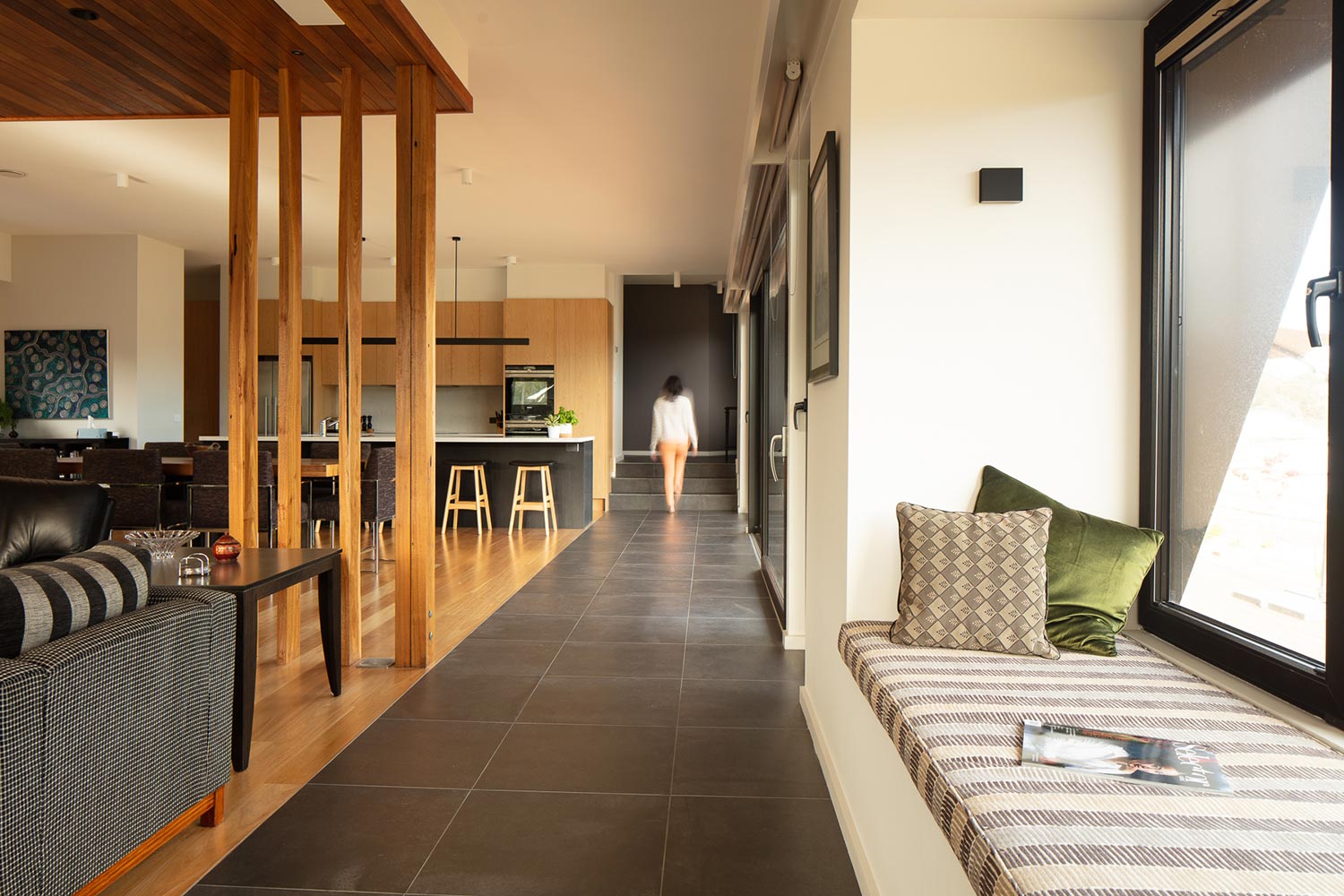
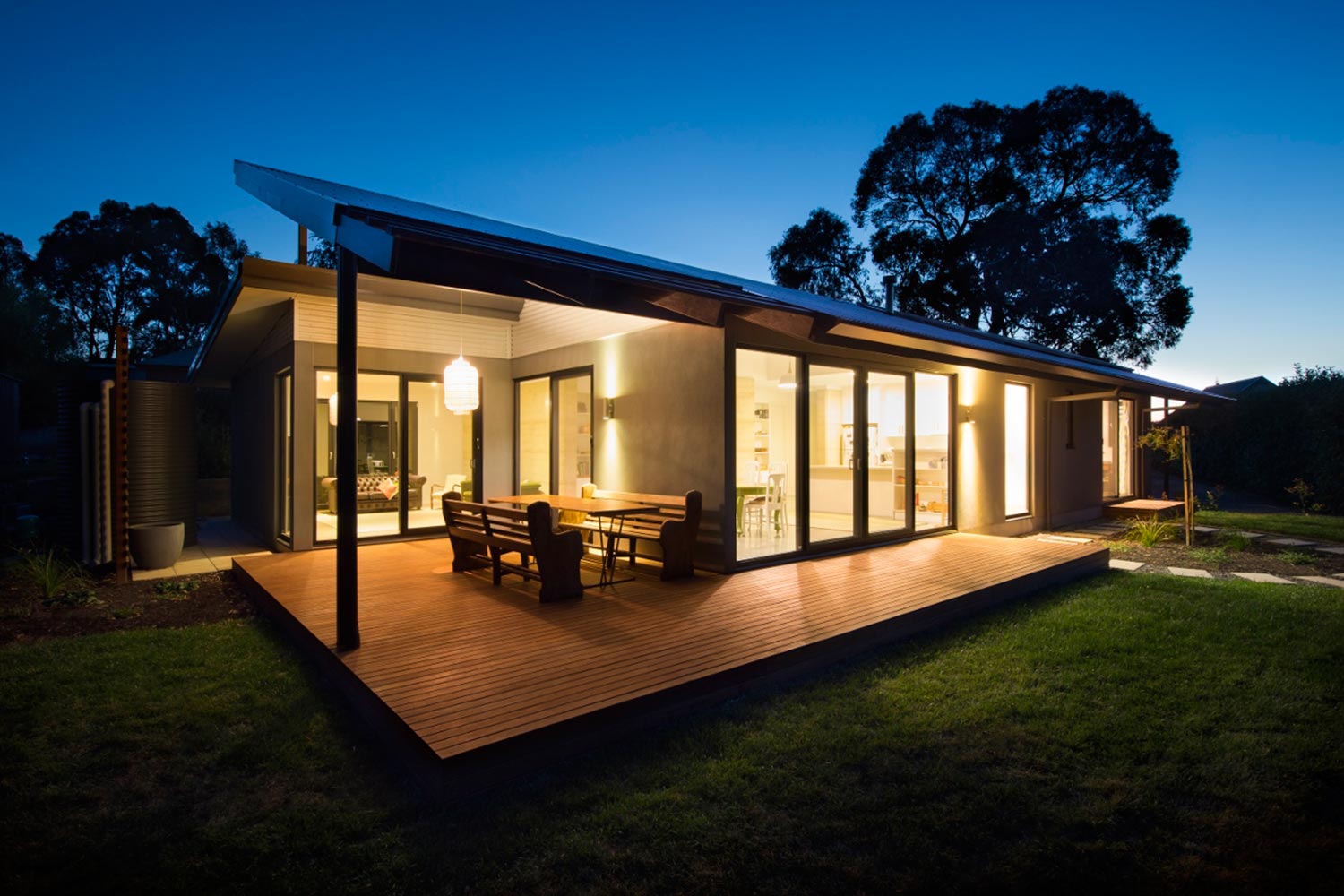
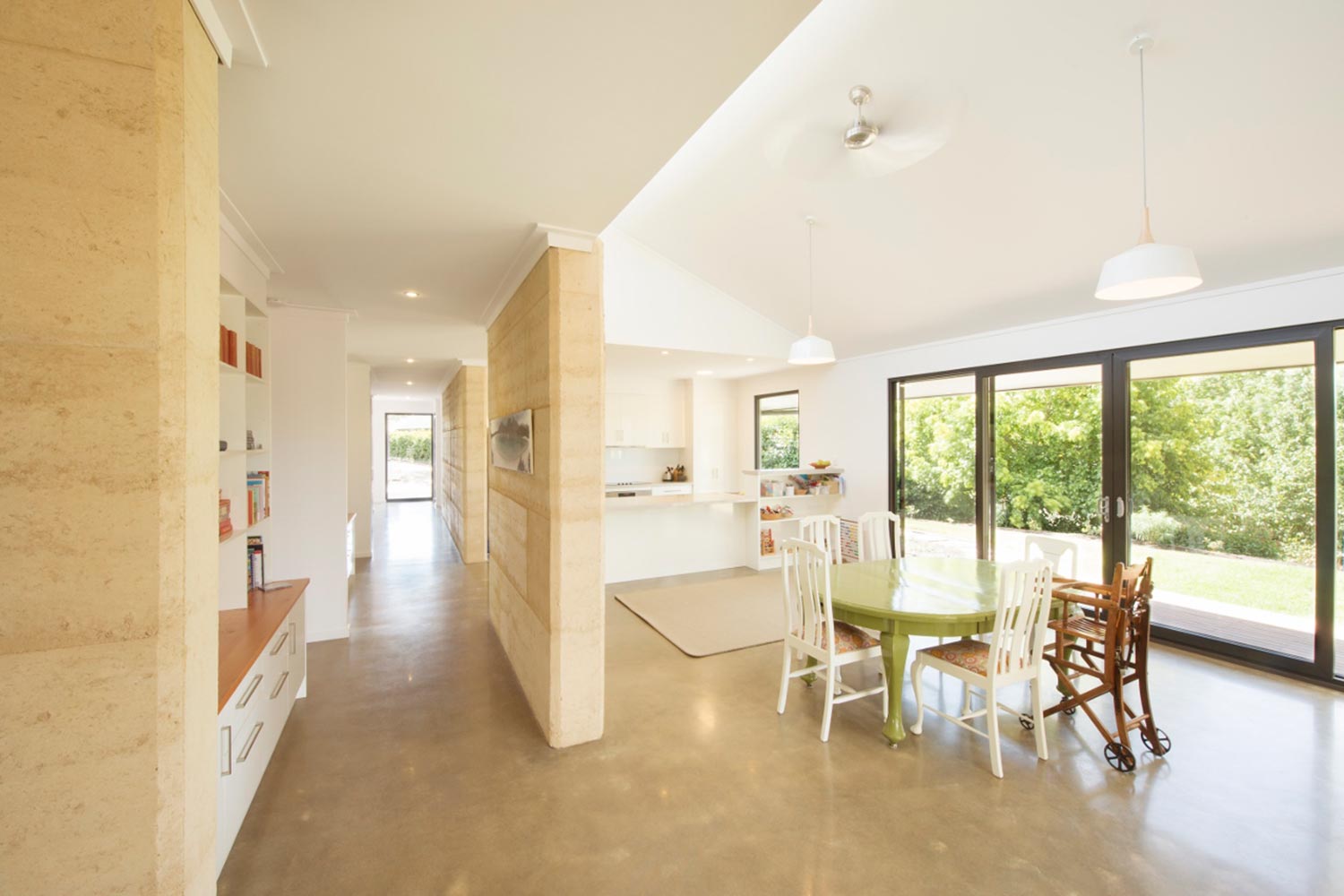
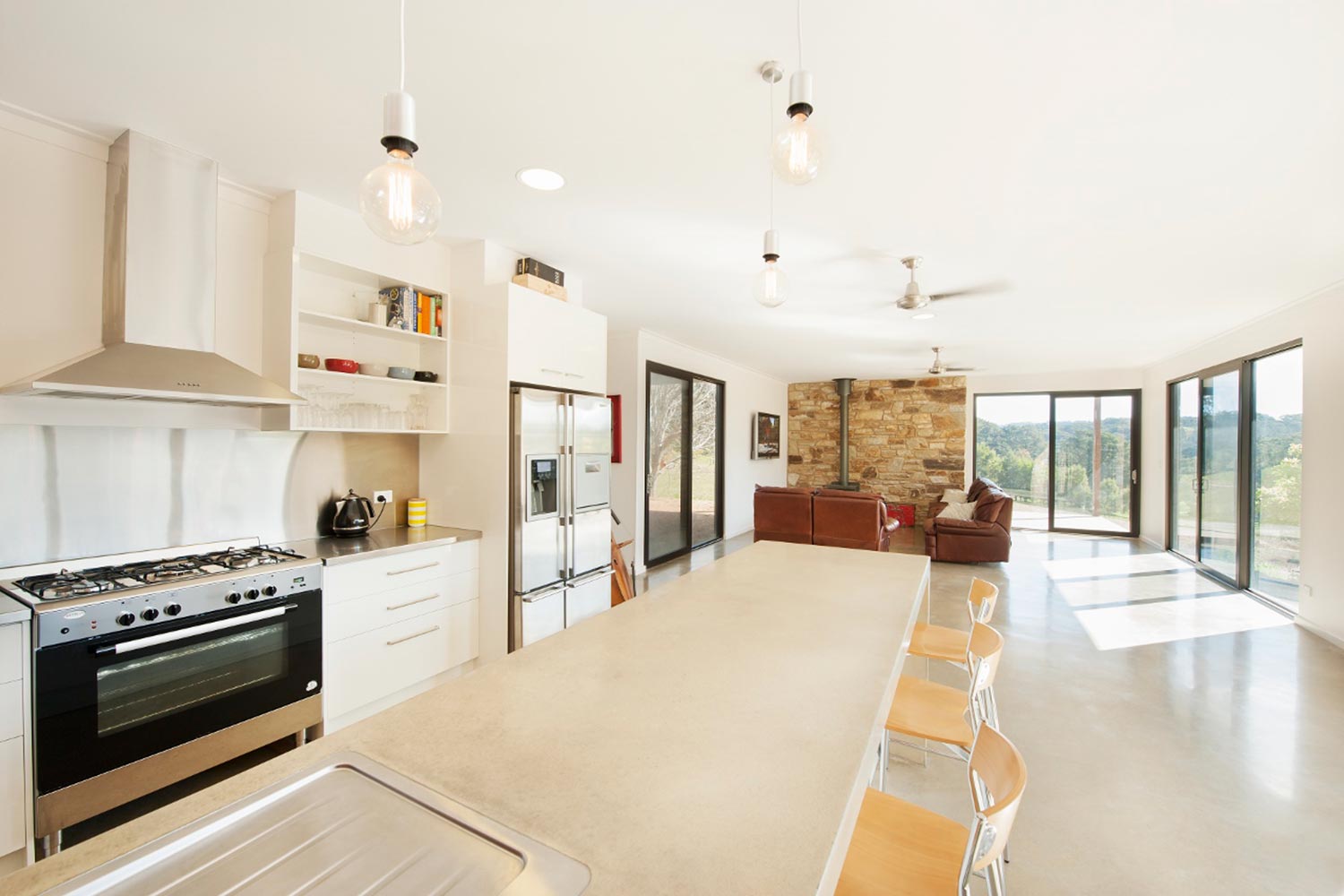
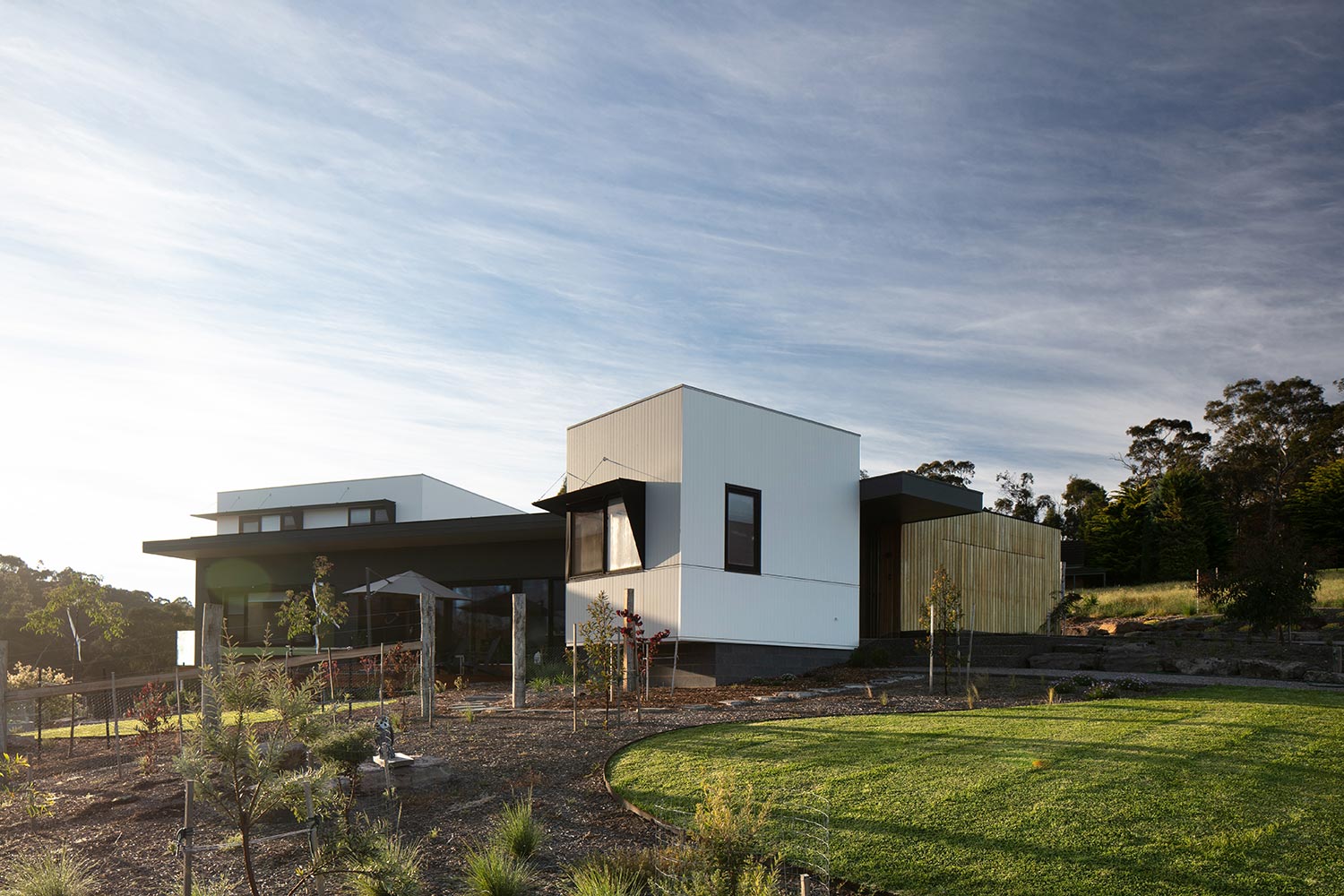
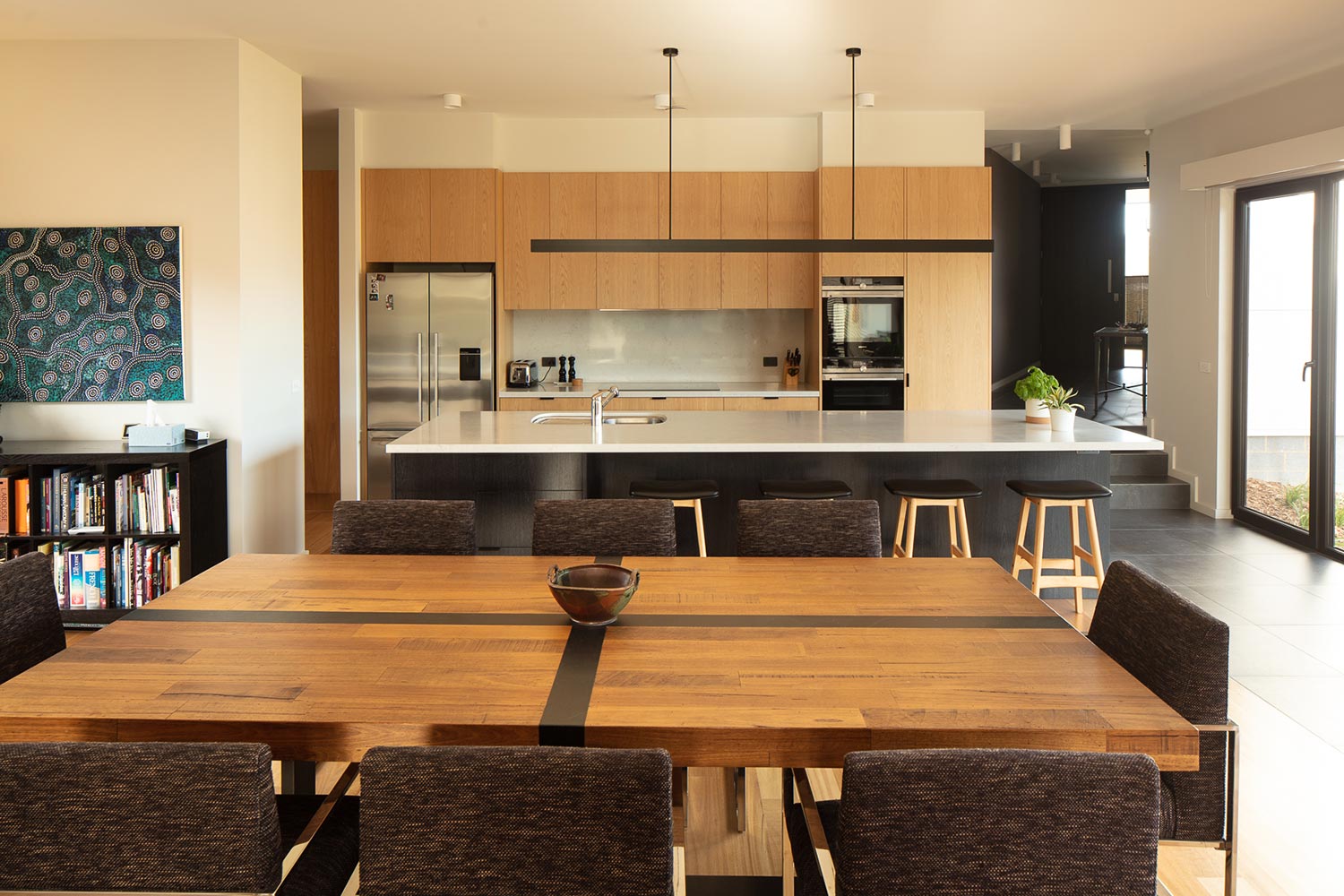
Mullum Creek House is a modern, sustainable, highly insulated and energy efficient home built using Habitech’s modular insulated panel construction system. Our innovative Structural Insulated Panel (SIP) system delivers high-quality manufactured building components that are delivered to site in a flat-pack format, then fitted together to get a house to lock-up in a matter of weeks rather than months. Habitech’s modular system is flexible in design and manufactured to specific designs, minimising material waste in manufacture and virtually eliminating on-site waste. We are able to guarantee the thermal insulation and air-sealing of houses constructed with the system, which not only improves the comfort for occupants, but also reduces energy usage, energy bills and carbon emissions.

GOODHOUSE ARCHITECTURE

Goodhouse

GOODHOUSE is a repeatable design and construction system that delivers an affordable, highly sustainable, quality architectural housing product.
Each home is a composition of well researched materials, systems and construction details. All elements have been considered and balanced in terms of the associated economic considerations, the performance and the carbon footprint impact. Ultimately the efficiency of design and construction process delivers an efficient home; an economic use of space, low carbon footprint, and low operational energy consumption.

Bruny Island

Ecoshelta

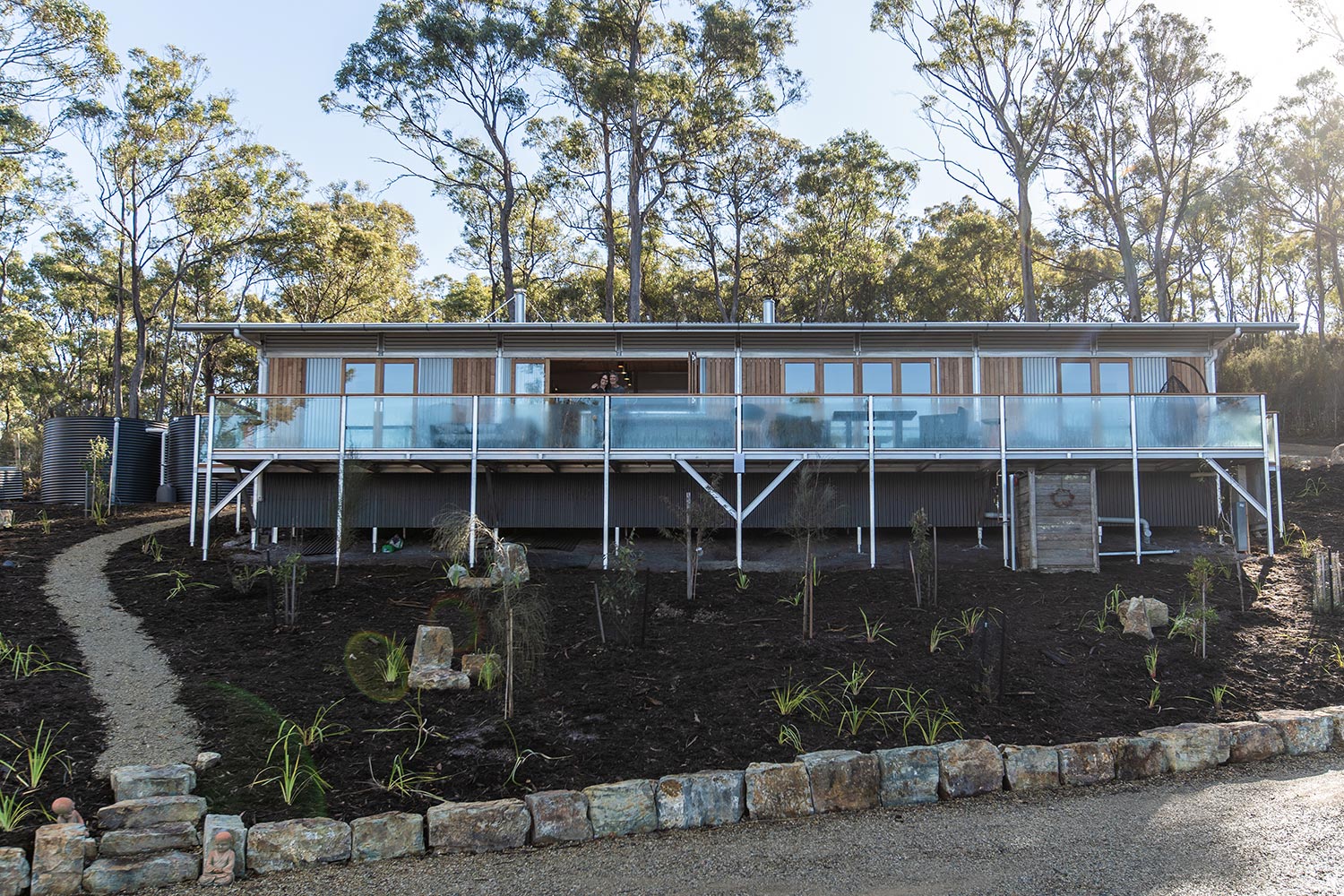
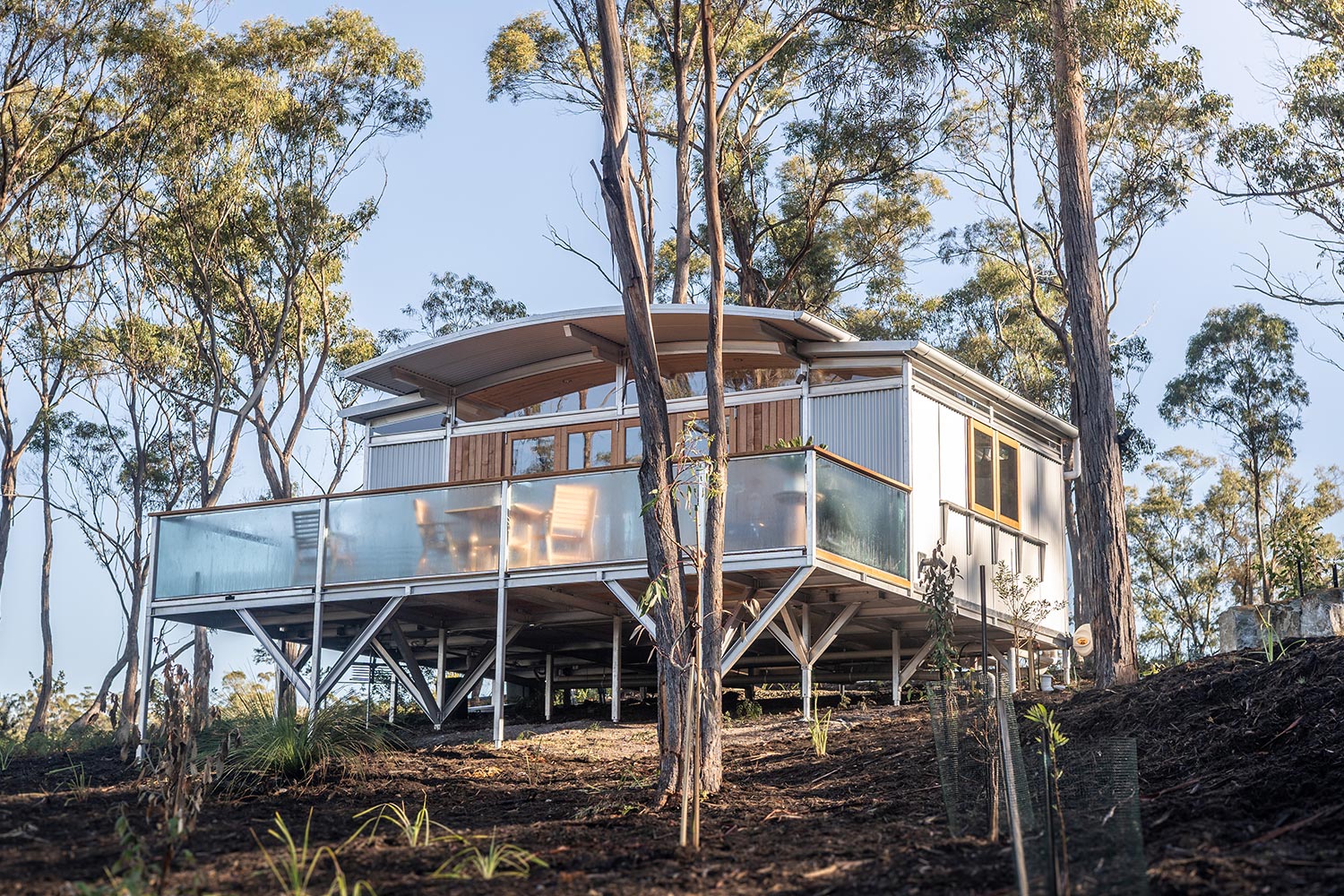
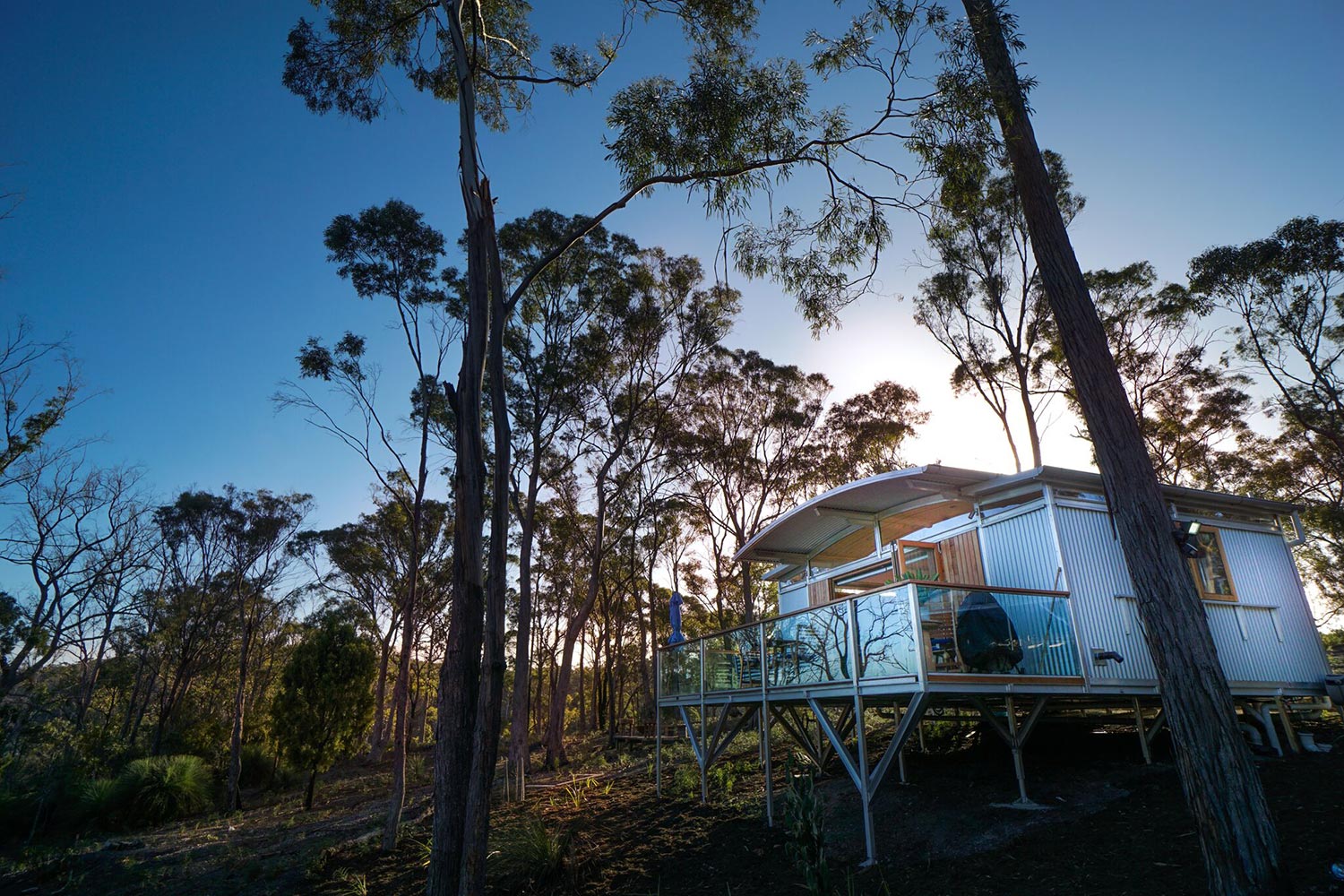
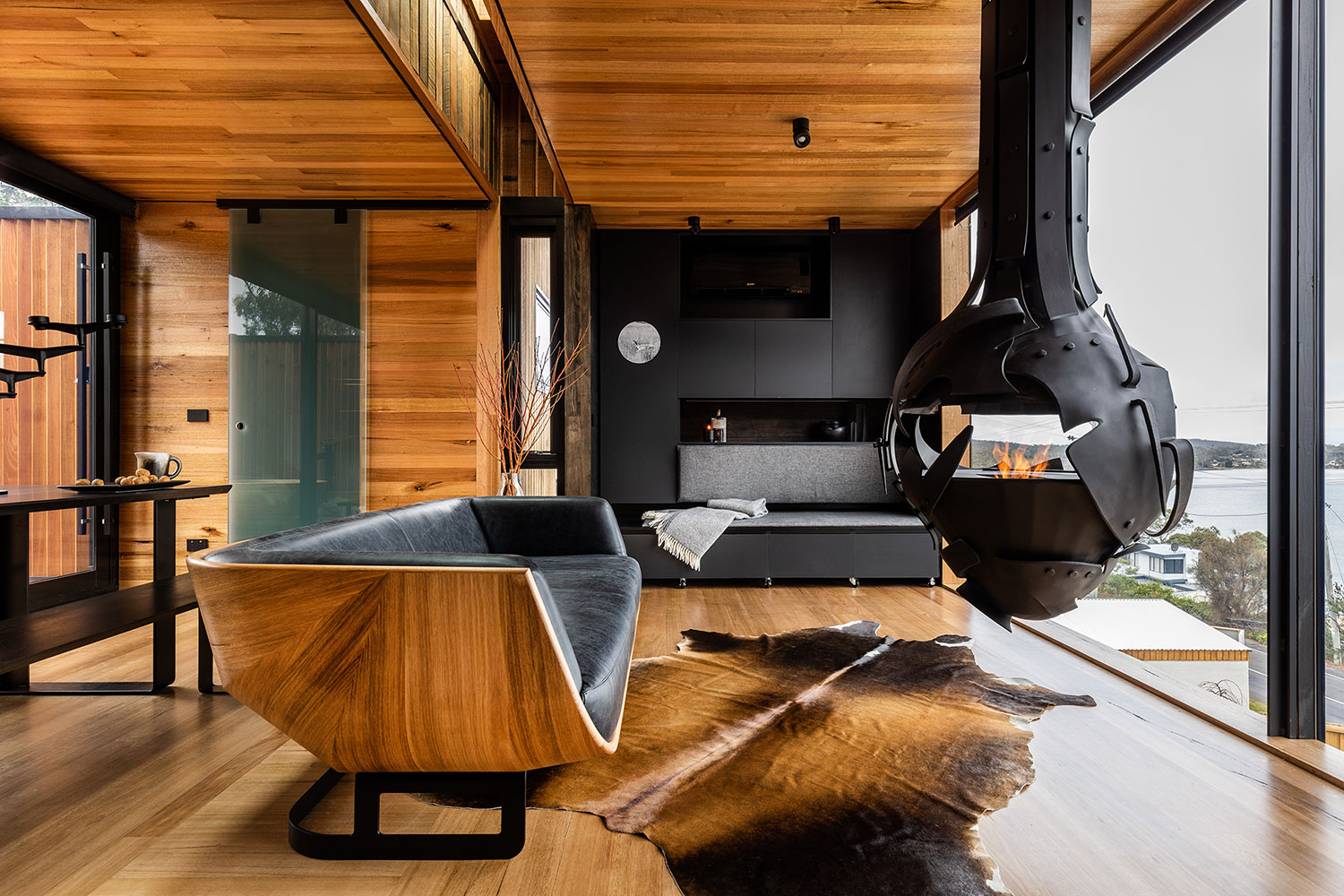
Bruny Island eco accommodation is a high sensitivity coastal site with 1 main dwelling for clients to live in and two separate eco pod cabins run as eco accommodation for short term holiday stays. The high insulative qualities of the prefabricated floor, wall and roof panels will not only have long lifespans with superior insulative qualities, it will require very minimal maintenance. The construction of a single-entry road in and out will prevent any cars from crushing seedlings or any new vegetation. Recycled timber waste pellets visible fire fuelled heating systems – high efficiency output energy and filtered, low output of smoke and particles using a waste product.

Blue Mountains CLT Studio

Design King Company

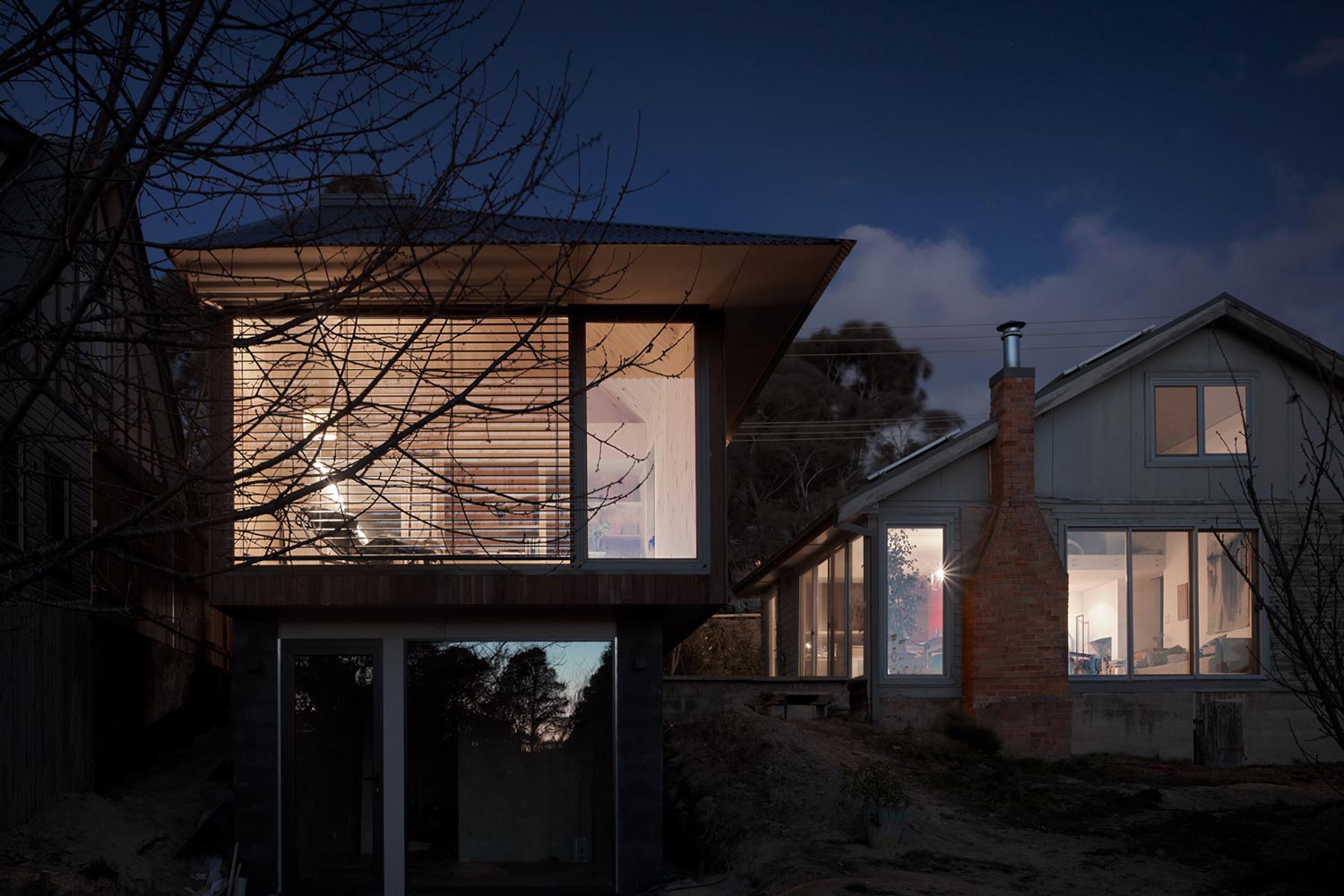
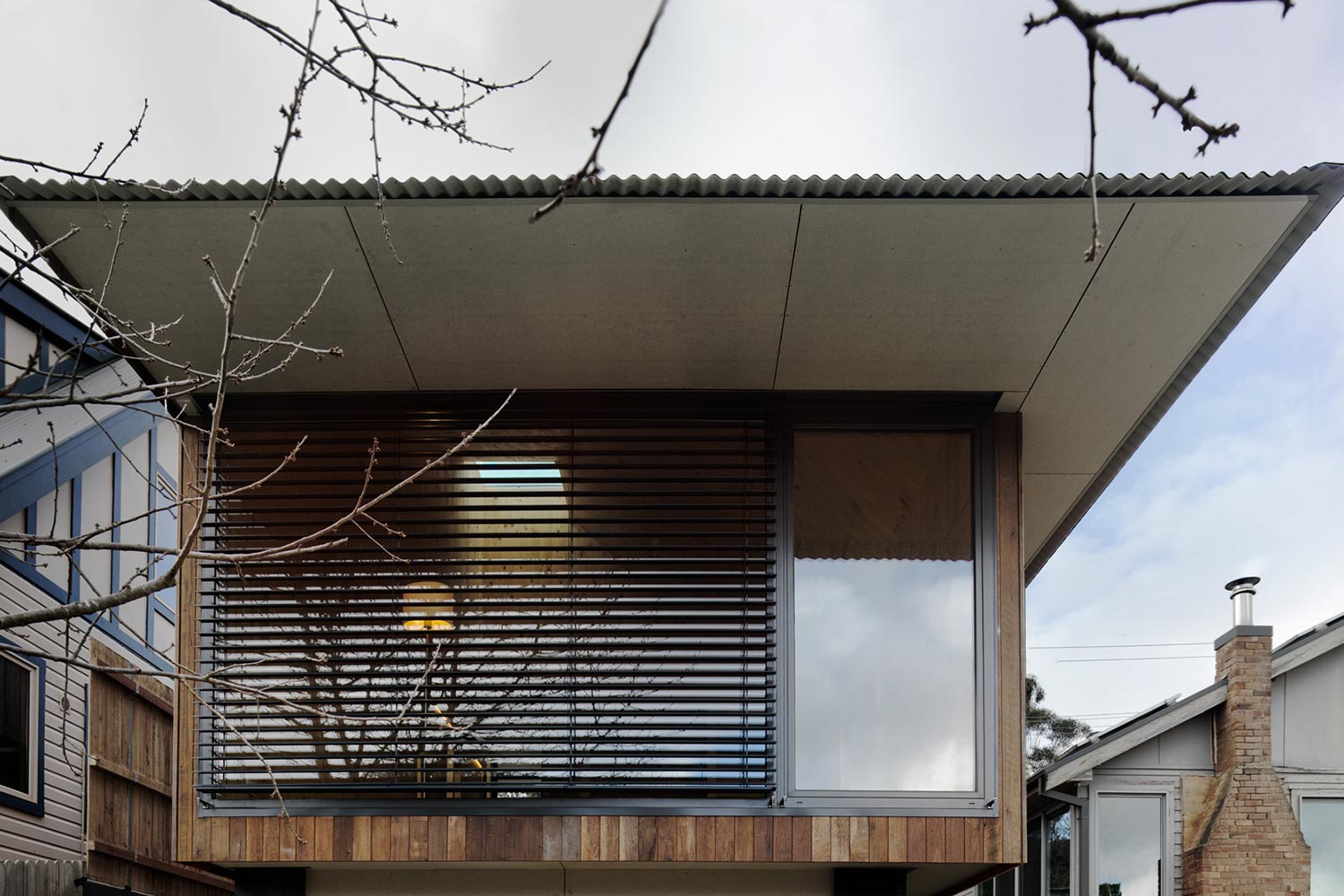
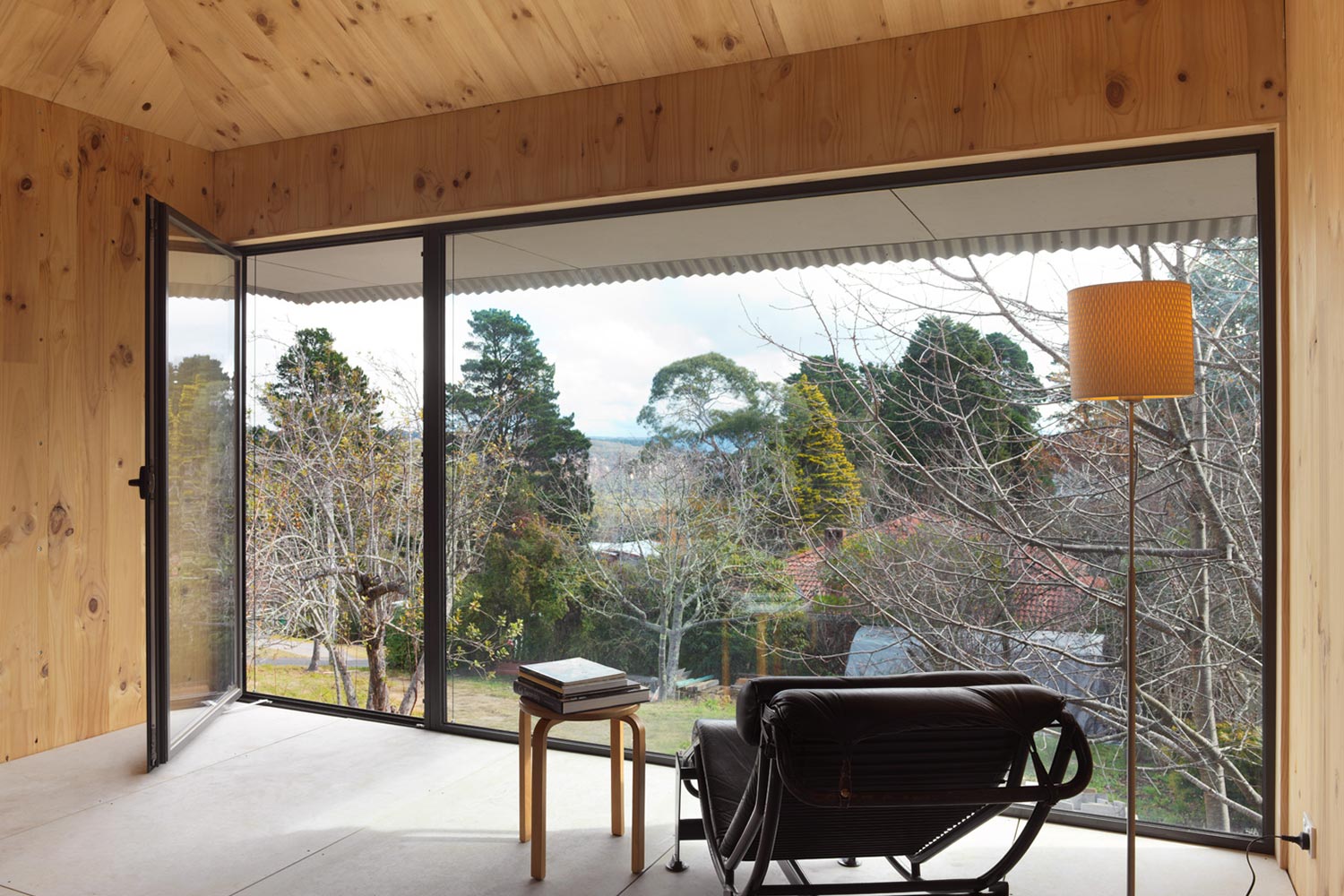
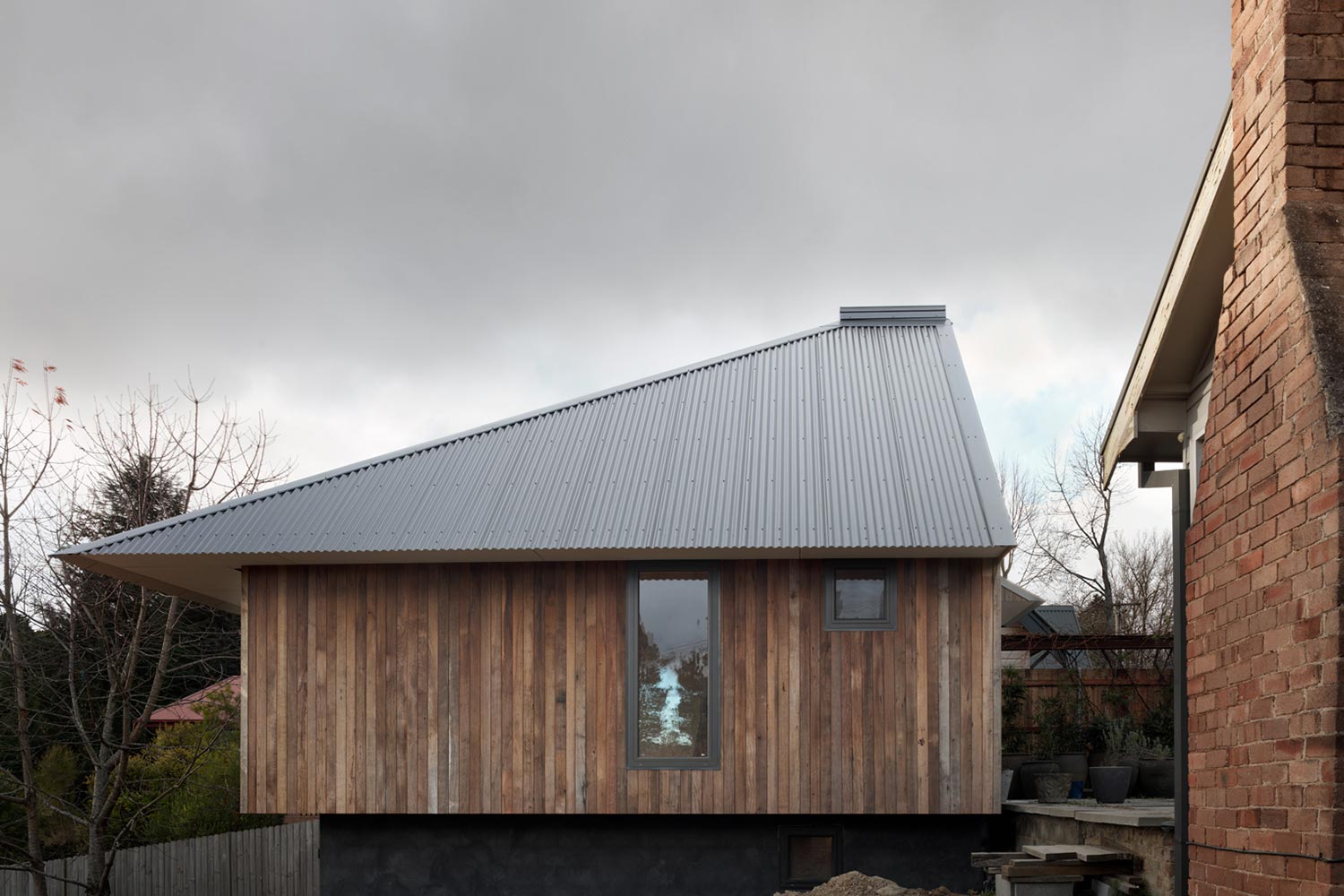
This little building sits quietly looking over the Megalong Valley, looking like it has just landed and is the culmination of many dedicated hours working on an approach to affordable housing using prefabricated cross laminated timber construction. This particular building will be an artist’s studio providing a much-needed teaching and painting space. Clad in recycle timber the building recedes into its’ semi-rural environment and like the “Tardis” seems to expand on entering. Thermal and acoustic performance were carefully calibrated to provide a high-performance building in an environment that is subject to extremes in weather and temperature.

West Village One

Sekisui House Australia

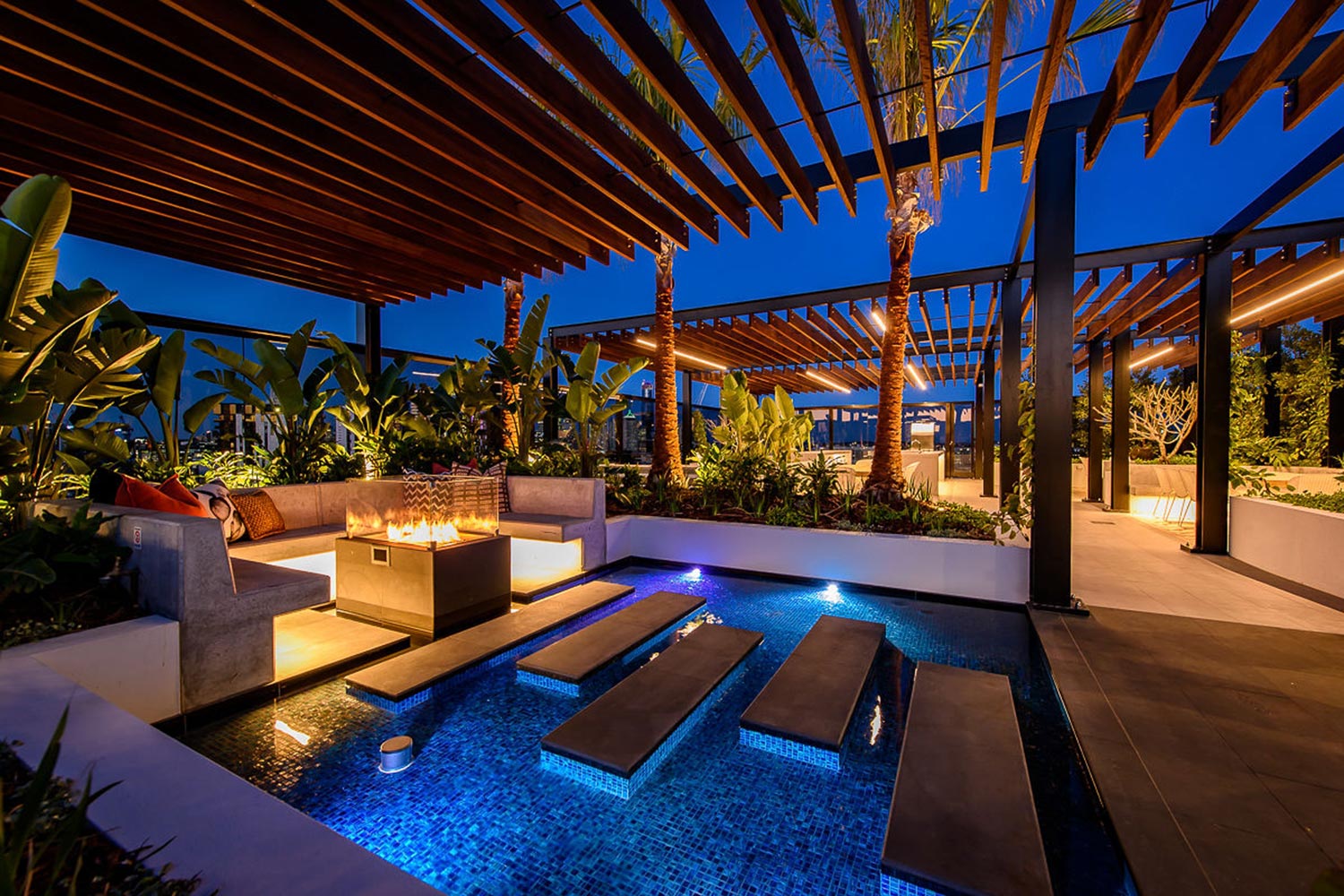
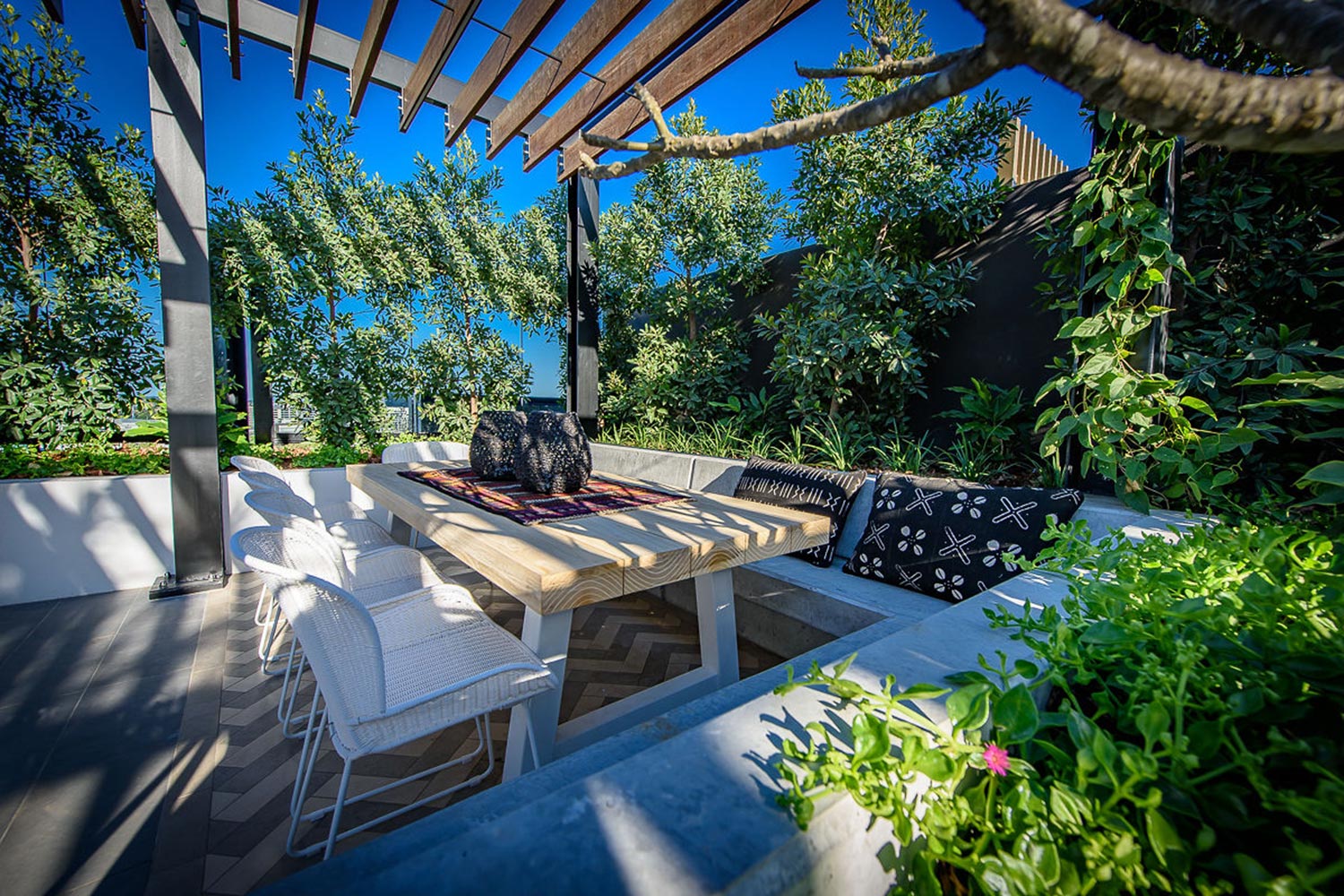
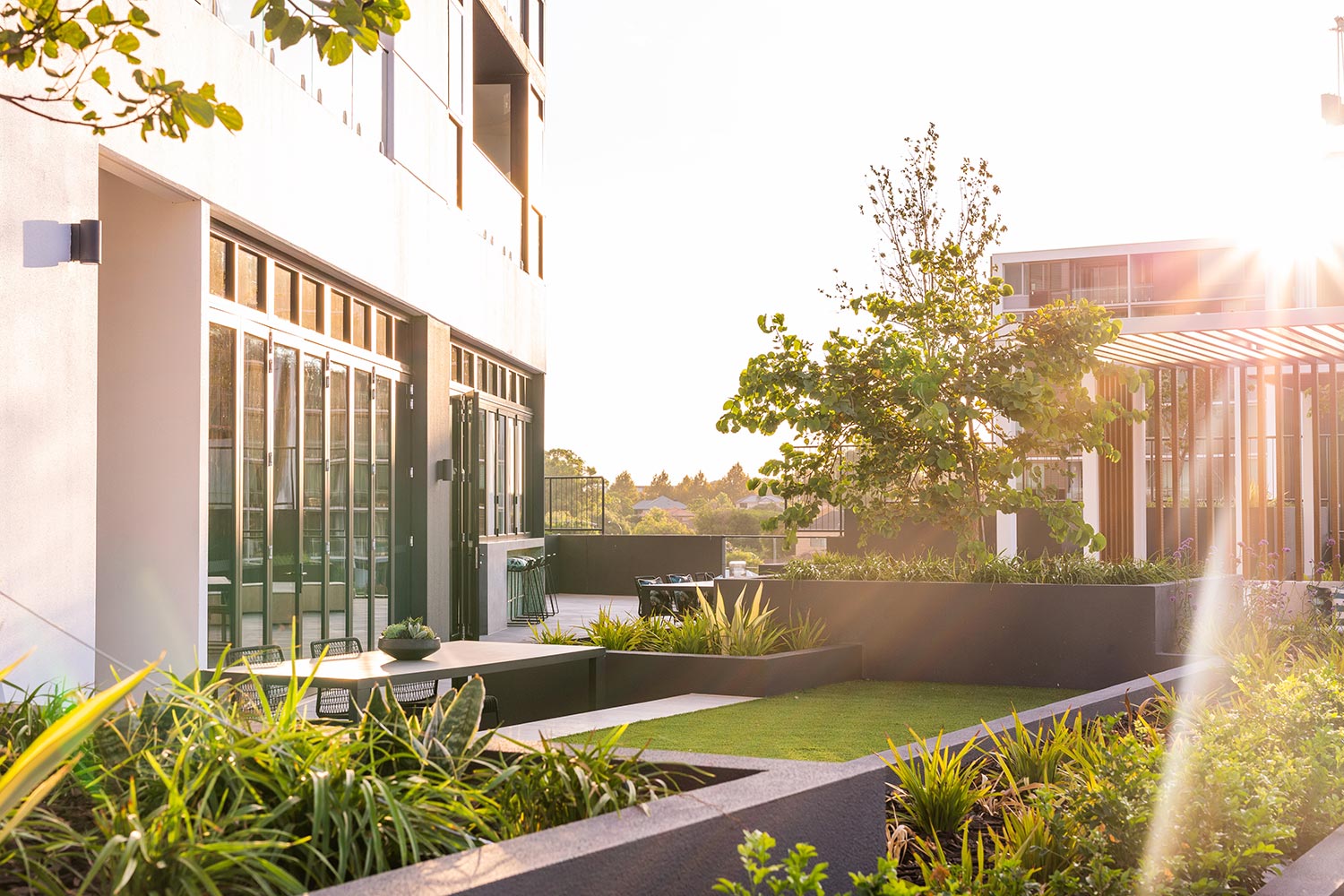
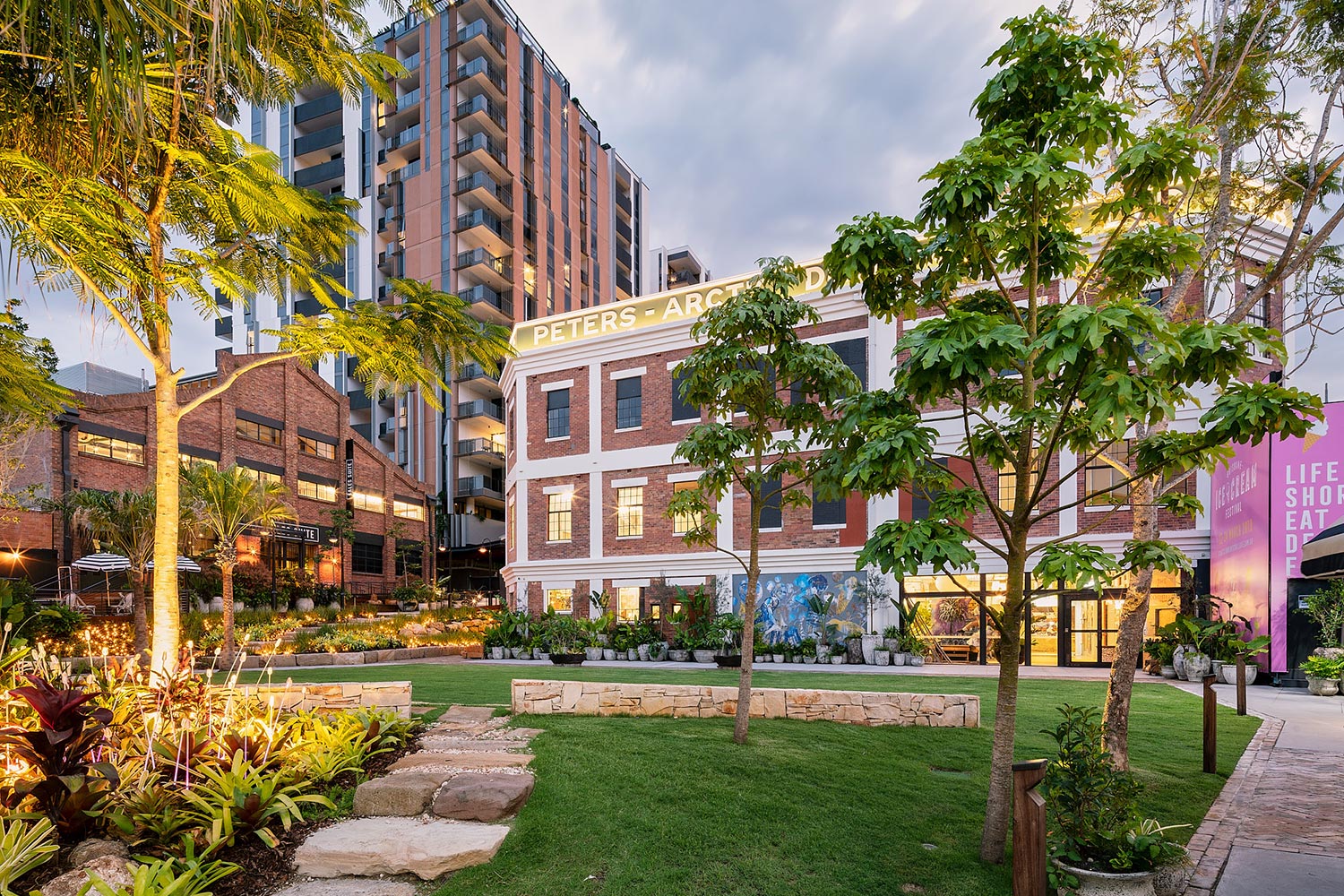
Brisbane’s West Village is a mixed-use, high-density project comprising residential, commercial, retail, parklands, restaurants, cafes and event spaces, combining village life with inner-city amenity. At the heart of the billion-dollar project are the heritage listed Peters Ice Cream and Cone Factories. Along with its distinctive heritage appeal, West Village is a flagship development in terms of environmental sustainability, having achieved Six Star Green Star – Communities certification. This is the highest rating for master-planned precincts in Australia and represents “World Leadership” status from the Green Building Council of Australia. Together, the buildings (Park and Lexington) deliver 322 apartments across a shared podium, a rooftop garden and two terrace homes fronting the street.

VIEW

Fuse Architecture

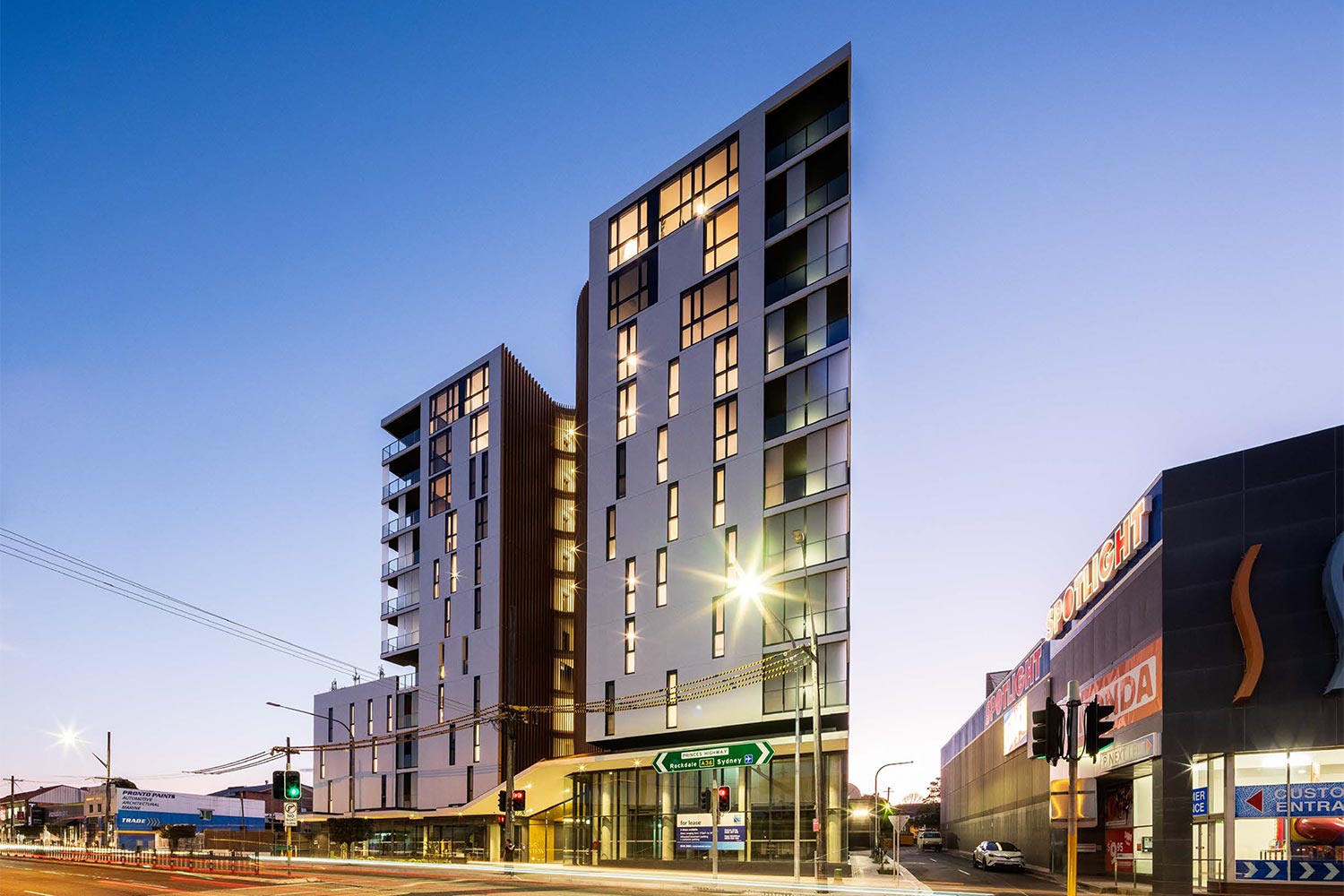
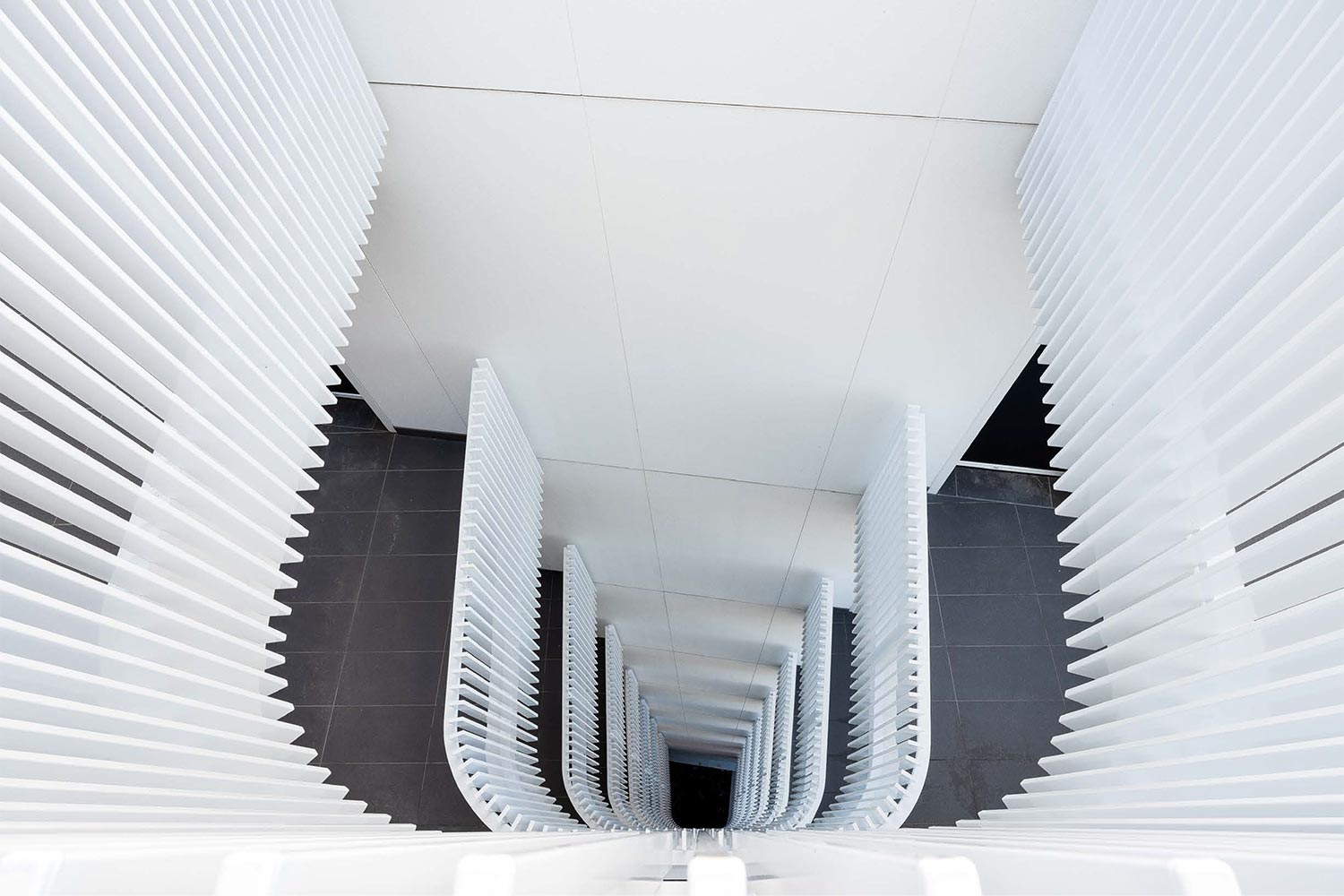
VIEW was an invited design excellence competition for a mixed-use tower within the Rockdale Town Centre that sought to encapsulate and extend the vibrant character of the existing historic low-scale town centre and present in an iconic form the ambitions of its future character. As a studio, we sought to explore the latent potential for innovation in multiple dwelling housing founded on true sustainability or triple bottom line housing. The broad concept was simple: to provide homes that were economically, environmentally, and socially sustainable or to deliver maximum yield for our client whilst providing the greatest amenity to future occupants with a building that performs exceptionally well environmentally while also looking great within its context.

The Fern – Australia’s First Passivhaus Apartments

Steele Associates

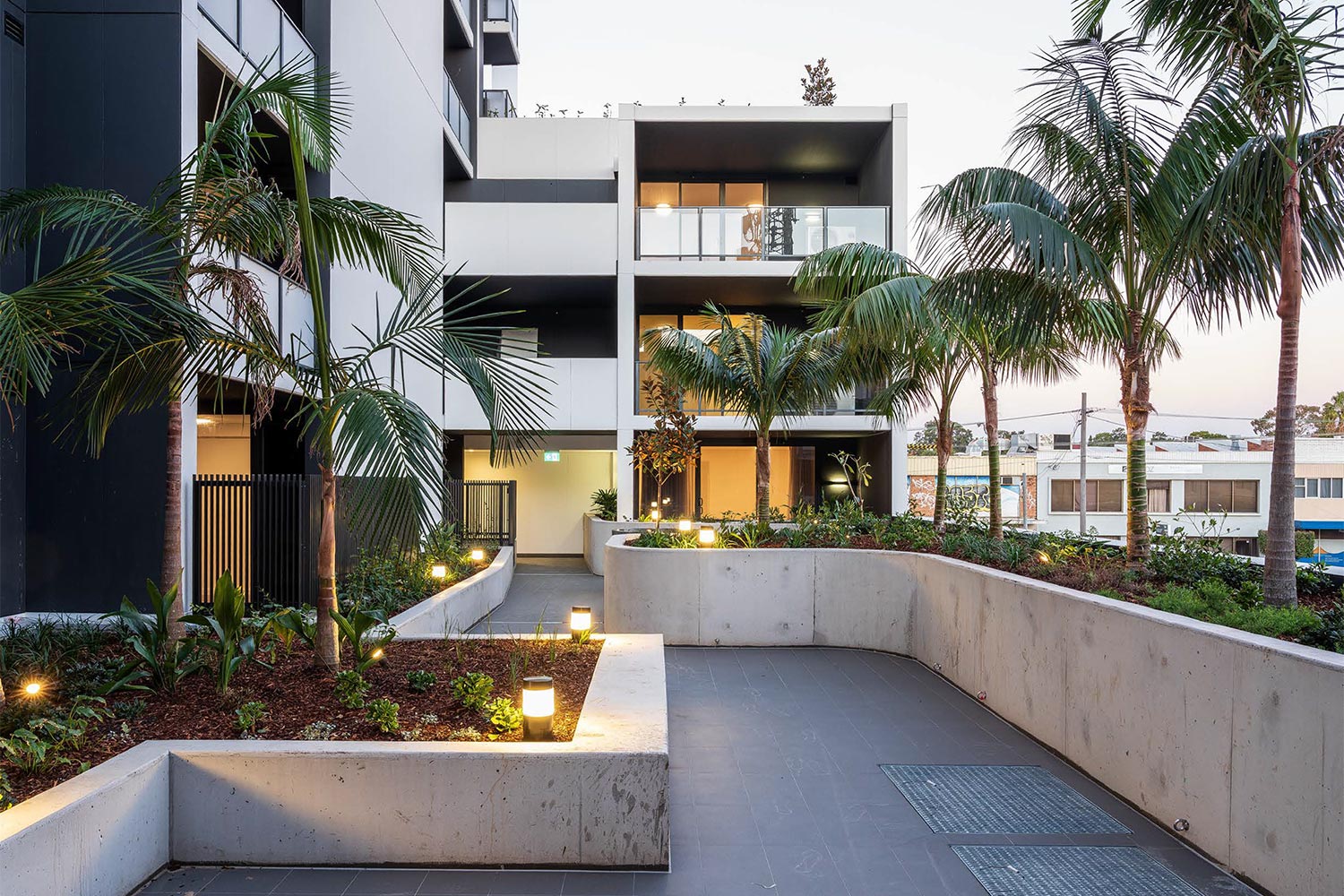
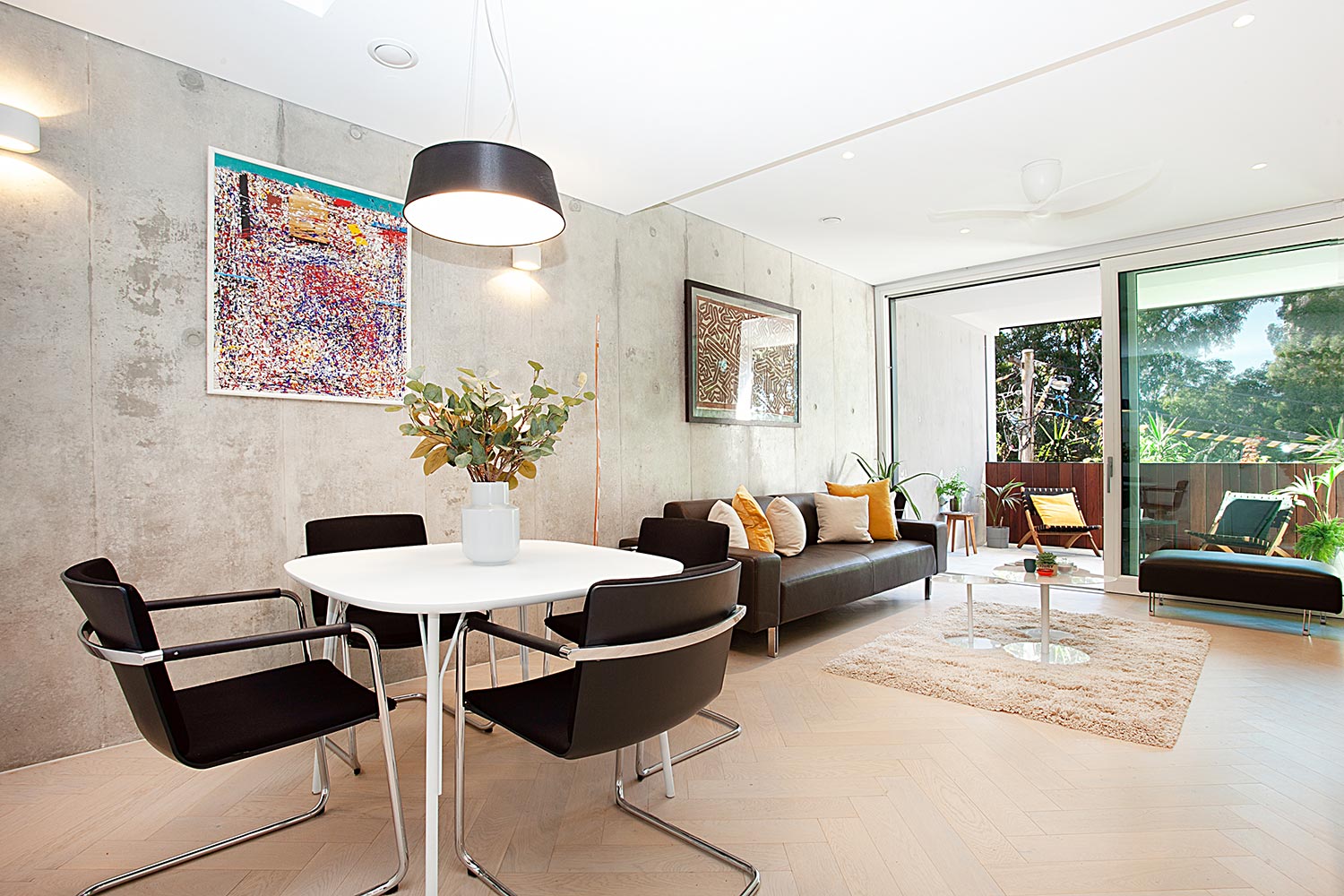
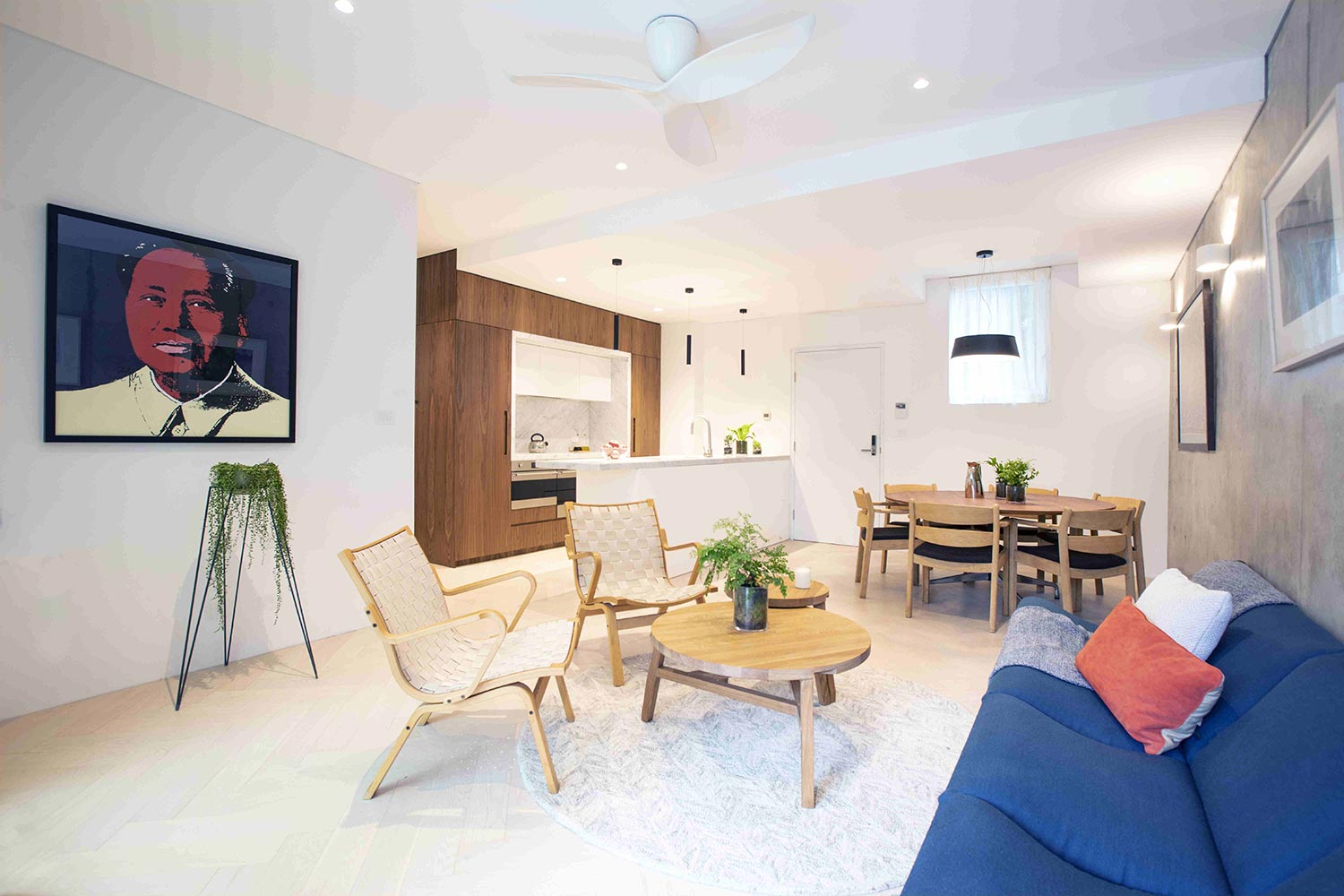
The Fern has been designed as Sydney’s urban oasis and is Australia’s first Passive House apartments. Energy efficiency, filtered air free of allergens and pollutants, quiet and delightfully detailed interiors are all achieved without the ongoing use of fossil fuels. Set on a challenging, compact city site, the passive solar design was made difficult by the necessity for fire rated walls on the north and south boundaries making the only opportunity for locating glazing and typical ventilation on the problematic eastern and western boundaries. The Fern achieves passive house principles of stringent air tightness, continuous unbroken insulation, high performance glazing, structural thermal breaks, and heat recovery ventilation, all while nestled into Sydney’s vibrant urban landscape.

Nightingale 2.0

Six Degrees Architects and HIP V. HYPE Sustainability

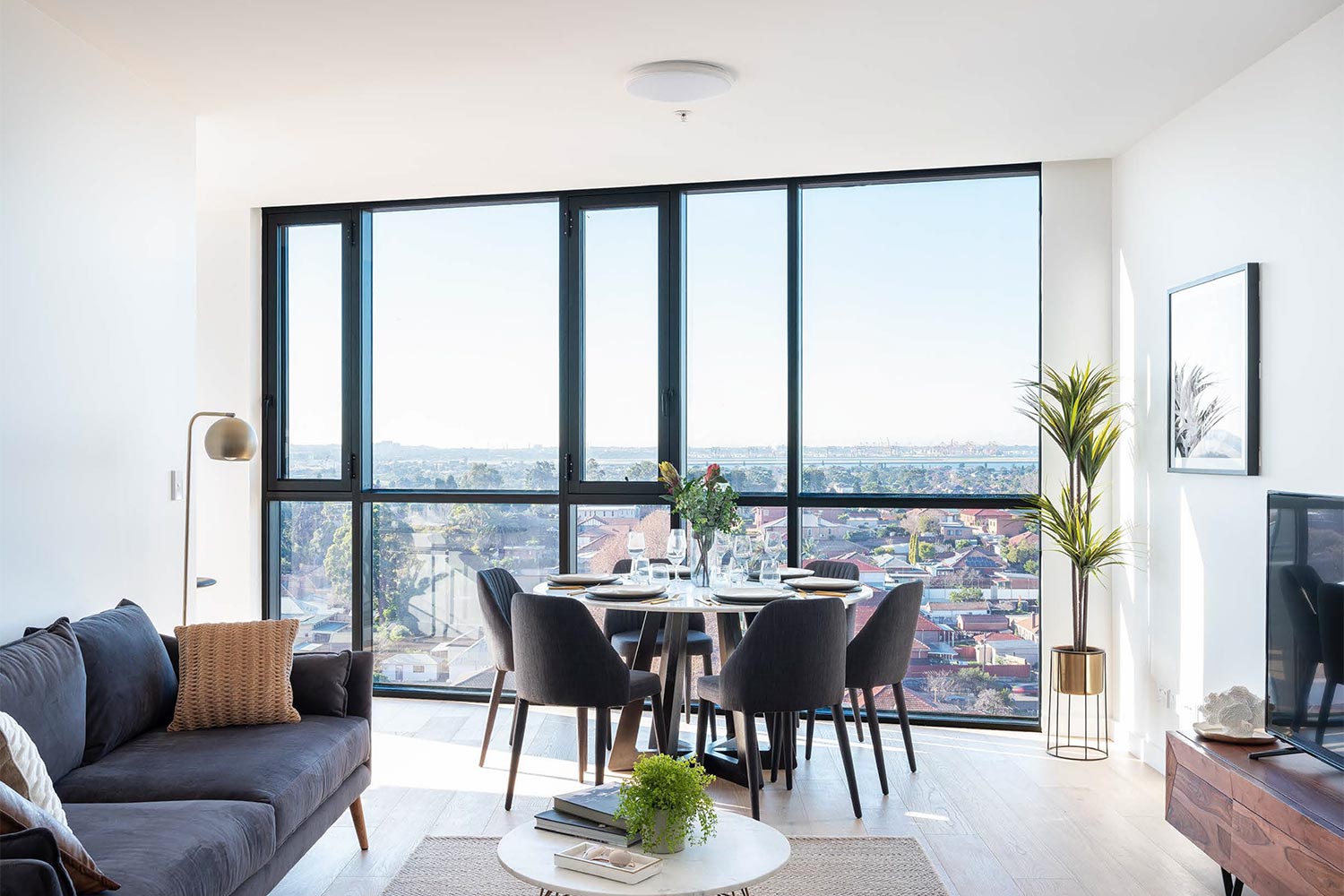
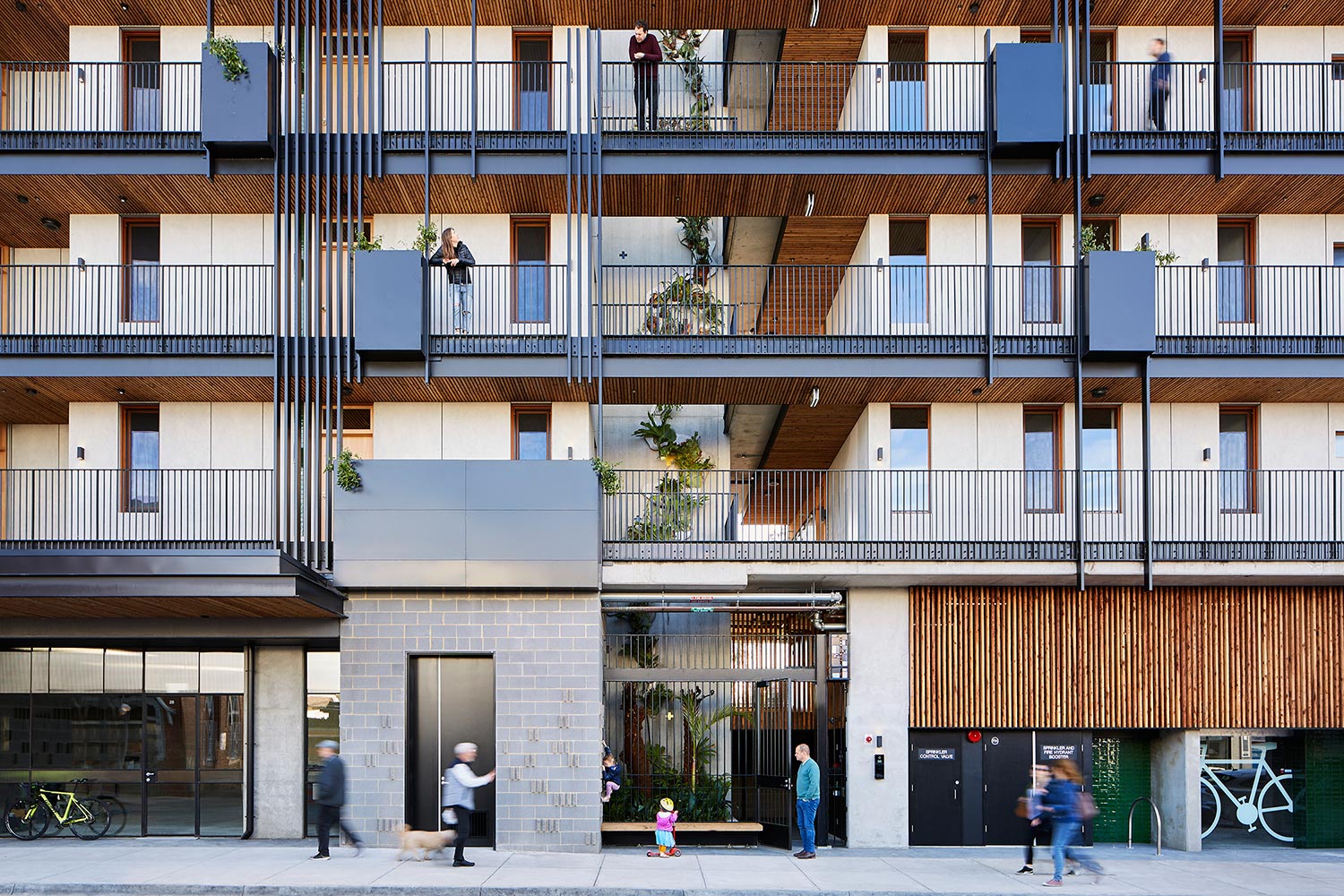
Nightingale 2.0 in Fairfield (in Melbourne) is the second Nightingale Model project to be completed. It follows on from Nightingale 1.0 in Brunswick. The Nightingale Model is a triple bottom line development model that delivers homes that are environmentally, socially and financially sustainable. The goal of each Nightingale Model project is to provide quality urban housing, to owner occupiers, with high sustainability outcomes, at an affordable price. Nightingale 2.0 is a free standing, 5 level + roof top, 20 apartment building with an active ground plane of 3 tenancies. The project sits adjacent to Fairfield station, within a small neighbourhood precinct. The building has been designed with sustainability and community in front of mind.

Clifton Hill Terraces

Field Office Architecture

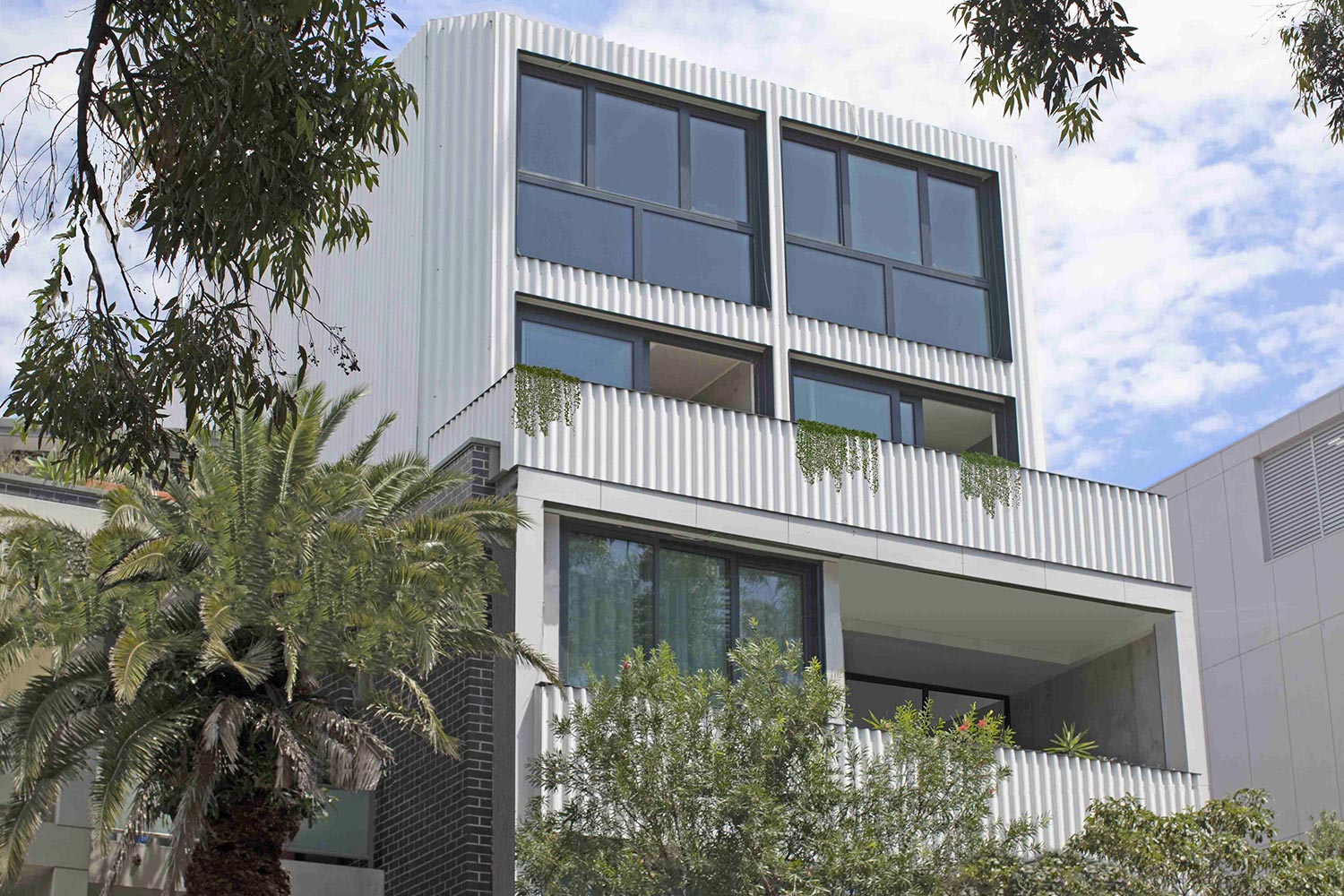
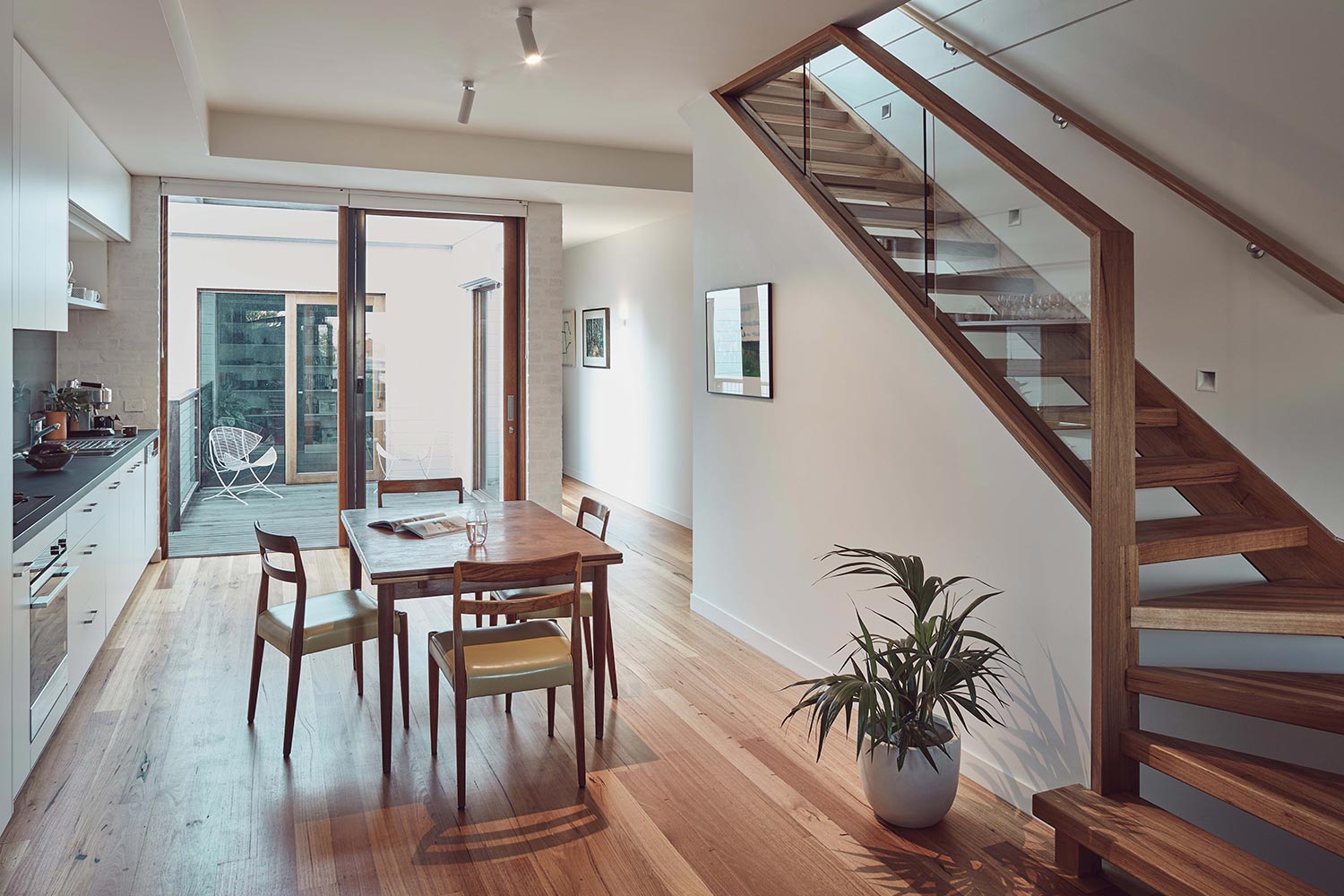
The site is located in the dense inner-city suburb of Clifton Hill where two new town houses, would replace the dilapidated dwellings that had previously occupied the site.
A key driver for the project was thermal performance. With the client keen to avoid mechanical heating and cooling as much as possible, it was critical that the dwelling be very highly insulated with a tight building fabric and a strong thermal mass. This is achieved with the use of insulated concrete slab on ground and suspended concrete slab for the Ground Floor. Reverse brick veneer wall system has been designed for all external walls, which is then insulated externally and clad with reconstituted timber.

Cirque Mount Pleasant

Stirling Capital

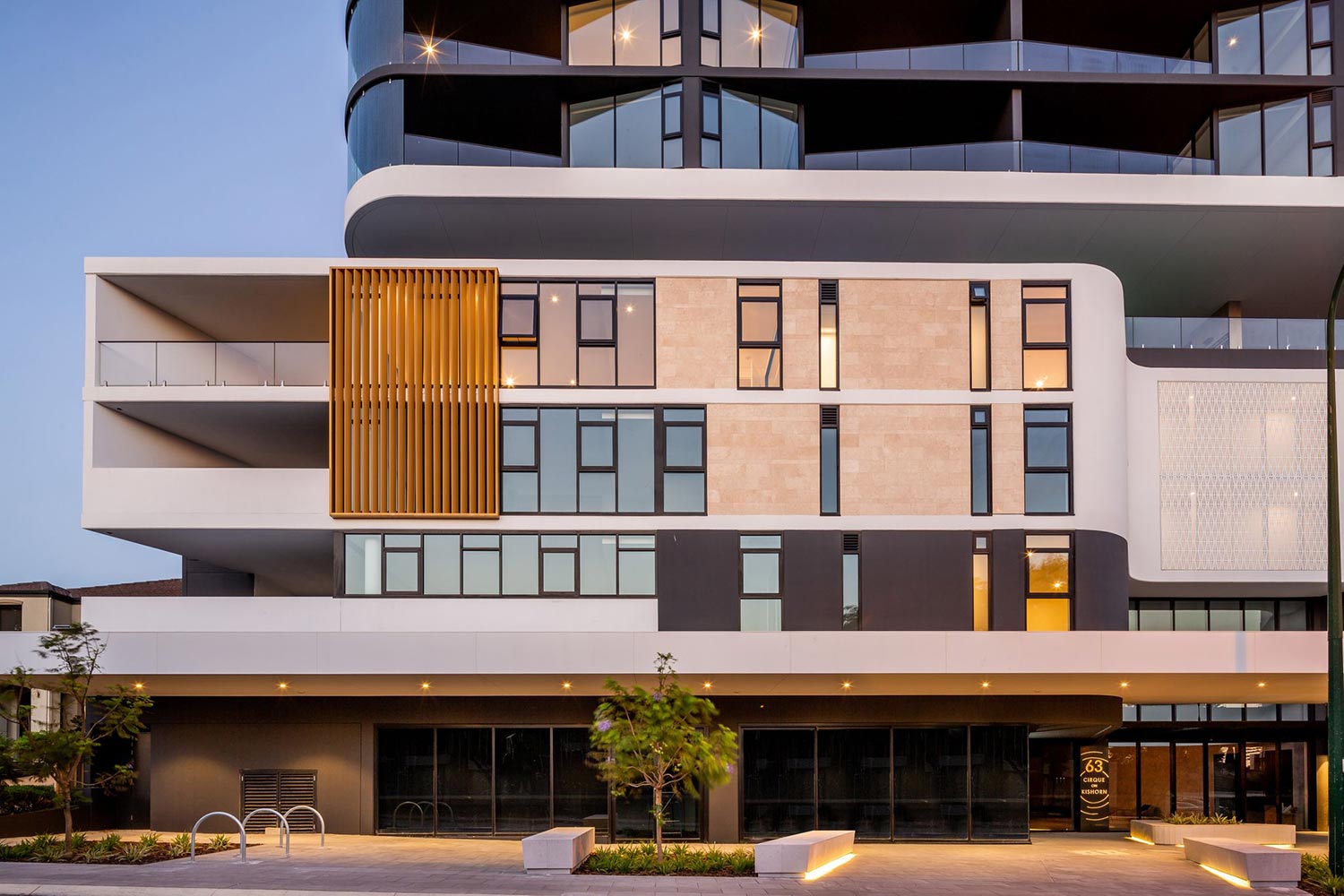
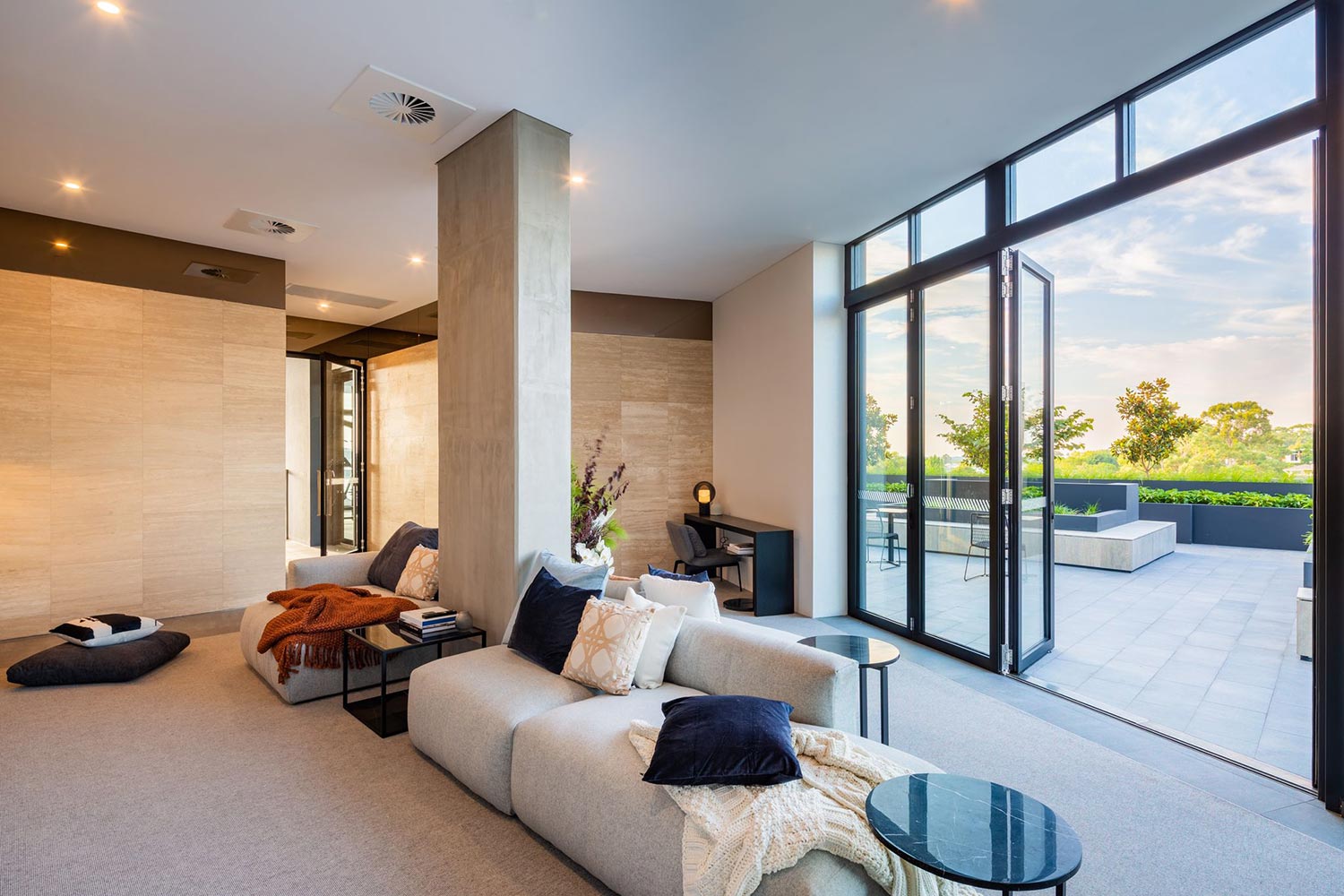
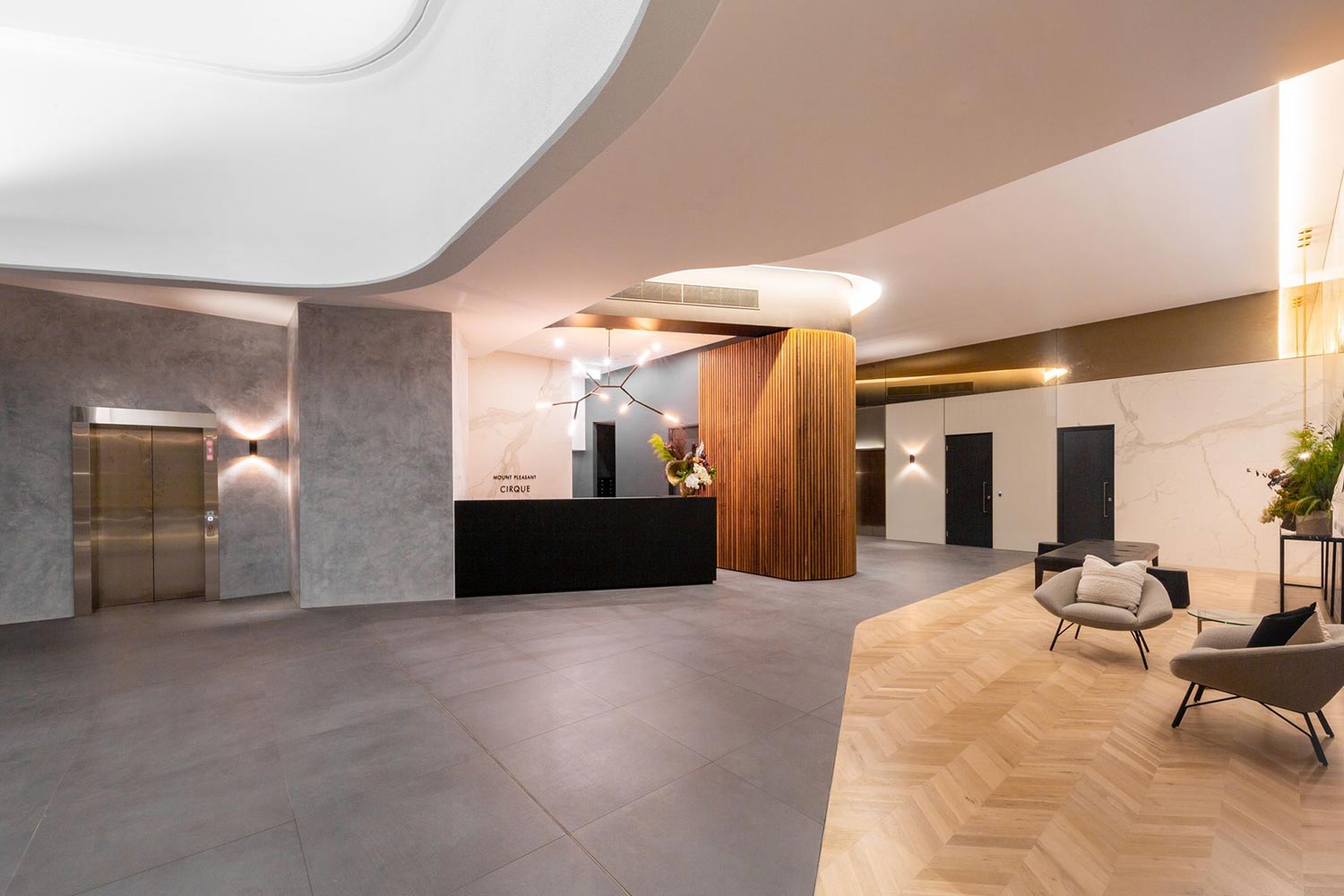
Cirque was the first major development to be approved and built following local government’s adoption of a new Structure Plan. It has been designed to provide a positive benchmark for future development through its exemplary sustainable design and holistic approach to design, amenity, sustainability and community. Cirque’s striking architectural and sustainable design appropriately responds to the now, and well into the future, for a rapidly growing and transforming area that is evolving into a true activity centre.

Torhaven Ephemeral Wetland

Defence Housing Australia

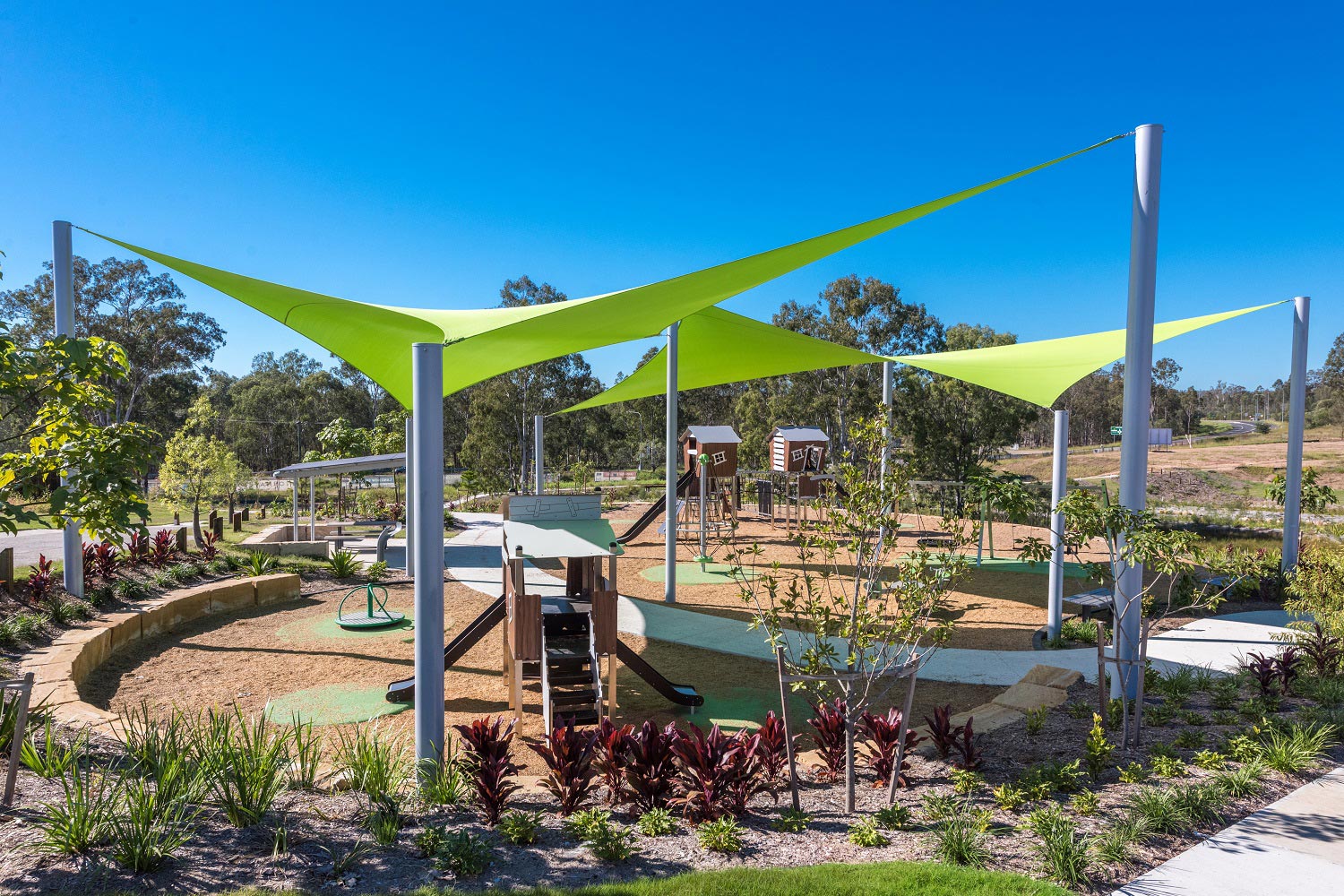
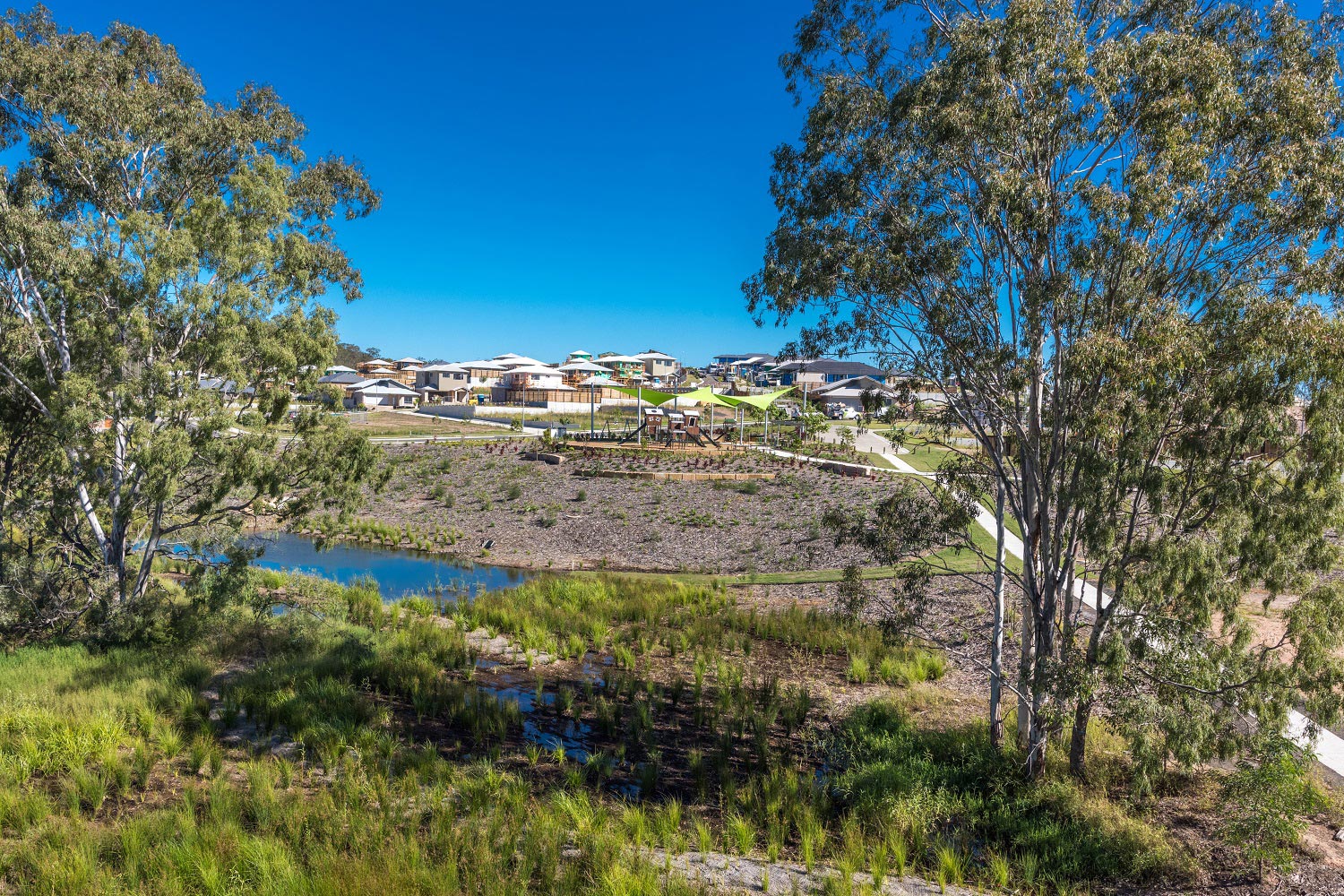
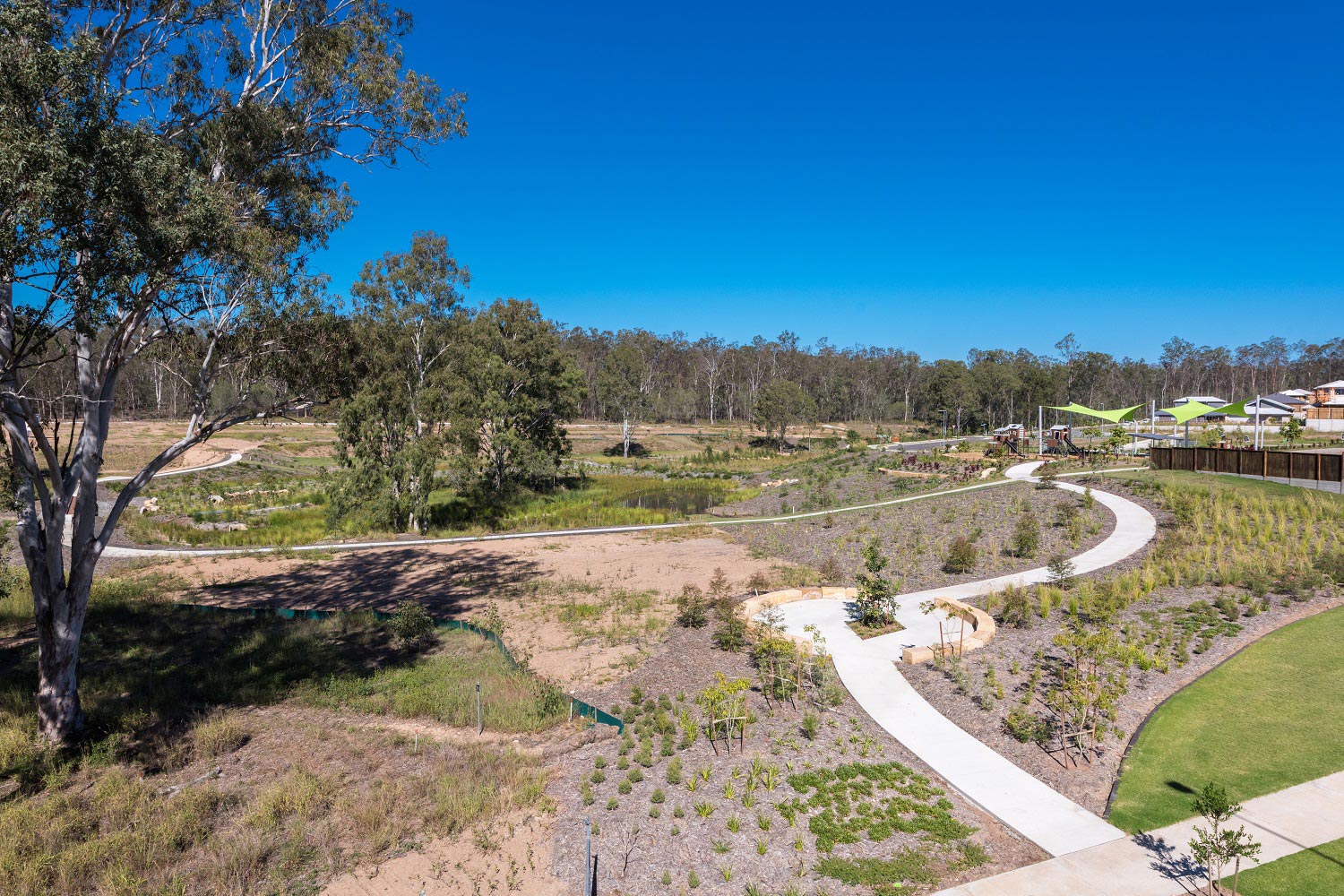
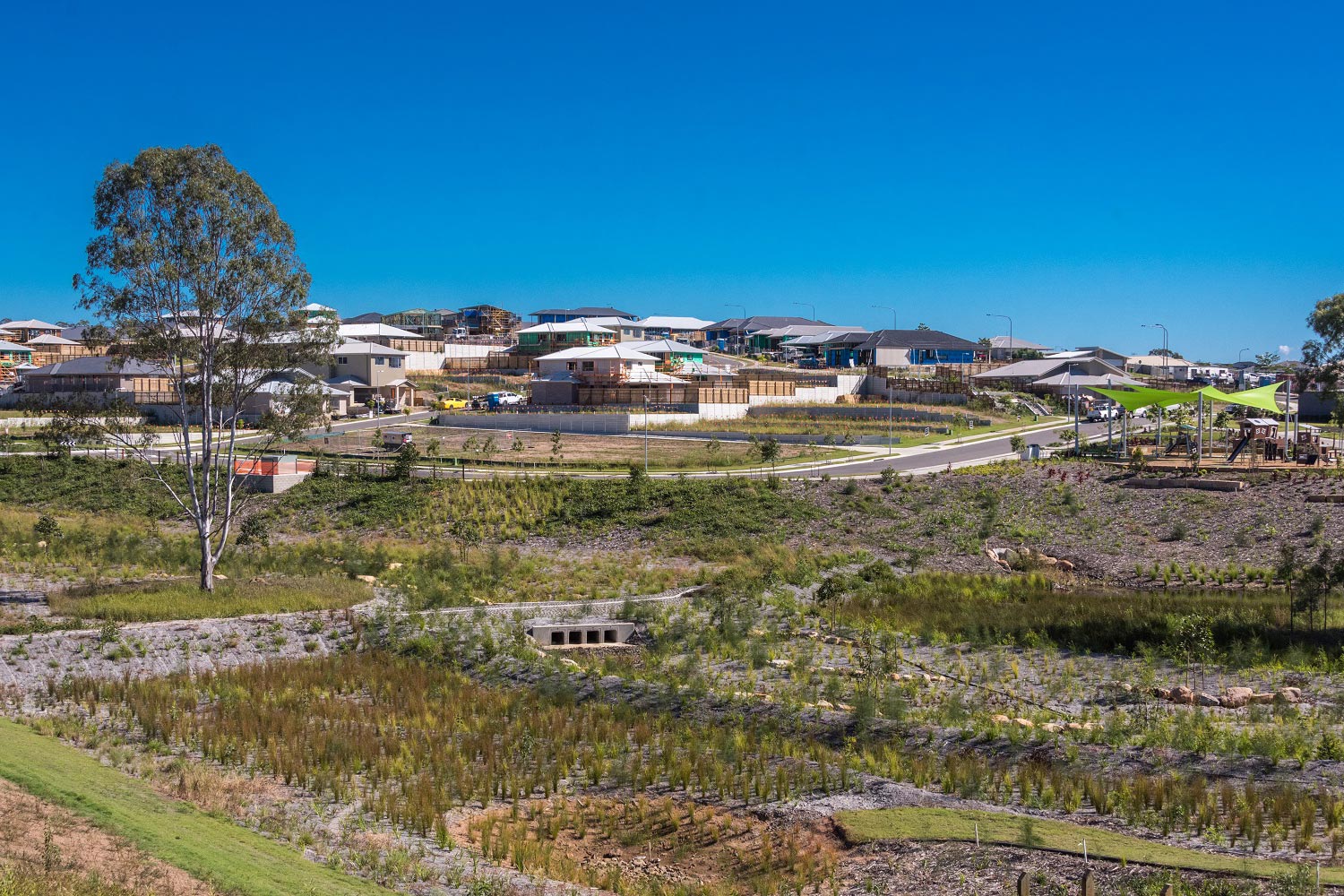
The Torhaven Ephemeral Wetland project was undertaken to create a thriving and functional, living ecosystem that promotes and fosters a relationship between the community and environment. The project aimed to develop a unique ephemeral wetland and drainage system to artificially replicate natural filtering processes for treating stormwater runoff to best practice standards, while also retaining the aesthetic nature of the estate’s landscape. This incorporated the capture and detention of frequent stormwater flows from the development in a vegetated environment. By doing so, the system promotes natural processes of sediment settling, phosphorus absorption, nutrient uptake by plants, denitrification, natural UV disinfection and mineralisation.

The Common at West Village

Sekisui House Australia

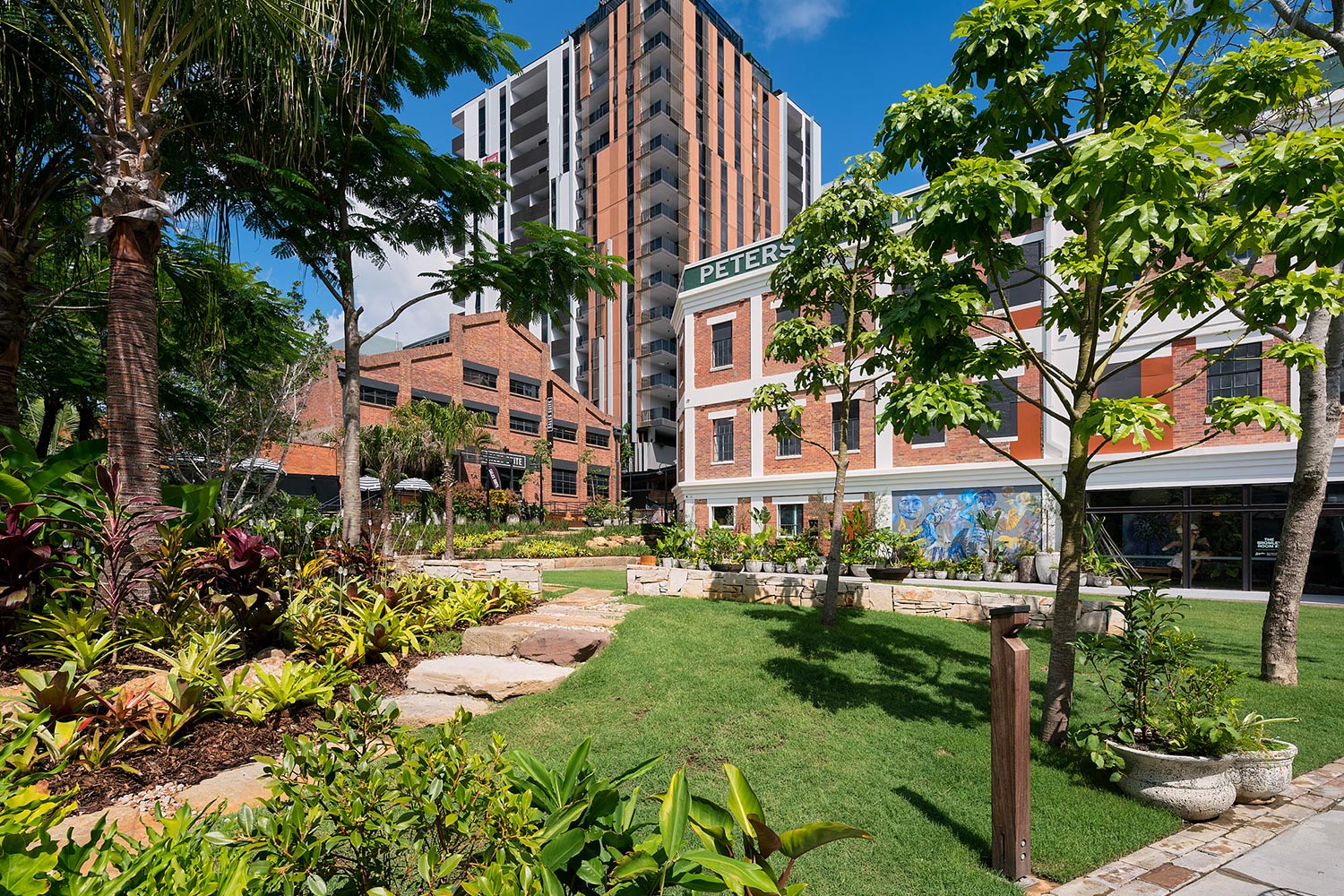
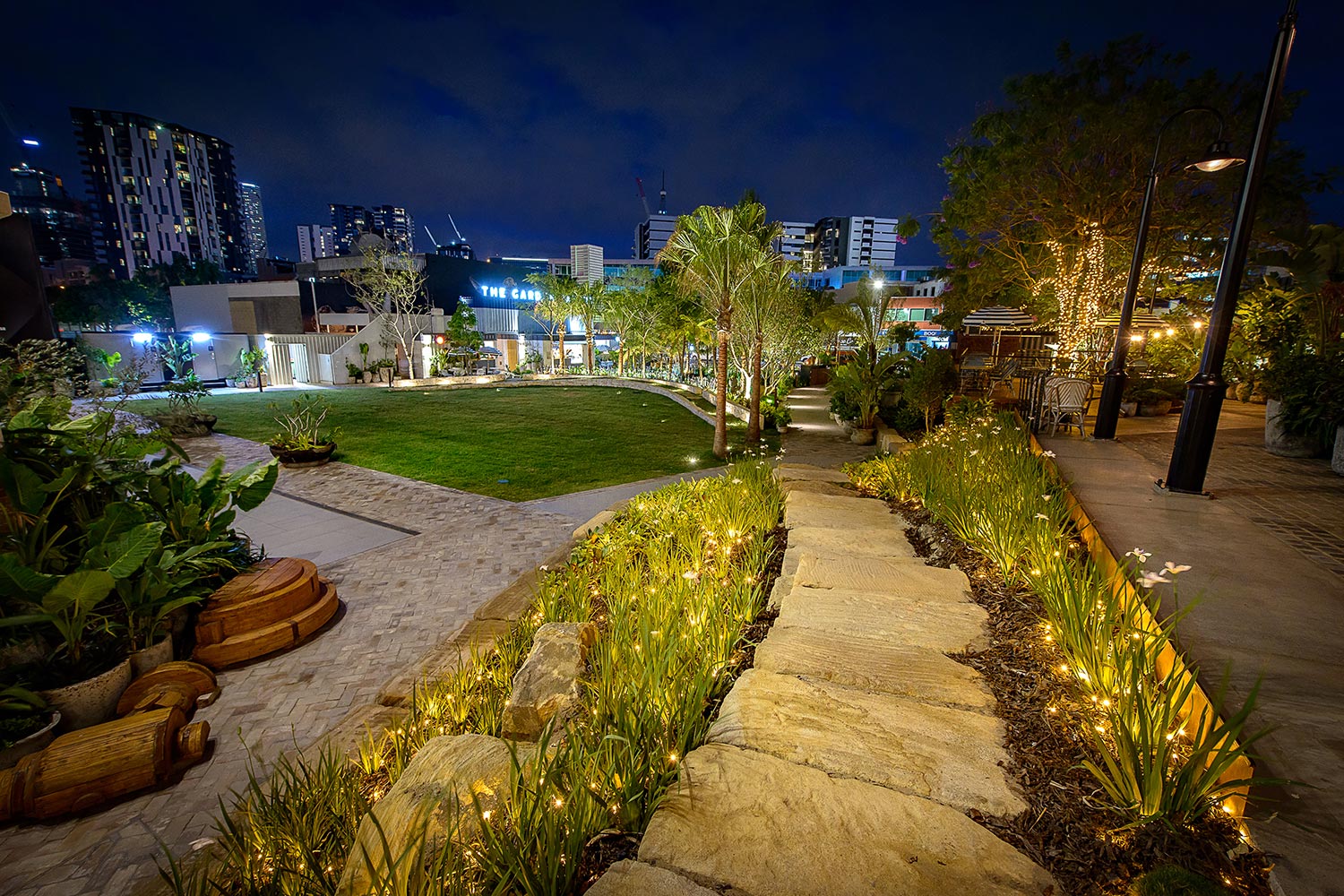
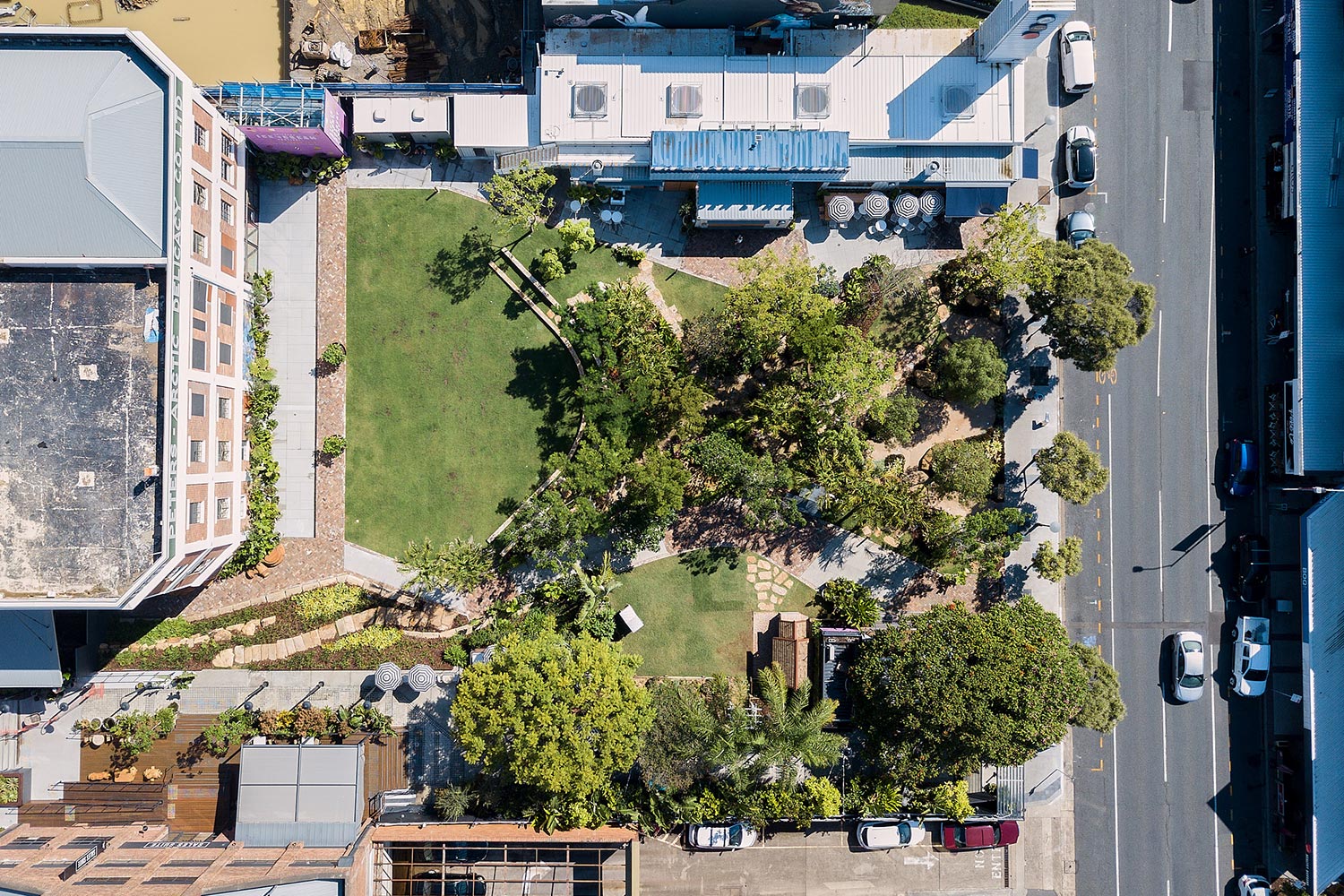
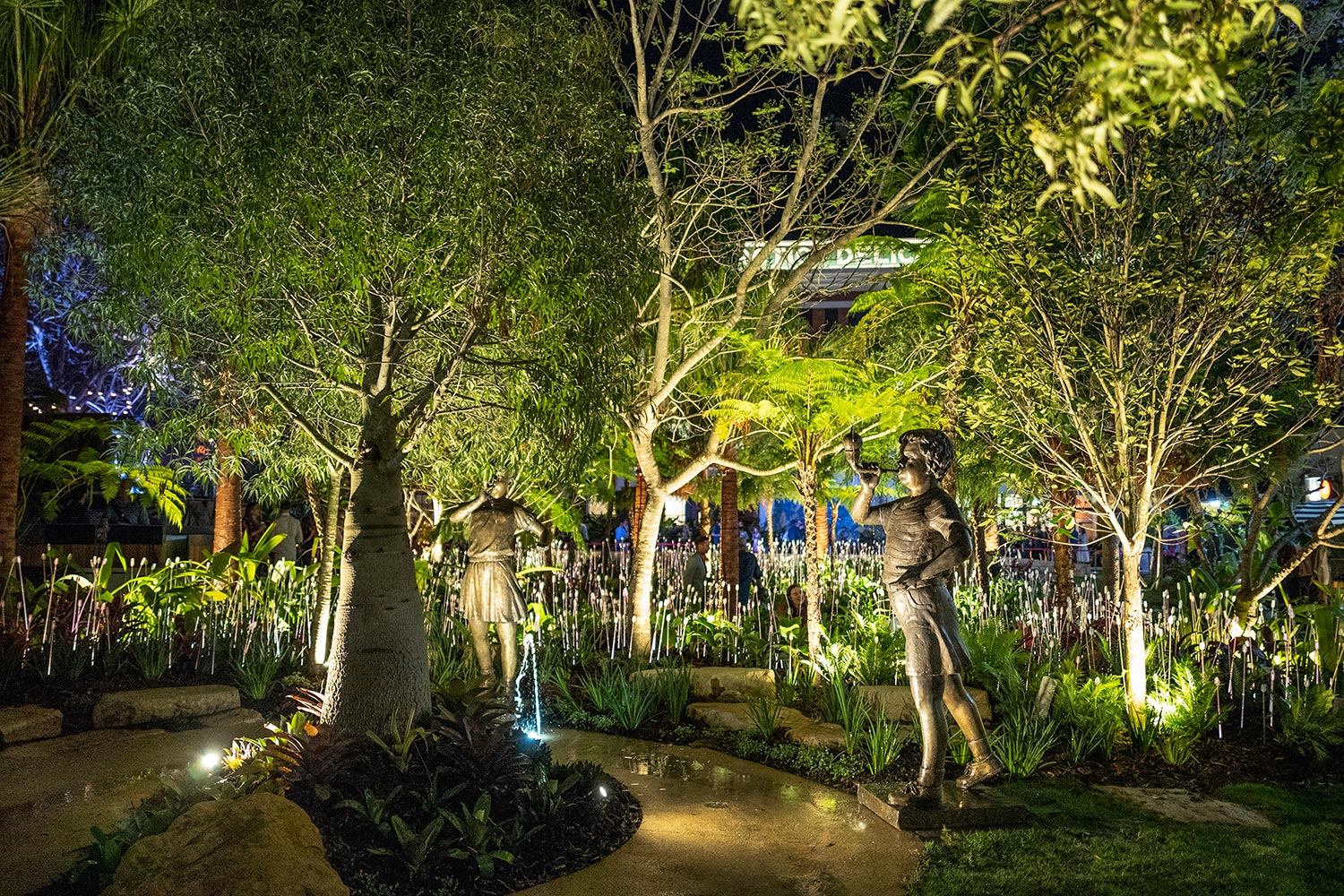
The Common is a pioneering new innovative parkland located within West Village, a 2.6 hectare urban renewal project being delivered by Sekisui House Australia in Brisbane’s West End. Set against the backdrop of the iconic Peters Ice Cream Factory, The Common is a publicly accessible space featuring lush gardens, graded lawns, interactive play features and unique art installations. The park features 52 mature trees, including hoop pines, flame trees, jacarandas, poincianas and weeping figs. Shaded grassy spaces entice both residents and visitors to enjoy respite from Brisbane’s subtropical sun and relax in the naturally cooled environment, while adjacent play areas and water pop jets offer stimulation and activity for children.

Parliament of Victoria – Member’s Annexe

Peter Elliott Architecture and Urban Design and TCL (Taylor Cullity Lethlean)

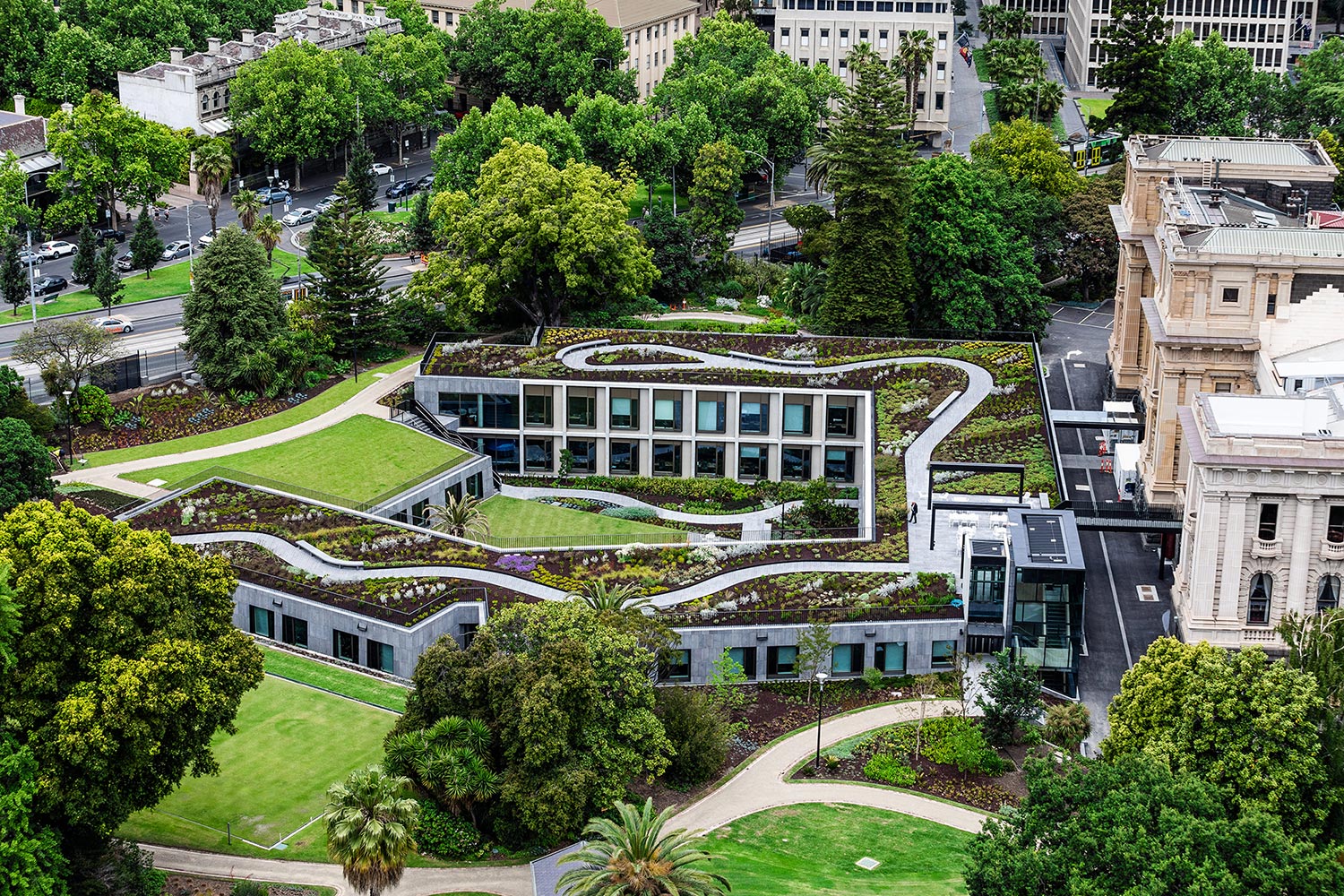
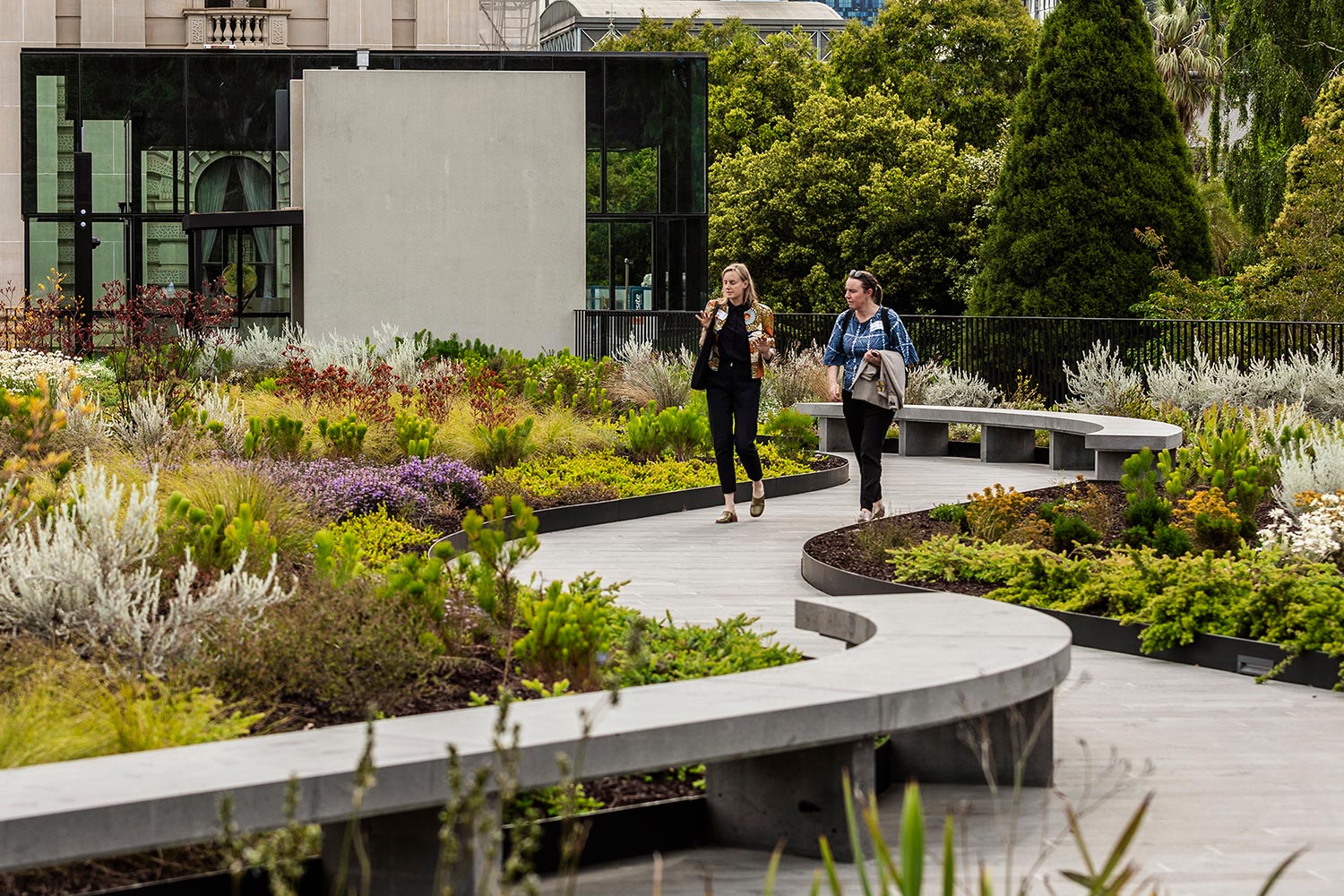
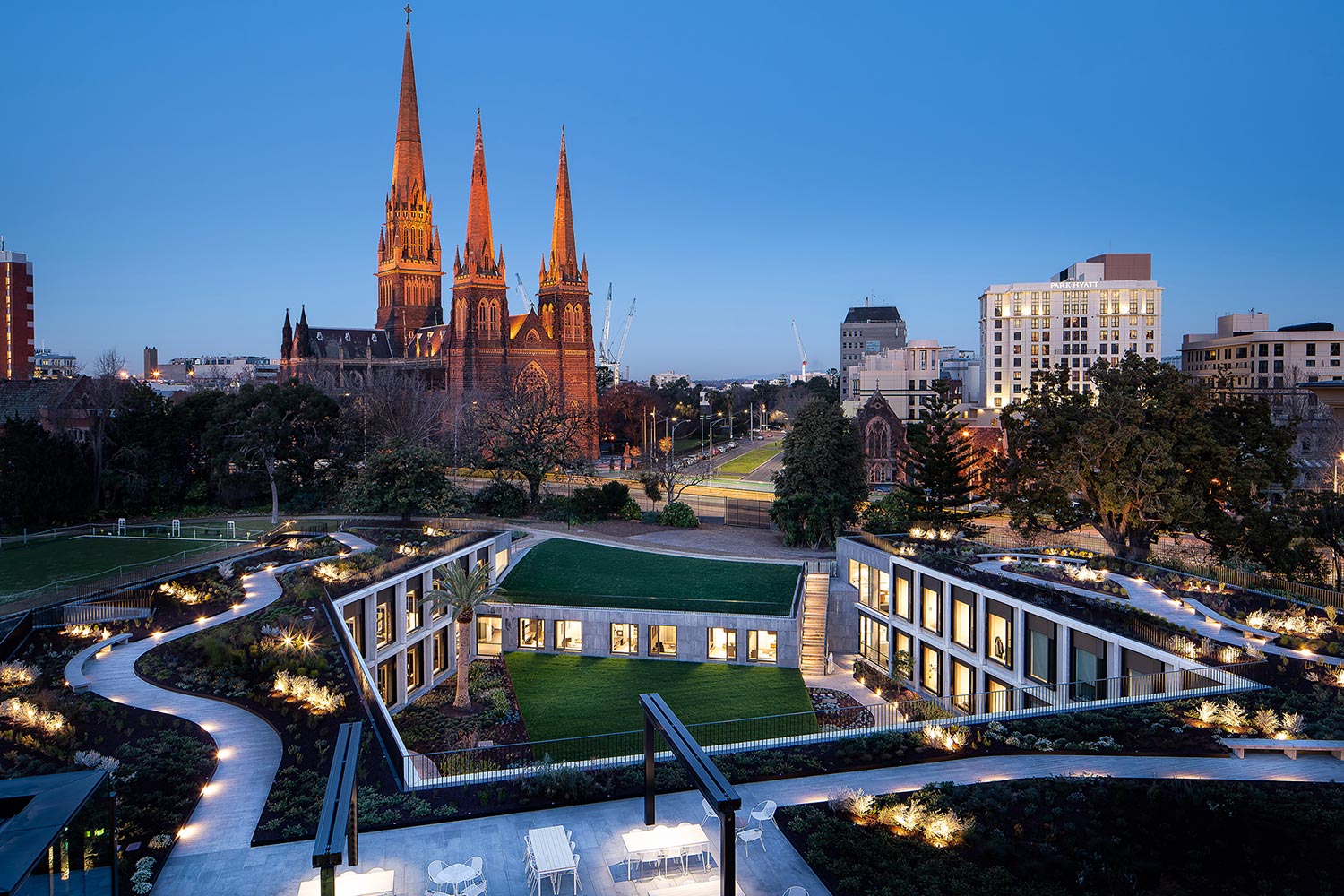
Parliament House is set within a magnificent garden laid out by William Guilfoyle. Within this heritage garden, Peter Elliott Architecture and Urban Design have designed a new Members Annexe building that provides office accommodation for 102 members of parliament and their support staff. The new annexe has been conceived as a companion building to Parliament House, set in a garden, where the footprint has been crowned with two new flourishing gardens (designed by TCL) that merge the contemporary building into its landscape setting.

Biophilic Design for the City of Hope Eco Housing

SCHIMMINGER ARCHITECTS

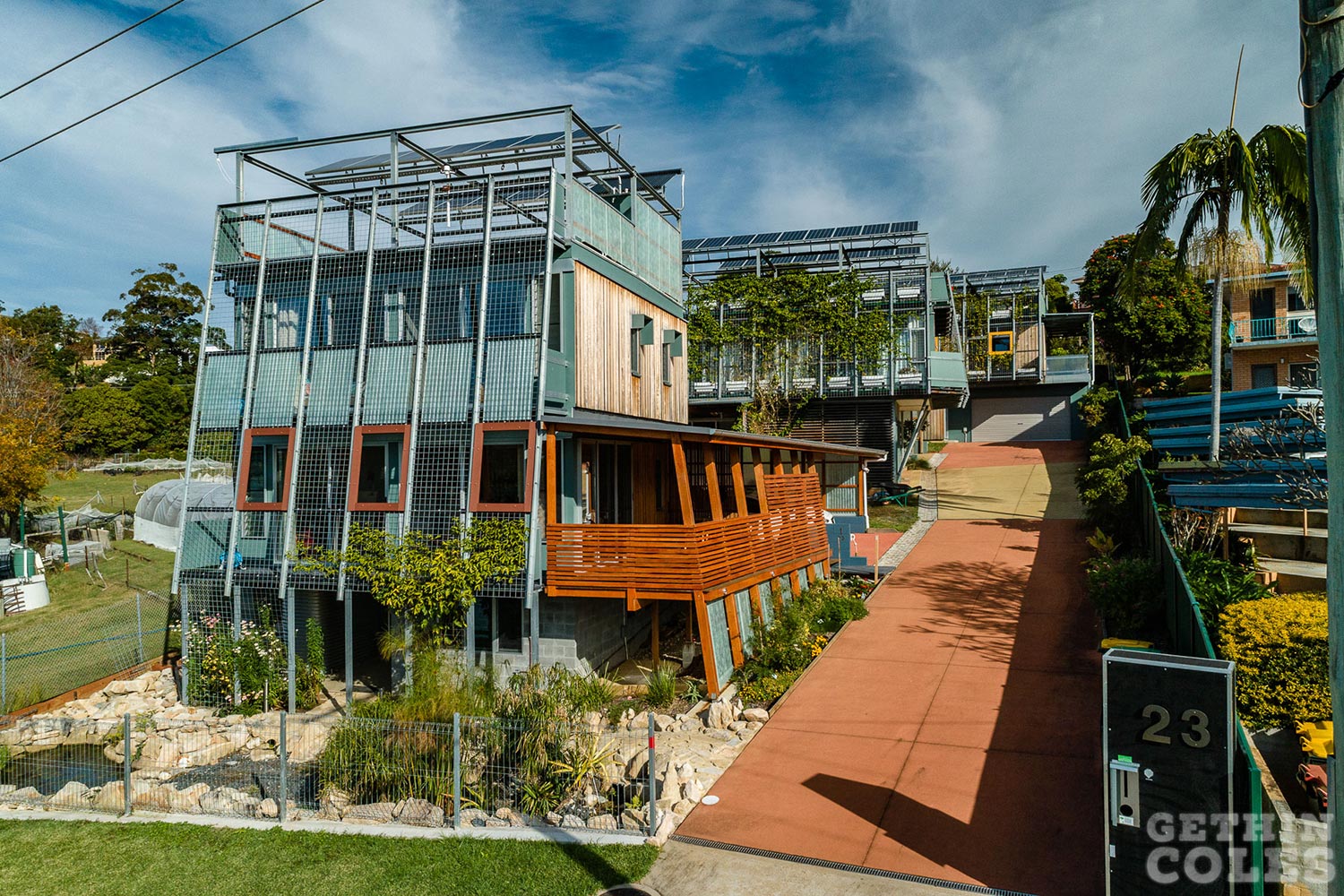
This entry relates to the biophilic design of the ‘City of Hope’ development in Coffs Harbour, NSW. The project aims to explore and demonstrate the viability of some of the most advanced measures of sustainability possible in the built environment today and to do this in the small-scale context of a regional Australian town. The construction of the buildings is now complete and the project enters its next stage of measuring and monitoring performance, producing educational materials about the operation and performance of the project. These materials will be shared with the general public to inspire, educate and engage with others to make change.

Bendigo Botanic Gardens – Garden for the Future

TCL (Taylor Cullity Lethlean) and Paul Thompson with Peter Elliott Architecture

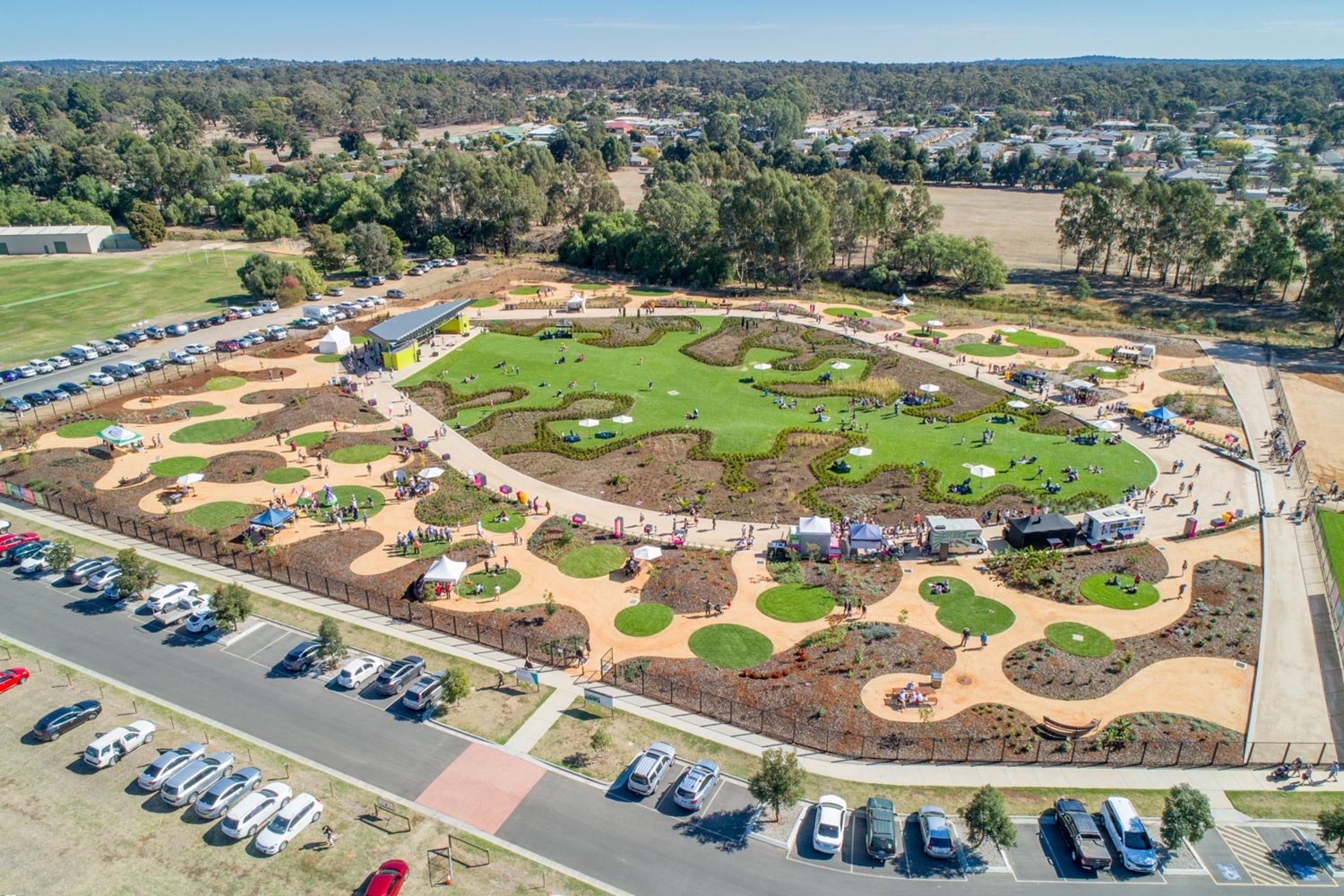
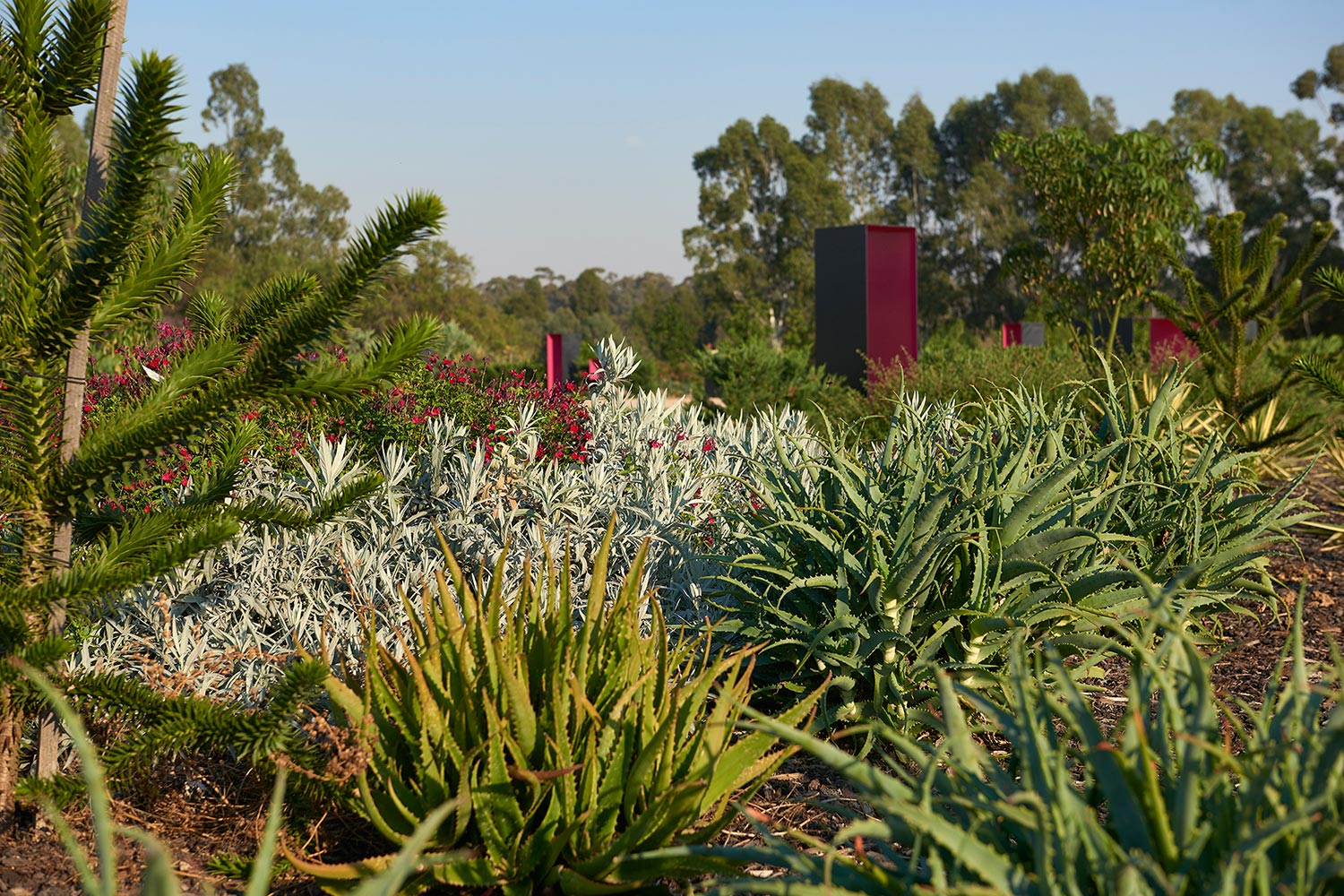
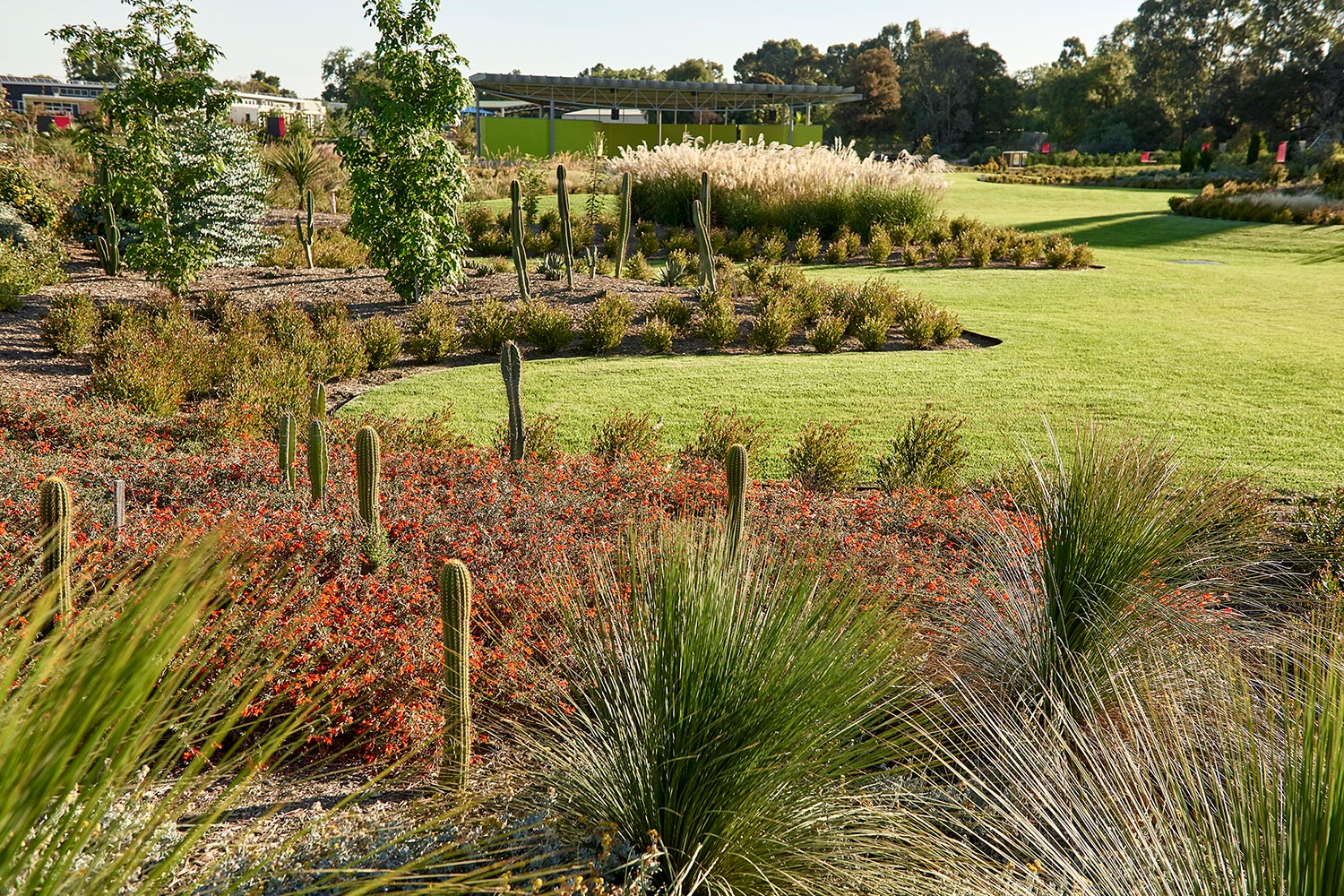
The Garden for the Future is a 3 hectare contemporary extension of the Bendigo Botanic Gardens. It contains more than 30,000 climate-resilient plants and provides a space for outdoor events, informal recreation, picnics, educational programs and horticultural research. The design of the Garden for the Future draws upon the cultural clues of the site – the historical farming of land by the Indigenous populations, the deep historical geological patterns, the ‘puddling’ during the gold rush era and the market gardens that followed – to create a framework within which to host the gardens.

B-Line Commuter Car Park Manly Vale

Transport for NSW

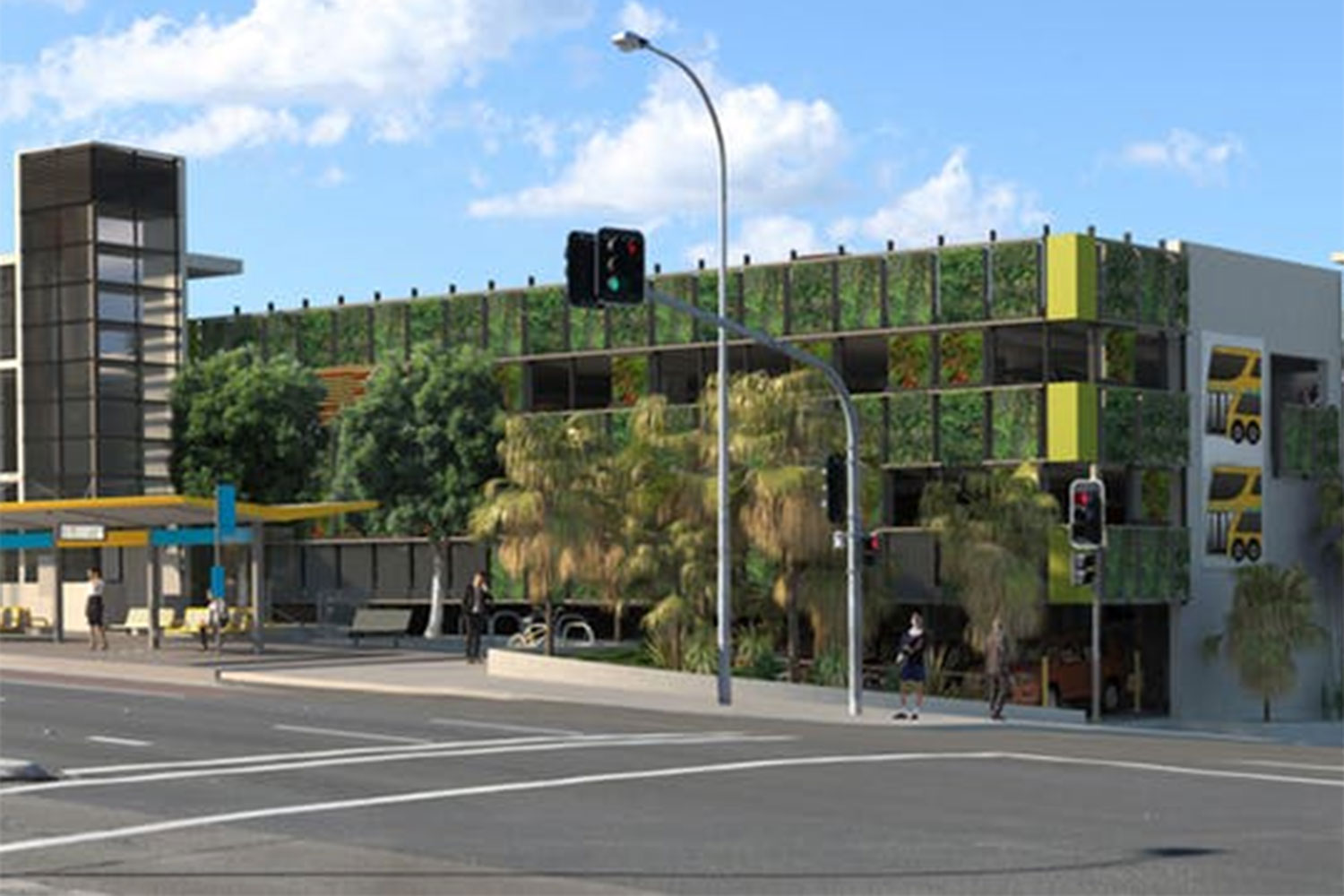
As part of the B-Line project, Transport for NSW (TfNSW) worked alongside living infrastructure specialists, Junglefy, to cultivate a state-of-the-art Breathing Wall as part of the Manly Vale car park development. This was a world first application of a breathable green wall in the external environment. The Junglefy Breathing Wall is an active, modular green wall system, scientifically proven to accelerate the removal of air pollutants, such as carbon dioxide, particulates and volatile organic compounds, faster than any other plant-based system on the market. It also acts as a sound barrier, improving acoustics while cooling the surrounding air temperature.

Welcome to the Jungle

CplusC Architectural Workshop

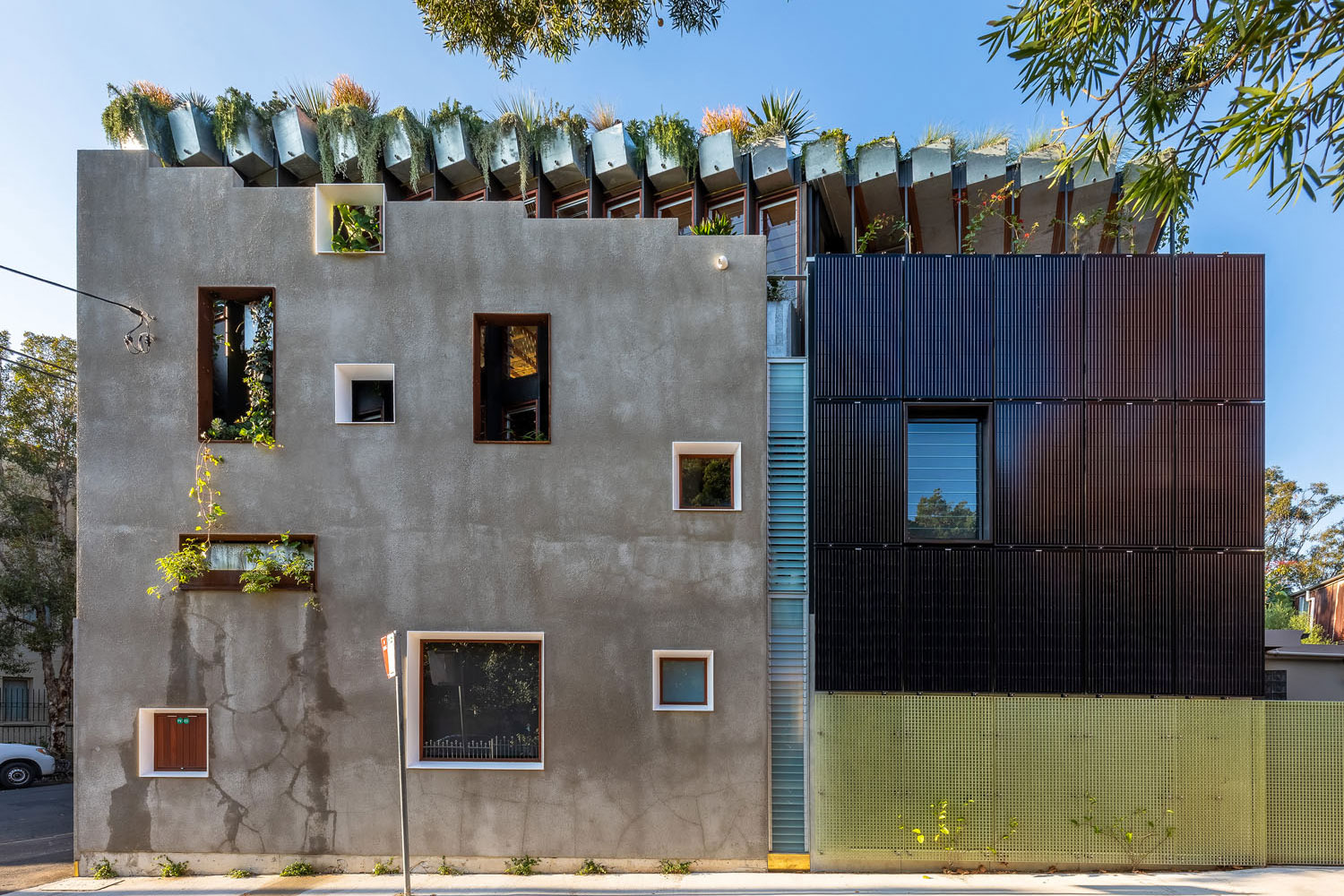
The three-story home is built within a rejuvenated heritage façade of a long-unoccupied two-storey shop-top house sitting on a 98sqm triangular shaped corner site with north, east and west solar access and outlook. Galvanised steel planter beds provide the structural bracing between the two skins and are filled with plants that cool the incoming breezes via transpiration. A 1600L aquaponics fishpond is linked in a cyclical system to the accessible rooftop of planter beds, providing the native Australian plants and fruit and vegetables nutrient enriched water caused by the edible silver perch (fish) that inhabit the pond.

Mirvac’s South Eveleigh Building

Mirvac

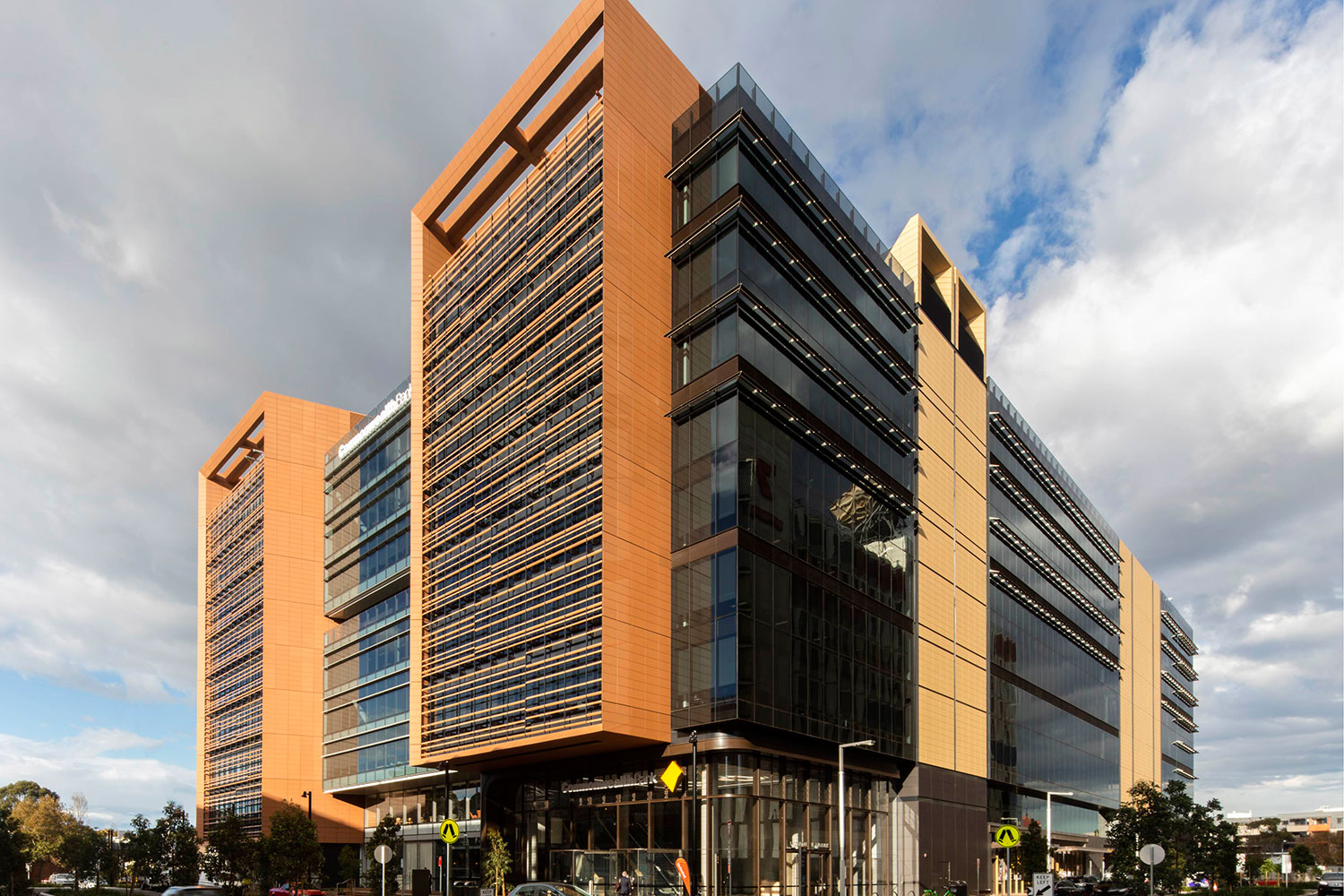
In setting out to transform the Australian Technology Park (ATP) in Eveleigh, Sydney, Mirvac’s goal was to create a significant destination for work, diverse retail and the community. The new precinct, renamed South Eveleigh, opened in 2019 and will be completed in 2020. Axle is one of three new commercial buildings with advanced sustainability features that will sit within South Eveleigh. It sees Mirvac take a significant leap forward in responding to the future of work, designing a space that weaves flexible working and environmental sustainability into a future-proofed office environment.

Wise by Amorim

Market Timbers

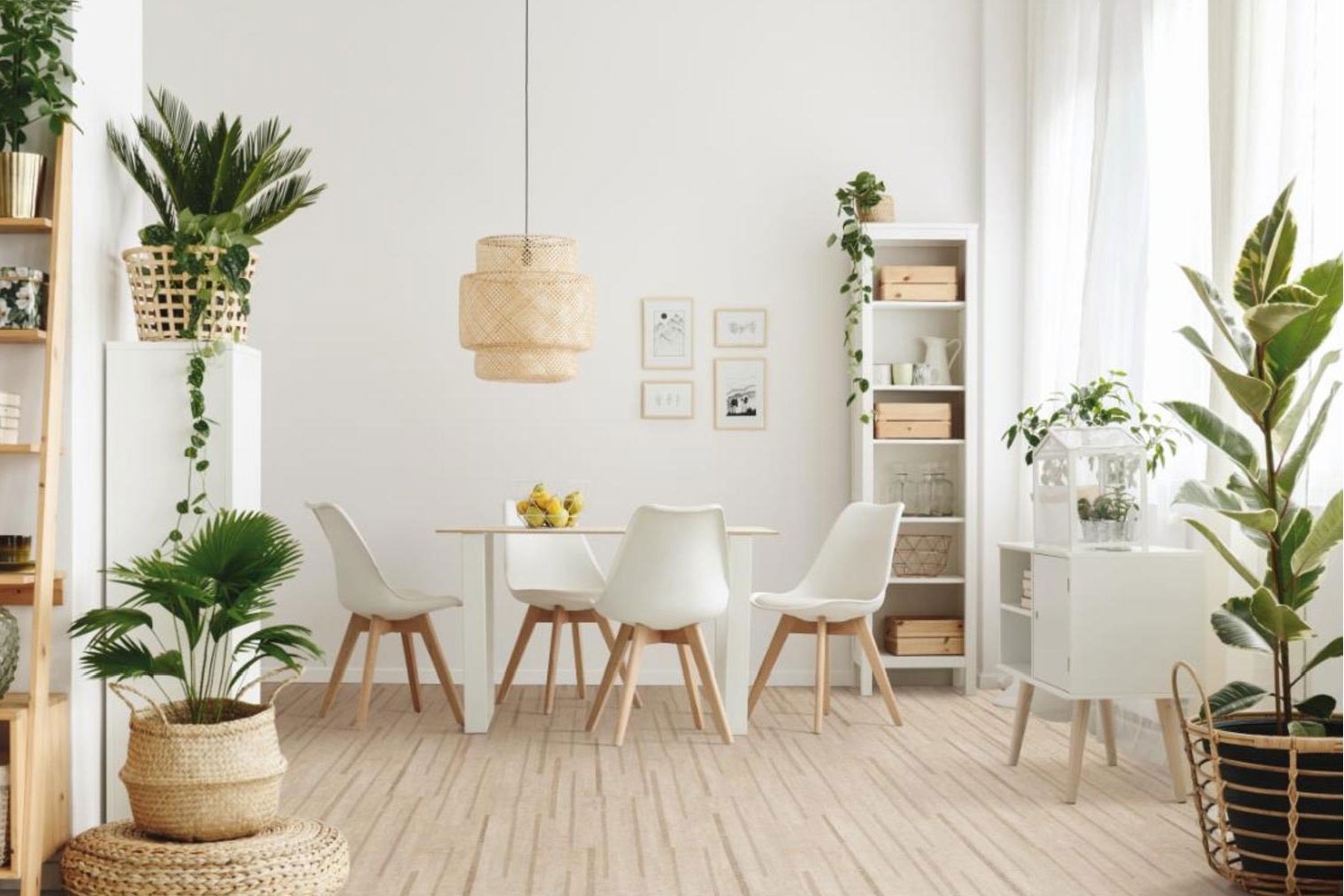
Wise by Amorim is a Climate Positive, non-PVC product. With a carbon negative footprint, Wise is based on cork, a 100 percent sustainable material. By using a unique engineered multilayer structure, which combines state-of-the-art technology with the exclusive natural properties of cork, a higher standard in flooring is achieved, providing the perfect match between beauty, comfort and durability.

Hydrowood

Hydrowood

Hydrowood is timber reclaimed from a forests submerged 50 years ago beneath the depths of hydroelectric dam. Through innovative technology and drying techniques this beautiful timber, once lost, is now available in range of custom products and a variety of species. Its environmental credentials are unsurpassed. Reclaimed, Responsible Wood certified, red list free, and recently achieving Declare certification, this timber is sought after for 5 Star Green builds and those joining the Living Building Challenge.

‘Off the Grid’ – Carbon Neutral, Cradle to Cradle commercial carpet

Shaw Contract Australia

This product is the world’s first carbon neutral, cradle to cradle, Red List chemical free commercial carpet collection produced in a 100 percent carbon neutral facility. Inspired by the natural environment and built for nature, Off the Grid is a textural collection of undulating patterns that mirrors the natural world and forges deeper connections to the world around us.

Oliver Steele

Steele Associates

The Fern, Australia’s first Passivhaus apartment, was designed, built and developed by Oliver Steele and the Steele Associates team. Oliver personally researched every aspect of the project from site strategy, right through to the finest details such as specifying the location of every single MHRV ventilation valve for optimum performance. For each and every decision, Oliver asked, “How is it normally done in apartments, and why is it done like that? How can we improve on ‘normal’ by lowering environmental impact and increasing quality and delight for occupants?” After exploring Passivhaus, Oliver realised that its rigorous scientific method overcame the shortcomings he’d found with passive solar design. He decided to take the plunge and commit to making the Fern, Australia’s first ever Passivhaus multi-residential development.

Kaylie Salvatori

Arcadia Landscape Architecture

With a belief that traditional Indigenous landscape management techniques, food systems and ecological knowledge are key in working towards sustainable food and textiles production and a fundamental component of Indigenous culture and agency, Kaylie seeks to advance the case for Indigenous collaboration and representation in landscape architecture and the built environment. Though a recent graduate of the UNSW Bachelor of Landscape Architecture program, Kaylie has been involved with some pioneering work in the industry, namely the Yerrabingin rooftop farm, an Aboriginal led and managed project that harvests Indigenous foods from a commercial inner-city rooftop in the South Eveleigh precinct. She has also been instrumental in incorporating Indigenous knowledge and modes of learning into the fundamental studio courses at UNSW.

HY William Chan

Cox Architecture

HY William Chan’s ambition in the sustainable built environment industry is reflected in his influence and advocacy on the world stage, and his design innovations and projects globally. A recent graduate of architecture (2018), William has used the power of innovation, technology and sustainability to empower refugee youth to design their own built environments globally. He has developed an award-winning life-changing desktop tool that creatively upcycles plastic waste in refugee camps into useful 3D-printed shelter elements, and at the same time, upskills young people in environmental sustainability. The initiative, the first of its kind in the world, educates young refugees in future skills, the circular economy and ‘green’ design.

Oliver Steele

Steele Associates

In order to realise his goal of proving that cutting-edge, sustainable design is commercially viable for developers, Oliver has taken on all commercial risk himself, by designing, building, and developing his projects. By pushing the boundaries, and doing the work that others aren’t willing or able to do, Oliver is paving the way for the future of sustainable development in Sydney. Throughout the process, Oliver has shared his results and learnings with a public audience, through online videos, conference presentations, and public events and tours of projects, to ensure that the information is publicly available for everyone to use.

Emily Wombwell

SJB

After 10.5 years (3 years post-grad) of practice in large architectural firms, Emily has just witnessed the completion of the first of her projects as design lead with SJB – BMW & MINI Showroom, Rushcutters Bay. She has three additional projects currently under construction for which she has also been design lead – Loftus Lane for AMP Capital, Circular Quay, East End for Iris Capital, Newcastle and Lume for Doma Group, Newcastle. Each of her projects seeks a robustness along with flexibility, ensuring permanence in a material sense as well in its relevance to its place over time. This, along with efficient, high-performing design solutions, determines her approach to sustainability for every project whether it forms part of the brief or not.

Our Lady of the Assumption Catholic Primary School

BVN

Our Lady of the Assumption Catholic Primary School is a new K-6 school for 420 students in North Strathfield. The design is a realisation of the school’s vision of creating spaces that invite imagination, innovation and support independent learning and student wellbeing. The project reuses a rundown 1970s three storey former Telstra training centre that was a typical institutional example of brutalist concrete architecture of its time. Flexible, open and inviting learning spaces support the school’s vision. To maximise daylight penetration and enable natural ventilation, the external concrete façade of the existing building was replaced by high performance timber framed double glazing.
Highton Child and Family Centre

Brand Architects

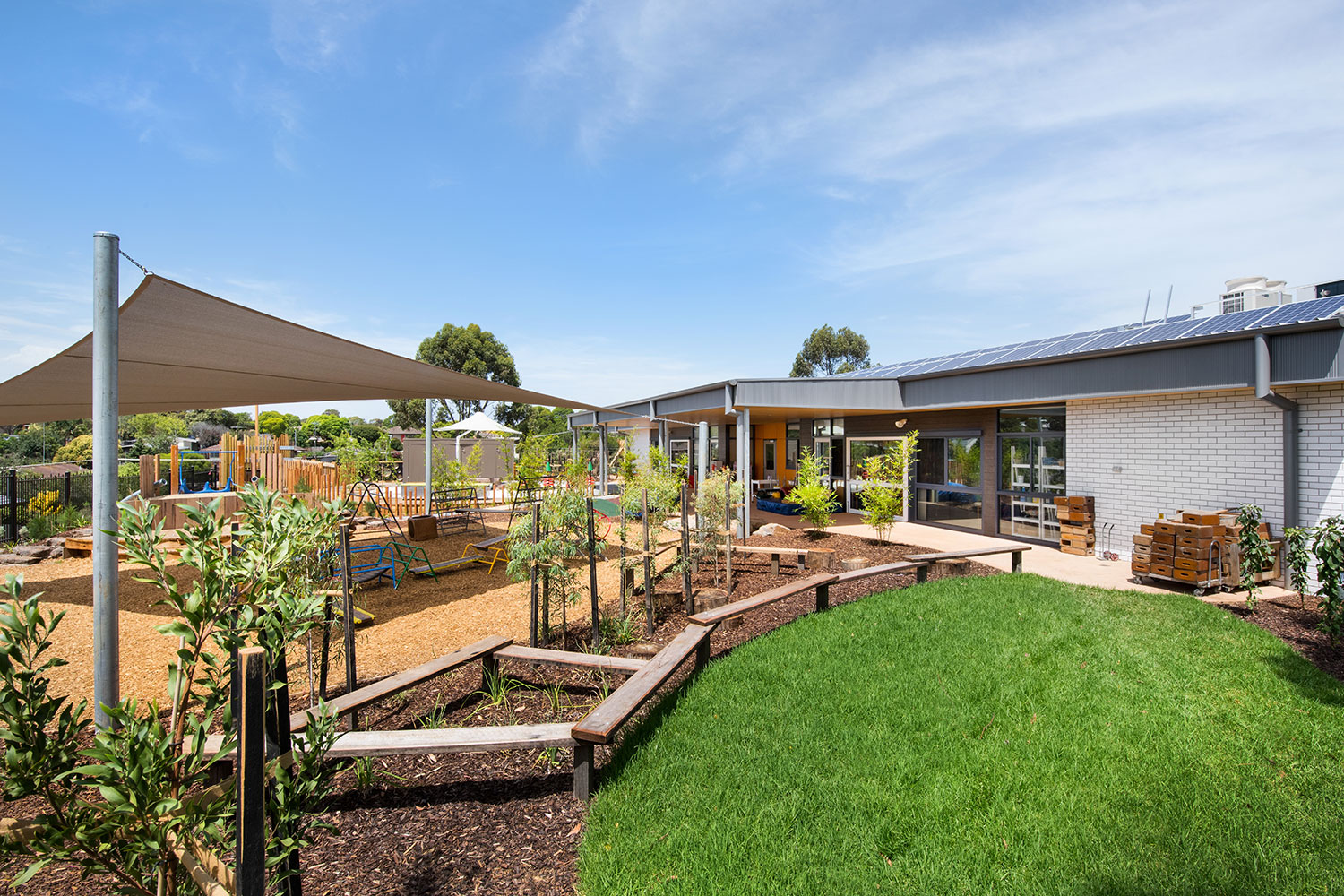
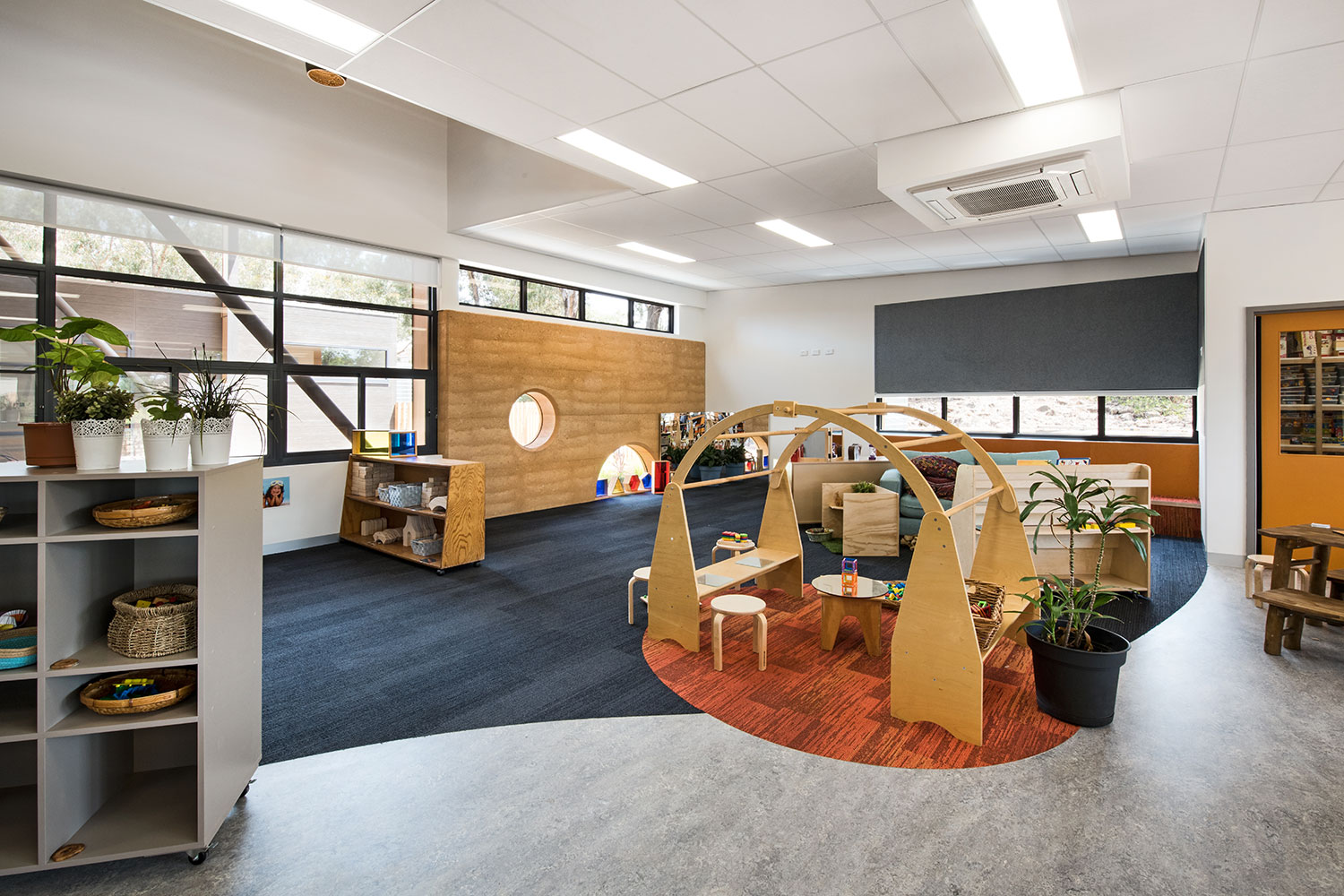
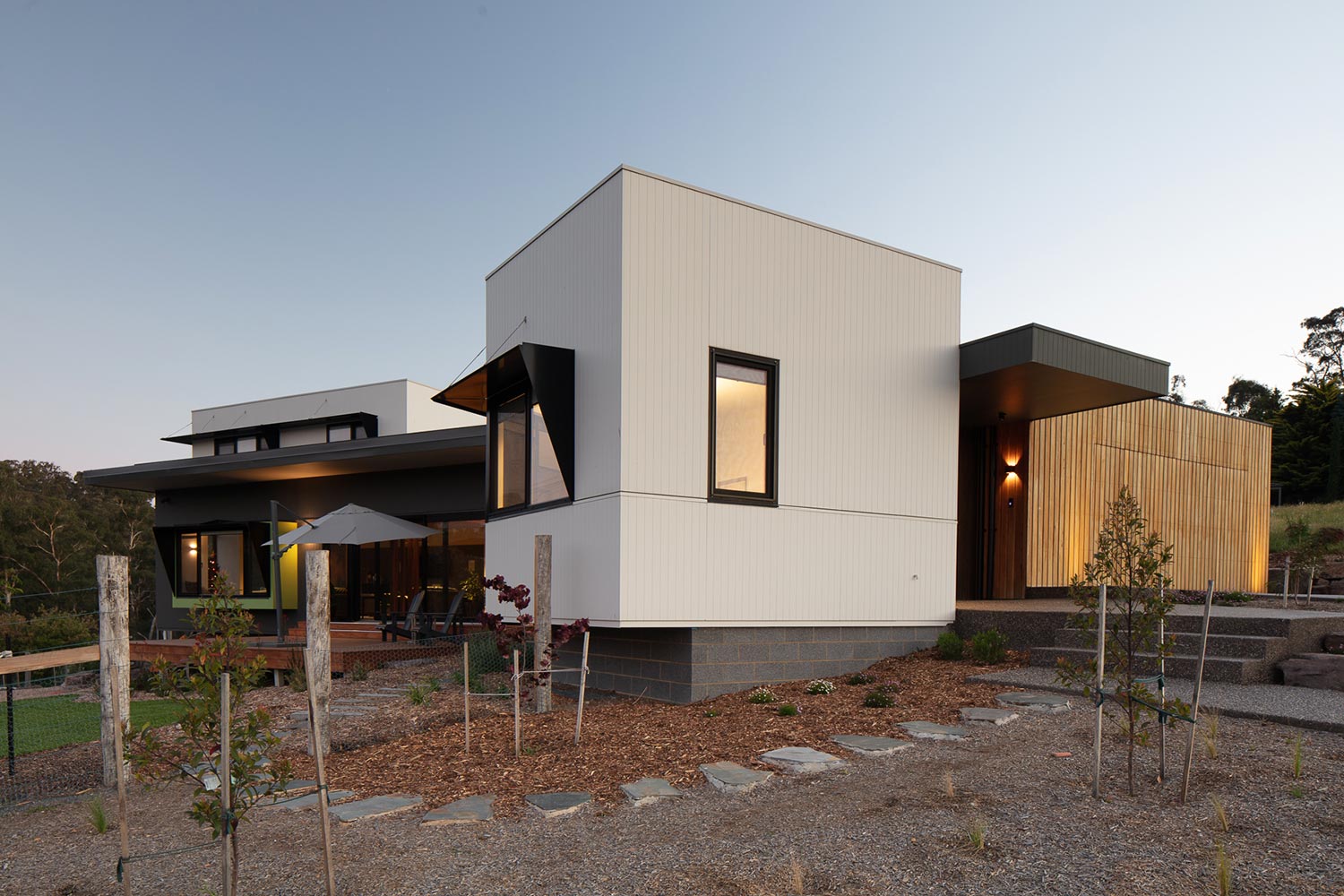
The Highton Child and Family Centre is a Green Star designed building constructed by the City of Geelong as a part of its new forward-thinking Sustainable Building Policy, and it is now acting as a flagship building for other Green Star buildings under construction by the municipality. The building sits in a leafy, revegetated landscape and the external walls themselves are to be ‘greened’ by allowing Boston Ivy creepers to climb up their surface. The landscape design by Ochre Landscape aims to provide creative and sustainable external spaces that combine the principles of both natural and structured play.
Faculty of Arts and Social Sciences

Architectus

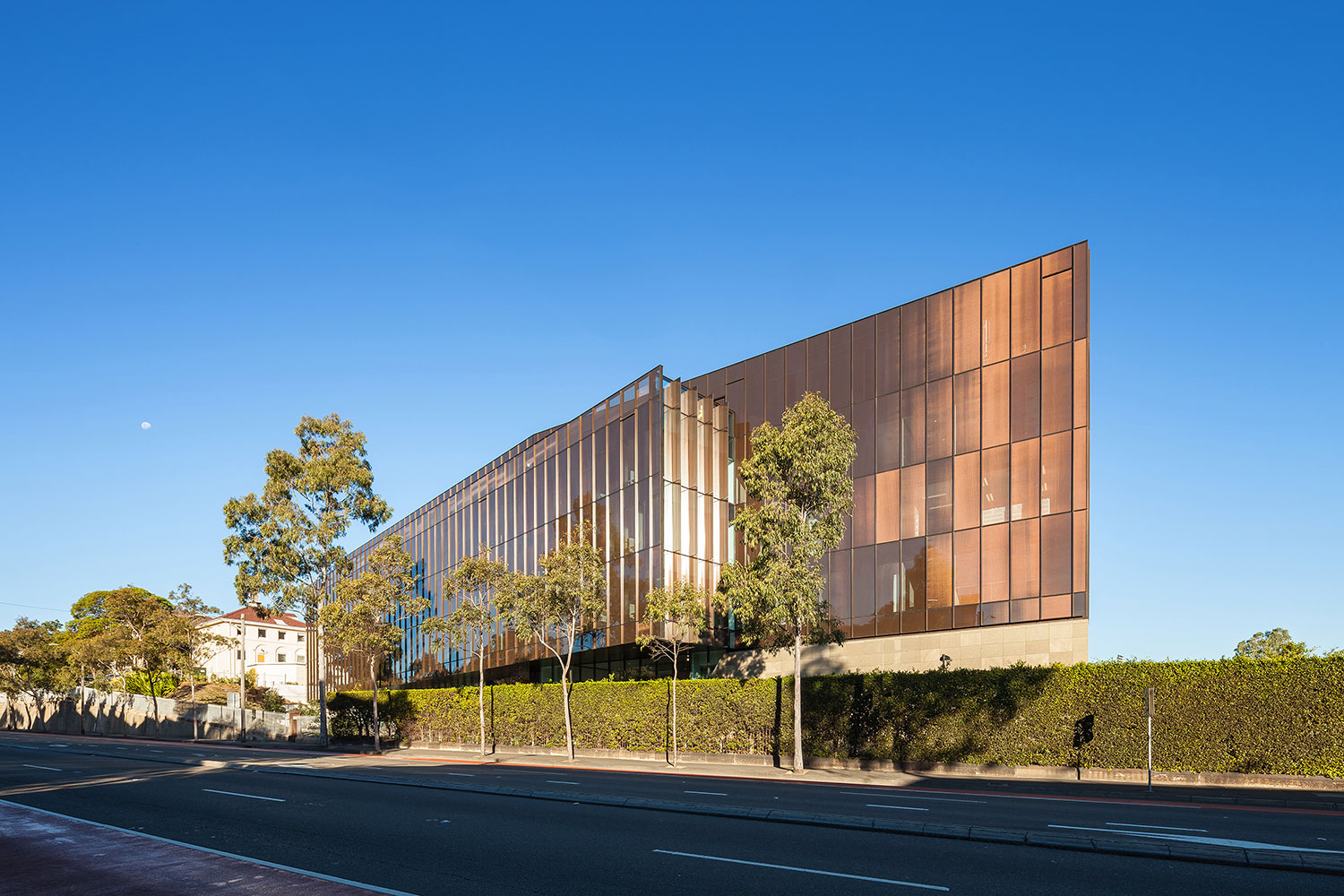
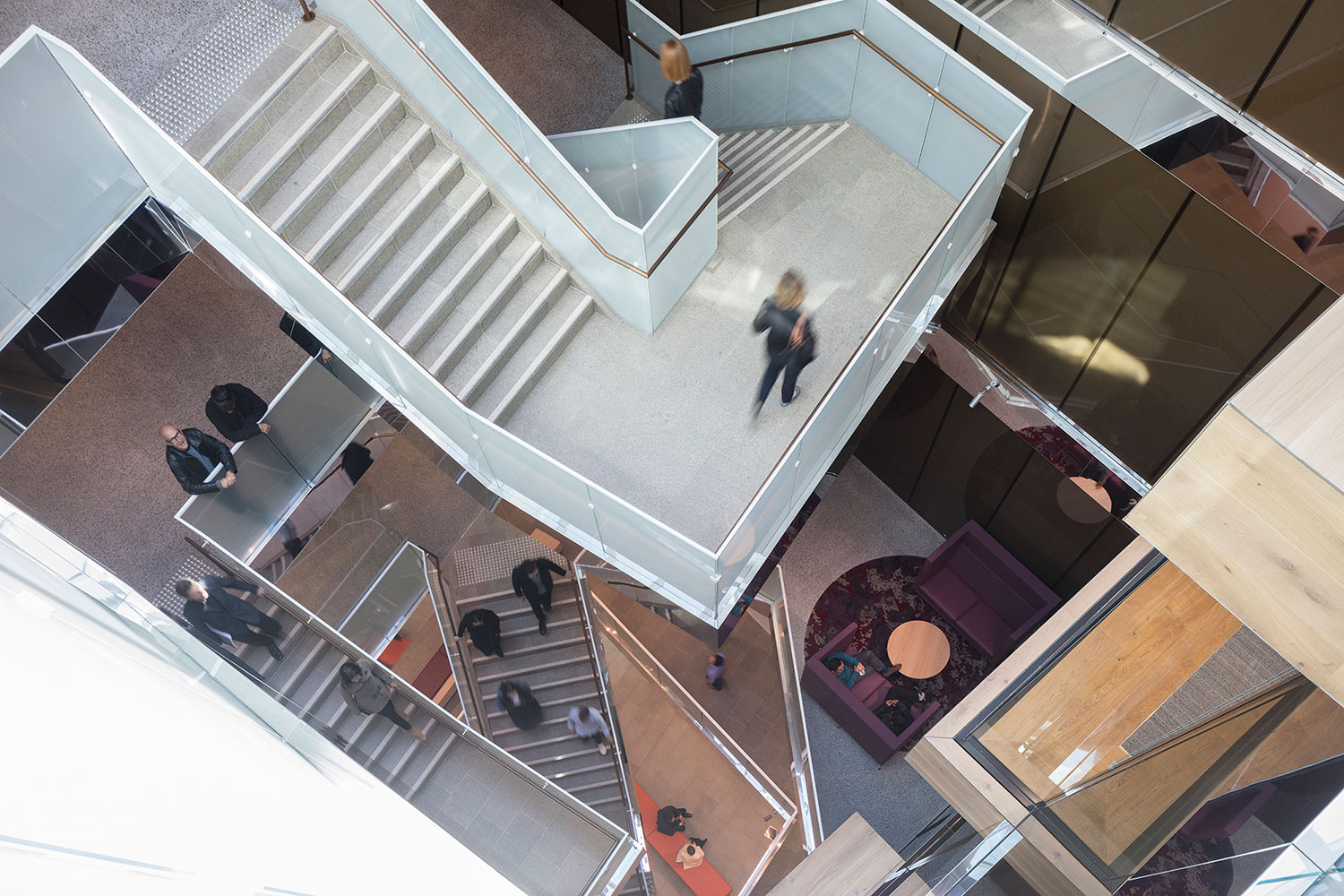
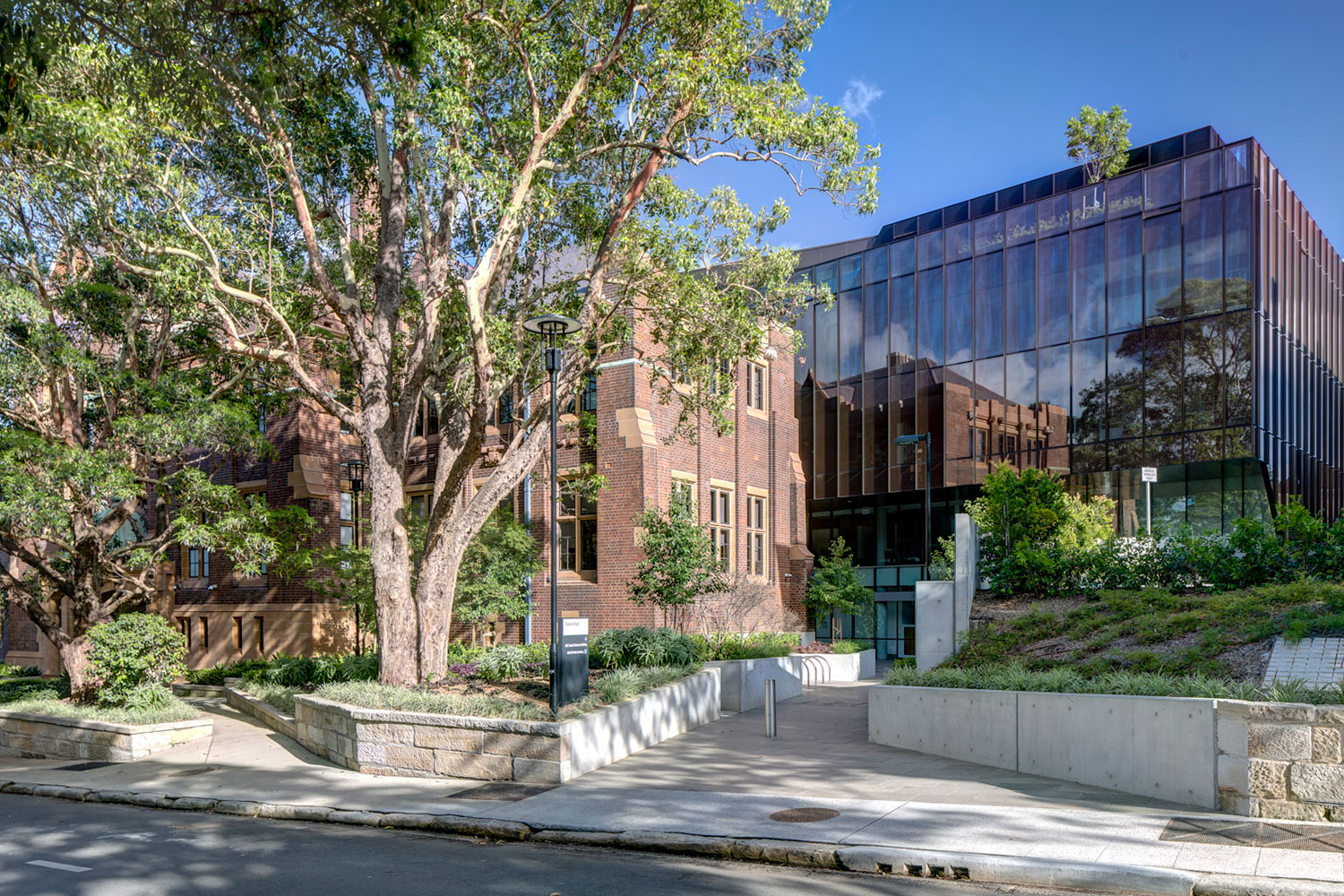
The Faculty of Arts and Social Sciences building is on a constrained site and expresses a contemporary identity to the Parramatta Road public domain, while presenting inwardly as a respectful backdrop building set in its landscape context. The building form mediates between the dual alignments of the adjacent Heydon Laurence building and future Life Sciences precinct. Double height entry spaces are carved out of the building form to connect both buildings, provide social activation, acoustic shelter and daylight access to the enclosed upper and lower landscaped courtyards, designed by Oculus, which offer precinct amenity to students and academics.


Share

Share