All posts by Indesign Media

Launch Housing

Gray Puksand

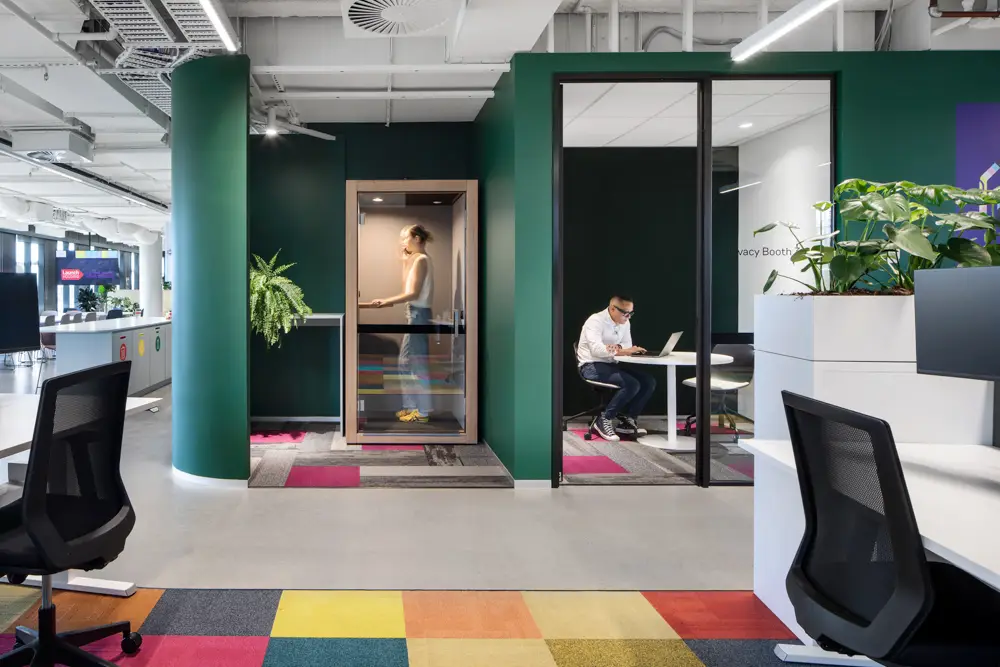
The sustainability initiative of “Repurposing the Surplus” in the building industry has led to a distinctive “patchwork” design for the Launch Housing Hub in Collingwood, reflecting the community’s vibrant diversity and the organization’s ethos of authentic inclusivity. This striking and playful design challenges the misconception that sustainable design is inherently more expensive. Launch Housing’s workplace exemplifies the belief that good, eco-friendly design can be achieved without prohibitive costs, showcasing a commitment to cost-effective sustainability.

The workspace is thoughtfully connected to its Collingwood location, with the design reflecting the area’s dynamic and diverse character. Collingwood is known for its eclectic mix of art, architecture, and materials, and this sense of change and variety is mirrored in the Launch Housing Hub. The vibrant use of colour and texture in the design represents the surrounding architecture, landscape, and community, creating an energetic environment that embodies the spirit of Collingwood.

The Launch Housing Hub is designed to foster collaboration and community among the team. The workspace is planned around a hybrid workstyle, offering an intuitive, fluid, and functional environment where employees have quick and easy access to all the tools they need. The design prioritizes inclusivity and support, with social spaces that encourage team members to connect and collaborate.

The layout of the Launch Housing Hub creates its own journey, motivating team members to explore and engage with their surroundings. This journey not only fosters interaction and exchange but also reinforces a sense of connection to the broader community. Sustainability and wellbeing are central to the design, which aims to create a sensory experience that is inclusive, accessible, and diverse. By enabling individuals to bring their whole selves to work, the Launch Housing Hub supports the team’s ability to perform at their best, while also embodying the organization’s commitment to sustainability and community engagement.

Photography by Tatjana Plitt
HV.Hotel

HIP V. HYPE

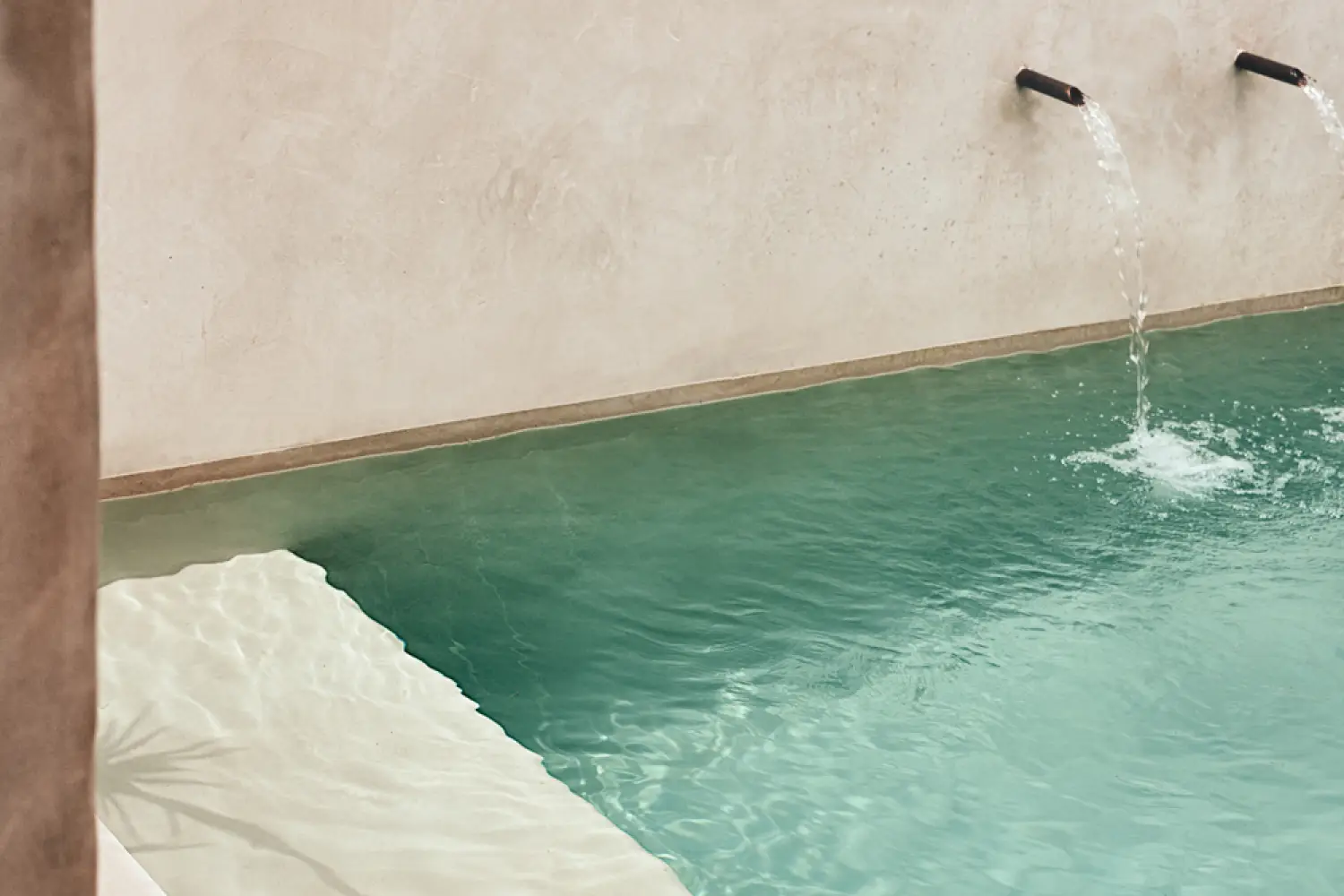
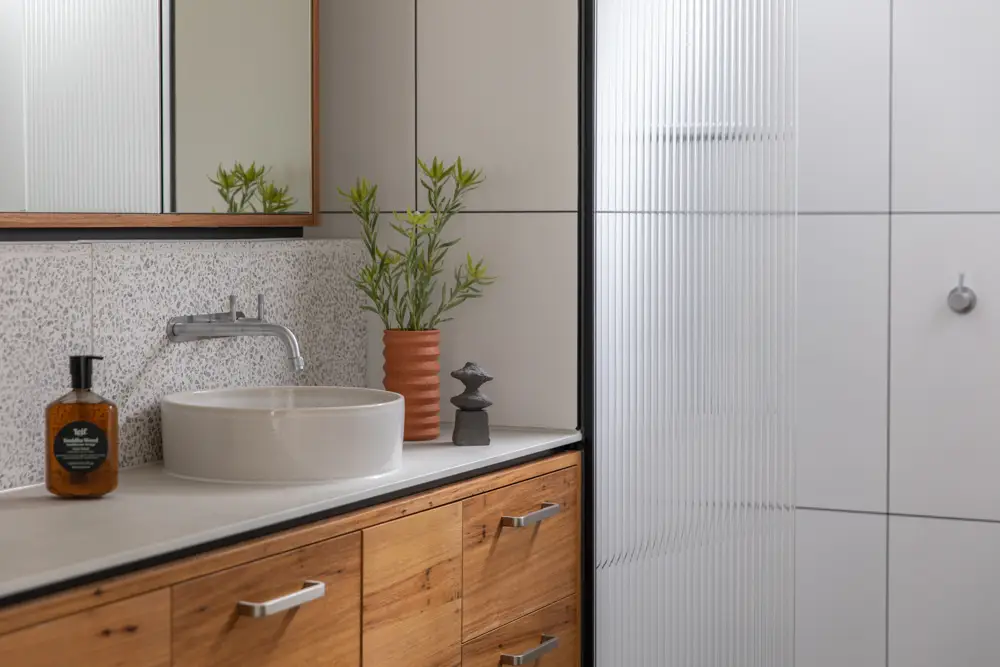
HV.Hotel is founded on HIP V. HYPE’s commitment to demonstrating that the buildings we inhabit can significantly contribute to a positive environmental impact in our cities. Guided by a framework for Better Apartment Living, HV.Hotel embodies 11 key principles aimed at enhancing urban living while reducing the impact on the natural environment. These principles emphasize a strong connection to place and context, fostering a sense of community, and minimizing the environmental footprint.

The concept behind HV.Hotel is that firsthand experience is one of the most powerful tools for driving real change. Guests staying at HV.Hotel experience the tangible benefits of sustainable living, including more consistent internal temperatures, superior acoustic performance, fresher air, reduced energy consumption, and a lower carbon footprint. The hotel operates on 100% electric power, sourced entirely from renewable GreenPower electricity, underscoring its commitment to sustainability.

To enrich the guest experience, HV.Hotel offers “Seasonal Six,” a quarterly handwritten guide that highlights local eating, activities, relaxation spots, and explorations, providing guests with an authentic locals’ experience. The design of HV.Hotel is centered around enabling guests to live sustainably and conveniently, with the hope that their stay will inspire them to adopt more sustainable practices in their own lives.

Since its opening in 2023, HV.Hotel has welcomed over 300 guests and booked more than 210 nights, allowing a growing community to experience the advantages of gas-free, low-impact, sustainable living. This experience aims to empower guests with the knowledge and belief needed to make tangible contributions toward a more sustainable future, whether through small steps or significant lifestyle changes.

Photography by Kate Shanasy

Jessica Hardwick Architecture Pty Ltd

Jessica Hardwick Architecture

JHA is driven by the belief that good design is the cornerstone of a fulfilling life. Our approach to architecture is centred on creating spaces—whether homes, work environments, or community facilities—that foster meaningful, healthy, and enjoyable living. We focus on connecting our clients to nature and to one another through thoughtful design.

Our service is both approachable and flexible, always tailored to the unique needs of each client and project. With a deliberately small and passionate team, we are dedicated to delivering exceptional outcomes that enhance the subtropical climate, make the most of each site, and elevate the human experience.

Sustainability is integral to our design philosophy. We emphasize passive design principles, careful material selection, and energy efficiency to create spaces that minimize environmental impact while maximizing quality of life. We believe that for architecture to be truly sustainable, it must be loved. Buildings that inspire love and care are those that endure, providing well-crafted spaces that nourish their inhabitants. Our commitment is to create architecture that not only meets functional needs but also resonates deeply with those who experience it, ensuring its longevity and relevance for generations to come.

Photography by Jessica Hardwick Architecture.

Hope St Housing

MDC Architects & Officer Woods

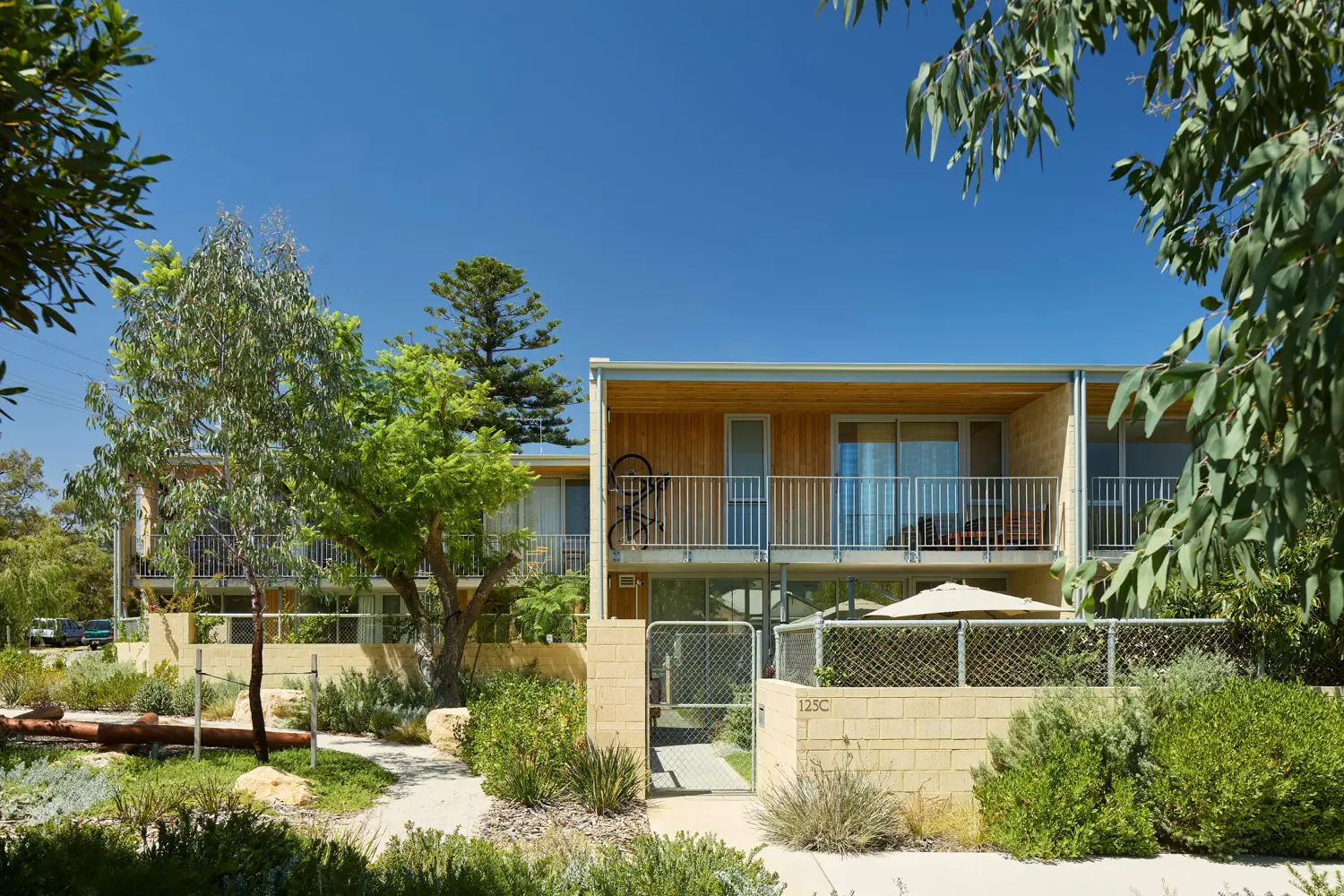
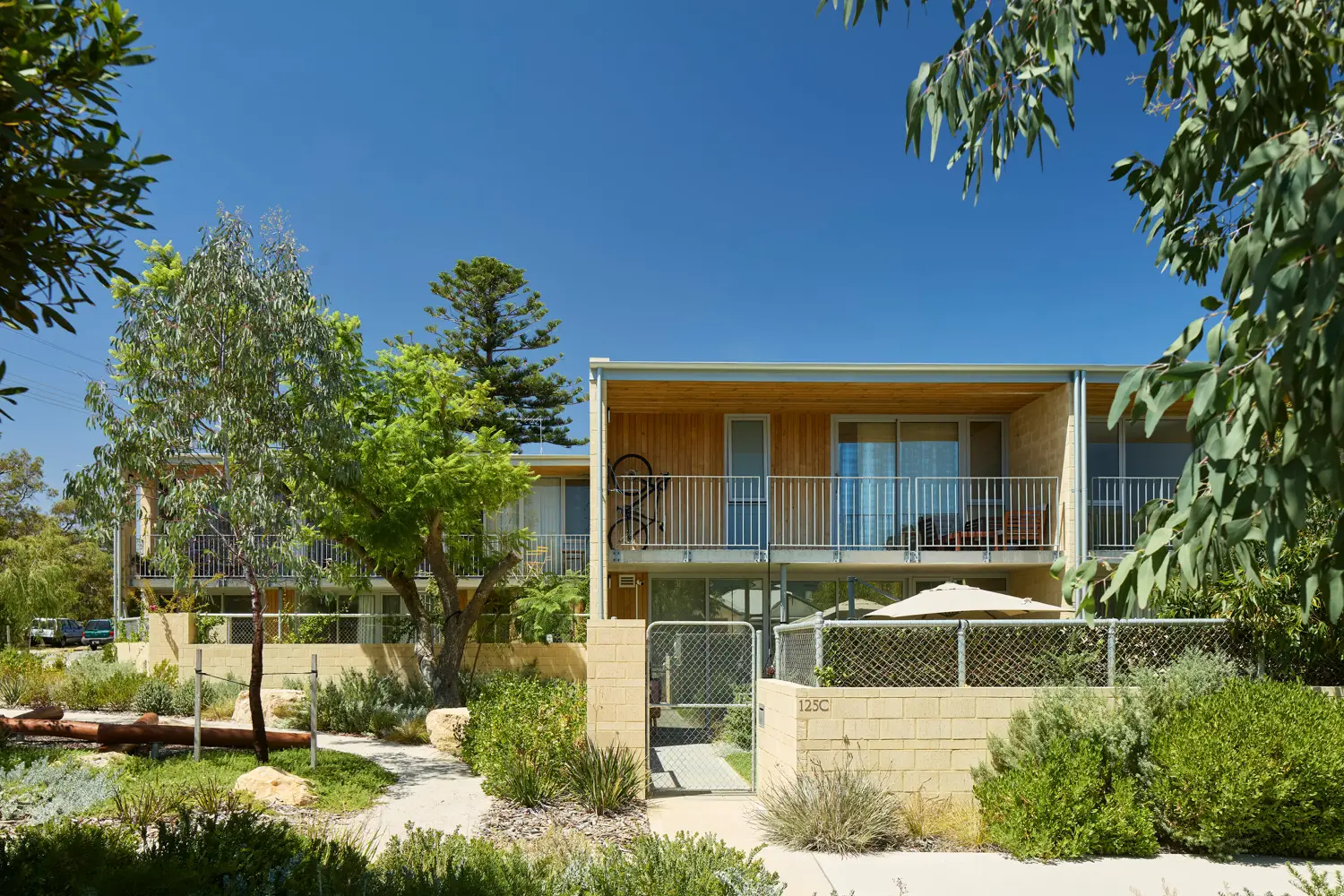
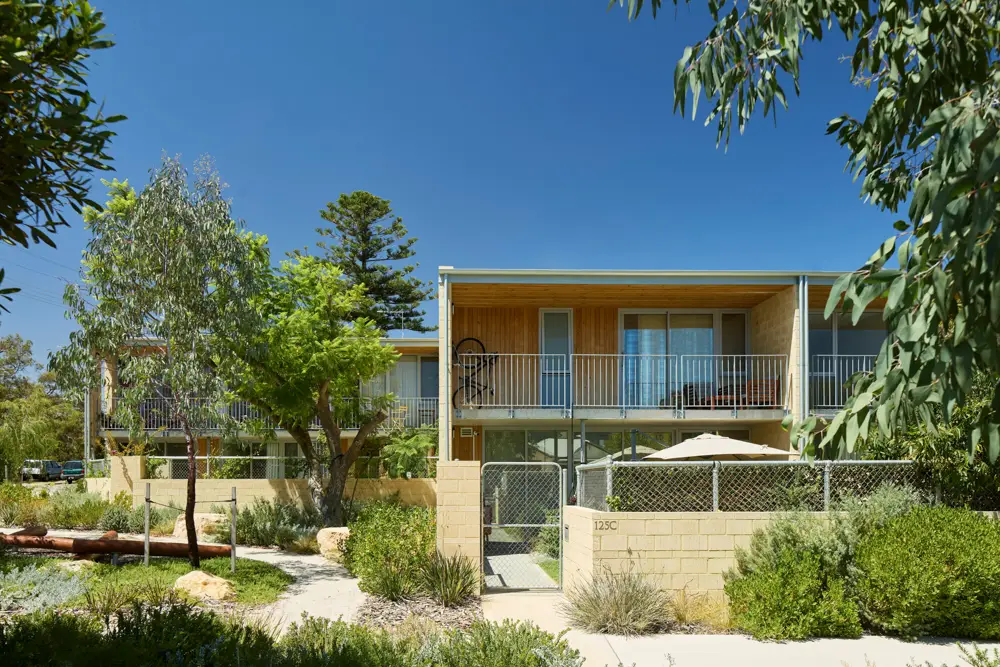
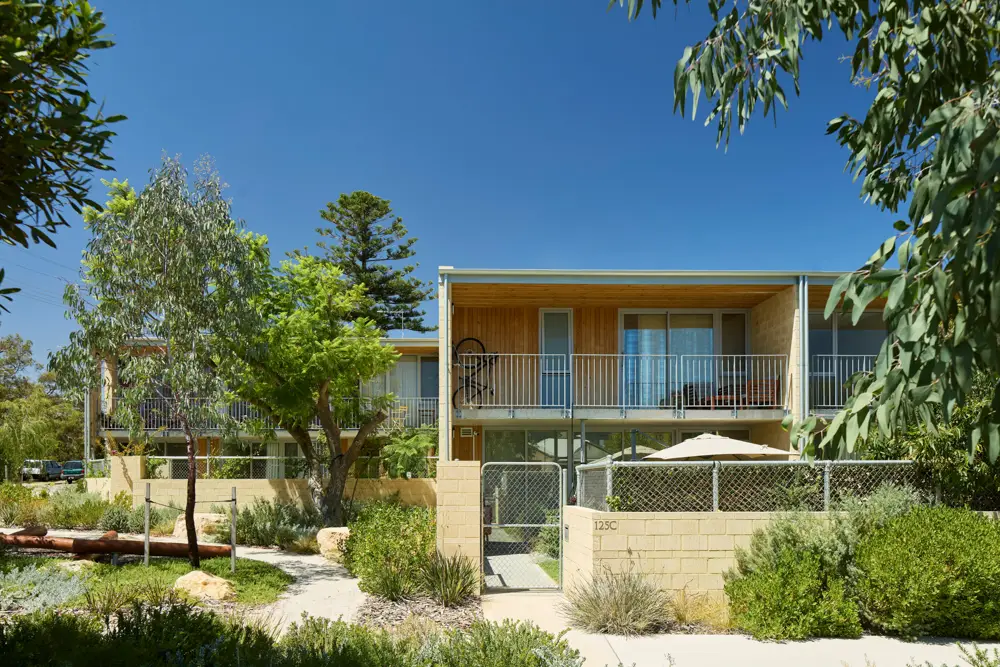
This medium-density housing project in White Gum Valley comprises 28 diverse terrace houses and walk-up apartments, expanding the housing options available in the area while allowing smaller households to enjoy the established amenities of the suburb. The design thoughtfully integrates with its surroundings, optimising solar access for each dwelling and prioritising deep soil planting and landscaping to support large trees and enhance rainwater retention. The project follows a “landscape first” approach, providing 60% open space across the site, which contributes positively to the urban tree canopy and local biodiversity.

The development balances diversity in unit size and type with a cohesive overall design, featuring two rows of north-facing homes that are well-lit and well-ventilated. The careful planning of generous setbacks and high permeability throughout the site has helped to garner community acceptance of this denser housing model. The project demonstrates that it is possible to double housing density in a low-rise suburban setting while maintaining a gentle approach that respects the local context. Key design strategies include embracing openness through wide verges and front gardens, integrating large native trees, using low-maintenance materials, and creating welcoming entry points that foster community interaction and passive surveillance.

Photography by Rob Frith-Acorn Photography

HousingFirst Marlborough Street

Baldasso Cortese

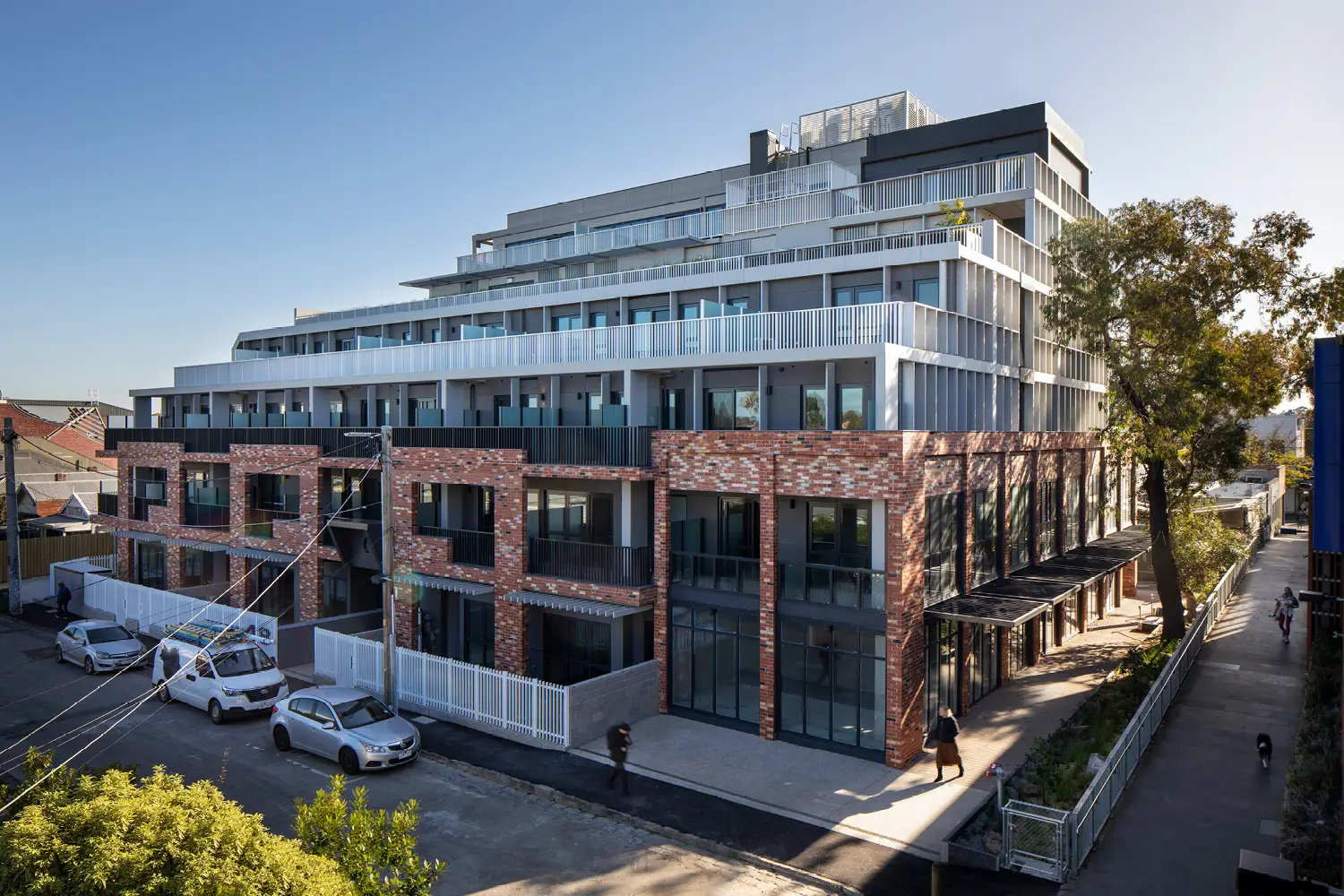
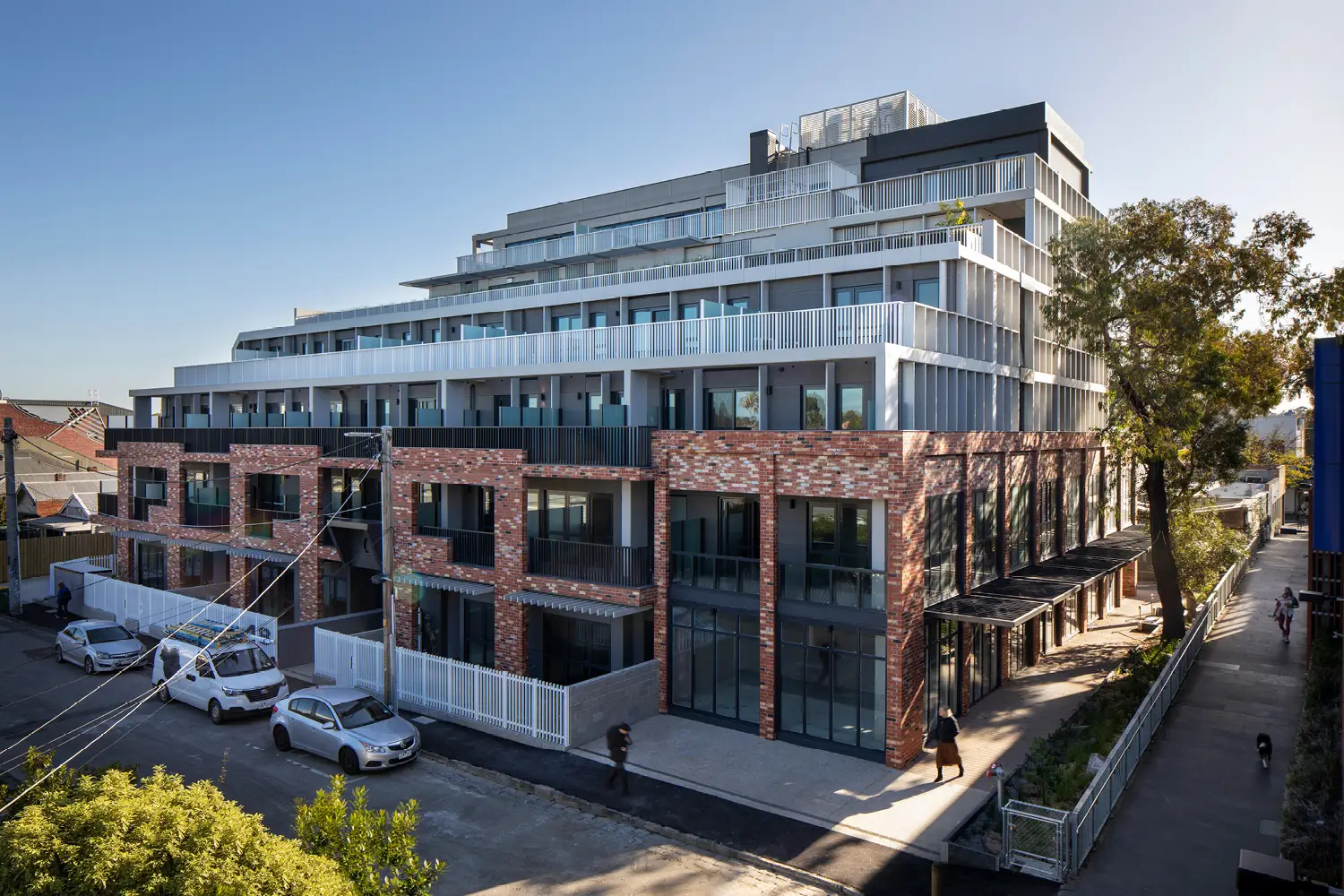
This 46-unit residential development, purpose-built for HousingFirst, is a six-level complex designed to meet the diverse needs of families, older residents, and people living with disabilities. Located near Balaclava Train Station, the development incorporates a variety of thoughtful features that enhance both its functionality and its connection to the local community.

The building includes a mix of one, two, and three-bedroom dwellings, catering to a wide range of residents. To replace the previous at-grade car park, a public car park has been integrated into the basement, ensuring convenience for both residents and the broader community. The ground level features a retail frontage, adding vibrancy to the street and providing essential services to residents and visitors alike. A standout feature is the private community terrace on Level 4, designed as a “veggie garden,” which fosters a sense of community among residents by providing a shared space for gardening and social interaction.

The development’s design pays homage to the local area through the use of masonry construction, with exposed concrete “pilasters” that front Balaclava Train Station, seamlessly blending the new structure with its surroundings. Sustainability has been a key focus throughout the project. The building features naturally ventilated corridors, integrated solar shading, and a high proportion of dual-aspect, cross-ventilated apartments, all contributing to reduced energy use and enhanced living comfort for residents.

The ground floor foyer includes a unique feature wall: an “inverse-Nolli Map” of the St Kilda/Balaclava vicinity, which serves as a striking visual connection to the local area. The map is complemented by lighting that color-codes four key character areas, with each color reflected in the four residential floors above. This thoughtful design element helps to create a sense of identity and belonging for each floor’s residents.

This development is the product of a successful collaboration between the City of Port Phillip, the Victorian Government, and HousingFirst. Together, they have transformed the site into a contemporary housing complex that not only meets the immediate needs of its residents but also integrates seamlessly with the local community. The result is a sustainable, inclusive, and vibrant living space that addresses the diverse needs of a cross-section of society.

Photography by Elizabeth Schiavello

Holocene House

CplusC Architects + Builders

Holocene House immerses residents in nature, creating a living environment that harmonizes with its surroundings. Canopied in plants and featuring water flowing through like a rainforest creek, every room opens to the outdoors, making the home a true sanctuary. The carbon-positive house is the first in Australia to be certified by the international Active House Alliance, balancing health, comfort, and environmental performance.

Entering the home, you step across stones beside a cascading waterfall, leading to a dramatic living space centered around a natural swimming pool. This pool, cleansed by a biofiltration system of polishing ponds, reeds, charcoal, and pebbles, fosters playful and rejuvenating family spaces, all deeply connected to nature. Whether paddling, swimming, floating, or lounging in a shaded cargo net, you become part of a living light and soundscape.

CplusC designed Holocene House with a focus on regenerative thinking, prioritizing sustainability over size. The home will soon generate more energy than was used in its creation and operation. Low-embodied-energy materials like spotted gum Shou Sugi Ban cladding, extremely low-toxicity finishes, and a photovoltaic system that produces 10% more energy than needed underscore the home’s commitment to sustainability. Additionally, the natural swimming pool serves as a water reservoir, supporting coastal ecology and local wildlife, including bandicoots.

Photography by Michael Lassman and Renata Dominik

Hope St Housing

MDC Architects & Officer Woods

This medium-density housing project, comprising 28 diverse terrace houses and walk-up apartments, significantly expands the typological range of housing in White Gum Valley. By doing so, it allows new residents, particularly those in smaller households, to enjoy the established amenities of the suburb. The design of the project works meticulously on multiple levels to provide ample amenities for residents while integrating seamlessly into its surroundings.

The project is thoughtfully designed to respond to the local neighborhood character while ensuring optimized solar access in every dwelling. It also places a strong emphasis on deep soil planting and adjacent landscaping, ensuring that the development remains green and inviting. The development consists of two rows of well-lit, well-ventilated north-facing homes, offering a balance between diversity in unit size and type and cohesion across the entire site.

The design takes a “landscape first” approach, with generous setbacks for each dwelling to accommodate deep soil gardens and large trees. High permeability across the site enables effective rainwater retention, further enhancing the environmental sustainability of the development. This careful planning has resulted in 60% open space across the site, contributing positively to the local urban tree canopy and improving biodiversity by prioritizing non-human habitats. This landscape-driven approach has also played a crucial role in gaining community acceptance for this denser housing typology.

Overall, this project is a testament to how medium-density housing can be thoughtfully integrated into a suburban setting, enhancing both the built and natural environment while fostering a strong sense of community.

Photography by Rob Frith-Acorn Photography

Heliotope Architecture

Heliotope Pty Ltd

Heliotope, founded by Jane Caught, a former co-founding director of Sibling Architecture, is an architectural practice rooted in hyper-local regenerative principles. The firm aims to shift from traditional consumption-based models to one that actively restores and replenishes the environment, benefiting both human and non-human inhabitants. Heliotope operates on the belief that architecture should minimize harm, acknowledging the profession’s historical role in resource consumption, ecological destruction, and upholding systems of power.

The practice adopts a long-term perspective in its designs, carefully considering the origin and lifecycle of materials—from stone that has formed over millennia to linoleum that takes thousands of years to decompose in landfills. Heliotope focuses on designing adaptable structures that can evolve with future climates, technologies, and the reuse of materials. The firm emphasizes the importance of empowering clients and communities, involving them in the design process to make informed decisions about their built environment.

Heliotope’s work spans architecture, design, and research, delivering and adapting buildings, including houses and public spaces, while conducting research into local ecologies and resource systems. The firm approaches its projects with an ethic of speculative care, using this framework to envision more considerate, equitable, and sustainable futures. Through this approach, Heliotope seeks to redefine architectural practice by prioritizing ecological and social justice, ensuring that their designs contribute positively to the environment and society.

Photography by Charlie Kinross

Hinderwell St House

MDC Architects

This project involved designing a new home on a subdivided block with laneway frontage for a climate-conscious couple with young children. The clients sought a modest, sustainable home that wouldn’t rely on artificial heating or cooling, and could adapt to their family’s changing needs over time.

The resulting design achieves a small footprint, with just 135sqm of floor area on a 470sqm lot. The home prioritizes natural light and a strong connection to the generous garden, creating a living environment that feels spacious and integrated with the outdoors despite its compact size.

The layout is carefully tailored to the site’s topography, with the dwelling and landscape subtly stepping down with the land. This approach creates spaces of varying scales and relationships to the outdoors, enhancing the home’s livability and connection to nature.

The design meets the clients’ ambitious sustainability goals by delivering high thermal performance and a significantly reduced carbon footprint. Water usage is addressed through greywater recycling and rainwater harvesting systems, with provisions for a future water tank to collect rainwater for use in toilets and laundry. This home serves as a flexible, environmentally conscious base for the family to grow, fully aligned with their values and lifestyle.

Photography by Dion Robeson

Glover Passivhaus

Dieppe Design

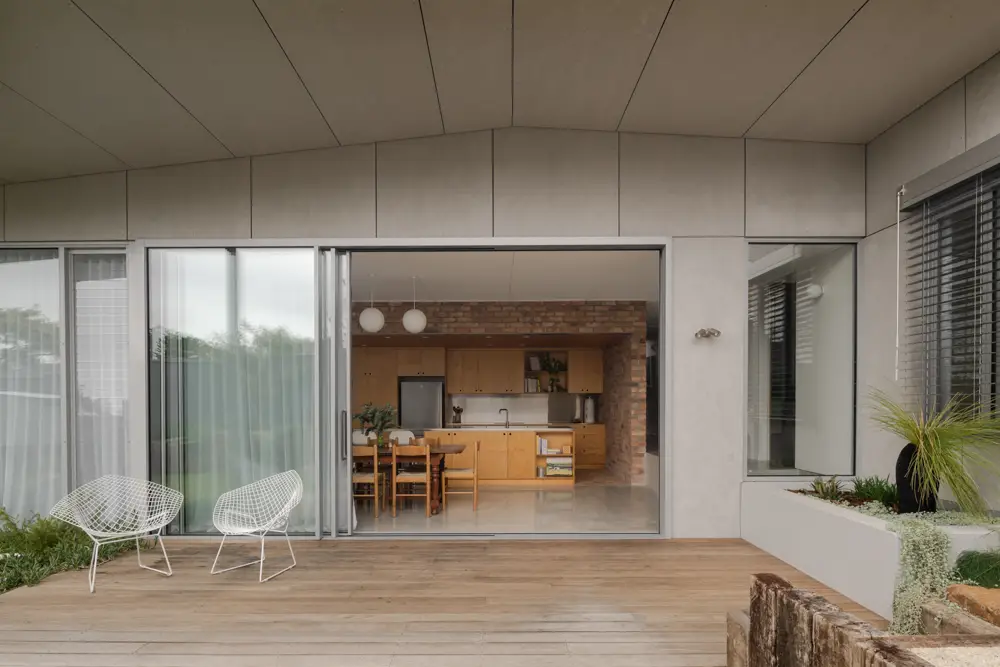
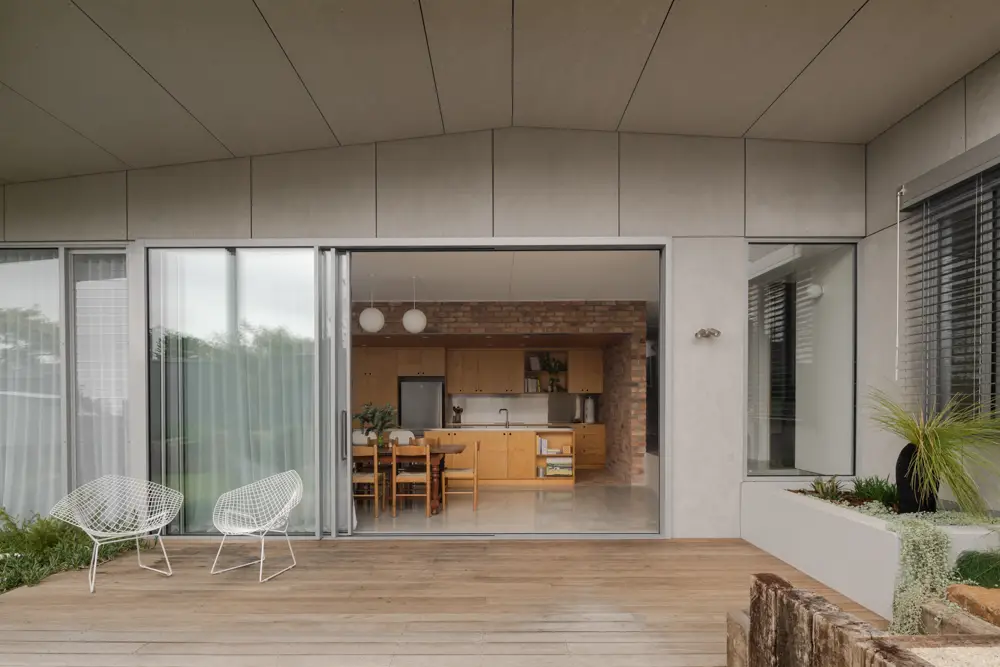
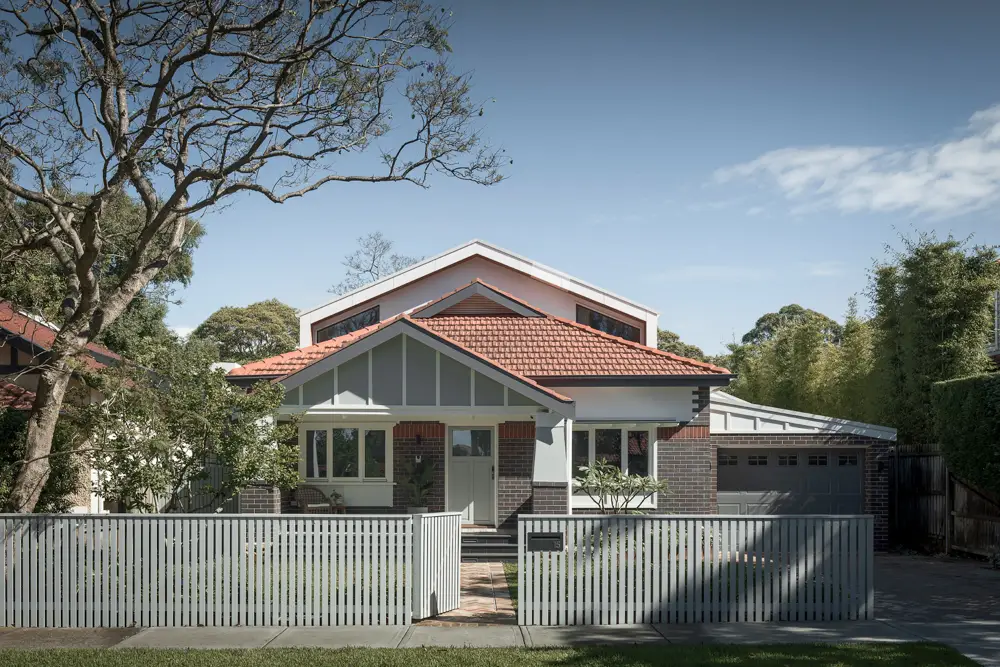
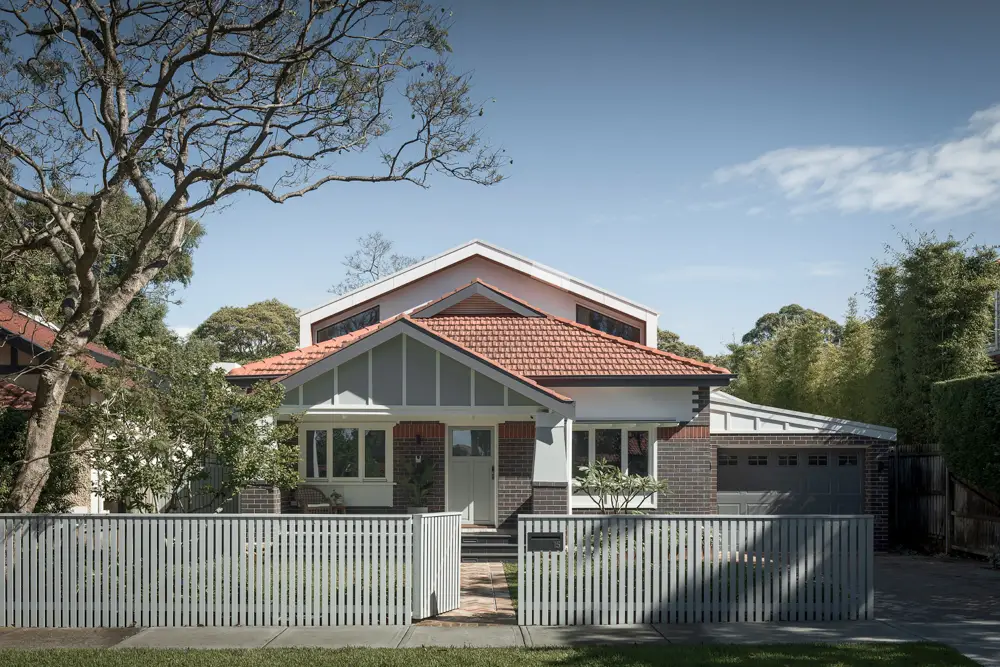
The Glover Passivhaus project revitalizes a 1920s California Bungalow into a modern, energy-efficient family home. The original house, in severe disrepair, was preserved to reduce demolition waste and maintain its character within the suburban context. This approach aligns with the clients’ desire for a sustainable, healthy home adaptable to their growing family’s needs.

Key improvements include strengthening and insulating the floors, lining external brick walls with insulation, and restoring the original facade. Old windows and doors were replaced with double-glazed, airtight units that replicate the originals. A modern, open living and dining area was added at the rear, featuring a clean-lined pitched roof that complements the historic frontage.

Designed to the Passive House Standard, the home incorporates five key principles: airtightness, adequate ventilation, thermal insulation, thermal bridge reduction, and high-performance windows and doors. These elements ensure a healthy, low-energy environment.

The renovation balances modern functionality with respect for the home’s original details, creating a sustainable sanctuary that blends seamlessly with its surroundings. This thoughtful design not only enhances energy efficiency but also preserves the bungalow’s charm for 21st-century living.

Photography by Luke Butterly

Hale Street Alterations & Additions

Philip Stejskal Architecture

This project was designed with the long-term vision of creating a forever home for Trish and Rob, recently retired empty-nesters with aspirations for a comfortable, low-maintenance residence that captures the breathtaking views of the Indian Ocean while maintaining strong connections with the garden—a focal point of both the site and their lives.

The home’s design responds to the sloping site with a split-level layout connected by a series of ramps, seamlessly weaving together interior and exterior spaces into a cohesive whole. This thoughtful design approach ensures accessibility and ease of movement throughout the house, enhancing its suitability as a forever home.

In pursuit of strong environmental credentials, Hempcrete was chosen as a key building material. Known for its excellent insulation properties, ability to enhance building sealing, and contribution to superior indoor air quality, Hempcrete forms the foundation of the home’s sustainable design. To protect the Hempcrete from the elements and ensure the home ages gracefully, a series of other materials were carefully selected and integrated into the construction.

The result is a home that not only meets Trish and Rob’s desires for panoramic ocean views and a deep connection with their garden but also stands as a testament to sustainable, thoughtful design—ensuring comfort, environmental responsibility, and longevity.

Photography by Robert Frith

GirraGirra Homestead

Environa

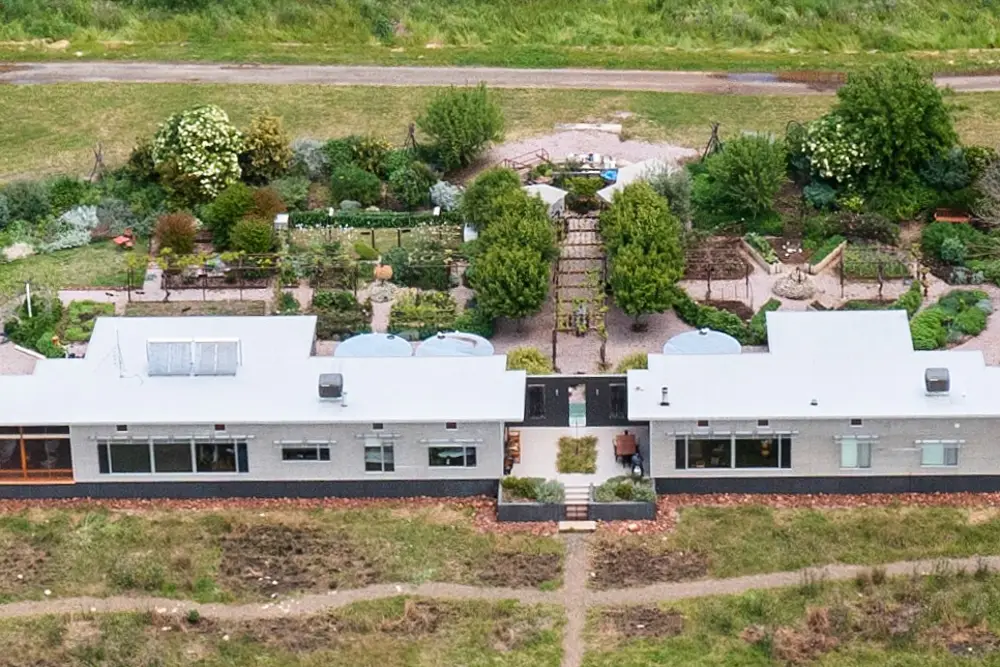
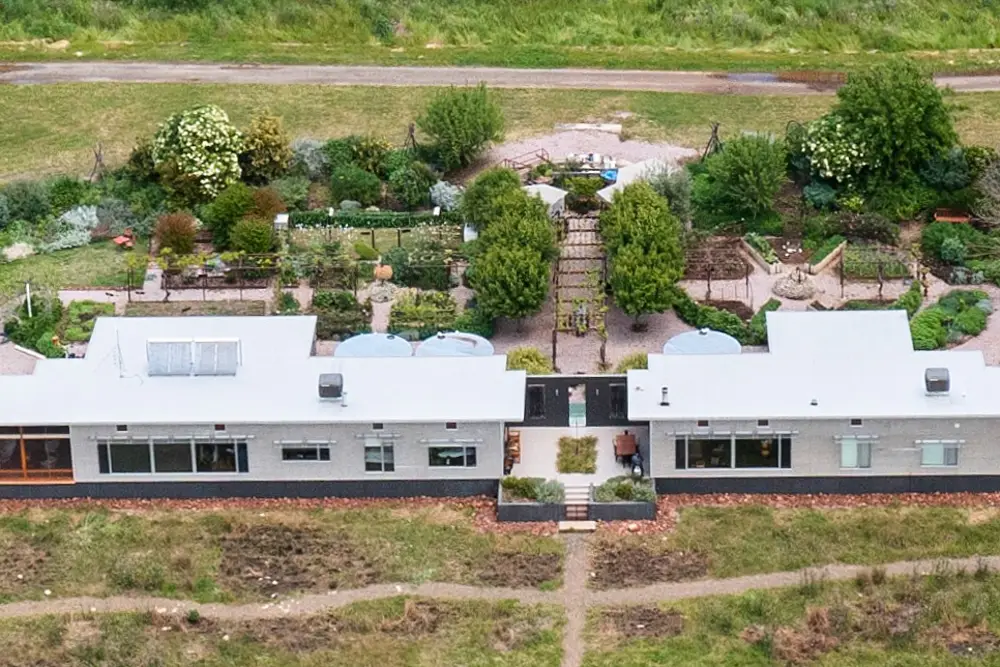
The venue comprises two interconnected homes forming a unified built structure: a homestead for the owners, which also serves as a space for entertaining and providing information, and an adjacent short-term rental house. Both buildings are thoughtfully oriented to face north, towards the Lachlan River, the vital water source for the area. This orientation, along with the design, exemplifies an extreme form of passive solar design, ensuring the homes are energy-efficient and comfortable year-round.

A central courtyard between the homes acts as a communal space where owners and guests can meet to discuss the sustainability features of both the houses and the cultivated gardens that surround them. The owners’ house includes an extended fly-screened outdoor room facing east, which is ideal for capturing the morning sun during winter breakfasts and offers a cool retreat from the afternoon heat in summer.

A spine wall, crucial to the homes’ thermal mass, runs through the structure, dividing the active, inhabited spaces on the north side from the ‘servant’ spaces and activities on the south. This design not only enhances the thermal performance of the homes but also creates a clear delineation between living areas and functional spaces, contributing to the overall efficiency and sustainability of the venue.

Photography by Lloyd Bear and KWM (owners)

GirraGirra Homestead

Environa

GirraGirra is a unique hospitality venue designed to offer guests a comfortable and relaxing countryside experience while immersing them in sustainable living practices, organic gardening, and cooking. The venue consists of two houses—a homestead for the owner and a visitor’s bed and breakfast—combined into one long, thoughtfully designed building.

The building, a culmination of 40 years of design learnings and experiments, is oriented north to overlook the floodplain of the Lachlan River, which has become increasingly prone to flooding due to climate change. To address this, the house is elevated about 1 meter above the floodplain and protected by a flood berm on its southern side, safeguarding the vital vegetable and fruit tree garden. Remarkably, the design has withstood the most significant flood in a century, proving its resilience.

Beyond the cultivated garden, the surrounding land is being restored to its original state, featuring native grasses and endemic trees. This approach to landscape repair is crucial in the ongoing efforts to restore and protect the country, making GirraGirra not just a place for relaxation, but also a living example of sustainable design and environmental stewardship.

Photography by Lloyd F Bear and KWM (owners)

Fun Haus

Alexander Symes Architect (ASA)

The Fun Haus project redefines space efficiency on a small 117m² urban site, housing six people across two dwellings within a 112m² floor area—providing 19m² per person. Opting for two smaller dwellings instead of one larger one increases site flexibility, allowing for varied living arrangements, such as renting out the secondary dwelling, supported by dual access.

A central courtyard maximizes light, ventilation, and landscape views for both dwellings, fostering passive interaction while maintaining privacy. Built to Passivhaus standards, the homes use durable materials and high-performance detailing, ensuring resilience and net-zero operational energy. Solar energy and rainwater collection further reduce operational costs.

The design prioritizes efficient space use, incorporating necessary amenities while maximizing living, working, and courtyard areas. The front of the primary dwelling remains unchanged to preserve heritage character, while the rear dwelling offers an engaging frontage to a typically inactive lane, enhancing pedestrian interaction.

Playful elements like monkey bars, trellises, and CNC-machined patterns, combined with material reuse from the original build, give the dwellings distinct personalities. The project balances sustainability, functionality, and enjoyment, making Fun Haus a model of innovative urban living.

Photography by Barton Taylor

GardenHaus

Envirotecture

Located in Woodend, Victoria, the “Garden Haus” project was designed as a healthy and comfortable home that harmonizes with nature, nestled within an established garden. The clients envisioned a nurturing environment where they could age in place, while also leaving a sustainable legacy for future generations. Sustainability and health were central to the design, addressing both the well-being of the occupants and the environment.

The architectural response was to create a home that feels immersed in the garden, rather than simply surrounded by it. The house features a low-pitched roof with wide eaves, high-level windows forming a ‘lantern’ over the living area, and views of treetops that change with the seasons. The layout allows for a continuous connection to the garden in every direction.

Integrating Passivhaus principles with a biophilic design ethos, and using innovative materials, the “Garden Haus” enhances the well-being of its occupants while minimizing its impact on the earth.

Photography by Marnie Hawson

EkoBrik / EarthBnB Willunga

Earthship Eco Homes

EkoBrik is an innovative green building material composed of waste and natural materials, designed to serve as the primary construction material for load-bearing and retaining walls. It has been successfully utilized in the EarthBnB Willunga project, a self-sufficient, off-grid BnB that exemplifies sustainable living and resilience against bushfires. Earthship Eco Homes Pty Ltd is leading the charge in adopting EkoBrik and this sustainable building style across Australia, particularly in residential and tourism projects.

EkoBrik efficiently upcycles waste car tyres through a straightforward process—either manual or mechanized—by filling them with low-carbon materials such as onsite earth, gravel, crushed concrete, or bricks. This method not only minimizes landfill waste but also promotes ecological benefits by reducing the need for new materials. Waste carpet is used as a liner to contain the filling material within the tyre, further repurposing materials that would otherwise contribute to environmental waste.

The cylindrical bricks, formed by the tyres, are laid in a running bond and can be finished with a variety of renders, including cement-based, lime-based, or earth-based options. The earth-based render, in particular, is highly sustainable due to its minimal embodied energy. This render protects the tyres, preserving them indefinitely while offering a range of color and finish options to suit different aesthetic preferences.

One of the standout features of EkoBrik is that the tyres used do not require any processing or modification—no cutting, gluing, or machining is necessary. The simple construction method involves lining the tyre with waste carpet and filling it with abundant waste products from construction or demolition sites, resulting in a “brick” with very low embodied energy.

EkoBrik walls are integral to the building’s design, enabling the construction of low-carbon retaining walls that can be backfilled with earth, another material with low embodied energy. This construction method offers the benefits of an earth-sheltered home, including energy-efficient thermal stability, sound insulation, and resilience to bushfires and storms. Unlike conventional retaining walls, which often rely on carbon-intensive materials like reinforced concrete, EkoBrik offers a sustainable alternative that mitigates environmental impact and simplifies end-of-life disposal.

Additionally, EkoBrik retaining walls can serve as attractive landscaping features, further demonstrating the versatility and sustainability of this innovative building material. EkoBrik represents a significant step forward in eco-friendly construction, offering a practical and scalable solution for sustainable building practices.

Photography by Elliott Clarke, Martin Freney

Fern Street Children’s Centre
Zen Architects

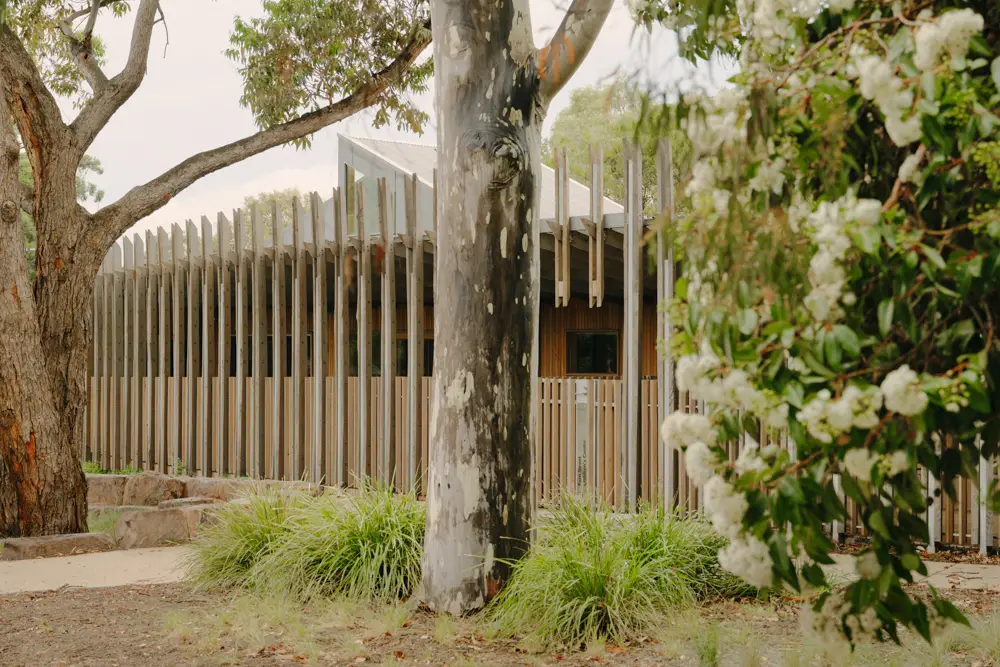
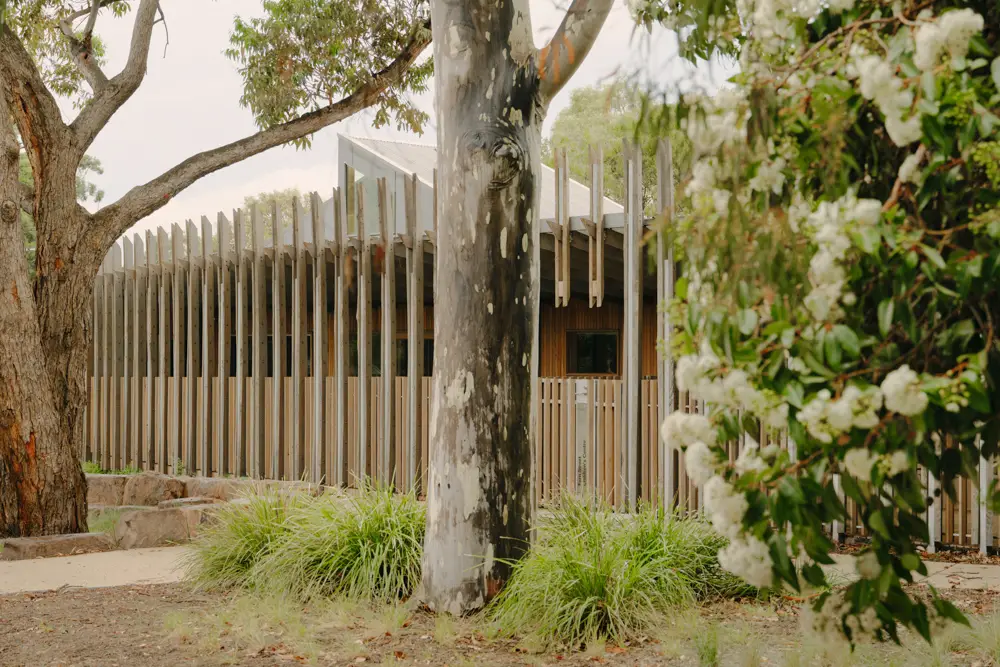
Bayside City Council collaborated with Zen Architects to create a pioneering children’s centre within a park setting, with a clear focus on prioritising the interests of both children and the environment. The design of Fern Street Children’s Centre was guided by the desire to create a playful, nature-connected space that fosters wonder and imagination in young minds. The material palette was deliberately limited to local, sustainable, and healthy materials, allowing children to clearly see and feel their surroundings. Radial timbers, sourced locally, were used extensively both inside and outside the building, reinforcing this connection to nature.

To preserve the site’s natural hydrology and protect existing trees, the building was constructed using screw piles to support a timber-framed structure, reducing the need for concrete and steel. This approach not only minimized the environmental impact but also contributed to the building’s aesthetic harmony with its natural surroundings. Throughout the project, these principles guided decision-making, particularly when navigating the complexities of regulations and bureaucracy that often cloud the creative process.

Nestled within the native botanical context of Tricks Reserve, the Fern Street Children’s Centre successfully mediates between civic and educational purposes, resulting in an architectural response that is both sensitive to its natural environment and deeply connected to the surrounding community. This approach challenges traditional notions of kindergartens and community centres, breaking down formalities and setting a new standard for future civic projects in environmentally sensitive areas. The centre stands as a testament to how thoughtful design can harmoniously integrate built environments with nature, providing a nurturing space for children while respecting and preserving the ecosystem.

Photography by Tom Ross

DUET® / Acoustic Wall Panel

TCM Corporation PLC.

DUET® is a versatile sound absorbent panel designed for use in a variety of interior applications, including walls, ceilings, and partitions. Ideal for settings such as schools, theatres, convention centers, office buildings, hotels, government facilities, music rooms, and residential spaces, DUET® is engineered to effectively reduce and control noise reverberation. By enhancing acoustics, these panels create a more comfortable and purpose-fit environment, ensuring that spaces are acoustically optimized for their intended use. Whether in a bustling office, a quiet residential area, or a vibrant theatre, DUET® panels contribute to a better ambient experience by minimizing unwanted noise and improving sound clarity.

Photography by TCM Corporation PCL.

East Brunswick Village

East Brunswick Village

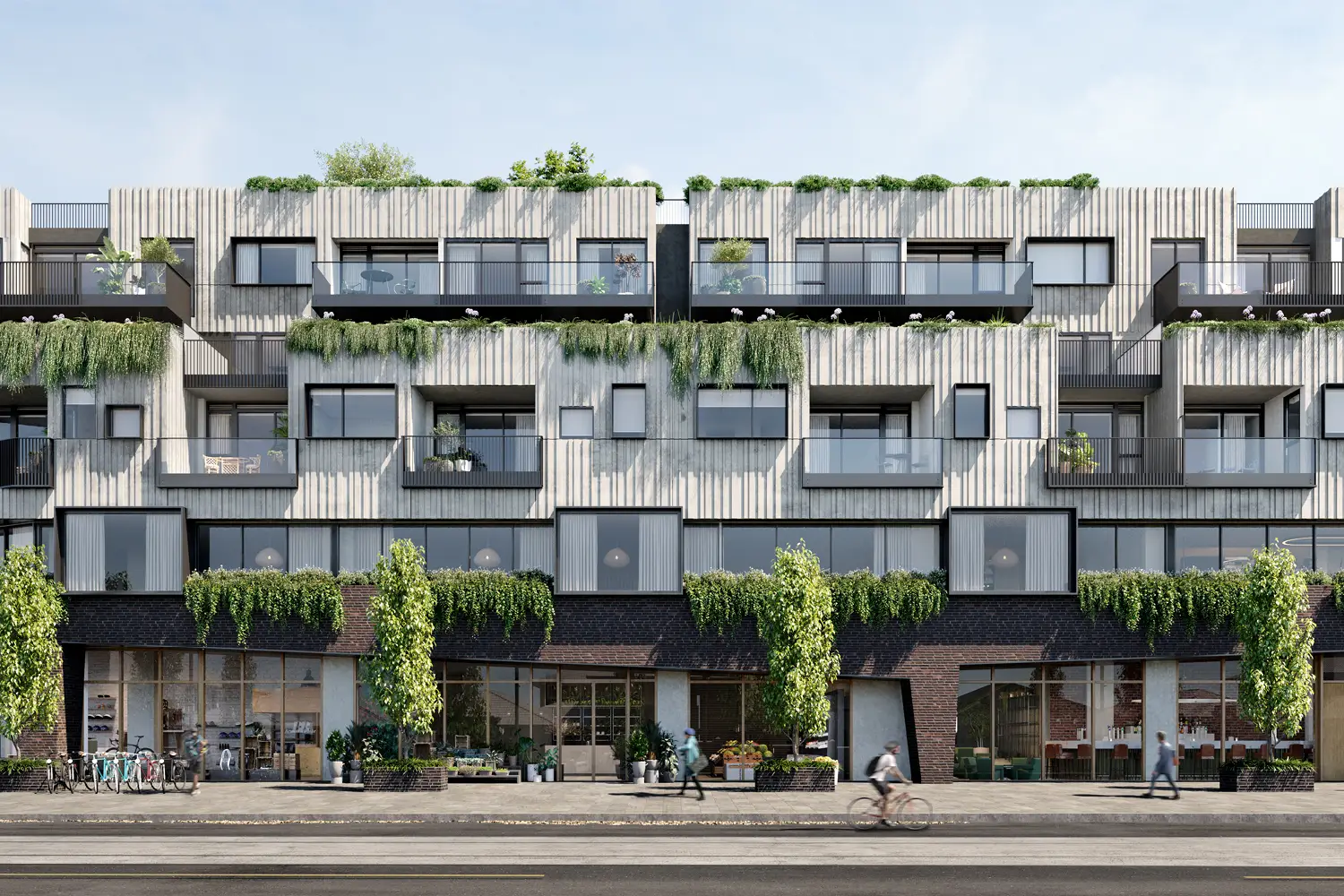
East Brunswick Village (EBV) stands as a landmark urban renewal project in Melbourne’s inner north, spanning over three hectares of thoughtfully designed and landscaped space. The vision behind EBV is to create a self-sustaining village where environmental sustainability is paramount, and the development reflects this commitment through every aspect of its design and construction.

At the core of EBV’s success is the creation of a genuine, connected community. Over a decade in the making, the project has prioritized not just the physical spaces but also the social fabric that binds its residents together. Key features of the village include an exclusive, activated rooftop space for residents, alongside a wide range of smart, convenient amenities. These include retail, wellness, and entertainment offerings, as well as free social club membership, all designed to foster community connections and enhance the quality of life for those who call EBV home.

To date, six addresses within EBV are complete, with over 400 residents now part of this vibrant community. The latest addition, 8 Bluestone Way, is a standout building that exemplifies the project’s overarching vision of sustainability, community, and modern living. This address, which is being entered for this award, showcases the best of what EBV has to offer: environmentally conscious design, a strong sense of community, and a well-rounded living experience.

8 Bluestone Way, like the rest of EBV, is more than just a place to live—it’s a place where residents can truly thrive, with access to a range of amenities and spaces that encourage social interaction, wellness, and environmental stewardship. The project serves as a model for future urban developments, demonstrating how thoughtful design and a focus on sustainability can create not just buildings, but thriving communities.

Photography by Andrew Lecky

Cremorne Townhouse

Winter Architecture

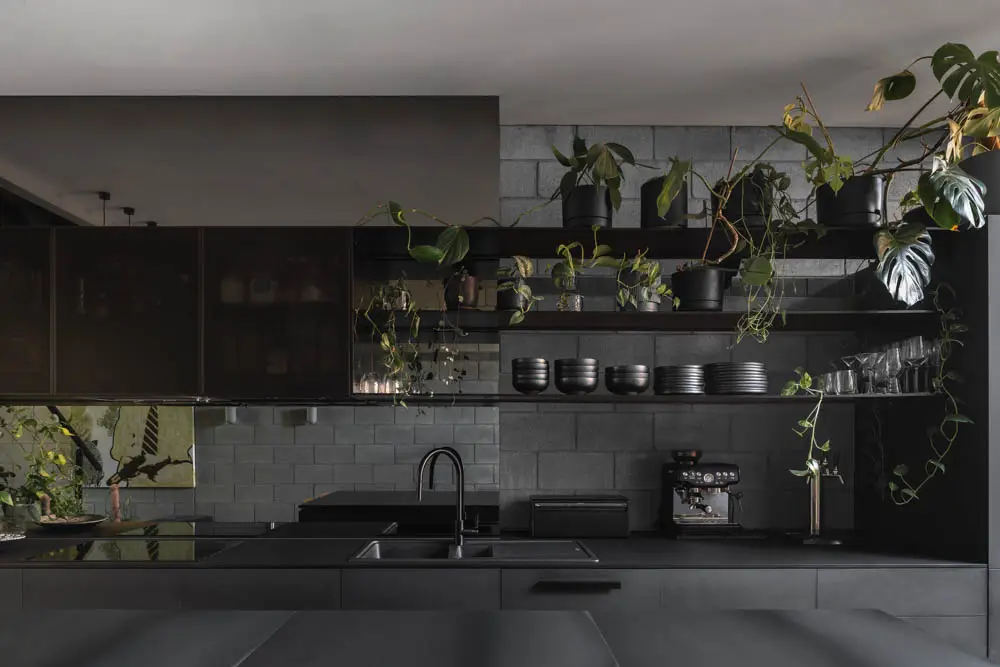
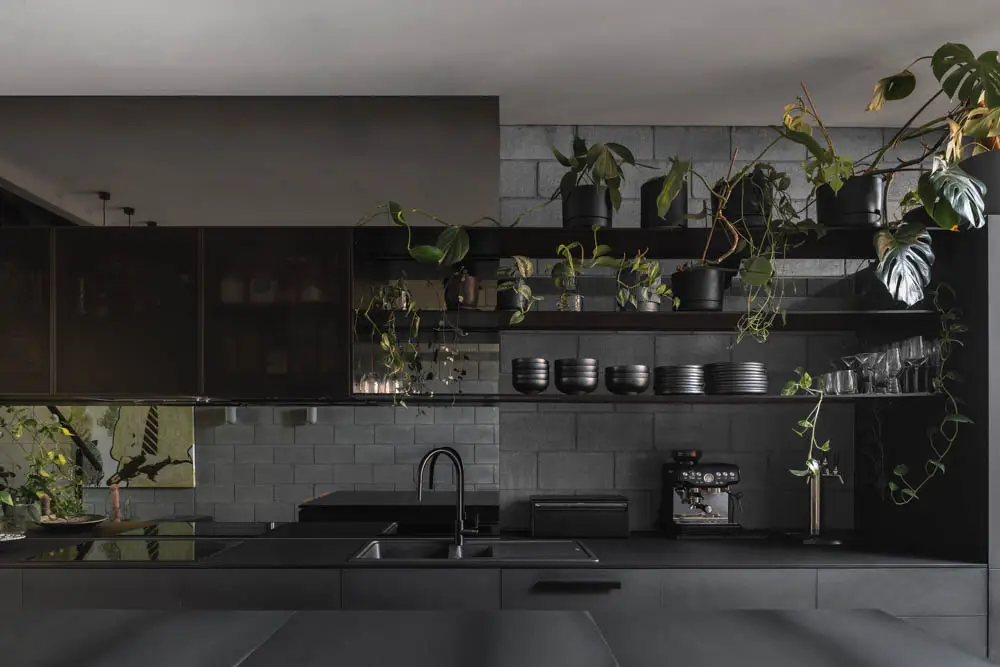
Cremorne Townhouse is a renovation project that exemplifies the intricate interplay between materiality and craftsmanship. The focus was on reprogramming the existing spaces—a ground-floor kitchen and a first-floor bathroom—while adding a new ensuite on the second floor. The design aimed to create a sense of space within the townhouse’s limited footprint by revealing original materials and incorporating new textures. Originally designed by architect Craig A Rossetti, the townhouse had won the Robyn Boyd Award in 1995 for its cost-effective use of materials. This project, however, concentrated exclusively on interior modifications to enhance the space without altering the exterior.

On the ground floor, the removal of a dividing wall between the living room and kitchen created an open space with views extending to the rear garden. The kitchen was centred around a dining table that also served as a gathering place, evoking the atmosphere of a restaurant or wine bar. The first-floor ensuite was treated as a standalone piece of furniture, with black mirrored walls that expanded the space by reflecting light and surrounding volumes. The bathroom was cleverly concealed within, featuring stone and concrete finishes, offering a functional yet aesthetically pleasing space with city views.

Photography by Anthony Richardson

Cromwell Property Group Global Head Office

Gray Puksand

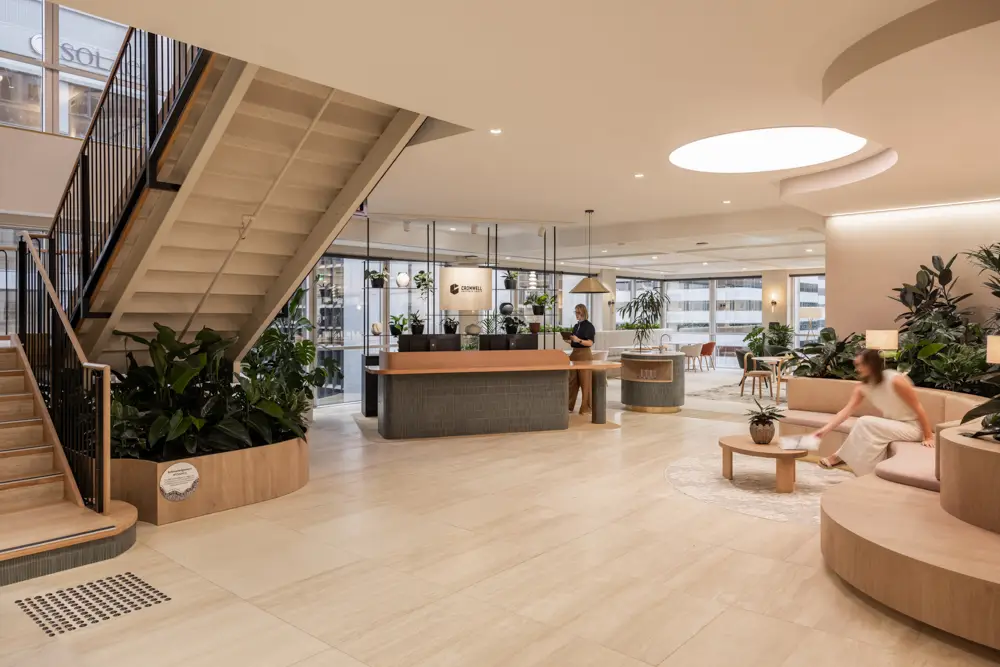
This project reimagines Cromwell Property Group’s Global Head Office into a vibrant, emotionally engaging workspace that reflects the relaxed lifestyle of Queensland. The design is rooted in the “Cromwell Lifestyle,” a concept that seamlessly connects people, spaces, and technology to foster community, wellbeing, and learning. This approach enhances productivity while ensuring that the workspace is comfortable, sustainable, and inclusive, fostering a strong sense of belonging among employees.

The design was meticulously crafted with a deep understanding of Cromwell’s post-COVID needs and values, which prioritize collaboration, progressiveness, and accountability. The workspace is designed to be comfortable, timeless, elegant, and practical, aligning with these core values. Native plants, abundant natural light, and a light colour palette were strategically incorporated to create a sense of place that feels authentically connected to Queensland.

To accommodate the diverse needs of Cromwell’s staff, the workspace includes a variety of settings such as collaborative zones, focus rooms, a sunroom, a library, wellness rooms, and a multifaith room. These spaces allow employees to choose environments that best suit their work styles, enhancing both comfort and productivity.

Sustainability was a key focus of the design, with the use of repurposed furniture, biophilic elements, and energy-efficient lighting. Locally sourced and sustainable materials were selected, including indigenous art, which not only honours the traditional landowners but also reflects Cromwell’s commitment to sustainability and cultural respect.

The emotional aspect of the design was inspired by residential and hospitality spaces, creating an environment that feels special and encourages staff engagement. By blending functional and emotional design elements, the project has successfully crafted a workspace that meets—and exceeds—Cromwell’s brief. It fosters a strong sense of culture and belonging among staff, making the office a place where employees feel valued and motivated to contribute to the company’s success.

Photography by Tanika Blair

Coconut Crab

Alexander Symes Architect (ASA)

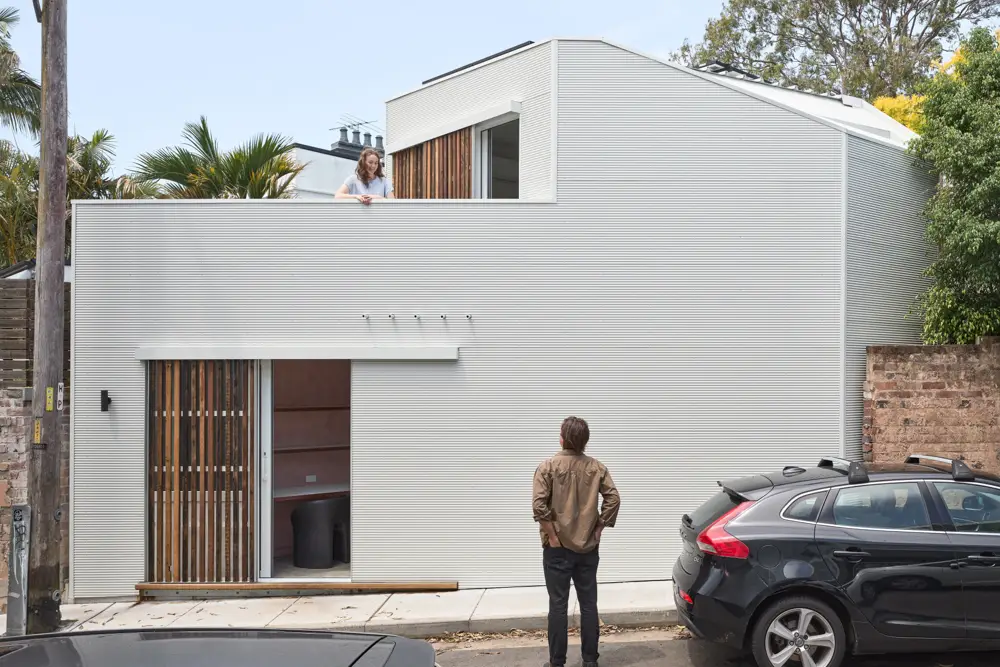
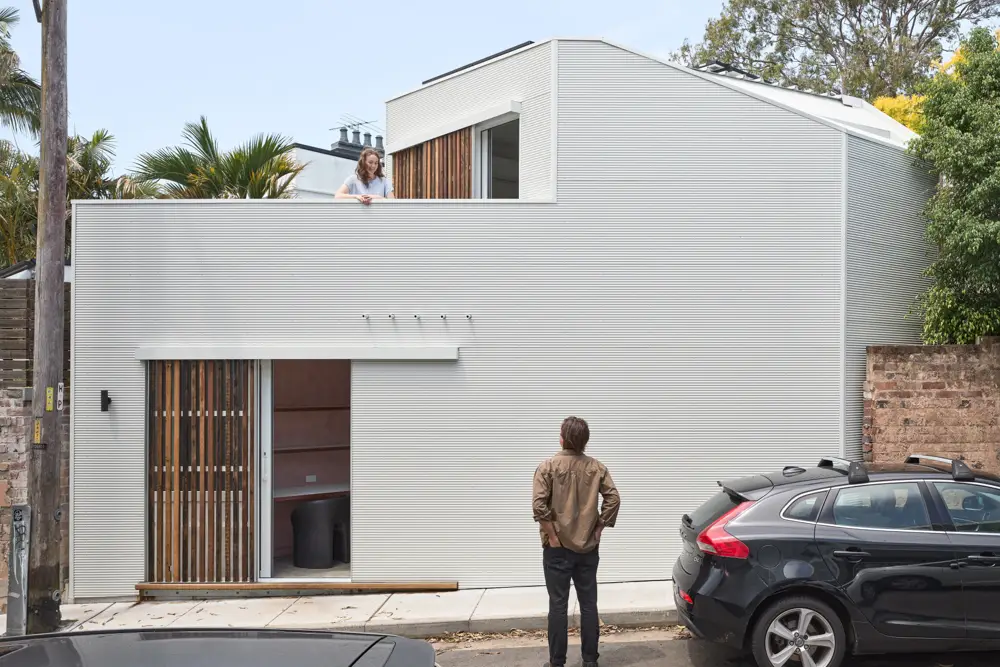
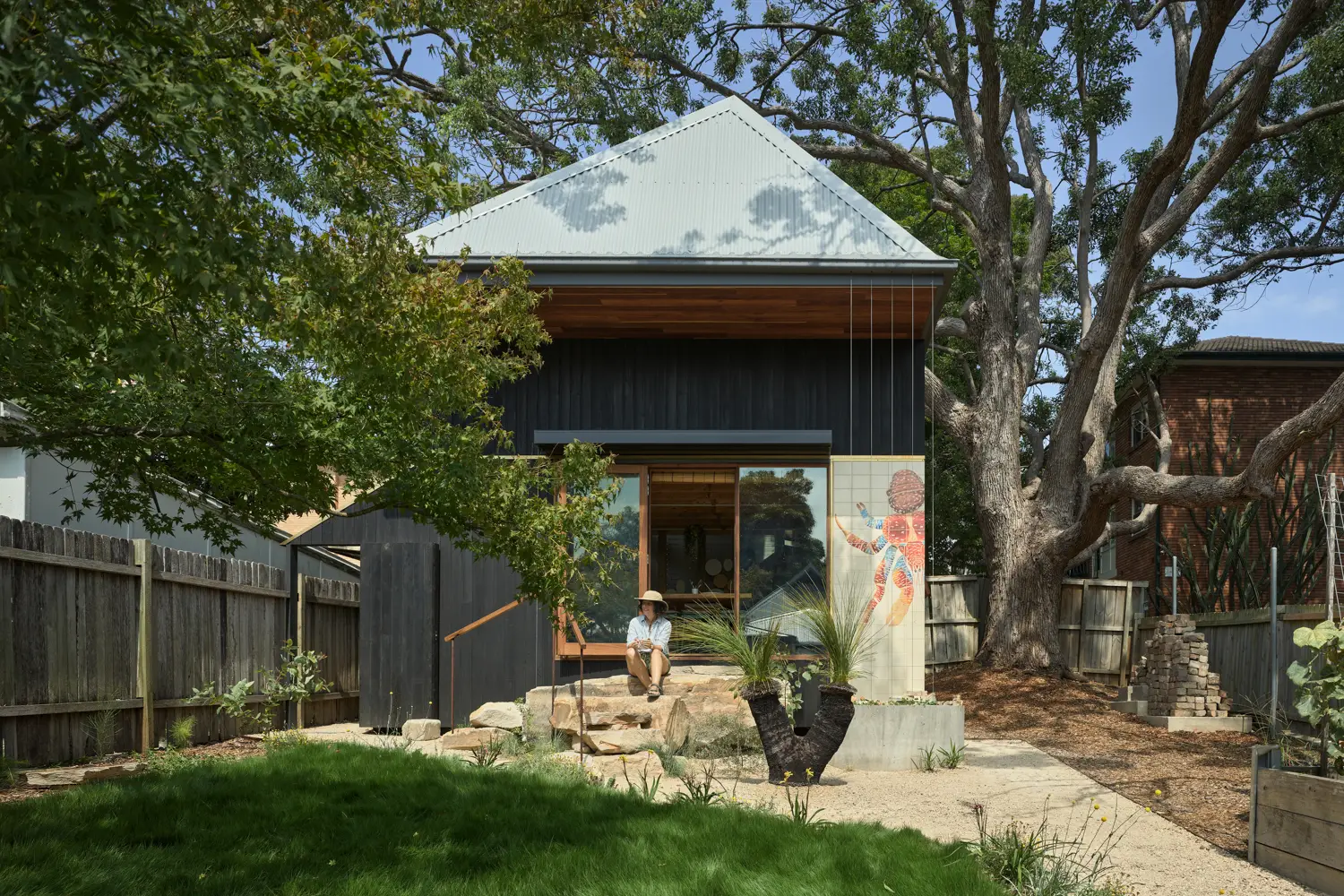
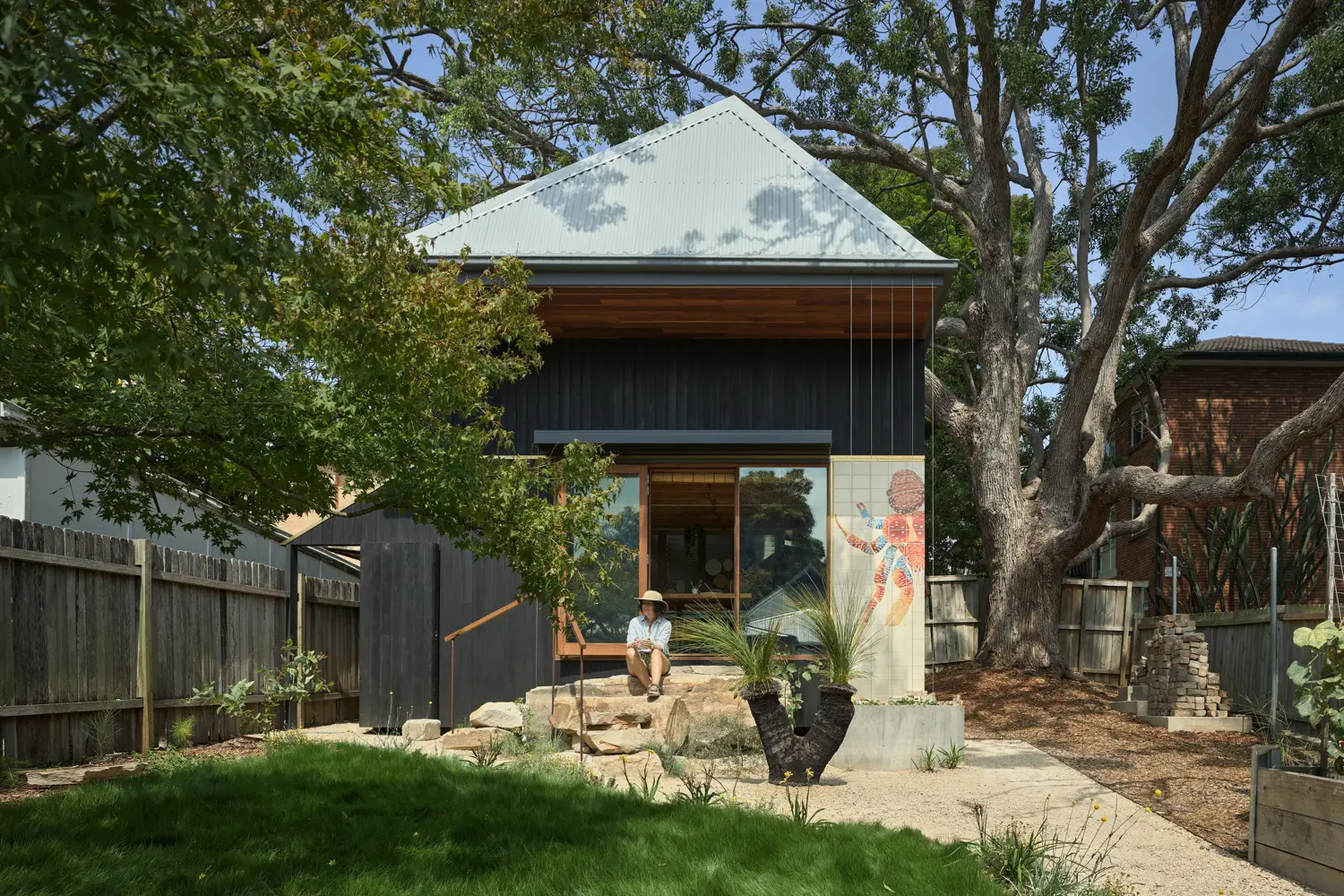
Coconut Crab is a regenerative ceramic studio located in Inner West Sydney, designed in collaboration with Casa Adams Fine Wares and landscape architect Jason Monaghan. The studio’s purpose extends beyond creating meticulously hand-painted porcelain plates; it aims to foster preservation and curiosity about marine life. This mission is visually embodied by the striking giant tiled Coconut Crab climbing the facade, an Indo-Pacific species listed as vulnerable due to overharvesting and climate change. The crab’s prominent presence serves as a catalyst for conversations about conservation, engaging visitors and the wider community in discussions on environmental stewardship.

Nestled at the rear of the site, under a large canopy tree, the studio is strategically positioned across from the family’s existing home. It flexibly accommodates ceramic production, workshops, and business administration while being seamlessly integrated into its natural surroundings. The studio and home share a thriving central native landscape that supports vulnerable endemic species of frogs, birds, and insects, as well as an edible garden.

Sustainability is at the core of the studio’s design, incorporating dematerialisation strategies, recycled content, and construction following Passivhaus principles. Through a combination of business offsets and a 7kW solar system, the studio offsets its embodied energy by 149 times over a 50-year period, making it a model of environmental responsibility and sustainable design. Coconut Crab is not just a ceramic studio but a beacon of conservation, creativity, and community engagement.

Photography by Barton Taylor

Crafted Hardwood Timber

Crafted Hardwoods

Timber is a renewable, low-carbon, non-toxic, and recyclable material that has long played a crucial role in sustainable design and architecture. However, in today’s economic landscape, specifying timber comes with significant risks due to supply uncertainty and price volatility. With the demand for hardwood timbers expected to quadruple by 2050, the current supply chain is unsustainable. If we do not rethink how timber is produced in large quantities, sustainably, and with future generations in mind, it risks losing its status as a sustainable building material.

At Crafted Hardwoods, founded in 2023, we believe the solution lies not in abandoning wood use but in embracing new timber technologies. These technologies can minimise waste, promote the use of low-value forest resources, and open up new possibilities for timber as a building material. Our mission is simple yet ambitious: to produce a different kind of timber that addresses current supply challenges while remaining deeply rooted in sustainability.

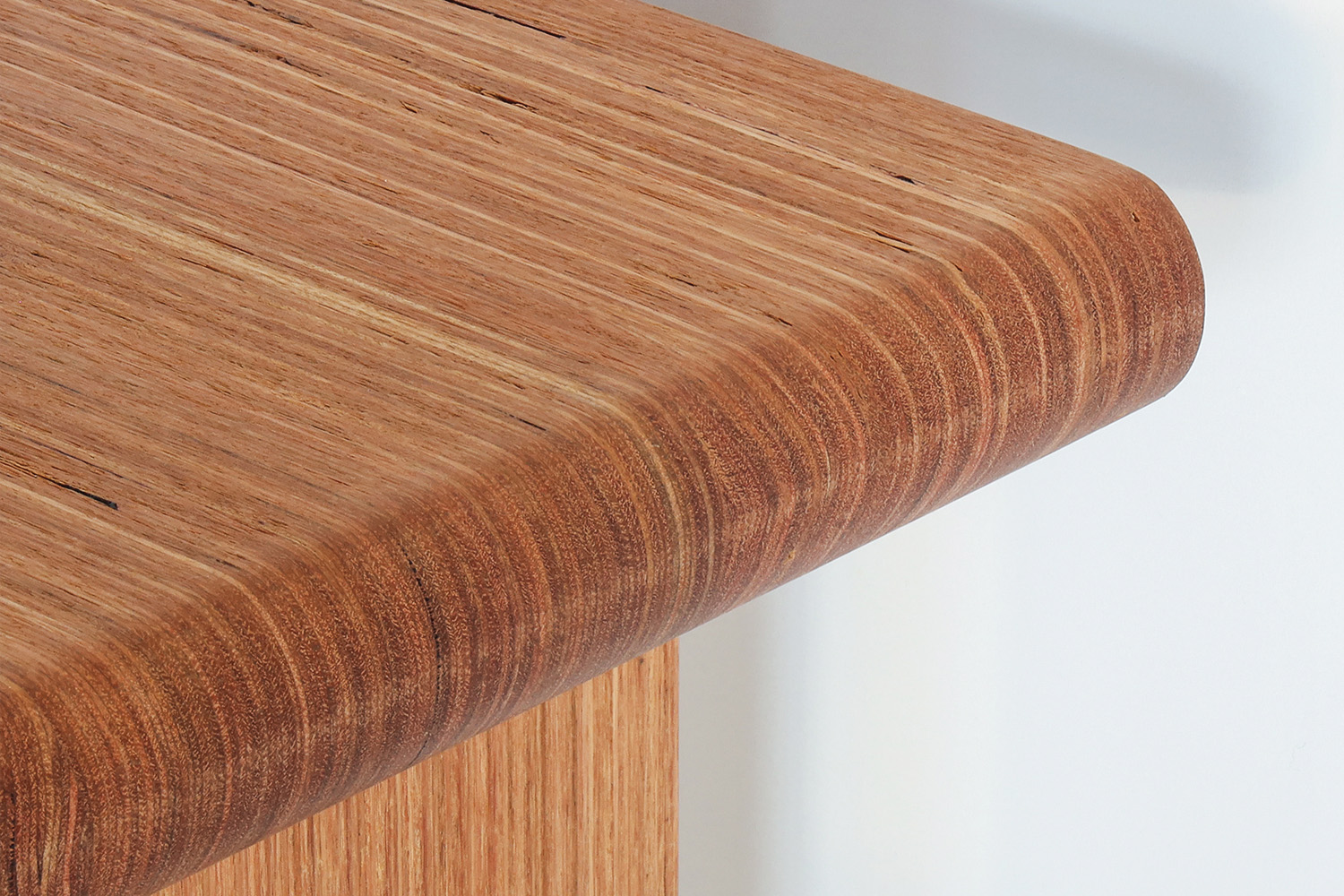
We transform sustainably sourced, low-value pulp grade wood into premium hardwoods that mimic the look, feel, and properties of century-old trees—in just one day, and right here in Australia. Our timbers offer an unprecedented solution to the growing demand for low-carbon, toxin-free, and renewable building materials, all while safeguarding native forests and vital biodiversity areas.

This revolutionary process is made possible by a world-first Australian technology developed by 3RT in partnership with Flinders University, Henkel, and Bosch. Crafted Hardwoods is at the forefront of sustainable timber production, introducing a truly sustainable building material that redefines what hardwood can be in the modern era.

Photography by So Watt Studio

Circular Sea Collection – Recycled Oyster Shell Plaster

Mineral Fox

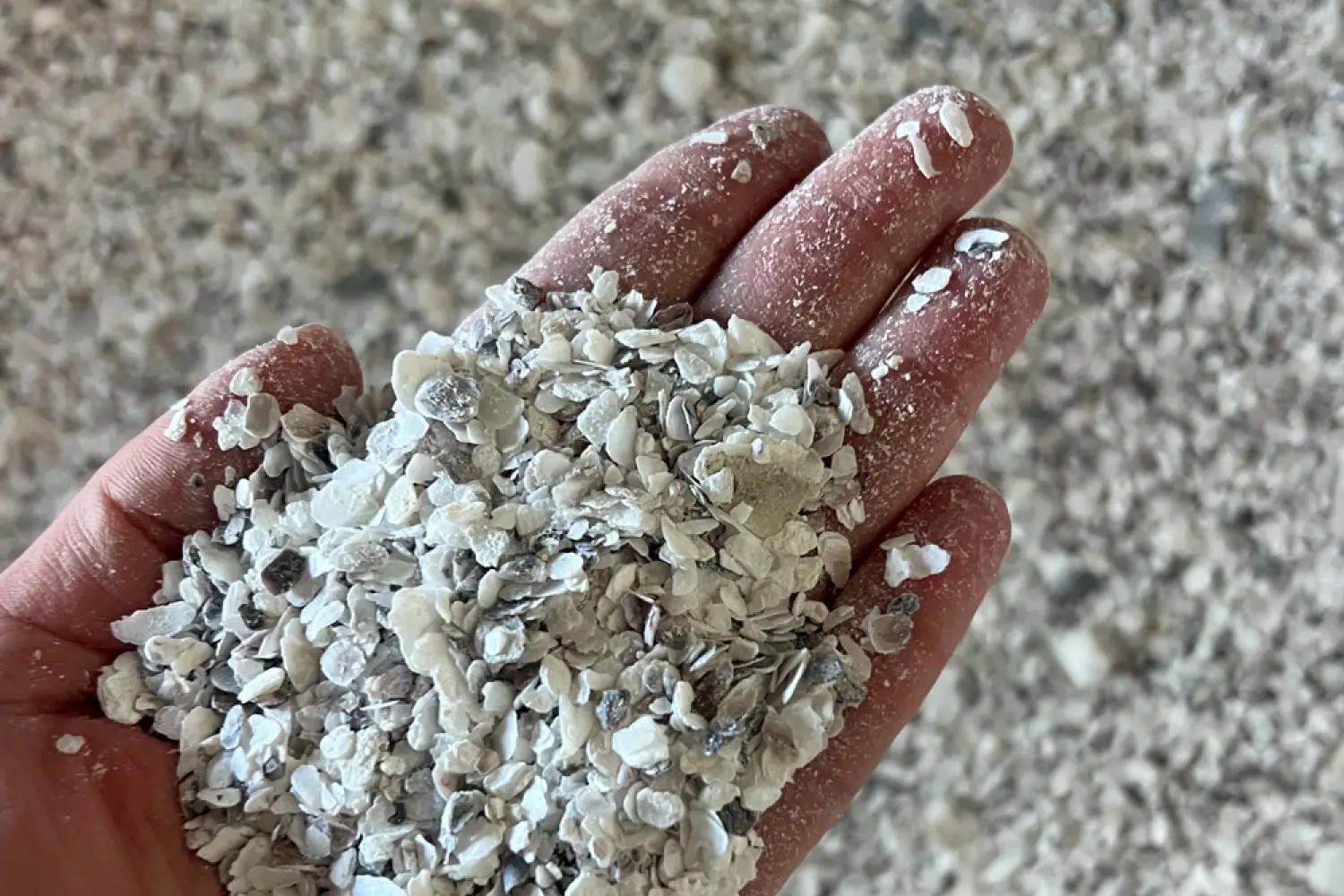
“Our recycled oyster shell plaster is a sustainable and innovative solution that repurposes tonnes of shell waste from the restaurant and seafood industry, which would otherwise end up in landfill. This plaster is a decorative architectural coating, offering a variety of aesthetic finishes specifically developed for architects and designers. Proudly made in Australia using locally sourced minerals, our plaster is completely natural and free from petrochemical-derived additives, ensuring it aligns with environmentally responsible practices.

In collaboration with the Nature Conservancy and other environmental and social organisations, we source and process the shells, directly supporting nationwide oyster reef restoration projects. By diverting shell waste from landfill and promoting a circular economy, our recycled shell plasters contribute to carbon-smart architecture by capturing and storing carbon within the material, aiding in the effort to achieve beyond net zero in building practices.

Our recycled oyster shell plaster not only provides an environmentally friendly alternative to traditional materials but also enhances the aesthetic appeal of spaces while contributing to significant environmental restoration efforts.”

Photography by Mineral Fox

Clifton Hill Primary School

Jackson Clements Burrows Architects

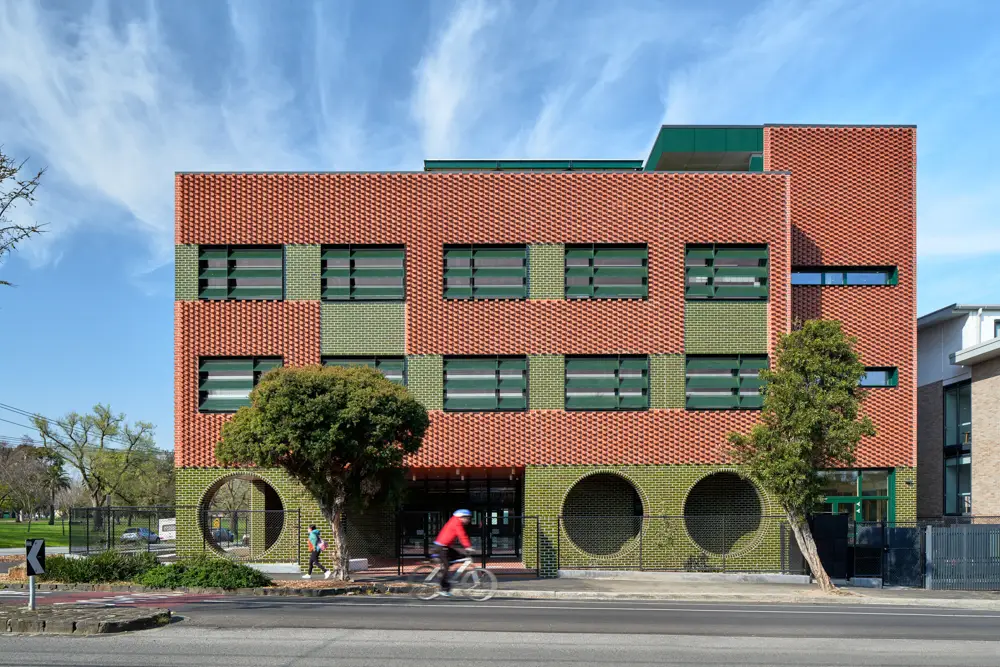
This dynamic vertical campus for grade 5 and 6 students redefines learning environments for a cherished inner-city school, offering exemplary spaces for teaching, staff work, and community use. The three-level building, designed to accommodate a comprehensive program on a limited site, features a simple yet rigorous floorplan that maximises the available space. The design draws inspiration from the local context and the original 1800s school buildings, while also playfully incorporating elements from Eric Carle’s beloved children’s book *The Very Hungry Caterpillar*.

The building’s articulated brickwork, a ribbon of glazed green bricks, and circular “bite-like” apertures all evoke the caterpillar’s journey, adding a whimsical layer to the architecture. The use of textured red brick cleverly connects the new structure to the original school buildings while echoing the caterpillar’s furry skin, creating a contemporary yet playful aesthetic. This design not only ties the new campus visually to its historic counterparts but also brings a sense of continuity and connection between the existing and new spaces.

Exposed structural elements, including mass timber and articulated services, turn the building itself into a teaching tool, allowing students to observe and learn from its construction. Achieving Passivhaus Certification, a first for the Victorian School Building Authority (VSBA), the building employs a mass timber hybrid construction and features a photovoltaic (PV) array on the playground roof terrace, both powering the building and serving as a visual learning opportunity.

Inside, the warm tones of exposed Cross Laminated Timber (CLT) panels create a soft, inviting atmosphere in the classrooms, fostering a sense of calm and engagement. Large windows frame views of the surrounding trees, enhancing the connection between students and the natural environment.

This project successfully creates a joyful and intriguing new building that honours the heritage of the 1800s campus while embracing modern design principles. It is a forward-thinking structure that respects its historical roots, offering students a vibrant and engaging place to learn and grow.

Photography by Peter Clarke

Brigid Shelly Building – Our Lady of Mercy College

Mayoh Architects

Stage 1 of the new campus-wide Master Plan for Our Lady of Mercy College marks a significant transformation, focusing on the refurbishment and expansion of the existing Brigid Shelly Building. This phase aims to provide modern and upgraded General Purpose Learning Areas (GPLAs) as part of the college’s broader vision to create “A Vibrant, Dynamic, and Connected Oasis of Learning.” The Master Plan strategically combines new builds with adaptive reuse projects to ensure the campus is optimally utilized for future generations.

The refurbishment of the heritage-significant Brigid Shelly Wing, originally constructed around 1912, has breathed new life into the existing classroom spaces, transforming them into flexible and contemporary GPLAs. The retained original timber-framed floor and roof structures have been reinforced with additional timber framing, preserving the building’s historical integrity while adapting it to modern educational needs.

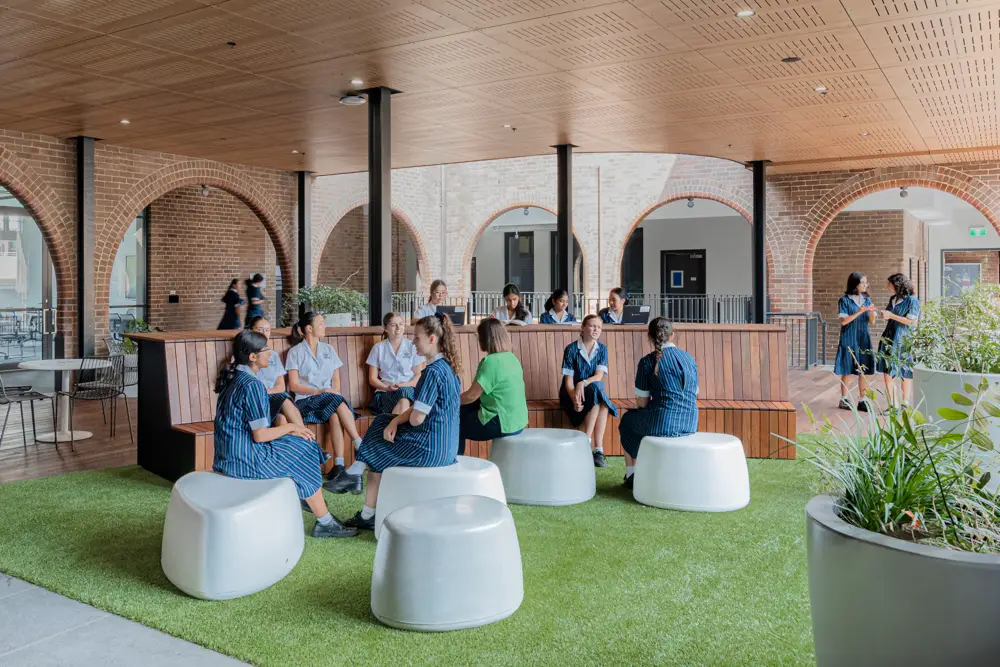
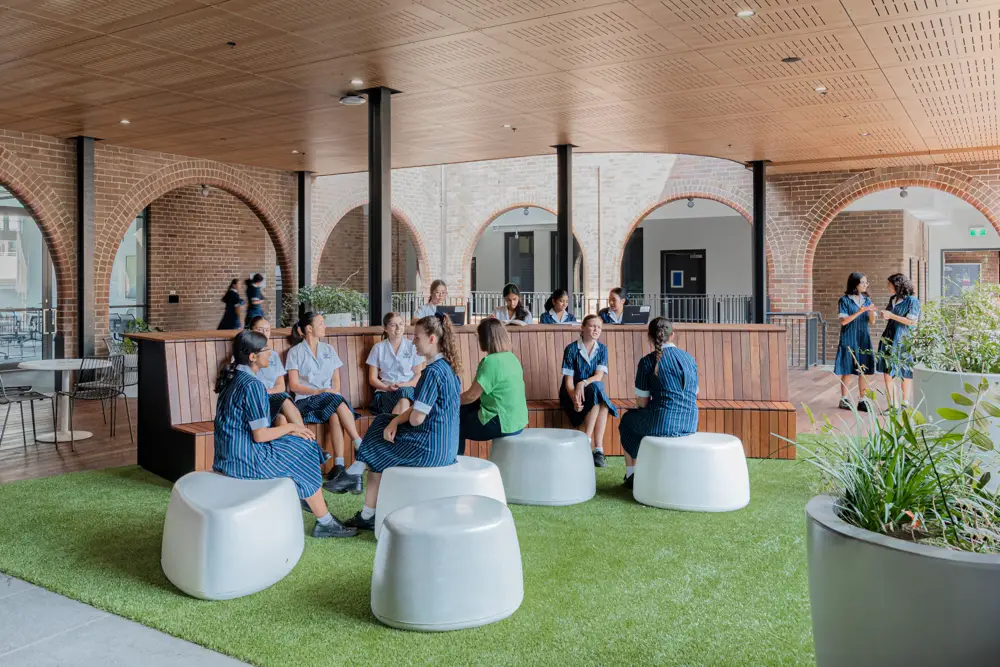
Complementing the refurbished wing, a new four-storey extension has been added, featuring 18 additional GPLAs, breakout and collaboration areas, and a tiered Presentation Space with retractable seating to maximise flexibility. The new extension, designed as a contemporary counterpart to the historic wing, employs a modern hybrid structure of Cross Laminated Timber (CLT), Glulam timber, and steel, reflecting a commitment to sustainable and innovative design.

The new extension is thoughtfully arranged around a central courtyard, allowing natural light and air to flow freely throughout the building. Landscaped areas are strategically integrated to provide a sense of relief from the dense urban surroundings, creating a more serene and inspiring learning environment. The new GPLAs are not only light-filled and naturally ventilated but are also technology-enabled and designed to foster strong visual connections to the surrounding landscape. These inspiring spaces are tailored to enhance the educational experience for both teachers and students, reflecting the college’s commitment to a vibrant, dynamic, and connected future.

Photography by Vinicius Lima

Cedars Mount View

Alexander Symes Architect (ASA)

Cedars Mount View offers an immersive and environmentally regenerative tourist accommodation experience in the Hunter Valley region, with Villa Stella serving as the flagship of this sustainable approach. Constructed as the first newly built accommodation at Cedars, Villa Stella is designed according to Passivhaus and solar passive principles, deeply integrating with the natural surroundings. For the clients, Villa Stella is just one piece of a broader commitment to environmental sustainability, which has been extended to the retrofitting of the four other existing villas on the property.

Three of the existing villas have already undergone significant thermal upgrades, with plans in place for the fourth, ensuring that all accommodations at Cedars are refined, environmentally conscious, and regenerative. The application of Passivhaus principles across the property has resulted in thermally comfortable, healthy, and low-impact accommodations that set a new standard for sustainable tourism in the region.

The villas’ low operational energy needs are further supported by substantial infrastructure upgrades, including the installation of solar panel arrays and batteries, the conversion from gas to electricity, and rainwater harvesting systems. These enhancements have transformed some of the villas from full grid energy consumers to being 79% off-grid, with only 21% of their power sourced from the grid.

Beyond the buildings themselves, Cedars Mount View is committed to enhancing the local environment through extensive planting of endemic tree species and bush regeneration efforts. These initiatives not only improve the biodiversity of the area but also encourage visitors to engage more deeply with the natural world, making Cedars a model of sustainable and regenerative tourism.

Photography by Alexander McIntyre

Blacktown Animal Rehoming Centre (BARC)

Sam Crawford Architects

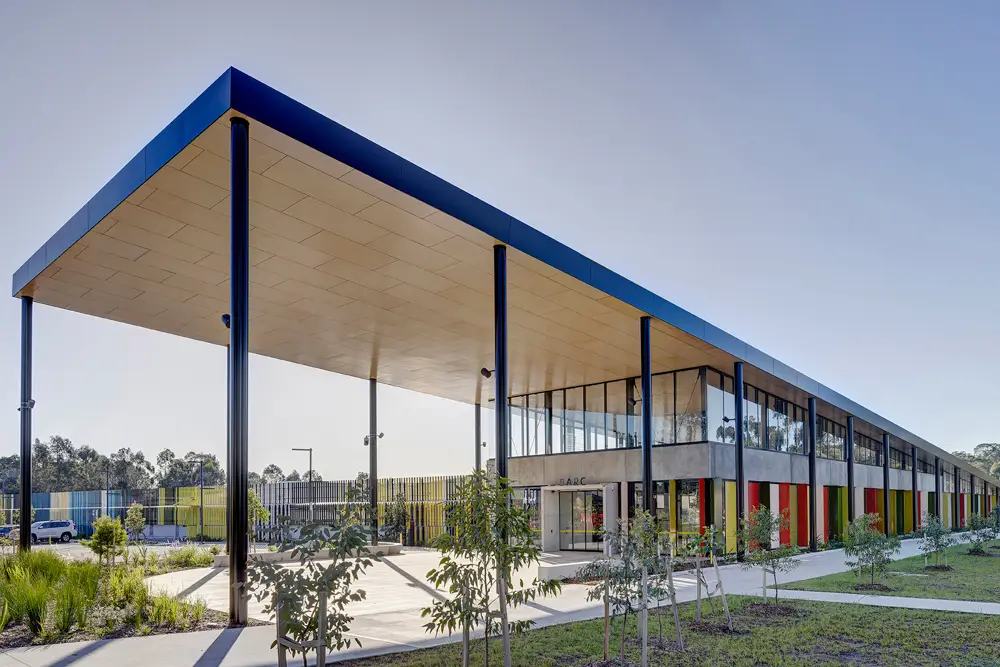
The design of the Blacktown Animal Rehoming Centre (BARC) masterfully balances the technical demands of animal welfare with the need for a safe, welcoming environment for both staff and visitors. BARC is composed of a series of elongated buildings, or ‘fingers,’ that extend towards the woodlands of the Western Sydney Parklands. This layout not only maximizes cross-ventilation and solar access but also enhances proximity to nature, which is crucial for reducing stress and promoting the health of both staff and animals.

These separate buildings are unified through a bold colour scheme and a striking 120-meter-long, 4.5-meter-high multi-coloured artwork, created in collaboration with a local artist. The artwork, inspired by the plumage of native birds, serves to connect the buildings, screen internal activities from the street, and add an element of vibrancy to the facility.

BARC is set within an extensive, thoughtfully landscaped area featuring drought-tolerant, shade-giving, and low-maintenance plants. The landscape design incorporates biofiltration at multiple points, promoting stormwater absorption across the site. Additionally, two large rainwater tanks capture roof runoff, which is then reused for the facility’s extensive cleaning needs. The choice of materials—hygienic, durable, robust, and easy-to-clean—further enhances the functionality and longevity of the facility.

Sustainability is a cornerstone of BARC’s design, which includes passive thermal comfort achieved through optimal cross-ventilation and solar access. Water retention strategies complement the facility’s sustainable technologies, such as a 99 kWh solar PV array, electric vehicle (EV) chargers, and heat exchange air-conditioning systems.

BARC’s design embraces a robust shed typology that fits seamlessly within an industrial estate dominated by large metal sheds. However, unlike its industrial neighbors, BARC leverages the power of color and thoughtful design to engage the community and promote well-being, demonstrating that even the most pragmatic building types can be transformed into vibrant, community-enhancing spaces.

The facility’s layout allows animals direct connection to the surrounding landscape, increasing their interaction with both nature and people. This approach enhances the animals’ thermal, visual, and aural comfort, minimizes distress, aids in their rehabilitation, and provides a pleasant working environment for staff. Overall, BARC exemplifies how thoughtful design can significantly improve the functionality, sustainability, and community engagement of animal welfare facilities.

Photography by Brett Boardman, Jackie Chan

Botanicrete – Plant-based Wall Finish

Mineral Fox

Botanicrete is Australia’s first wall finish render that uses natural botanical extracts, specifically tree resin, as a sustainable alternative to petrochemical-derived resins, acrylics, or polymers commonly found in most wall finishes. The tree bark is sustainably harvested without chopping down the tree, and the resin is extracted through a boiling process. This resin is then combined with Australian minerals to create a versatile plaster wall finish that seamlessly transitions from interior to exterior applications.

One of the defining features of Botanicrete is its breathability, making it a “living finish” that evolves over time. As air and moisture move through the material, it develops a unique patina, adding character and depth to any space. Architects and designers are offered a completely different aesthetic, with the ability to achieve tonal variations, subtle changes, and even tiny spider cracking, resulting in an organic, “perfectly imperfect” look. This contrasts sharply with the uniformity typical of conventional wall coatings.

Botanicrete is designed to be finished smooth, like stone, inviting touch and creating a tactile, organic experience. Its contemporary yet natural finish makes it particularly well-suited for material-focused architecture and design, offering a distinctive and sustainable alternative that imbues spaces with a unique, evolving character.

Photography by Brock Beazley

Ben Peake

Carter Williamson Architects

Ben is a Principal at Carter Williamson and the recipient of the 2023 National Emerging Architect Prize awarded by the Australian Institute of Architects. His contributions to the architectural field are further demonstrated by his involvement as a founding member of Architecture With Pride and Save Our Sirius, reflecting his commitment to social advocacy within the profession. Ben’s achievements also include winning the 2019 Dulux Study Tour Prize and the 2020 Adrian Ashton Prize for Architectural Culture and Literature, highlighting his dedication to both the practice and cultural discourse of architecture.

Photography by


Share

Share