All posts by Indesign Media

Redfern Station Upgrade

DesignInc Sydney

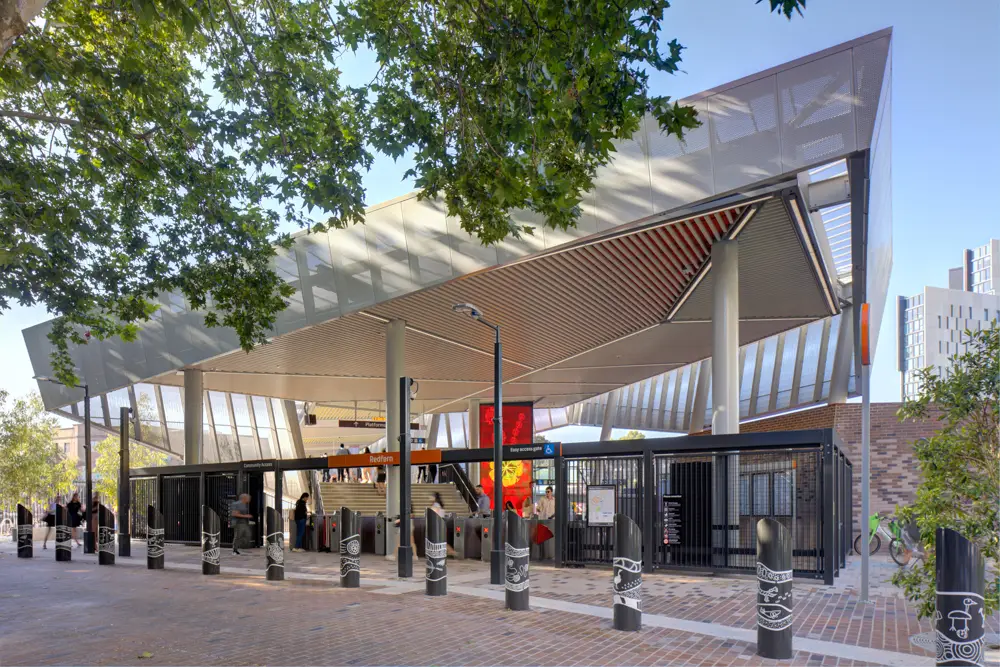
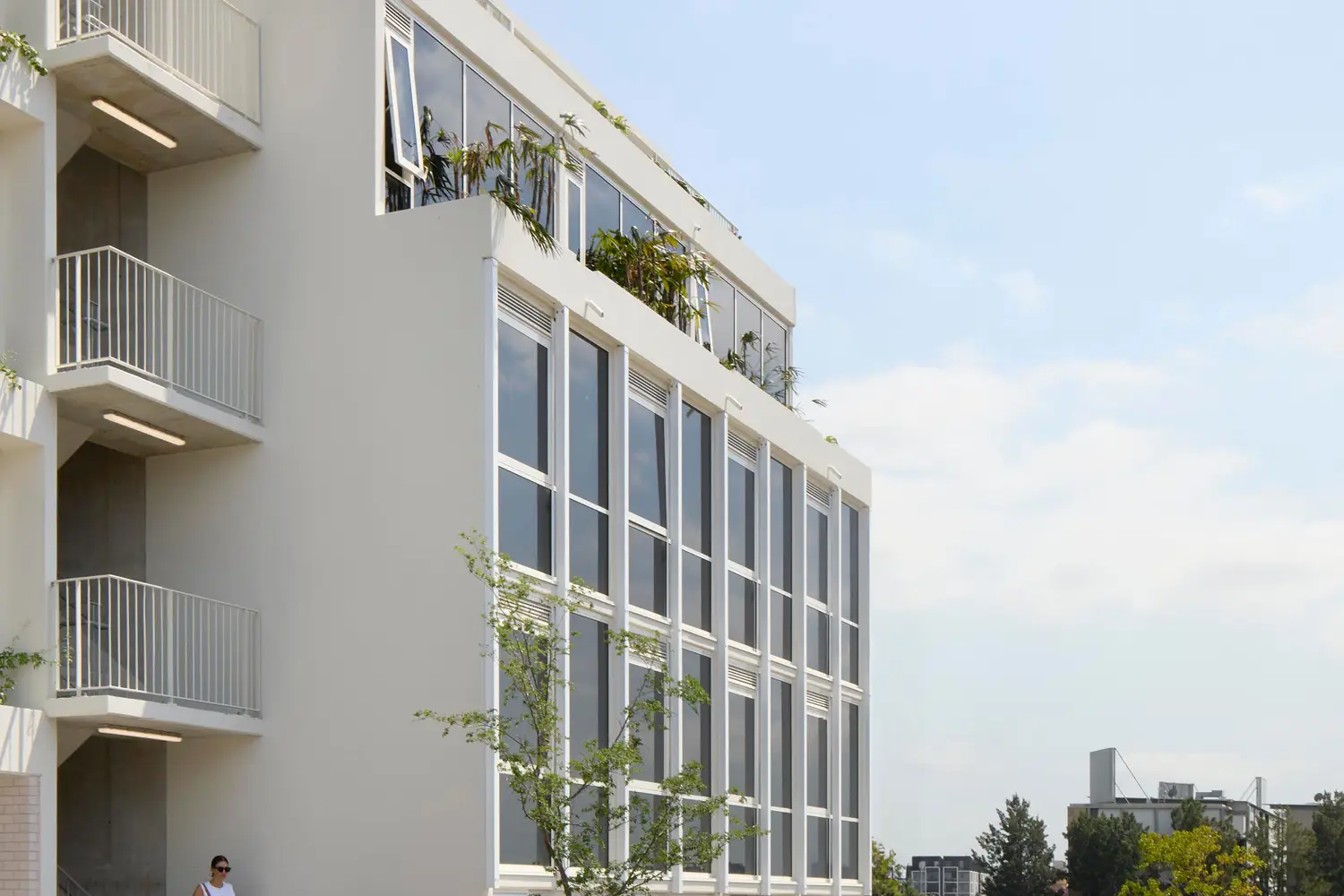
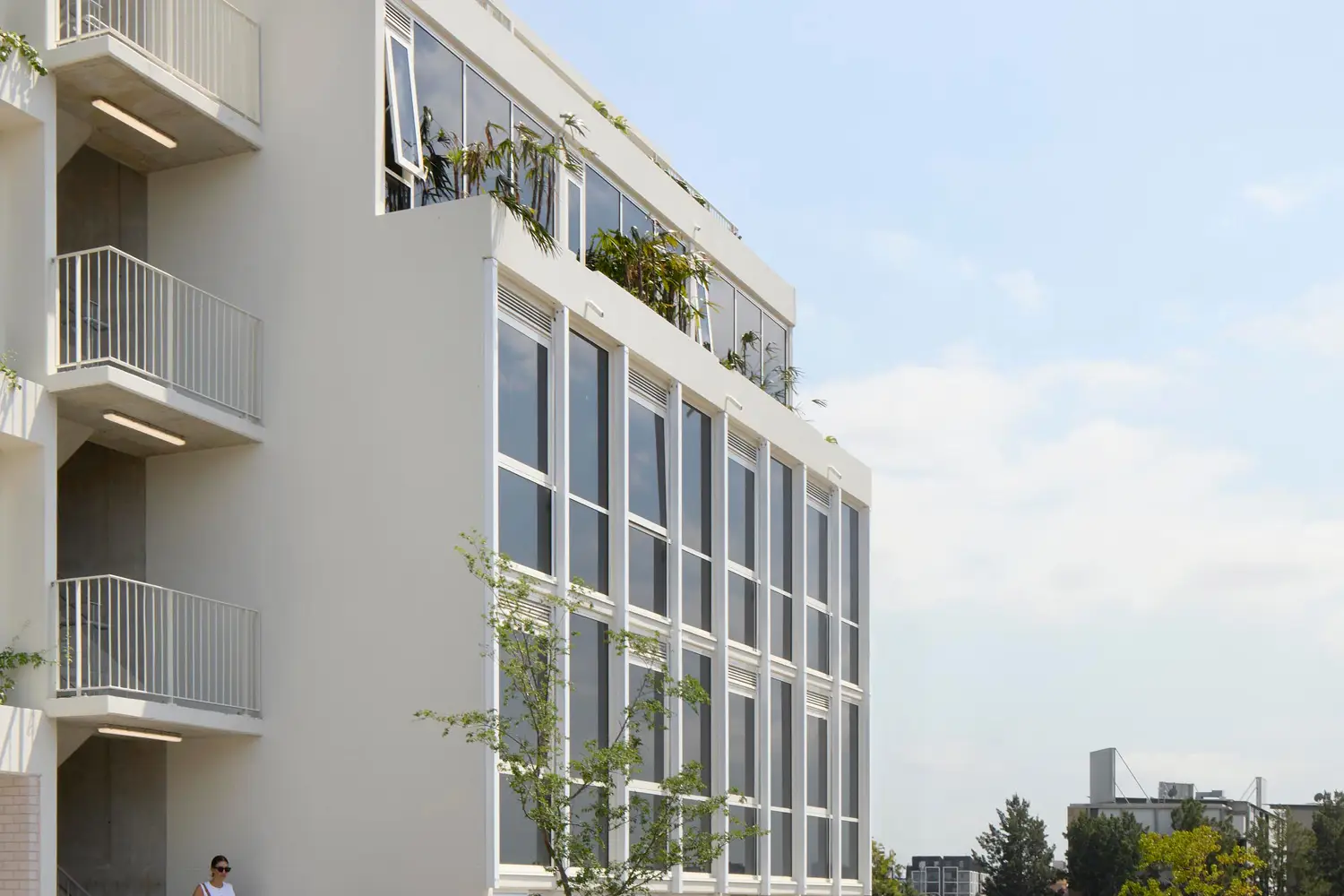
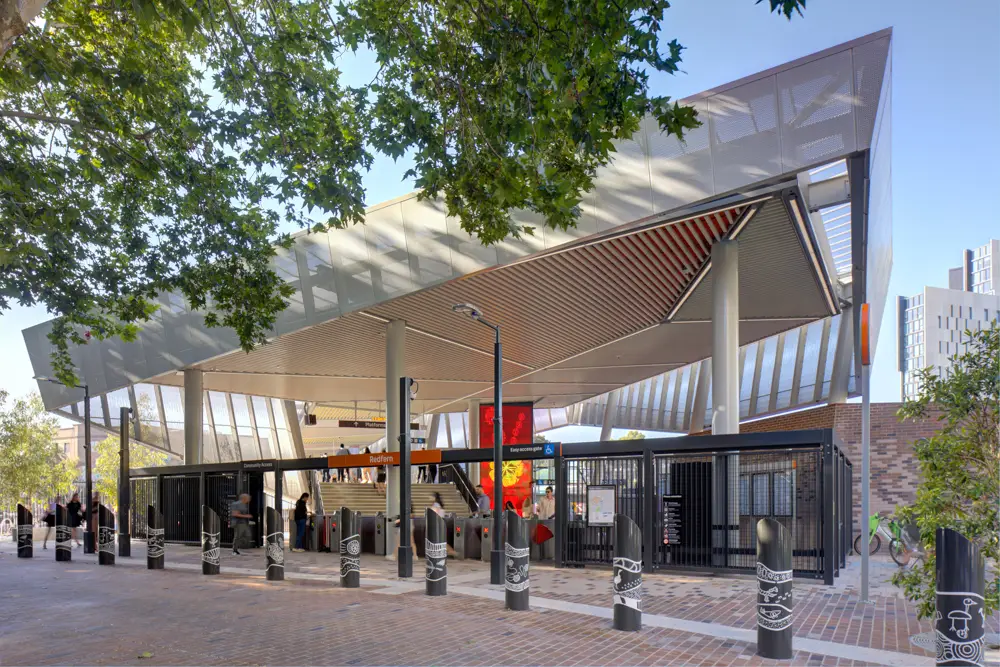
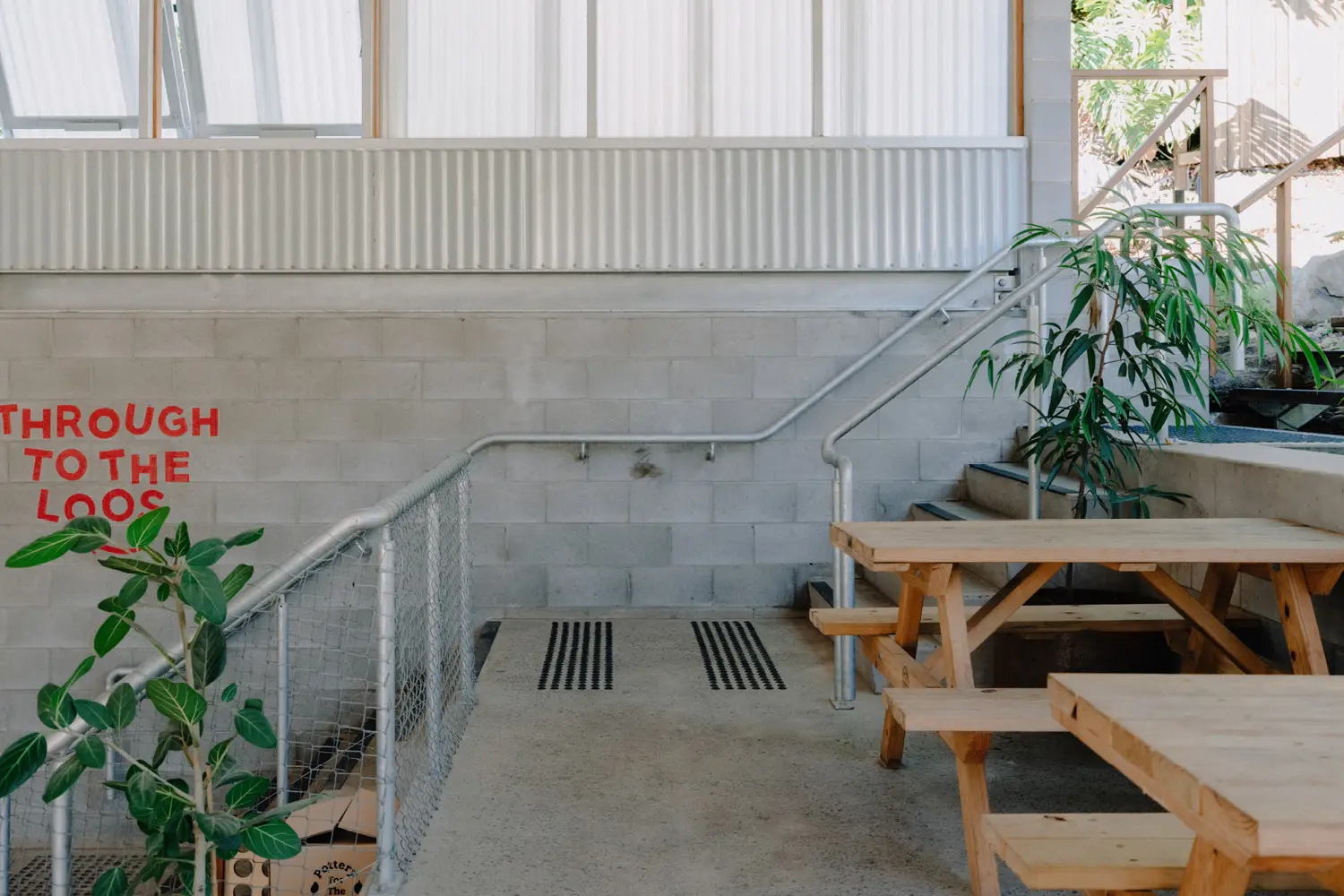
Redfern Station, a key transport hub in Sydney, has undergone a significant upgrade as part of the NSW Government’s Transport Access Program. This upgrade focuses on enhancing inclusivity, connectivity, and sustainability while preserving the station’s rich natural, cultural, and built heritage. The project has achieved an Excellent Design IS Rating from the Infrastructure Sustainability Council, aligning with NSW’s goals for a low-carbon future and delivering on environmental, economic, and social sustainability.

A new southern concourse and entrances at Little Eveleigh and Marian Streets are among the key features of the upgrade. These additions integrate high-quality amenities that enhance the user experience, while respecting the area’s historical significance. The design of the station draws inspiration from Eveleigh’s historical wetland and industrial heritage, particularly through the adaptive reuse of an old warehouse at 125-127 Little Eveleigh, which has been repurposed for new station facilities. The project also emphasizes improved pedestrian and bicycle zones, fostering community vibrancy by blending Indigenous, natural, industrial, and contemporary heritage elements.

The station’s climate-responsive design incorporates durable materials for the concourse and stairs, facilitating natural airflow. Water Sensitive Urban Design (WSUD) principles were applied, including the use of planting beds, raingardens, solar panels, and rainwater storage systems for irrigation, toilets, and cleaning.

Overall, the Redfern Station upgrade stands as a model of sustainable urban development, demonstrating how modern infrastructure can respect and enhance its historical and cultural context while leading the way in environmental stewardship.

Photography by Brett Boardman

Recycled Glass Kitchen Benchtops

Ecosurfaces Australia

Ecosurfaces Australia has introduced a sustainable kitchen benchtop that exemplifies innovation in eco-friendly design by using recycled glass as its primary material. The recycled glass used in this range is sourced from various Australian sources, including windscreens, windows, shower screens, and bottles collected from domestic yellow bins. This local sourcing not only supports sustainability but also ensures that the benchtops are entirely free from silicosis, a significant health consideration in building materials.

These benchtops boast impressive qualities, including exceptional strength, scratch resistance, heat resistance, and stain resistance, making them a durable and practical choice for kitchens. As a proudly Australian-owned business, Ecosurfaces Australia is driven by a passion for sustainability, safety, and supporting Australian manufacturing. The company has invested significant time and resources into research and development, culminating in the launch of this high-quality product in the Australian market.

By leveraging recycled glass, Ecosurfaces Australia is contributing to reducing waste and promoting sustainability while offering a product that meets the highest standards of performance and safety. This initiative reflects the company’s commitment to environmental responsibility and innovation in the manufacturing industry.

Photography by

Redfern Station Upgrade

DesignInc Sydney

Redfern Station, a key transport hub in Sydney, has undergone a significant upgrade under the NSW Government’s Transport Access Program, focusing on inclusivity, connectivity, and sustainability. The project introduced a new southern concourse and entrances at Little Eveleigh and Marian Streets, integrating high-quality amenities while honouring the area’s natural, cultural, and built heritage. The station achieved an Excellent Design IS Rating from the Infrastructure Sustainability Council, aligning with NSW’s goals for a low-carbon future and fostering environmental, economic, and social sustainability.

The design pays homage to Eveleigh’s historical wetland and industrial legacy, with the adaptive reuse of an old warehouse at Little Eveleigh Street for station facilities. Enhanced pedestrian and bicycle zones improve local access, creating a vibrant community space that blends Indigenous, natural, industrial, and contemporary heritage. Key sustainability achievements include significant reductions in greenhouse gas emissions and materials footprint, climate change risk assessments, and the incorporation of water-sensitive urban design elements like raingardens and rainwater storage.

The project also featured innovative construction methods, such as the relocation of a heritage building and the installation of solar panels on the new Marian Street entrance. The transformation of Little Eveleigh Street into a landscaped shared zone has further enhanced public amenities while mitigating the urban heat island effect.

Photography by Brett Boardman

Raffaello Rosselli

Luigi Rosselli Architects,

Based in Sydney, Australia, Raffaello Rosselli Architect is an emerging practice with a strong focus on material sustainability. The practice is dedicated to exploring innovative and responsible uses of materials in architecture, aiming to create environmentally conscious and sustainable designs that contribute positively to the built environment.

Photography by

Re-Frame House

Still Space Architecture

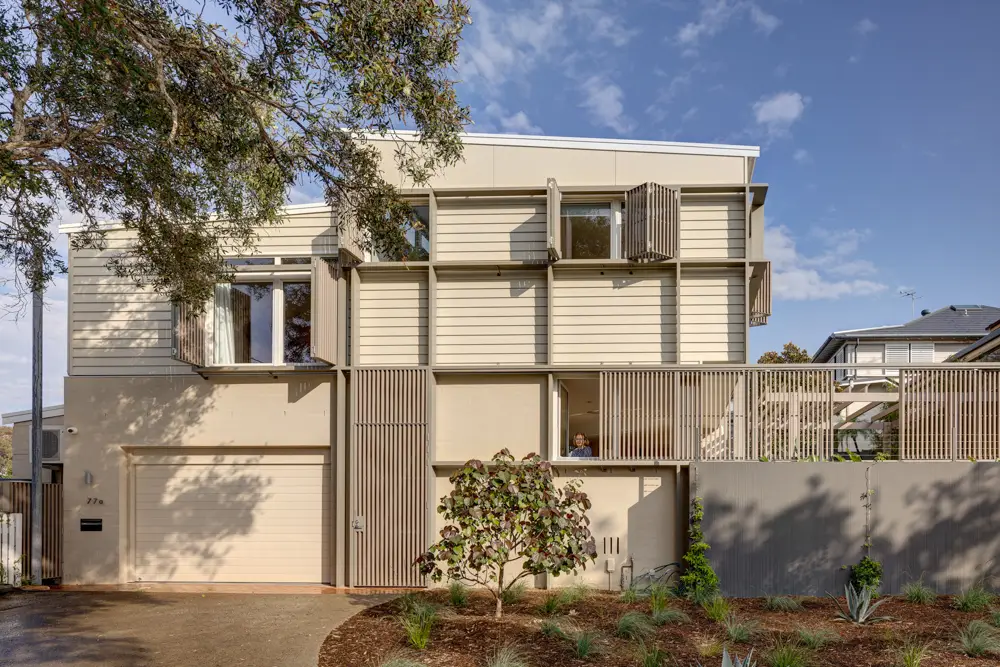
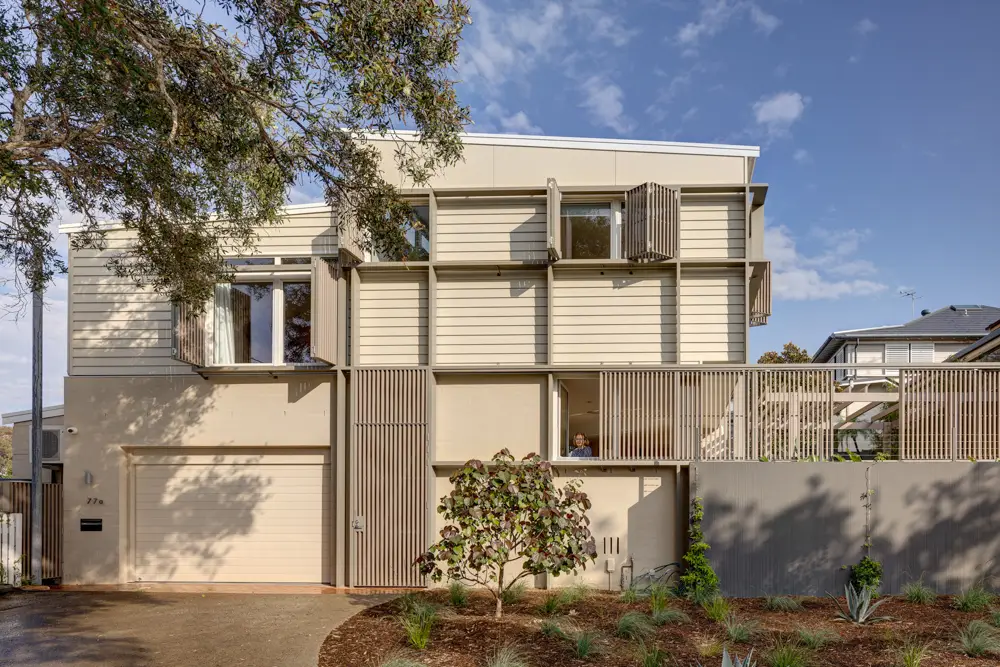
The transformation of this 1980s building into a healthy, low-energy sanctuary demonstrates a meticulous approach to sustainability, climate resilience, and serene living. The project, known as the Bronte Re-Frame House, reimagines the existing structure with a focus on enhancing thermal performance, improving light and ventilation, and creating a tranquil atmosphere for its occupants.

The renovation began with a comprehensive approach to climate resilience. Key modifications included the addition of adjustable facade shading, an airtight and insulated internal layer, and an external ventilated system. These enhancements significantly reduce heat gain through the facade, ensuring a more comfortable home environment. The external frame not only ties the existing house to the new work but also serves as a support structure for sliding screens that modulate sunlight, privacy, and views.

The floor plan was redesigned to be more compact, allowing for better light distribution and ventilation throughout the home. Strategic reduction in window sizes enhanced thermal performance while optimizing views towards the surrounding trees and ocean. The color palette, inspired by the pinks, greens, and tans of adjacent paperbark trees, integrates the house harmoniously with its natural surroundings. Central skylights were installed to reflect light deep into the interior, highlighting the changes in sunlight through the seasons.

The redesign was heavily influenced by the client’s desire for a serene retreat. The living spaces were crafted to promote tranquility and comfort, with abundant natural light flooding the interiors and pool reflections casting dynamic patterns across the ceilings. Each room offers a connection to the garden, pool, sky, or trees, enhancing the sense of peace and relaxation. The house is also much quieter now, thanks to the high-performance windows and insulating layers, which effectively dampen external noise.

The Bronte Re-Frame House incorporates Passive House principles to ensure optimal energy efficiency and comfort. Features such as adjustable sun screening, an airtight barrier, and double-glazed timber windows contribute to a healthy, low-energy home environment. The home is equipped with integrated HRV (heat recovery ventilation) systems, air conditioning, solar panels, battery storage, electric appliances, and a heat pump. The ventilated cladding system used for the walls and roof reduces heat buildup and minimizes condensation risk, further enhancing the home’s energy efficiency.

Overall, the Bronte Re-Frame House stands as a model of how thoughtful design can transform an aging structure into a modern, sustainable sanctuary. By prioritizing climate resilience, natural light, and passive house principles, this project not only revitalizes the home but also ensures a healthier, more comfortable living environment for its occupants.

Photography by Brett Boardman

Path Chair

Humanscale

Path by Humanscale stands as the world’s most sustainable task chair, embodying innovation in both design and environmental responsibility. This revolutionary chair is engineered to intuitively accommodate 95% of all body types without the need for manual adjustments, thanks to its patented Gravity Mechanism™. This mechanism uses the user’s body weight to provide a seamless, ergonomic recline and support, enhancing comfort and promoting healthy posture throughout the day.

Crafted with a strong emphasis on simplicity and sustainability, Path incorporates up to 52% recycled content, including ocean plastics and post-consumer materials. This sustainable approach extends to its FormSense Eco Knit™ textile, which not only provides personalized lumbar support but also minimizes material waste during production, further reducing the chair’s environmental footprint.

Designed for durability and aesthetic versatility, Path seamlessly fits into diverse workspaces, from traditional offices to modern home environments. Its thoughtful construction ensures that it meets the demands of both style and function, making it an ideal choice for those who value both high performance and sustainability in their furniture. Path by Humanscale sets a new standard for task chairs, proving that exceptional design and environmental responsibility can coexist harmoniously.

Photography by Humanscale

Perth Arup Workplace

Hames Sharley and Peter Farmer Design with Arup

The new Arup workplace in Perth is a showcase of cutting-edge sustainability and wellness in the built environment, reflecting the company’s commitment to the highest international standards. The workplace has been designed with Hames Sharley, Peter Farmer Design, and Arup’s multidisciplinary design team and represents Arup’s latest pursuit of the Living Building Challenge, the most rigorous benchmark for sustainable design, and is also targeting WELL Platinum certification for operational excellence. These global standards highlight the achievement of a workplace that prioritizes environmental sustainability, health, and wellbeing, building on Arup’s extensive experience with similar projects across its portfolio.

The Arup office spans three levels within the newly developed Westralia Square 2 in Perth. Arup’s engineers played a crucial role in the base building design, which features a mass timber structure built atop an existing podium. This innovative use of a lightweight timber structure maximizes the potential yield from the established capacity of the existing building, showcasing Arup’s expertise in structural engineering and sustainable design. Notably, the building operates without a thermal plant, instead utilizing the existing excess capacity of connected systems, further enhancing its sustainability credentials.

This submission focuses on the workplace design completed earlier this year, which reflects Arup’s commitment to creating spaces that are not only functional and efficient but also contribute positively to the environment and the health and wellbeing of its occupants. The project stands as a testament to Arup’s leadership in sustainable and healthy workplace design, setting a new benchmark for future developments.

Photography by Dion Robeson

Parramatta Square

Walker

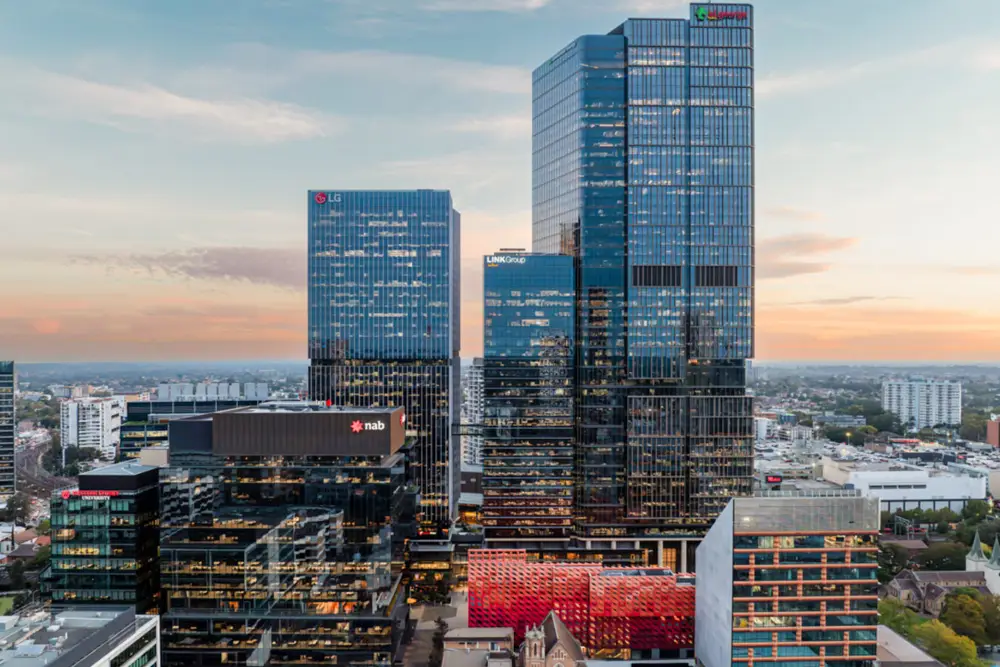
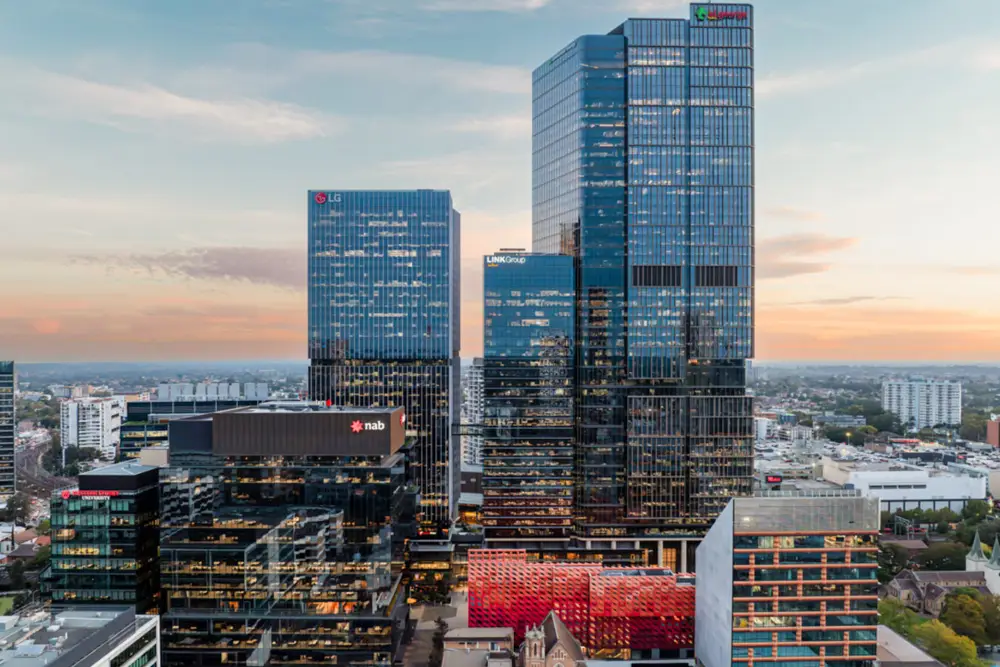
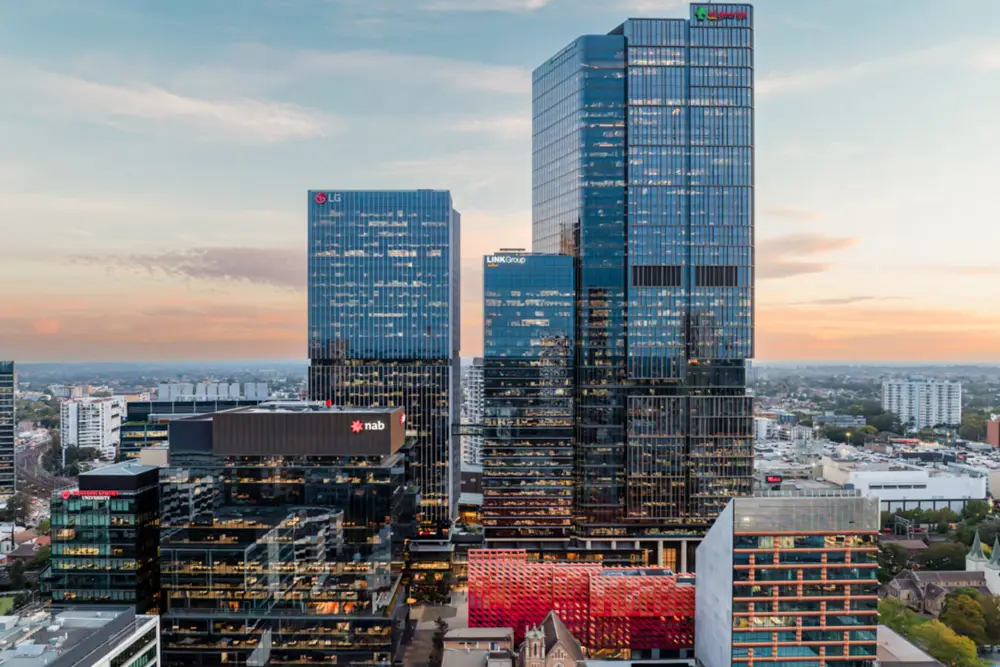
Parramatta Square is a world-class mixed-use precinct in Sydney that sets new standards for sustainable development and international competitiveness. Designed with sustainability at its core, the precinct incorporates innovative measures in its design, construction, and operations to achieve outstanding environmental performance. Each building within Parramatta Square has achieved a 6-Star Green Star Design & As Built rating, with 6 & 8 Parramatta Square being the largest buildings in Australia to attain such certification. The precinct also secured the highest ranking in the 2024 NABERS Sustainable Portfolio Index for Energy, with a 5.8-Star rating, and placed second in the Water index, showcasing its leadership in energy and water efficiency.

Connectivity to five different forms of public transport further enhances its sustainability credentials, making Parramatta Square a model for transit-oriented development. The precinct’s expansive open spaces, activated by the City of Parramatta Council and Walker Corporation, significantly contribute to the city’s cultural and visitor economies. These areas host a range of events and activities, boosting the night-time and weekend economy, particularly benefiting the retail sector. Parramatta Square stands as a benchmark for sustainable urban development, blending environmental responsibility with vibrant community engagement.

Photography by

Passive Pleat

STUDIOFANG

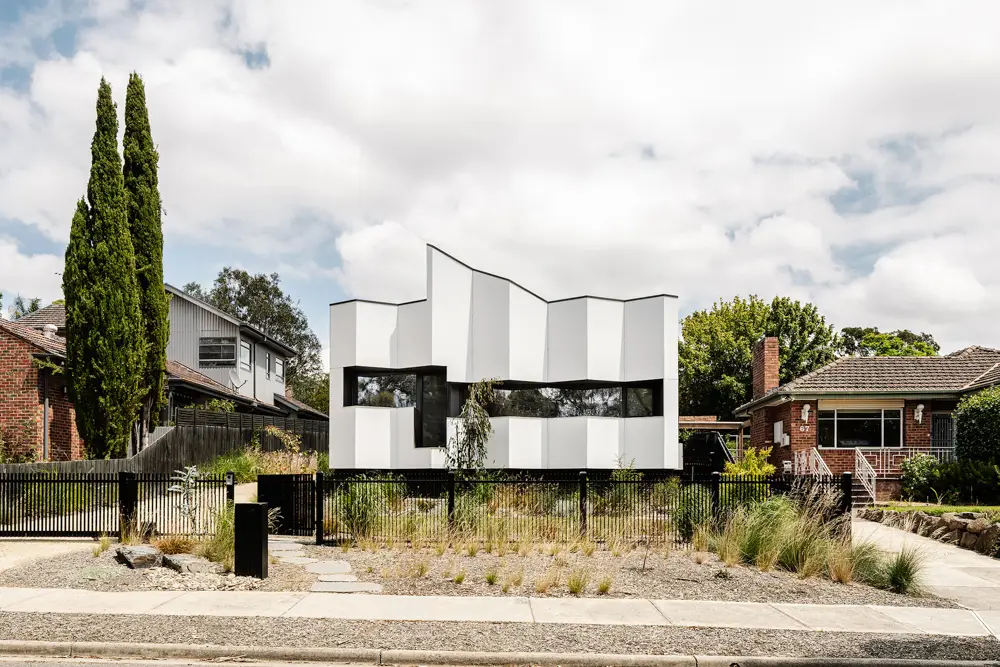
“Passive Pleat” by Studiofang represents a significant milestone in Passivehouse design in Australia, particularly as one of the earlier adopters of this energy-efficient standard in the country. Located in a northeastern suburb of Melbourne, this single-storey dwelling, complemented by a double-storey garage-outhouse annex, meets the rigorous Passivehouse Classic standard, focusing on creating a sustainable and comfortable living environment.

The striking white sawtooth façade of Passive Pleat, coupled with a Structurally Insulated Panel (SIP) envelope, embodies Studiofang’s innovative approach to blending artistic expression with scientific precision. The design reflects the studio’s commitment to producing culturally meaningful, high-performance buildings that are both future-ready and sensitive to the environment.

Completed at the end of 2023, Passive Pleat prioritizes occupant health and well-being by integrating biophilic design elements that foster a strong connection between the indoors and the outdoors. This approach resonates with the Australian psyche, which values the seamless merging of living spaces with nature. Through this project, Studiofang demonstrates that it is possible to create architecturally distinctive homes that are not only aesthetically pleasing but also provide a comfortable, healthy, and energy-efficient living experience.

Photography by Marnie Hawson

Park Street by Milieu

Breathe

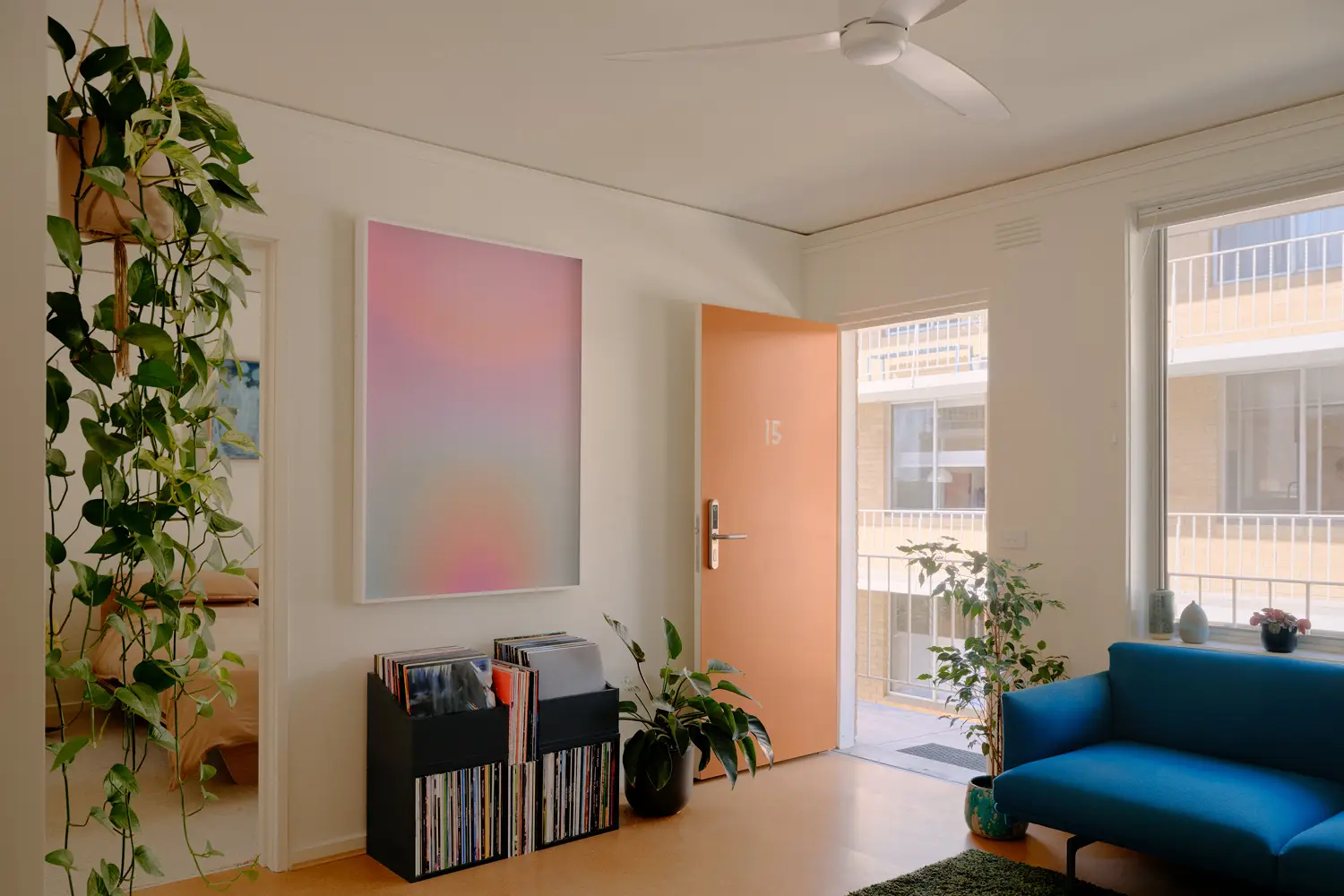
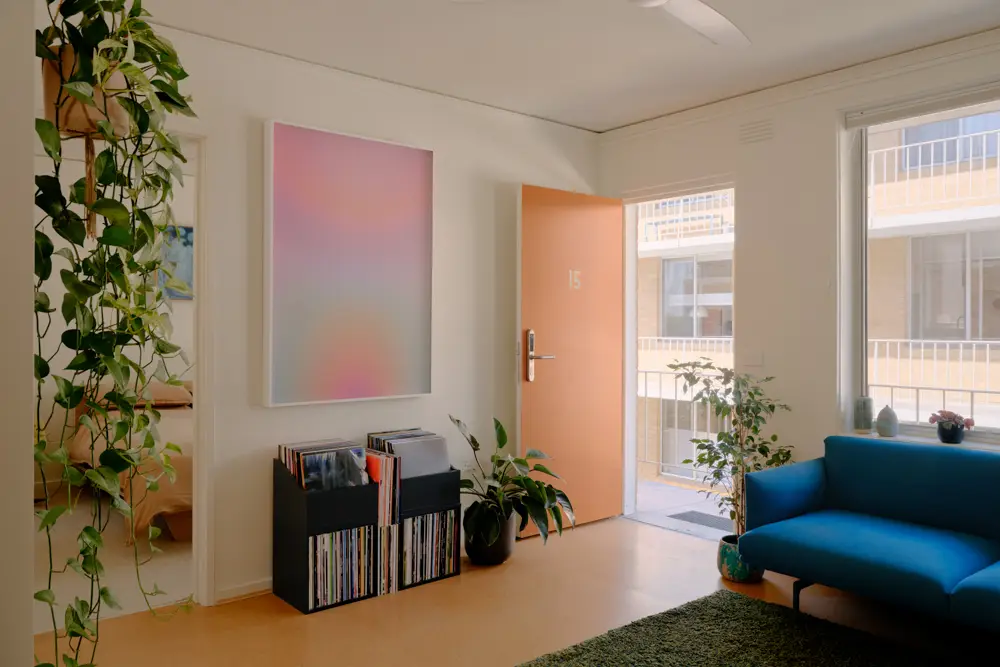
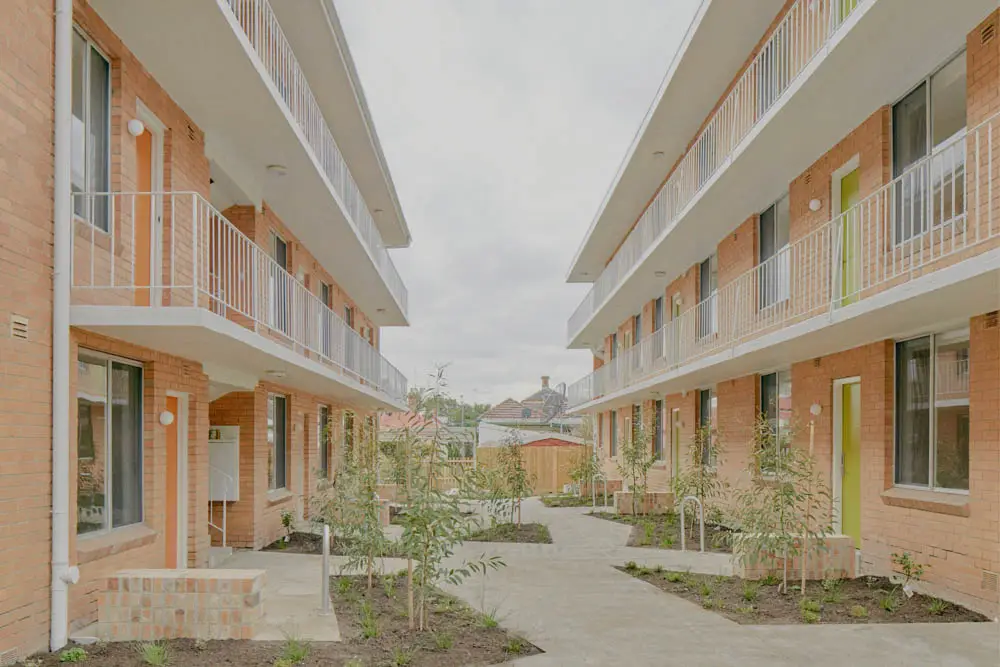
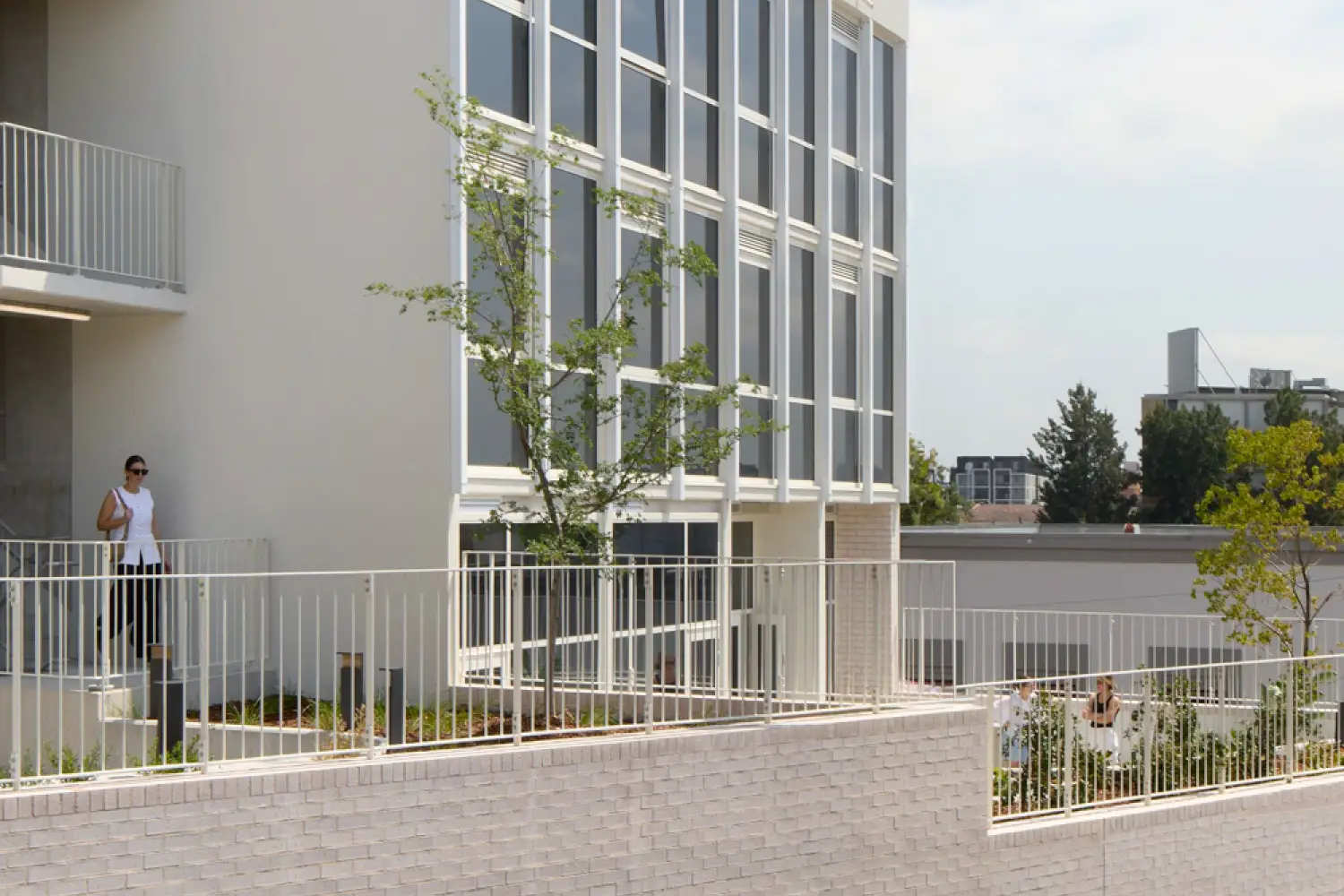
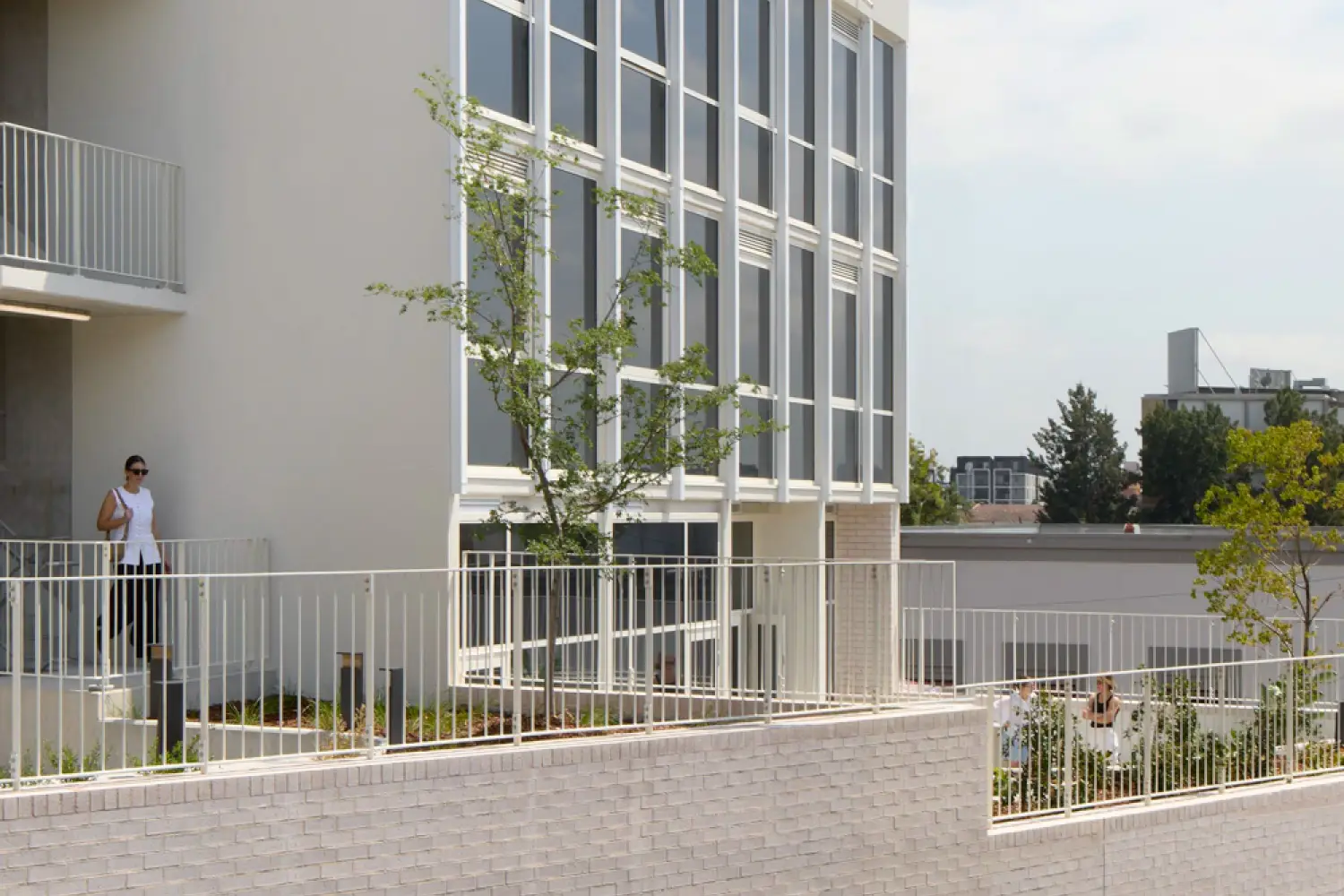
Park Street by Milieu, designed by Breathe, represents a pioneering development model that focuses on retrofitting aging buildings to meet the needs of modern renters while addressing environmental concerns. Located in Brunswick, across from Royal Park and close to the Upfield Line and Sydney Road, this 17-apartment project challenges conventional approaches by revitalising structures that were otherwise nearing the end of their functional life. This initiative responds to Melbourne’s rental housing shortage and the high carbon footprint associated with new construction, offering a sustainable alternative.

The development consists of two distinct blocks, each with its own colour scheme and layout that preserves the building’s original charm while creating a unique identity for the project. Designed with sustainability and community in mind, the project showcases an innovative and regenerative approach that breathes new life into forgotten urban spaces. By embracing the existing structures and making thoughtful upgrades, Park Street demonstrates how to do more with less, transforming perceived weaknesses into strengths.

The modernised apartments and rejuvenated communal spaces encourage residents to live as a community, fostering connections and enhancing the overall human experience. Park Street stands as an example of how urban development can be both environmentally responsible and socially enriching, creating spaces that are not just places to live, but places to connect and thrive.
Photography by Ben Moynihan

Parramatta Square

Walker

Parramatta Square stands as a world-class mixed-use precinct and a pivotal civic meeting place for the city and region, setting a new benchmark for sustainable development and international competitiveness. The precinct is distinguished by its exceptional quality and amenities, boasting sustainability ratings that surpass those of prime assets in the Sydney CBD. Sustainability is at the core of Parramatta Square’s design, construction, and operations, with a focus on innovative and ambitious measures aimed at achieving environmental excellence.

From its inception, the vision for Parramatta Square was to establish a new standard in sustainable development. This commitment to sustainability has been embedded in the design phase, ensuring optimal environmental performance throughout the operational life of the precinct. Parramatta Square’s achievements include securing the highest ranking in the 2024 NABERS Sustainable Portfolio Index for Energy, with an impressive 5.8-Star rating. Additionally, it earned second place in the Water index, underscoring its national leadership in energy and water efficiency.

Each building within Parramatta Square has earned a 6-Star Green Star Design & As Built rating, with 6&8 Parramatta Square being the largest building in Australia to achieve such a rating. The precinct’s sustainability credentials are further bolstered by its connectivity to five different forms of public transport, enhancing accessibility while reducing environmental impact.

Parramatta Square’s expansive open spaces significantly contribute to its sustainability profile, serving as vibrant cultural and social hubs. These areas, activated by events and activities organised by the City of Parramatta Council and supported by Walker Corporation, play a crucial role in boosting the night-time and weekend economy, particularly benefiting the retail sector. Parramatta Square exemplifies how integrating sustainable design principles from the outset can create a landmark precinct that not only leads in environmental performance but also enriches the cultural and economic fabric of the city.

Photography by

Park Street by Milieu

Breathe

Positioned near the vibrant Royal Park and just moments from the Upfield Line and Sydney Road, the Park Street project in Brunswick is a remarkable example of how thoughtful design and sustainability can coexist. This development, which includes two blocks—one on the west side and one on the east—each with its own unique colour scheme and layout, manages to preserve the original charm of the building while giving it a new identity. The project demonstrates that an existing structure can be carbon neutral in operation and can serve as a catalyst for a new, thriving community.

At the core of Park Street’s design ethos is a commitment to sustainability and community. This project is not merely about creating 17 beautiful homes; it’s about challenging the conventional approach to housing and proving that there is financial and environmental value in radical reuse. By choosing to regenerate rather than rebuild, Park Street exemplifies the idea that “building less gives more.” It’s a forward-thinking approach that draws inspiration from the existing structure, embracing its imperfections and turning them into features that enhance the overall authenticity and character of the homes.

One of the most significant aspects of the project is what isn’t immediately visible—the electrification of the building, the integration of renewable energy sources, and the overarching carbon story that drives the project. These elements underscore a commitment to reducing the environmental impact of the development and moving towards a zero-carbon future.

The project serves as a powerful reminder that the only way to achieve a sustainable future is through radical reuse. Melbourne has approximately 2.5 million existing homes, and it’s not feasible or environmentally responsible to demolish them all and start from scratch. Instead, Park Street shows that it is possible to harness the value of every existing building and every bit of embedded carbon, creating homes that are not only stylish and delightful but also built with love and care for the planet.

In essence, Park Street is a blueprint for how we can approach urban development in a way that respects the past, serves the present, and protects the future. It’s a project that exemplifies the financial and ecological elegance of radical reuse, and it sets a precedent for how we can sustainably rejuvenate our cities while fostering strong, connected communities.

Photography by Tom Ross

Park Street

Breathe

Park Street in Brunswick represents a visionary approach to urban housing, balancing sustainability with community-centric design. Located near Royal Park, the Upfield Line, and Sydney Road, this project revitalizes two blocks—each with its distinct color scheme and layout—while preserving the building’s original charm. The design celebrates imperfections, proving that existing structures can be both carbon-neutral in operation and vibrant community hubs.

The project challenges conventional housing norms by demonstrating the financial and environmental wisdom of radical reuse. Instead of demolishing and rebuilding, the project breathes new life into existing bones, creating 17 beautiful homes that are not just about living spaces but about fostering a sense of community. This approach showcases the elegance of doing more with less, leaning into the existing structure to create homes that are authentic, delightful, and gentle on the planet.

Electrification, renewable energy, and the carbon story are integral to this project. It underscores the importance of reusing what already exists rather than discarding it. With this mindset, Park Street offers a pathway to a zero-carbon future by proving that thoughtful design, love for the existing, and scalability can coalesce into a sustainable, stylish, and impactful solution for urban living.

Photography by Tom Ross

Paddington Residence

Alena Smith Interior Design

Paddington Residence embodies the ethos of sustainable luxury by artfully blending heritage elements with a textured, earthy palette, inspired by the client’s African heritage. Originally approached for a bathroom upgrade, the project evolved into a comprehensive renovation that addressed underlying issues such as an unused basement, rising damp, and prior unsuccessful maintenance efforts. Located on a bustling main road across from a sports stadium, the home’s occupants faced constant noise stress, which influenced the redesign to create a more peaceful living environment.

The residence spans three distinct levels, each offering unique experiences. The lower level features a Sydney-style indoor-outdoor room, creating a seamless connection with the outdoors. The ground level is anchored by traditional heritage rooms and a striking kitchen, while Level One offers private areas designed to feel like a hotel sanctuary.

As the first major commission, Paddington Residence represents a thoughtful balance of sustainability, heritage, and contemporary design, resulting in a home that serves as a peaceful sanctuary and a lasting legacy for future generations.

Photography by Anson Smart

Pan Pacific Singapore

FDAT Architects

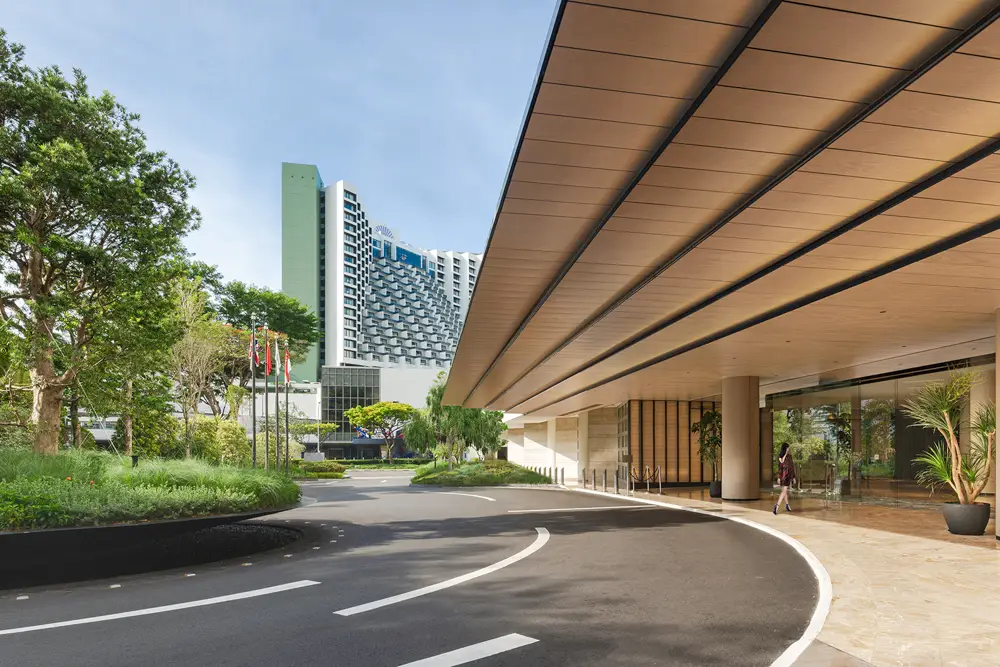
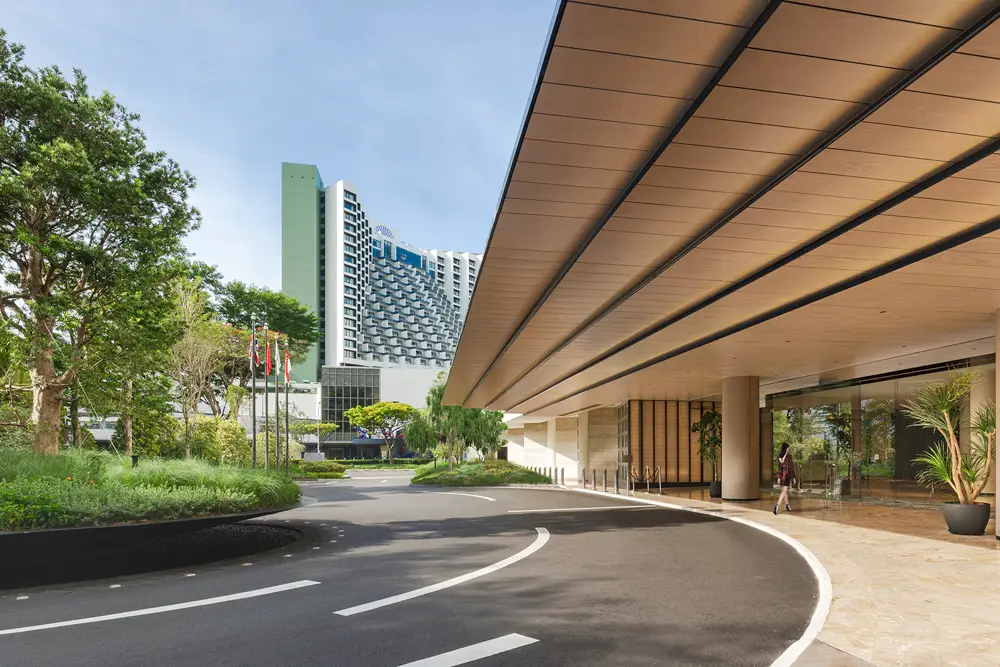
The redesign of Pan Pacific Singapore breathes new life into a 30-year-old building originally designed by John Portman, skillfully retaining and revitalising its existing structure while integrating elements of nature to create a refreshed, graceful hospitality experience. The transformation begins as guests arrive, where sinuous curves of the redesigned landscape envelop them, leading to the port cochere. Above, a stepping timber ceiling draws the eye towards the voluminous atrium, creating an inviting and awe-inspiring entrance.

Interior elements were thoughtfully reorganized to respect the original geometry of the building, with spaces being opened up and layered with trees and lush landscapes to foster a sense of intimacy amidst the grandeur. The softly illuminated, reimagined pods within the atrium evoke a tranquil atmosphere, reminiscent of lanterns floating on water, enhancing the overall sense of serenity.

The lobby bar, housed within its own distinctive enclosure, offers a vibrant character of its own while still maintaining a connection to the voluminous lobby atrium through large picture windows and skylights. This design creates a dynamic interplay between the bar’s intimate atmosphere and the expansive openness of the atrium.

Guestrooms were meticulously redesigned using abundant natural materials like timber and stone, complemented by custom soft lighting that exudes a warm and luxurious ambiance. These elements not only create a comfortable and elegant environment for guests but also align with the sustainable ethos of the project, emphasizing the use of renewable resources and environmentally responsible practices.

By upcycling the existing structure and extending the building’s lifecycle, the Pan Pacific Singapore not only exemplifies graceful luxury but also sets a precedent for sustainable design and construction practices. This redesign showcases how thoughtful, innovative design can transform an aging structure into a modern, eco-conscious destination that remains true to its architectural roots while offering a fresh, revitalized experience.

Photography by David Yeow & Daniel Koh

Northcote Aquatic and Recreation Centre

Warren and Mahoney

This state-of-the-art aquatic facility, designed by Warren and Mahoney, represents the next generation of community aquatic centres, combining exemplary leisure amenities with cutting-edge sustainability practices. Spanning 8,100 square meters, the centre offers a wide range of features, including an indoor learn-to-swim pool, a 25-meter lap pool, a vibrant kids’ splash park, an adult bathing area complete with sauna and steam rooms, a café, group exercise spaces, and a 50-meter outdoor pool set amidst native plantings and a grove of long-standing gumtrees.

The design of the facility is not only focused on providing top-tier amenities but also on sustainability and accessibility. The centre is powered entirely by electricity, featuring 470kW of solar PV panels and other embedded building fabric initiatives that enhance its energy efficiency. The focus on accessibility is evident throughout the design, with thoughtful consideration given to ensuring that the centre caters to a wide range of users. The inclusion of a dedicated adult-only bathing area, a spacious foyer café, and expansive grounds surrounding the outdoor pool makes this centre a true community hub.

Landscaping, meticulously crafted by Arcadia Landscape Architecture, enhances the centre’s connection to its natural surroundings. Internally, the use of a cool, light-coloured palette creates a relaxing and inviting environment. The children’s splash park, featuring playful platypus motifs within a stylised riparian setting, adds a vibrant and colourful element to the facility, making it an appealing destination for families.

Symbolically, the commitment to ecological balance is reflected in the large kingfisher motif on the external façade of the building. During consultation with Wurundjeri elders, the design team learned about the significance of the kingfisher, which only nests in areas where ecological balance is present. This insight guided the project’s approach, reinforcing the goal of creating a facility that not only serves the community but also respects and enhances its natural environment.

This aquatic centre stands as a model of modern design and sustainability, offering a diverse array of facilities that cater to all ages while maintaining a strong commitment to ecological stewardship and community well-being. It is a testament to what can be achieved when innovative design, sustainability, and community engagement come together in harmony.

Photography by Tom Roe

Northcote House

LLDS

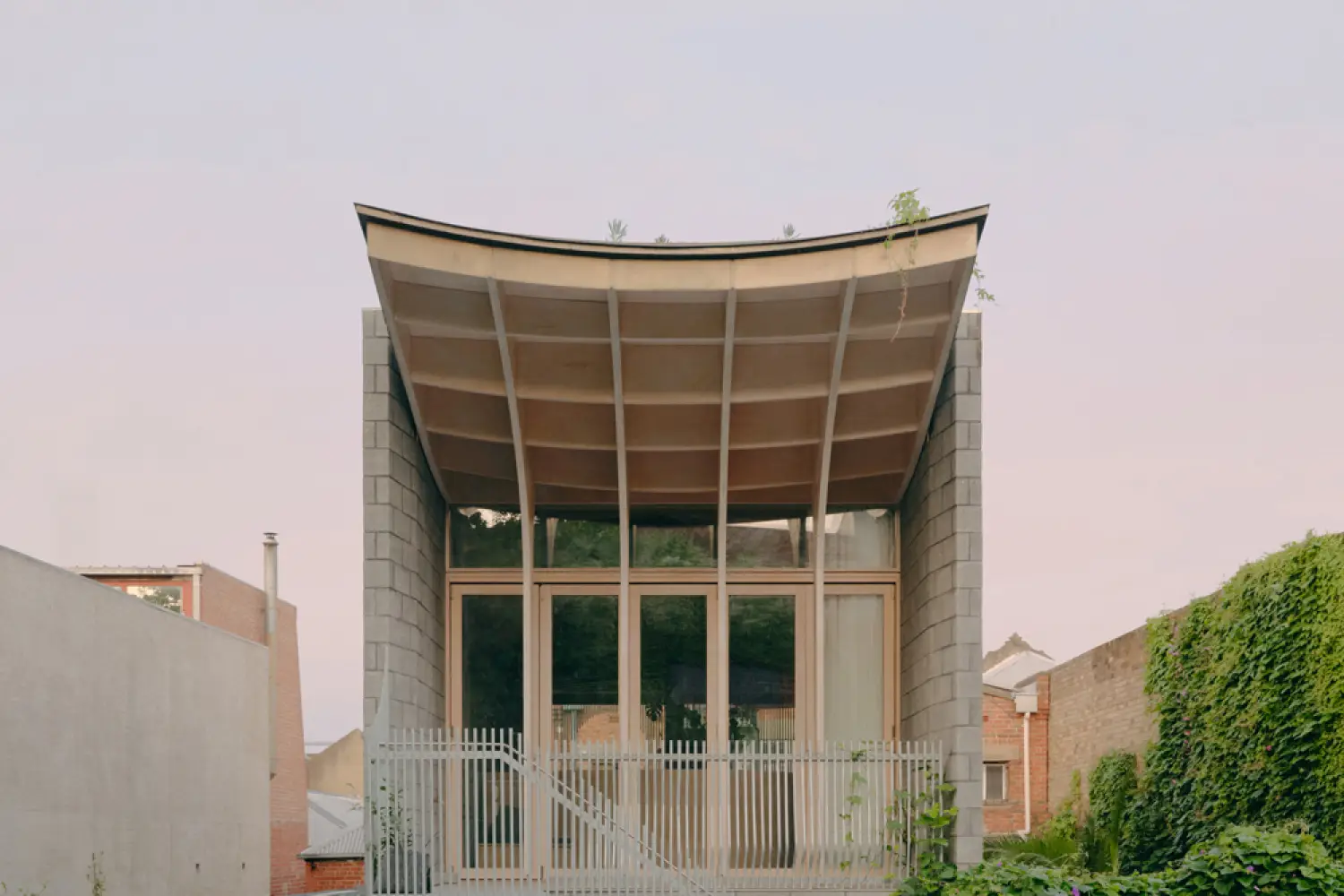
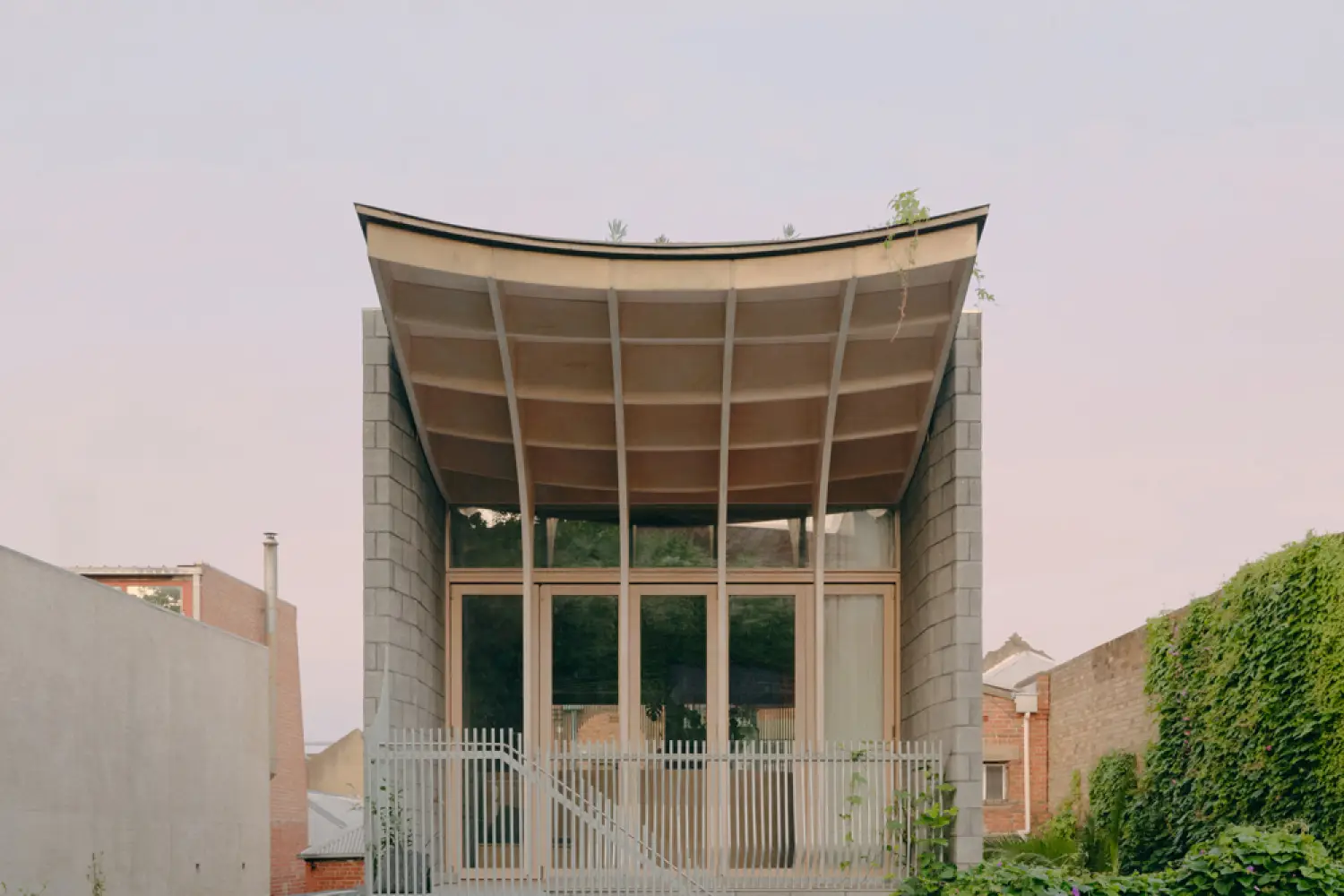
This project reimagines the Victorian terrace typology to adapt to a narrow, east-west oriented urban plot, measuring 22m long by 4.6m wide. Located behind a two-storey commercial unit on a heritage-rich High Street, the site previously served as tandem parking and features a 2.5m level difference. The design’s key move was to elevate the ground level, creating a roof garden that addresses the lack of green space, reduces the urban heat island effect, and supports local ecology.

Beneath the free-form timber roof lies a hall-like space reminiscent of the area’s historic factory lofts and Victorian church halls, housing the kitchen, dining room, and entrance veranda. The textured concrete internal wall provides thermal mass, enhancing the dining room’s acoustics by reducing flutter echo caused by the parallel boundary walls. The ground floor is centered around a circular snug with a central void, bringing natural light and ventilation deep into the house.

The snug divides the ground floor into east and west wings, each with bedrooms and antechambers functioning as utilities and ensuites. The house is interconnected by three stairs, encouraging circular movement and eliminating corridor spaces. The east and west façades feature trellises for climbing plants, while the entrance balcony offers natural surveillance of the laneway and adjacent public car park. Permeable grounds and a water retention system mitigate flash flooding, benefiting both the site and surrounding commercial units.

Photography by Tom Ross

Nightingale Marrickville

SJB

Nightingale Marrickville is a pioneering collaboration between Fresh Hope Communities and Nightingale Housing, marking their first purpose-built affordable build-to-rent housing project. The development features 54 Teilhaus homes and two ground-floor commercial tenancies, offering homes at 80% of the market rate. Despite their small footprint, the homes maintain functionality through clever joinery and shared community spaces. Level one features communal kitchens, dining areas, and outdoor terraces that encourage social interaction, while shared laundries and drying areas enhance practicality.

A shared garden terrace, complete with a community vegetable garden, offers residents a green retreat and space for urban gardening. The commercial spaces are designed to activate the community, including a gallery space for local artists and a restaurant focused on community engagement through cooking classes and events.

Sustainability is a core element of the project, with materials like Paperock and rubber flooring made from raw cocoa husks used throughout. The building is also equipped with 36 rooftop solar panels generating 21kWp of electricity, contributing to the building’s self-sufficiency. Located just 150 meters from Marrickville train station, the development encourages cycling with ample bike storage, supporting sustainable urban living and reducing reliance on cars.

Photography by Tom Roe

NOKHA VILLAGE COMMUNITY CENTRE

SANJAY PURI ARCHITECTS

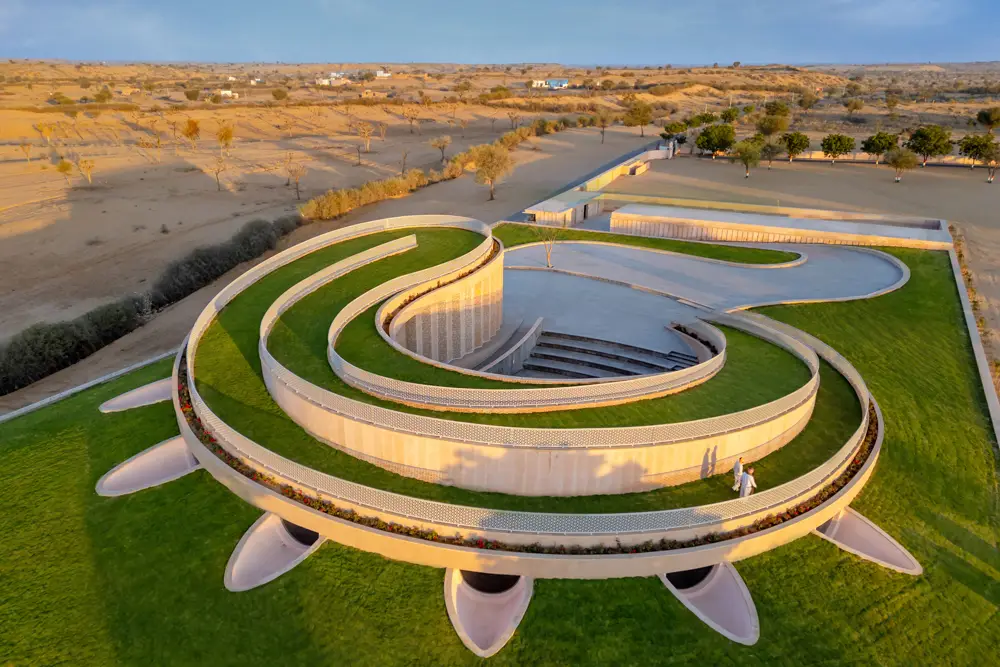
The Nokha Village Community Centre in Rajasthan, India, stands as both a vibrant community hub and a loving memorial for Padmaramji Kularia, realized by his family to serve the 144 villages in the district. Emerging from the desert landscape with a striking presence, the centre’s most prominent architectural feature is its sweeping curvilinear volume, which elegantly loops around the site. This design choice is not only visually captivating but also highly functional, creating a north-facing courtyard that forms the heart of the community centre.

Despite its modest built-up area of 9,000 square feet, the centre maximizes its footprint through innovative design strategies, including a rooftop garden with two varying slopes. This inclined garden is more than just a green space; it provides panoramic views of the surrounding desert, encouraging the community to connect with their natural environment. The garden, along with the centre’s open spaces, invites gathering and interaction, fostering a sense of community and engagement among all age groups.

The Nokha Village Community Centre is a dynamic space that hosts music, talks, and social interactions, making it a lively focal point for the region. The architecture demonstrates how thoughtful design can create expansive, multifunctional spaces even within a limited footprint. Remarkably, the 9,000 square feet of built-up area generates four times more usable space, including a 27,000-square-foot open auditorium, showcasing the centre’s capacity to serve the community in diverse and meaningful ways. This project exemplifies the power of architecture to create spaces that are not only functional but also deeply connected to the cultural and natural context of their surroundings.

Photography by MR.VINAY PANJWANI

Nerissa

The Sociable Weaver

Certified B-Corp, The Sociable Weaver, was commissioned to design and construct Nerissa, a 4-bedroom home located on the land of the Bunurong people of the Kulin Nation. The unique topography of the site, with its dramatic fall from north to south, required thoughtful architectural responses to ensure the home engaged seamlessly with the cascading landscape.

A central entry courtyard defines the arrival experience, separating the lively communal living areas from the serene bedroom spaces. This layout was crucial in maximizing northern light into the home’s interior, leveraging passive solar design to reduce energy consumption for heating and cooling.

The site features a grove of Moonah trees, which provide natural privacy and a deep connection to the surrounding landscape. The northern deck was carefully designed to preserve these trees, while the windows were strategically positioned to capture treetop views and natural light. The exterior’s dark material palette was selected to serve as a subtle backdrop, highlighting the rich native Australian vegetation that surrounds the property.

Nerissa is a home that not only respects its natural environment but also enhances the connection between the residents and the landscape, creating a private, serene retreat that aligns with sustainable living principles.

Photography by Eve Wilson

Nightingale Marrickville

SJB

Nightingale Marrickville represents a groundbreaking collaboration between Fresh Hope Communities and Nightingale Housing, marking the first purpose-built affordable build-to-rent housing project for both organizations. This development, located just 150 meters from Marrickville train station, comprises 54 Teilhaus homes and two commercial tenancies on the ground floor. Offering affordable housing at 80% of the market rate, Nightingale Marrickville provides a well-rounded community-oriented living experience designed to maximize functionality within a small footprint.

The homes are space-efficient, maintaining functionality through smart joinery solutions and the inclusion of communal spaces that enhance the overall living experience. To complement the small-footprint residences, the project includes two communal areas on either end of the first level, each equipped with a large kitchen, dining area, and outdoor terrace. These spaces offer residents the opportunity to gather, prepare meals together, and access larger appliances that might not fit within their own homes. Additionally, communal laundries and drying areas are provided, further enhancing the utility of each residence while saving valuable space.

The building also features a shared garden terrace complete with a community vegetable garden, providing residents with access to green space and opportunities for urban gardening. The integration of two commercial spaces within the building underscores the project’s focus on community activation. One of these spaces will be a community gallery, offering a venue for local artists to exhibit their work, host knowledge exchanges, and run creative workshops for both residents and the broader community. The second commercial space will house a restaurant that plans to offer community cooking classes and various community-driven events.

Sustainability is at the heart of Nightingale Marrickville. The project utilizes eco-friendly materials such as Paperock in all kitchens, wardrobes, and vanities, and rubber flooring made from raw cocoa husks. The AFS wall system was employed in its original dimensions to minimize construction waste. The building is equipped with 36 rooftop solar panels, generating a minimum of 21kWp of electricity, which significantly enhances the building’s performance and contributes to its sustainable credentials.

Residents are encouraged to adopt sustainable transport options, with a large bike storage area provided to support cycling as a primary mode of transport. This development not only offers affordable, high-quality housing but also fosters a strong sense of community and environmental stewardship. Nightingale Marrickville sets a new standard for affordable housing by seamlessly blending sustainability, functionality, and community engagement in an urban setting.

Photography by Tom Roe

Matso’s Sunshine Coast Brewery

FIVE MILE RADIUS & Knight Wilson

Matso’s Eumundi is a 1000m² adaptive reuse project that revitalises the heritage-listed ‘Joe’s Waterhole’ in Eumundi, Queensland. Designed by Five Mile Radius and Knight Wilson, with Hutchinson Builders as the lead contractor, the project was initiated in early 2022 and completed in late 2023. The project was commissioned by Matso’s, an independent brewer and hospitality brand from Broome, Western Australia, as part of their expansion to the east coast.

The project involved the careful restoration of the 1920s timber and tin pub while removing various water-damaged additions to make space for new facilities, including a brewery, restaurant, beer garden, and landscaped area at the rear. The new additions feature four gable-roofed pavilions that reflect the proportions of the original heritage-listed pub, creating a cohesive and adaptable space for future use.

A significant focus was placed on sustainability, with recycled materials playing a central role in the construction and furnishings. A thorough survey identified salvageable materials from the original structure, which were repurposed in the new design. The Five Mile Radius workshop reworked much of the pub’s original furniture, ensuring that the new venue’s furnishings were made from recycled and Australian hardwood.

The design also aimed to regenerate the extensive garden at the rear of the site, connecting it seamlessly with the street and integrating the venue into the local context, especially given its proximity to the famous Eumundi markets. This thoughtful approach respects the character of the original pub while fostering a lively connection between the site and the surrounding community.

Photography by Yassera Moosa

Matso’s Sunshine Coast Brewery

FIVE MILE RADIUS & Knight Wilson

Matso’s Eumundi is a 1000m² adaptive reuse hospitality project that brings new life to the heritage-listed ‘Joe’s Waterhole,’ a historic timber and tin hotel originally erected in 1891 along Main Road in Eumundi, Queensland. The project, designed by Five Mile Radius and Knight Wilson, with Hutchinson Builders as the lead contractor, began in early 2022 and was completed in late 2023. Commissioned by Matso’s, an independent brewer and hospitality brand from Broome, Western Australia, this project marks their expansion to the east coast.

The brief for the project involved the meticulous restoration of the 1920s timber and tin pub, along with the demolition of water-damaged additions to make way for a new brewery, restaurant, beer garden, and landscaped area to the rear of the pub. The new addition features four gable-roofed pavilions that mirror the proportions of the heritage-listed pub, providing a clear and adaptable structure for future generations while respecting the site’s historical significance.

Central to the design ethos was the use of recycled materials, both in construction and furnishings. A comprehensive survey of salvageable demolition materials was conducted, and many elements of the new build were crafted from these recycled resources. The Five Mile Radius workshop reworked much of the original pub furniture, resulting in a unique palette of recycled and Australian hardwood-based furnishings that align with the project’s sustainable objectives.

The design also focused on regenerating the extensive garden at the rear of the site and creating a seamless connection between the garden and the street. Positioned opposite the famous Eumundi markets, the new development was designed to integrate with the local context, maintain the character of the original pub, and establish a lively connection between the venue and the surrounding community. Matso’s Eumundi stands as a testament to the successful blending of heritage preservation, sustainable design, and community engagement in hospitality projects.

Photography by Yaseera Moosa

Markham Avenue

Architectus

Markham Avenue is a pioneering development under the Victorian Government’s Big Housing Build initiative, setting a new standard for social and affordable housing. This vibrant community comprises five buildings, housing a total of 178 homes, designed with a ‘tenure blind’ approach. This means that the homes are arranged and designed to be indistinguishable from one another, regardless of whether they are social or affordable, promoting inclusivity and equality within the community.

The project was developed in collaboration with Homes Victoria, with a focus on universal accessibility, equity, and social sustainability. These values are reflected in every aspect of the design, which prioritizes creating desirable and attainable homes with excellent access to the city. Markham Avenue was conceived with a client- and user-centric approach, ensuring that the spaces are well-scaled, safe, and equitable, meeting the diverse needs of the community.

A key focus of the project was ensuring longevity and seamless integration with the surrounding environment. The buildings are designed to align with the local context, using natural brick in varying hues, complemented by metal windows, balustrades, and other durable materials. This robust design choice not only ensures the buildings’ durability but also harmonizes with the surrounding landscape and existing architecture.

Markham Avenue is bordered by an established community garden, reserve, and creek, and the project takes a landscape-led approach to balance development with biodiversity protection. The buildings are thoughtfully nestled within an accessible landscape featuring courtyards, communal open spaces, and newly planted trees. Great care was taken to preserve many mature trees on-site, and the buildings are oriented to offer stunning views of the adjacent parkland, ensuring a strong connection with nature.

Internally, Markham Avenue fosters a nurturing and inviting environment for residents. The apartments and common areas are filled with natural light, and inviting balconies provide views of the surrounding greenery, creating a seamless flow between the interior and exterior spaces.

This project is the result of a truly collaborative effort, bringing together various allied disciplines to achieve an integrated and harmonious outcome. Markham Avenue sets a new benchmark for social and affordable housing, demonstrating how thoughtful design and a focus on community and sustainability can create homes that are both functional and beautiful.

Photography by Shannon McGrath, Peter Clarke

Markham Avenue

Architectus

Markham Avenue, part of the Victorian Government’s Big Housing Build initiative, is a landmark project that introduces a vibrant community of 178 social and affordable homes across five buildings. A standout feature of this development is its ‘tenure blind’ design, ensuring that all homes are indistinguishable from one another, fostering inclusivity and equality among residents. In collaboration with Homes Victoria, the project was meticulously designed to embody universal accessibility, equity, and social sustainability, establishing a new benchmark for public housing.

The design emphasizes client- and user-centric principles, resulting in well-scaled, safe, and equitable living spaces that meet the diverse needs of the community. Longevity and integration with the surrounding environment were key priorities, with natural brick facades and durable materials like metal windows and balustrades that harmonize with the local context. The development is thoughtfully nestled within an accessible landscape, which includes courtyards, communal spaces, and newly planted trees, all while preserving mature trees on-site. The project also offers residents stunning views of adjacent parklands, enhancing the connection between indoor and outdoor spaces.

Markham Avenue exemplifies a collaborative, holistic approach, successfully integrating various disciplines to create a nurturing environment that sets a new standard for social and affordable housing in Melbourne.

Photography by Shannon McGrath, Peter Clarke

Life Cycle

Steffen Welsch Architects

This thoughtful extension of a modest weatherboard house, situated on a quiet suburban street, seamlessly integrates sustainability into every aspect of its design and construction, from initial concept through to end-of-life considerations. The project is rooted in a commitment to reducing the home’s embodied and operational energy, as well as its social and biodiversity impacts. Central to this approach is a compact footprint that maintains below-average site coverage, guided by passive solar design principles to optimize solar access, thermal comfort, light, and ventilation.

The design employs several passive solar strategies to enhance the home’s overall amenity and environmental performance. A southwest-facing pond cools air during the summer, while a winter garden extends the lounge area and functions as a thermal buffer, enhancing indoor comfort. A netted void over the dining space acts as a thermal chimney, helping to pre-heat the upstairs in winter and venting hot air in summer. Internal windows ensure natural light penetrates deep into the house while enabling effective cross-ventilation, and an external timber frame provides essential shading and light filtration. Additionally, elevated planters near the windows serve dual purposes as edible gardens and as a means to reduce radiant heat during the warmer months.

Overall, this project represents a balanced approach to sustainable living, where environmental responsibility, social engagement, and aesthetic appeal converge to create a home that is as thoughtful as it is beautiful.

Photography by Tatjana Plitt

Life Cycle

Steffen Welsch Architects

This project, an extension to a modest weatherboard house on a quiet suburban street, is a model of sustainability, with careful consideration given to every aspect from concept to end-of-life. The design aims to reduce the home’s embodied and operational energy, minimize social and biodiversity impacts, and ensure a harmonious integration with its surroundings.

The extension maintains a compact footprint, with below-average site coverage, and is guided by passive solar design principles to optimize solar access, thermal comfort, light, and ventilation. Several innovative environmental sustainability design (ESD) measures enhance the home’s livability. These include a southwest pond that cools air in summer, a winter garden that acts as a thermal buffer for the lounge, and a netted void over the dining space that functions as a thermal chimney—pre-heating upstairs in winter and venting hot air in summer. Internal windows improve natural light distribution and cross-ventilation, while an external timber frame provides shading and light filtration. Elevated planters near windows not only reduce radiant heat in summer but also serve as edible gardens.

The landscape design, crafted with a biodiversity focus, aims to maintain and restore local ecosystems, further enhancing the home’s environmental credentials. The building’s form is compact, with thoughtful material selection to control solar access for neighbors and reduce the urban heat island effect. Materials with low embodied energy, environmental certification, and recyclability were prioritized, and Red List materials were strictly avoided. A Life Cycle Assessment (LCA) guided these choices to ensure long-term sustainability.

Socially, the design encourages community engagement with an inviting street presence, including an open front and extended verandah. The double-storey rear extension offers curated views of neighboring trees and buildings, with integrated privacy screens, balancing respect for the existing architectural context with a fresh, contemporary aesthetic. This project exemplifies how sustainability can be thoughtfully integrated into suburban housing, enhancing both the environmental and social fabric of the community.

Photography by Tatjana Plitt

Lendlease Brisbane

Bates Smart + Blaklash

The interior fitout for Lendlease’s Brisbane workplace, located in the iconic 25 King timber building, reflects a seamless blend of sustainability, cultural respect, and modern design. Developed by Lendlease and designed by Bates Smart, 25 King was completed in 2018 as a pioneering example of timber construction. The new workplace fitout comprises a reception area, a staff breakout hub, formal meeting rooms, and workzones supported by additional meeting rooms, focus rooms, and various support spaces.

During the conceptual phase, Bates Smart collaborated with Blaklash, integrating a cultural layer that deeply influenced the design. This partnership ensured that the fitout honors the connection to Country, culture, and community through every design decision, from spatial planning and built form to material selection and custom furniture and joinery. This cultural integration is evident throughout the space, creating a workplace that not only serves its functional purposes but also reflects a deep respect for the local heritage and environment.

From the outset, the project team aimed to create a best-in-class sustainable fitout, targeting both 6 Star Green Star and WELL Platinum certifications. Achieving these prestigious certifications required a rigorous approach to design, material selection, and procurement methodologies, necessitating close coordination with LCI (ESD Consultants), the head contractor, and tradespeople. The result is a workplace fitout that minimizes environmental impact while safeguarding human health, setting a new standard for sustainable and culturally mindful interior design.

This project stands as a testament to how modern workplaces can embody sustainability and cultural respect, creating spaces that are not only efficient and aesthetically pleasing but also environmentally responsible and deeply connected to the local community and its heritage.

Photography by Nicole England

LICO Recycled Denim Flooring

Lico Australia

Lico Denim flooring, which won the Green Collection Award at Domotex Hannover 2024, exemplifies Swiss craftsmanship and environmental innovation. This unique flooring is made from recycled cotton fibers sourced from discarded jeans, combined with natural rubber and vegetable fats, resulting in a product that is both eco-friendly and highly durable. The core of the flooring is composed of PEFC-certified wood-based Hydrowood, a water-resistant and sustainable material that ensures long-lasting performance.

Classified as a Class 33 product, Lico Denim flooring is designed to withstand heavy use, making it ideal for both residential and commercial settings. It boasts high resistance to wear, chemicals, and scratches, and achieves a P4 slip rating, ensuring superior safety. The flooring also features an integrated cork underlay that enhances comfort and reduces impact noise by up to 18 dB, contributing to a quieter, more pleasant environment.

One of the standout aspects of Lico Denim flooring is its Hot Coating finish, a 100% solid-state system free from VOCs and formaldehyde emissions. This innovative finish significantly enhances the strength and durability of the flooring, ensuring it maintains its appearance and functionality even under intense usage.

Lico offers this flooring in a variety of designs, including Concrete, Granite, Stone, European Oak, Australian Blackbutt, Spotted Gum, and custom visuals, available in both tile and plank formats. This wide range of options allows customers to select designs that best fit their aesthetic preferences.

In addition to its impressive technical features, Lico Denim flooring is committed to sustainability by offering a take-back program for used flooring at the end of its life cycle, allowing for recycling and contributing to a closed ecological loop. This commitment to environmental responsibility makes Lico Denim flooring an attractive choice for those seeking sustainable flooring solutions that do not compromise on performance or design.

Photography by

Lane Way House

Jim Buda Architects + The Design Consultant

The laneway house is a compact suburban dwelling that seamlessly integrates passive design principles with advanced green energy systems to achieve energy self-sufficiency. The design focuses on creating a comfortable and thermally efficient home with minimal environmental impact.

Passive design elements include large north-facing glazed windows that maximize natural light and heat, controlled thermal mass, cross and convection ventilation, and adjustable shading devices. Insulation is thoroughly applied throughout the house—in walls, floors, roof, and even within brick cavities and under in-floor heated topping slabs. The use of double-glazed, low-e glass in all large windows further enhances the home’s energy efficiency.

Complementing these passive strategies are active green energy systems, such as 59 solar panels, two batteries, geothermal heating and cooling, a heat exchanger, and hydronic in-floor heating across all levels of the house. The geothermal system, using the earth as a heat sink, provides a stable 18°C temperature, while excess heat can be dissipated back into the ground. These technologies, combined with the passive design elements, result in a home with an exceptionally low operating carbon footprint and year-round thermal comfort.

The house is oriented northeast/southwest, optimizing northern sun exposure while mitigating heat gain from the western sun and managing cold southerly winds. Strategic placement of insulation, particularly in the west-facing wall, and thoughtful spatial planning, such as positioning bathrooms to buffer heat gain in bedrooms, ensure efficient use of space and energy throughout the year. The laneway house exemplifies how thoughtful design and technology can create a sustainable, comfortable, and energy-efficient urban home.

Photography by Pablo Veiga


Share

Share