All posts by Reynaldo Pagsolingan

Hillary

Envirotecture

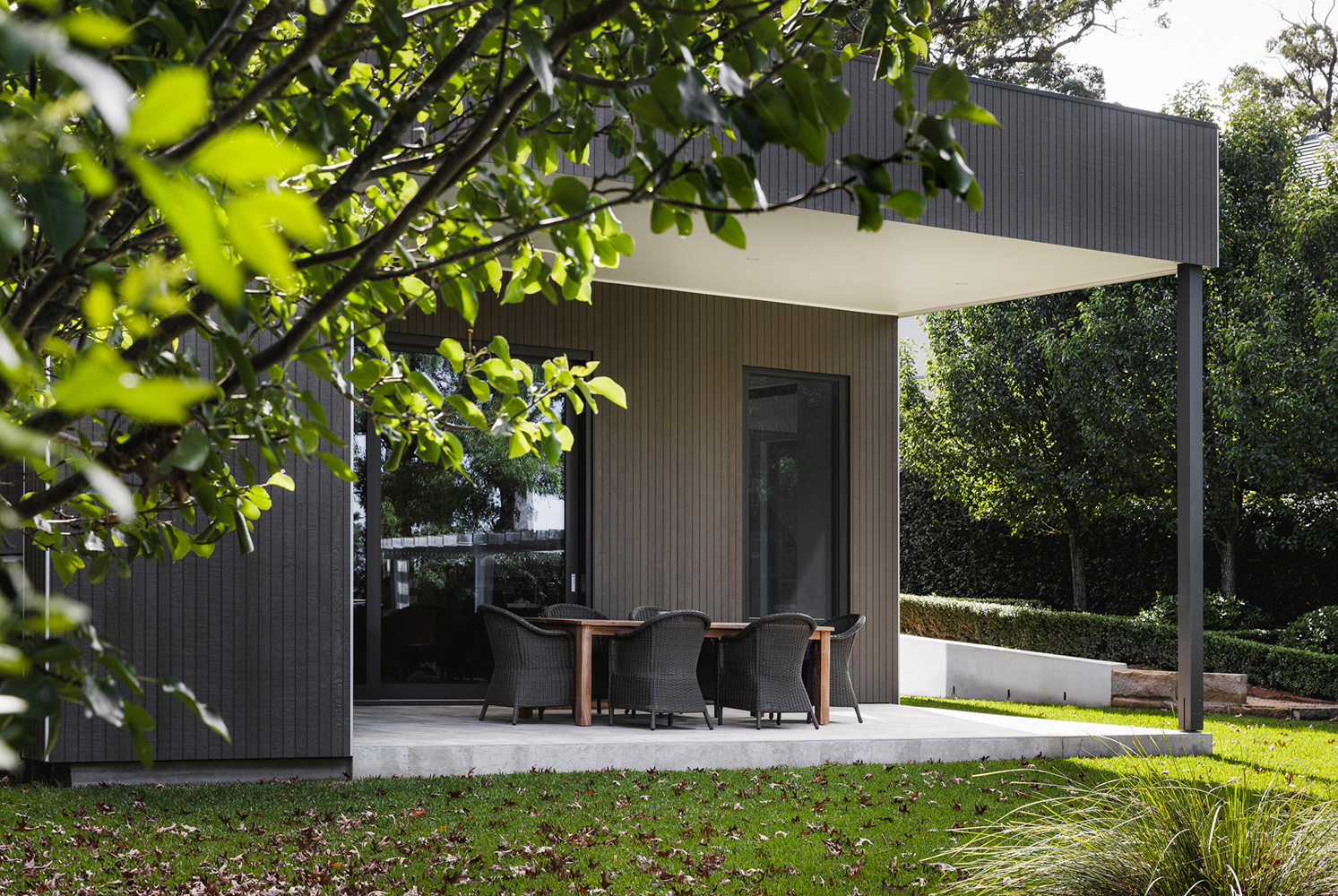
It speaks of the trust already developed between client and architect that the owners were willing to consider another renovation. That trust was rewarded with the best of both worlds; the art deco character and family history that came with the original house plus a new extension with a beautifully workable floor plan and gorgeous connection to the garden. (There was a small consolation with regard to the regrettable ‘00s extension: it had beautiful floorboards, which were re-used.)

All this is wrapped up in a new airtight building envelope featuring all the Passivhaus components, ensuring a warm, comfortable and healthy home. In fact the building surpassed the requirements for a PHI retrofit (the EnerPHit standard) and qualifies as Passivhaus Plus. That outstanding result flowed from good architectural detailing and a lot of good execution. The builders were outstanding and the project benefitted from the Passivhaus experience they had gained while building our designs previously. Render on the masonry exterior of the original house serves as an effective airtight layer.

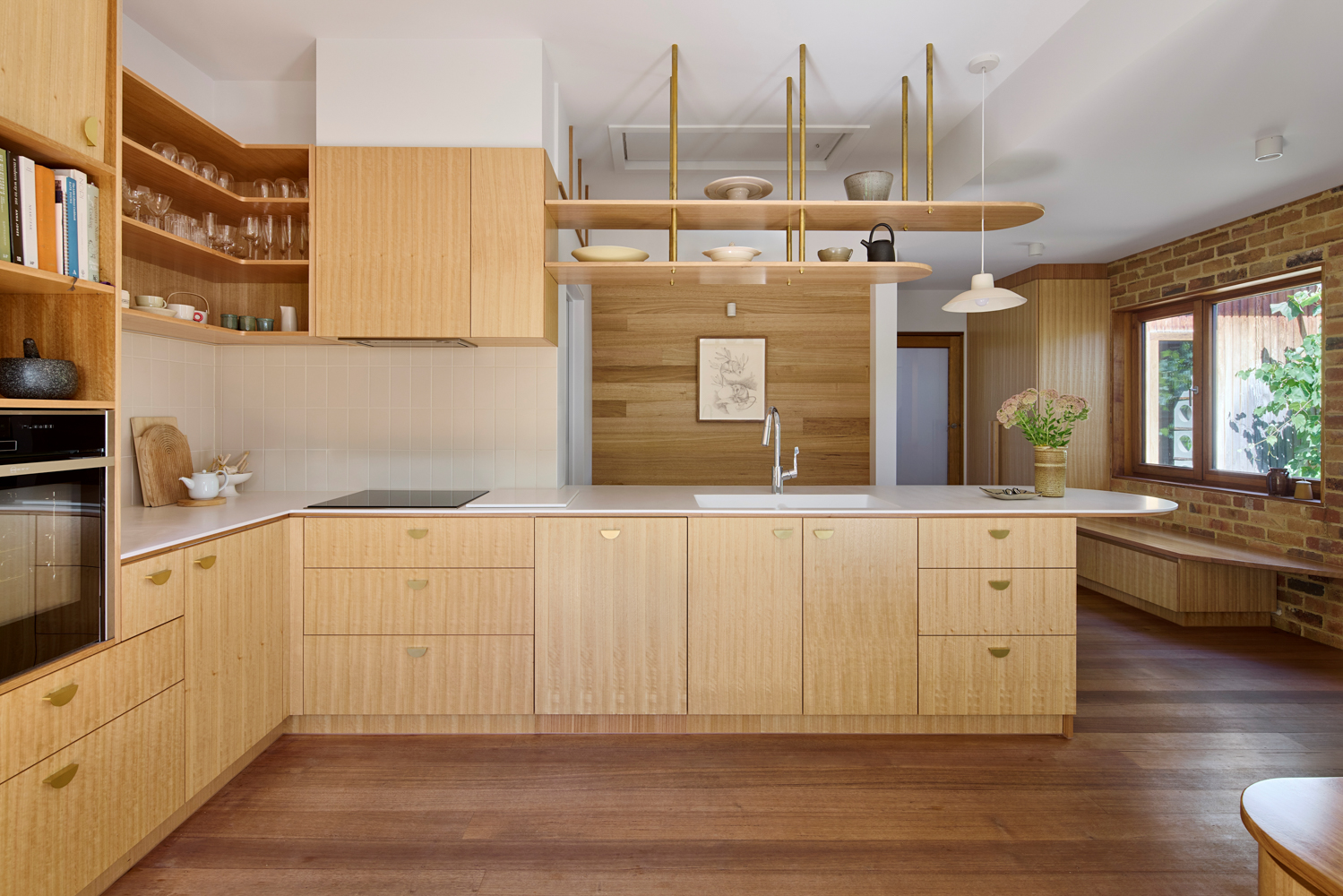
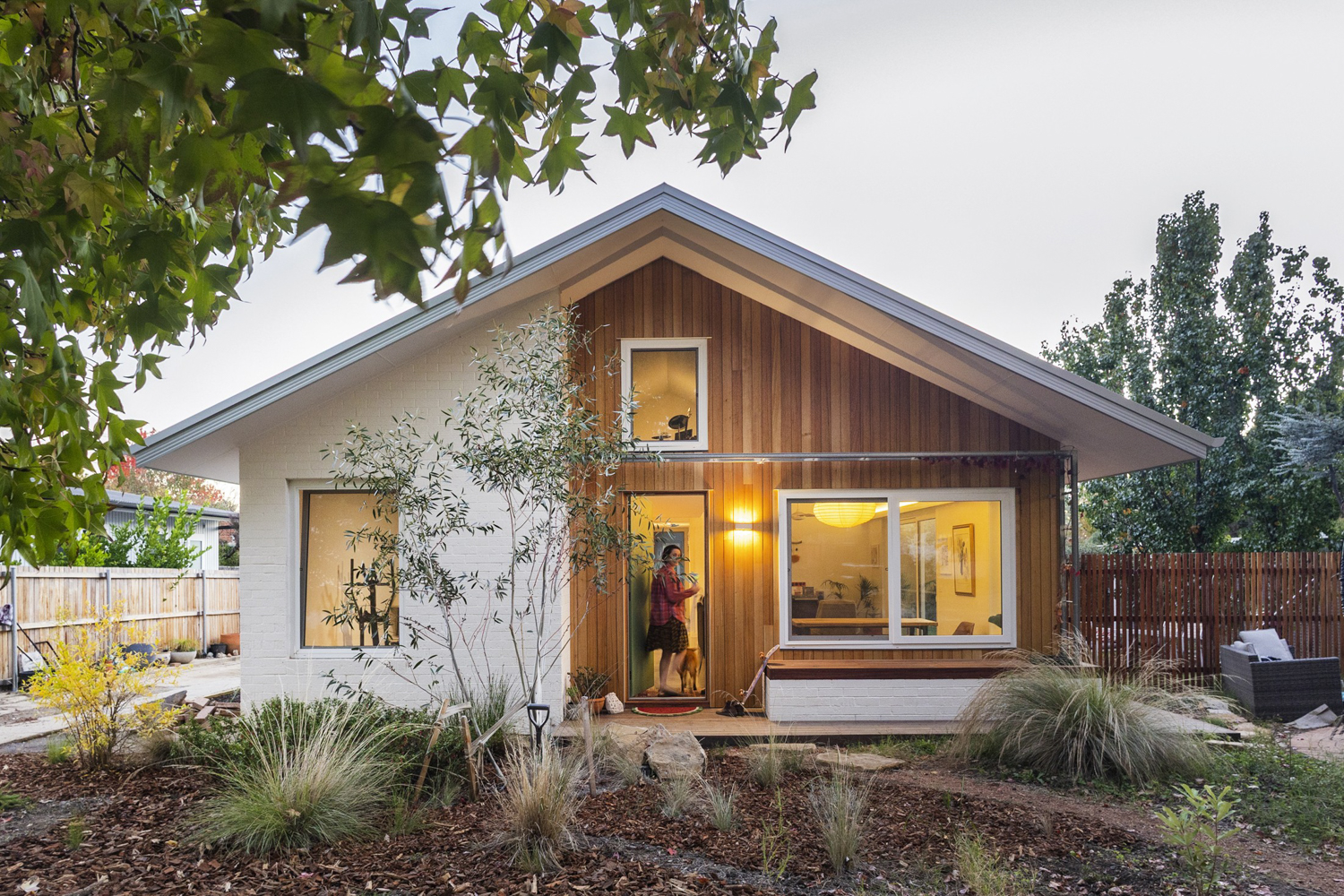
There are several design elements that weave together the old and the new, both inside and outside. The new extension is clad in narrow vertical timber cladding, which also features on a dramatic wall that leads from the kitchen to the living room. The front curved wall, behind which the staircase winds up to the first floor, is echoed in the new wall of the kitchen, this time lined with timber.

Photography by Evan Maclean
Bungendore Cottage

Cooee Architecture

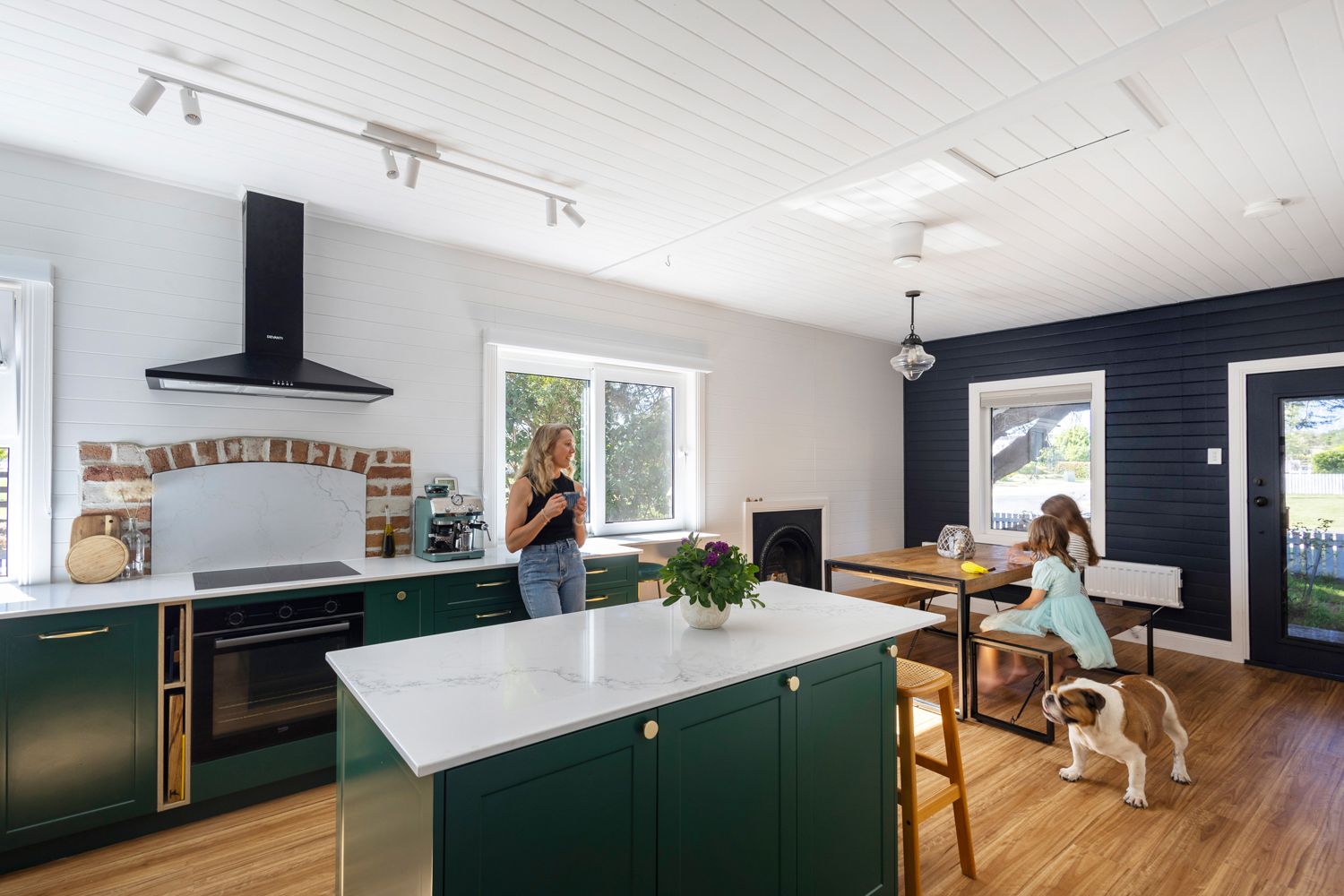
This is restoration, retrofit and small extension of a 100+ year old cottage in Bungendore. The works take the project from 0 stars EER to 6.7 stars, representing an 84% predicted reduction in heating and cooling loads. The likely performance is even higher due to the attention to draftsealing at the plasterboard, though the project hasn’t yet been blower door tested (the architect has 10+ years experience on renovations that consistently achieve 4-6ACH @50Pa).

The original home was a wonky, freezing, termite-ridden two bedroom home. It’s now a refreshed and revitalised home with an additional bedroom, study nook and ensuite.

Photography by Ben King

Cake House

Alexander Symes Architect

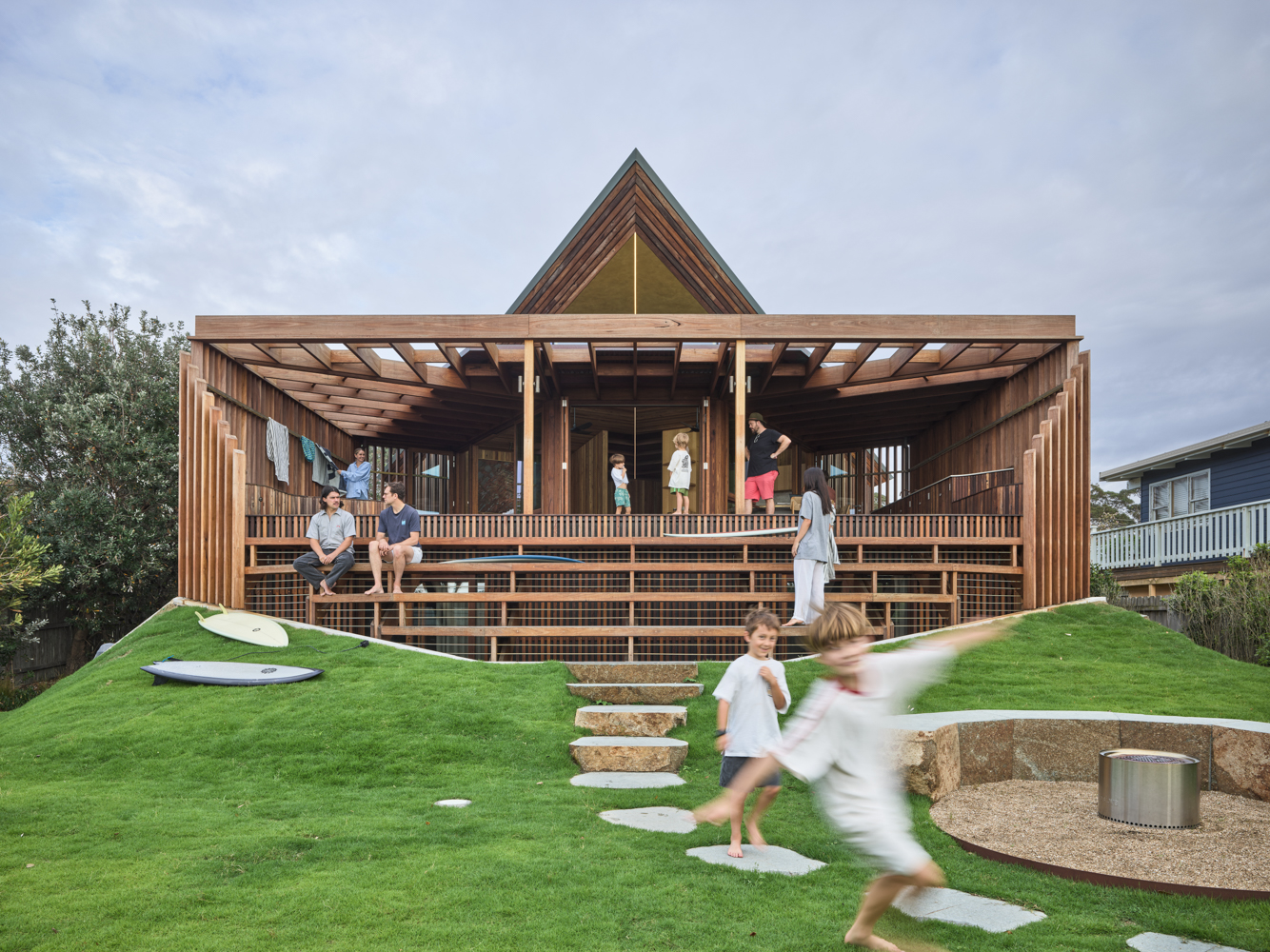
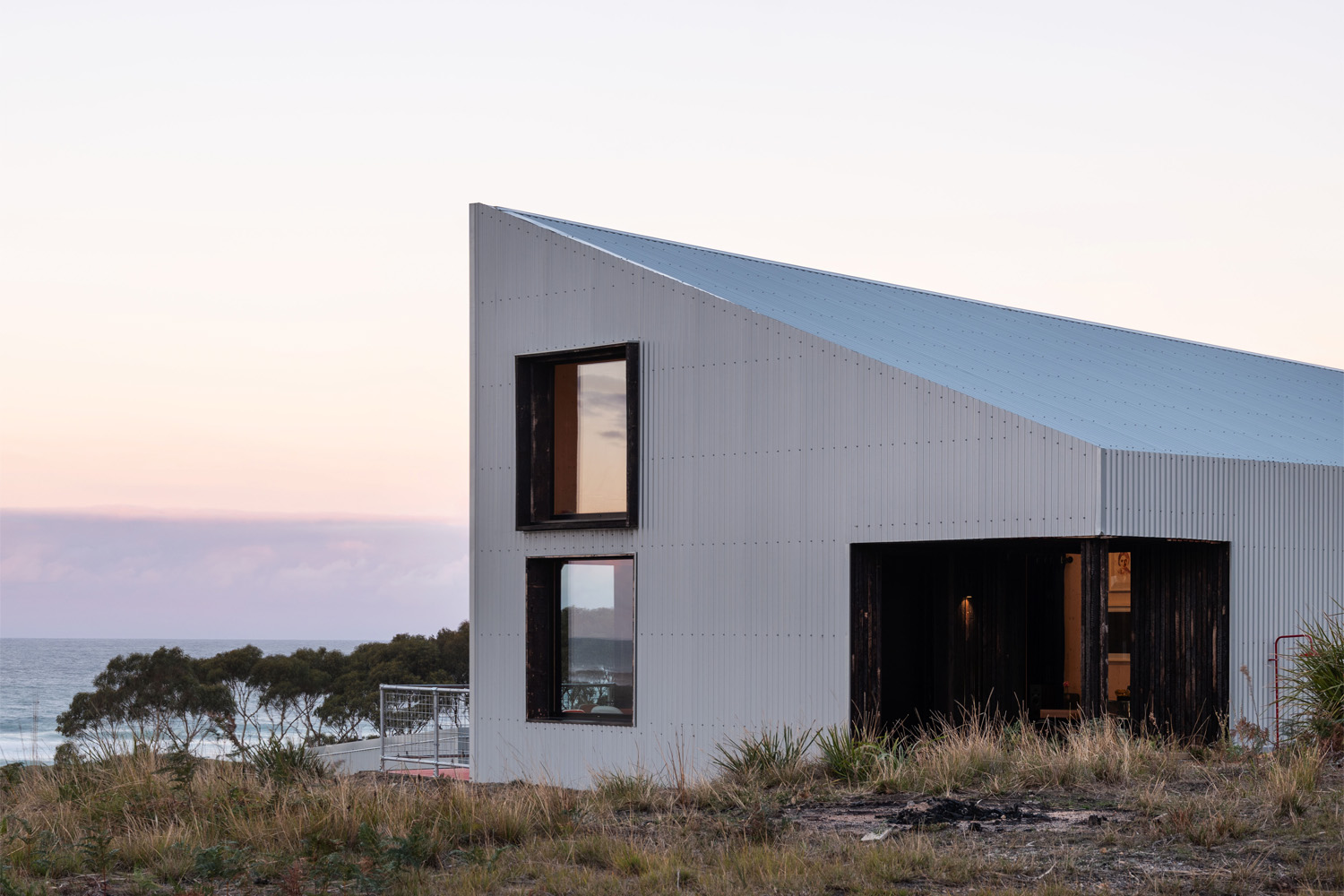
Affectionately known as ‘Cake House’ by local surfers, the project celebrates the existing shape and prioritises resource efficiency, by recycling materials into a robust beach home for the next generation. Strategies included maximising the efficiency of the building form, floor area and operation.

The merging of passive house modelling and passive solar design allowed us to create a high performance home that can operate in a mixed mode scenario and focuses on a coastal Australian climate using local recycled materials. It operates as 100% electric and Net Zero energy use (-7,000kWh/yr back to the grid) with an onsite PV system.

The original beach shack is reminiscent of the vernacular and scale of this coastal town. We have sought to be respectful to the existing building by minimising the scale of the rear addition, ensuring it is not visible from the street and maintains the existing view corridors.

The design concept focused on ways to better connect the existing beach shack to its surroundings, by creating a series of indoor/outdoor spaces, that presented opportunities for views and physical connection to the coastal environment. Landscaping strategies were employed to adapt to potential coastal flooding and high tide events. While the increase in external temperatures was anticipated through the design of the building fabric and services.

We worked hard to optimise the layout to make flexible spaces, that could accomodate many people in such a way so as not to feel over-crowded. We elevated the living space to celebrate the sea views with an outdoor room merging down to landscape via generous amphitheatre seating. The bedrooms on the lower ground floor act as a bunker for insulated thermal mass with a robust structure to resist impacts of climate change.

Photography by Barton Taylor

Subtle Shift

Steffen Welsch Architects

Subtle Shifts’ transformed an inefficient suburban house into a functional, comfortable and energy-smart affordable home within its existing footprint.

This was successfully achieved by simply moving away from the traditional and rigid “one room, one function” mindset, which ultimately leads to homes that can be used more intensively within a smaller footprint and volume. Our design aimed to be very adaptable over the building’s’ lifespan as a sustainable strategy.

The necessity for and concept of multifunctional use within an existing footprint are simple:
• As climate change reshapes how we must design living spaces, the traditional Western model of dedicated rooms for specific functions is increasingly unsustainable.
• Conventionally designed homes demand more materials, energy and land to support rigid layouts, driving resource depletion and higher carbon footprints.

In contrast, adaptable, multi-functional spaces maximise utility on a smaller footprint, reduce material waste and resources and energy use which are key to climate-conscious design.

This sounds simple and easy. However, conventional expectations of buildings, delivery process and construction do not always align with these principles. Expectation and value alignments between clients, consultants, authorities and builder become critical to the ability to proceed with the ‘building less’ philosophy.

Sustainable architecture and design need to ensure that building less can improve functionality, amenity, efficiency, and value. Subtle Shift demonstrates this.

Photography by Tatjana Plitt

485 Latrobe St North & South Towers Repositioning Works

Concept Black Architects

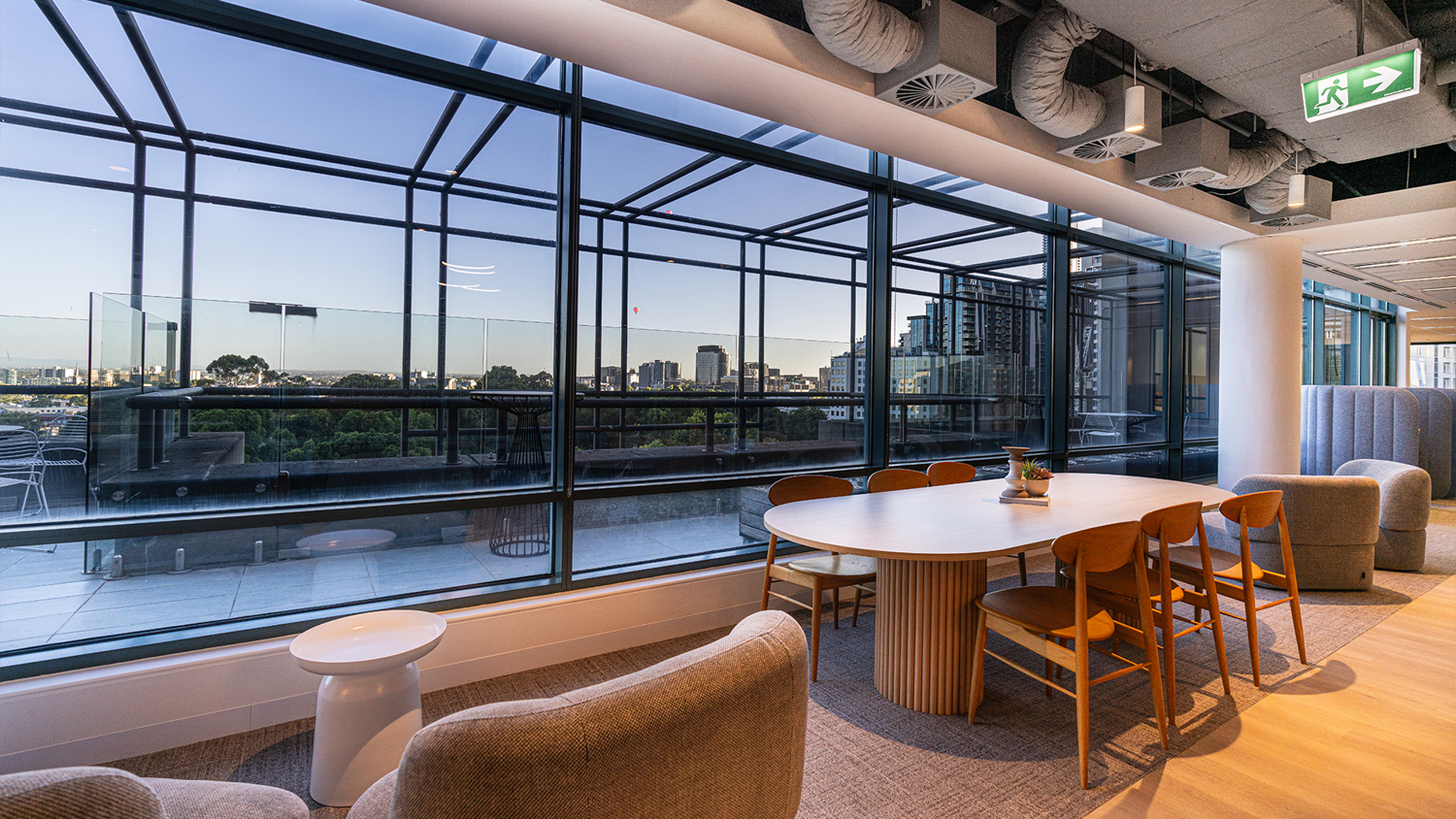
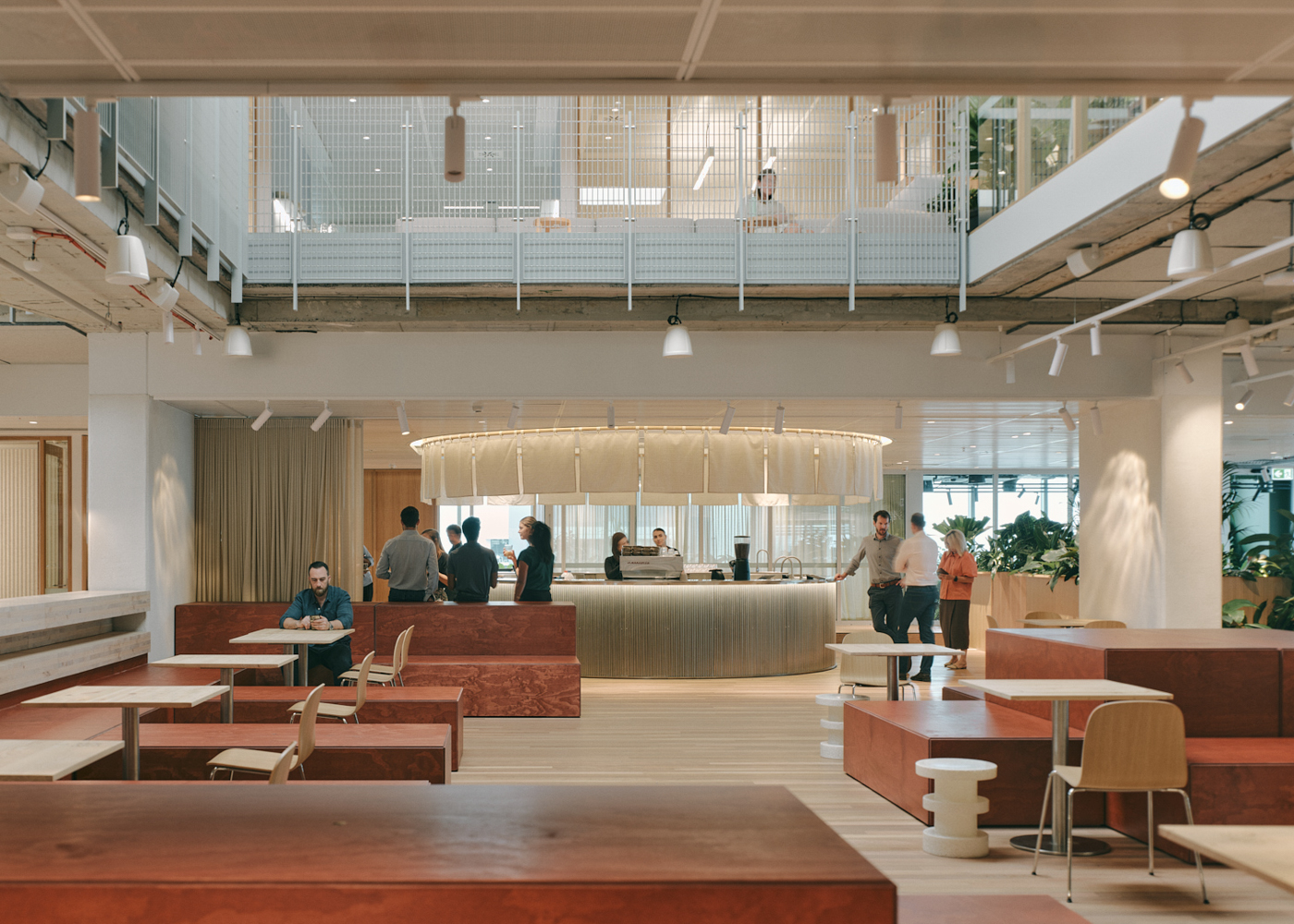
Following the successful completion of three speculative suites design on Level 19, Concept Black was engaged to refurbish levels 7–9 (North) and 10–12 (South) in anticipation of major tenant departures.

This adaptive reuse projects reposition six commercial floors across the North and South Towers of 485 La Trobe Street.

The vacated spaces included a large amount of quality furniture, much of it less than five years old, which under typical ‘make good’ provisions was scheduled for demolition.

Instead, the project team developed a design strategy focused on sustainability, flexibility, and minimal intervention, allowing existing layout retention, valuable materials and furniture to be retained and redistributed across the site.

Managing a shifting market demand and a trend toward smaller, more agile workplaces, the design carved each floor into between 7 and 9 smaller tenancies, targeting a broad range of business types — from professional services to hybrid firms — without locking in fixed layouts.

Each suite was carefully planned to be either standalone or combinable with adjacent suites, enabling flexibility for future leasing scenarios.

Over 90% of ceiling systems, 70% of wall partitions, and a majority of furniture, workstations, and carpets were reused.

The resulting suites are diverse in layout and palette, yet cohesive in amenity and design intent, offering tenants high-performance spaces with significantly reduced environmental impact and cost.

Photography by Project Black

Decjuba Head Office

Jackson Clements Burrows

DECJUBA HQ creates a vibrant and adaptable home base for the Melbourne-based fashion brand.

The design response creates a stacked vertical campus. Extensive briefing with the DECJUBA team informed an understanding of their needs to ensure the effectiveness of the workspaces while targeting genuine performance benchmark. Linking the “campus” is a staircase that functions as a vertical street, encouraging incidental interactions between separate areas of the brand’s activities.

The design mediates the brief with the existing context with a three-level frontage to Balmain Street that is angled back to the upper levels to reduce building mass and overshadowing. This facade is draped with a small-scale metal shingle as a nod to brand’s work and mimics a residential scale from the tiled roofs to the south. The proportion of the punched windows and their shading elements further define a link to a smaller scale architecture in contrast to full height curtain wall glazing continually emerging in the area.

All levels have outdoor views and access to planted terraces providing outdoor amenity and filtered light. The floor tenancy is home to DECJUBA café where the setback footpaths are a welcome addition to the corner site on the narrow streets. The carpark, public and private bike access and services are positioned away from the pedestrian zone for safe movements.

The design meets ambitious sustainability credentials in alignment with DECJUBA’s corporate commitment to sustainable operations. The building utilises green concrete and locally sourced CLT and GLT lending a warm, natural aesthetic internally.

Energy efficiency is boosted by airtightness testing for top-tier building performance standards and indoor air quality. High-performance glazing provides daylighting to office floorplates, with natural ventilation, efficient building services and PV array to reduce energy usage. Rainwater harvesting reduces water use while cycle parking and end-of-trip facilities encourage sustainable commuting.

Photography by Peter Clarke

The St Lukes Building

TERROIR

The St.Lukes Building is one of only a dozen completed multi-storey mass-timber buildings in Australia, and the first of its type in Tasmania.

The building is a simple form representative of its unique mass timber construction system. The upper two levels have a discernible articulation the simple building profile. These upper levels create a visible, “outdoor room” when seen from both nearby and distant vantage points.

Utilising mass timber construction technology had many significant benefits; it is a natural, renewable and recyclable material. Mass timber buildings have a quicker construction time which benefitted the urban realm through reduced interruption from construction activity and resulted in significantly less construction waste.

The project’s mass timber construction methodology stemmed from research and specialist advice by leading timber design consultants who have recent experience with some of the most sustainable office buildings nationally and globally. Since completion, TERROIR has commissioned industry and institutional experts to engage in a collaborative research project that was also part-funded by the Federal Innovation Connections research program. The various strategies that lowered the carbon emissions associated with the StLukesHealth development – CLT/GLT structure, efficient floor plate and façade and the retention of existing buildings at the podium represented the best of current practice.

At only half the carbon of a typical multi-story building, the building makes a significant reduction in construction related carbon emissions; the equivalent emissions of 1,471 cars driving 20,000km per year. Remarkably, the volume of timber required took less than 6 hours’ time to grow the timber, if it were grown in an area equal to that of Tasmania’s managed forests.

Photography by Adam Gibson

Northern Memorial Park Depot

Searle x Waldron Architecture

Northern Memorial Park Depot is a two-storey mass-timber operations hub for the Greater Metropolitan Cemeteries Trust (GMCT) which challenges the conventional typology of a Depot by providing a beautiful workplace for people who work in emotionally challenging roles, dealing daily with grief and loss.

Timber’s natural warmth and connection to nature contribute to a biophilic design, improve acoustics in an industrial setting and enhance overall staff well-being. Reflecting the client core values to design infrastructure for longevity and sustainability.

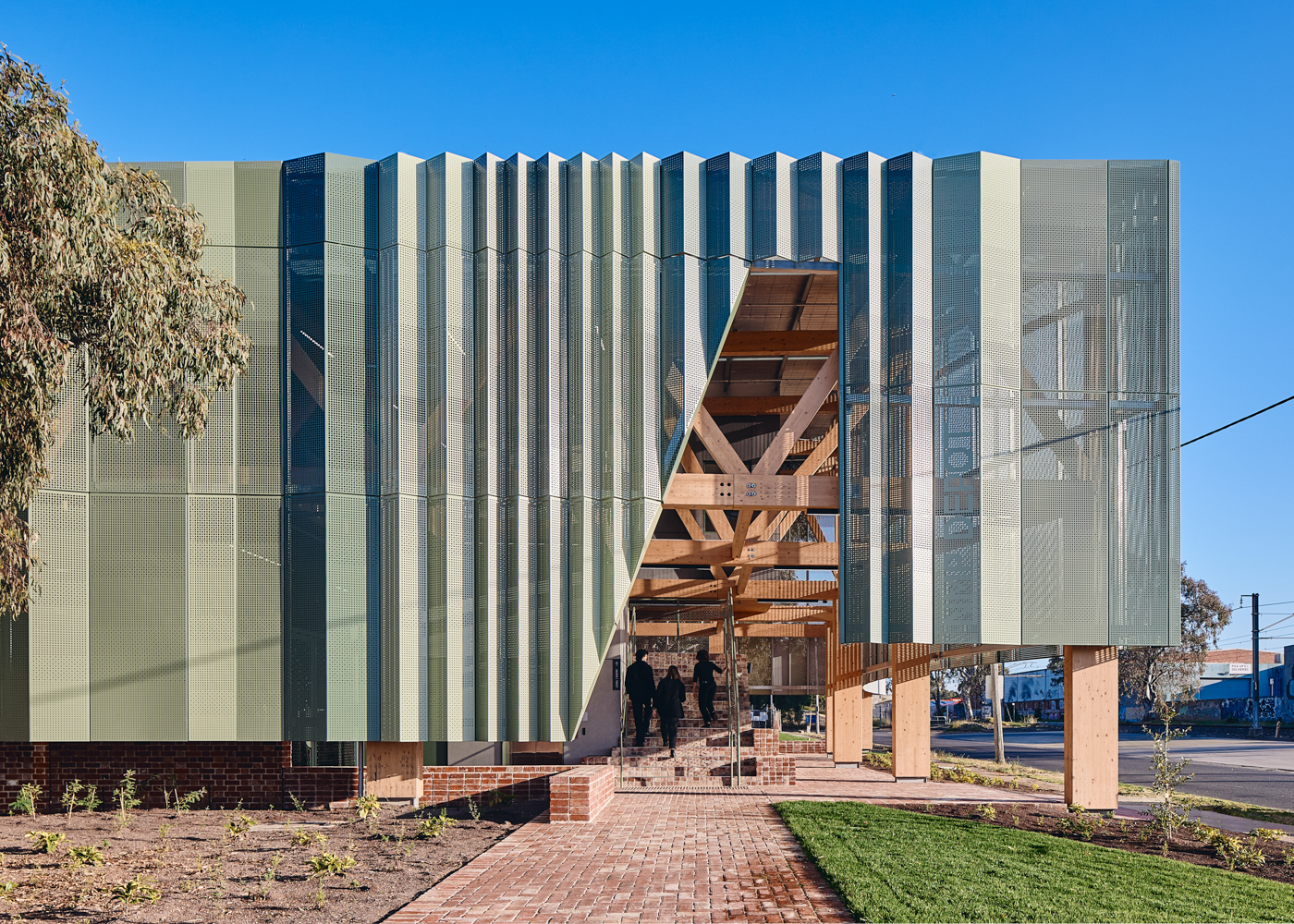
Rethinking the traditional industrial truss, 20 unique glulam timber trusses span up to 35 meters across ground floor garage, workshops, and storage rooms. Lifting incrementally the trusses rise to 6m high intersecting with first-floor offices, lunchroom and meeting spaces housed between the lower and upper chords. CLT walkways linking interstitial collaboration zones creating dynamic visual and spatial connections throughout.

Spatial connections between levels are centred around the north facing CLT amphitheatre stair, which provides social spaces for training, lunchbreaks, and watercooler chats between GMCT’s horticulture, burial, and operations teams.

Porosity in the screen façade subtly reveals the timber structure behind, punctured openings intersected by timber trusses, offering light-filled framed views that connect the interior to the treed landscape beyond.

Photography by Peter Bennetts

First Building – Bradfield City Centre

Hassell

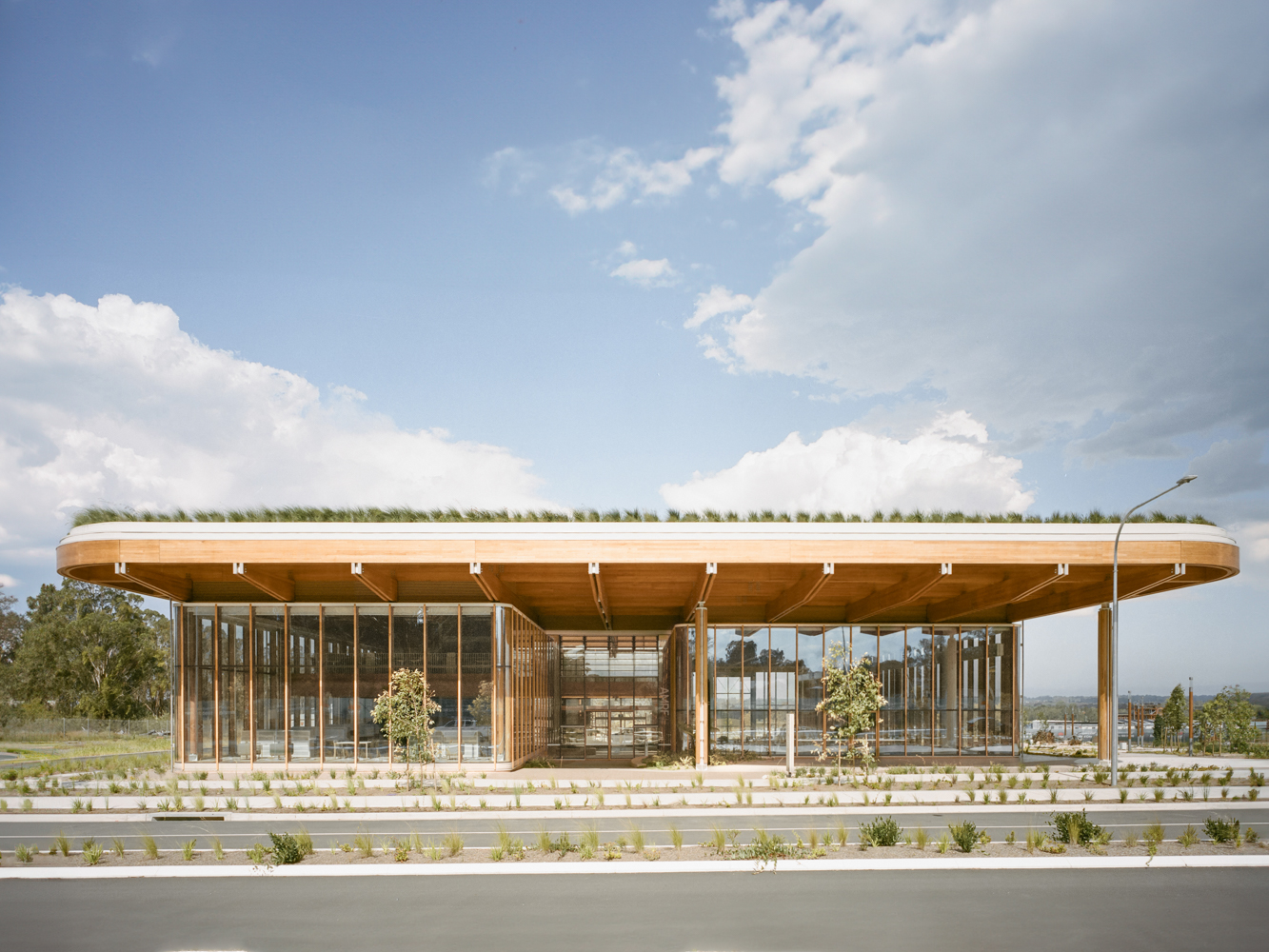
As the first completed building in Australia’s newest city — Bradfield City Centre — First Building houses stage one of the Advanced Manufacturing Readiness Facility (AMRF), an innovation accelerator. Designed with adaptability, circularity, and resilience, it sets a new benchmark for how cities can be regenerative and integrate with Country.

The first cutting-edge manufacturing facility completed in Australia’s newest city in 100 years, First Building marks the start of a new industry-led ecosystem, offering advanced technology, expertise, training, and networks to help manufacturing businesses grow.

The structure is conceived as a modular ‘kit of parts’ using prefabricated mass timber components mechanically fixed and bolted. This enables disassembly, adaptation, and reuse, responding to the evolving needs of the new city, eliminating demolition waste and preserving material value.

Guided by First Nations cultural research and design agency Djinjama, the design is deeply embedded in Dharug Country, honouring and respecting the building’s location on the Cumberland Plain and the ephemeral waterways of Wianamatta. It celebrates the Cumberland Plain of Western Sydney by immersing people within a richly planted, permeable ground plane of native species. This will play a critical role in re-establishing the site’s ecological identity and set an important precedent for future development in the Aerotropolis.

The project, which is targeting a 6 Star Green Star Buildings rating, challenges supply chain and advocates for the use of natural low-embodied carbon materials such as rammed earth, bamboo, and timber to minimise environmental impact.

Its innovative features are setting the stage for a new industry-led advanced manufacturing ecosystem, connecting local and global partners, and enabling workforce skills for the future. The AMRF will enable local manufacturing businesses access to advanced machinery and expertise to help scale-up businesses. This will enhance the capability and economic development of Western Sydney businesses.

Photography by Vinchy Wu

The Silos Accommodation

Cooee Architecture

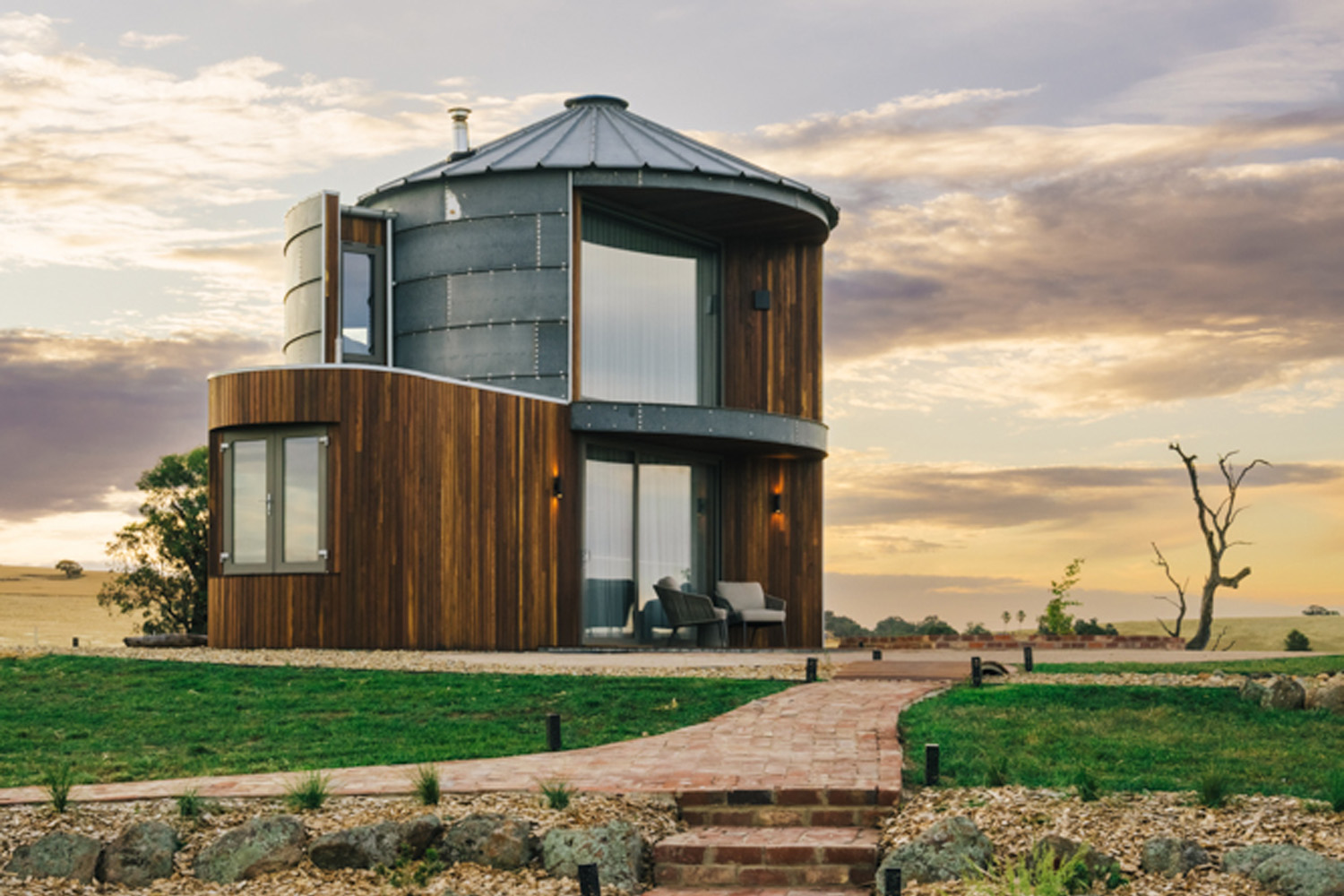
A fifth-generation farmer dreamed of converting a 60-year-old grain silo into quality sustainable farmstay in order to diversify their farming business, share their lifestyle and region with the public, and create a legacy for their children. The result – The Silos Accommodation – is a bucket list experience.
This project is driven by user experience and environmental sustainability.

User experience:
Arrival to the back of the silo brings guests right up to the structure, past the old grain chute. They wind around to a breathtaking view at the entry. Stepping inside, the same circular direction takes them upstairs to a bedroom with private night-sky viewing windows. The downstairs ensuite frames (and opens up completely) to a secluded bath-for-two view. A meandering path takes guests down into the landscape to a firepit or hot tub, right next to a bird-life-filled dead tree and the paddocks where local kangaroos live alongside the grazing sheep.

Sustainability:
The sequence and views above are also designed for perfect solar passive orientation. Various orientations and window placements were tested for thermal comfort. The generous primary windows are oriented and shaded perfectly to allow winter sunlight to flood in, while protecting from hot summer sun. Shelter from winds and summer purging considered. Every element of the original silo was reused or reinstalled, design and construction prioritised longevity and thermal performance, and the residence is all electric and off-grid.

Photography by Matt Beaver

Kavillo Studios

Cameron Anderson Architects

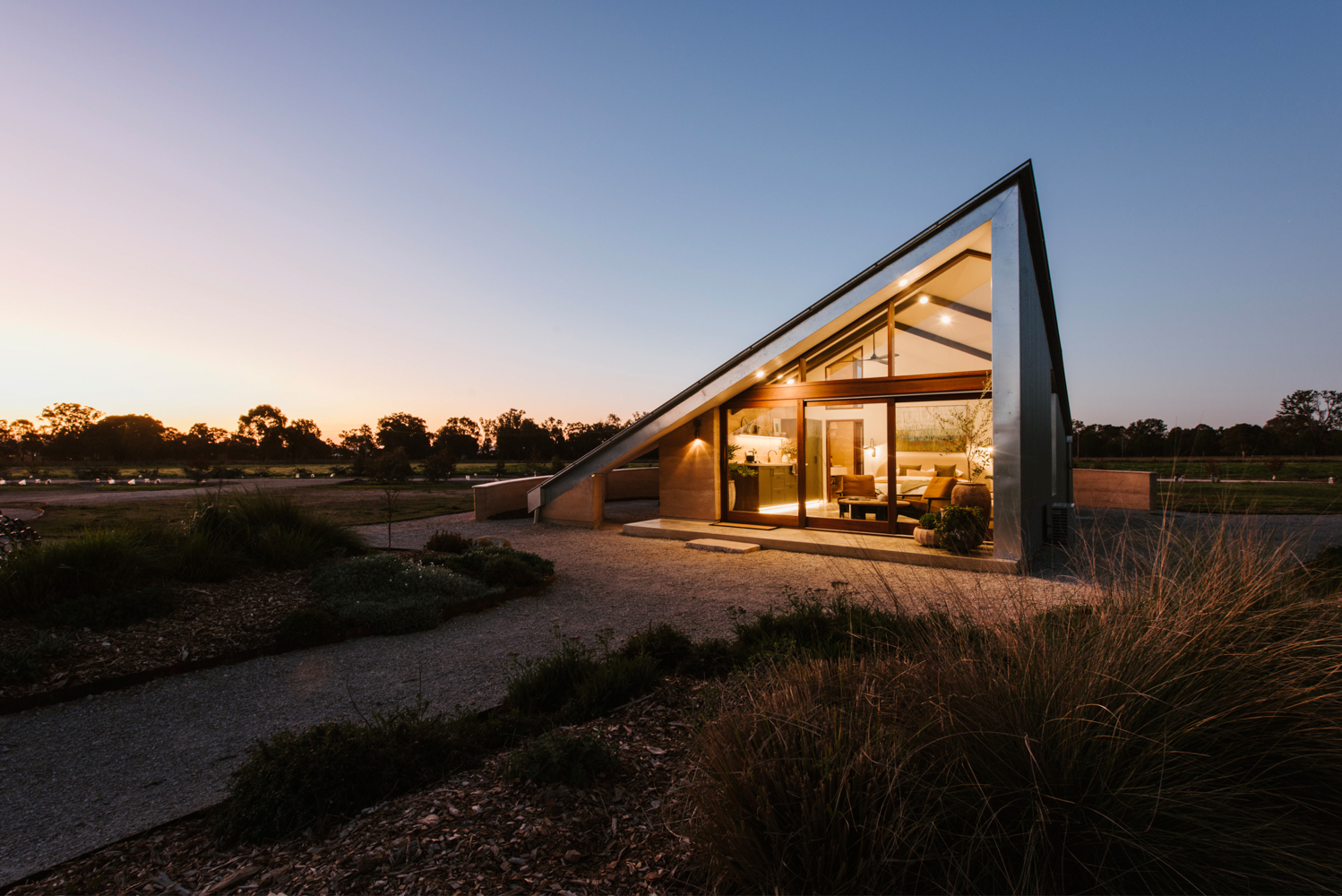
Kavillo Studios are a luxury tourism accommodation project located in Mudgee NSW that were owner built by client Michael Ferris, an emerging Sculptor. The built form of Kavillo studios aims to recreate the essence of camping with a roof that forms a tent like structure draping over the internal program below. The folded roof form appears in tension and grounds itself to a rammed earth plinth on the South West corner. A heavy Western rammed earth wall is shaded by the roof, while grounding the building and providing privacy from the neighbouring suite of buildings that extend to the West. The buildings while quite open to the prevailing Southern views are afforded privacy from the folding roof which opens to allow Northern winter sun via a glazed door.

The palette of materials draws from its rural context with galvanised sheet metal cladding and roofing drawing from the many shearing sheds in close proximity while the rammed earth references the abundance of Pise’ buildings that appear in this locality.

Critical to the outcome was our structural engineer Scott Smalley Partnership, both for their innovations with rammed earth and their lean approach to the structural steel portal frames that make up the structure. The building has been carefully crafted by its owner Michael Ferris as an owner builder, his background in sculpture providing the perfect skill set to deliver a complex built form.

The buildings have been built to a strict budget, the small building footprint delivering a superior cost value outcome.

Double glazed hardwood timber windows and doors are incorporated with high levels of building insulation. A steel pergola and overhangs to the North shade the building from the summer sun while the folding roof form protects the building from the harsh Western summer sun. Low water use fixtures adorn the interior and a lot of interior elements have been handcrafted by the owner such as the basin and light fittings. The buildings are 100% off grid, encompassing an innovative electrical storage solution that has a mechanical flywheel battery as opposed to traditional battery storage and is powered by 26kw of solar panels. 210,000L of rainwater storage is provided for use in the studios.

Photography by Amber Hooper

Crop Fitzroy

Olaver Architecture

At Olaver Architecture, we approached the design of Crop with a clear intention: to create a hospitality space that embodies the ethos of “eat with impact.” From the beginning, we wanted the design to reflect the same values as the food offering—honest, thoughtful, and low-impact. Every decision we made, from material selection to layout, was guided by a commitment to sustainability and circular thinking.

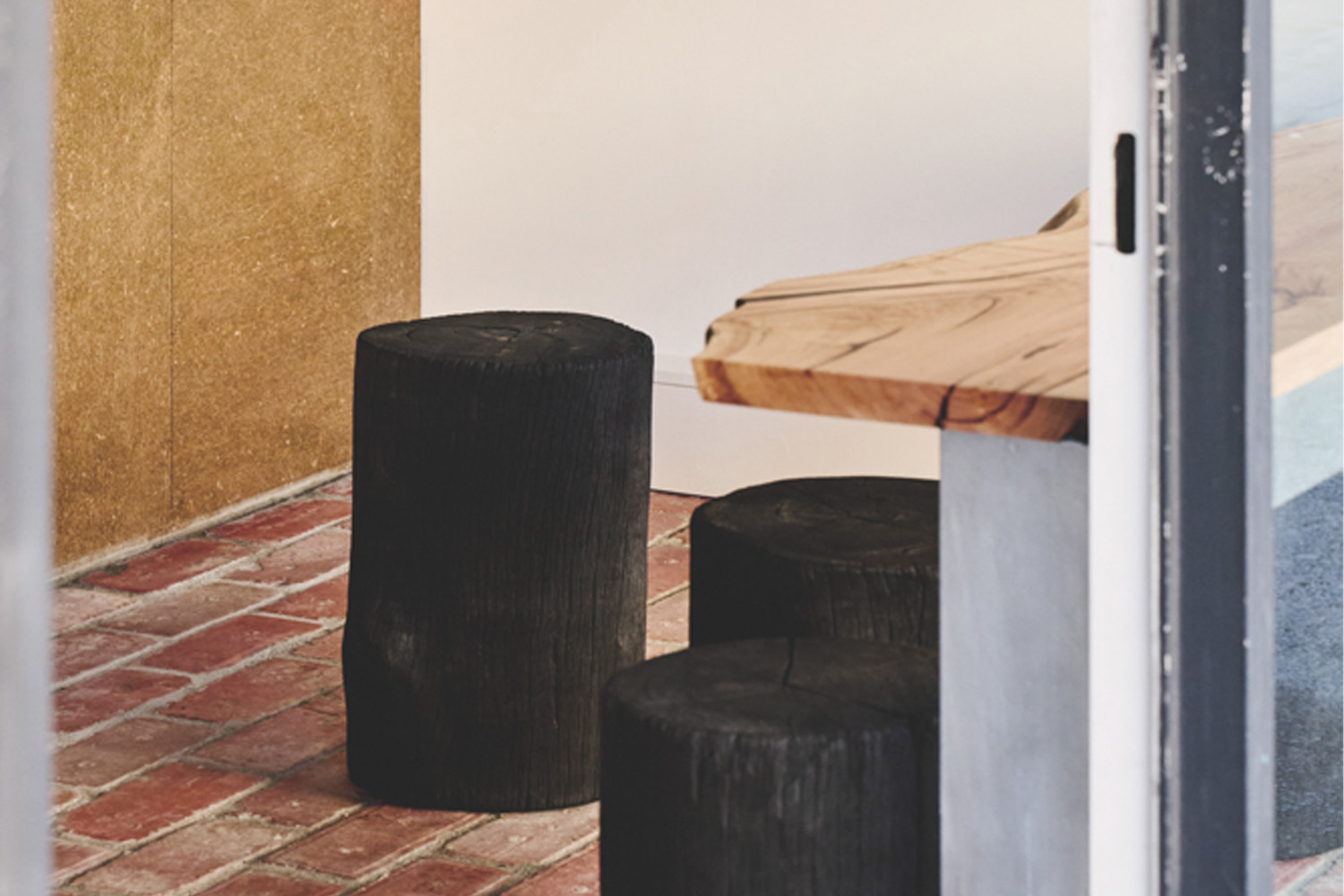
We focused on using local, recycled, and rapidly renewable materials wherever possible. The cabinetry, for example, is made from hemp board—an incredibly sustainable material that’s biodegradable and regenerative. We incorporated recycled bricks in the dining platform and reclaimed timber for seating, all sourced through trusted local suppliers. These materials not only reduce environmental impact but also bring a richness and warmth to the space that supports a sense of welcome and calm.

Reusing elements from the site’s previous tenancy was an important part of our approach. By retaining what we could and specifying new materials only where necessary, we minimised waste and kept the fit-out cost-effective. We also selected kitchen equipment with energy efficiency in mind, ensuring the operational side of the business aligned with the sustainability values embedded in the design.

Flexibility was another priority. We designed the furniture and cabinetry to be demountable, so they can be reused or recycled in future fit-outs. This allows the space to evolve without needing to start from scratch. The layout encourages connection and calm, with open sightlines, tactile materials, and moments to pause and engage.

Crop is a small project, but it’s one that speaks to larger ambitions. Through it, we’ve shown how considered design can support not just environmental goals, but also human wellbeing and meaningful business values.

Photography by Ashley Ludkin

William Inglis Hotel Solar Energy

Smart Solar Power

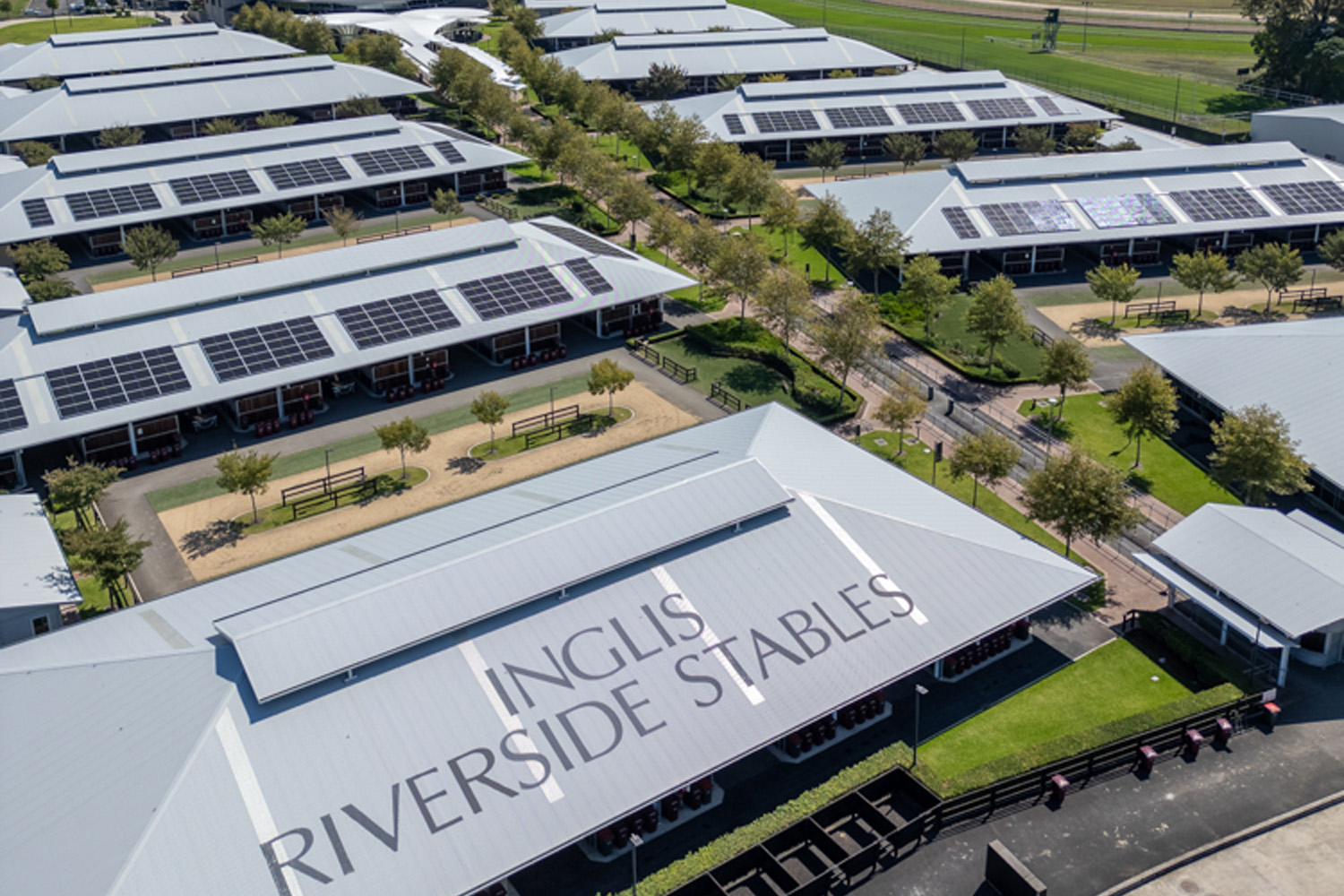
The William Inglis Hotel, a 144-room boutique hotel in Warwick Farm, NSW, is part of the Accor Hotel Gallery Collection. Since opening in 2018, the hotel has been an integral part of the on-site Inglis Auction House, hosting events and accommodating guests while running 24/7 operations. With rising energy costs and a commitment to environmental sustainability, the business had been exploring solar energy solutions for over two years. General Manager Belinda Thomson, alongside the Inglis owners and board, sought a system that would both lower operational expenses and reduce their carbon footprint.

Photography by Jaana Robles

Bob Marshman Building (BMB)

Deicke Richards

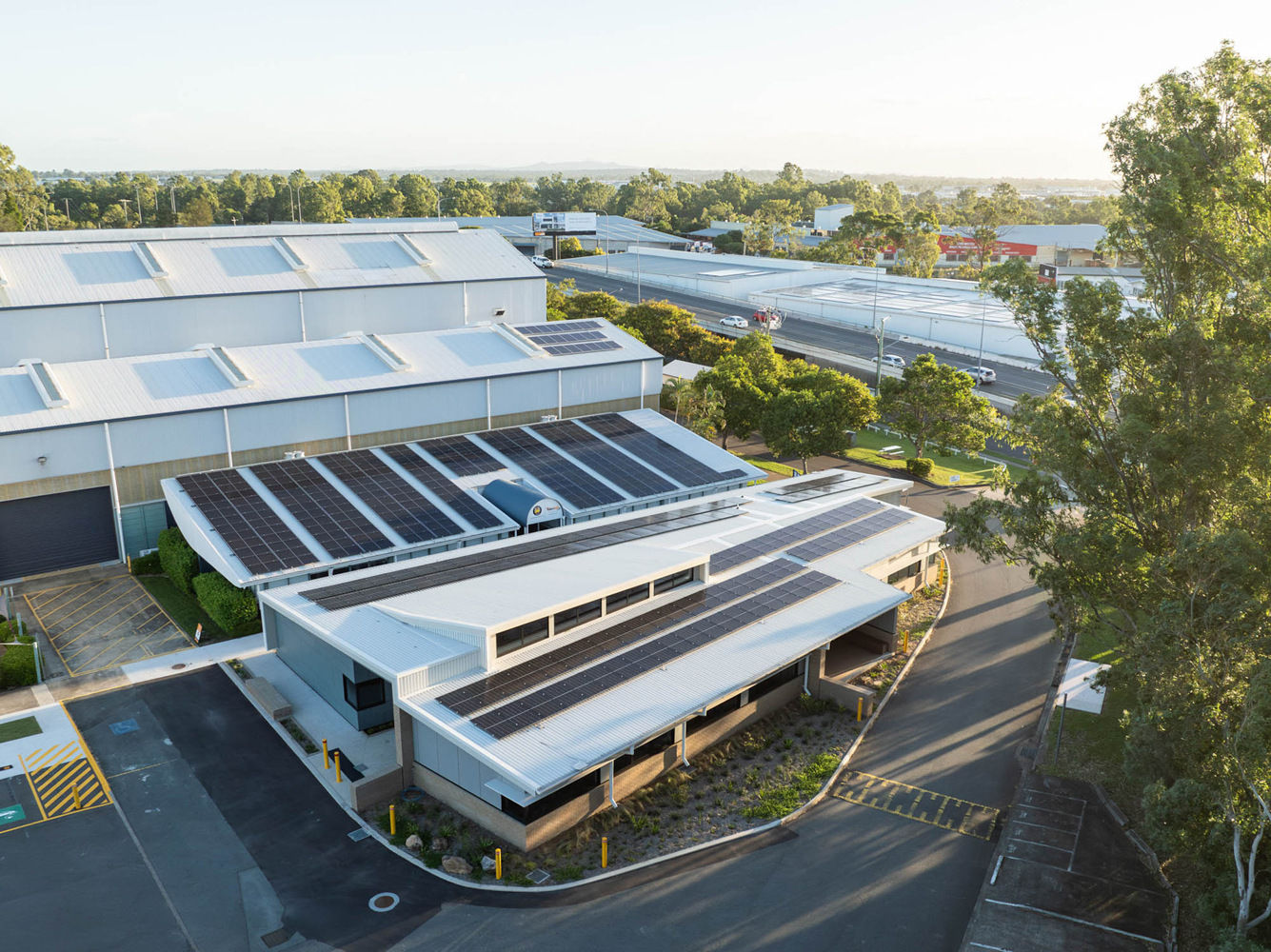
The Bob Marshman building at the Construction Training Centre (CTC) completed in July 2024 is Australia’s first certified Passivhaus Plus training centre. This is innovative due to the building’s subtropical context where Passivhaus (PH) certification is not as commonly applied as in cooler, less humid climates. The PH certification requires an extremely airtight building envelope with significant amounts of thermal insulation, thermally broken windows and sophisticated heat recovery ventilation system which reduces the cooling energy required. However, given the humid climate as well as high building occupancy rates, the mechanical systems needed to adapt to maintain air quality and humidity.

Subtropical design principles such as orientation, rainwater collection and passive design strategies were key to the project’s design from the early concept stages. The intent was to create a testing ground commercial building almost vernacular in nature with sustainable, easily available materials that dealt with the particulars of subtropical climate and could easily be replicated in future using familiar construction materials.

The project ‘s sustainability targets and certifications did not impact on time or money, finishing on time and under budget. This is replicable especially as it offers a solution to passive heating and cooling where hot and humid climate is a challenge. The success of the project is due to the whole consultant team as well as the sustainability ambitious client whose drive to build better and mantra of “Inform, challenge and excite” was the driving force behind the project. The BMB training centre is highly energy efficient, quiet, climatically controlled and boasting superior air quality. It is a proof that Passivhaus certified learning environments in subtropical climates are not only a possible but also highly desirable, value adding propositions.

Photography by Hutchinson Builders

Flinders University Health and Medical Research Building

Architectus

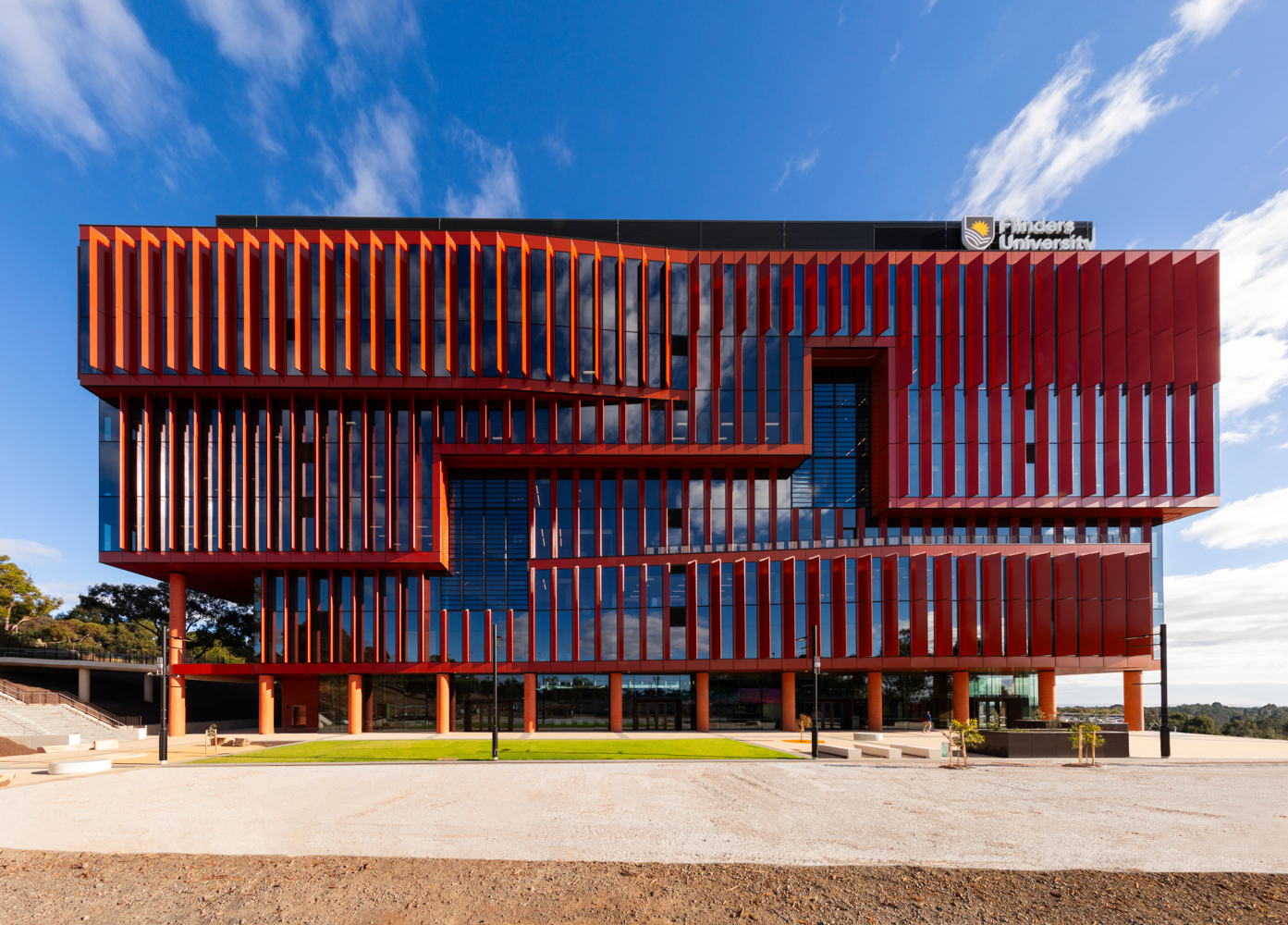
The Flinders University Health and Medical Research Building (HMRB) is a groundbreaking 22,000-square-metre, 10-storey facility that seamlessly integrates medical research and clinical expertise with community, culture, and nature. As the first completed building in the Flinders Village, it features state-of-the-art laboratories and flexible workspaces designed to foster collaboration and innovation. Inspired by First Nations narratives of Kaurna Country, the building’s unique expression is characterised by contour lines and a distinct colour palette, responding to land, sea and sky, through its form, outlook, and materiality. The facility’s complex laboratories and flexible open-plan workspaces prioritise researcher well-being. Full-height glazing enhances visual connection and spatial openness, while interconnecting atria provide biophilic break-out spaces, fostering social interaction and collaboration among researchers. A defining feature of the HMRB is its commitment to environmental sustainability. The building has been designed with a focus on reducing its carbon footprint and conserving resources. The HMRB is targeting LEED Gold and WELL Gold certifications thanks to its use of energy-efficient systems, renewable energy sources, and eco-friendly materials. The building’s energy-efficient systems, combined with a strong focus on waste reduction and water conservation, have positioned it as a leader in the movement toward a more sustainable built environment. HMRB is the first medical research institute globally to achieve a Platinum WiredScore rating, highlighting its advanced digital capabilities. With its emphasis on community, wellbeing, and cutting-edge research, HMRB sets a new standard for medical research facilities in Australia.

Photography by Trevor Mein (External) and Shannon McGrath (Interior)

Docklands Primary School – The District Campus (Interim Name)

Spaces

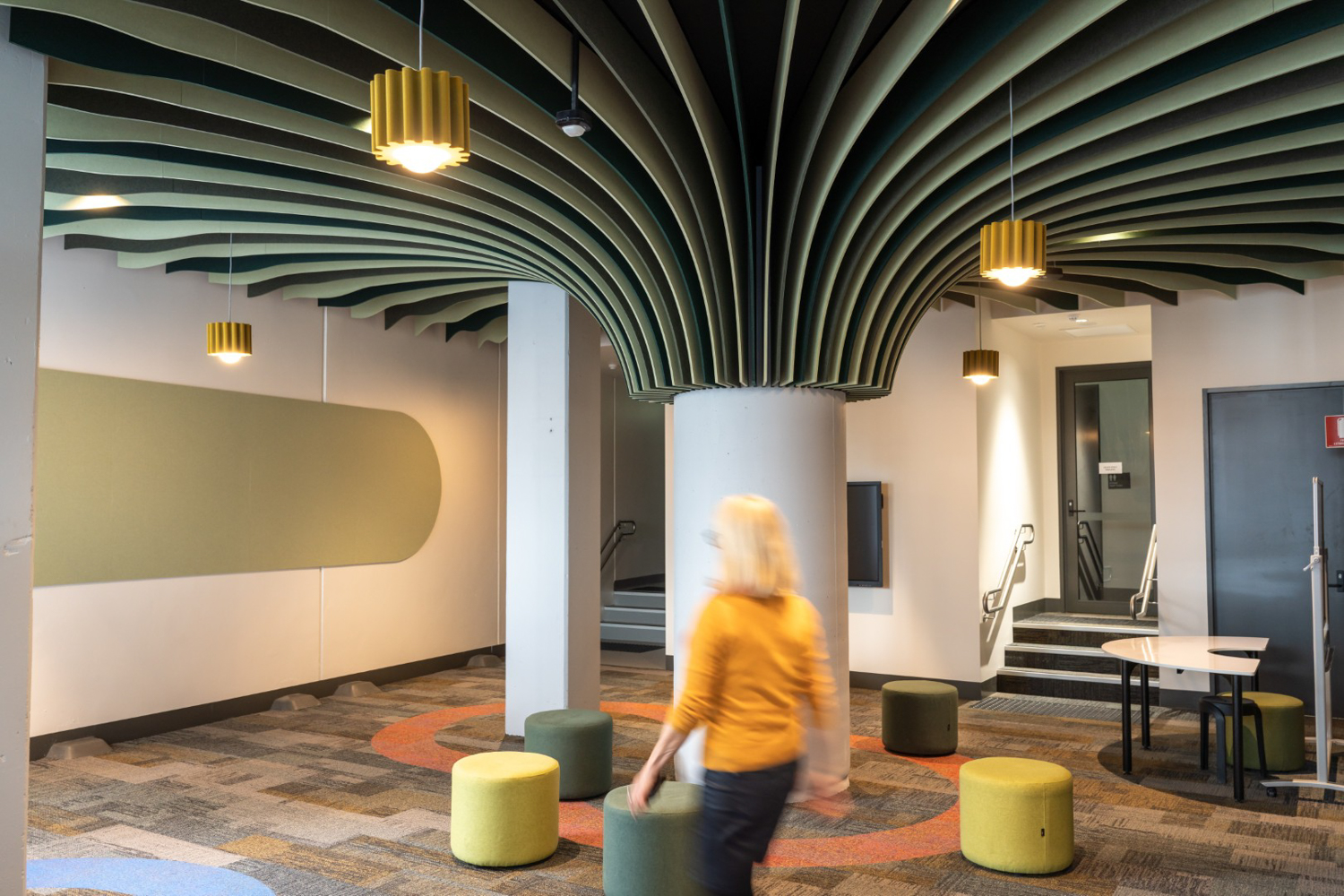
This project reimagines an underutilised retail tenancy as an innovative primary school campus within The District Docklands precinct — Australia’s first educational facility of its kind. The design demonstrates an original, research-driven approach to sustainability by transforming existing built fabric rather than building anew, significantly reducing embodied carbon and construction waste while revitalising the surrounding precinct.

The interior spaces were carefully planned to deliver both immediate functionality and long-term performance for students and staff. Natural light was maximised despite structural constraints, and acoustics were meticulously addressed to create a calm learning environment beneath an active hotel. The layout promotes flexibility and adaptability, ensuring the building can meet evolving educational needs without major interventions.

Sustainable outcomes were integrated holistically, from durable, low-impact materials to thoughtful zoning that reduces energy demand. Biophilic elements and a sense of openness connect students to nature, even within an urban, indoor setting, supporting wellbeing alongside environmental goals.

The design also responds sensitively to its context, enhancing the precinct by bringing daily activity, safety, and community value to an area where retail alone could not sustain vibrancy. Grounded in research, collaboration, and originality, this project exemplifies how educational design can achieve meaningful outcomes for both people and the planet, now and into the future.

Woodleigh Regenerative Futures Studio

McIldowie Partners

The Woodleigh Regenerative Futures Studio is a productive, living ecosystem that provides a dynamic, project-based learning environment for students to explore and address these challenges while growing rooftop native gardens, harvesting solar power, cultivating fish in aquaponics tanks, sequestering carbon dioxide, and filtering pollutants in a net-zero building.

Set on a sloping site on the outskirts of the senior campus, the Futures Studio comprises three pavilions linked by courtyards and sheltered learning areas, which frame views of the farm, nature reserve, and school campus.

Each pavilion houses a separate function and aspect of the brief. The largest houses a collection of five learning spaces and two quiet learning pods, offering a range of flexible learning settings for personalisation and student agency. A second pavilion houses staff areas and amenities, while the third serves as the ‘homestead’, a communal kitchen and social space shared between students and staff, fostering a sense of belonging and community.

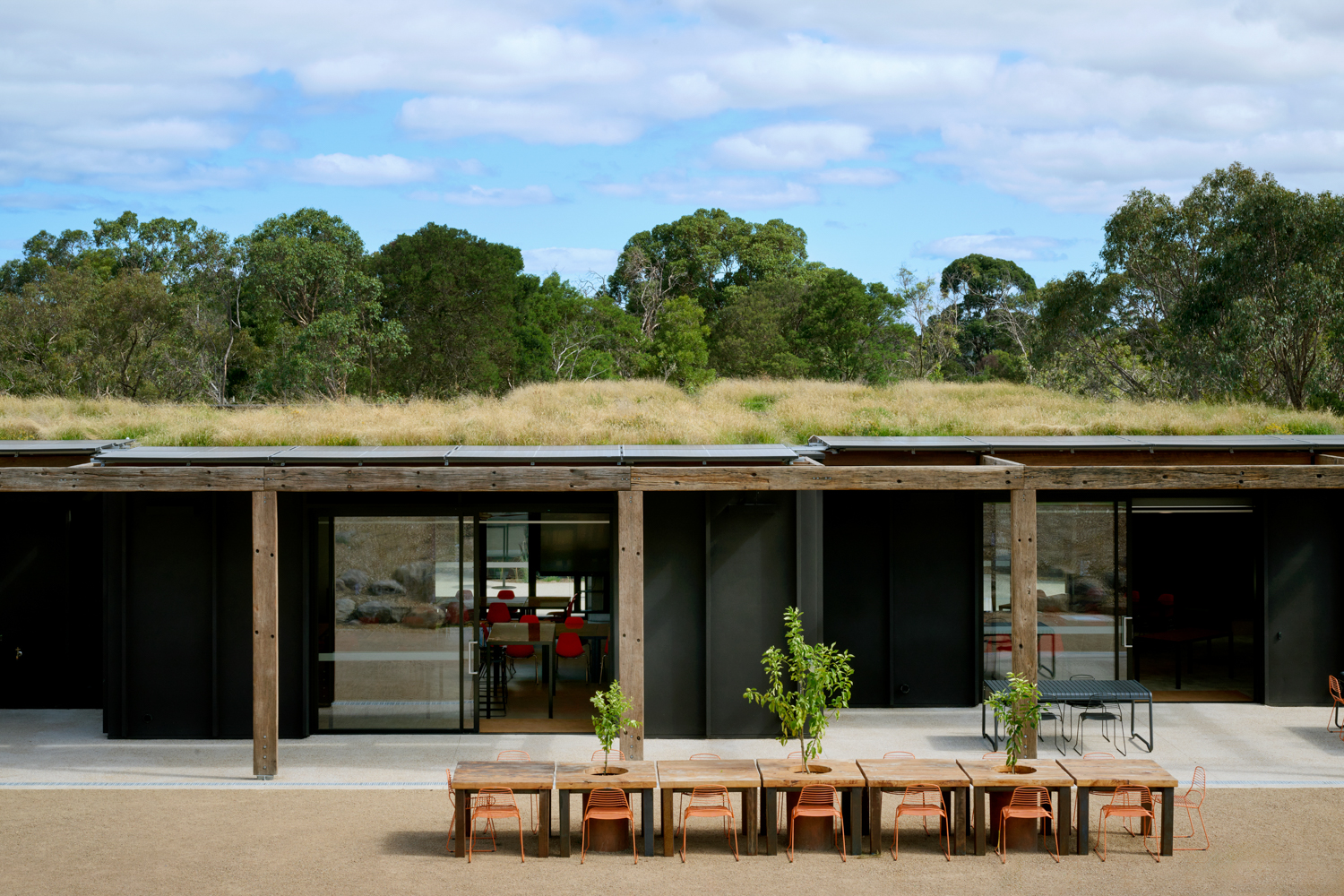
The building’s innovative construction system combines a prefabricated steel truss post and beam frame with straw wall and ceiling panels, recycled cork façade spray, and a living green roof, complete with a drought-resilient wicking bed. The system is unitised as prefabricated components, which, when combined with local procurement, has produced a near zero-waste construction system.

The Durra Panel straw panels are embedded with biochar to filter pollutants from the air. The green roof provides a protected habitat that fosters the lifecycles of native butterflies, birds, and bees, while its thermal mass and soil weight significantly reduce the need for mass concrete footings.

The building is run entirely on solar power, utilising an Australian-made battery storage system that is completely recyclable, as are all the materials used throughout the project. In addition, VOC-free, low-embodied carbon and carbon sequestering are at the forefront of all design and material choices.

Photography by Earl Carter

Newington College Eungai Creek Campus – Stage 1

AJC Architects

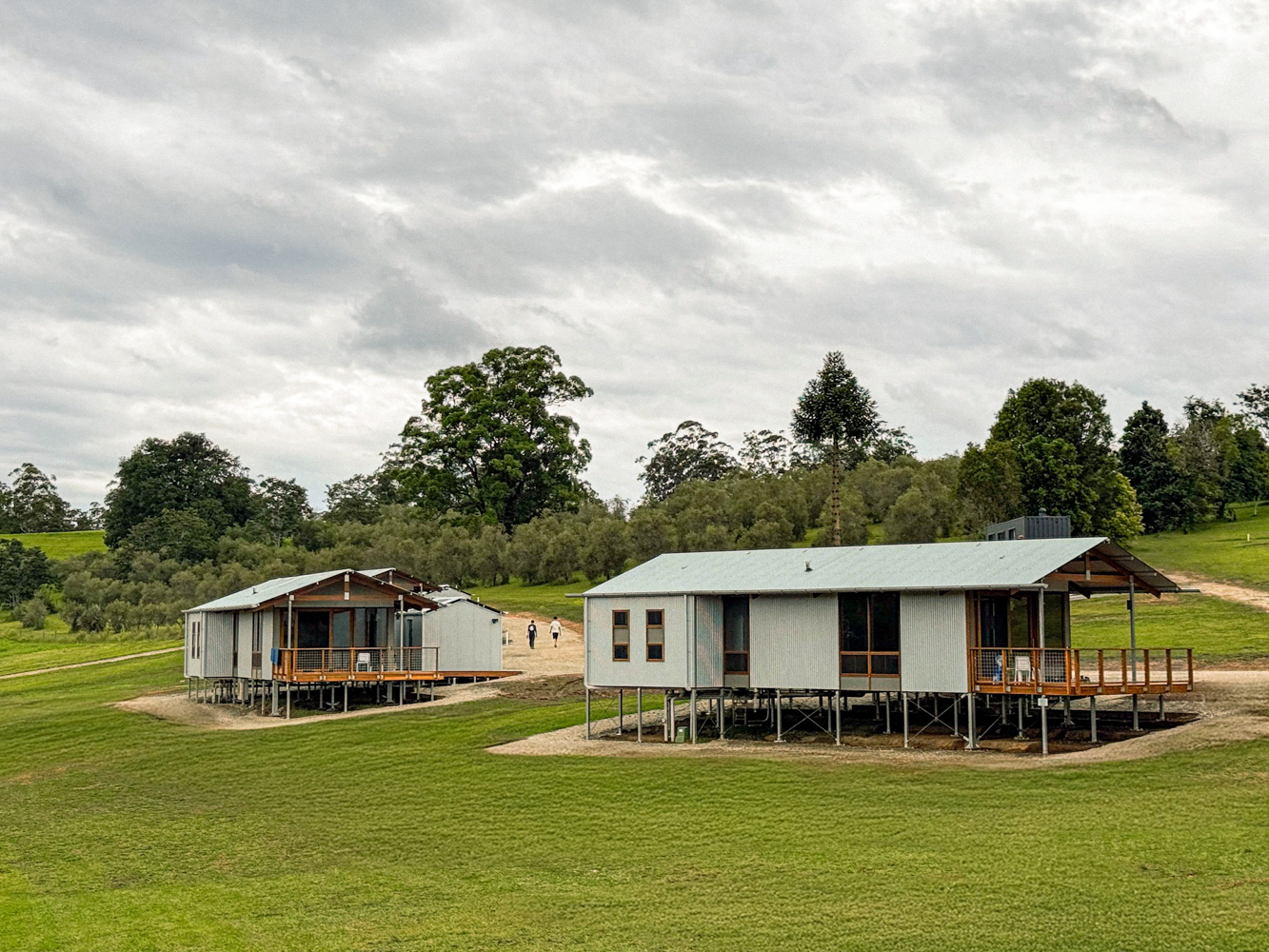
The Newington College Eungai Creek Campus is a purpose-built rural facility designed to immerse Year 9 students in a transformative educational experience centred on sustainability, community engagement, and personal growth. Situated on a 200-hectare property on Dunghutti Country, the campus comprises ten 8-person cabins, a health centre, reception, and dining hall, totalling 1,600 m². The design emphasizes regenerative principles, utilizing carbon-positive materials like compressed straw panels and biochar-infused linings. The architecture fosters a deep connection to nature, with structures elevated to preserve the landscape and oriented to capture views of Mount Yarrahapinni. The campus serves as a living example of biophilic design, promoting well-being and environmental stewardship among students

Photography by Samuel Trevena

Champion Passive House

Altereco Design

This project is a certified Passive House located in Williamstown, Victoria. Designed by Altereco Design and constructed by Carland Constructions, the home is part of the AlterecO2 pre-designed range, specifically the ‘Possum’ design. The single-storey dwelling features a facade that pays homage to the local California bungalow style, ensuring it complements the existing streetscape. Internally, the home adheres to Passive House principles, achieving exceptional energy efficiency and comfort. Notably, in its first 13 months, the house generated 9,934 kWh of energy while consuming only 3,163 kWh, resulting in a net-positive energy performance.

Photography by Jade Cantwell

Legacy House

Jessica Hardwick Architecture

Legacy House is a fully off-grid, intergenerational retreat designed by architect Jessica Hardwick for her extended family. Located on former grazing land in the Sunshine Coast hinterland, the house is a long-term place of refuge and reconnection — nurturing relationships across generations and restoring a previously degraded site.

The design centres on simplicity, durability and ease of living. Generous communal living spaces connect seamlessly with the outdoors, supporting extended family gatherings while maintaining a compact footprint. The house is designed as both physical and social infrastructure: to enable year-round enjoyment of the 51Ha site – in the form of both camping and use of the house and its surrounds.

Achieving a 7.8-star NatHERS rating, the house operates 100% off-grid with solar and battery power, 100kL+ rainwater harvesting, on-site wastewater treatment, and no air conditioning. Instead, a layered passive design strategy — including thermal mass, cross ventilation, operable shading, and solar analysis for shading effectiveness — delivers comfort naturally. Iterative energy modelling helped identify the tipping point where higher-spec glazing and insulation would no longer yield meaningful benefits. These funds were instead directed to adaptive features like indoor/outdoor blinds and landscaping for thermal comfort.

Material selections favour local, healthy, and recycled materials. Timber from the site and reclaimed buildings was used for joinery and screening. The ventilated facade features locally manufactured CLT cavity battens and Pro Clima wrap for durability and moisture control.

Guided by Land for Wildlife and Sunshine Coast Council, the landscape integrates native planting, food production and water-sensitive design — transforming the site ecologically.
Legacy House is a lived example of sustainable simplicity. Jess’ firsthand experience designing, building, and now occupying the home has strengthened her advocacy for clients pursuing more with less — proving that thoughtful design can be both efficient and joyful.

Photography by Alanna Jayne McTiernan

Live, Love, Loft.

Cooee Architecture

The beauty is in the balance!

This project began with a serious investigation into whether the existing home was viable for retrofit and renovation. However, the construction, age, and orientation of the house (on a perfectly oriented block) was truly limiting, and the decision to rebuild was carefully made.

This new build demonstrates a ‘sweet spot’ approach; high quality flexible space over cheap sprawl, and performance on balance/optimised with cost-effectiveness. Excellent execution and optimisation of standard detailing results in notable performance, which we’re passionate about celebrating!

The result is an 8 star EER family home, 139m2 of house (3 bedroom, 2 bathroom) + flexible loft space, air-leakage tested to 3.6 permeability m³/h/m², built for $760k.

Photography by Ben King

Scamander Passivhaus A

Spectura Studio

An exercise in low-embodied carbon design.

Consisting of a timber sub-floor, Cross Laminated Timber walls, ceilings and roof, timber framed windows, wood-fibre insulation, timber flooring and timber joinery throughout, Scamander Passivhaus A is a testament to the versatility and practicality of timber as a construction material.

A certified Passive House, Scamander Passivhaus A stands up to its coastal environment with ease, capturing the warmth of the sun when it shines and retaining it for when it doesn’t.

The utilisation of timber in this project and its thermal properties gives not creates a physical warmth inside, but a sense of it as well, with soft hues and the raw natural material visible at all times, a sense of calm is constantly present.

The oblique geometry that is possible from CLT construction creates a sense of space, with the modest building footprint feeling open and spacious, which can often be a juxtaposition to a feeling of warmth, in this instance it is not the case.

Designed and then built by its owner during the building cost rises through 2022-2025, it was built as a home, not as a house, and the detail resultant of this creates a unique and captivating space.

Photography by Adam Gibson

Canopy CLT House

Still Space Architecture

Located on a busy corner in riverside Putney, this suburban site presented both challenges and opportunities.

The neighbouring property is large and imposing, so the new home was carefully oriented toward a private garden. A mature Lillipilli tree became the heart of the design, anchoring the house and landscape with its generous canopy and providing a strong connection to nature.

Given the site’s exposure, the design needed to create its own microclimate and sense of enclosure. A courtyard-style plan was developed, framing the tree and gardens while establishing a clear transition from public to private spaces.

Landscaped areas wrap around the house, complemented by a rooftop garden and plunge pool that support cooling and biodiversity. Internal spaces follow a central spine: a children’s wing, communal areas, and an upper level with a parent’s suite, study, and music studio overlooking the roof garden. Sliding doors and level changes enhance spatial flexibility and privacy.

Replacing an asbestos-clad house, the project is now a certified passive house, designed for longevity and climate resilience. Cross-Laminated Timber (CLT) was selected for its thermal performance, low toxicity, and minimal environmental impact. Its warm, tactile finish is contrasted with colourful tiles and painted joinery that bring a playfulness to the interior.

The house balances openness to the street with privacy, using a shaded western deck with operable panels.

A ventilated façade mitigates solar exposure and overheating. An entry sequence through a screened courtyard and pond establishes a calming arrival and a considered transition into the private home.

The resulting design is a modestly scaled, low-energy home that performs under extreme conditions while offering flexibility, comfort, and connection to nature. It provides a quiet refuge and a vibrant family home that responds holistically to place, climate, and community.

Photography by Brett Boardman

Eco-House Leura

Marra + Yeh Architects

Combining a sensitive approach to nature with mindful spatial efficiency, this house is uniquely of its place and time.

It acknowledges the complexity of creating a new climate-resilient home in the World Heritage-listed Greater Blue Mountains Area.

Responding to the site’s ecology and challenging conditions, increasing climate risks, and a desire for flexibility and adaptability, the home transcends multiple constraints to demonstrate how we can protect and regenerate the environment that sustains us.

The house is grounded by a “nature-first” ethos: positioned near the site’s base – and elevated above the fragile hanging swamp – this approach protects the nearby creek and surrounding landscape.

The compact footprint conforms to the slope with a plan that features moveable walls. Rooms function as living, bedroom, office and study spaces; these are easily reconfigured for a day, a season or years.

Frequently occupied spaces face north while service areas and bedrooms face south, maximising winter solar heat gain and harnessing summer shade, and optimising for wind protection, views and vistas.

The project epitomises sustainability best practice across three domains:

Design with Country
• Innovative foundation system: minimises soil disturbance, reduces overall impact;
• Regeneration of hanging swamp: protects local ecology
• Unfenced bush garden: reintroduces threatened local plants.

Design with Climate – bushfire, storms, heat
• Staggered building position: ensures privacy, reduces fire spread risk;
• Redundant fire defence layers: lined and enclosed sub-floor, material selection and construction, rooftop sprinkler system for fire prevention and evaporative cooling in heatwaves, dedicated firefighting tanks;
• Roof form: deflects prevailing winds, re-captures water for continuous sprinkler use.

Environmental Performance:
• Solar passive design: minimises mechanical cooling and heating;
• Solar PV system 5.6kW: renewable energy;
• 90% of materials locally sourced: lower embodied carbon
• Prefabricated, modular components: construction speed, waste minimisation, cost effectiveness.

Demonstrating humility for this sensitive environment – and advancing regeneration – this house boasts a strong commitment towards ecological restoration.

Photography by Brett Boardman

Curvaceous

Envirotecture

This single level home perfectly meets the clients’ specific requirements for a healthy, effortlessly comfortable home that responds to the extended family’s current and future needs. This has been achieved by thoughtful spatial planning and solving the challenge of delivering universal accessibility on a sloping site. The home was constructed with quality prefabricated components and sits well in its suburb’s context. Biophilic curves soften the building form. A considered use of Australian hardwood cladding provides a visually protective wrapping at the intersection with the street. The sinuous curves are echoed in details big and small, a consistent design element that continues inside the home. Built-in joinery is elegantly crafted, serving to draw the visitor through the home. Living spaces are well connected to the garden spaces, where carefully considered planting are beginning to grow into the spaces. A central sitting room sits apart, a calming refuge with a soaring ceiling to accommodate south-facing clerestory windows. These provide for spacious views of the sky and bring in gentle, consistent light. This generous volume gives a sense of grandeur. The outdoor area has a clear roof with retractable shade over for solar protection while the laser cut screen controls for both sun and privacy from the neighbours whose plans for a second storey addition were announced during our design phase. The home has met the Passivhaus Plus standard, which is a guarantee of quality, health and comfort as well as ongoing energy efficiency. Our practice values reuse and retrofit of existing buildings but it is not always possible. This site was formerly occupied by a dark, defunct home riddled with asbestos that was objectively beyond remediation. Knock-down-rebuild was the only viable way to meet the client brief.

Photography by Paul Worsley

Viva Straw Panels

Viva Living Homes

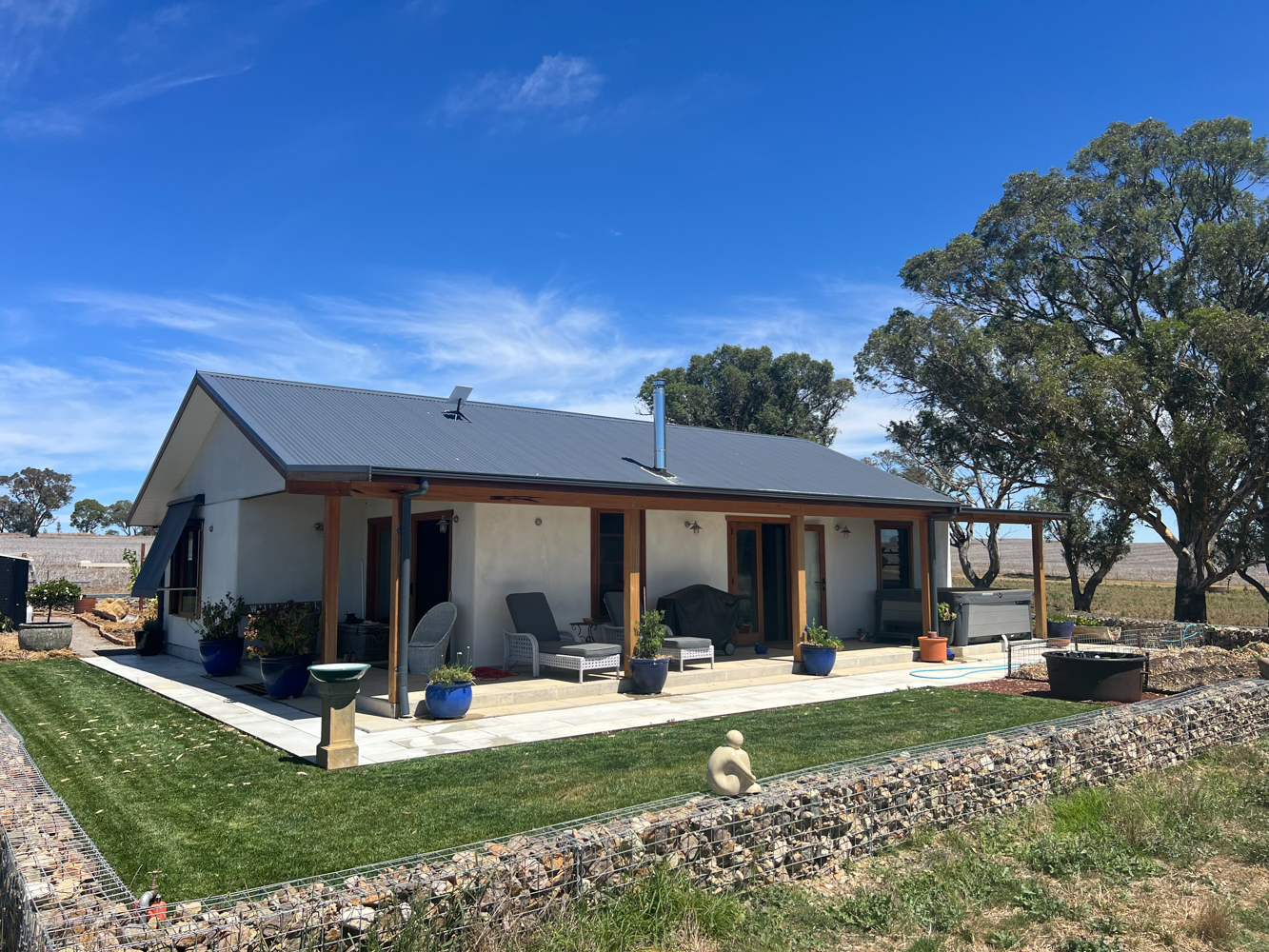
Viva Straw Panels are a prefabricated, structural wall system made from compressed straw and timber, designed to deliver high-performance, carbon-sequestering, and naturally insulating building envelopes. They offer a scalable, Australian-made alternative to conventional building materials, merging the beauty and performance of strawbale construction with the speed and precision of modern prefabrication.

Each panel is made by tightly compressing straw, an abundant agricultural by-product, within a timber frame. The panels are fully loadbearing, eliminating the need for additional framing, and are delivered to site ready for quick assembly. Once installed, the structure is ready for roof and internal works in as little as one day, reducing construction time, labour costs, waste, and exposure to weather delays.

The panels achieve excellent thermal and acoustic performance, with natural insulation properties that dramatically reduce operational energy needs. Importantly, they also meet the strictest bushfire safety standards (FRL 120/120/120), including suitability for use in BAL-FZ zones with appropriate Asset Protection Zones, making them ideal for both rural and urban projects in fire-prone regions.

Viva Straw Panels store more carbon than they emit during production and installation, making them a truly regenerative product. Every square metre of wall locks away agricultural carbon that would otherwise decompose or be burned – transforming waste into a climate solution. The panels are also free from synthetic binders or toxins, supporting healthier indoor environments.

The panels are typically rendered internally with lime and earth renders. Externally they can be rendered, or clad with almost any conventional cladding. The natural internal renders help to maintain healthy levels of humidity within dwellings, and can also help suppress airborne bacteria and some VOC’s.

With a focus on environmental integrity, circularity, and performance, Viva Straw Panels reimagine how we build – offering a beautiful, natural, and pragmatic solution for the future of sustainable construction.

Photography by Viva Living Homes, Steve Garland – Viva Panels Installation

Planet Protector Denim Insulation

Planet Protector Group

Planet Protector’s journey began in 2016 with a mission to eliminate expanded polystyrene (EPS) from cold supply chains. Our disruptive technology, WOOLPACK has since won global acclaim for its sustainability and innovation.

Building on this success, we have recently established ‘state of the art’ fibre processing facility in Victoria, significantly expanding our capability to now manufacture products for the built environment.

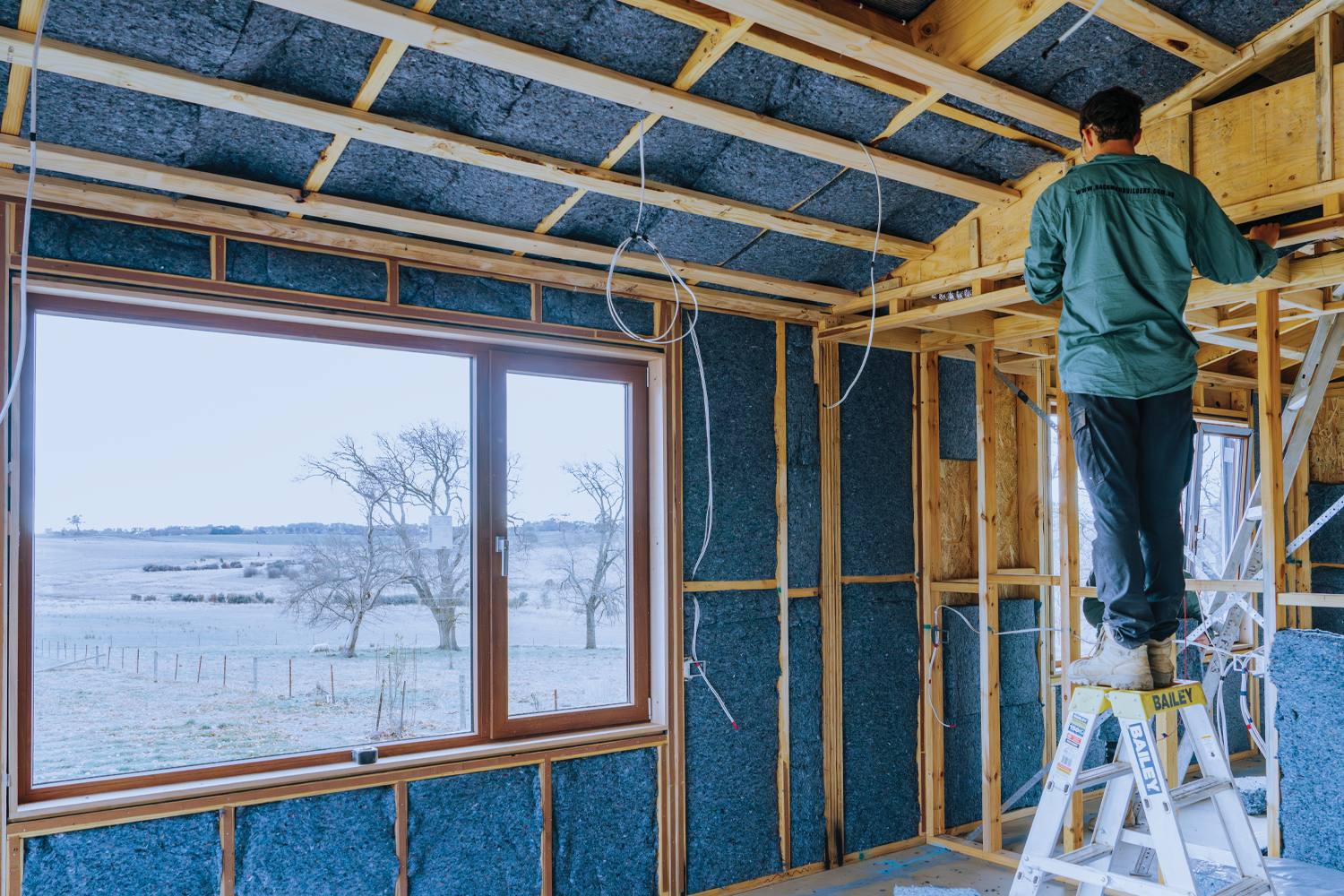
Our first entry into this space is a first-of-its-kind building insulation product developed from recycled denim jeans, designed and manufactured entirely in Australia. Using airlay technology and a thermal bonding process, this product is free from toxic chemicals, making it safe for both human health and the environment.

Planet Protector Denim Insulation is available in both batt and roll form, suitable for use in walls, ceilings, and underfloor applications. It complies with Australian thermal performance standards (AS 4859.1) and fire hazard requirements (AS 1530.3). We currently offer R2.5 and R4.0 for 90mm and 140mm wall applications respectively, along with a full range of ceiling batts from R3.0 to R6.0. The denim fibres not only provide high thermal and acoustic performance, but also offer breathability, durability, and ease of handling during installation.

Planet Protector Denim Insulation is designed with scalability and circularity in mind. Each year, more than 200,000 tonnes of textile waste end up in Australian landfills, equivalent to nearly four Sydney Harbour Bridges.

Our denim range represents a new category of circular building materials combining high performance with low environmental impact. By converting textile waste into a functional, high-value product, we are addressing growing demands for sustainable construction solutions while promoting responsible resource use and local manufacturing.

The risks of not planting trees along our streets

Blacktown City Council

Currently, local councils do not plant large shade trees on streets with speeds above 50km/hr. This is because current guidelines state large shade trees present a safety risk to errant vehicles. However, the guidelines only consider one risk – the risk to the errant vehicle.

Funded by the NSW Government’s ‘Greening our City Grant Program,’ this innovative research project sought to identity all the risks Council and its community would be exposed to if large shade trees are not planted along its streets. Risks were considered across the categories of physical and mental health, environment, economy, infrastructure and policy.

A holistic and comprehensive risk assessment process was undertaken, with Council partnering with researchers from Western Sydney University, University of Wollongong and University of New South Wales. Council also engaged subject matter experts from the legal and work health and safety sectors, and invited representatives from Western Sydney Local Health District, Western Sydney Regional Organisation of Councils, Austroads and Transport for New South Wales to join in the workshopping process.

The research had tangible outcomes with risk-based legal advice recommending that Council should not adopt a blanket policy which prohibits the planting of non-frangible trees along its streets provided it takes a holistic, balanced, risk-based view of the risks created by planting non-frangible trees along our streets.

Photography by Matthew O’Connor

Recycled Oyster Shell Render

Mineral Fox

Mineral Fox’s recycled oyster shell wall render uses restaurant shell waste as an aggregate alternative to virgin sand. The material is a world-first and diverts tonnes of shell waste from landfill (circular), supports critical oyster reef restoration projects to improve waterways, is low carbon, non-toxic, and made in Australia. It has been applied to the walls of Arup’s Brisbane office (specified by Hassell) and is currently being applied to more than 7000 sqm of wall area in the Parramatta Powerhouse Museum for Lendlease.

Each year it’s estimated that more than 10 million tonnes of oyster shell waste is dumped globally. Oyster shells are made up of 96% calcium carbonate – almost identical to limestone. Historically, Australia’s waterways (including Sydney Harbour) were abundant with oyster reefs. But these were all but wiped out when oysters were dredged to burn for lime mortar. NGOs around Australia are working to restore these reefs and Mineral Fox are sponsoring this work by sourcing our recycled shells through these programs. Mineral Fox mills the shells in-house and uses them as a virgin aggregate alternative in our natural wall renders – resulting in 20% of the aggregate being a recycled and carbon-storing material (oysters sequester carbon to grow their shells with carbon comprising 12% of their mass). Our recycled oyster shell render is the first of its kind globally and is specified on many high end commercial projects both in Australia and internationally – providing an important end of life solution oyster shells.

Photography by David Chatfield

Powerhaus app

Powerhaus Engineering

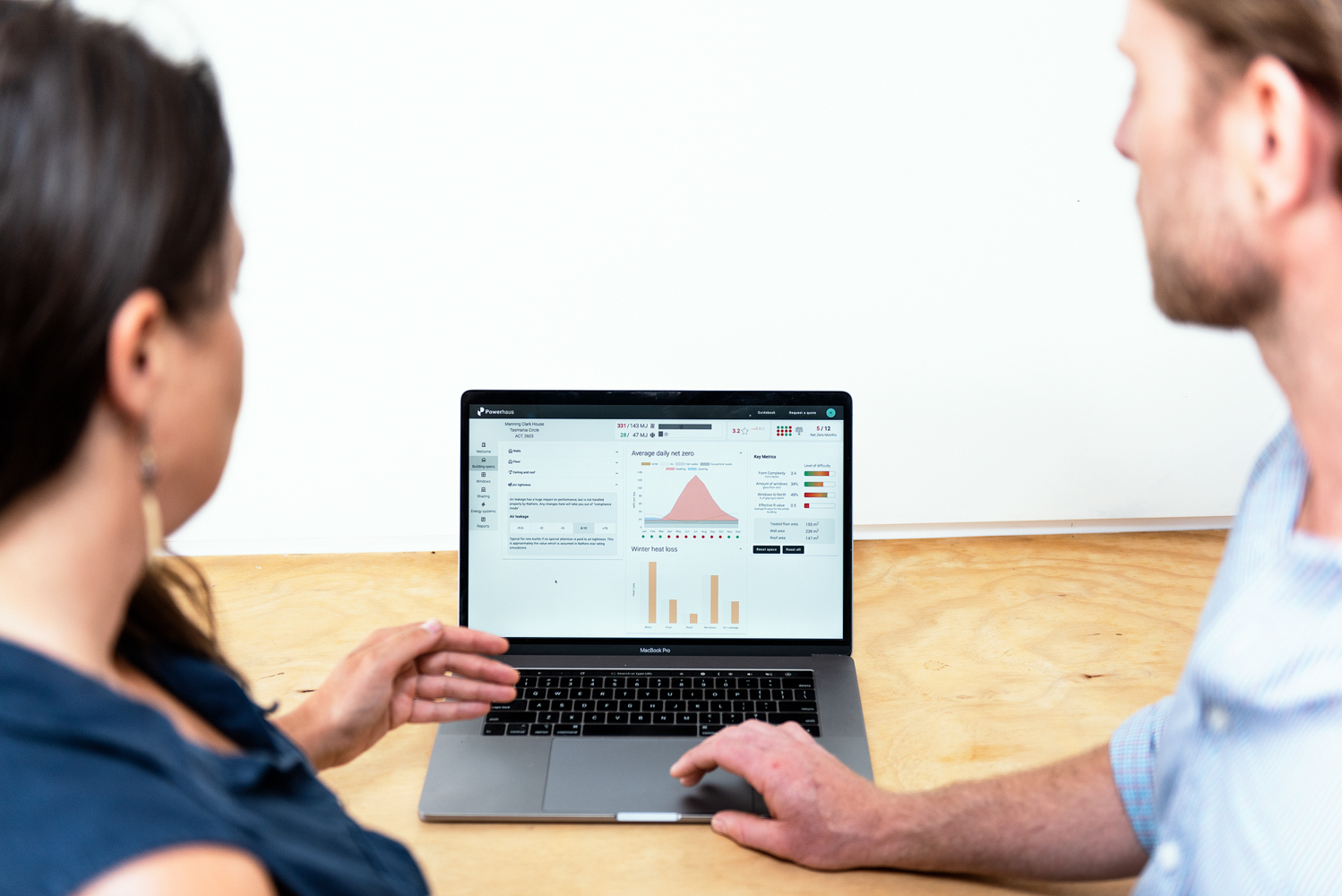
Powerhaus is the first DIY interface for NatHERS — and the first Australian tool to combine insulation, airtightness, solar and systems into one live, holistic energy efficiency dashboard.

It’s built for architects. The ones who care about performance so much they train as NatHERS assessors or Passive House consultants — just to get clear answers. Even then, it’s hard to bring clients along for the ride. The tools are complex. The feedback is slow. The insight often comes too late.

Powerhaus changes that. It brings clarity to the front end of design — when decisions are still flexible and impact is highest.

The app gives instant, visual feedback on how specifications, systems and layout interact. Users can test insulation, glazing, airtightness, heating and cooling choices, and solar sizing — and immediately see the effects on energy use and cost in real-world units, not abstract stars.

It makes complex building physics accessible. You don’t have to be a scientist to understand the trade-offs. Powerhaus empowers smart, performance-based decisions that align with Passive House principles and solar passive design — without the friction.

Powerhaus doesn’t replace materials. It helps you use them better. By making performance legible during design, it avoids unnecessary over-specification, reduces cost risk, and ensures every sustainability choice is doing real work.

This isn’t another calculator. It’s a performance engine — built by practitioners, for practitioners — that puts energy outcomes back in the hands of the people shaping buildings.

It helps you answer client questions, test ideas in seconds, and make confident, sustainable decisions — before they’re locked in.

Powerhaus makes energy design visible. Practical. And finally, easy to act on.


Share

Share