
290-292 Fitzroy Street Heritage Terrace Renovation
Sustainable Homes Melbourne
Wurundjeri Woi-wurrung Country | Fitzroy VIC
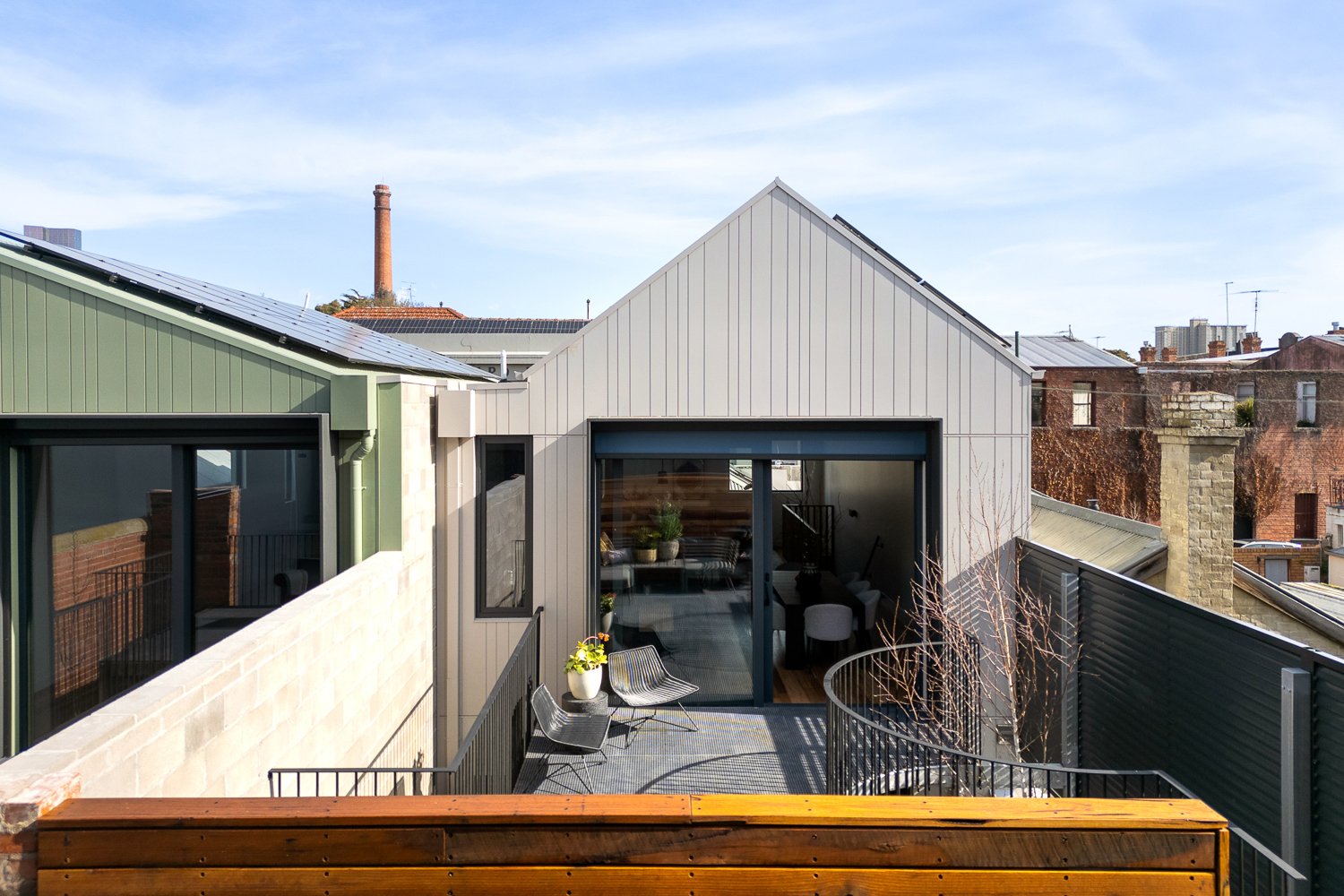
Two Victorian terrace homes at 290-292 Fitzroy Street, Fitzroy, built in 1874 and standing for over 150 years, represent one of Melbourne’s most compelling examples of what heritage adaptive reuse can achieve. One of the properties had been unoccupied for over 35 years. Rather than demolish or compromise these buildings, Sustainable Homes Melbourne undertook a comprehensive restoration and extension of both, transforming them into two double-storey family homes that are now not just liveable: they are carbon positive.
The project demonstrates that heritage buildings are not a performance liability. Both homes now produce more clean energy than they consume, exporting a surplus equivalent to nearly 5 tonnes of CO2 per year back to the grid. Combined energy bills across the two properties total $814 per year, down from $11,000.
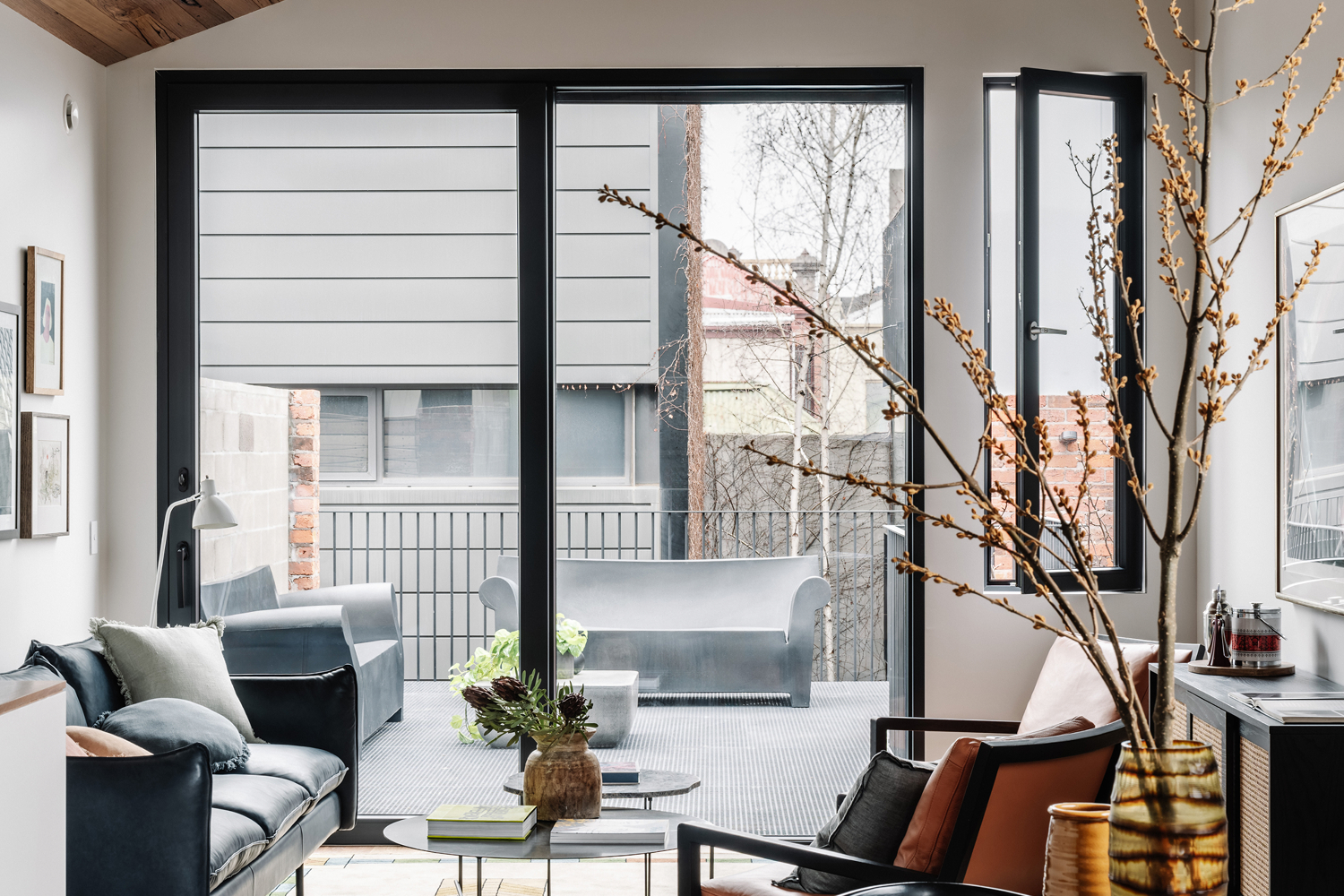
Beyond energy, the homes deliver a fundamentally healthier indoor environment. A heat recovery ventilation (HRV) system supplies a continuous stream of fresh, filtered air throughout each home, removing PM2.5 particulates from cooking, candles, and outdoor pollution. The result is a home that breathes as well as it performs thermally.
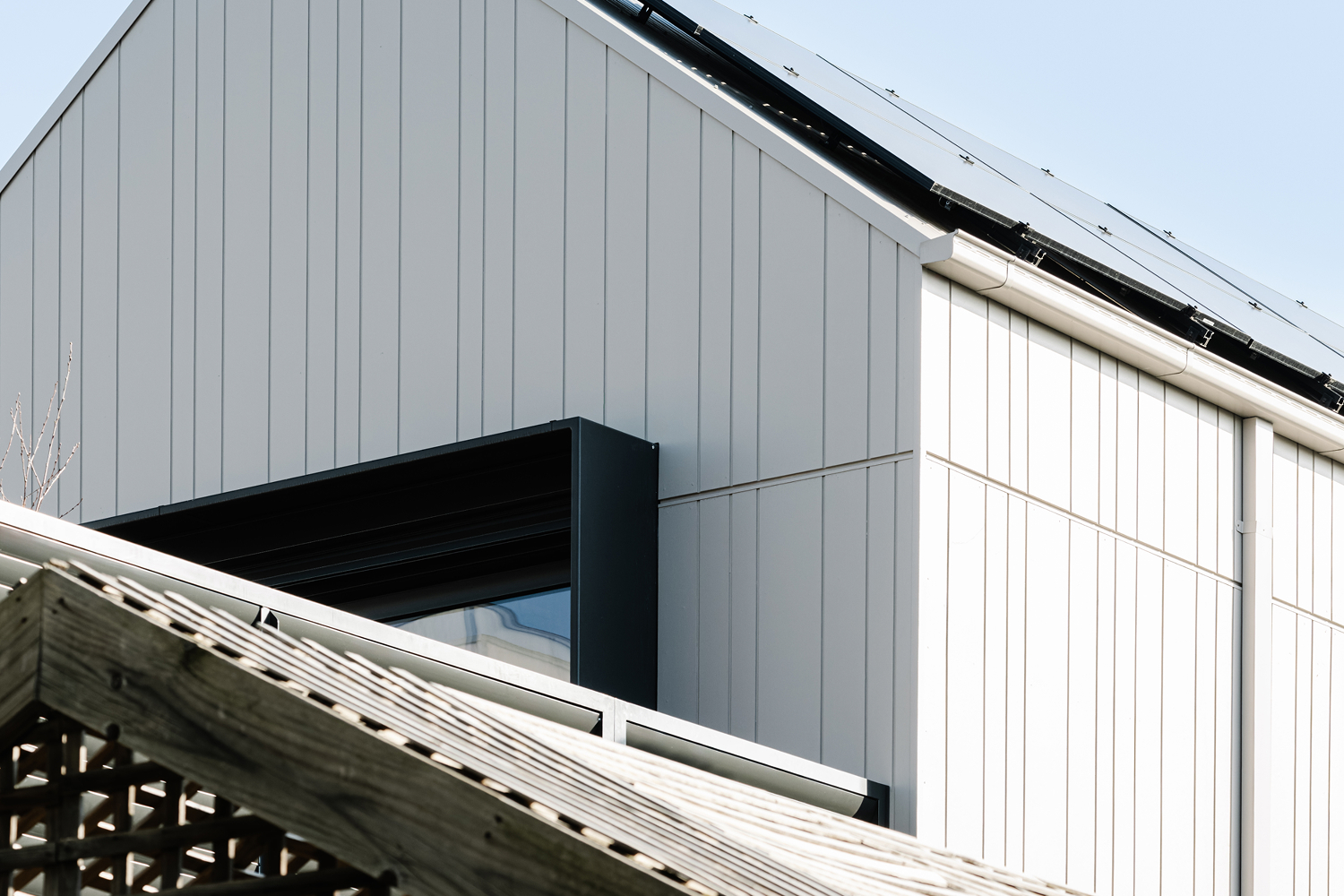
The design-build approach, led by Sustainable Homes Melbourne in partnership with Robert Nichol and Sons Architects, achieved this through passive solar design principles, high-performance building fabric including vapor permeable membranes and insulation-backed plasterboard, and the elimination of gas in favour of electric heat pumps. Each home was fitted with 11kW of solar panels and a Tesla Powerwall battery.
This project proves a principle we believe deeply: the oldest buildings can be made the highest performing. The embodied carbon locked into these 150-year-old structures is preserved rather than demolished. Lifecycle carbon analysis shows renovation delivers a carbon payback within 10 years, compared to 40 years for a knockdown rebuild. Heritage and high performance are not in conflict. This project is the proof.
Photography: Marnie Hawson
