Sustainability Summit
Keynote – Passive Solar to Regenerative and Circularity
In the seventies passive solar design was trying to reduce our dependence on imported energy (fuels). By the eighties, the movement had grown into a much wider concern about sustainability. By then the planet’s climate impacts as well as declining biodiversity had started to get the design professions concerned. Decarbonisation has more recently become a central feature of what we are required to deliver on. Tools, codes, standards and benchmarks have all evolved. New issues have continued to evolve like circularity, resilience and regenerative design. We hope we are not losing sight of the big challenges and that every new focus does not distract from delivering on others. Is regenerative going to be the all-encompassing one. This talk aims to take us back and build up the case for the journey we have been on.
Learning Outcomes
Following this presentation, you should be able to:
- Outline the ways architectural approaches to environmental challenges have changed over the past 50 years
- Explain why decarbonisation has become a key challenge for the construction sector
- Identify new and emerging architectural approaches to environmental challenges
This presentation will deliver outcomes related to the following Competency/s from the National Standard of Competency for Architects 2021:
PERFORMANCE CRITERIA FOR PRACTICE MANAGEMENT AND PROFESSIONAL CONDUCT
PC 10 – Demonstrate understanding of the whole life carbon implications of procurement methods, materials, components and construction systems.
PERFORMANCE CRITERIA FOR PROJECT INITIATION AND CONCEPTUAL DESIGN
PC 31 – Be able to identify, analyse and integrate information relevant to environmental sustainability – such as energy and water consumption, resources depletion, waste, embodied carbon and carbon emissions – over the lifecycle of a project.
PC 35 – Be able to assess operational and embodied carbon implications of materials, components, construction systems and supply chains (including transport) to achieve net zero whole life carbon when developing design concepts. This includes integrating relevant consultant expertise and advising on the impact of chosen materials, components and systems on carbon outcomes.


Ticket Information
The Sustainability Summit is an in-person event, in Sydney. Each ticket includes access to all sessions, up to 10 Formal CPD points, live Q&As, all day food & beverage, networking, and 60-day access to session recordings online.
Speaker
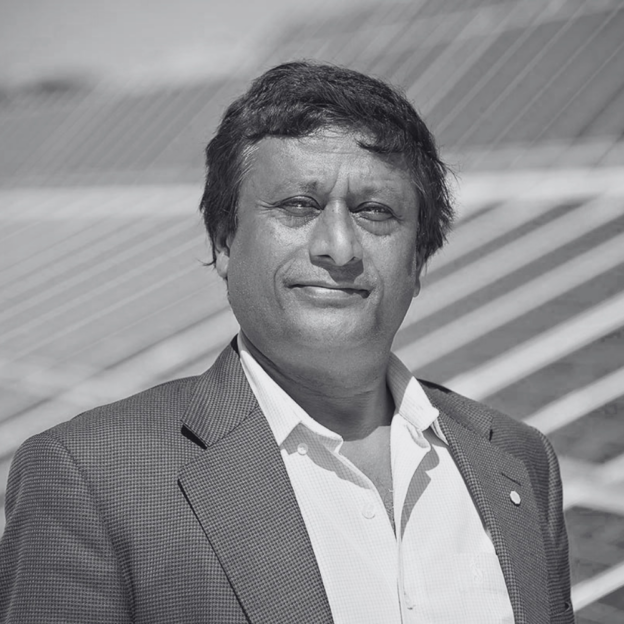
Scientia (Distinguished) Professor Deo Prasad AO FTSE
University of New South Wales
