-
26 June 2026
The concept of sustainability is 65 years old and should be retired. There’s a better idea, which we will get to after a short history.
Sustainability is an idea that dates to environmental concerns of the early 1960s, epitomised in the writings of Rachel Carson, Jane Jacobs, Donella Meadows and particularly Barbara Ward, aka Baroness Jackson of Lodsworth in West Sussex, who published Spaceship Earth in 1966 to call attention to the degradation of the earth and wasting limited resources.
Scientists used research to warn the world about an impending apocalypse, hoping their entreaties would encourage a change in societies’ behaviour. This was the first wave of ideas, raising sustainability through moral encouragement, and it failed to change anything substantial.
Scientists lost control over the word; it came to be a portmanteau for anything alternative against current technology. Advocacy had to change to have more impact on society.
So, its proponents became more political and less scientific, and the language morphed into ‘environmentally sustainable design’ or ESD. Although, as one wit pointed out, many advocates did not come from an evidence-based background and didn’t know much about either the environment or design.
But the word had power, and by the 1990s, it had migrated into common parlance. Many governments took note of the movement and tried to change behaviours by legislation, which became the second wave of sustainability: by regulation. But the tools they had were usually crude, often poorly applied and badly received.
Sustainability was becoming widely discussed, if often misrepresented. The sustainability awards started, broadening the discussion to all designers and the wider public. What had been seen as a left-leaning political movement, with climate alarmists and hippy wannabes, went mainstream.
In the 2000s some businesses were listening and could see a future. Their reports adopted the idea of the triple bottom line – environmental sustainability, social responsibility and financial management. Business sought out solutions that were both sustainable and profitable, or at least admirable in a PR sense.
This was the third wave, when people adopted some sustainable ideas and designs on their ‘lifestyle’ merits. Photovoltaics made money, water tanks gave independence, improved indoor air quality raised productivity, lessened absenteeism, and helped profits. The upside in commodification was diversification beyond alternatives to fossil fuels. Several divergences were explored.
As well as mining for fossil fuels, issues of manufacturing surged with questions on the energy content and environmental footprint of all materials, evolving into ‘life cycle assessment’ or LCA.
Close analysis of the water cycle inextricably led to issues of water quality, damming rivers, deforestation, land use and degradation, all for food and products.
The amount of water needed to produce a kilo of rice or a kilo of beef or a kilo of cotton led to vegetarianism and veganism being touted as the new frontiers of sustainability.
Allied to food, another strand being investigated was wellness as an indicator of the health of people and society, as well as the health of the planet. Wellness factors have become an important measure in many green tropes.
This last strand in particular led to the key current question: is it good enough just to sustain life?
Is it enough to maintain what we have if we do less harm? Are we doing enough just to keep going with better technology? Replacing bad fossil fuels with good renewables, but increasing private cars? Is restoration enough?
Are we moribund with a sense of stasis, happy with carbon being the measure of all things? Are we happy for the first world to benefit at the expense of the third? Are we happy to go backwards towards a future?
Or should we be more proactive? Make everything better than it is now: every step towards reversing inequality, every design an improvement to life, distribute sustainable technology to the third world, and make everything carbon positive: buildings to make more energy than they use, with offsets to the existing built environment; restore the mangroves, rivers and the ocean; and have cleaner water and air for all.
Sustainability doesn’t cut it anymore, just sustaining what we have. We have to improve things.
We need words for going beyond: we need to be enhanced; enhancement is the new goal.
We should be surfing a fourth wave, where futurists predict that we should be healthier, happier, and making more of what enhances life, with fewer demands upon the earth.
We should be achieving a better life for all. It’s about regeneration to be better, remaking things better, and using AI on everything we already know about energy, water, materials, and processes to improve the world.
Bring on enhanceability.
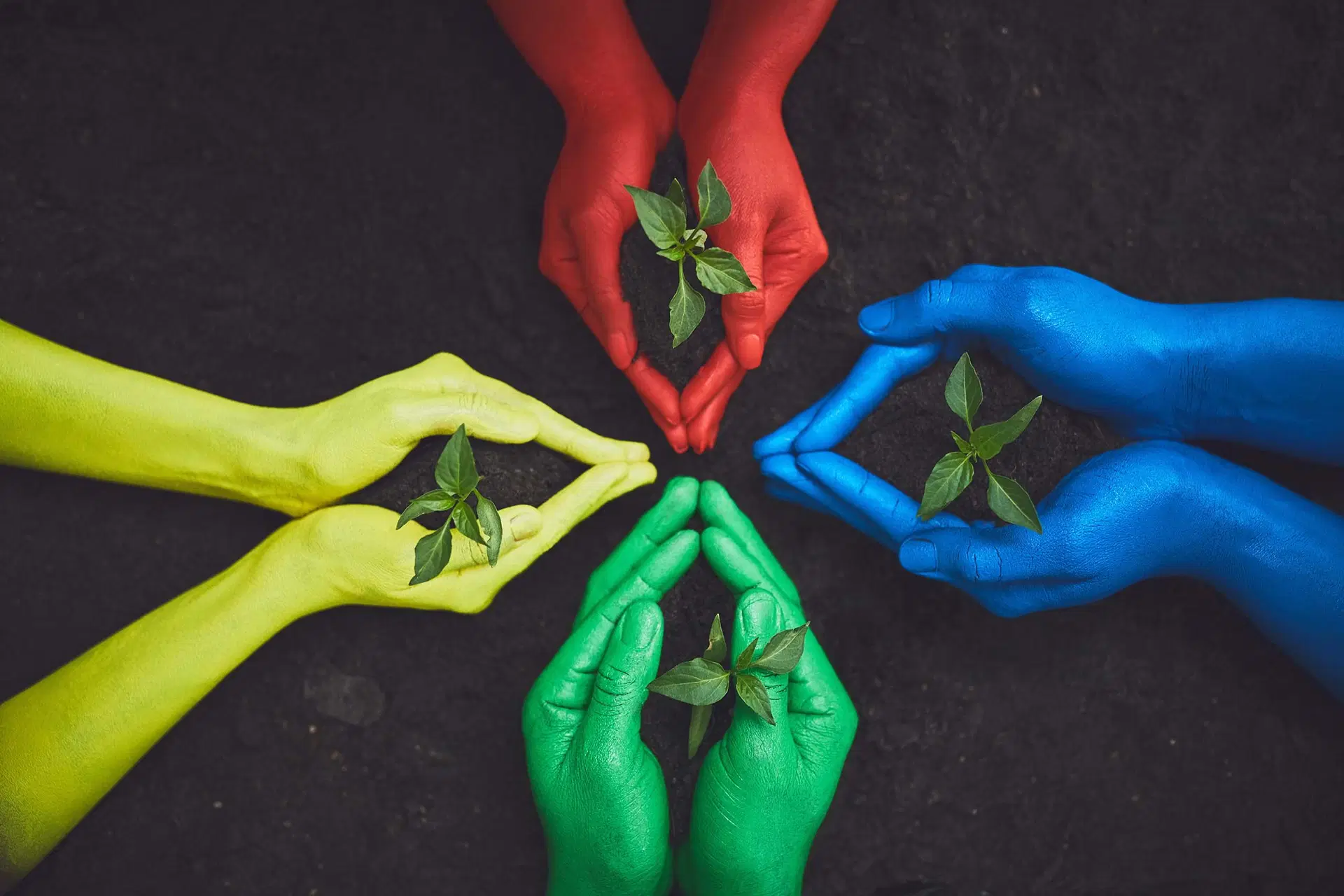
Image: Envato
Written by Tone Wheeler. Originally published on www.architectureanddesign.com.au
