BAAKA Cultural Centre
Kaunitz Yeung Architects
Barkindji Country | Wilcannia, NSW
The story of the BAAKA Cultural Centre challenged conventional practice from the very beginning. Too often, community engagement occurs after the brief has already been written. Consultation is undertaken to test ideas rather than shape them. At Wilcannia, the process was reversed. The project began without predetermined answers, allowing the brief itself to emerge through years of conversations, listening and trust-building with the community.
Understanding Wilcannia required more than consultation. It required time. The process became what the project team described as “detective work”, uncovering layers of history, culture and lived experience that could not be captured through traditional engagement methods. Rather than asking the community to respond to a proposed solution, the community became authors of the project itself.
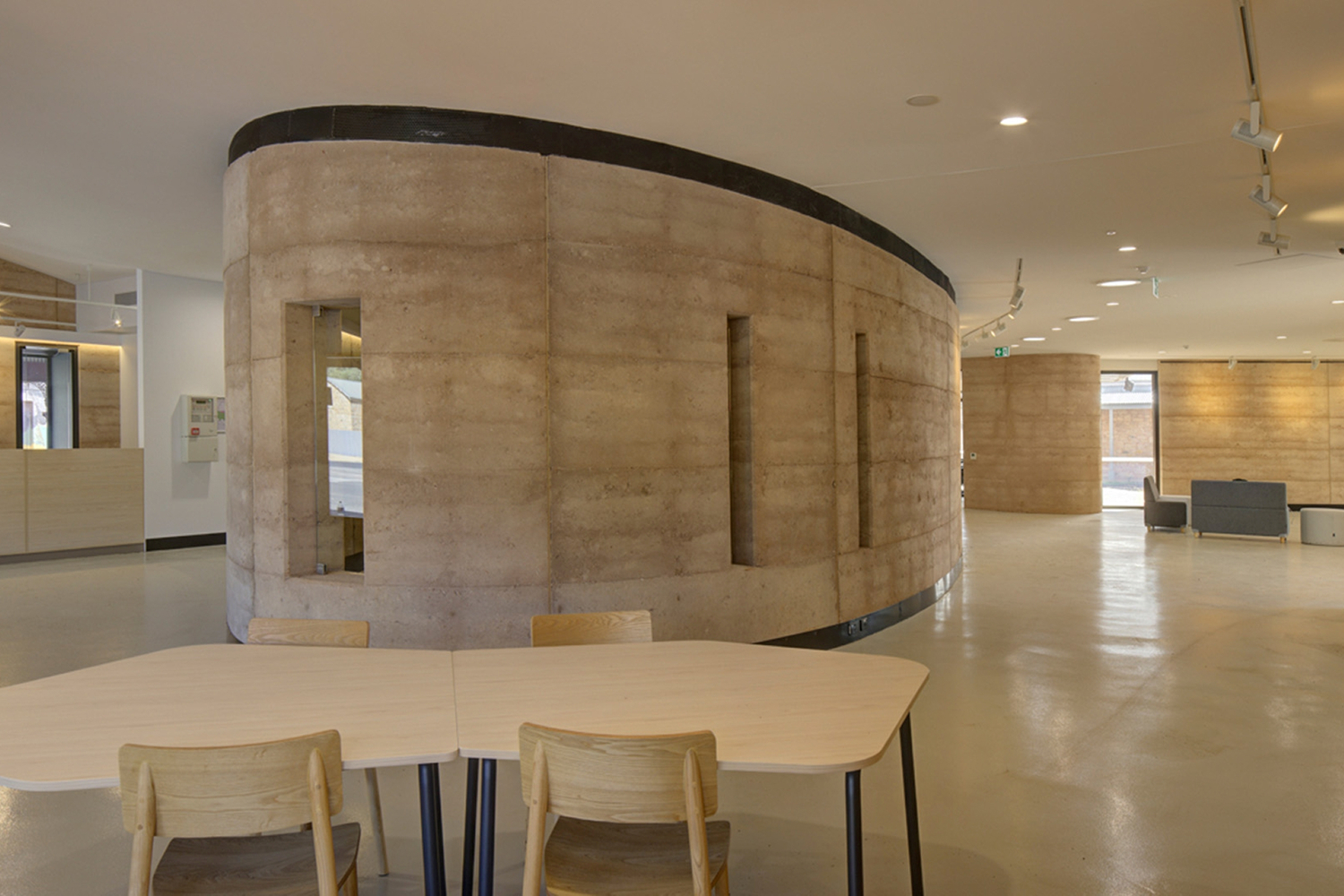
This shift fundamentally changed the outcome. Through ongoing dialogue, community members identified the need for a Keeping Place to house cultural artefacts, support language revitalisation and facilitate the transfer of knowledge between generations. While not part of the original project vision, it became the heart and soul of the Cultural Centre because it reflected what the community valued most.
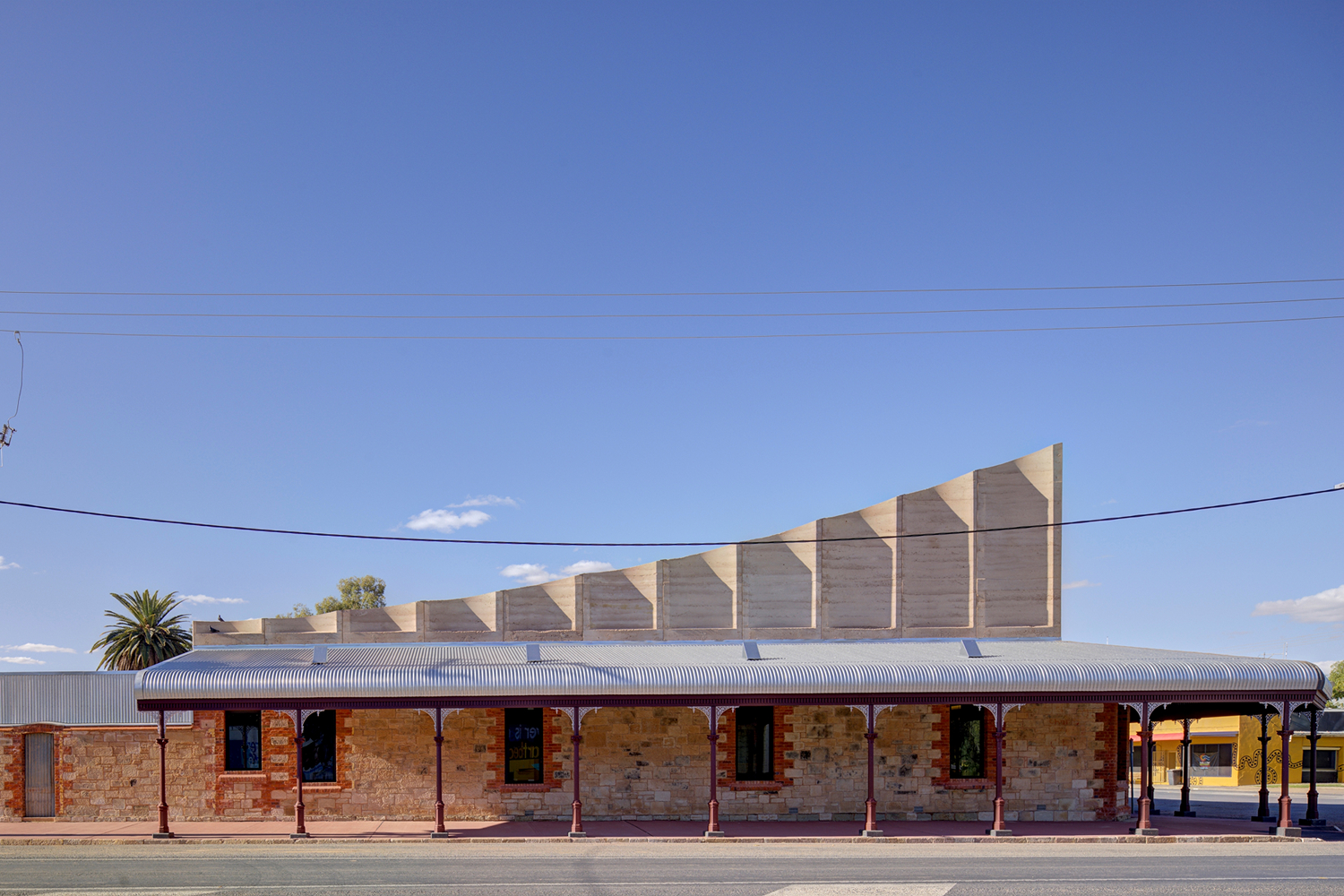
The project also challenged conventional heritage practice. Following fire damage to the former Knox & Downs building, a traditional approach may have prioritised demolition or treated the structure solely as a heritage artefact. Through engagement, it became clear that the building’s significance extended beyond its physical fabric. It held memories, stories and shared meaning for both Aboriginal and non-Aboriginal residents. The project responded by weaving old and new together, creating a place that honours the past while supporting future generations.
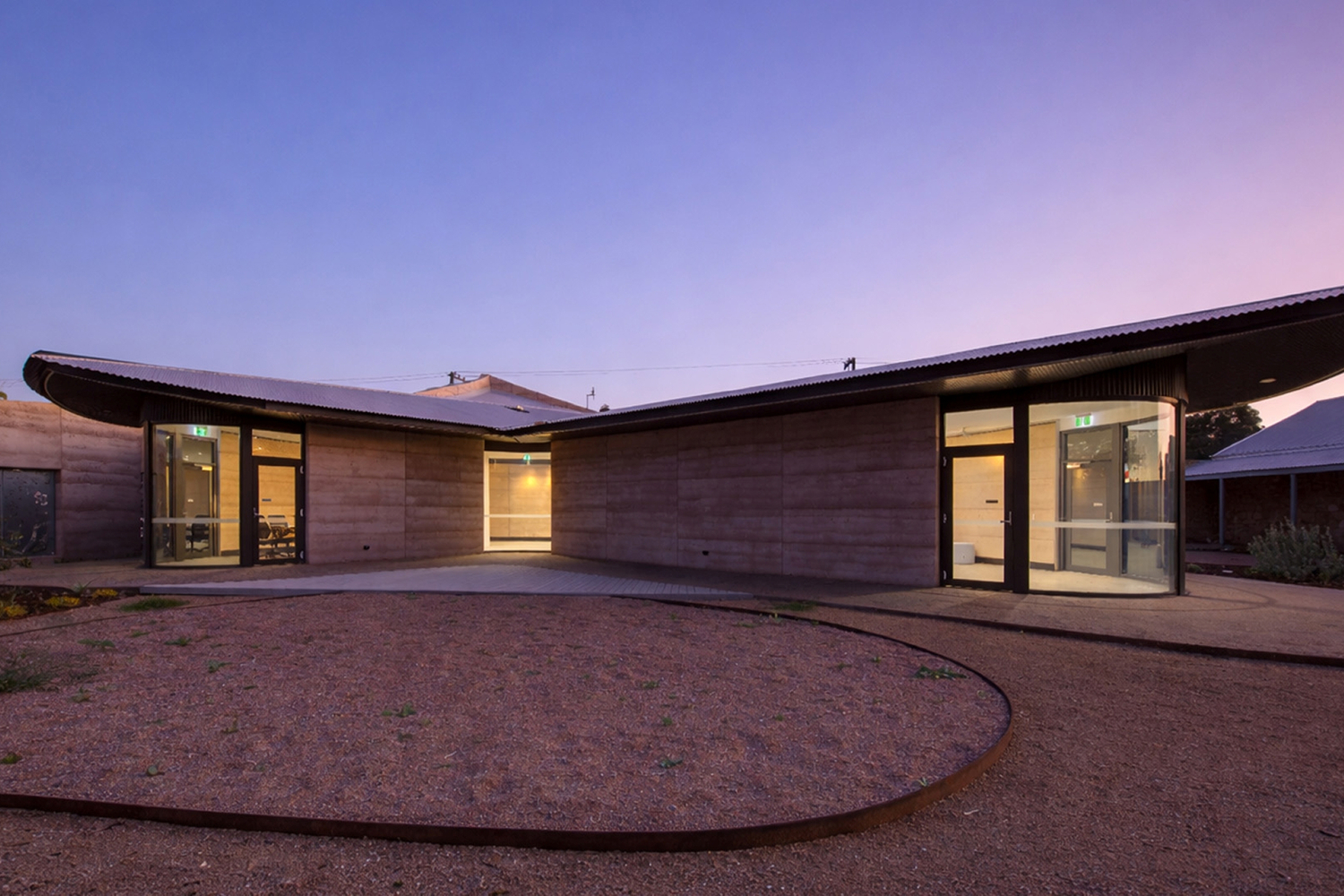
The long-term benefits of this approach continue today. The centre provides a permanent home for culture, education, gathering, storytelling and artistic expression. It supports the preservation and return of cultural artefacts, creates opportunities for tourism and economic activity, and strengthens community ownership over how culture is shared and sustained. Most importantly, it demonstrates that when communities are empowered to shape their own future, architecture becomes more than a building. It becomes a vehicle for cultural continuity, resilience and self-determination.
Photography: Brett Boardman
