Sustainability Summit
Normalising Regenerative Design in the Built Environment
This panel explores the principles of regenerative design and its potential to move beyond sustainability toward actively restoring ecological systems. It will consider how aligning built outcomes with natural processes can deliver long-term environmental and social benefits.
Learning Outcomes
Following this presentation, you should be able to:
- Define the term ‘regenerative design’ and explain how it differs from the notion of ‘environmental sustainability
- Outline the long-term environmental and social benefits of regenerative design
- Identify the challenges associated with the large-scale adoption of regenerative design
- Identify ways to best address these challenges
- This presentation will deliver outcomes related to the following Competency/s from the National Standard of Competency for Architects 2021:
PERFORMANCE CRITERIA FOR PRACTICE MANAGEMENT AND PROFESSIONAL CONDUCT
PC 10 – Demonstrate understanding of the whole life carbon implications of procurement methods, materials, components and construction systems.
PERFORMANCE CRITERIA FOR PROJECT INITIATION AND CONCEPTUAL DESIGN
PC 31 – Be able to identify, analyse and integrate information relevant to environmental sustainability – such as energy and water consumption, resources depletion, waste, embodied carbon and carbon emissions – over the lifecycle of a project.
PC 35 – Be able to assess operational and embodied carbon implications of materials, components, construction systems and supply chains (including transport) to achieve net zero whole life carbon when developing design concepts. This includes integrating relevant consultant expertise and advising on the impact
of chosen materials, components and systems on carbon outcomes.
PC 45 – Be able to nominate and integrate quality and performance standards with regard to selected materials, finishes, fittings, components and systems, considering the impact on Country and the environment, and the whole life carbon impact of the project. This includes integrating life cycle assessments and other expertise and advice from consultants.


Ticket Information
The Sustainability Summit is an in-person event, in Sydney. Each ticket includes access to all sessions, up to 10 Formal CPD points, live Q&As, all day food & beverage, networking, and 60-day access to session recordings online.
Moderator
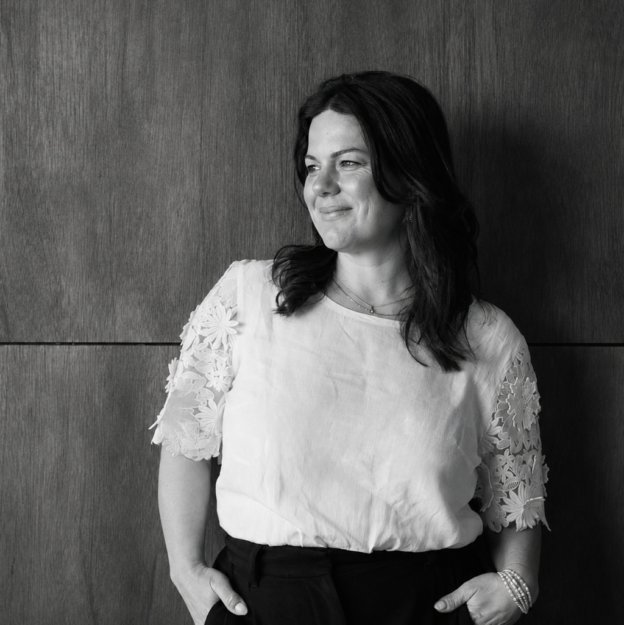
Speaker

Harriet Oswald
Grimshaw
Speaker

Ken Yeh
Marra + Yeh
Speaker

Liam Wallis
HIP V. HYPE
Speaker

Amanda Sturgeon
The Biomimicry Institute
Speaker
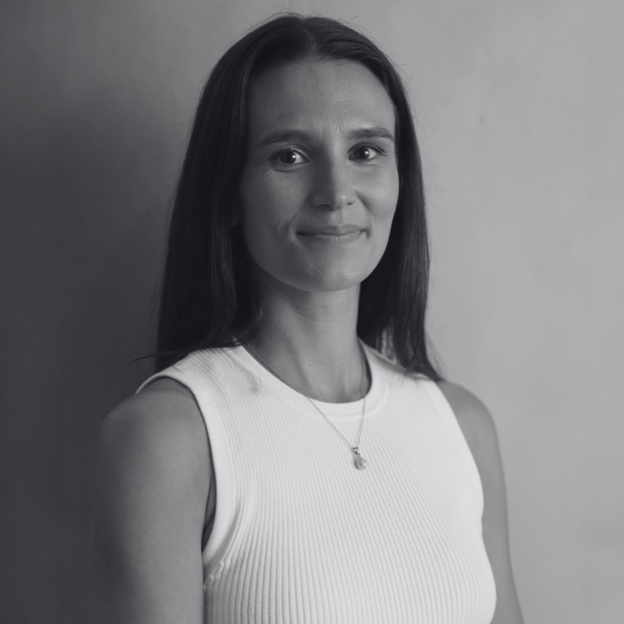
Rebecca Pettit
Green Building Council of Australia
