Sustainability Summit
Community Engagement and the Renewable Energy Transition
This panel examines the role of community engagement in the delivery of renewable energy infrastructure. It will explore the causes of local opposition and identify approaches to consultation and partnership that can support a more effective and equitable energy transition.
Learning Outcomes
Following this presentation, you should be able to:
- Explain where Australia currently stands in its transition from fossil fuels to renewable energy
- Outline the negative (social, environmental, and economic) impacts of this transition
- Identify the degree to which anti-renewable sentiment is gaining traction in Australia
- Explain the role of community engagement in the transition to renewable energy
This presentation will deliver outcomes related to the following Competency/s from the National Standard of Competency for Architects 2021:
PERFORMANCE CRITERIA FOR PRACTICE MANAGEMENT AND PROFESSIONAL CONDUCT
PC 3 – Apply principles of project planning, considering implications for Country, environmental sustainability, communities, stakeholders and project costs.
PC 12 – Provide independent, culturally responsive and objective advice in accordance with relevant building codes, standards, technical specifications and guidelines, and planning regulations, including climate change implications, across all aspects of architectural practice.
PERFORMANCE CRITERIA FOR PROJECT INITIATION AND CONCEPTUAL DESIGN
PC 28 – Be able to draw on knowledge from building sciences and technology, environmental sciences and behavioural and social sciences as part of preliminary design research and when developing the conceptual design to optimise the performance of the project


Ticket Information
The Sustainability Summit is an in-person event, in Sydney. Each ticket includes access to all sessions, up to 10 Formal CPD points, live Q&As, all day food & beverage, networking, and 60-day access to session recordings online.
Moderator
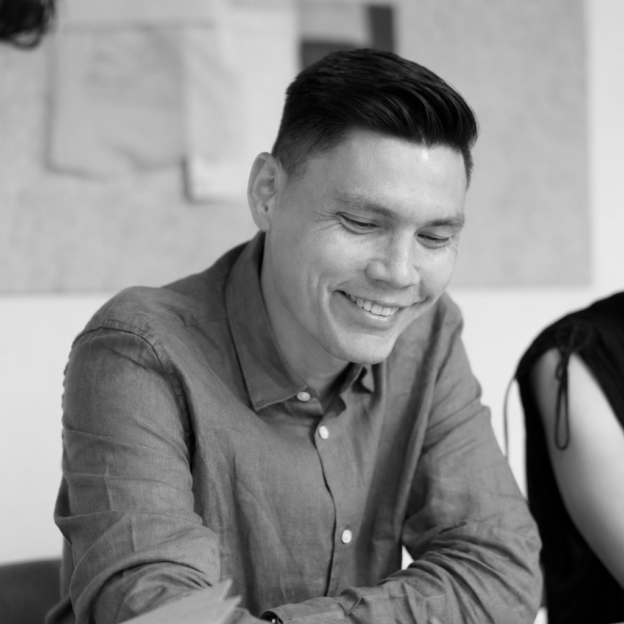
Nigel Mak
Plus Studio
Speaker
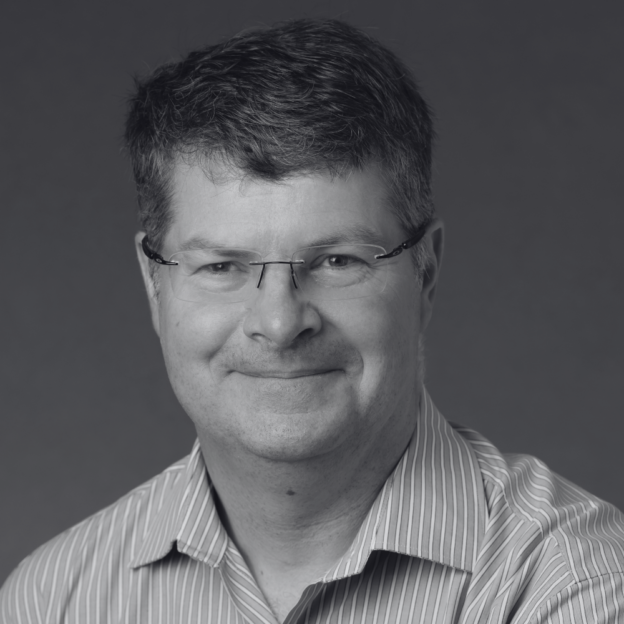
Tim Buckley
Climate Energy Finance, Sydney
Speaker
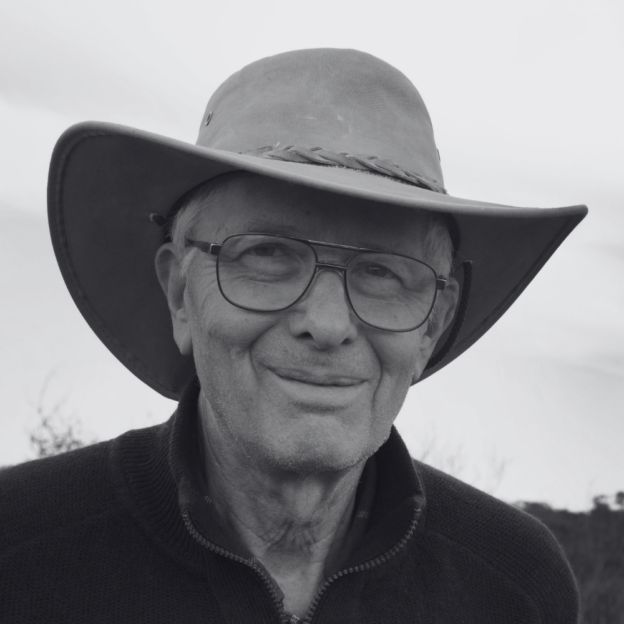
Dr Mark Diesendorf
UNSW
Speaker

Dick Clarke
Envirotecture
Speaker

David Henderson
COX
