-
22 April 2026
Cities around the world are rethinking how buildings are designed, constructed, and even reused. And with the building sector responsible for roughly a third of global carbon emissions, the stakes could hardly be higher.
For decades, sustainability in buildings focused primarily on operational efficiency: reducing heating and cooling costs, installing energy-efficient lighting, and improving insulation. Those efforts remain essential, but the conversation has broadened.
Architects and policymakers now increasingly talk about whole-life carbon — the emissions produced not only when a building operates, but also when it is constructed and eventually demolished.
This shift is transforming the materials that shape our cities. Concrete and steel, long the backbone of modern construction, are being reconsidered because of their carbon intensity. In their place, architects are experimenting with low-carbon concrete, recycled steel, and renewable materials such as bamboo, hempcrete and engineered timber.
The rise of mass-timber buildings — some storing large amounts of carbon within their structures — suggests a future skyline that looks unexpectedly wooden.
And let’s not forget to mention Modern Methods of Construction (MMC) such as off-site manufacturing, modular building, and digital design—that improve efficiency compared with traditional on-site construction. In the built sector (buildings and infrastructure), MMC supports environmental, economic, and social sustainability in many ways.
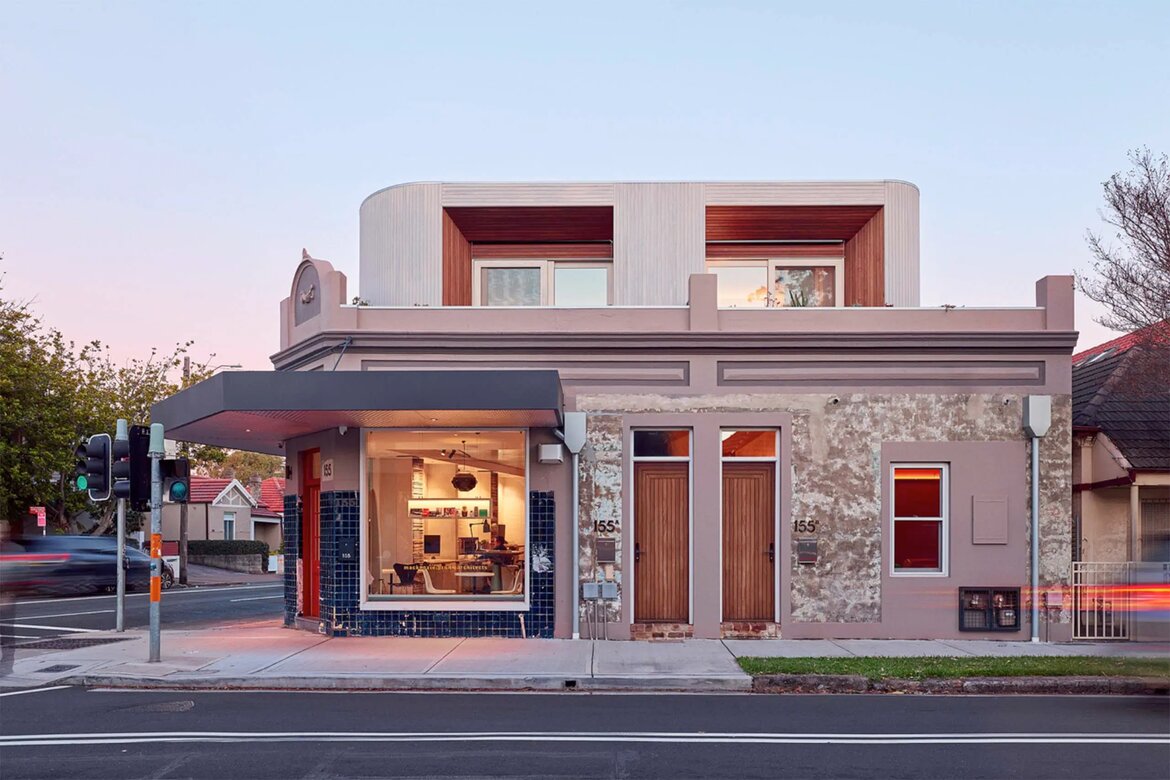
At the same time, designers are also rediscovering old ideas: sometimes the greenest building is the one that already exists. Adaptive reuse — converting warehouses into apartments, or aging office towers into mixed-use spaces — is becoming a central strategy in sustainable urban development. By preserving structures rather than demolishing them, cities can dramatically reduce construction waste and embodied carbon.
Technology – including the now near-ubiquitous AI – is also reshaping the sustainable building movement. “Smart” buildings now use sensors, artificial intelligence, and automated systems to monitor energy consumption in real time, optimising lighting, heating, and cooling to reduce waste. Some of the most ambitious projects aim for net-zero performance, producing as much energy as they consume through renewable power and hyper-efficient design.
Yet sustainability in the built environment is not only about engineering. It is also about how cities function socially and spatially. Increasingly, urban planners are prioritising walkable neighbourhood’s, green corridors and mixed-use developments that reduce car dependence and improve urban resilience.
In other words, sustainability is no longer a single feature of a building, and is becoming the logic of the city itself. The buildings rising today will shape emissions, energy use and quality of life for decades.
The real question is no longer whether architecture can be sustainable, but rather whether it can afford not to be.
Image: 2025 Sustainability Awards Commercial (Small) winner, Crossroads Marrickville, by Mackenzie Pronk Architects &Make Projects Partnership. Photography: Andreas Bommert
About the Sustainability Awards
Celebrating its 20th anniversary in 2026, the Sustainability Awards is Australia’s longest running and most prestigious program recognising excellence in sustainable design and architecture. Entries are evaluated by an expert judging panel, with winners across multiple categories announced at the annual Sustainability Awards Gala on 12 November 2026 in Sydney. For updates on entry openings or to enquire about remaining sponsorship opportunities, please click here.
