-
23 April 2026
Today, sustainability is no longer a peripheral feature. It is steadily becoming the central narrative shaping architecture; urban development and the way people live in buildings.
A turning point for the built environment
For many industry leaders, the urgency is clear: climate change is no longer a distant challenge but an immediate design brief.
2018 Architect and Sustainability Awards judge Elizabeth Watson Brown argues that the industry’s biggest challenge remains reducing carbon emissions and fossil fuel dependence. Yet she believes the problem runs deeper than energy sources alone.
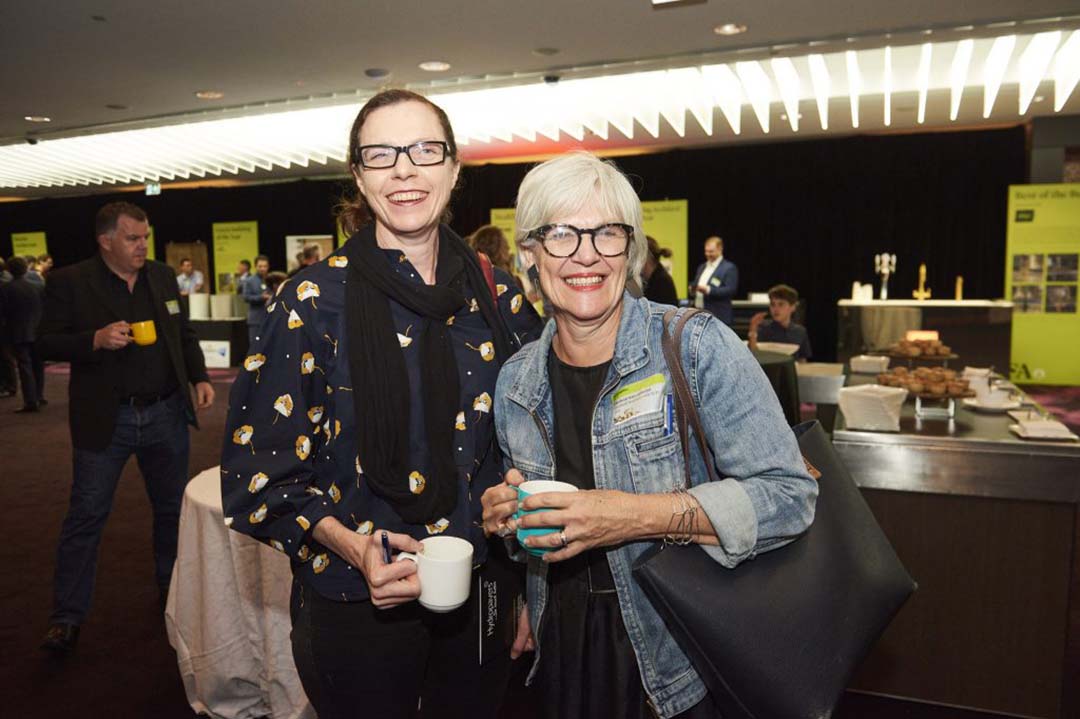
Above: Elizabeth Watson Brown (right)
Overbuilding, particularly the trend toward ever-larger homes, has become a major contributor to environmental impact. Smaller, more efficient homes and better use of space, she says, must become part of the sustainability conversation.
Her perspective echoes a growing consensus among sustainability leaders: design choices and cultural expectations are as important as technological solutions.
The electrified home
Looking ahead, sustainability judge Jeremy Spencer sees a major transformation already underway: the shift toward the all-electric home.

Above: Jeremy Spencer
As electric vehicles become mainstream and battery technology improves, the role of houses may evolve dramatically. Homes could become small-scale energy hubs, producing, and managing their own power through rooftop solar and battery storage.
Garages may soon routinely incorporate EV charging stations.
Roof designs may adapt to maximise solar generation. And integrated photovoltaic building materials could become a standard part of construction rather than an expensive upgrade.
In Spencer’s vision, the future homeowner is not just a consumer of energy, but a producer managing their own renewable energy budget.
A shift toward simpler expectations ie smaller homes and less resource-intensive lifestyles, could dramatically reduce environmental impact.
Beyond efficiency: The human factor
While energy and carbon dominate the sustainability debate, other dimensions are becoming increasingly important.
For David Palin of Mirvac, who sat on the jury in 2017, the next phase of sustainable design will place greater emphasis on indoor environmental quality and how buildings affect the people who inhabit them.
Air quality, daylight, thermal comfort, and acoustic performance all influence productivity and wellbeing.

Above: David Palin
At the same time, the industry’s sustainability frameworks continue to evolve. Rating tools such as NABERS and Green Star are becoming more sophisticated, encouraging deeper collaboration between designers, builders, and supply chains.
Palin emphasises that sustainability only delivers its full benefits when it is embedded in the entire building lifecycle, from design to operation.
Leadership and implementation
Way back in 2018, judges such as Kate Harris, then the CEO of Good Environmental Choice Australia (GECA), look for something very specific in award submissions: evidence that sustainable ideas are being implemented.
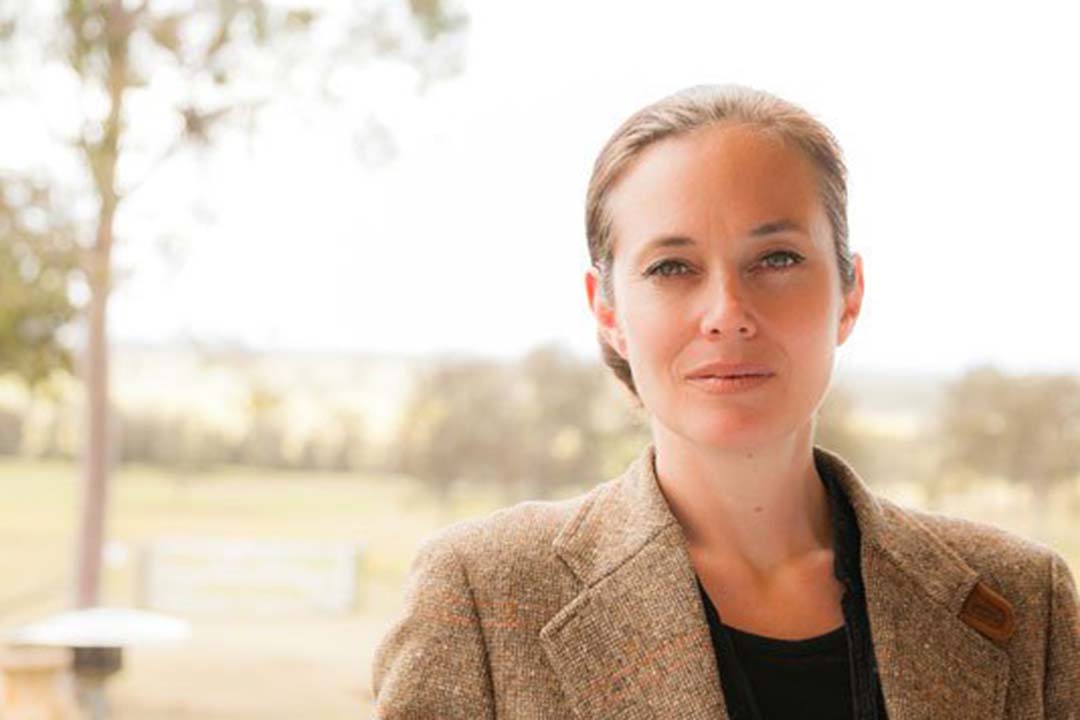
Above: Kate Harris
The industry already understands many of the solutions needed to reduce environmental impact, she says.
The challenge now is leadership, meaning organisations willing to move beyond theory and demonstrate what is possible.
Materials are a particular focus. Beyond cost and efficiency, Harris argues the industry must consider the broader environmental and health impacts of what buildings are made from.
An industry on the cusp
Another 2018 jury member, Suzanne Toumbourou, executive director of the Australian Sustainable Built Environment Council, noted that buildings are responsible for almost a quarter of Australia’s emissions and more than half of its electricity consumption.

Above: Suzanne Toumbourou
The technology to build net-zero emissions buildings already exists, she notes. The real challenge is scaling those solutions across the entire industry.
Encouragingly, momentum is building. The rapid uptake of rooftop solar and the growing interest in battery storage suggest that both industry and homeowners are ready for change.
The road ahead
Taken together, the perspectives of these judges reveal an industry in transition.
The next phase of sustainable design is likely to be defined by several converging forces:
• Electrified homes powered by renewable energy
• Smaller, more efficient buildings
• Solar and battery technologies integrated into architecture
• Stronger collaboration across supply chains
• A growing focus on occupant wellbeing
• Design approaches inspired by natural ecosystems
Most importantly, sustainability is evolving from an optional feature into a core design philosophy.
The built environment of the future will not simply minimise harm but will strive to restore ecosystems, support human health, and generate the resources it needs to operate.
For architects, developers and designers, the challenge is no longer whether sustainability should be part of the conversation.
It is how quickly the industry can make it the foundation of everything it builds.
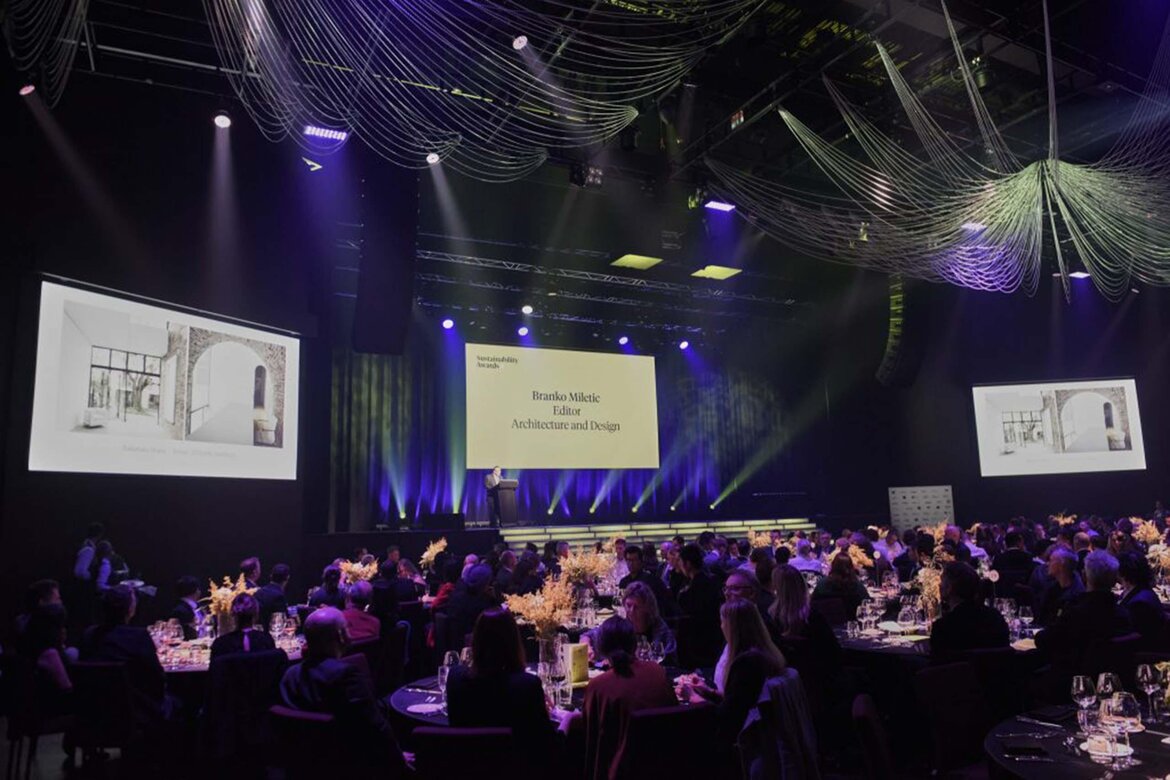
Image: 2018 Sustainability Awards Gala Night
About the Sustainability Awards
Celebrating its 20th anniversary in 2026, the Sustainability Awards is Australia’s longest running and most prestigious program recognising excellence in sustainable design and architecture. Entries are evaluated by an expert judging panel, with winners across multiple categories announced at the annual Sustainability Awards Gala on 12 November 2026 in Sydney.
For updates on entry openings or to enquire about remaining sponsorship opportunities, please click here.
